
Nutrition comparison
Buttermilk vs Oat Milk: Nutrition, Digestion, and Which Is Healthier
Compare buttermilk and oat milk on protein, probiotics, processing, calcium, and digestibility. Find out which milk alternative fits your health goals and dietary needs.
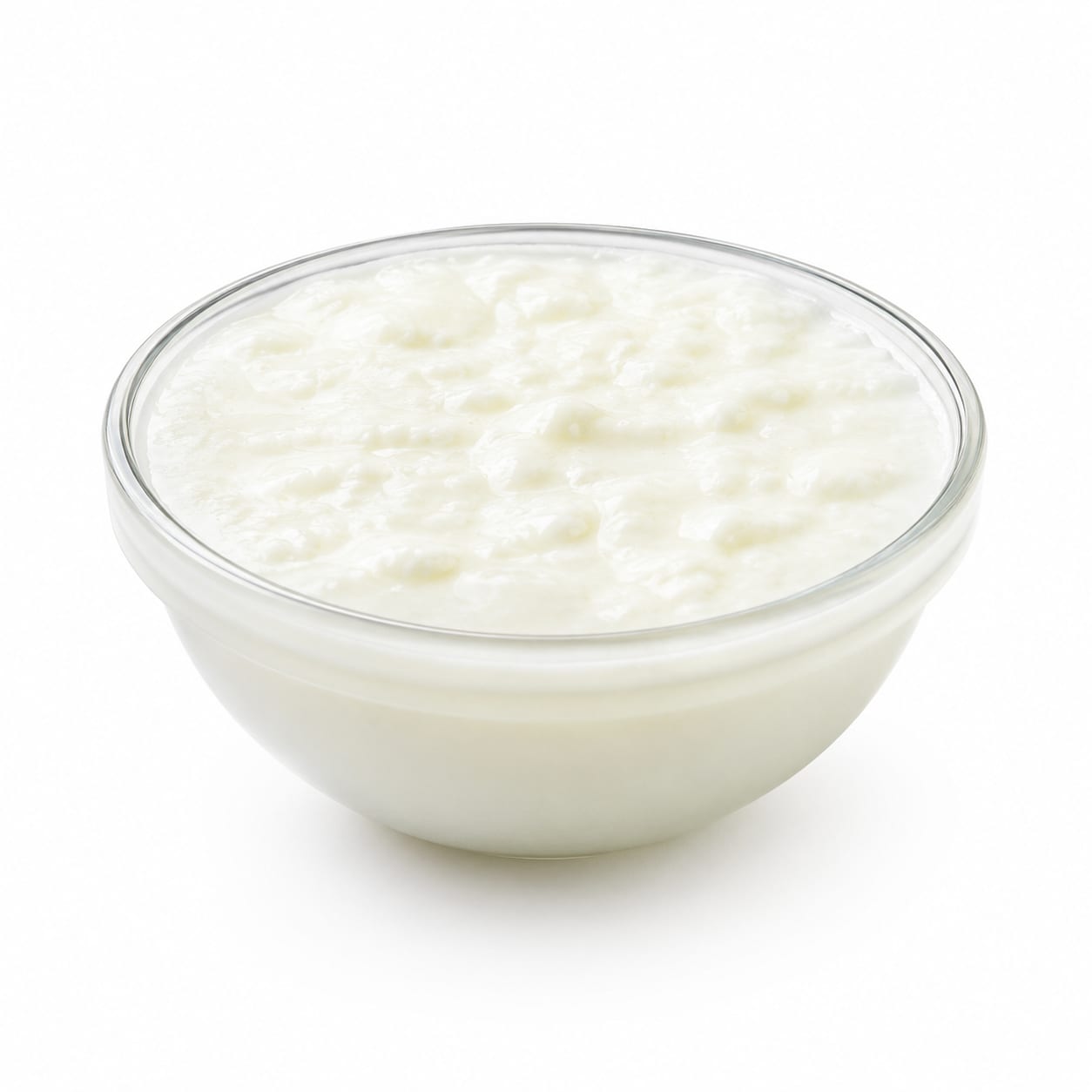
Buttermilk
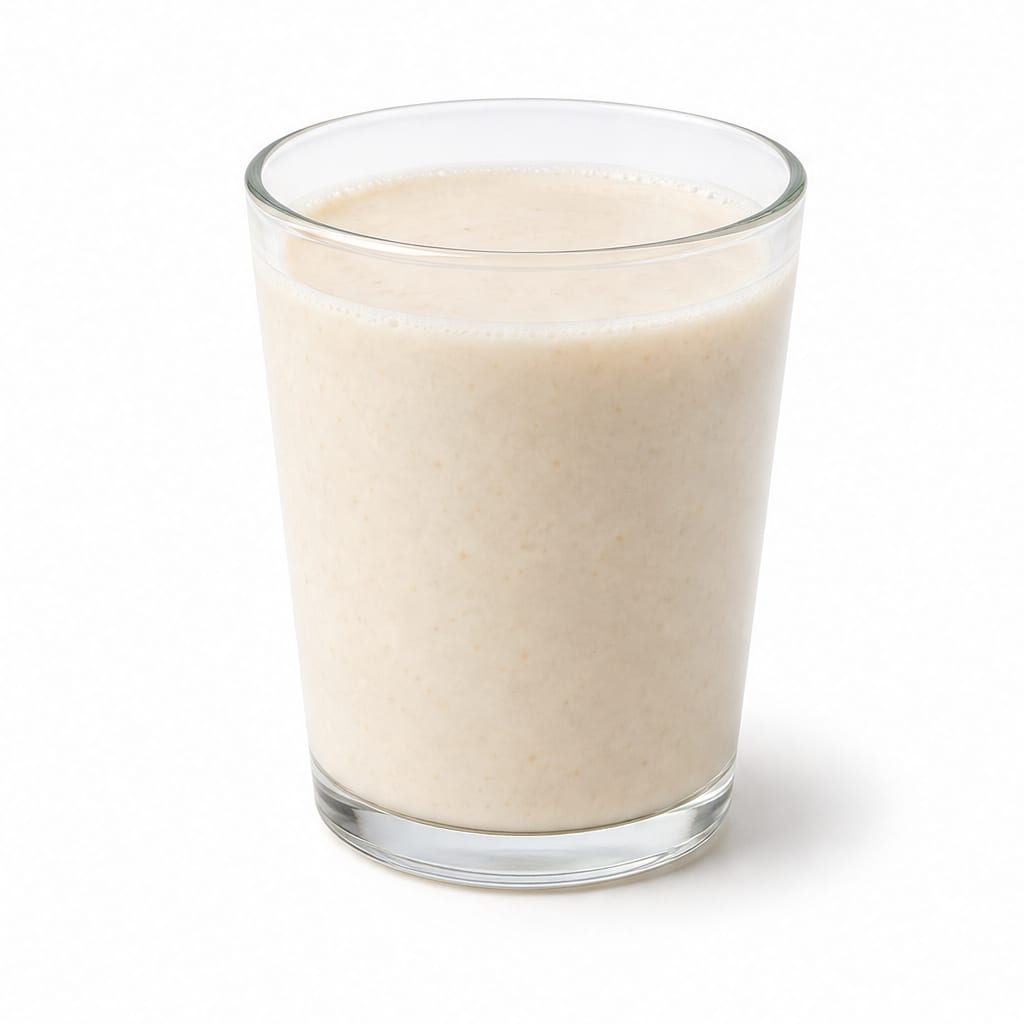
Oat Milk
Buttermilk wins on protein, probiotics, and naturalness. Oat milk wins on digestibility, vegan compatibility, and fiber content.
Buttermilk scores higher due to superior protein, natural probiotics, and minimal processing. Oat milk remains valuable for dietary flexibility but loses points for ultra-processing, lower protein, and common additives.
Real food nutrition versus dietary flexibility — buttermilk offers superior nutrition but excludes lactose-sensitive and vegan users, while oat milk accommodates more diets with more processing compromises.
At a glance
Executive summary
Overall
It depends
Healthier
Buttermilk
More practical
Oat Milk
Daily use
It depends
Key comparison lenses
dairy vs plant based digestive tolerance
Lactose intolerance and dairy avoidance are primary reasons people choose oat milk over buttermilk
processing naturalness comparison
Buttermilk is a traditional fermented food while commercial oat milk is highly processed with additives
protein quality and satiety
Buttermilk delivers significantly more complete protein than oat milk, affecting fullness and muscle maintenance
gut health and probiotics
Cultured buttermilk contains live cultures absent in oat milk, impacting digestive health
blood sugar and carb quality
Both contain carbohydrates but from different sources with different glycemic implications
allergen and dietary restriction fit
Vegan, dairy-free, and allergen considerations drive many oat milk choices
Best choice for
Buttermilk
- Protein-focused breakfasts and smoothies
- Gut health support through probiotics
- Baking and cooking with natural acidity
- Those seeking minimally processed foods
- Calcium absorption without fortification
Oat Milk
- Lactose-intolerant individuals
- Vegan and plant-based diets
- Creamy coffee drinks and lattes
- Cereal and oatmeal without dairy
- Those avoiding animal products for ethical reasons
Least suitable for
Buttermilk
- Lactose-intolerant or dairy-allergic individuals
- Vegan and plant-based lifestyles
- Those avoiding saturated fat from dairy
- Late-night consumption due to protein content
Oat Milk
- Those avoiding ultra-processed foods
- Protein-focused nutrition goals
- People sensitive to gums and emulsifiers
- Anyone watching added sugar intake carefully
Deep comparison
Dimension by dimension
Each lens scores both foods and breaks down who each option suits.
- Dimension 1 · Priority 95Buttermilk
Protein Quality and Satiety
Buttermilk · 88Oat Milk · 35Buttermilk delivers roughly double the protein of oat milk with a complete amino acid profile that keeps you fuller longer.
Tradeoff
You get significantly more satiating protein from buttermilk, but must tolerate dairy to access it.
Why it matters
Protein is the most filling macronutrient. A glass of buttermilk with 8g of complete protein stabilizes hunger far better than oat milk's 3-4g of incomplete plant protein.
Real-world impact
Buttermilk as a morning drink or smoothie base will keep you satisfied until lunch. Oat milk may leave you reaching for a snack sooner.
Buttermilk
- Post-workout recovery
- High-protein breakfast smoothies
- Muscle maintenance in older adults
- Sustained energy between meals
Better for
- Those with dairy protein allergies
Worse for
Oat Milk
- Light use in coffee where protein matters less
- Low-protein diet requirements
Better for
- Athletes and active individuals
- Anyone relying on milk as a protein source
- Elderly needing muscle-supporting nutrition
Worse for
- Dimension 2 · Priority 92It depends
Digestive Tolerance and Gut Health
Buttermilk · 70Oat Milk · 75Buttermilk offers probiotics that support gut health but contains lactose. Oat milk is lactose-free but lacks probiotics and may contain gut-irritating emulsifiers.
Tradeoff
Probiotics versus lactose tolerance — buttermilk actively improves gut flora if you digest dairy well, while oat milk simply avoids the lactose problem.
Why it matters
Your gut influences everything from immunity to mood. Live cultures in buttermilk populate your microbiome beneficially, but only if your body handles lactose.
Real-world impact
If dairy sits well with you, buttermilk after a meal can aid digestion. If lactose causes bloating, oat milk is the comfortable choice despite lacking probiotic benefits.
Buttermilk
- Non-lactose-sensitive individuals seeking probiotic benefits
- Post-antibiotic gut restoration
- Traditional digestive remedy use
Better for
- Lactose-sensitive individuals experiencing bloating or gas
Worse for
Oat Milk
- Lactose-intolerant individuals
- Those with dairy-triggered IBS symptoms
- Vegan gut protocols
Better for
- Those sensitive to carrageenan or guar gum
- People seeking natural probiotic sources
Worse for
- Dimension 3 · Priority 88Buttermilk
Processing and Additive Exposure
Buttermilk · 85Oat Milk · 30Cultured buttermilk is a traditional fermented food with minimal ingredients. Commercial oat milk typically contains oils, gums, emulsifiers, and fortified vitamins.
Tradeoff
Eating closer to nature with buttermilk versus accepting processing tradeoffs for plant-based convenience.
Why it matters
Ultra-processed foods are linked to inflammation, gut disruption, and overconsumption. Fewer ingredients generally means fewer unintended health consequences.
Real-world impact
Buttermilk ingredient lists are short and recognizable. Oat milk labels often read like chemistry experiments with rapeseed oil, dipotassium phosphate, and gellan gum.
Buttermilk
- Clean-eating advocates
- Those avoiding emulsifiers and gums
- Minimally processed diet followers
Better for
- People avoiding all animal products regardless of processing
Worse for
Oat Milk
- Those who prioritize avoiding dairy over avoiding processing
Better for
- Anyone concerned about ultra-processed food consumption
- Those sensitive to food additives and gums
- People following whole-food dietary approaches
Worse for
- Dimension 4 · Priority 82Buttermilk
Bone Health and Calcium
Buttermilk · 85Oat Milk · 65Buttermilk provides naturally occurring calcium with dairy proteins that enhance absorption. Oat milk relies on fortified calcium that may settle in the carton and absorb less efficiently.
Tradeoff
Naturally integrated calcium with superior absorption versus added calcium that may not fully integrate nutritionally.
Why it matters
Calcium from dairy comes packaged with lactose, vitamin D, and phosphorus that optimize absorption. Fortified calcium in plant milks often settles and may pass through unused.
Real-world impact
Drinking buttermilk supports bone density more reliably. With oat milk, you must shake well and trust that added calcium absorbs similarly to natural sources.
Buttermilk
- Osteoporosis prevention
- Growing children needing reliable calcium
- Post-menopausal women
- Older adults at fracture risk
Better for
- Vegans who avoid all dairy
Worse for
Oat Milk
- Those who supplement calcium separately anyway
Better for
- Anyone relying solely on oat milk for calcium without shaking well
- Those assuming fortified calcium equals dairy calcium
Worse for
- Dimension 5 · Priority 78Buttermilk
Blood Sugar and Carbohydrate Quality
Buttermilk · 72Oat Milk · 55Buttermilk has lower carbs with protein that slows glucose absorption. Oat milk has more carbs, often includes added sugars, and its protein content does little to buffer blood sugar spikes.
Tradeoff
Better glycemic control with buttermilk versus oat milk's fiber content that provides modest blood sugar benefits.
Why it matters
Steady blood sugar prevents energy crashes, cravings, and long-term metabolic damage. Protein and fat slow carb absorption effectively.
Real-world impact
Buttermilk with breakfast stabilizes morning energy. Sweetened oat milk can contribute to mid-morning crashes, especially without other protein sources.
Buttermilk
- Diabetics managing blood sugar
- Those prone to energy crashes
- Low-carb diet followers
Better for
- Very low-carb or keto dieters avoiding all milk sugars
Worse for
Oat Milk
- Those seeking beta-glucan fiber benefits for cholesterol
Better for
- Insulin-resistant individuals
- Those drinking sweetened oat milk varieties
- People not pairing oat milk with protein sources
Worse for
- Dimension 6 · Priority 75It depends
Heart Health and Cholesterol
Buttermilk · 65Oat Milk · 70Oat milk contains beta-glucan fiber that actively lowers cholesterol. Buttermilk is low in fat but contains saturated dairy fat and cholesterol.
Tradeoff
Active cholesterol-lowering fiber in oat milk versus buttermilk's lower overall fat content but saturated dairy fat presence.
Why it matters
Beta-glucan from oats has strong evidence for reducing LDL cholesterol. Dairy saturated fat remains debated but concerns persist for cardiovascular risk.
Real-world impact
Oat milk daily may help lower cholesterol numbers over time. Buttermilk is relatively low-fat but still carries dairy fat considerations for heart patients.
Buttermilk
- Those already at healthy cholesterol levels
- Low-fat dairy approvers
Better for
- Those strictly limiting saturated fat
- People with familial hypercholesterolemia
Worse for
Oat Milk
- People with elevated LDL cholesterol
- Those wanting active cholesterol management through food
- Plant-based heart health protocols
Better for
- Those drinking sweetened varieties that may increase triglycerides
Worse for
- Dimension 7 · Priority 72Oat Milk
Allergen and Dietary Restriction Fit
Buttermilk · 30Oat Milk · 85Oat milk accommodates vegan, dairy-free, and most allergen-restricted diets. Buttermilk excludes anyone avoiding dairy for any reason.
Tradeoff
Inclusivity and accessibility versus nutritional density — oat milk works for more people but delivers less nutrition per serving.
Why it matters
Dairy avoidance is common for lactose intolerance, ethical, environmental, and religious reasons. Oat milk provides a viable milk alternative for these populations.
Real-world impact
At a group brunch, oat milk works for nearly everyone. Buttermilk immediately excludes vegans, the lactose intolerant, and dairy-avoidant guests.
Buttermilk
- Those without any dairy restrictions
- Traditional diet followers
Better for
- Anyone with dairy allergies or intolerance
- Vegans
- Kosher or halal observers during meat meals
Worse for
Oat Milk
- Vegans and vegetarians
- Lactose-intolerant individuals
- Dairy-allergic individuals
- Religious dietary restrictions avoiding dairy
- Shared households with mixed dietary needs
Better for
- Gluten-sensitive individuals if oats are not certified gluten-free
- Those with oat allergies
Worse for
Timeline
Health impact over time
Short-term
Hours to days
Buttermilk
- Probiotics may reduce bloating if lactose-tolerant
- Protein provides sustained satiety for 3-4 hours
- Tangy flavor can settle stomachs after heavy meals
- Lactose may cause gas or discomfort in sensitive individuals
Oat Milk
- Lactose-free consumption prevents dairy-related bloating
- Smooth texture feels light and easy to digest
- Added sugars in some brands may trigger energy crashes
- Gums and emulsifiers may cause mild digestive upset in sensitive people
Long-term
Months to years
Buttermilk
- Regular probiotic intake supports microbiome diversity
- Consistent calcium intake strengthens bone density
- Dairy consumption may support muscle preservation with aging
- Saturated dairy fat intake requires moderation for heart health
Oat Milk
- Beta-glucan fiber may lower LDL cholesterol over months
- Fortified nutrients may not absorb as efficiently as natural sources
- Regular ultra-processed food consumption may increase inflammatory markers
- Dairy avoidance may require careful calcium planning from other sources
Risk profile
Safety & processing
Cultured buttermilk is a traditional fermented dairy product with minimal processing — typically just milk and live cultures. Commercial oat milk undergoes extensive processing with added oils, stabilizers, emulsifiers, and fortified vitamins to approximate milk's properties from oats.
Buttermilk
Lactose intolerance reactions
mediumApproximately 65% of the global population has reduced lactose absorption, making buttermilk problematic for most adults worldwide
Dairy allergy
highTrue milk protein allergy can cause severe reactions including anaphylaxis in affected individuals
Spoilage and bacterial growth
lowButtermilk's acidity provides some natural preservation, but it still requires refrigeration and has a limited shelf life
Oat Milk
Emulsifier and gum sensitivity
mediumCarrageenan, gellan gum, and guar gum can cause digestive upset in sensitive individuals and may disrupt gut lining integrity
Added sugar content
mediumMany commercial oat milks contain 7-10g of added sugar per serving, contributing to metabolic burden with regular consumption
Gluten cross-contamination
mediumUnless certified gluten-free, oats are frequently cross-contaminated with wheat during processing, posing risks for celiacs
Pesticide residue from conventional oats
lowOats are commonly treated with glyphosate as a desiccant before harvest, leaving trace residues in the final product
Who wins for whom
Audience fit
Same foods, different winners depending on your goal.
children
ButtermilkNaturally occurring calcium, complete protein, and B vitamins support growing bodies more reliably than fortified alternatives, assuming no dairy intolerance
daily consumption
It dependsButtermilk is nutritionally superior for daily use if you tolerate dairy. Oat milk is the practical daily choice for lactose-intolerant or vegan individuals who would otherwise consume no milk at all
diabetes
ButtermilkLower carbohydrate content paired with protein results in more stable blood sugar response, though unsweetened oat milk remains a reasonable alternative
elderly
ButtermilkProbiotics support aging digestive systems, complete protein prevents sarcopenia, and natural calcium protects bone density in populations at highest risk
muscle gain
ButtermilkComplete dairy protein with all essential amino acids supports muscle protein synthesis far more effectively than oat milk's limited protein profile
weight loss
ButtermilkButtermilk's higher protein content increases satiety and preserves lean muscle during caloric deficits, making it easier to sustain weight loss efforts
Your move
Decision guide
Choose Buttermilk
- You digest dairy without discomfort and want maximum nutrition per calorie
- Gut health and probiotic intake are priorities for you
- You value minimally processed foods with short ingredient lists
- You need reliable protein and calcium from whole food sources
- You use milk primarily for smoothies, baking, or cooking where tang works
Choose Oat Milk
- You are lactose intolerant, dairy-allergic, or vegan
- You need a creamier texture for coffee drinks and lattes
- You want cholesterol-lowering beta-glucan benefits from oats
- You cook for mixed-diet households with dairy restrictions
- You prioritize avoiding animal products over avoiding processing
Either works if
- You use small amounts in recipes where nutritional differences are negligible
- You rotate between dairy and plant-based options for variety
- You supplement protein and calcium from other reliable sources anyway
Avoid both if
- You are following a strict whole30 or elimination protocol
- You have both dairy intolerance and oat sensitivity
- You are on a very low-carb ketogenic diet
- You consume milk alternatives primarily for hydration rather than nutrition
Final recommendation
Choose buttermilk if your body handles dairy well — it delivers more nutrition with less processing. Choose oat milk if dairy causes problems or ethics drive your food choices, but select unsweetened varieties with minimal additives and shake well for calcium distribution. Neither is a health hazard, but buttermilk is closer to real food while oat milk is closer to a convenient substitute.
Practical
Consumer tips
- 1
Choose unsweetened oat milk to avoid 7-10g of added sugar per serving found in many commercial brands
- 2
Shake oat milk vigorously before each use — fortified calcium settles at the bottom of the carton
- 3
Look for oat milk brands with short ingredient lists and no carrageenan or dipotassium phosphate
- 4
If lactose intolerant but wanting probiotic benefits, consider lactose-free kefir as an alternative to buttermilk
- 5
Make your own oat milk at home to control ingredients and avoid emulsifiers entirely
- 6
Use buttermilk in marinades — its acidity tenderizes meat while probiotics add digestive benefits
- 7
Check oat milk labels for certified gluten-free status if you have celiac disease or gluten sensitivity
- 8
Freeze buttermilk in ice cube trays if you cannot use a full carton before expiration