
Nutrition comparison
Buttermilk vs Heavy Cream: Which Is Healthier for Daily Use?
Compare buttermilk and heavy cream side by side. Buttermilk has far fewer calories, less saturated fat, and probiotic benefits. Heavy cream offers richness at a steep caloric cost. Find out which to choose.
Overall winner · Buttermilk
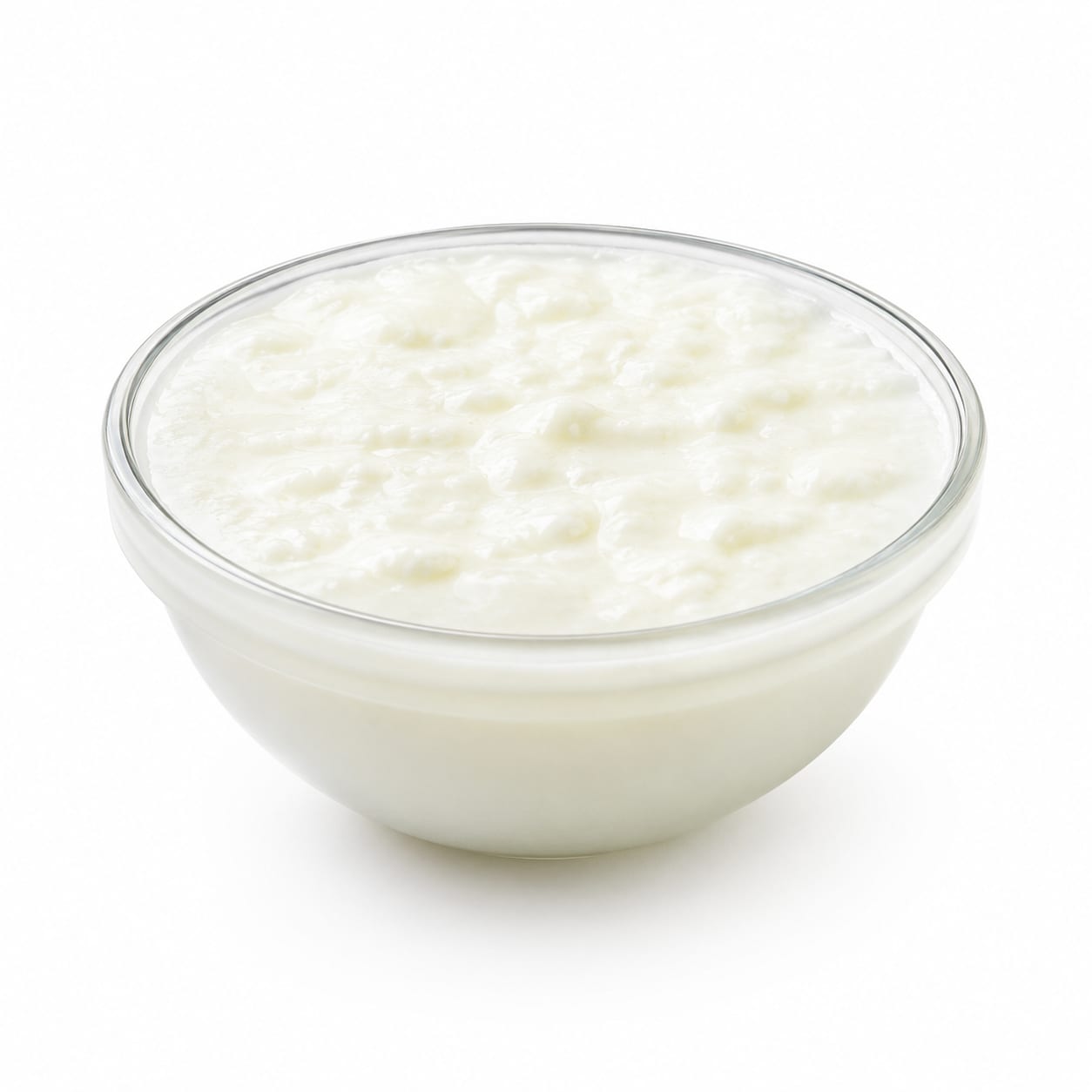
Buttermilk
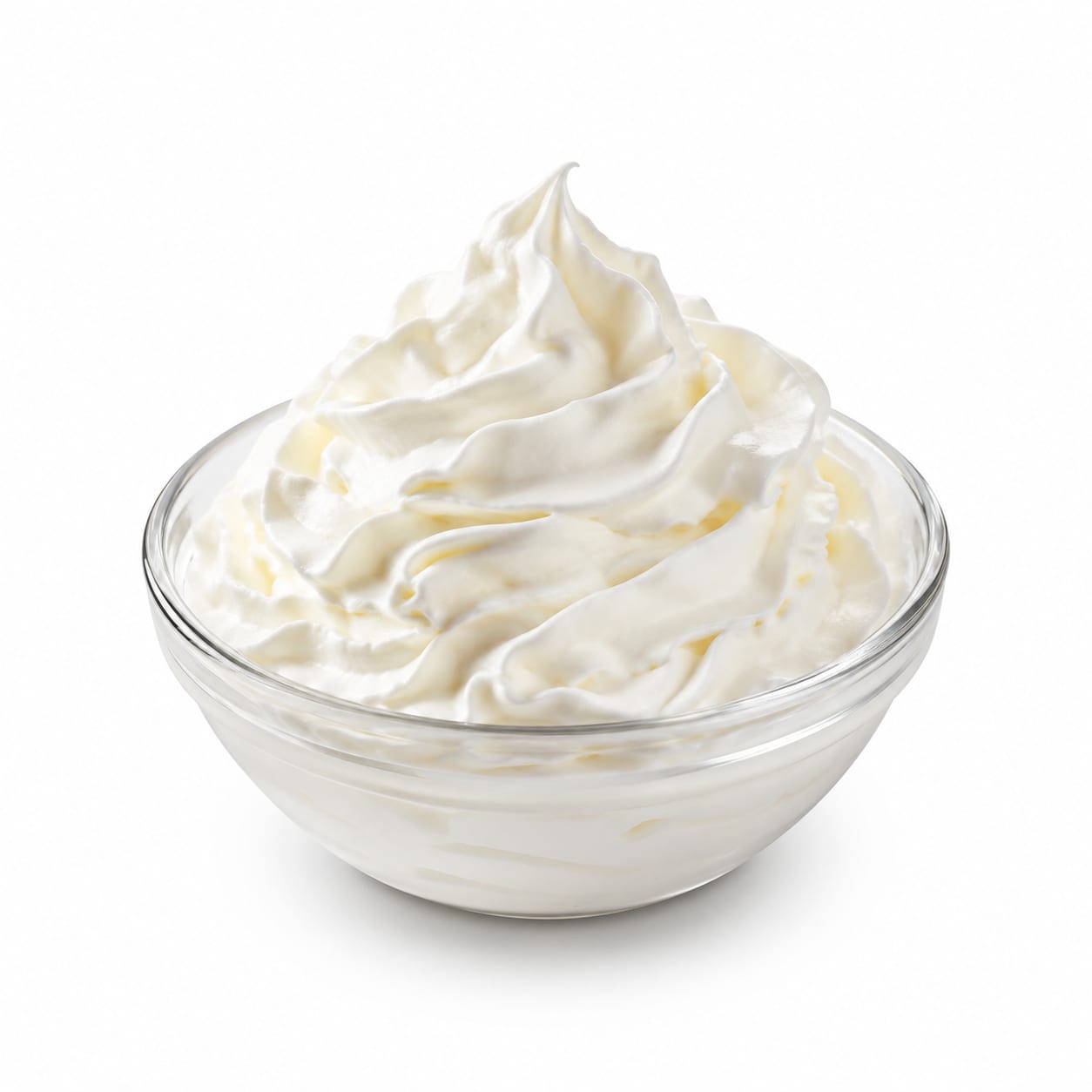
Heavy Cream
Buttermilk wins for everyday use with dramatically fewer calories and less saturated fat, while heavy cream is a concentrated indulgence best used sparingly.
Buttermilk scores significantly higher due to its much lower calorie density, probiotic content, and everyday usability. Heavy cream is not inherently bad but is calorically expensive and saturated fat-heavy, making it a poor choice for regular use.
Buttermilk gives you a light, tangy dairy option you can use freely — heavy cream delivers richness and texture at a steep caloric cost.
At a glance
Executive summary
Overall
Buttermilk
Healthier
Buttermilk
More practical
Buttermilk
Daily use
Buttermilk
Key comparison lenses
calorie and fat management
The calorie and fat gap between buttermilk and heavy cream is massive — this is the single most important decision factor
heart health and saturated fat concerns
Heavy cream delivers a very high saturated fat load per serving, making cardiovascular risk a central comparison point
culinary role and recipe substitution
These two dairy products serve very different cooking purposes, so understanding when each is appropriate matters
weight loss and daily usability
Buttermilk is far more sustainable for daily consumption while heavy cream is calorically expensive
digestive health and probiotics
Cultured buttermilk offers probiotic benefits that heavy cream completely lacks
Best choice for
Buttermilk
- People watching their weight or calorie intake
- Anyone managing cholesterol or heart health concerns
- Bakers wanting tender, moist baked goods with less fat
- Those seeking a probiotic-friendly dairy option
- Everyday cooking where a light dairy touch is enough
Heavy Cream
- Making whipped toppings or rich desserts
- Keto dieters needing high fat and minimal carbs
- Creating silky sauces and soups that need emulsification
- Special occasion cooking where indulgence is the goal
- Anyone who needs concentrated calories due to low appetite
Least suitable for
Buttermilk
- Recipes requiring thick, rich texture or emulsification
- Keto or very low-carb diets that prioritize fat
- Anyone with severe lactose intolerance
- Situations where concentrated calories are needed
Heavy Cream
- Daily or frequent consumption
- Weight loss or calorie-controlled diets
- People with heart disease or high cholesterol
- Anyone trying to keep saturated fat low
Deep comparison
Dimension by dimension
Each lens scores both foods and breaks down who each option suits.
- Dimension 1 · Priority 95Buttermilk
Calorie Density and Weight Management
Buttermilk · 88Heavy Cream · 18Buttermilk has roughly one-sixth the calories of heavy cream per cup, making it far more weight-friendly.
Tradeoff
Heavy cream delivers luxurious mouthfeel but at 400+ calories per half-cup — easy to overconsume without realizing it.
Why it matters
Calorie density is one of the strongest predictors of unintentional weight gain. Heavy cream makes it very easy to add hundreds of calories to a dish invisibly.
Real-world impact
A single coffee with heavy cream can add 100+ calories. The same coffee with buttermilk is impractical, but the point stands: heavy cream portions sneak up fast.
Buttermilk
- Weight maintenance
- Calorie tracking
- Portion flexibility
Better for
- Meeting high calorie needs efficiently
Worse for
Heavy Cream
- Gaining weight intentionally
- High-calorie meal prep for athletes
Better for
- Staying within calorie goals
- Avoiding accidental overconsumption
Worse for
- Dimension 2 · Priority 88Buttermilk
Saturated Fat and Heart Health
Buttermilk · 82Heavy Cream · 22Buttermilk contains minimal saturated fat, while heavy cream is one of the most saturated fat-dense foods in a typical kitchen.
Tradeoff
Heavy cream's richness comes from saturated fat, which raises LDL cholesterol. Buttermilk keeps your heart happier with a fraction of the fat.
Why it matters
Regular high saturated fat intake is linked to cardiovascular disease. Heavy cream used daily is a meaningful risk factor.
Real-world impact
A half-cup of heavy cream has about 28g of saturated fat — more than a full day's recommended limit for many people. Buttermilk has roughly 2g per cup.
Buttermilk
- Heart health
- Cholesterol management
- Long-term cardiovascular risk reduction
Better for
- Meeting keto fat macros
Worse for
Heavy Cream
- Ketogenic diet fat targets
Better for
- LDL cholesterol
- Inflammation markers
- Heart disease risk
Worse for
- Dimension 3 · Priority 72Buttermilk
Protein and Satiety
Buttermilk · 70Heavy Cream · 30Buttermilk provides about 8g of protein per cup versus heavy cream's 2g, making it more filling and nutritionally useful.
Tradeoff
Heavy cream's satiety comes mainly from fat, which is calorie-expensive. Buttermilk's protein satisfies with far fewer calories.
Why it matters
Protein is more satiating per calorie than fat. Buttermilk gives you more fullness per unit of energy consumed.
Real-world impact
A buttermilk-based smoothie or marinade contributes meaningful protein. Heavy cream contributes almost none despite its heavy calorie load.
Buttermilk
- Feeling full without excess calories
- Muscle-supportive nutrition
- Balanced macronutrient intake
Better for
- High-protein diets needing concentrated sources
Worse for
Heavy Cream
- Fat-based satiety for keto eaters
Better for
- Getting adequate protein
- Avoiding calorie-dense meals that leave you hungry later
Worse for
- Dimension 4 · Priority 65Buttermilk
Digestive Health and Probiotics
Buttermilk · 78Heavy Cream · 25Cultured buttermilk contains live probiotic cultures that support gut health. Heavy cream offers no digestive benefits.
Tradeoff
Buttermilk's fermentation creates beneficial bacteria and easier digestion. Heavy cream sits heavy with no gut-friendly upside.
Why it matters
Gut microbiome health influences immunity, mood, and digestion. Fermented dairy is one of the easiest ways to support it.
Real-world impact
A glass of cultured buttermilk can aid digestion after a heavy meal. Heavy cream does the opposite — it slows gastric emptying and can feel heavy.
Buttermilk
- Gut microbiome diversity
- Post-meal digestion comfort
- Lactose tolerance (cultured buttermilk is lower in lactose)
Better for
- Severe lactose intolerance cases
Worse for
Heavy Cream
- Slow digestion for sustained energy release in keto contexts
Better for
- Digestive comfort
- Gut health support
Worse for
- Dimension 5 · Priority 75It depends
Culinary Versatility and Role
Buttermilk · 68Heavy Cream · 72They serve completely different cooking purposes — buttermilk tenderizes and adds tang, while heavy cream thickens and enriches.
Tradeoff
Neither substitutes well for the other. Buttermilk makes baked goods fluffy and marinades effective. Heavy cream makes sauces silky and desserts luscious.
Why it matters
Choosing the right tool for the recipe matters more than health when the culinary outcome is the priority.
Real-world impact
Buttermilk makes fried chicken crispy and cakes tender. Heavy cream makes Alfredo sauce possible and whipped cream exist. Different jobs entirely.
Buttermilk
- Baking tender cakes and biscuits
- Marinades and tenderizing meat
- Ranch dressing and dips
- Light, tangy flavor profiles
Better for
- Any recipe needing emulsification or thick richness
Worse for
Heavy Cream
- Whipped toppings
- Rich pan sauces
- Silky soups
- Desserts requiring thick cream
Better for
- Recipes needing acidity or leavening activation
Worse for
- Dimension 6 · Priority 60Heavy Cream
Blood Sugar Impact
Buttermilk · 55Heavy Cream · 75Heavy cream has almost zero carbs and minimal blood sugar impact. Buttermilk contains more lactose sugar per serving.
Tradeoff
Heavy cream is better for strict blood sugar control, but its saturated fat load creates other metabolic concerns long-term.
Why it matters
For diabetics or those monitoring glucose, heavy cream's near-zero carb content is genuinely useful despite its other drawbacks.
Real-world impact
Adding heavy cream to coffee won't spike blood sugar at all. Buttermilk's lactose content causes a small but measurable glucose response.
Buttermilk
- Moderate carb intake within a balanced diet
Better for
- Very low-carb diets
- Strict glycemic control
Worse for
Heavy Cream
- Strict low-carb or keto diets
- Minimizing blood sugar spikes
- Diabetics managing post-meal glucose
Better for
- Long-term metabolic health due to saturated fat
- Insulin sensitivity with chronic high intake
Worse for
Timeline
Health impact over time
Short-term
Hours to days
Buttermilk
- Light, refreshing feeling after consumption
- Mild probiotic digestive support within hours
- Small blood sugar rise from lactose content
- Tangy flavor may stimulate appetite
Heavy Cream
- Heavy, rich mouthfeel that slows eating
- Minimal blood sugar impact immediately
- Possible sluggishness after large portions due to fat load
- Can trigger overconsumption because calories are invisible
Long-term
Months to years
Buttermilk
- Better weight maintenance with regular use
- Improved gut microbiome from probiotic exposure
- Lower cardiovascular risk profile
- Possible improved lactose tolerance with consistent consumption
Heavy Cream
- Elevated LDL cholesterol with frequent use
- Increased cardiovascular risk if used daily
- Unintentional weight gain from calorie density
- Better blood sugar control in low-carb contexts
Risk profile
Safety & processing
Both buttermilk and heavy cream are minimally processed dairy products. Traditional buttermilk is a fermentation byproduct, and modern cultured buttermilk simply adds bacterial cultures to milk. Heavy cream is mechanically separated from whole milk. Neither typically contains artificial additives, though some commercial buttermilks may include stabilizers like carrageenan or guar gum.
Buttermilk
Lactose intolerance reactions
mediumButtermilk contains less lactose than regular milk due to fermentation, but sensitive individuals may still experience bloating or discomfort.
Spoilage from live cultures
lowThe probiotic cultures in buttermilk continue fermenting over time, making it spoil faster than heavy cream. Check expiration carefully.
Heavy Cream
Saturated fat and cardiovascular harm
highRegular heavy cream consumption significantly raises saturated fat intake, which is strongly linked to heart disease and elevated LDL cholesterol.
Calorie overconsumption
highAt over 800 calories per cup, heavy cream makes it extremely easy to exceed daily calorie needs without feeling like you ate much.
Dairy allergy reactions
mediumHeavy cream contains milk proteins that can trigger allergic reactions in dairy-allergic individuals.
Who wins for whom
Audience fit
Same foods, different winners depending on your goal.
children
ButtermilkButtermilk provides protein, calcium, and probiotics without excessive saturated fat. Heavy cream's calorie density is unnecessary for most children.
daily consumption
ButtermilkButtermilk can be consumed daily without health concerns. Heavy cream used daily would push most people past healthy saturated fat and calorie limits.
diabetes
It dependsHeavy cream has fewer carbs and less blood sugar impact, but buttermilk's overall healthier profile may benefit long-term metabolic health. Context depends on dietary approach.
elderly
ButtermilkButtermilk's probiotics support digestive health and its lower saturated fat content is gentler on aging cardiovascular systems. Heavy cream may be useful only for elderly with poor appetite needing calories.
muscle gain
ButtermilkButtermilk offers more protein per calorie, supporting muscle maintenance without the excessive fat load of heavy cream.
weight loss
ButtermilkButtermilk provides dairy satisfaction at a fraction of the calories, making it far easier to stay within a deficit.
Your move
Decision guide
Choose Buttermilk
- You want a dairy option you can use freely without calorie anxiety
- Heart health or cholesterol is a concern for you
- You bake frequently and want tender, moist results with less fat
- You want probiotic benefits from your dairy
- You're managing your weight and every calorie counts
Choose Heavy Cream
- You're making a recipe that specifically requires cream's richness or whipping ability
- You're on a ketogenic diet and need concentrated fat with minimal carbs
- You need to increase calorie intake due to low appetite or medical needs
- It's a special occasion and indulgence is the point
- You're making a sauce or dessert where nothing else will work
Either works if
- You tolerate dairy well and just need a cooking liquid
- You're using small enough amounts that the nutritional differences are negligible
- The recipe works with either option as a minor ingredient
Avoid both if
- You have a dairy allergy — both contain milk proteins
- You're strictly vegan or avoiding all animal products
- You have severe lactose intolerance that reacts to even small amounts
Final recommendation
Keep buttermilk in your fridge for everyday cooking, baking, and drinking. Buy heavy cream only when a specific recipe calls for it, and use it sparingly. Buttermilk is the dairy you can feel good about using regularly — heavy cream is the one that should stay a guest star, not a daily staple.
Practical
Consumer tips
- 1
If a recipe calls for heavy cream but you want something lighter, try half buttermilk and half whole milk for a tangy, lower-fat alternative.
- 2
Check buttermilk labels for live active cultures — not all commercial brands contain probiotics.
- 3
Heavy cream whips best when very cold. Buttermilk should be at room temperature for baking to activate leavening agents like baking soda.
- 4
Freeze leftover heavy cream in ice cube trays for future use — it keeps for months this way.
- 5
Buttermilk lasts longer than you think past its date due to its acidity, but always smell-check before using.
- 6
A tablespoon of heavy cream in coffee is roughly 50 calories — manageable if that's your only daily use.
- 7
Shake buttermilk well before using — the cultures can settle and create uneven texture.