
Nutrition comparison
Buttermilk vs Kefir: Which is Better for Gut Health?
Compare buttermilk and kefir to find out which fermented dairy drink offers more probiotics, protein, and digestive benefits for your daily routine.
Overall winner · Kefir
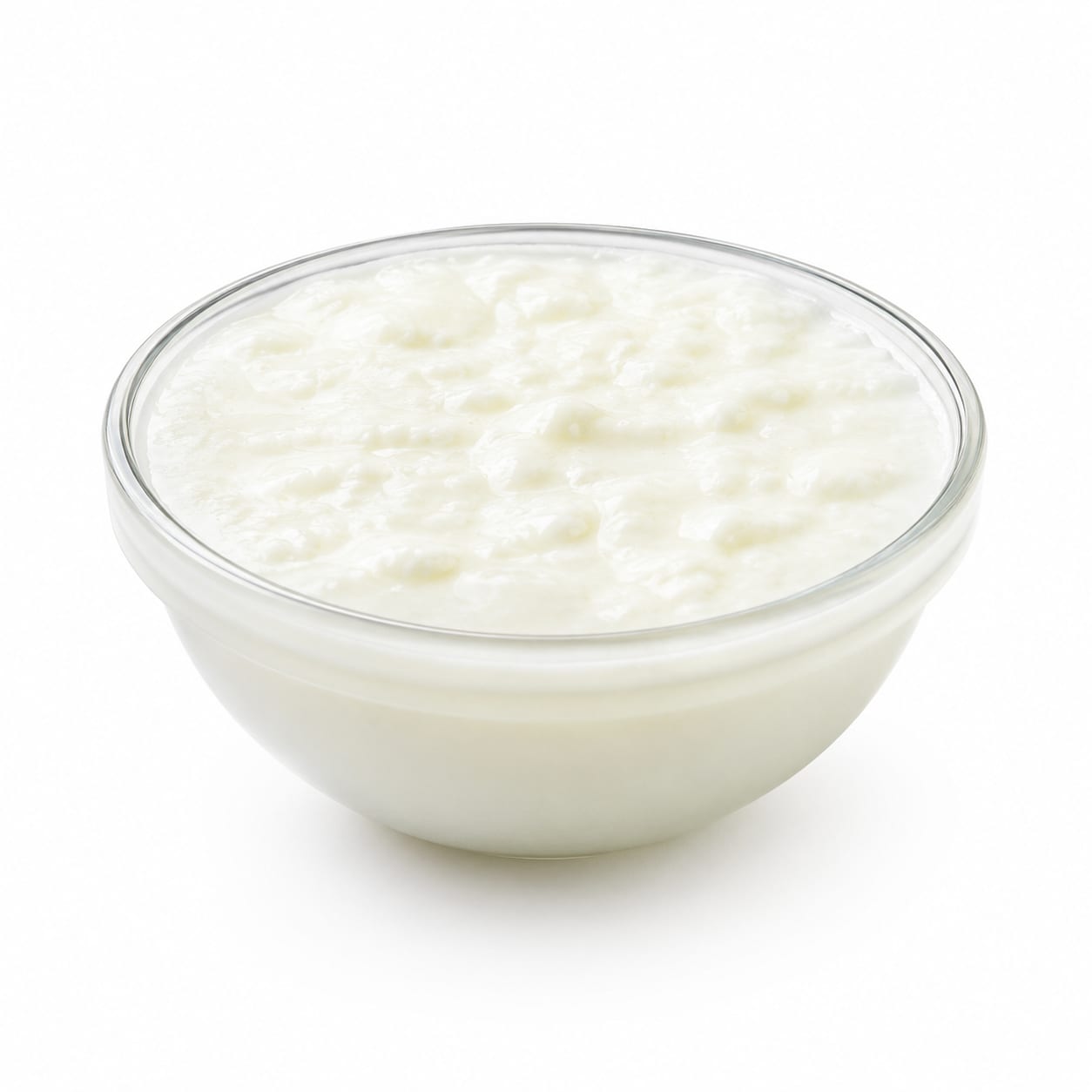
Buttermilk
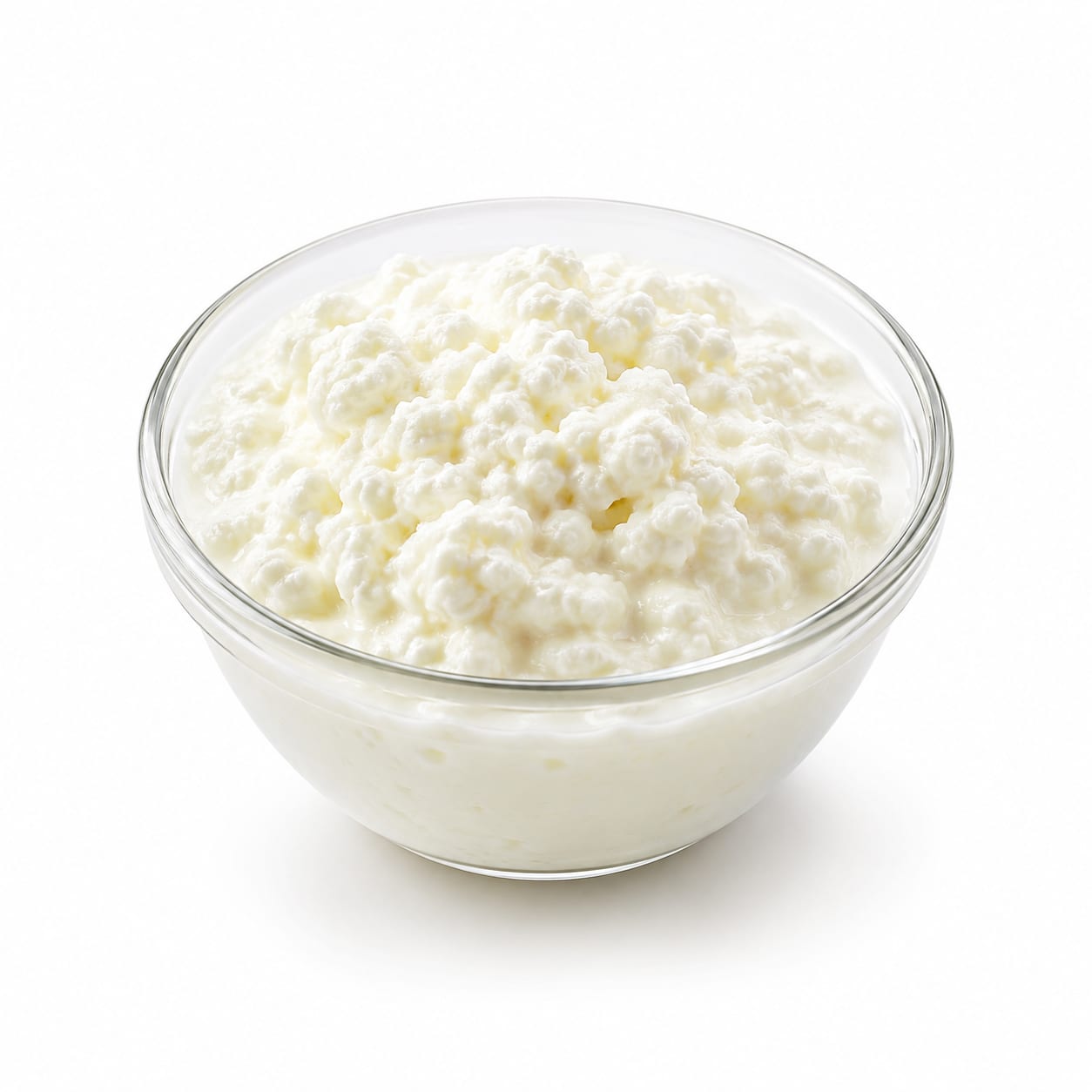
Kefir
Kefir dominates for gut health and nutrition, while buttermilk shines in cooking and baking.
Kefir scores significantly higher due to its superior probiotic profile and higher protein content, making it a more nutrient-dense daily choice. Buttermilk remains relevant but is mostly outclassed for direct health benefits.
Kefir offers vastly more probiotics and protein, but buttermilk is cheaper and far superior for recipes.
At a glance
Executive summary
Overall
Kefir
Healthier
Kefir
More practical
It depends
Daily use
Kefir
Key comparison lenses
Probiotic diversity and gut health
Kefir is renowned for its massive probiotic profile, which is the primary reason consumers choose it over other fermented dairy.
Digestive tolerance and lactose content
Both are fermented, but the degree of lactose breakdown differs significantly, impacting those with sensitivities.
Nutritional density
Users often swap these drinks for protein and calcium, wanting to know which delivers more per sip.
Culinary and practical use
Buttermilk is a baking staple, while kefir is typically a beverage, making their everyday uses quite different.
Best choice for
Buttermilk
- Baking fluffy pancakes and biscuits
- Tenderizing meats
- Budget-friendly cooking
Kefir
- Improving gut health and digestion
- High-protein breakfasts or snacks
- Lactose-sensitive individuals
Least suitable for
Buttermilk
- People seeking strong probiotic benefits
- Those watching sodium intake
Kefir
- Baking recipes requiring specific acidity
- Strict budget constraints
Deep comparison
Dimension by dimension
Each lens scores both foods and breaks down who each option suits.
- Dimension 1 · Priority 95Kefir
Gut Health & Probiotics
Buttermilk · 40Kefir · 95Kefir is a probiotic powerhouse with dozens of strains; buttermilk has far fewer.
Tradeoff
You drink buttermilk for a mild tang, but you drink kefir for actual microbiome support.
Why it matters
A diverse gut microbiome impacts immunity, mood, and digestion far beyond what basic cultured dairy offers.
Real-world impact
Regular kefir drinkers often notice less bloating and more regular digestion compared to drinking buttermilk.
Buttermilk
- Mild digestive support
Better for
- Serious probiotic therapy
Worse for
Kefir
- Rebuilding gut flora after antibiotics
- Managing IBS symptoms
- Boosting daily immunity
Better for
- Those sensitive to strongly fermented flavors
Worse for
- Dimension 2 · Priority 80Kefir
Nutritional Density
Buttermilk · 55Kefir · 85Kefir typically packs more protein and calcium per serving than buttermilk.
Tradeoff
Buttermilk is lower in calories, but kefir delivers much more satiating protein.
Why it matters
Protein keeps you full and supports muscle, while calcium is vital for bone density.
Real-world impact
A glass of kefir works as a satisfying mini-meal; buttermilk feels more like a light, watery beverage.
Buttermilk
- Low-calorie hydration
- Very low-fat diets
Better for
- Muscle maintenance
Worse for
Kefir
- Post-workout recovery
- Bone health support
- Staying full between meals
Better for
- Strict calorie cutting
Worse for
- Dimension 3 · Priority 85Kefir
Digestibility & Lactose Tolerance
Buttermilk · 65Kefir · 85Both are easier to digest than regular milk, but kefir's fermentation breaks down more lactose.
Tradeoff
Kefir is safer for the mildly lactose intolerant, while buttermilk might still cause slight issues.
Why it matters
Lactose intolerance affects a huge portion of the population, making dairy accessibility crucial.
Real-world impact
You can likely drink kefir without bloating even if regular milk or buttermilk upsets your stomach.
Buttermilk
- Those who already tolerate cultured dairy well
Better for
- Lactose-sensitive individuals
Worse for
Kefir
- Mildly lactose intolerant individuals
- People with sensitive stomachs
Better for
- Those avoiding all dairy completely
Worse for
- Dimension 4 · Priority 75Buttermilk
Culinary Versatility
Buttermilk · 90Kefir · 60Buttermilk is a kitchen staple for tenderizing and baking; kefir is best for drinking or smoothies.
Tradeoff
Buttermilk makes fluffier pancakes; kefir makes a better smoothie base.
Why it matters
How you use the food daily matters as much as its raw nutrition label.
Real-world impact
You will reach for buttermilk on weekend mornings for waffles, but kefir for a quick weekday breakfast.
Buttermilk
- Tenderizing chicken and meats
- Baking moist cakes and breads
- Making creamy salad dressings
Better for
- Enjoying as a standalone beverage
Worse for
Kefir
- Smoothie bases
- Overnight oats
- Drinking straight from the glass
Better for
- High-heat cooking or baking
Worse for
Timeline
Health impact over time
Short-term
Hours to days
Buttermilk
- Mild digestive comfort
- Quick, low-calorie hydration
Kefir
- Noticeable probiotic boost
- Satisfying protein intake that curbs hunger
Long-term
Months to years
Buttermilk
- Moderate bone support from calcium
- Possible sodium concerns if consumed heavily as a drink
Kefir
- Stronger, more resilient gut microbiome
- Enhanced immune function
- Better metabolic health from steady protein intake
Risk profile
Safety & processing
Both are minimally processed cultured dairy products. Plain versions of both contain only milk and cultures, though flavored kefirs can hide a lot of added sugar.
Buttermilk
High sodium content
mediumCommercial buttermilk often contains added salt, which can add up quickly if you drink it daily.
Spoilage
lowLike all dairy, it spoils if left unrefrigerated, though its natural acidity offers some protection.
Kefir
Added sugars in flavored versions
mediumFlavored kefir can pack 15-20g of added sugar, which can negate many of the probiotic benefits.
Over-fermentation
lowKefir can become very sour and separate if left too long past its prime, though it remains safe to consume.
Who wins for whom
Audience fit
Same foods, different winners depending on your goal.
children
KefirKefir's diverse probiotics support developing immune systems, and it is much easier to drink than buttermilk.
daily consumption
KefirKefir is more palatable as a daily drink and offers broader, more consistent health benefits when consumed regularly.
diabetes
KefirKefir's probiotics may improve insulin sensitivity, and plain kefir has a lower glycemic impact when paired with its protein.
elderly
KefirThe combination of high calcium, protein for muscle preservation, and gut health support makes kefir ideal for aging bodies.
muscle gain
KefirKefir offers significantly more protein per serving, actively supporting muscle repair and growth.
weight loss
KefirKefir's higher protein content provides much better satiety, helping control overall calorie intake throughout the day.
Your move
Decision guide
Choose Buttermilk
- You need a secret ingredient for tenderizing meats or baking
- You want a low-calorie, low-fat dairy option for recipes
- You prefer a milder, less tangy flavor in your cooking
Choose Kefir
- You want to actively improve your gut health
- You need a high-protein snack or quick breakfast
- You are slightly lactose intolerant but still want dairy benefits
Either works if
- You are looking for a base for creamy salad dressings
- You want a calcium-rich alternative to regular milk
Avoid both if
- You have a severe dairy allergy
- You are strictly vegan
Final recommendation
Drink kefir for your health, cook with buttermilk for your recipes. If you must choose one for daily sipping, kefir is the clear nutritional winner due to its probiotic diversity and protein content.
Practical
Consumer tips
- 1
Always choose plain, unsweetened kefir to avoid hidden sugars that feed bad gut bacteria.
- 2
Check the sodium label on buttermilk; some brands add significant salt that you might not expect in dairy.
- 3
If buttermilk is too tangy to drink straight, blend it with fruit to mask the flavor.
- 4
You can substitute kefir for buttermilk in baking in a pinch, but the texture may vary slightly due to different acidity levels.
- 5
Look for kefir with live and active cultures, and avoid pasteurized versions that kill off the beneficial probiotics.