
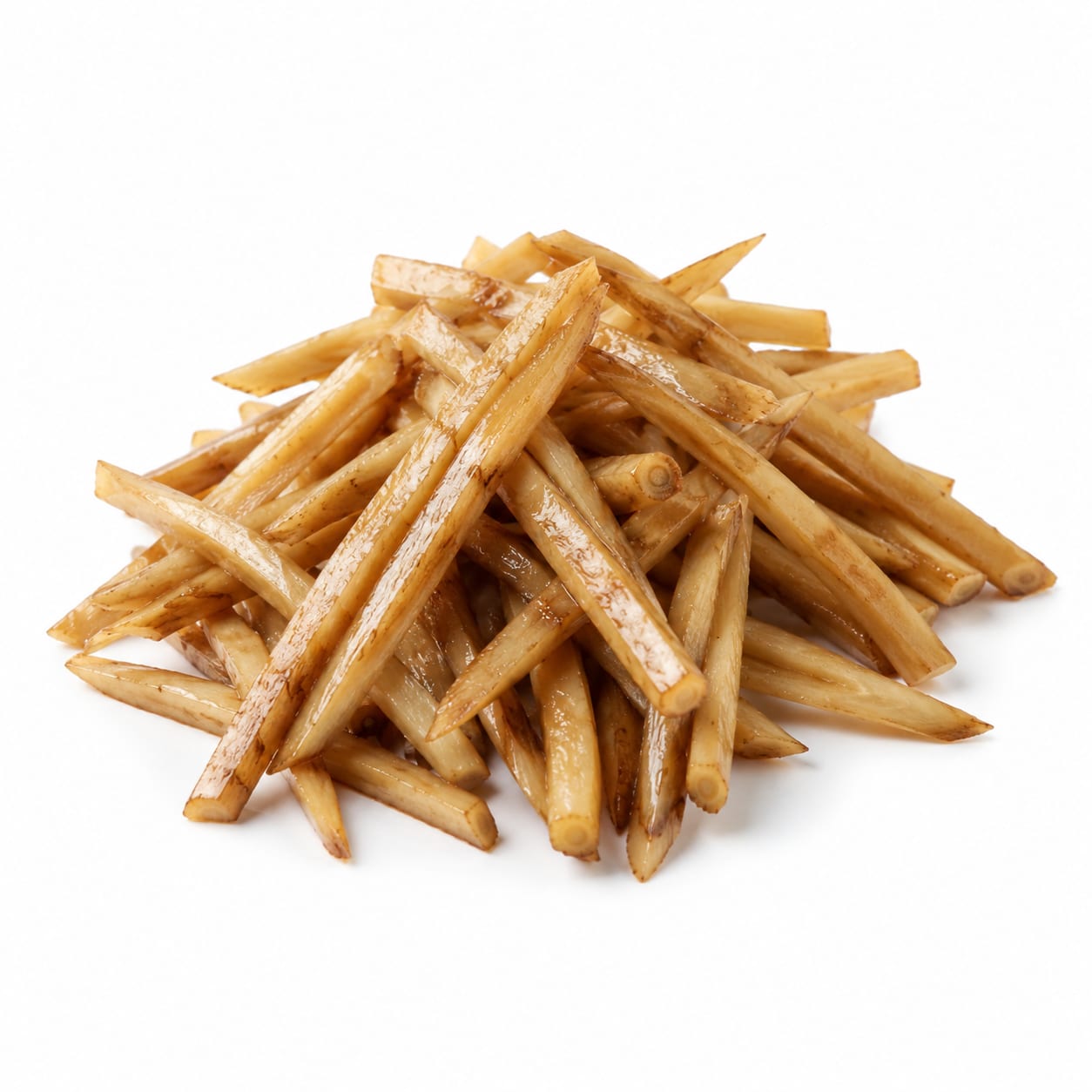
Root Vegetable
Burdock Root
A high-fiber, prebiotic root vegetable known for its earthy flavor and gut-health benefits.
A crunchy, earthy root vegetable commonly used in Asian cuisine and traditional herbal medicine, prized for its high prebiotic fiber content and distinct flavor.
high-fiber prebiotic root vegetable
Typical serving · 100g
Common varieties · Takinogawa Long, Watanabe, Shirogane, Early Maturity
Overall context score across nutrition, safety, and diet fit
At a glance
Quick facts
Simple indicators based on nutrition, processing, and diet fit.
The story
What makes it unique
Burdock root is a carbohydrate-rich vegetable notable for its high inulin content, a soluble prebiotic fiber that slows digestion, feeds beneficial gut bacteria, and moderates glycemic response. It provides moderate calories with very low fat and protein. Its dense cell structure requires thorough cooking to soften, and it retains a firm texture even after boiling.
Varieties: Takinogawa Long · Watanabe · Shirogane · Early Maturity
Per 100g
Nutrition breakdown
Macro balance and key metrics at a glance.
Energy
Density 0.72 kcal/g
Protein
Carbs
Fat
Fiber
Sugar
2.9 g
Sodium
5 mg
Potassium
308 mg
Glycemic index
35
Glycemic load
5
Water content
80%
Standout compounds
Nutrient highlights
Inulin
highFeeds beneficial gut bacteria and slows carbohydrate absorption
Potassium
moderateSupports healthy blood pressure and fluid balance
Quercetin
moderateProvides antioxidant and anti-inflammatory effects
Magnesium
lowSupports enzyme function and muscle relaxation
Wellness map
Health scores & processing
NOVA processing scale
minimally processed · Whole food
Fresh burdock root is an unprocessed whole food. Processing is limited to harvesting, cleaning, and peeling.
Diet compatibility
- Weight loss
- Muscle gain
- Diabetes
- Gut health
- Low carb
- High protein
- Heart health
Relative standing
Food rankings
Qualitative ranks compared to similar whole foods.
- Satietyexcellent
- Blood sugarexcellent
- Nutrient densitygood
- Fitness fuelmoderate
- Processing qualityexcellent
Eat with confidence
Food safety profile
Burdock root is generally safe, but its growth in soil makes it prone to dirt accumulation and potential heavy metal uptake. Thorough washing and peeling significantly reduce surface risks.
Evidence confidence 85%
- Pesticidesmoderate
- Antibioticslow
- Heavy metalsmoderate
- Contaminationlow
Watch for
- soil residues
- heavy metals
Safer choices
Organically grown burdock root from farms with verified soil testing.
Prep tips
Scrub the skin thoroughly under running water to remove soil. Peeling the outer skin reduces pesticide and heavy metal surface exposure. Soak cut roots in water with a splash of vinegar to prevent oxidation and remove astringency.
As a root vegetable grown in soil, it can accumulate heavy metals like lead or cadmium from contaminated ground. Sourcing from reputable farms with tested soil is advisable.
Deep dive
Health analysis
How this food may fit different goals and preparation choices.
Weight loss
Low energy density and high fiber content promote fullness, making it easier to manage calorie intake during weight loss.
Blood sugar
Inulin slows carbohydrate absorption, resulting in a low glycemic index and stable blood sugar levels, ideal for insulin resistance management.
Fitness & energy
Provides slow-releasing carbohydrates suitable for sustained energy, but lacks the quick-digesting sugars or protein needed for immediate post-workout recovery.
Gut health
Exceptional prebiotic profile feeds Bifidobacteria and Lactobacilli, supporting a healthy gut microbiome and improved digestion.
Processing quality
Whole, unprocessed food with no added sugars, artificial preservatives, or refined ingredients.
Food safety
Primary concerns involve soil-borne contaminants and heavy metal accumulation; proper washing, peeling, and sourcing mitigate these risks effectively.
Common mistakes
Over-peeling strips away beneficial fiber; skipping the soaking step leads to oxidation and an unpleasant bitter, astringent taste.
Best preparation
Stir-frying, simmering in soups, or braising. Soaking in vinegar water prevents browning and removes excess astringency.
Practical guide
Best use cases
When and how this food fits real eating patterns.
Prebiotic Gut Boost
Adding to daily meals to feed beneficial gut bacteria and improve microbiome diversity.
Blood Sugar Management
Using as a carbohydrate substitute to lower the overall glycemic impact of a meal.
High-Volume Eating
Incorporating into soups and stews to add bulk and satiety without excess calories.
Asian Cuisine Preparation
Sautéing as kinpira gobo for a traditional, fiber-rich side dish.
Balance sheet
Pros & cons
Upsides
- Very high in prebiotic inulin fiber
- Low glycemic index stabilizes blood sugar
- Low energy density aids weight management
- Rich in antioxidants like quercetin and luteolin
- Versatile earthy flavor pairs well with savory dishes
Trade-offs
- Requires thorough scrubbing and peeling due to soil contact
- Can taste astringent if not soaked properly before cooking
- Moderate total carbohydrates may not suit strict keto diets
- Potential to accumulate heavy metals from contaminated soil
- Tough texture requires longer cooking times
Fit check
Who is it for?
Great match
- prebiotic gut health
- blood sugar control
- high-volume low-calorie eating
- traditional Asian cooking
Consider alternatives
- strict ketogenic diets
- high-protein diets
- those seeking quick-digesting post-workout carbs
- people with severe inulin intolerance or FODMAP sensitivities
Side by side
How it compares
Open the full head-to-head analysis for nutrition, safety, and practical tradeoffs.
This food
Burdock Root
VS85% alike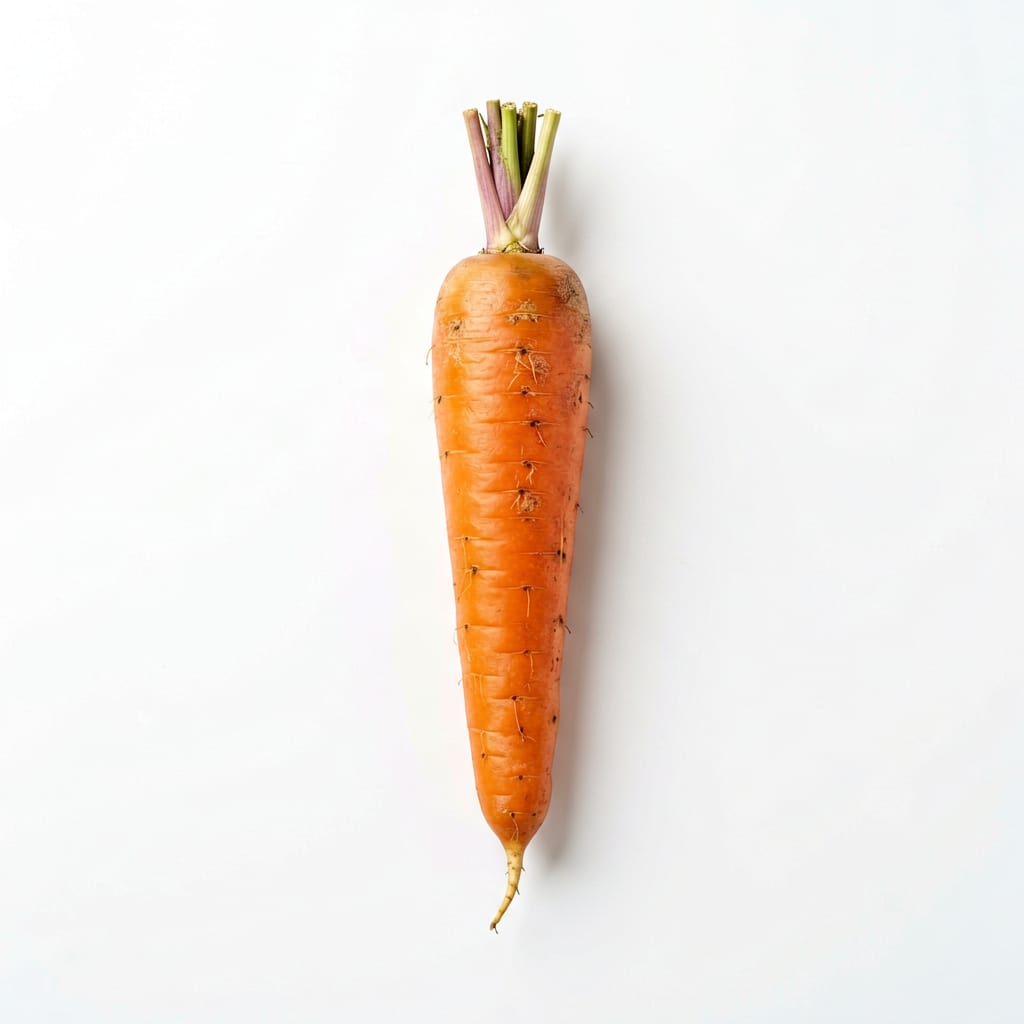
Compare with
Carrot
Burdock root offers significantly more prebiotic fiber and a lower glycemic index, while carrots are sweeter, higher in beta-carotene, and easier to prepare.
Burdock root provides more prebiotic fiber and better blood sugar control, while carrots are sweeter and higher in vitamin A.
This food
Burdock Root
VS90% alike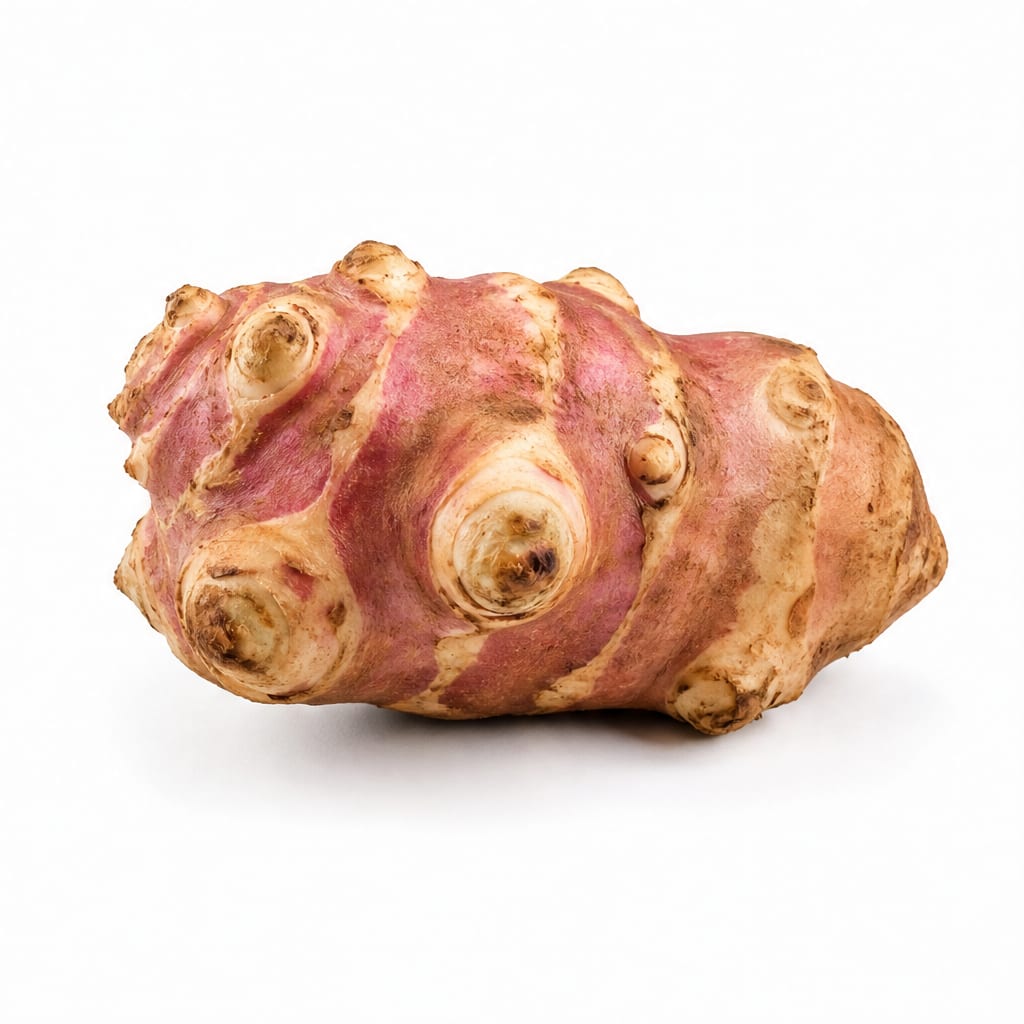
Compare with
Jerusalem Artichoke
Both excel in gut health and blood sugar management, but Jerusalem artichokes are slightly higher in iron and easier to digest for some, while burdock offers a firmer, crunchier texture.
Both are top-tier prebiotic foods, but burdock root is firmer and more satiating, while Jerusalem artichokes are slightly richer in iron.
This food
Burdock Root
VS80% alike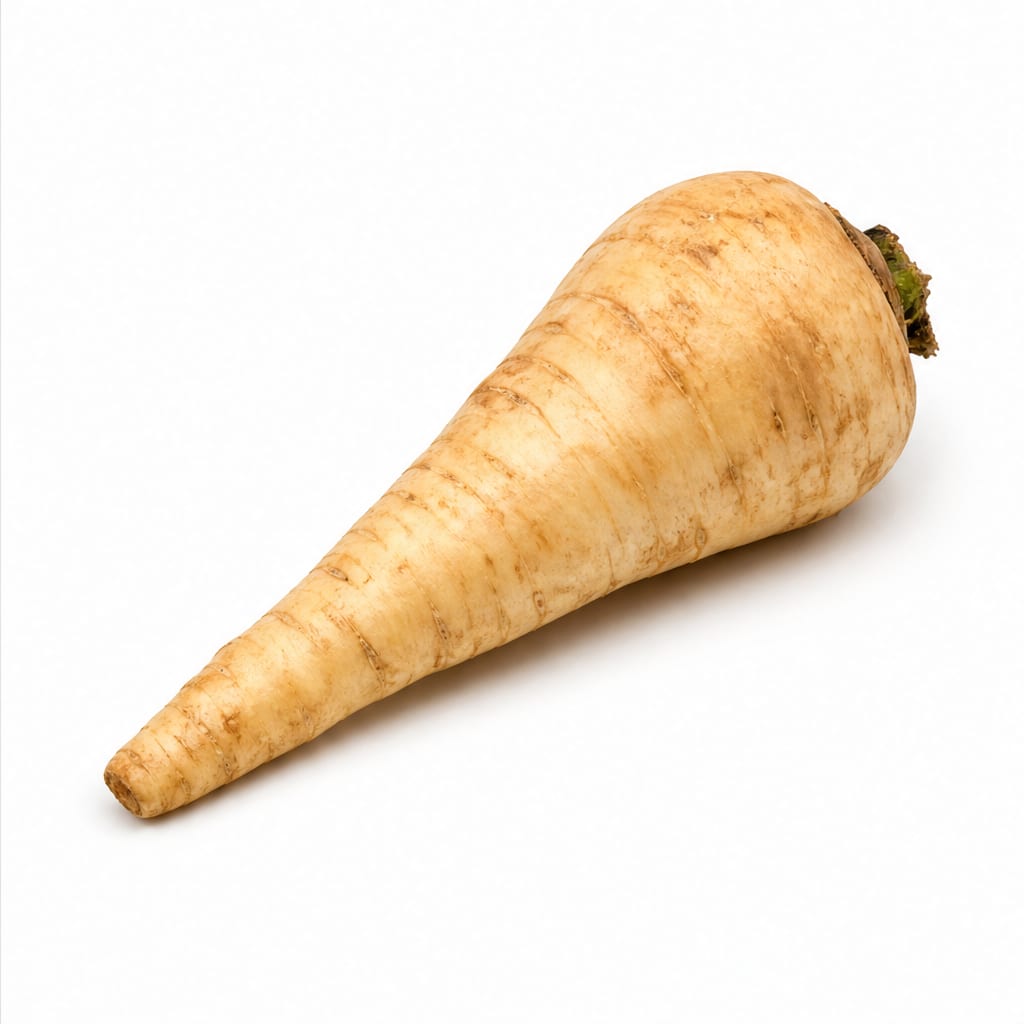
Compare with
Parsnip
Parsnips are sweeter and higher in natural sugars and vitamin C, whereas burdock root is much lower in sugar and superior for gut health due to its inulin content.
Burdock root is lower in sugar and better for blood sugar control, while parsnips offer sweeter flavor and more vitamin C.
This food
Burdock Root
VS75% alike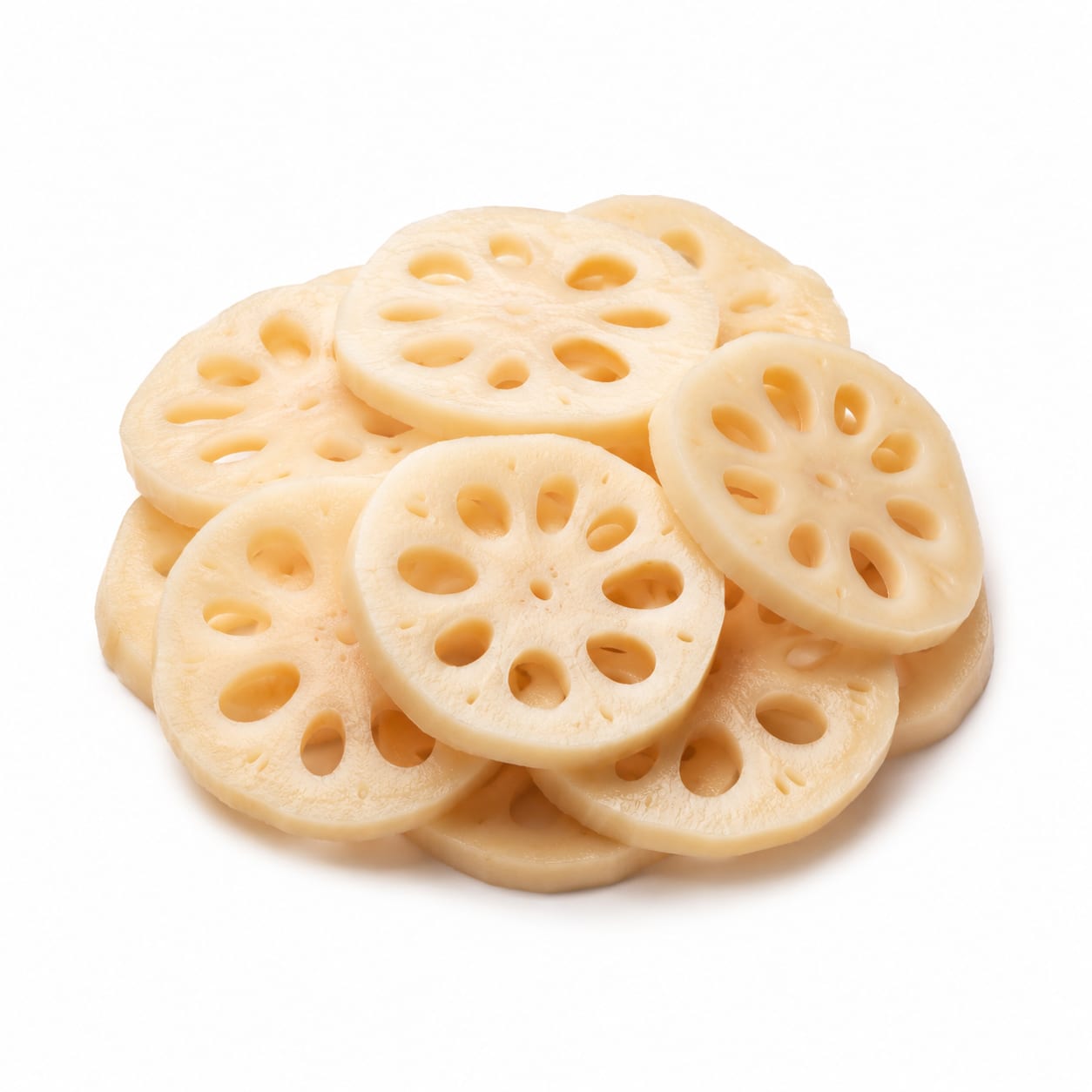
Compare with
Lotus Root
Lotus root is higher in vitamin C and slightly lower in calories, but burdock root provides a stronger prebiotic fiber profile for gut health.
Lotus root is lower in calories and higher in vitamin C, while burdock root is superior for prebiotic gut benefits.
This food
Burdock Root
VS65% alike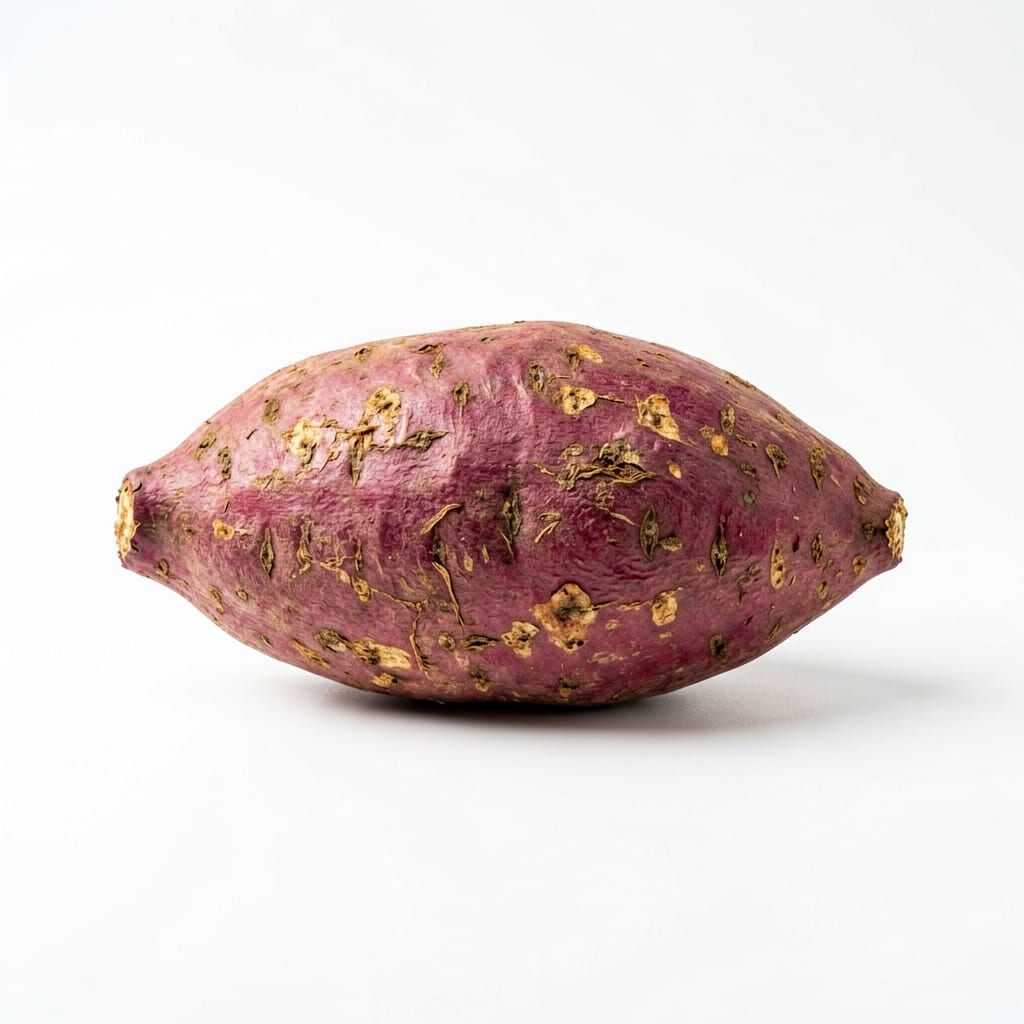
Compare with
Sweet Potato
Sweet potatoes are high in beta-carotene and provide quick energy, making them better for fitness, while burdock root is low-glycemic and focused on prebiotic fiber.
Sweet potatoes provide more energy and vitamin A for workouts, while burdock root is far better for blood sugar control and gut health.
This food
Burdock Root
VS70% alike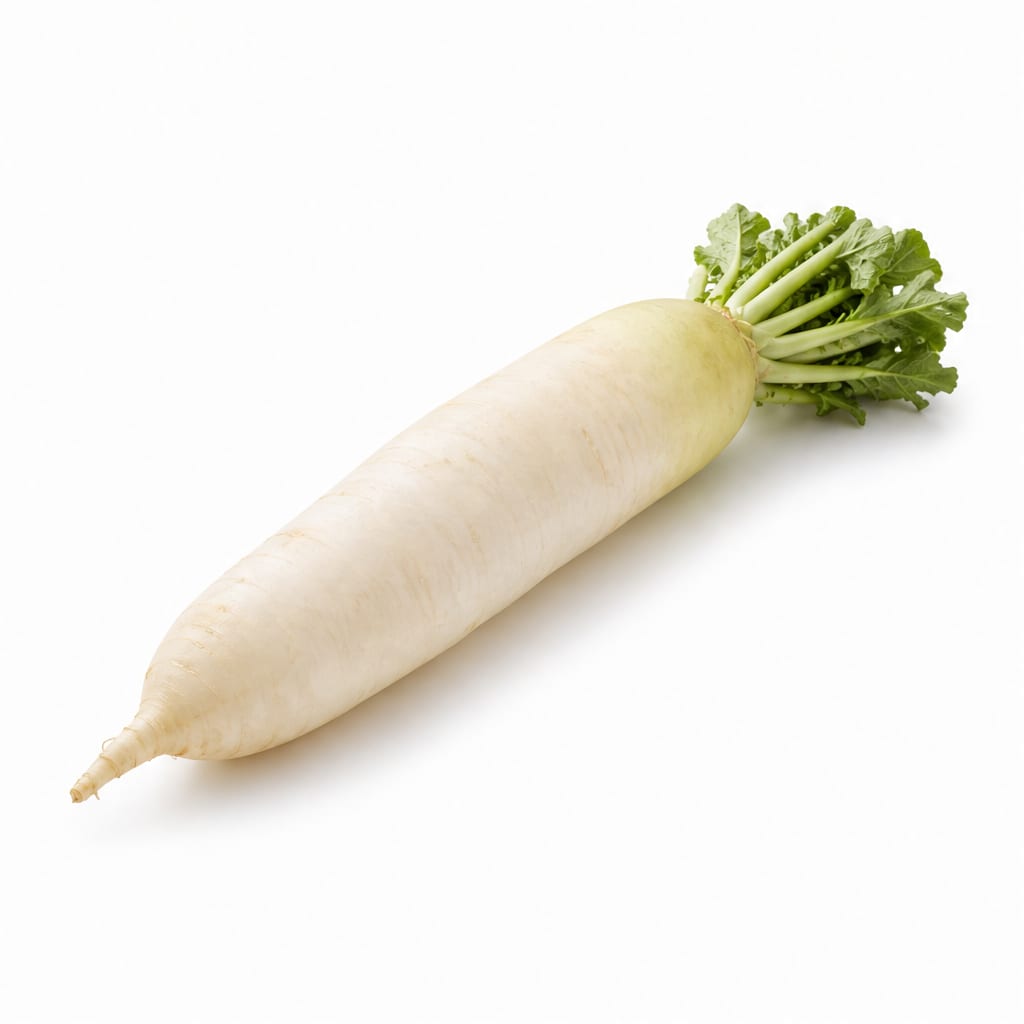
Compare with
Daikon Radish
Daikon is much lower in calories and carbohydrates, acting almost as a free food, whereas burdock root provides more substantive fiber and prebiotic benefits.
Daikon radish is lower in calories and carbs, while burdock root offers more substantial fiber and prebiotic benefits.
This food
Burdock Root
VS65% alike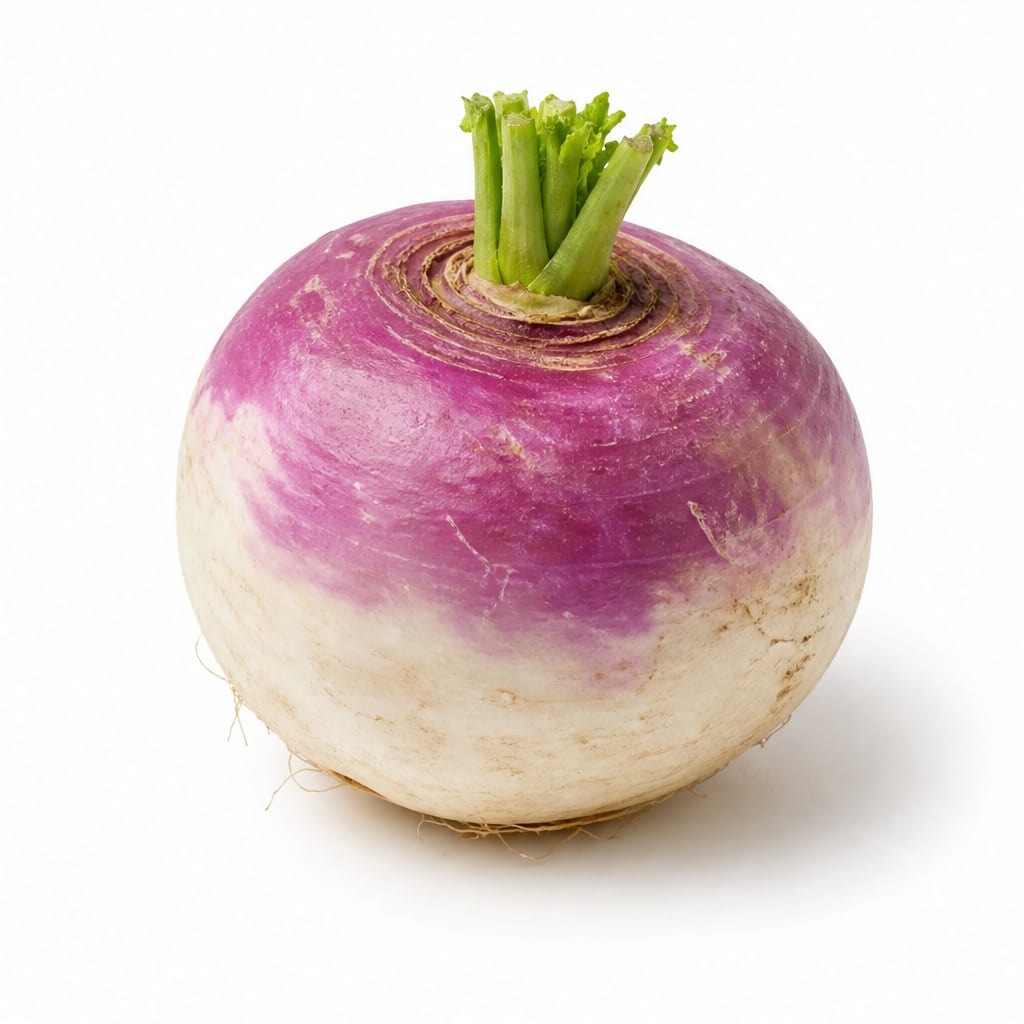
Compare with
Turnip
Turnips are lower in carbohydrates and calories, but burdock root provides a much stronger prebiotic effect and a more distinct earthy flavor.
Turnips are lower in carbs and calories, but burdock root is significantly better for feeding beneficial gut bacteria.
This food
Burdock Root
VS60% alike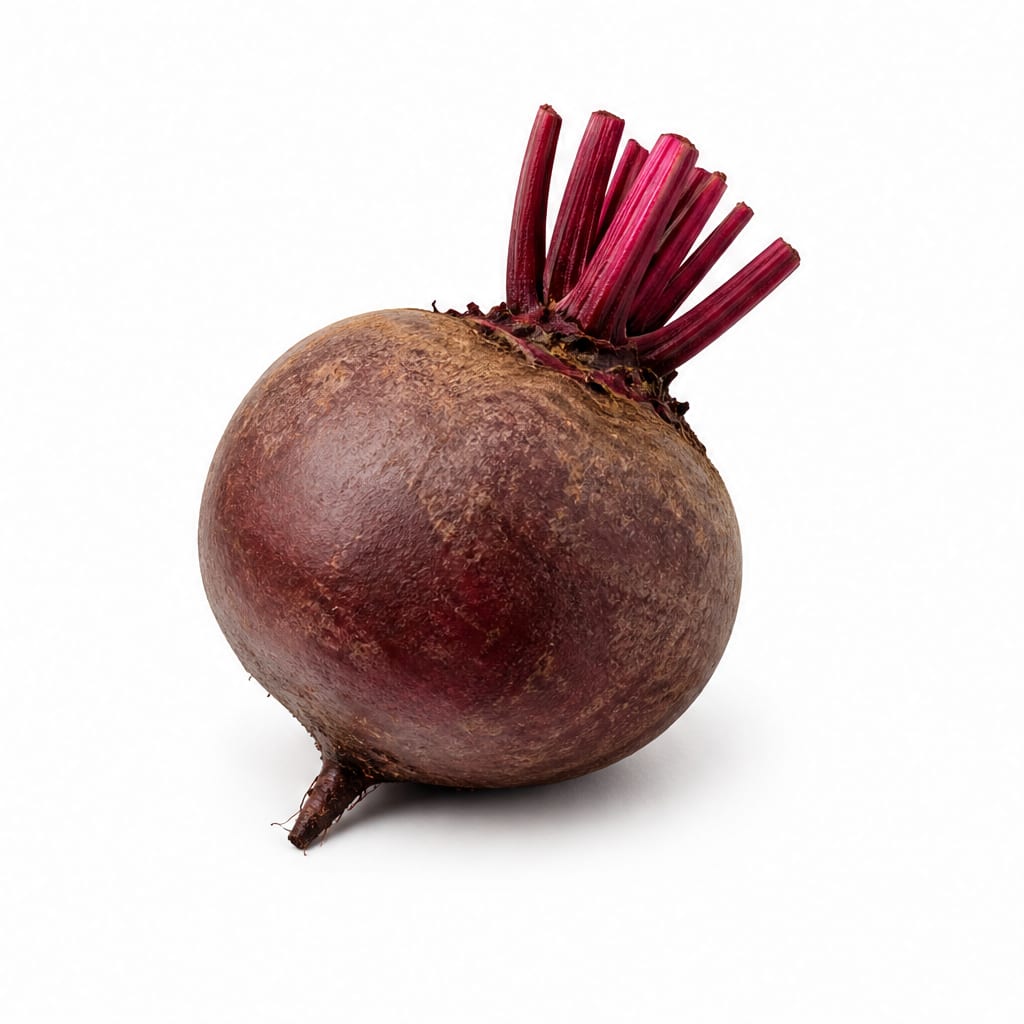
Compare with
Beetroot
Beetroot is higher in natural sugars and nitrates, boosting athletic performance and blood flow, while burdock root is focused on gut health and blood sugar regulation.
Beetroot is better for athletic blood flow and energy, while burdock root is superior for blood sugar control and prebiotic fiber.
This food
Burdock Root
VS70% alike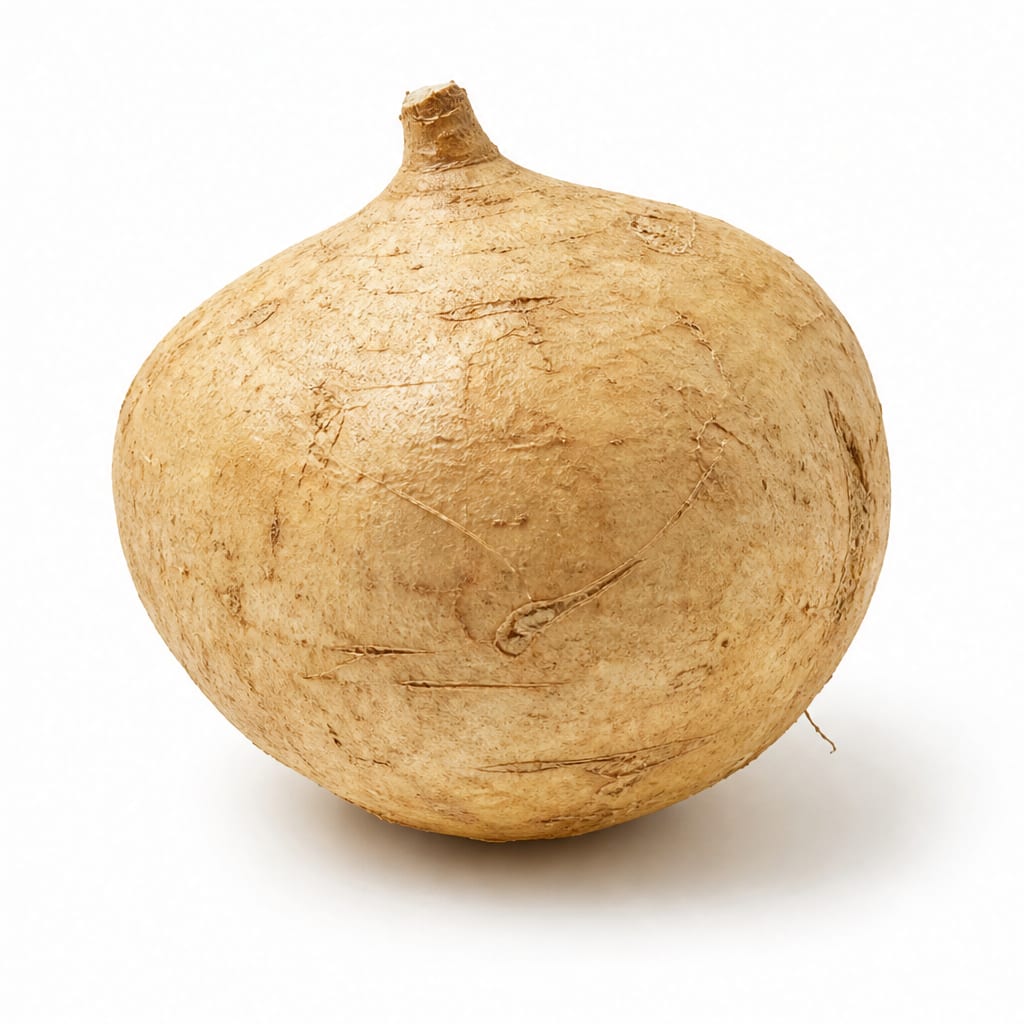
Compare with
Jicama
Jicama is lower in calories and higher in vitamin C, often eaten raw, while burdock root requires cooking but offers a denser prebiotic fiber profile.
Jicama is lower in calories and great for raw snacking, while burdock root provides denser prebiotic fiber when cooked.
This food
Burdock Root
VS65% alike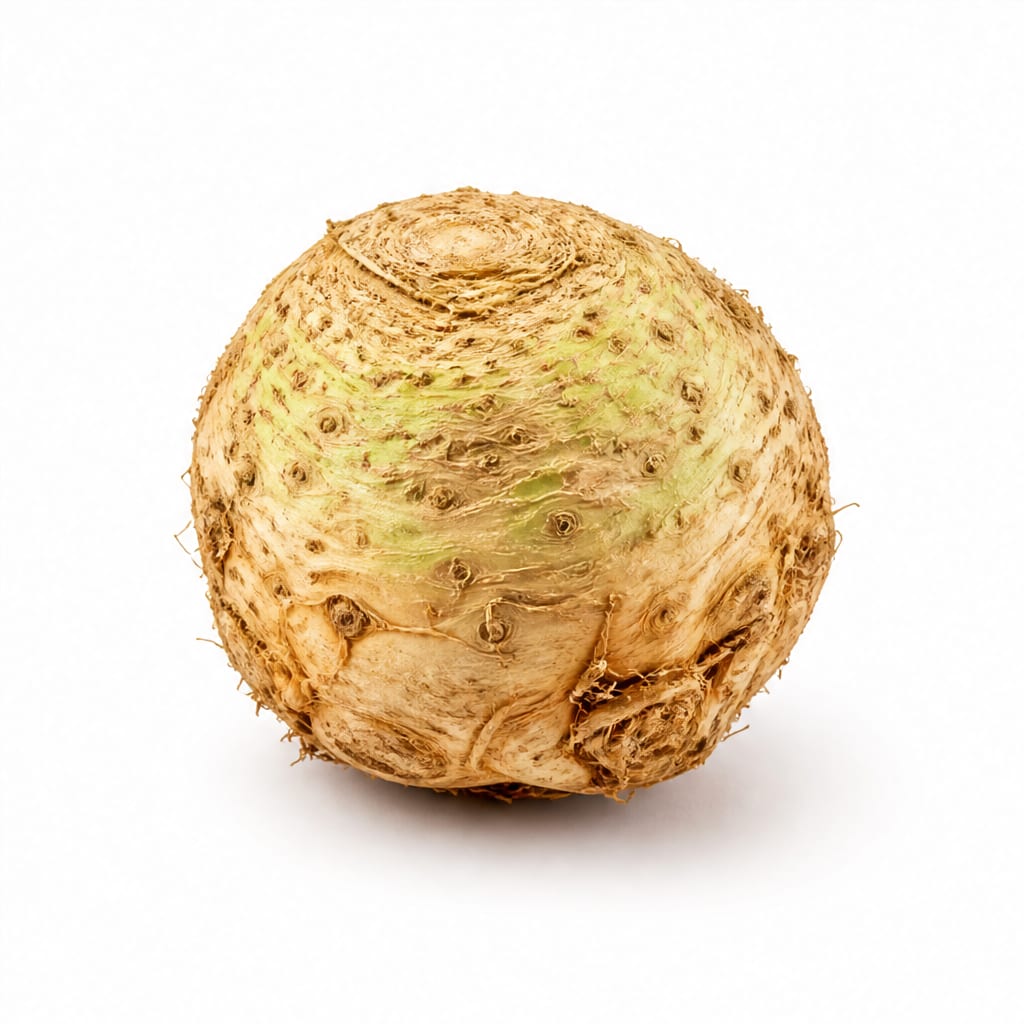
Compare with
Celery Root
Celery root is lower in carbohydrates and higher in phosphorus, while burdock root provides significantly more prebiotic inulin for gut health.
Celery root is lower in carbs, making it a better potato substitute, while burdock root is a stronger prebiotic for gut health.
Common questions
FAQ
Answers aligned with how people search for this food.
Is burdock root good for weight loss?
Yes, burdock root is excellent for weight loss. It is low in calories, has high water content, and is rich in inulin fiber, which slows digestion and keeps you feeling full for longer.
Can diabetics eat burdock root?
Yes, diabetics can safely eat burdock root. Its high inulin content slows the absorption of sugars into the bloodstream, resulting in a low glycemic index that helps prevent blood sugar spikes.
Is burdock root a prebiotic?
Yes, burdock root is a potent prebiotic food. It is rich in inulin and mucilage, which are non-digestible fibers that feed beneficial gut bacteria like Bifidobacteria.
How do you prepare burdock root?
Scrub the root thoroughly to remove soil, peel the skin, and cut into thin strips or rounds. Soak the pieces in water with a splash of vinegar for 10-15 minutes to prevent browning and remove bitterness before stir-frying, simmering, or roasting.
What does burdock root taste like?
Burdock root has an earthy, mildly sweet flavor with a slightly crunchy texture similar to water chestnuts or artichoke hearts. It can have an astringent taste if not soaked before cooking.
Can you eat burdock root raw?
While technically edible raw, burdock root is rarely eaten this way due to its tough, fibrous texture and slightly astringent taste. Cooking softens the fibers and brings out its mild, sweet, earthy flavor.
Is burdock root the same as gobo?
Yes, gobo is the Japanese word for burdock root. It is a staple ingredient in Japanese cuisine, commonly used in dishes like kinpira (stir-fried burdock root and carrots).
Does burdock root cleanse the blood?
While traditional herbal medicine claims burdock root 'cleanses the blood,' scientific evidence focuses on its liver-supporting antioxidants and diuretic properties, which aid the body's natural detoxification pathways rather than directly purifying blood.
Transparency
Data confidence
Estimated confidence for nutrition data, interpretation, safety notes, and comparisons.
Nutrition data
Health analysis
Food safety
Comparisons