
Nutrition comparison
Burdock Root vs Celery Root: Which Is Better for Gut Health and Low-Carb Diets?
Compare burdock root and celery root on prebiotic fiber, blood sugar control, keto compatibility, and cooking practicality. Find out which root vegetable fits your health goals.
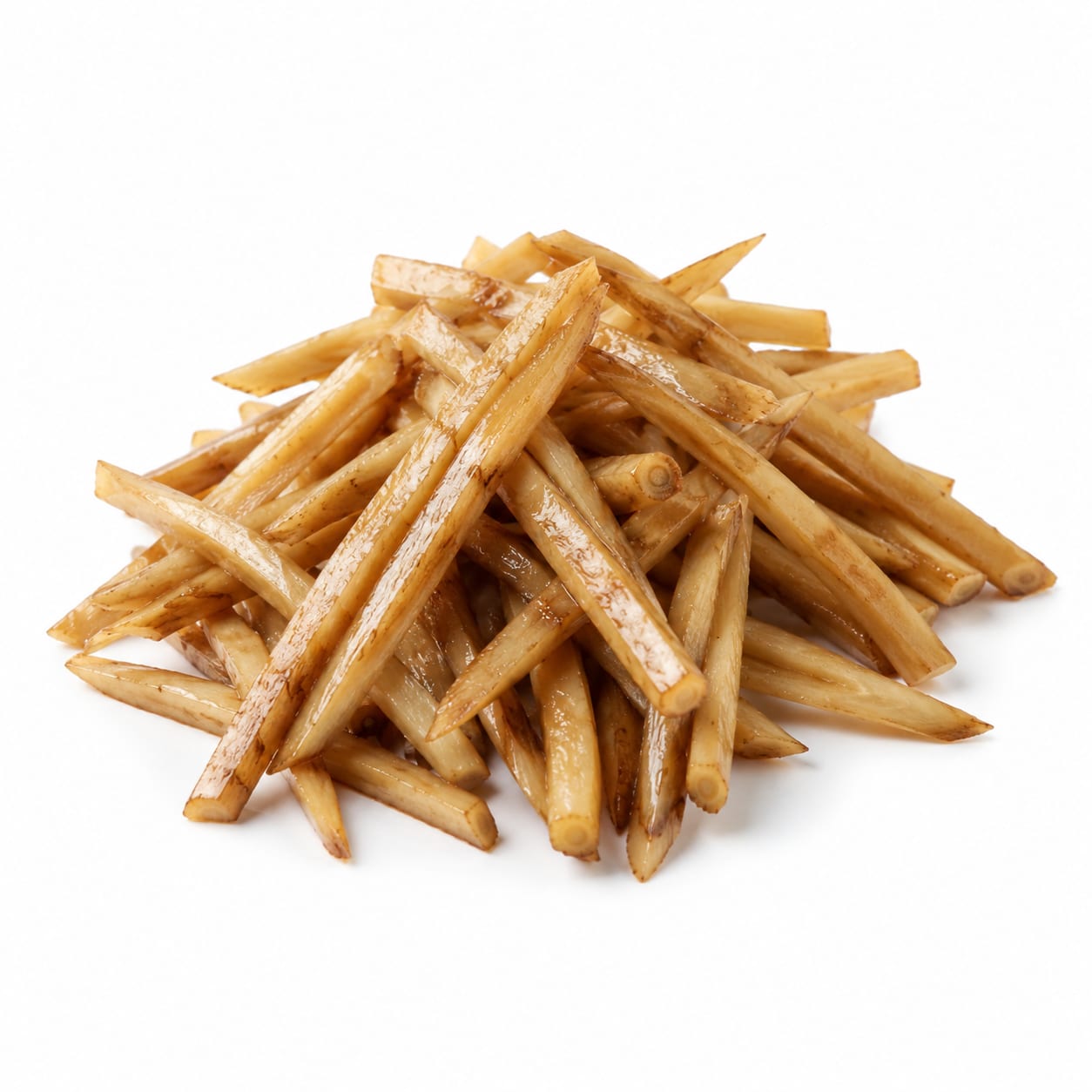
Burdock Root
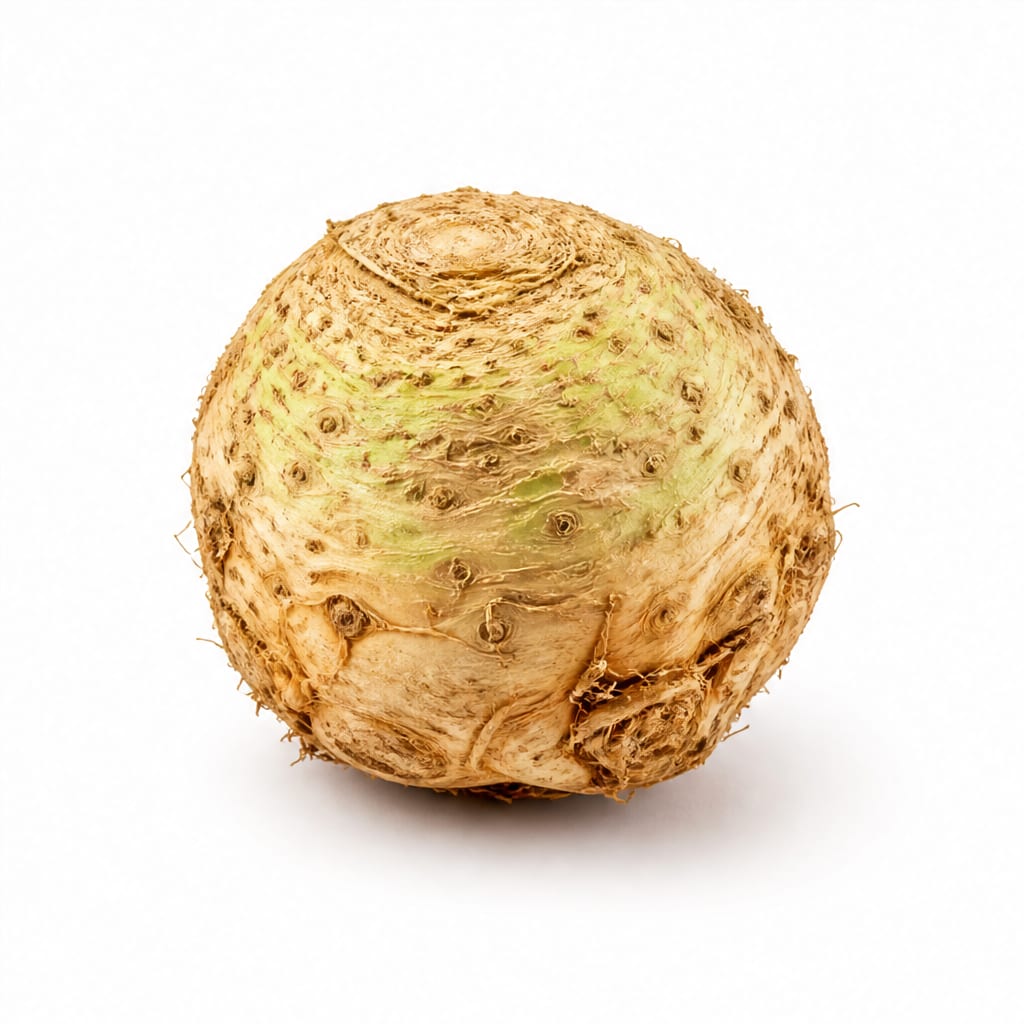
Celery Root
Burdock root wins for gut health and blood sugar control; celery root wins for everyday practicality and nutrient variety.
Burdock root edges ahead on targeted health benefits, especially gut and blood sugar support, but celery root's superior practicality and broader nutrient profile keep it competitive. The close scores reflect that neither is universally better—context determines the winner.
Burdock root delivers superior prebiotic fiber and medicinal benefits but is harder to find and prepare. Celery root sacrifices some gut-specific benefits for broader availability, easier cooking, and more diverse micronutrients.
At a glance
Executive summary
Overall
It depends
Healthier
Burdock Root
More practical
Celery Root
Daily use
Celery Root
Key comparison lenses
digestive and gut health
Burdock root is renowned for prebiotic inulin fiber, making gut health the dominant comparison axis
blood sugar management
Both roots affect glucose differently; burdock's inulin slows absorption while celery root offers lower starch content
culinary accessibility
Celery root is far easier to find and cook with, creating a major practical tradeoff
low carb diet compatibility
Both are root vegetables but differ significantly in starch and carb load
traditional medicinal value
Burdock has centuries of use in Eastern medicine for detoxification and skin health
Best choice for
Burdock Root
- Gut microbiome restoration after antibiotics
- Blood sugar stabilization in prediabetes
- Traditional detox and skin-clearing protocols
- Japanese and Korean recipe authenticity
Celery Root
- Low-carb potato substitute in Western cooking
- Vitamin K and bone health support
- Accessible weeknight root vegetable cooking
- Elderly-friendly mashed vegetable sides
Least suitable for
Burdock Root
- People on blood thinners (mild vitamin K interference risk)
- Those allergic to daisy family plants
- Anyone needing quick weeknight prep
Celery Root
- People with severe celery allergies
- Those seeking maximum prebiotic fiber intake
- Traditional East Asian recipe requirements
Deep comparison
Dimension by dimension
Each lens scores both foods and breaks down who each option suits.
- Dimension 1 · Priority 95Burdock Root
Prebiotic Fiber & Gut Health
Burdock Root · 92Celery Root · 55Burdock root is a prebiotic powerhouse, rich in inulin that feeds beneficial gut bacteria. Celery root provides fiber but lacks the same concentrated prebiotic effect.
Tradeoff
You get significantly more gut-nourishing fiber from burdock root, but must source and prepare a less familiar ingredient.
Why it matters
Prebiotic fiber drives microbiome diversity, which influences digestion, immunity, and even mood. Burdock root delivers this more effectively than almost any common root vegetable.
Real-world impact
After a course of antibiotics or during gut restoration, burdock root eaten regularly can help repopulate good bacteria noticeably faster than celery root.
Burdock Root
- Rebuilding gut flora after illness
- Reducing bloating from dysbiosis
- Supporting immune function via microbiome
Better for
- People with SIBO who may react to excess inulin
Worse for
Celery Root
- Mild fiber supplementation without digestive adjustment period
Better for
- Anyone specifically targeting prebiotic intake
Worse for
- Dimension 2 · Priority 88Burdock Root
Blood Sugar Stability
Burdock Root · 84Celery Root · 72Burdock root's inulin slows glucose absorption and may improve insulin sensitivity. Celery root is lower in starch but lacks the same active glucose-modulating compounds.
Tradeoff
Burdock root actively helps regulate blood sugar through its fiber profile, while celery root simply contributes less starch to spike glucose in the first place.
Why it matters
For prediabetics or anyone fighting afternoon energy crashes, the difference between passive and active blood sugar support matters.
Real-world impact
A burdock root stir-fry with protein creates steadier energy for hours. Celery root mash avoids spikes but won't actively improve your glucose response over time.
Burdock Root
- Prediabetes management
- Reducing post-meal glucose spikes
- Improving insulin sensitivity over weeks
Better for
- Those on diabetes medication without doctor supervision (risk of hypoglycemia)
Worse for
Celery Root
- Immediate low-carb meal planning
- Ketogenic diet compatibility
Better for
- Long-term metabolic improvement goals
Worse for
- Dimension 3 · Priority 80Celery Root
Micronutrient Diversity
Burdock Root · 58Celery Root · 82Celery root delivers more vitamin K, vitamin C, phosphorus, and potassium. Burdock root has a narrower vitamin profile despite its medicinal compounds.
Tradeoff
Celery root nourishes more systems at once through broader vitamin and mineral content, while burdock root concentrates its value in specific functional compounds.
Why it matters
If you eat a limited variety of vegetables, each one needs to carry more nutritional weight. Celery root covers more bases per serving.
Real-world impact
Regular celery root consumption supports bone density via vitamin K and immune resilience via vitamin C more directly than burdock root.
Burdock Root
- Targeted antioxidant intake (quercetin, luteolin)
Better for
- Those relying on few vegetables for broad nutrition
Worse for
Celery Root
- Bone health via vitamin K
- Immune support via vitamin C
- Electrolyte balance via potassium
Better for
- People seeking concentrated polyphenol antioxidants
Worse for
- Dimension 4 · Priority 78Celery Root
Culinary Practicality & Availability
Burdock Root · 40Celery Root · 85Celery root is available in most grocery stores and works roasted, mashed, raw, or in soups. Burdock root requires specialty stores and specific preparation techniques.
Tradeoff
You can cook celery root five ways by Sunday; burdock root may require a trip to an Asian market and a YouTube tutorial.
Why it matters
The healthiest vegetable is the one you actually eat regularly. Accessibility drives consistency more than nutrient density.
Real-world impact
Celery root can replace potatoes in mash tonight with zero learning curve. Burdock root demands scrubbing, peeling, and immediate acidulated water soaking to prevent oxidation.
Burdock Root
- Authentic Japanese and Korean dishes
- Adventurous home cooks seeking new flavors
Better for
- Busy parents
- Rural areas without Asian markets
- Cooking beginners
Worse for
Celery Root
- Weeknight dinners
- Meal prep batch cooking
- Family-friendly vegetable sides
- Raw crudité platters
Better for
- Traditional East Asian recipes requiring gobo
Worse for
- Dimension 5 · Priority 72Celery Root
Low-Carb & Keto Compatibility
Burdock Root · 60Celery Root · 78Celery root contains fewer digestible carbs and works well as a potato substitute in keto recipes. Burdock root's inulin fiber is technically carb-dense though largely non-absorbable.
Tradeoff
Celery root fits more cleanly into carb-counting frameworks. Burdock root's carbs are mostly prebiotic fiber, but nutrition labels don't distinguish this clearly.
Why it matters
For strict keto dieters tracking net carbs, celery root creates less math anxiety and more recipe flexibility.
Real-world impact
Celery root fries or mash fit comfortably into a keto meal plan. Burdock root requires careful portioning even though its effective carb impact is lower than labels suggest.
Burdock Root
- Flexible low-carb eaters who understand fiber vs net carbs
Better for
- Strict macro counters confused by inulin carb counts
Worse for
Celery Root
- Strict ketogenic tracking
- Potato replacement in comfort food recipes
- Carb-counting simplicity
Better for
- Those who want prebiotic benefits alongside low carb intake
Worse for
- Dimension 6 · Priority 70Burdock Root
Anti-Inflammatory & Antioxidant Potential
Burdock Root · 80Celery Root · 58Burdock root contains quercetin, luteolin, and chlorogenic acid—potent anti-inflammatory compounds. Celery root has modest antioxidant content by comparison.
Tradeoff
Burdock root offers more concentrated medicinal compounds that fight inflammation at a functional level, while celery root provides gentler, broader support.
Why it matters
Chronic inflammation drives joint pain, skin issues, and disease risk. Food-based anti-inflammatory compounds can complement other interventions meaningfully.
Real-world impact
Regular burdock root consumption may visibly improve inflammatory skin conditions like acne over several weeks. Celery root won't deliver the same targeted effect.
Burdock Root
- Inflammatory skin conditions
- Joint stiffness and chronic inflammation
- Antioxidant-rich therapeutic diets
Better for
- Those expecting immediate anti-inflammatory results
Worse for
Celery Root
- General mild antioxidant support without specific targets
Better for
- People managing chronic inflammatory conditions through diet
Worse for
Timeline
Health impact over time
Short-term
Hours to days
Burdock Root
- May cause temporary bloating as gut bacteria adjust to increased inulin
- Mild diuretic effect can reduce water retention within days
- Slightly earthy, sweet flavor that pairs well with soy-based dishes
Celery Root
- Gentle on digestion with minimal adjustment period
- Provides quick vitamin C boost for immune support
- Satisfying potato-like texture without the starch crash
Long-term
Months to years
Burdock Root
- Improved microbiome diversity with consistent consumption
- Potential blood sugar stabilization over months
- Possible skin clarity improvements from anti-inflammatory compounds
- Risk of mineral absorption interference if consumed in excessive amounts due to phytic acid
Celery Root
- Better bone density support from consistent vitamin K intake
- Sustained electrolyte balance from potassium content
- Easier long-term dietary adherence due to culinary versatility
- Modest contribution to cardiovascular health through fiber and potassium
Risk profile
Safety & processing
Both burdock root and celery root are whole, unprocessed vegetables typically sold raw and unpackaged. Neither carries meaningful additive concerns. The main naturalness distinction is that burdock root is sometimes sold dried or in supplement form, which introduces processing—stick with fresh whole root for maximum benefit.
Burdock Root
Daisy family allergic cross-reactivity
mediumBurdock belongs to the Asteraceae family. People allergic to chrysanthemums, marigolds, daisies, or ragweed may experience reactions ranging from mild oral itching to contact dermatitis.
Wild foraging misidentification
highWild burdock resembles deadly nightshade and other toxic plants in early growth stages. Only consume commercially sourced burdock root unless you are an expert forager.
Blood sugar medication interaction
mediumBurdock root can enhance the effect of diabetes medications, potentially causing hypoglycemia. Diabetics on medication should consult their doctor before regular consumption.
Soil contaminant accumulation
lowAs a deep-rooting plant, burdock can absorb heavy metals from contaminated soil. Commercial sources are generally safe, but avoid roots from unknown or industrial-adjacent land.
Celery Root
Celery allergy cross-reactivity
highCelery root can trigger severe allergic reactions in celery-allergic individuals, including anaphylaxis. This is one of the more serious food allergies in Europe and is often undeclared in processed foods.
Pesticide residue on conventionally grown
mediumCelery family vegetables frequently appear on pesticide residue watchlists. Peeling reduces exposure significantly, and organic options are preferable.
Furanocoumarin photosensitivity
lowCelery root contains small amounts of furanocoumarins that can increase sun sensitivity in sensitive individuals, though this is more relevant with celery stalks than the root.
Who wins for whom
Audience fit
Same foods, different winners depending on your goal.
children
Celery RootCelery root's milder flavor and familiar texture when mashed make it far more acceptable to children. Burdock root's earthy intensity and limited recipe familiarity make it a harder sell.
daily consumption
Celery RootCelery root's culinary flexibility, gentle digestion, and broad nutrient profile make it sustainable as a daily vegetable. Burdock root is better used as a targeted therapeutic food several times per week.
diabetes
Burdock RootBurdock root's inulin actively moderates glucose absorption and may improve insulin sensitivity over time, making it more therapeutic for blood sugar management despite higher total carb content on labels.
elderly
Celery RootCelery root is easier to chew when cooked, provides bone-supporting vitamin K, and requires less digestive adaptation than burdock root's concentrated inulin load.
muscle gain
It dependsNeither root is a muscle-building food. Celery root provides slightly more potassium for electrolyte balance during training, while burdock root's prebiotic fiber supports protein absorption indirectly through gut health.
weight loss
Celery RootCelery root is lower in calories and carbs per serving, more versatile in low-calorie recipes, and easier to sustain as a potato replacement in weight loss meal plans.
Your move
Decision guide
Choose Burdock Root
- You are actively working on gut microbiome repair or restoration
- You want blood sugar support beyond simple carb reduction
- You cook Japanese or Korean cuisine regularly
- You are addressing inflammatory skin conditions through diet
- You enjoy earthy, robust flavors and have access to an Asian grocery
Choose Celery Root
- You need a versatile, accessible root vegetable for everyday cooking
- You are following a low-carb or ketogenic diet
- You want a potato substitute that family members will actually eat
- You prioritize broad vitamin and mineral intake from fewer foods
- You have limited access to specialty ingredients
Either works if
- You want to increase root vegetable diversity in your diet
- You are looking for whole-food fiber sources beyond grains
- You enjoy experimenting with roasted root vegetable medleys
Avoid both if
- You have severe allergies to either the daisy family or celery family
- You are on blood thinners and need consistent vitamin K intake (celery root's variable K content complicates dosing)
- You have SIBO and are sensitive to fermentable fibers
Final recommendation
Keep celery root as your everyday root vegetable for its practicality and broad nutrition. Add burdock root as a targeted gut-health ally a few times per week when you can source it. They complement each other beautifully—celery root for consistency, burdock root for therapeutic depth.
Practical
Consumer tips
- 1
Peel celery root aggressively—the skin is tough and bitter. Cut into chunks immediately and drop into acidulated water to prevent browning.
- 2
Scrub burdock root thoroughly but consider leaving the skin on for maximum fiber. Slice thinly and soak in water with a splash of vinegar to prevent oxidation.
- 3
Roast both roots together with olive oil and rosemary for a side dish that combines celery root's nutty sweetness with burdock root's earthy depth.
- 4
Buy burdock root from Japanese or Korean markets where turnover is high—you'll get fresher, more tender roots than from stores where it sits unsold.
- 5
If burdock root is unavailable, chicory root offers similar prebiotic benefits and is more commonly found in supplement form.
- 6
Celery root purée freezes well for meal prep. Burdock root is best used fresh as its texture degrades after freezing.