
Nutrition comparison
Burdock Root vs Jerusalem Artichoke: Which Prebiotic Root Is Right for You?
Compare Burdock Root and Jerusalem Artichoke for gut health, blood sugar, and digestibility. Learn which prebiotic root is gentler, which is stronger, and which fits your lifestyle best.
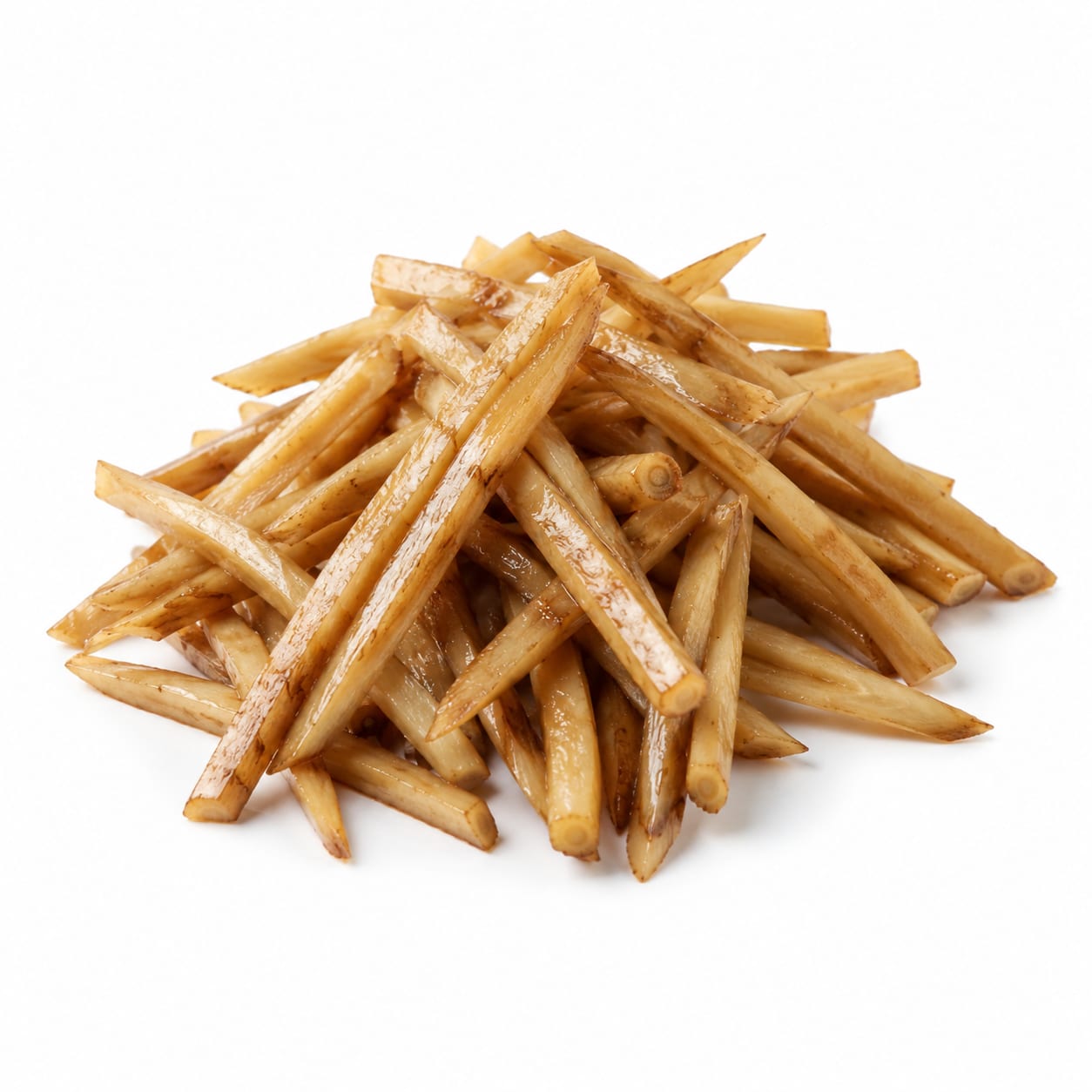
Burdock Root
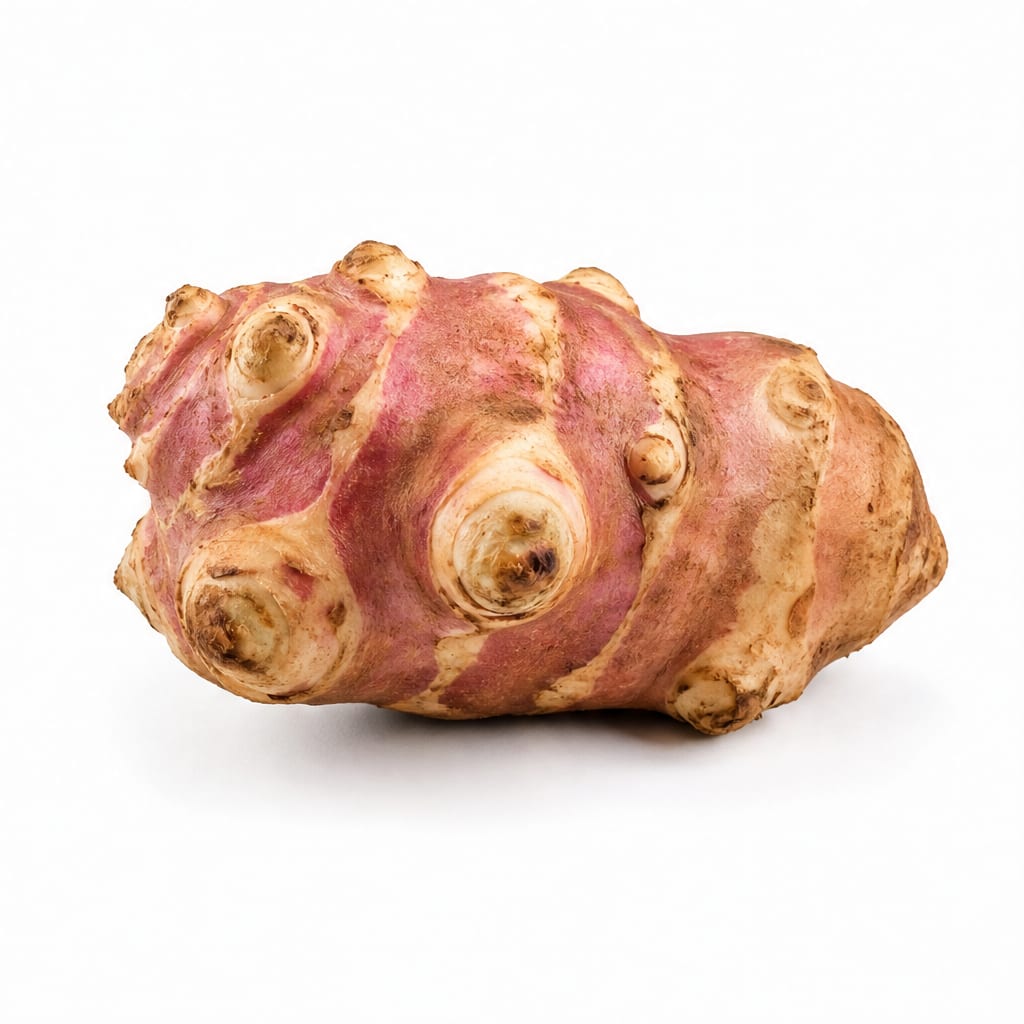
Jerusalem Artichoke
Burdock Root is gentler on digestion and more versatile in cooking, while Jerusalem Artichoke delivers stronger prebiotic power but punishes sensitive stomachs with intense gas and bloating.
Burdock Root scores slightly higher because its benefits are more sustainable in daily life. Jerusalem Artichoke has stronger therapeutic potential but its severe digestive side effects make it harder to use consistently, which matters more for real-world outcomes.
Jerusalem Artichoke offers more potent gut-feeding fiber but at the cost of digestive comfort; Burdock Root provides steadier, more tolerable benefits you can actually stick with daily.
At a glance
Executive summary
Overall
It depends
Healthier
It depends
More practical
Burdock Root
Daily use
Burdock Root
Key comparison lenses
digestive tolerance
Jerusalem artichoke is notorious for causing gas and bloating due to extremely high inulin content, making this the most critical differentiator
prebiotic fiber quality
Both are top-tier prebiotic foods, but the type and concentration of inulin differs significantly, affecting gut health outcomes
blood sugar management
Both have low glycemic impact, but users comparing these roots often care about metabolic health and diabetes prevention
culinary versatility and accessibility
Burdock is staple in Asian cooking with established recipes; Jerusalem artichoke is less familiar and harder to cook well
detoxification and traditional medicine
Burdock has centuries of use in herbal medicine for blood purification and skin health, giving it a unique therapeutic identity
Best choice for
Burdock Root
- People with sensitive digestion who want prebiotic benefits without bloating
- Anyone exploring Asian cooking and traditional herbal remedies
- Those seeking a gentle daily detoxifying food
- People new to prebiotic roots who need an easier entry point
Jerusalem Artichoke
- Robust digesters who want maximum prebiotic impact
- People specifically targeting gut microbiome rebuilding
- Those who tolerate inulin well and want iron and potassium boosts
- Adventurous eaters comfortable managing cooking quirks
Least suitable for
Burdock Root
- People seeking the strongest possible prebiotic effect
- Those who dislike earthy, woody flavors
- Anyone wanting a quick-cooking vegetable
Jerusalem Artichoke
- Anyone with IBS, FODMAP sensitivity, or chronic bloating
- People eating in social or professional settings where gas is problematic
- Those trying a new vegetable for the first time who might mistake side effects for illness
Deep comparison
Dimension by dimension
Each lens scores both foods and breaks down who each option suits.
- Dimension 1 · Priority 95Burdock Root
digestive_tolerance
Burdock Root · 82Jerusalem Artichoke · 35Burdock Root is well-tolerated by most people. Jerusalem Artichoke is infamous for causing painful gas, bloating, and cramping, especially when eaten in larger portions or by unaccustomed digesters.
Tradeoff
You gain stronger prebiotic feeding with Jerusalem artichoke but risk hours of discomfort that makes you avoid eating it again.
Why it matters
A food you cannot comfortably eat is a food that cannot help you. Tolerance determines whether you actually get the benefits.
Real-world impact
Many people try Jerusalem artichoke once, experience intense bloating, and never eat it again. Burdock Root rarely causes this reaction, making it more likely to become a lasting habit.
Burdock Root
- Gentle daily prebiotic support
- People recovering from digestive issues
- Consistent long-term use
Better for
- Maximum prebiotic intensity
Worse for
Jerusalem Artichoke
- Short-term aggressive microbiome rebuilding for robust digesters
Better for
- Social situations
- Work lunches
- Date nights
- Anyone with existing gut sensitivity
Worse for
- Dimension 2 · Priority 90Jerusalem Artichoke
prebiotic_fiber_power
Burdock Root · 70Jerusalem Artichoke · 92Jerusalem Artichoke contains some of the highest inulin levels of any food, feeding beneficial gut bacteria aggressively. Burdock Root also provides inulin but at lower concentrations.
Tradeoff
More prebiotic power means more fermentation, which means more gas. The strength is inseparable from the side effect.
Why it matters
Prebiotic fiber feeds beneficial bacteria like Bifidobacteria, which improve immunity, mood, and metabolic health over time.
Real-world impact
If your gut can handle it, Jerusalem artichoke can shift your microbiome faster. If it cannot, you get bloating without meaningful bacterial colonization because you stop eating it.
Burdock Root
- Steady, moderate prebiotic intake
- People building up fiber tolerance gradually
Better for
- Rapid gut flora shifts
Worse for
Jerusalem Artichoke
- Aggressive microbiome recolonization
- People who already tolerate high-fiber diets well
Better for
- Gradual sustainable improvement
Worse for
- Dimension 3 · Priority 85It depends
blood_sugar_stability
Burdock Root · 78Jerusalem Artichoke · 80Both roots have minimal impact on blood sugar due to their high inulin content, which resists digestion. Jerusalem artichoke has slightly more inulin per serving, but the difference is modest.
Tradeoff
Neither will spike blood sugar meaningfully. The choice here comes down to which you can eat consistently rather than which is technically lower glycemic.
Why it matters
Stable blood sugar prevents energy crashes, reduces cravings, and protects against insulin resistance over time.
Real-world impact
Both are excellent choices for diabetics or anyone avoiding sugar spikes. The real question is which one you will actually keep in your rotation.
Burdock Root
- Consistent daily use leads to better long-term glycemic benefits
Better for
- Slightly less inulin per gram
Worse for
Jerusalem Artichoke
- Slightly stronger inulin effect per serving
Better for
- Inconsistency due to digestive side effects undermines blood sugar benefits
Worse for
- Dimension 4 · Priority 75Jerusalem Artichoke
nutrient_density
Burdock Root · 65Jerusalem Artichoke · 78Jerusalem artichoke provides more iron, potassium, and thiamine per serving. Burdock Root offers decent minerals and unique antioxidants like quercetin and luteolin but is less nutrient-dense overall.
Tradeoff
Jerusalem artichoke wins on conventional vitamins and minerals, while Burdock Root offers more in the way of unique polyphenols with medicinal properties.
Why it matters
Micronutrients support energy, immunity, and cellular repair. The profile that matches your gaps matters more than total quantity.
Real-world impact
If you need iron or potassium, Jerusalem artichoke delivers more. If you want anti-inflammatory polyphenols, Burdock Root has the edge.
Burdock Root
- Anti-inflammatory polyphenols
- Traditional medicinal compounds
- Antioxidant variety
Better for
- Lower mineral content overall
Worse for
Jerusalem Artichoke
- Iron intake
- Potassium intake
- B-vitamin support
Better for
- Fewer unique medicinal compounds
Worse for
- Dimension 5 · Priority 75Burdock Root
culinary_versatility
Burdock Root · 80Jerusalem Artichoke · 55Burdock Root has a established place in Japanese and Korean cooking with many tested recipes. Jerusalem artichoke is trickier to cook well and has a narrower culinary tradition.
Tradeoff
Burdock integrates easily into stir-fries, soups, and teas. Jerusalem artichoke can be roasted or pureed but easily turns mushy or develops an inconsistent texture.
Why it matters
Foods you know how to cook get eaten. Foods that frustrate you in the kitchen get abandoned.
Real-world impact
You can find dozens of reliable Burdock Root recipes online. Jerusalem artichoke recipes are fewer and often produce disappointing results for beginners.
Burdock Root
- Stir-fries
- Soups and broths
- Herbal teas
- Pickled preparations
Better for
- Quick cooking applications
Worse for
Jerusalem Artichoke
- Roasted side dishes
- Creamy soups and purees
Better for
- Stir-fries
- Meal prep that reheats well
- Raw preparations
Worse for
- Dimension 6 · Priority 70Burdock Root
traditional_medicinal_value
Burdock Root · 88Jerusalem Artichoke · 50Burdock Root has centuries of documented use in Traditional Chinese Medicine and European herbalism for blood purification, skin conditions, and liver support. Jerusalem artichoke has minimal medicinal history.
Tradeoff
If you value food-as-medicine traditions, Burdock Root carries far more therapeutic credibility and established protocols.
Why it matters
Traditional use does not guarantee efficacy, but it reflects centuries of observed outcomes and gives you access to established preparation methods.
Real-world impact
You can find Burdock Root in tinctures, teas, and supplements at any health food store. Jerusalem artichoke is almost exclusively sold as a food, not a remedy.
Burdock Root
- Skin health support
- Liver and blood purification traditions
- Herbal tea preparations
- Integration with holistic health protocols
Better for
- Evidence from large-scale clinical trials
Worse for
Jerusalem Artichoke
- Modern nutritional approaches focused on microbiome science
Better for
- Depth of traditional medicinal knowledge
Worse for
Timeline
Health impact over time
Short-term
Hours to days
Burdock Root
- Mild increase in bowel regularity within a day or two
- Slight diuretic effect may reduce water retention
- Earthy flavor may feel grounding and satisfying in meals
Jerusalem Artichoke
- Significant gas and bloating within 2-6 hours of eating, especially with larger portions
- Noticeable increase in bowel movements, sometimes urgent
- Possible abdominal cramping if you are not accustomed to high inulin intake
Long-term
Months to years
Burdock Root
- Gradual improvement in gut bacteria diversity with consistent use
- Potential skin clarity improvements linked to traditional detoxifying claims
- Steady metabolic support from regular prebiotic fiber intake
Jerusalem Artichoke
- Strong shifts in gut microbiome composition if tolerated consistently
- Improved mineral status from higher iron and potassium intake
- Risk of chronic bloating if portion sizes are not carefully managed
Risk profile
Safety & processing
Both roots are whole foods typically sold fresh with no additives. Burdock Root is sometimes available dried for tea, which is still minimal processing. Neither raises ultra-processing concerns.
Burdock Root
Soil contaminant absorption
mediumBurdock Root grows deep in soil and can absorb heavy metals or pesticides from contaminated ground. Choose organic when possible and peel thoroughly.
Misidentification with wild foraging
highWild burdock can be confused with toxic plants like belladonna nightshade. Never forage unless you are absolutely certain of identification. Buy from reputable sources.
Allergic reactions in ragweed-sensitive individuals
lowBurdock is in the Asteraceae family. People with severe ragweed allergies may experience cross-reactivity, though this is uncommon.
Jerusalem Artichoke
Severe digestive distress in sensitive individuals
highThe extremely high inulin content can cause painful bloating, flatulence, and cramping. Start with very small portions (1-2 ounces) to assess tolerance.
Deceptive portion control
mediumJerusalem artichoke tastes mild and pleasant, making it easy to overeat. The consequences of overeating do not appear until hours later, creating a delayed punishment effect.
FODMAP stacking with other foods
mediumCombining Jerusalem artichoke with other high-FODMAP foods in the same meal amplifies gas and bloating dramatically. Be mindful of what else is on your plate.
Who wins for whom
Audience fit
Same foods, different winners depending on your goal.
children
Burdock RootChildren have more sensitive digestive systems. Jerusalem artichoke's gas-producing effects can cause genuine pain and distress in kids. Burdock Root is gentler and easier to introduce in small amounts.
daily consumption
Burdock RootDaily use requires tolerance. Burdock Root rarely causes problems with regular consumption. Jerusalem artichoke remains problematic even with adaptation for many people.
diabetes
It dependsBoth have minimal glycemic impact. Burdock Root is safer for consistent daily use. Jerusalem artichoke has slightly more inulin per serving but carries tolerance risks that may reduce adherence.
elderly
Burdock RootOlder adults often have more fragile digestion. Burdock Root's mild effects are safer. Jerusalem artichoke's intense fermentation can cause uncomfortable bloating and unpredictable bowel urgency.
muscle gain
It dependsNeither is particularly useful for muscle gain. Both are low-protein root vegetables. Choose based on what you can tolerate as a side dish alongside protein sources.
weight loss
Burdock RootBoth are low-calorie, high-fiber foods, but Burdock Root is easier to eat consistently without digestive distress that might derail your eating plan.
Your move
Decision guide
Choose Burdock Root
- You have any history of bloating, IBS, or sensitive digestion
- You want a prebiotic food you can eat every day without worry
- You are interested in traditional herbal medicine approaches
- You cook Asian cuisine regularly and want authentic ingredients
- You are introducing prebiotic foods to your diet for the first time
Choose Jerusalem Artichoke
- You have iron-clad digestion and want the strongest prebiotic effect available
- You are working with a practitioner on aggressive microbiome rebuilding
- You tolerate high-fiber foods well and enjoy experimenting
- You need more iron and potassium in your diet
- You are eating it at home alone where gas is not a social concern
Either works if
- You want a low-glycemic root vegetable to replace potatoes or rice
- You are focused on increasing prebiotic fiber from whole food sources
- You enjoy earthy, nutty flavors and want variety in your vegetable rotation
Avoid both if
- You are on a strict low-fiber diet for acute digestive conditions
- You are following a low-FODMAP elimination phase
- You have difficulty finding either root fresh in your area and would rely on questionable supplement forms
Final recommendation
Start with Burdock Root. It gives you 70-80% of the prebiotic benefit with a fraction of the digestive risk. Once you know your gut handles inulin well, try Jerusalem artichoke in small portions to test your tolerance. Most people end up staying with Burdock Root because consistency beats intensity when it comes to gut health.
Practical
Consumer tips
- 1
If trying Jerusalem artichoke, eat no more than 1-2 ounces your first time. Wait 6 hours. Then decide if you want more.
- 2
Cooking Jerusalem artichoke longer can reduce some gas-producing compounds but will not eliminate them entirely.
- 3
Peel Burdock Root thoroughly and soak in water with a splash of vinegar to remove bitterness and any surface contaminants.
- 4
Burdock Root tea is an easy entry point if you are nervous about cooking the root. Dried slices are widely available online.
- 5
Never forage either root unless you are with an experienced guide. Misidentification can be dangerous.
- 6
If you love the prebiotic benefits of Jerusalem artichoke but hate the gas, try roasting it thoroughly and eating tiny portions as a condiment rather than a side dish.
- 7
Both roots oxidize quickly once cut. Cook immediately or store in acidulated water in the fridge.