
Nutrition comparison
Burdock Root vs Turnip: Which Root Vegetable Is Better for Your Health Goals?
Compare burdock root and turnip on gut health, blood sugar control, convenience, and nutrition. Find out which root vegetable fits your diet and lifestyle better.
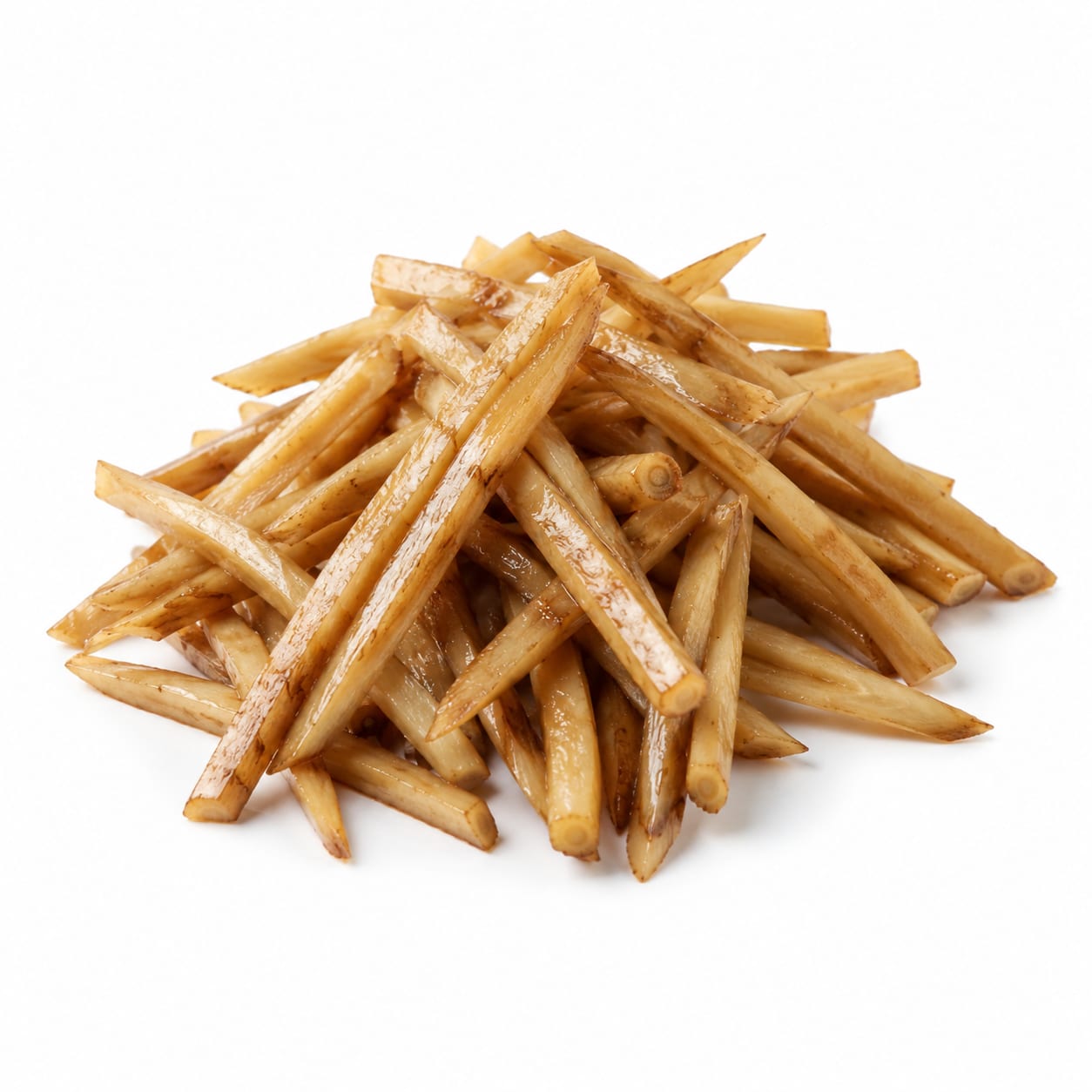
Burdock Root
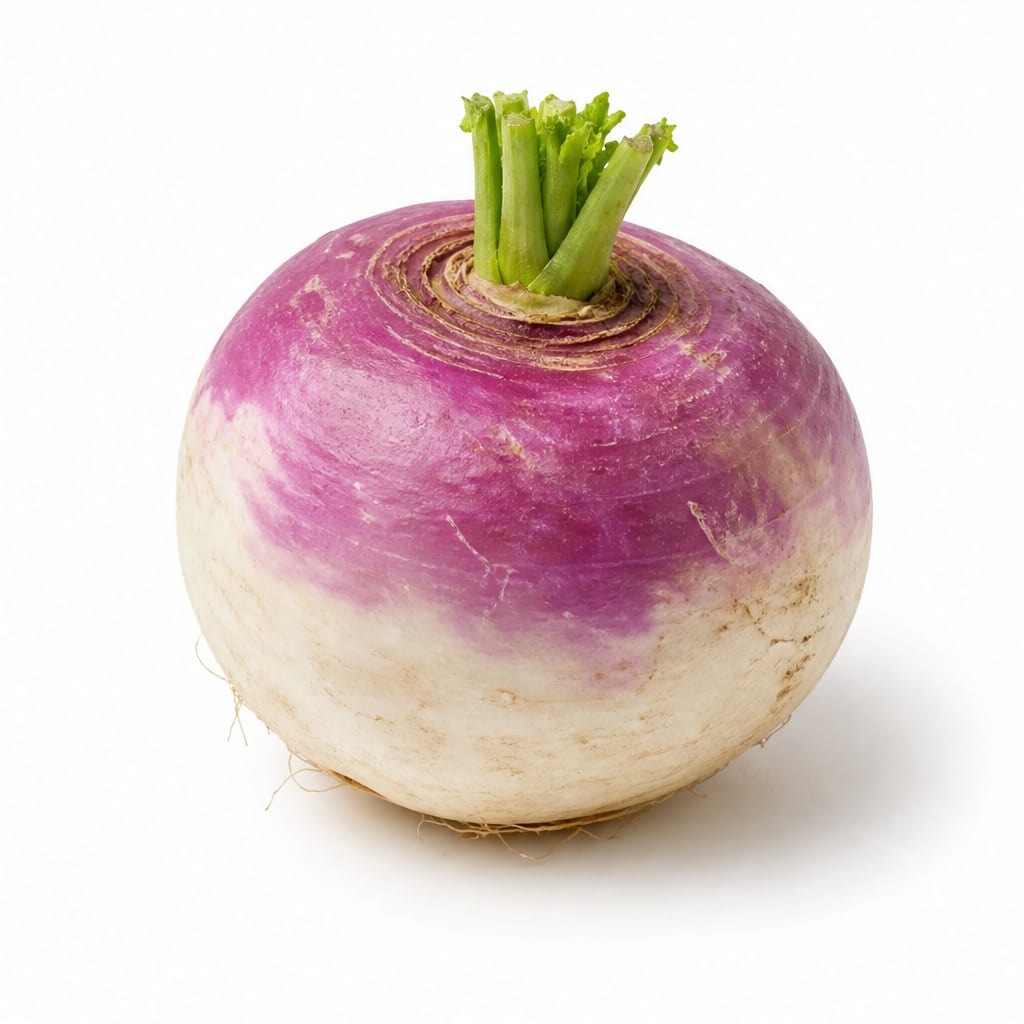
Turnip
Burdock root excels for gut health and blood sugar control, while turnip wins on convenience, versatility, and everyday accessibility.
Turnip scores slightly higher due to superior accessibility, ease of use, and broader culinary versatility. Burdock root's exceptional prebiotic fiber keeps it competitive, but its specialty status and preparation demands hold it back for everyday consumers.
Burdock root delivers superior prebiotic fiber and steadier blood sugar, but turnip is far easier to find, prepare, and incorporate into daily meals.
At a glance
Executive summary
Overall
It depends
Healthier
It depends
More practical
Turnip
Daily use
Turnip
Key comparison lenses
digestive health and gut support
Burdock root is exceptionally high in inulin fiber, a powerful prebiotic, making gut health the defining contrast between these two root vegetables
blood sugar management
Inulin in burdock root slows glucose absorption significantly, while turnip offers a lower-carb profile overall, creating a meaningful tradeoff for diabetics
everyday practicality and accessibility
Turnip is widely available and easy to prepare, whereas burdock root requires specialty shopping and specific preparation techniques
anti inflammatory and antioxidant benefits
Both offer distinct antioxidant profiles—burdock with phenolic acids, turnip with glucosinolates—making this a nuanced comparison
weight management and satiety
Both are low-calorie root vegetables, but burdock's fiber creates longer-lasting fullness while turnip's lower carb count appeals to keto dieters
Best choice for
Burdock Root
- Gut microbiome restoration and prebiotic support
- Blood sugar stabilization in prediabetes or insulin resistance
- Traditional detox and skin-clearing protocols
- People seeking deeper satiety from fewer calories
Turnip
- Quick weeknight dinners and meal prep
- Low-carb and ketogenic eating plans
- Families needing affordable, kid-friendly vegetables
- Anyone wanting cruciferous cancer-fighting benefits without specialty shopping
Least suitable for
Burdock Root
- People with limited access to Asian or specialty grocery stores
- Anyone sensitive to high inulin intake (gas, bloating)
- Those wanting fast, minimal-prep cooking
- Individuals on a very low-fiber diet for digestive rest
Turnip
- People specifically seeking prebiotic fiber for gut healing
- Those wanting a root vegetable with deeper, more complex flavor
- Anyone following traditional East Asian medicinal diets where burdock is central
Deep comparison
Dimension by dimension
Each lens scores both foods and breaks down who each option suits.
- Dimension 1 · Priority 95Burdock Root
Prebiotic Fiber and Gut Health
Burdock Root · 93Turnip · 52Burdock root is a prebiotic powerhouse, delivering roughly 3-4 times more inulin fiber than turnip, which directly feeds beneficial gut bacteria.
Tradeoff
That same high inulin content can cause bloating and gas in people unaccustomed to it, while turnip's gentler fiber profile is easier on sensitive stomachs.
Why it matters
Gut bacteria diversity influences everything from immunity to mood. Consistent prebiotic intake matters more than occasional probiotic foods.
Real-world impact
Eating burdock root regularly can mean fewer digestive issues over time, but the adjustment period may involve uncomfortable gas for the first week or two.
Burdock Root
- Rebuilding gut flora after antibiotics
- Chronic constipation relief
- Long-term microbiome diversity
Better for
- Sudden introduction causing bloating and social discomfort
- Not suitable during active IBS flares
Worse for
Turnip
- IBS or FODMAP-sensitive individuals
- Gentle daily fiber without fermentation discomfort
- People transitioning to eating more vegetables
Better for
- May not provide enough prebiotic stimulus for significant gut remodeling
Worse for
- Dimension 2 · Priority 88Burdock Root
Blood Sugar Stability
Burdock Root · 84Turnip · 78Burdock root's inulin slows glucose absorption more effectively, while turnip's lower carbohydrate content gives it a natural advantage for strict low-carb approaches.
Tradeoff
Burdock root contains more total carbohydrates, which can concern carb-counters despite its gentler glycemic impact. Turnip has fewer carbs but less fiber-mediated blood sugar buffering.
Why it matters
Post-meal energy crashes and cravings are directly tied to how quickly glucose enters the bloodstream.
Real-world impact
A burdock root stir-fry keeps you steadier for hours after eating. Turnip gives you a lighter meal with less carb accounting, but less sustained glucose moderation.
Burdock Root
- Prediabetics needing slower glucose absorption
- Afternoon energy crash prevention
- Reducing insulin spikes after high-carb meals
Better for
- Keto dieters who track total carbohydrates strictly
Worse for
Turnip
- Strict ketogenic diet followers
- Those counting total carbs rather than net carbs
- Quick blood sugar-friendly snacks
Better for
- Those relying on fiber to buffer carbohydrate intake from other foods
Worse for
- Dimension 3 · Priority 78It depends
Antioxidant and Anti-Inflammatory Profile
Burdock Root · 79Turnip · 76Burdock root offers phenolic acids and quercetin-like compounds that combat oxidative stress, while turnip delivers glucosinolates that support liver detoxification pathways.
Tradeoff
Burdock's antioxidants are more broadly anti-inflammatory, while turnip's glucosinolates are specifically linked to cancer risk reduction but require consistent intake.
Why it matters
Chronic inflammation drives most lifestyle diseases. Different antioxidant families target different pathways.
Real-world impact
Burdock root feels more like a daily anti-inflammatory tonic. Turnip feels more like targeted cancer-prevention eating, especially when you eat the greens too.
Burdock Root
- Chronic inflammation conditions like arthritis
- Skin conditions linked to systemic inflammation
- General oxidative stress reduction
Better for
- Less evidence for specific cancer-prevention pathways
Worse for
Turnip
- Family history of hormone-sensitive cancers
- Liver support during detoxification protocols
- Combined root-and-greens nutrient density
Better for
- Glucosinolates can interfere with thyroid function in very large amounts if iodine is low
Worse for
- Dimension 4 · Priority 82Turnip
Practicality and Accessibility
Burdock Root · 38Turnip · 88Turnip is available in virtually every grocery store, requires minimal prep, and cooks quickly. Burdock root demands specialty shopping, peeling, soaking, and longer cooking times.
Tradeoff
Burdock root's extra effort rewards you with unique flavor and medicinal benefits, but most people will simply not prepare it regularly enough to see results.
Why it matters
The healthiest vegetable is the one you actually eat consistently. Convenience drives long-term adherence.
Real-world impact
Turnip can be roasted, mashed, or added to soups on a busy Tuesday. Burdock root requires a dedicated shopping trip and 20+ minutes of prep before cooking even starts.
Burdock Root
- Culinary enthusiasts who enjoy traditional Japanese cooking
- People with access to Asian markets and time for meal rituals
Better for
- High likelihood of being purchased but rarely used due to prep friction
- Short shelf life once peeled
Worse for
Turnip
- Busy professionals needing fast vegetable sides
- Parents cooking for picky eaters
- Meal preppers who batch-cook on weekends
- Rural shoppers with limited grocery options
Better for
- Can feel boring or bland without creative seasoning
Worse for
- Dimension 5 · Priority 72It depends
Mineral Density and Micronutrients
Burdock Root · 74Turnip · 77Burdock root provides more potassium and magnesium, supporting muscle and nerve function. Turnip, especially its greens, delivers more calcium and vitamin C.
Tradeoff
If you eat turnip greens along with the root, turnip wins decisively on micronutrient breadth. Burdock root offers deeper mineral support but narrower vitamin coverage.
Why it matters
Mineral deficiencies affect energy, sleep quality, and muscle recovery more than most people realize.
Real-world impact
Burdock root helps with overnight muscle cramps and electrolyte balance. Turnip with greens covers more of your daily vitamin C and calcium needs in a single serving.
Burdock Root
- Electrolyte replenishment after sweating
- Magnesium support for sleep and relaxation
- Potassium for blood pressure management
Better for
- Low vitamin content compared to most root vegetables
Worse for
Turnip
- Vitamin C for immune support
- Calcium when dairy is not consumed
- Iron absorption support from vitamin C pairing
Better for
- Root alone is less mineral-dense than burdock
Worse for
- Dimension 6 · Priority 75Turnip
Culinary Versatility
Burdock Root · 55Turnip · 82Turnip can be roasted, mashed, pureed, pickled, added to stews, or eaten raw. Burdock root is primarily used in stir-fries, soups, and tea preparations.
Tradeoff
Burdock root has a distinctive earthy flavor that defines dishes but limits its range. Turnip's mild flavor adapts to nearly any cuisine or cooking method.
Why it matters
Variety in preparation prevents meal fatigue and makes healthy eating sustainable long-term.
Real-world impact
You can hide turnip in mashed potatoes for kids, roast it with chicken, or slice it into salads. Burdock root pretty much tastes like burdock root no matter what you do.
Burdock Root
- Japanese and Korean cuisine enthusiasts
- Making traditional medicinal teas and decoctions
- Deep, earthy flavor as a culinary star
Better for
- Limited to specific flavor profiles and dishes
- Overpowering if not balanced correctly
Worse for
Turnip
- Recipe flexibility across cuisines
- Sneaking vegetables into family meals
- Raw crudité and salad applications
Better for
- Can become watery and bland if overcooked
Worse for
Timeline
Health impact over time
Short-term
Hours to days
Burdock Root
- Noticeable increase in digestive gas and bloating during the first week of regular consumption as gut bacteria adjust to inulin
- More sustained fullness after meals due to fermentable fiber slowing gastric emptying
- Mild diuretic effect may increase urination frequency
Turnip
- Gentle digestive regularity without significant bloating or discomfort
- Quick, light energy from easily digestible carbohydrates and vitamin C
- Cruciferous compounds may cause mild thyroid discomfort in sensitive individuals if consumed raw in large amounts
Long-term
Months to years
Burdock Root
- Significantly improved gut microbiome diversity with consistent intake over months
- Better blood sugar regulation and reduced insulin resistance markers
- Potential skin improvements linked to reduced systemic inflammation and improved detoxification
- Risk of mineral absorption interference if consumed in excessive amounts due to phytic acid and oxalate content
Turnip
- Reduced cancer risk, particularly for colorectal and hormone-sensitive cancers, from consistent glucosinolate intake
- Improved cardiovascular markers from potassium and fiber content
- Stronger immune resilience from regular vitamin C consumption
- Possible goitrogenic effects if consumed raw in extreme quantities with concurrent iodine deficiency
Risk profile
Safety & processing
Both burdock root and turnip are whole, unprocessed root vegetables typically sold fresh. Burdock root is sometimes sold dried or as a tea, which still qualifies as minimally processed. Neither carries meaningful additive concerns when purchased fresh.
Burdock Root
Soil contaminant exposure
mediumBurdock root grows deep in soil and can accumulate heavy metals and pesticides from contaminated ground. Always peel thoroughly and buy organic when possible, especially since it is a known bioaccumulator.
Misidentification with toxic lookalikes
highWild-harvested burdock can be confused with deadly belladonna nightshade during early growth stages. Only consume commercially sourced burdock root, never forage unless expertly trained.
Inulin overload causing digestive distress
lowRapidly increasing burdock root consumption can cause significant gas, cramping, and diarrhea. Start with small portions and increase gradually over two weeks.
Turnip
Goitrogenic compounds when raw
lowRaw turnip contains glucosinolates that can interfere with thyroid hormone production in people with existing iodine deficiency. Cooking neutralizes most of this concern.
Pesticide residue on conventional turnips
lowTurnip appears on the EWG Clean Fifteen list, meaning conventional samples typically show low pesticide residues. The thick skin provides natural protection.
Cross-reactivity in mustard allergies
lowTurnip belongs to the Brassica family and can trigger reactions in people with mustard or cruciferous vegetable allergies, though this is uncommon.
Who wins for whom
Audience fit
Same foods, different winners depending on your goal.
children
TurnipTurnip's milder flavor, softer texture when cooked, and easier preparation make it far more kid-friendly. Burdock root's earthy intensity and fibrous chew are challenging for young palates.
daily consumption
TurnipTurnip's easy availability, quick preparation, and gentle digestion make it realistic for daily eating. Burdock root's specialty shopping and prep demands make consistent daily use unlikely for most people.
diabetes
It dependsBurdock root better moderates glucose absorption through inulin, making it superior for type 2 diabetes and insulin resistance. Turnip is better for type 1 diabetics or anyone on strict carbohydrate counting who needs predictable, lower total carbs.
elderly
TurnipTurnip is gentler on aging digestive systems, easier to chew when cooked soft, and its calcium and vitamin C support bone density and immune function in older adults.
muscle gain
TurnipTurnip provides lighter, faster-digesting carbohydrates that pair better with post-workout meals, and its vitamin C supports collagen synthesis for connective tissue repair.
weight loss
Burdock RootBurdock root's high inulin content creates significantly longer satiety, reducing overall calorie intake throughout the day. The deeper fullness makes snacking between meals less likely.
Your move
Decision guide
Choose Burdock Root
- You are actively working on gut health and want a potent prebiotic food source
- You have access to Asian grocery stores and enjoy traditional Japanese or Korean cooking
- Blood sugar management is your top health priority and you need slower glucose absorption
- You are following a detox or skin-clearing protocol rooted in traditional medicine
- You enjoy earthy, complex flavors and are willing to invest time in food preparation
Choose Turnip
- You need an affordable, accessible vegetable you can buy anywhere and cook quickly
- You are eating low-carb or keto and want a satisfying root vegetable with minimal carbs
- You want cancer-fighting cruciferous benefits without the effort of specialty shopping
- You are feeding a family and need versatile vegetables that adapt to many recipes
- You have a sensitive digestive system and need gentle fiber without fermentation issues
Either works if
- You simply want more root vegetable variety in your diet and enjoy both flavors
- You are rotating vegetables for broad micronutrient coverage across the week
- Neither is a dietary staple for you, so occasional enjoyment of either is perfectly healthy
Avoid both if
- You are on a strict low-fiber diet prescribed for acute digestive conditions like Crohn's flares
- You have severe oxalate sensitivity and need to limit all root vegetables
- You are in ketosis and tracking total carbohydrates very tightly, as both contain measurable carbs
Final recommendation
Keep turnip as your everyday root vegetable for its convenience, versatility, and gentle nutrition. Add burdock root as a targeted gut-health tool when you can access it—think of it as a medicinal food rather than a staple. If you had to pick only one for life, turnip wins on sustainability alone. But if gut restoration is your active project, burdock root for a focused 4-6 week period is worth the extra effort.
Practical
Consumer tips
- 1
Start with small burdock root portions—about 2 ounces cooked—to let your gut adjust to the inulin before increasing
- 2
Peel burdock root immediately and soak in water with a splash of vinegar to prevent oxidation and reduce bitterness
- 3
Turnip pairs beautifully with butter and herbs—simple preparation often beats complicated recipes for daily enjoyment
- 4
Buy burdock root from organic sources when possible since it is a known soil bioaccumulator
- 5
If turnip tastes too peppery raw, try roasting it—the heat mellows the bite and brings out natural sweetness
- 6
Combine both in a Japanese-style kinpira stir-fry for a dish that delivers prebiotic fiber and cruciferous benefits simultaneously
- 7
Freeze burdock root after blanching if you buy more than you can use within a few days—it loses quality quickly in the fridge