
Nutrition comparison
Burdock Root vs Beetroot: Which Root Vegetable Is Better for You?
Compare burdock root and beetroot for gut health, blood pressure, blood sugar, and athletic performance. Learn which root vegetable fits your health goals best.
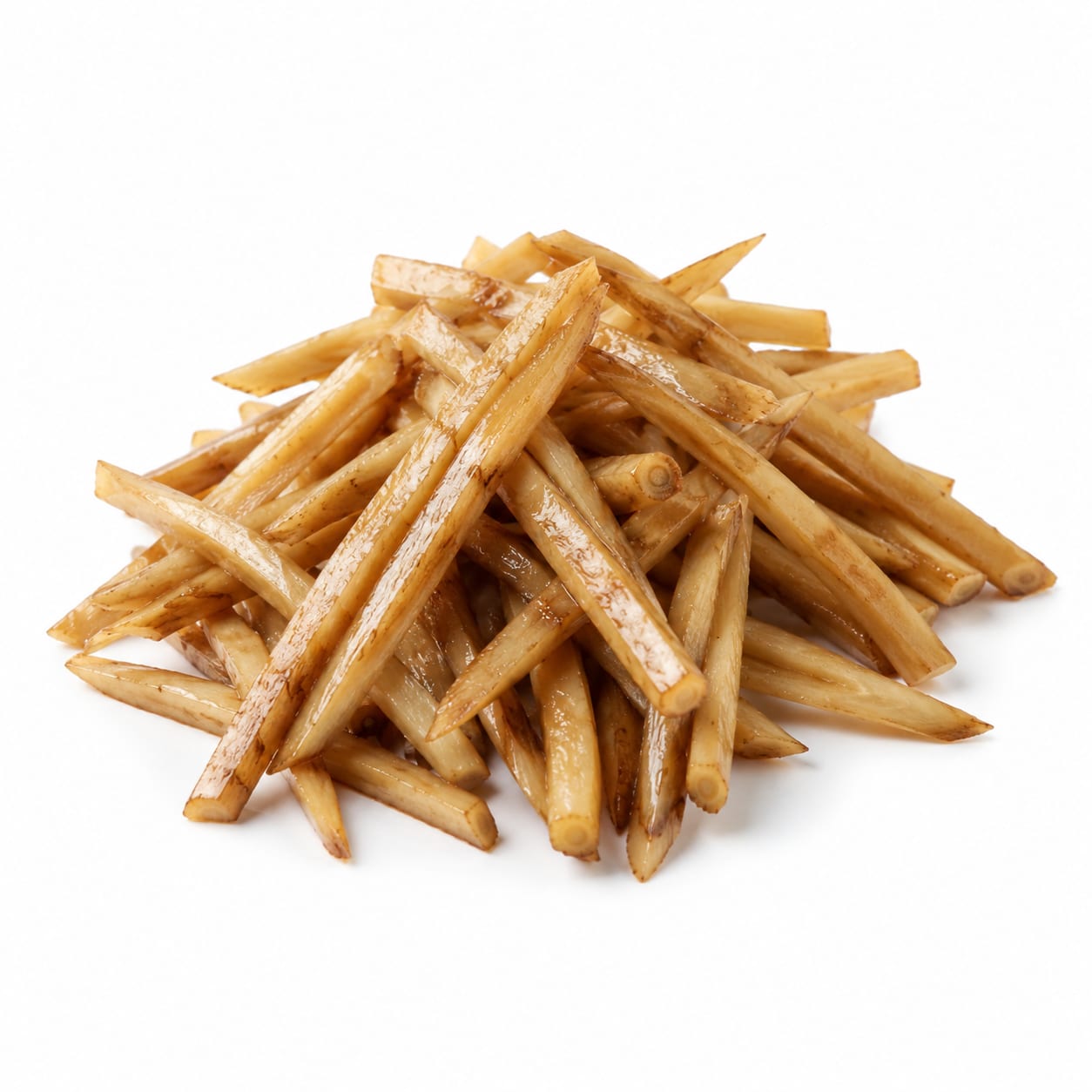
Burdock Root
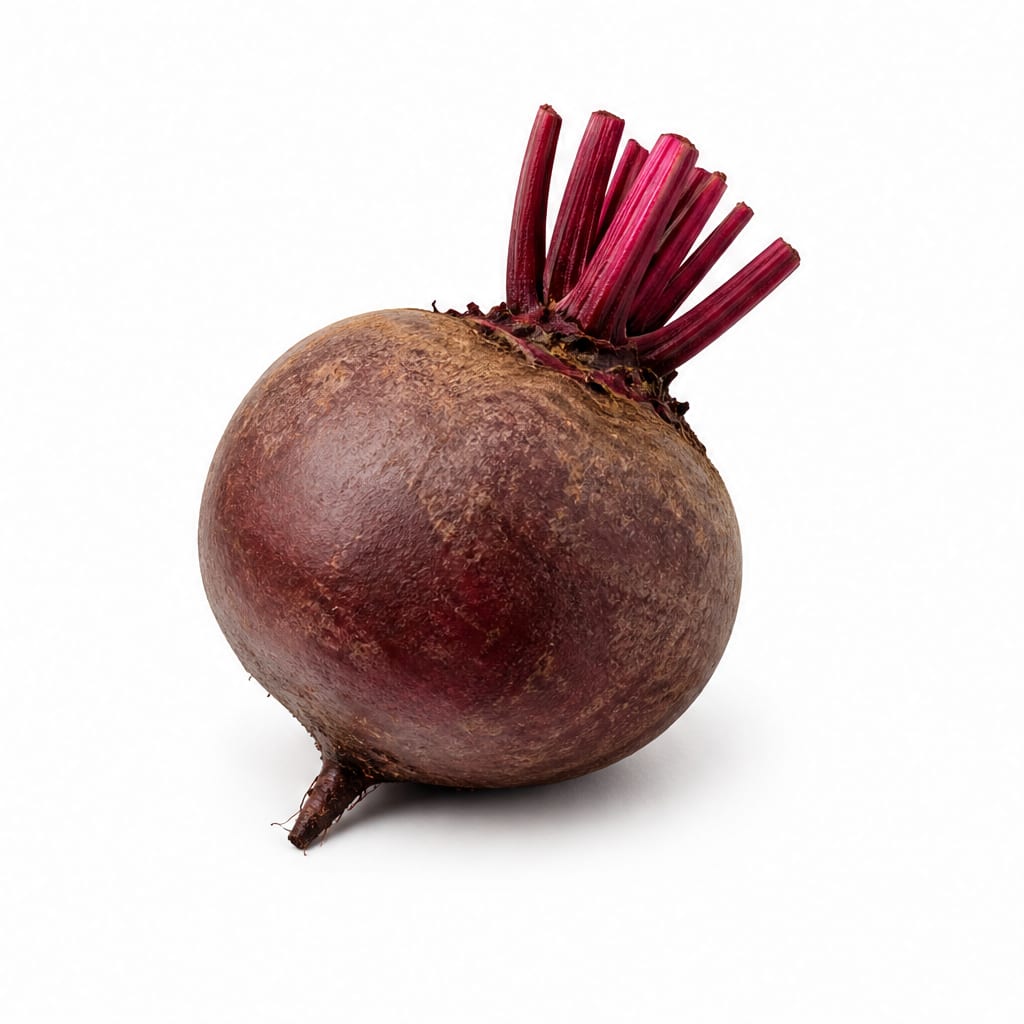
Beetroot
Beetroot excels for heart health and athletic performance through dietary nitrates, while burdock root dominates gut health and blood sugar stability via its prebiotic fiber content.
Beetroot edges ahead due to stronger clinical evidence for cardiovascular benefits, superior availability, and broader culinary versatility. Burdock root remains excellent for gut health and blood sugar but loses points for accessibility and less mainstream research validation.
Cardiovascular and endurance benefits of beetroot versus the deeper digestive and glycemic advantages of burdock root, with availability heavily favoring beetroot.
At a glance
Executive summary
Overall
It depends
Healthier
It depends
More practical
Beetroot
Daily use
Beetroot
Key comparison lenses
cardiovascular and blood pressure support
Beetroot's dietary nitrates are among the most evidence-backed natural blood pressure interventions, making this a key differentiator
digestive and gut health optimization
Burdock Root's exceptional inulin content makes it a prebiotic powerhouse, directly competing with beetroot's more modest fiber profile
blood sugar management
Both roots affect glycemic response differently, with burdock's lower sugar and higher fiber offering steadier glucose control
athletic performance and stamina
Beetroot juice is widely used by athletes for nitrate-driven endurance gains, a space where burdock has no direct equivalent
everyday accessibility and cooking convenience
Beetroot is a grocery staple while burdock requires specialty stores or Asian markets, heavily influencing real-world adoption
Best choice for
Burdock Root
- People focused on gut microbiome repair and prebiotic support
- Those managing blood sugar who want a low-glycemic root vegetable
- Anyone seeking gentle liver and skin support from traditional herbal approaches
- Individuals prone to kidney stones who must avoid oxalates
Beetroot
- People aiming to lower blood pressure naturally
- Athletes and active individuals wanting endurance and stamina gains
- Those needing folate and iron support, especially during pregnancy
- Anyone wanting a widely available, versatile root vegetable for daily cooking
Least suitable for
Burdock Root
- People without access to specialty or Asian grocery stores
- Anyone unfamiliar with preparing earthy, fibrous root vegetables
- Those wanting quick, convenient meal additions
- Individuals on blood thinners who need consistent vitamin K intake tracking
Beetroot
- People with a history of calcium oxalate kidney stones
- Those sensitive to foods that change urine or stool color
- Individuals strictly limiting natural sugars
- People on low-FODMAP diets during elimination phases
Deep comparison
Dimension by dimension
Each lens scores both foods and breaks down who each option suits.
- Dimension 1 · Priority 92Beetroot
cardiovascular and blood pressure support
Burdock Root · 55Beetroot · 93Beetroot is one of the most potent natural sources of dietary nitrates, which convert to nitric oxide and measurably lower blood pressure within hours of consumption.
Tradeoff
Burdock root offers mild anti-inflammatory cardiovascular benefits but cannot match the direct vasodilation effect that makes beetroot clinically notable for heart health.
Why it matters
High blood pressure affects nearly half of adults, and dietary nitrate from beetroot is one of the few food-based interventions with robust clinical trial support.
Real-world impact
A glass of beetroot juice can lower systolic blood pressure by 3-5 mmHg within 2-3 hours, a meaningful effect comparable to some lifestyle medications.
Burdock Root
- Those who need cardiovascular support without oxalate exposure
Better for
- People needing rapid blood pressure reduction
Worse for
Beetroot
- Anyone with prehypertension or stage 1 hypertension
- Adults over 45 focused on heart disease prevention
- Athletes seeking performance and heart health simultaneously
Better for
- Those already on multiple blood pressure medications without doctor supervision
Worse for
- Dimension 2 · Priority 88Burdock Root
digestive and gut microbiome health
Burdock Root · 91Beetroot · 64Burdock root is exceptionally rich in inulin, a prebiotic fiber that feeds beneficial gut bacteria far more effectively than beetroot's modest fiber content.
Tradeoff
Beetroot still supports digestion through moderate fiber but lacks the concentrated prebiotic punch that makes burdock a gut health staple in traditional medicine.
Why it matters
Gut microbiome diversity influences immunity, mood, weight regulation, and chronic disease risk, making prebiotic intake a high-leverage daily choice.
Real-world impact
Regular burdock consumption can noticeably reduce bloating and improve bowel regularity within 1-2 weeks for people with mild digestive sluggishness.
Burdock Root
- People with dysbiosis or after antibiotic courses needing microbiome rebuilding
- Those with chronic constipation seeking natural relief
- Anyone following a gut-healing protocol
Better for
- People on low-FODMAP diets who must avoid inulin
Worse for
Beetroot
- Those wanting moderate digestive support without strong prebiotic effects
Better for
- Anyone needing serious prebiotic intervention for gut repair
Worse for
- Dimension 3 · Priority 82Burdock Root
blood sugar stability
Burdock Root · 84Beetroot · 62Burdock root's high inulin fiber slows glucose absorption significantly, while beetroot's natural sugar content can cause a more noticeable blood sugar rise.
Tradeoff
Beetroot provides quicker energy but at the cost of steadier glucose control, whereas burdock delivers sustained energy without the spike.
Why it matters
Blood sugar crashes drive cravings, fatigue, and irritability, making glycemic stability a daily quality-of-life factor beyond diabetes management.
Real-world impact
Choosing burdock over beetroot with a meal can mean the difference between feeling satisfied for 3 hours versus getting hungry again within 90 minutes.
Burdock Root
- Prediabetics and type 2 diabetics managing post-meal glucose
- Anyone prone to afternoon energy crashes
- People following low-glycemic eating approaches
Better for
- Those needing quick carbohydrate replenishment post-workout
Worse for
Beetroot
- Athletes needing accessible carbohydrates before or after intense exercise
Better for
- Insulin-resistant individuals tracking glycemic load carefully
Worse for
- Dimension 4 · Priority 78Beetroot
athletic performance and endurance
Burdock Root · 38Beetroot · 88Beetroot's dietary nitrates improve oxygen efficiency in muscles, a well-documented ergogenic effect with no equivalent in burdock root.
Tradeoff
Burdock may support long-term gut health that indirectly aids nutrient absorption for athletes, but it offers no direct performance enhancement.
Why it matters
Even a 1-3% improvement in exercise efficiency from beetroot nitrates can meaningfully affect race times and training capacity for competitive athletes.
Real-world impact
Recreational runners who drink beetroot juice before a 5K often report feeling less breathless and finishing 30-60 seconds faster.
Burdock Root
- Endurance athletes with gut issues who need microbiome support alongside training
Better for
- Athletes looking for direct ergogenic benefits
Worse for
Beetroot
- Runners, cyclists, and swimmers seeking natural performance gains
- Older adults wanting to maintain exercise capacity
- Anyone doing high-intensity interval training regularly
Better for
- Those with kidney stone risk who cannot regularly consume high-oxalate foods
Worse for
- Dimension 5 · Priority 74It depends
antioxidant and anti-inflammatory profile
Burdock Root · 76Beetroot · 78Beetroot provides betalains with strong anti-inflammatory action, while burdock offers quercetin and luteolin with broader immune-modulating effects. Both are valuable but through different pathways.
Tradeoff
Betalains target inflammation more directly, while burdock's flavonoids offer wider-ranging cellular protection but with less immediate anti-inflammatory punch.
Why it matters
Chronic inflammation underlies most age-related diseases, and diverse antioxidant sources from different food families provide complementary protection.
Real-world impact
Eating both roots weekly gives broader antioxidant coverage than loading up on just one, similar to how a varied investment portfolio reduces risk.
Burdock Root
- Those seeking immune system modulation alongside inflammation control
- People with skin conditions linked to systemic inflammation
Better for
- Those needing rapid anti-inflammatory action
Worse for
Beetroot
- Anyone with joint pain or acute inflammatory conditions
- Post-surgical recovery where anti-inflammatory support aids healing
Better for
- People wanting broader-spectrum antioxidant diversity from a single food
Worse for
- Dimension 6 · Priority 75Beetroot
availability and practical convenience
Burdock Root · 35Beetroot · 85Beetroot is available in virtually every grocery store year-round, while burdock root requires specialty or Asian markets and is unfamiliar to most Western cooks.
Tradeoff
Burdock's rarity makes it a more intentional, health-focused purchase, but this same scarcity means most people will simply not eat it regularly enough for benefits.
Why it matters
The healthiest food only works if you actually buy, prepare, and eat it consistently. Availability is often the real deciding factor.
Real-world impact
You can grab beetroot at any supermarket on a Tuesday evening, but finding burdock might require a dedicated trip to an Asian grocery 20 minutes away.
Burdock Root
- Home cooks who enjoy exploring Asian ingredients and traditional recipes
- People with access to Japanese or Korean markets
Better for
- Rural dwellers without specialty grocery access
- People who cook infrequently and need easy ingredient sourcing
Worse for
Beetroot
- Busy families who need healthy options at regular stores
- Meal preppers who want reliable ingredient availability year-round
Better for
- Those specifically seeking traditional East Asian herbal food therapy
Worse for
Timeline
Health impact over time
Short-term
Hours to days
Burdock Root
- Mild increase in bowel movements within 1-2 days due to inulin fiber
- Possible temporary bloating or gas as gut bacteria adjust to prebiotic load
- Slight diuretic effect may reduce water retention
Beetroot
- Noticeable blood pressure drop within 2-3 hours of consuming concentrated forms like juice
- Red or pink urine within 24 hours, which is harmless but can be alarming if unexpected
- Mild digestive comfort from fiber content
Long-term
Months to years
Burdock Root
- Improved gut microbiome diversity with consistent consumption over weeks to months
- Better blood sugar regulation through sustained prebiotic fiber intake
- Potential skin clarity improvements linked to reduced systemic inflammation
Beetroot
- Sustained blood pressure reduction with regular intake, reducing cardiovascular disease risk
- Enhanced exercise capacity maintained through continued dietary nitrate availability
- Possible increased kidney stone risk for susceptible individuals due to cumulative oxalate exposure
Risk profile
Safety & processing
Both burdock root and beetroot are whole, minimally processed root vegetables typically sold fresh without additives. The main concern is that beetroot is increasingly available as processed juice or powder, which concentrates sugars and oxalates while removing fiber.
Burdock Root
soil contamination with heavy metals
mediumBurdock is a deep-rooting plant that can absorb heavy metals from contaminated soil. Source from reputable suppliers and avoid wild-harvested burdock from unknown soil conditions.
misidentification with toxic lookalikes
mediumWild burdock can be confused with deadly nightshade or belladonna in its early growth stages. Always purchase from verified commercial sources rather than foraging.
excessive prebiotic effects
lowHigh inulin intake can cause significant gas, bloating, and discomfort in sensitive individuals. Start with small portions and increase gradually.
Beetroot
calcium oxalate kidney stones
highBeetroot is notably high in oxalates, which bind with calcium to form stones in susceptible individuals. Those with a history of calcium oxalate stones should limit or avoid beetroot.
beeturia causing unnecessary medical concern
lowRed urine after eating beetroot affects about 10-14% of people and is harmless, but it frequently triggers unnecessary doctor visits or anxiety about blood in urine.
blood pressure interaction with medications
mediumThe potent hypotensive effect of beetroot nitrates can compound with blood pressure medications, potentially causing dizziness or fainting. Consult a doctor if on antihypertensives.
Who wins for whom
Audience fit
Same foods, different winners depending on your goal.
children
BeetrootBeetroot's natural sweetness and vibrant color make it far more appealing to children, and its folate content supports growth and development during critical years.
daily consumption
BeetrootBeetroot's easy availability, versatile cooking methods, and broader evidence base make it more sustainable as a daily dietary staple for most people.
diabetes
Burdock RootBurdock root's high inulin fiber significantly slows glucose absorption and reduces post-meal blood sugar spikes compared to beetroot's higher natural sugar content.
elderly
BeetrootBeetroot's blood pressure benefits address the most common cardiovascular risk in older adults, and its folate and potassium content support heart and bone health in aging populations.
muscle gain
BeetrootBeetroot's dietary nitrates improve exercise performance and training volume, while its natural sugars provide accessible energy for resistance training sessions.
weight loss
Burdock RootBurdock root provides more satiety per calorie through its high inulin fiber content, keeping hunger at bay longer with fewer digestible calories than beetroot.
Your move
Decision guide
Choose Burdock Root
- You are actively working on gut health, microbiome repair, or post-antibiotic recovery
- Blood sugar management is your top daily priority
- You have a history of kidney stones and need to avoid oxalates
- You enjoy cooking with traditional Asian ingredients and have reliable access to burdock
Choose Beetroot
- Lowering blood pressure naturally is a primary health goal
- You are an athlete or regularly active person seeking performance benefits
- You want a heart-healthy root vegetable that is easy to find and prepare
- You are pregnant or trying to conceive and need folate-rich foods
Either works if
- You want anti-inflammatory root vegetables to diversify your diet beyond carrots and potatoes
- You are generally healthy and looking to add more whole-food antioxidants
- You enjoy earthy flavors and want to rotate different roots for nutrient variety
Avoid both if
- You are on a strict low-FODMAP elimination diet, as both contain fermentable carbohydrates
- You have severe digestive conditions like SIBO that are triggered by prebiotic fibers
- You are on blood thinners and have not consulted your doctor about vitamin K interactions with root vegetables
Final recommendation
Eat both if you can. Beetroot gives you blood pressure and endurance benefits that burdock cannot match, while burdock delivers gut health and blood sugar advantages that beetroot lacks. Aim for beetroot 3-4 times per week and burdock 1-2 times per week when available. If you must choose only one, beetroot wins for most people due to its accessibility, cardiovascular evidence, and culinary versatility. But if gut health is your bottleneck issue, burdock root is worth seeking out.
Practical
Consumer tips
- 1
Start with small portions of burdock root to let your gut adjust to the high inulin content, then gradually increase over 1-2 weeks
- 2
Roasted beetroot retains more nitrates than boiled, since water leaches these beneficial compounds into the cooking liquid
- 3
If you cannot find fresh burdock root, dried burdock tea offers similar prebiotic benefits in a more accessible form
- 4
Pair beetroot with a source of vitamin C like lemon juice to enhance iron absorption from its non-heme iron content
- 5
Avoid beetroot juice if you have kidney stone risk, as juicing removes fiber but concentrates oxalates and sugars
- 6
Look for firm, unblemished burdock roots at Japanese or Korean markets, and choose thinner roots which are more tender and less woody
- 7
If beetroot causes digestive discomfort, try fermented beetroot or small amounts of pickled beetroot, which are easier to tolerate