
Nutrition comparison
Burdock Root vs Parsnip: Which Root Vegetable Is Healthier?
Compare burdock root and parsnip nutrition, health benefits, and practicality. Discover which is better for blood sugar, gut health, weight loss, and everyday cooking.
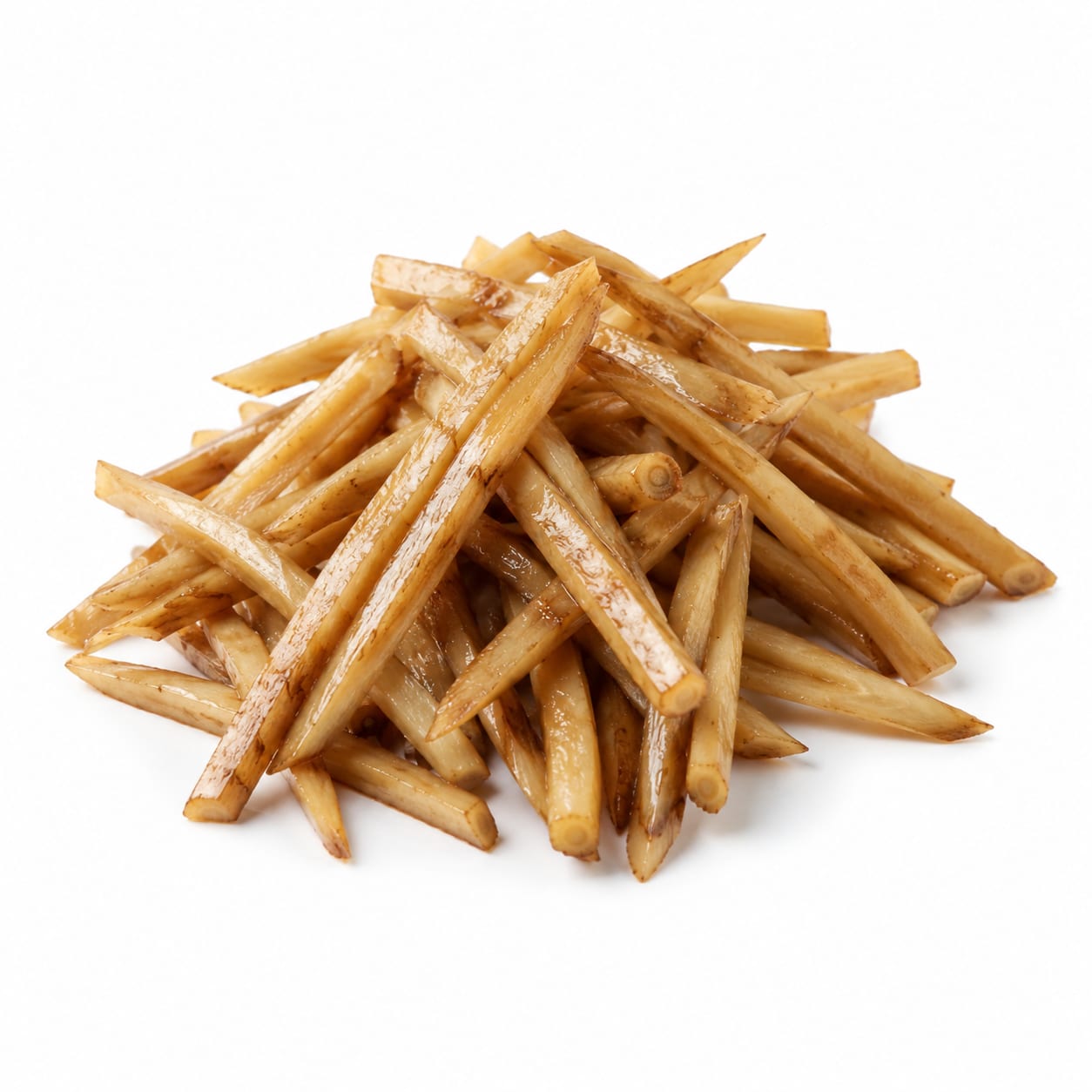
Burdock Root
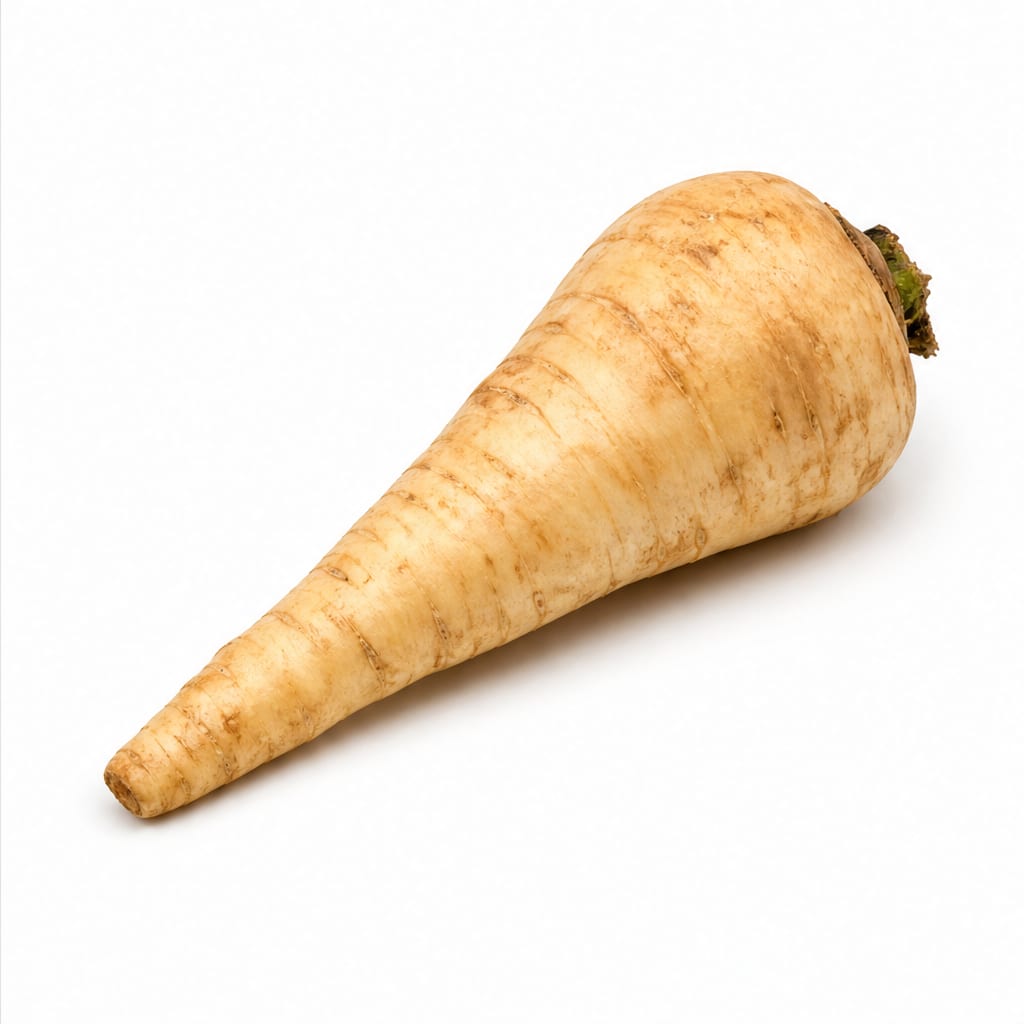
Parsnip
Burdock root wins for blood sugar control and gut health; parsnip wins for convenience, taste accessibility, and everyday cooking ease.
Burdock root scores slightly higher due to its superior fiber profile, lower sugar content, and medicinal heritage, but parsnip's accessibility and culinary ease keep it close. The right choice depends heavily on your health priorities versus practical needs.
You gain prebiotic power and steadier blood sugar with burdock root, but sacrifice the sweet versatility and grocery-store availability that parsnips offer.
At a glance
Executive summary
Overall
It depends
Healthier
Burdock Root
More practical
Parsnip
Daily use
Parsnip
Key comparison lenses
blood sugar management
Burdock root is prized for its inulin content and minimal sugar, while parsnips are notably sweet and starchier, making glycemic impact the most critical differentiator
digestive and gut health
Burdock root's prebiotic inulin content far exceeds parsnip's, making gut health a key comparison axis
everyday practicality and availability
Parsnips are a grocery store staple in Western countries; burdock root requires specialty shops or Asian markets, heavily influencing real-world adoption
culinary versatility
Parsnips integrate easily into roasting, mashing, and soups; burdock root demands specific preparation techniques that limit casual use
detoxification and traditional medicine
Burdock root carries centuries of use in traditional medicine for blood purification and skin health, a dimension parsnips do not share
Best choice for
Burdock Root
- People managing diabetes or insulin resistance
- Those seeking prebiotic fiber for gut health
- Anyone following traditional East Asian dietary approaches
- People wanting lower-calorie root vegetables
- Those interested in herbal or medicinal food traditions
Parsnip
- Families wanting kid-friendly root vegetables
- Home cooks seeking easy roasting or mashing options
- People without access to Asian grocery stores
- Anyone wanting a sweeter, more comforting winter vegetable
- Those new to root vegetables who want an approachable entry point
Least suitable for
Burdock Root
- People short on time who want quick meal prep
- Those unfamiliar with or unable to access specialty ingredients
- Anyone sensitive to earthy, bitter flavors
- Children who prefer sweeter vegetables
Parsnip
- People strictly managing blood sugar
- Those on low-carb or ketogenic diets
- Anyone seeking strong prebiotic or medicinal benefits from their vegetables
Deep comparison
Dimension by dimension
Each lens scores both foods and breaks down who each option suits.
- Dimension 1 · Priority 92Burdock Root
Blood Sugar Stability
Burdock Root · 88Parsnip · 52Burdock root's high inulin content and low natural sugar make it dramatically gentler on blood sugar compared to parsnip's noticeable sweetness and starch load.
Tradeoff
Parsnips taste sweeter and more satisfying as a comfort food, but that sweetness comes with a glycemic cost burdock root avoids entirely.
Why it matters
If you're watching blood sugar—whether for diabetes, metabolic syndrome, or steady energy—this difference is the most important one in the comparison.
Real-world impact
A burdock root stir-fry won't cause the afternoon energy dip that a parsnip mash might, especially eaten in larger portions.
Burdock Root
- Diabetics and pre-diabetics
- People prone to energy crashes after carb-heavy meals
- Those tracking glycemic load carefully
Better for
- Those who need fast post-workout glycogen replenishment
Worse for
Parsnip
- Endurance athletes needing quicker carbohydrate fuel
- Underweight individuals seeking calorie-dense vegetables
Better for
- Anyone monitoring fasting glucose
- Low-carb dieters
Worse for
- Dimension 2 · Priority 88Burdock Root
Prebiotic Fiber and Gut Health
Burdock Root · 91Parsnip · 58Burdock root is one of the richest vegetable sources of inulin, a prebiotic fiber that feeds beneficial gut bacteria. Parsnips contain fiber but far less of this specific prebiotic type.
Tradeoff
You get substantially more gut-nourishing fiber from burdock root, but must tolerate its earthier flavor and more involved preparation.
Why it matters
Prebiotic fiber drives microbiome diversity, which influences digestion, immunity, and even mood. This is burdock root's standout advantage.
Real-world impact
Regular burdock root consumption can meaningfully support bowel regularity and beneficial bacteria over weeks, whereas parsnips contribute more modestly.
Burdock Root
- People with dysbiosis or gut flora imbalances
- Those managing constipation through diet
- Anyone taking probiotics who wants to feed those beneficial bacteria
Better for
- Those with severe FODMAP intolerance, as inulin can trigger bloating
Worse for
Parsnip
- People who need gentle, non-fermentable fiber due to IBS or FODMAP sensitivity
Better for
- People specifically seeking prebiotic benefits from their vegetables
Worse for
- Dimension 3 · Priority 85Parsnip
Convenience and Availability
Burdock Root · 35Parsnip · 88Parsnips are available in nearly any supermarket and require minimal prep. Burdock root demands specialty shopping and specific techniques like soaking and scraping to remove bitterness.
Tradeoff
Parsnips are grab-and-cook easy; burdock root rewards effort with unique health benefits but punishes laziness with bitterness and tough texture if prepared poorly.
Why it matters
The best vegetable for your health is the one you actually eat consistently. Parsnip's convenience makes daily use realistic for most people.
Real-world impact
You can roast parsnips on a Tuesday night without thinking. Burdock root requires planning, sourcing, and technique—making it more of a weekend project for most.
Burdock Root
- Dedicated home cooks who enjoy specialty ingredients
- People with access to Asian markets
Better for
- Time-pressed weeknight cooks
- People in food deserts or areas without Asian markets
Worse for
Parsnip
- Busy professionals
- Parents cooking family dinners
- Anyone living far from specialty grocery stores
Better for
- Adventurous eaters who want novel flavors and ingredients
Worse for
- Dimension 4 · Priority 80Parsnip
Culinary Versatility
Burdock Root · 48Parsnip · 82Parsnips roast beautifully, mash creamy, and blend into soups seamlessly. Burdock root shines in stir-fries and braised dishes but has a narrower range of applications in Western cooking.
Tradeoff
Parsnips adapt to almost any cooking method and flavor profile; burdock root demands Asian-inspired preparations to truly shine.
Why it matters
Versatility determines how often a vegetable makes it onto your plate. Parsnips fit into meals you already make; burdock root often requires new recipes.
Real-world impact
Tossing parsnips with olive oil and salt gives you a delicious side in 25 minutes. Burdock root needs peeling, soaking, and specific seasoning to avoid tasting like dirt.
Burdock Root
- Fans of Japanese and Korean cuisine
- Those who enjoy kinpira-style braised dishes
Better for
- Cooks unfamiliar with Asian flavor profiles
- Those wanting a simple roasted vegetable side
Worse for
Parsnip
- Home cooks who roast vegetables weekly
- Anyone making winter soups or stews
- People who mash root vegetables as comfort food
Better for
- People seeking distinctive, non-sweet vegetable flavors
Worse for
- Dimension 5 · Priority 75Burdock Root
Antioxidant and Medicinal Value
Burdock Root · 85Parsnip · 50Burdock root contains unique polyphenols like quercetin and luteolin, plus a long history of medicinal use for skin, liver, and blood health. Parsnips offer basic antioxidants but no notable medicinal profile.
Tradeoff
Burdock root doubles as food and traditional medicine; parsnips are simply a nutritious vegetable without the therapeutic reputation.
Why it matters
If you view food as medicine, burdock root delivers on that philosophy in ways parsnips simply do not.
Real-world impact
People dealing with skin issues or seeking liver support may notice tangible benefits from regular burdock root consumption that parsnips won't provide.
Burdock Root
- People with chronic skin conditions like acne or eczema
- Those interested in food-as-medicine approaches
- Anyone seeking liver-supportive foods
Better for
- Those skeptical of traditional medicine claims
Worse for
Parsnip
- People who view vegetables primarily as calorie and nutrient sources rather than therapeutic agents
Better for
- Anyone specifically seeking antioxidant-dense or anti-inflammatory root vegetables
Worse for
- Dimension 6 · Priority 70Burdock Root
Calorie Density and Weight Management
Burdock Root · 80Parsnip · 55Burdock root delivers more volume and fiber per calorie than parsnips, which are denser in natural sugars and starches.
Tradeoff
You can eat more burdock root for fewer calories, but parsnips feel more filling and satisfying per serving due to their higher calorie content.
Why it matters
For portion-conscious eaters, burdock root lets you fill your plate without filling your calorie budget as quickly.
Real-world impact
A large serving of burdock root stir-fry feels substantial without the caloric weight of an equivalent parsnip dish.
Burdock Root
- People actively losing weight
- Those who prefer larger food volumes
Better for
- Underweight individuals needing calorie-dense options
Worse for
Parsnip
- People maintaining weight who want satisfying side dishes
- Those needing calorie-dense plant foods
Better for
- Strict calorie counters
Worse for
Timeline
Health impact over time
Short-term
Hours to days
Burdock Root
- May cause temporary bloating or gas due to high inulin content, especially if your gut is unaccustomed to prebiotic fiber
- Provides steady energy without the sugar spike and crash common to sweeter root vegetables
- Can have a mild diuretic effect, increasing urination in some people
Parsnip
- Delivers quicker energy from natural sugars, useful after physical exertion
- May trigger blood sugar fluctuations in sensitive individuals, especially in larger portions
- Generally well-tolerated digestively, with less fermentation and gas than burdock root
Long-term
Months to years
Burdock Root
- Consistent prebiotic intake supports microbiome diversity and stronger gut-mediated immunity
- Traditional use suggests benefits for skin clarity and liver function, though clinical evidence remains limited
- May help maintain stable blood sugar patterns over months when regularly substituted for starchier vegetables
Parsnip
- Regular folate intake supports cardiovascular health and cellular repair
- Potassium content contributes to healthy blood pressure when consumed as part of a balanced diet
- Higher natural sugar content could contribute to insulin resistance if eaten in large quantities frequently without balancing with protein or fat
Risk profile
Safety & processing
Both burdock root and parsnips are whole, unprocessed root vegetables typically sold fresh and unadorned. Neither carries meaningful additive concerns when purchased raw.
Burdock Root
Soil contaminant absorption
mediumBurdock root grows deep and readily absorbs soil contaminants including heavy metals. Sourcing from clean, organic farms matters more than with most vegetables.
Misidentification with toxic lookalikes
highWild burdock can be confused with deadly nightshade or belladonna growing nearby. Foraging without expert knowledge is dangerous. Always purchase from reputable suppliers.
Pesticide residue
mediumAs a deep-rooting plant, burdock can concentrate pesticides from soil. Choosing organic reduces this concern meaningfully.
Parsnip
Pesticide residue
lowParsnips are on the lower end for pesticide concerns among root vegetables, but peeling further reduces any surface residue.
Phototoxic sap reaction
mediumParsnip leaves and stems contain furanocoumarins that can cause phytophotodermatitis—severe skin burning when exposed to sunlight after contact. Handle the greens cautiously or avoid touching them.
Natural sugar content
lowNot a safety risk per se, but the sugar content can become a health concern for diabetics consuming large portions regularly.
Who wins for whom
Audience fit
Same foods, different winners depending on your goal.
children
ParsnipParsnips' natural sweetness and soft texture when cooked make them far more appealing to children than burdock root's earthy, slightly bitter flavor.
daily consumption
ParsnipParsnip's availability, ease of preparation, and familiar flavor make daily consumption realistic. Burdock root's sourcing challenges and preparation demands make daily use impractical for most.
diabetes
Burdock RootBurdock root's minimal sugar and high inulin content make it significantly gentler on blood glucose, giving it a clear advantage for diabetic and pre-diabetic individuals.
elderly
It dependsParsnips are easier to prepare and eat, but burdock root's prebiotic benefits support the gut health that becomes increasingly important with age. Choose based on mobility and access.
muscle gain
ParsnipParsnips provide more readily available carbohydrates that support glycogen replenishment after training, making them more useful around workouts.
weight loss
Burdock RootLower calorie density and higher fiber per serving make burdock root more filling per calorie, supporting portion control and satiety during weight loss.
Your move
Decision guide
Choose Burdock Root
- You are managing blood sugar, insulin resistance, or diabetes
- Gut health and microbiome support are top priorities for you
- You have access to an Asian grocery store and enjoy cooking Japanese or Korean dishes
- You are interested in traditional medicinal foods and food-as-medicine approaches
- You want a low-calorie, high-fiber vegetable that will not spike your energy levels
Choose Parsnip
- You want a versatile, easy-to-find root vegetable for everyday meals
- You are cooking for children or family members who prefer sweeter flavors
- You need post-workout carbohydrate replenishment
- You roast or mash vegetables regularly and want something that fits your existing routine
- You live far from specialty markets and want reliable grocery-store access
Either works if
- You simply want more root vegetable variety in your diet
- You are not managing any specific health condition and enjoy both flavors
- You alternate between Asian and Western cooking styles throughout the week
Avoid both if
- You are on a strict very-low-carb or ketogenic diet, as both contain meaningful carbohydrates
- You have severe FODMAP intolerance, since both can trigger symptoms in sensitive individuals
Final recommendation
Choose burdock root if blood sugar control and gut health are your primary concerns, and you are willing to seek it out and learn its preparation. Choose parsnips if you want a practical, delicious root vegetable that fits seamlessly into everyday Western cooking. For most people, the best approach is using parsnips as your regular root vegetable and incorporating burdock root a few times per month when you want its prebiotic and medicinal benefits.
Practical
Consumer tips
- 1
Soak sliced burdock root in water with a splash of vinegar for 10-15 minutes before cooking to remove bitterness and prevent discoloration
- 2
Choose organic burdock root when possible due to its tendency to absorb soil contaminants
- 3
Parsnips sweeten after frost—buying them in late fall or winter gives you the best flavor
- 4
Start with small portions of burdock root if you are not used to high-inulin foods, and increase gradually to avoid bloating
- 5
Scrub parsnips well but consider leaving the skin on for more fiber and nutrients
- 6
Store both vegetables unwashed in the crisper drawer—burdock root wrapped in damp paper towel lasts about a week, parsnips up to three weeks
- 7
If burdock root is unavailable, jerusalem artichokes offer a similar inulin profile with slightly easier prep