
Nutrition comparison
Burdock Root vs Lotus Root: Which Is Better for Gut Health, Blood Sugar, and Nutrition?
Compare burdock root and lotus root side by side. Learn which root vegetable wins for fiber, gut health, blood sugar control, vitamin C, and everyday cooking practicality.
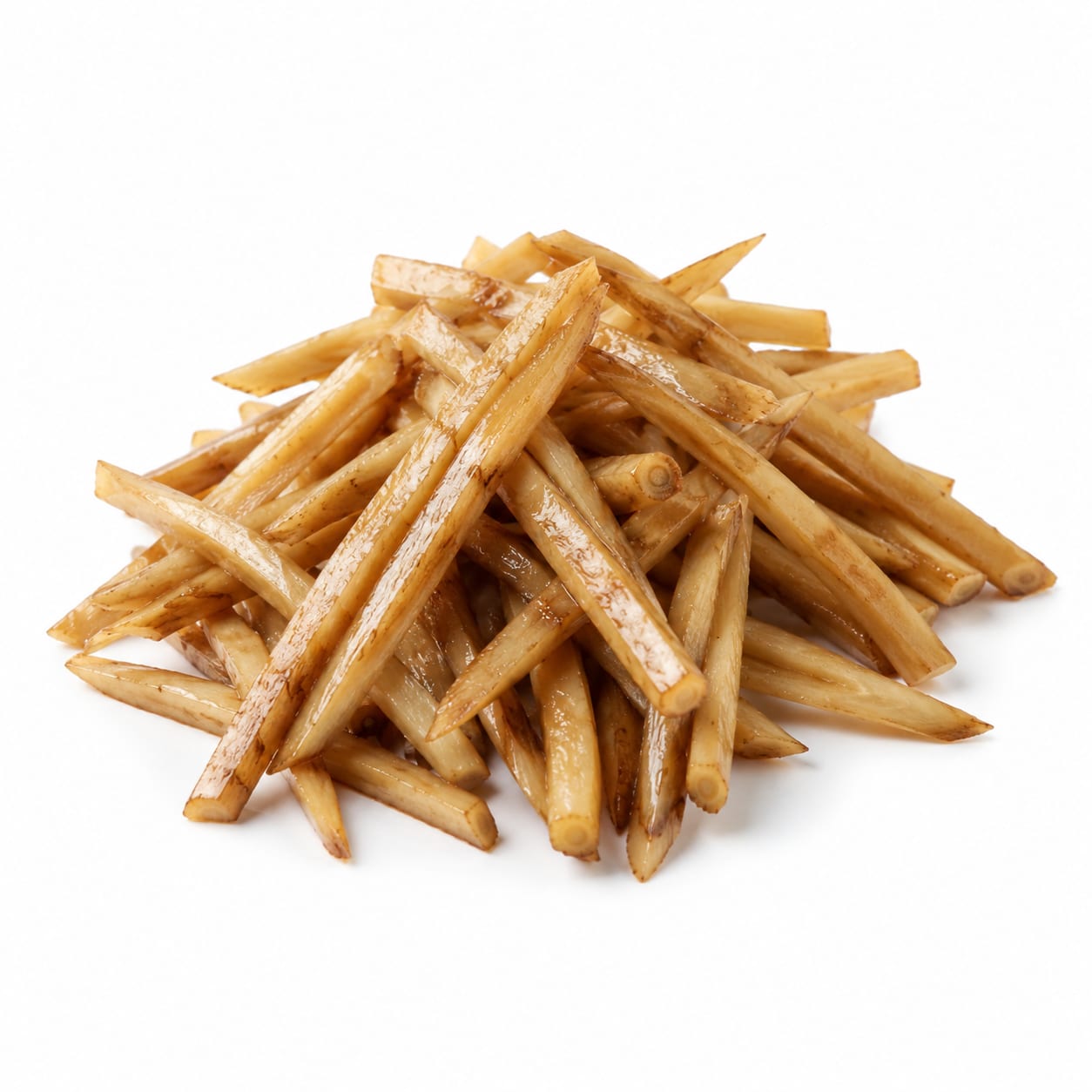
Burdock Root
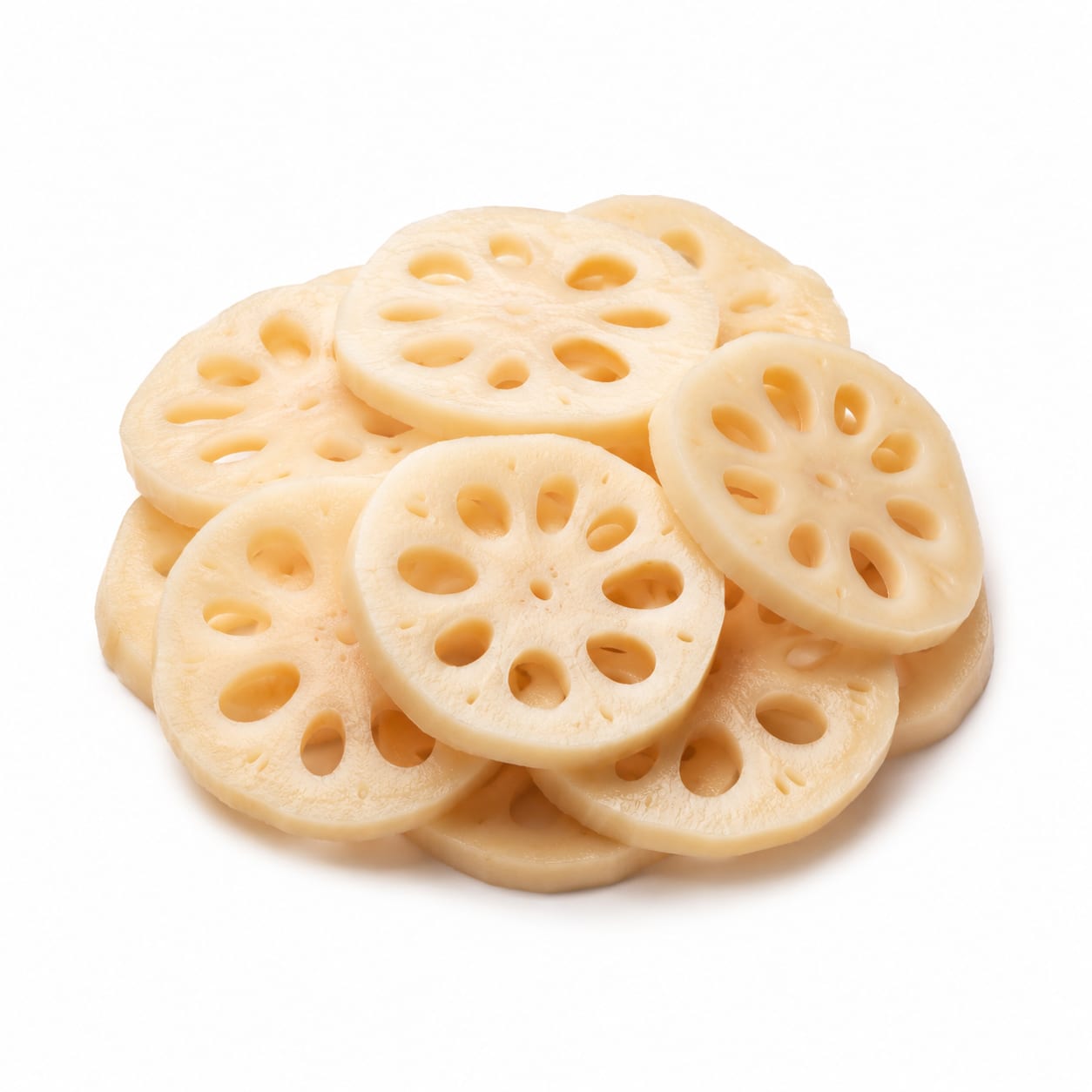
Lotus Root
Burdock root wins for gut health and blood sugar control; lotus root wins for vitamin C, potassium, and culinary ease. Your pick depends on what your body needs most.
Burdock root edges ahead on fiber and blood sugar benefits, but lotus root's broader micronutrient profile and easier kitchen integration keep the scores very close. Neither dominates.
Burdock gives you far more fiber and prebiotic power but requires more cooking effort and has a stronger taste. Lotus root is gentler, prettier on the plate, and more nutrient-diverse but starchier.
At a glance
Executive summary
Overall
It depends
Healthier
Burdock Root
More practical
Lotus Root
Daily use
Lotus Root
Key comparison lenses
digestive and gut health
Burdock root is exceptionally rich in inulin, a prebiotic fiber that feeds beneficial gut bacteria, making gut health the defining difference between these two roots
blood sugar management
Both roots are starchy vegetables with different glycemic impacts; burdock's higher fiber slows absorption while lotus root's starch content demands more caution
nutrient density comparison
Lotus root delivers significantly more vitamin C and potassium, while burdock offers superior fiber and unique polyphenols
culinary practicality
Lotus root is more versatile in cooking and easier to find prepared, while burdock requires more effort and has a polarizing earthy flavor
traditional medicinal value
Both carry deep roots in East Asian medicine but for different purposes—burdock for detoxification and skin, lotus for blood building and digestion
Best choice for
Burdock Root
- Gut health optimization and prebiotic support
- Blood sugar management in prediabetes or insulin resistance
- Detox-focused and skin-clearing dietary protocols
- People seeking high-fiber, low-calorie fillers
Lotus Root
- Vitamin C and potassium boosting
- Anemia support due to iron and vitamin C combo
- Family meals needing mild, approachable flavors
- People wanting an attractive, versatile vegetable for regular cooking
Least suitable for
Burdock Root
- Those sensitive to high inulin (can cause gas and bloating)
- People who dislike strong earthy flavors
- Anyone seeking quick-prep weeknight vegetables
Lotus Root
- Strict low-carb or keto dieters due to starch content
- Those needing maximum fiber per calorie
- People watching blood sugar closely who want the lowest glycemic option
Deep comparison
Dimension by dimension
Each lens scores both foods and breaks down who each option suits.
- Dimension 1 · Priority 95Burdock Root
Fiber and Gut Health
Burdock Root · 92Lotus Root · 58Burdock root is a prebiotic powerhouse, delivering roughly 3-4 times more fiber than lotus root, with much of it as inulin.
Tradeoff
That inulin can cause significant gas and bloating if you ramp up too fast. Lotus root is gentler on sensitive stomachs.
Why it matters
A healthy gut microbiome affects everything from immunity to mood. Burdock feeds your good bacteria far more effectively.
Real-world impact
Regular burdock consumption can improve bowel regularity within days, but start small or risk uncomfortable bloating after meals.
Burdock Root
- Prebiotic support and microbiome diversity
- Chronic constipation relief
- Post-antibiotic gut recovery
Better for
- Those already prone to gas and bloating
- Sudden large servings without gradual introduction
Worse for
Lotus Root
- IBS or FODMAP-sensitive individuals
- Gentle daily fiber without fermentation discomfort
Better for
- Anyone needing therapeutic-grade fiber intake
Worse for
- Dimension 2 · Priority 85Burdock Root
Blood Sugar Stability
Burdock Root · 80Lotus Root · 62Burdock's high fiber and inulin content slow glucose absorption significantly more than lotus root, which has a higher starch load.
Tradeoff
Lotus root is not a blood sugar disaster—it still contains fiber—but portion control matters more, especially for diabetics.
Why it matters
Steady blood sugar means fewer energy crashes, less cravings, and better long-term metabolic health.
Real-world impact
A burdock root side dish is less likely to cause an afternoon energy dip than an equivalent portion of lotus root.
Burdock Root
- Prediabetes and insulin resistance management
- Steady energy without crashes
- Low-glycemic meal planning
Better for
- Very low-carb dieters who count even vegetable carbs strictly
Worse for
Lotus Root
- Active individuals who need moderate starch for energy replenishment
Better for
- Diabetics eating large portions without pairing protein or fat
- Sedentary evening meals where starch is less useful
Worse for
- Dimension 3 · Priority 80Lotus Root
Vitamin and Mineral Density
Burdock Root · 55Lotus Root · 82Lotus root delivers substantially more vitamin C, potassium, and vitamin B6, plus a useful amount of iron. Burdock's micronutrient profile is thinner.
Tradeoff
Burdock offers unique polyphenols and antioxidants not found in lotus root, but the classic vitamin and mineral tally favors lotus root clearly.
Why it matters
Vitamin C supports immunity and iron absorption. Potassium helps blood pressure. These are everyday nutrients people often fall short on.
Real-world impact
A serving of lotus root covers roughly 50% of daily vitamin C needs. Burdock covers closer to 5%.
Burdock Root
- Unique antioxidant compounds like arctigenin and chlorogenic acid
- Polyphenol-driven anti-inflammatory benefits
Better for
- Anyone relying on it as a significant vitamin source
Worse for
Lotus Root
- Iron-deficient individuals needing vitamin C to boost absorption
- Blood pressure management through potassium intake
- Immune support during cold season
Better for
- Those specifically seeking prebiotic or polyphenol-dense foods
Worse for
- Dimension 4 · Priority 75Lotus Root
Culinary Versatility and Convenience
Burdock Root · 48Lotus Root · 78Lotus root is easier to cook, milder in flavor, and visually striking. Burdock demands more prep, has a strong earthy taste, and oxidizes quickly.
Tradeoff
Burdock's intense flavor rewards adventurous cooks and adds depth to braises and stir-fries. Lotus root plays nicely in almost any dish.
Why it matters
The best vegetable for your health is the one you actually cook and eat regularly. Complexity reduces consistency.
Real-world impact
Lotus root slices can be pan-fried, simmered in soup, or pickled with minimal effort. Burdock needs peeling, soaking, and longer cooking to shine.
Burdock Root
- Hearty braises and robust stews where earthy depth is welcome
- Japanese-style kinpira and traditional preparations
Better for
- Busy weeknights when prep time matters
- Dishes requiring mild or neutral vegetable flavor
Worse for
Lotus Root
- Quick stir-fries and weeknight dinners
- Elegant presentation dishes
- Soups where a neutral starchy component is needed
- Pickling and cold salads
Better for
- Recipes specifically calling for intense earthy depth
Worse for
- Dimension 5 · Priority 70Burdock Root
Satiety and Caloric Efficiency
Burdock Root · 78Lotus Root · 65Burdock provides more fiber per calorie, making it more filling for fewer calories. Lotus root's starch adds calories without the same satiety payoff.
Tradeoff
Lotus root's starch does provide quicker satisfaction and energy, which matters after workouts or during active days.
Why it matters
Feeling full on fewer calories is one of the most practical levers for weight management without feeling deprived.
Real-world impact
A cup of burdock root keeps you fuller longer than a cup of lotus root, but lotus root feels more immediately satisfying due to its starch content.
Burdock Root
- Weight loss diets needing volume and fullness
- Calorie-controlled meal plans
Better for
- Athletes needing carbohydrate refueling
Worse for
Lotus Root
- Post-workout recovery meals needing carb replenishment
- Active people who benefit from starchy vegetables
Better for
- Sedentary days where extra starch becomes surplus calories
Worse for
Timeline
Health impact over time
Short-term
Hours to days
Burdock Root
- Can cause gas, bloating, and flatulence when first introduced due to high inulin content
- Promotes noticeable bowel regularity within 1-2 days of consumption
- May temporarily lower post-meal blood sugar spikes when eaten with carbohydrates
Lotus Root
- Provides a gentle energy boost from digestible starch without extreme glycemic swings
- Vitamin C content supports immediate immune function and iron absorption from accompanying foods
- Generally well-tolerated with minimal digestive discomfort even in larger portions
Long-term
Months to years
Burdock Root
- Consistent prebiotic intake supports microbiome diversity and may reduce systemic inflammation
- May improve skin clarity and reduce eczema symptoms through gut-skin axis benefits
- Habitual high inulin consumption can increase short-chain fatty acid production, supporting colon health
Lotus Root
- Regular potassium intake from lotus root supports cardiovascular health and blood pressure regulation
- Consistent vitamin C consumption aids collagen production and long-term joint and skin health
- Sustained dietary polyphenol intake from lotus root may offer mild antioxidant protection against cellular aging
Risk profile
Safety & processing
Both roots are whole, minimally processed foods when purchased fresh. The main concern is that some commercially sold burdock and lotus root may be bleached or treated with sulfites to preserve appearance. Choose unbleached, organic when possible.
Burdock Root
Soil contaminant exposure
mediumBurdock is a deep-rooting plant that can absorb heavy metals and soil pollutants. Source from clean, trusted farms, especially if eating regularly.
Inulin overload causing digestive distress
mediumLarge servings of burdock can cause painful bloating, gas, and cramping in people unaccustomed to high inulin intake. Start with small portions.
Misidentification with toxic lookalikes
lowWild-harvested burdock can be confused with deadly nightshade or belladonna at early growth stages. Only consume properly identified commercial burdock.
Lotus Root
Parasite contamination in fresh water cultivation
mediumLotus root grows in muddy pond environments that can harbor parasites. Always cook thoroughly and avoid raw consumption unless from verified clean sources.
Sulfite treatment on pre-packaged slices
lowPre-cut lotus root is often treated with sulfites to prevent browning. Sulfite-sensitive individuals should choose fresh whole roots and prepare at home.
Starch load for blood sugar
lowNot a safety risk per se, but the starch content can spike blood sugar in diabetic patients if portions are uncontrolled.
Who wins for whom
Audience fit
Same foods, different winners depending on your goal.
children
Lotus RootLotus root has a milder, slightly sweet flavor and fun visual appeal with its pattern of holes. Burdock's strong earthy taste is often rejected by kids.
daily consumption
Lotus RootLotus root is easier to prepare, gentler on digestion, and more versatile in everyday cooking, making consistent daily use more realistic.
diabetes
Burdock RootBurdock's high inulin content significantly slows glucose absorption, resulting in a gentler blood sugar response compared to lotus root's higher starch load.
elderly
Lotus RootLotus root is easier to digest, gentler on the stomach, and provides potassium for blood pressure and vitamin C for immune support—both critical for older adults.
muscle gain
Lotus RootLotus root offers more digestible carbohydrates for glycogen replenishment and a slightly better amino acid profile to support training recovery.
weight loss
Burdock RootBurdock's superior fiber-to-calorie ratio provides more satiety per bite, making it easier to eat less without feeling hungry.
Your move
Decision guide
Choose Burdock Root
- You want to optimize gut health and feed your microbiome
- You are managing blood sugar or insulin resistance
- You enjoy earthy, robust flavors and have time for longer cooking
- You are focused on detoxification or skin-clearing protocols
Choose Lotus Root
- You want a nutrient-dense vegetable with broad vitamin and mineral coverage
- You cook for a family and need mild, approachable flavors
- You need post-workout carbohydrate replenishment
- You have a sensitive stomach and want fiber without fermentation discomfort
Either works if
- You want to add variety to your vegetable rotation with Asian roots
- You are looking for whole-food alternatives to refined starches like white rice
- You enjoy traditional East Asian cooking and want authentic ingredients
Avoid both if
- You are on a strict ketogenic diet and cannot accommodate starchy vegetables
- You have difficulty sourcing fresh, uncontaminated roots from reliable suppliers
Final recommendation
For most people, lotus root is the more practical daily choice due to its gentler digestion, broader nutrient profile, and kitchen versatility. However, if gut health is your top priority—or you are specifically managing blood sugar—burdock root is worth the extra effort. The ideal approach is rotating both: burdock a few times a week for prebiotic benefits, lotus root for everyday meals and vitamin support.
Practical
Consumer tips
- 1
Start with small portions of burdock root to let your gut adjust to the inulin—about a quarter cup cooked, then increase gradually over two weeks
- 2
Choose whole, unpeeled lotus root over pre-sliced packages to avoid sulfite exposure and get the freshest product
- 3
Soak cut burdock in water with a splash of vinegar immediately after slicing to prevent oxidation and reduce bitterness
- 4
For lotus root, avoid any pieces with soft spots or discoloration—firm and heavy is what you want
- 5
Both roots pair well with sesame oil, soy sauce, and mirin—classic Japanese and Chinese flavor profiles that make preparation simple and delicious
- 6
If burdock causes bloating, try cooking it longer—extended simmering breaks down some inulin and makes it easier to tolerate
- 7
Freeze extra lotus root slices after blanching for quick weeknight use—texture holds up well