
Nutrition comparison
Burdock Root vs Jicama: Which Root Vegetable Is Better for You?
Compare burdock root and jicama nutrition, health benefits, and practical uses. Discover which root wins for gut health, weight loss, and daily snacking convenience.
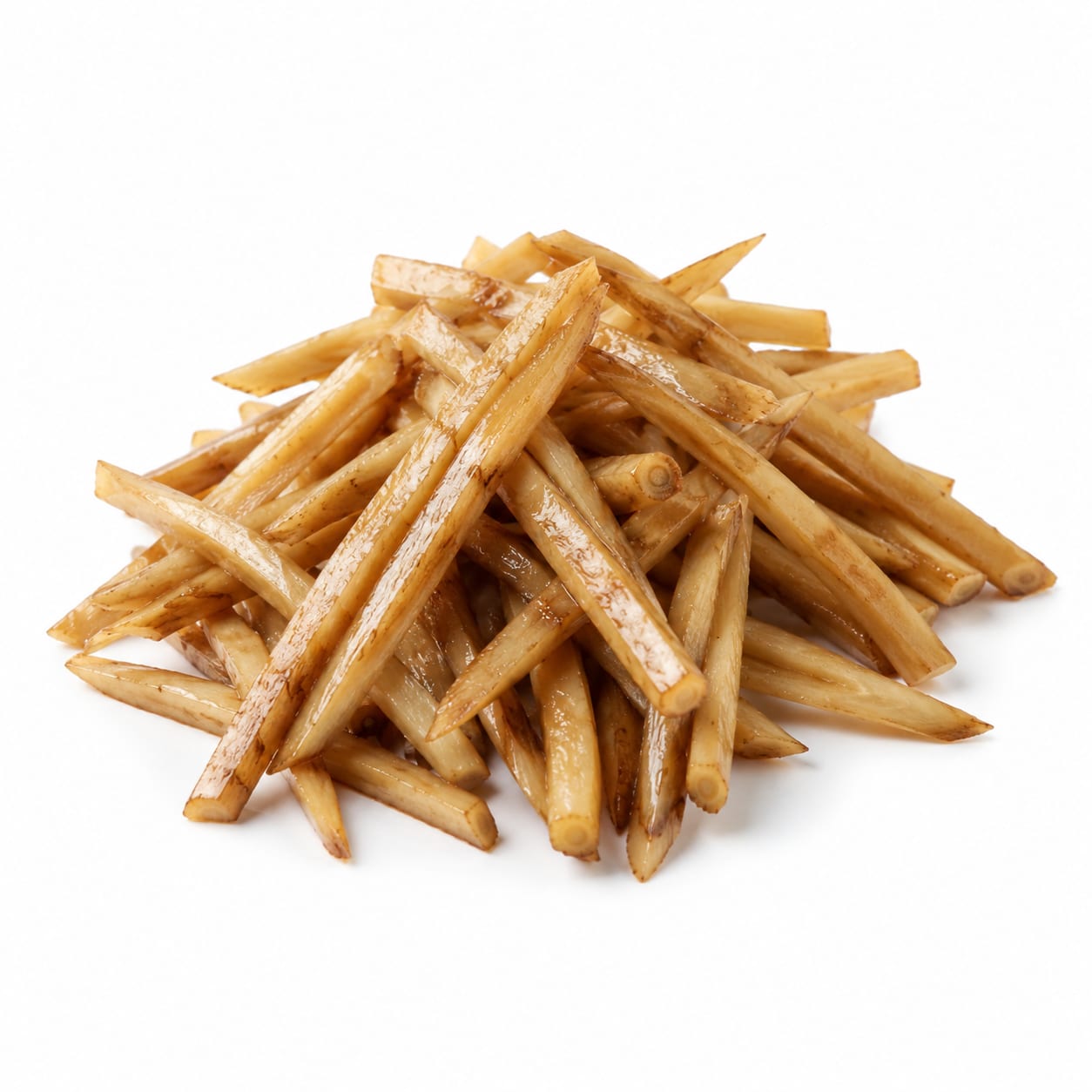
Burdock Root
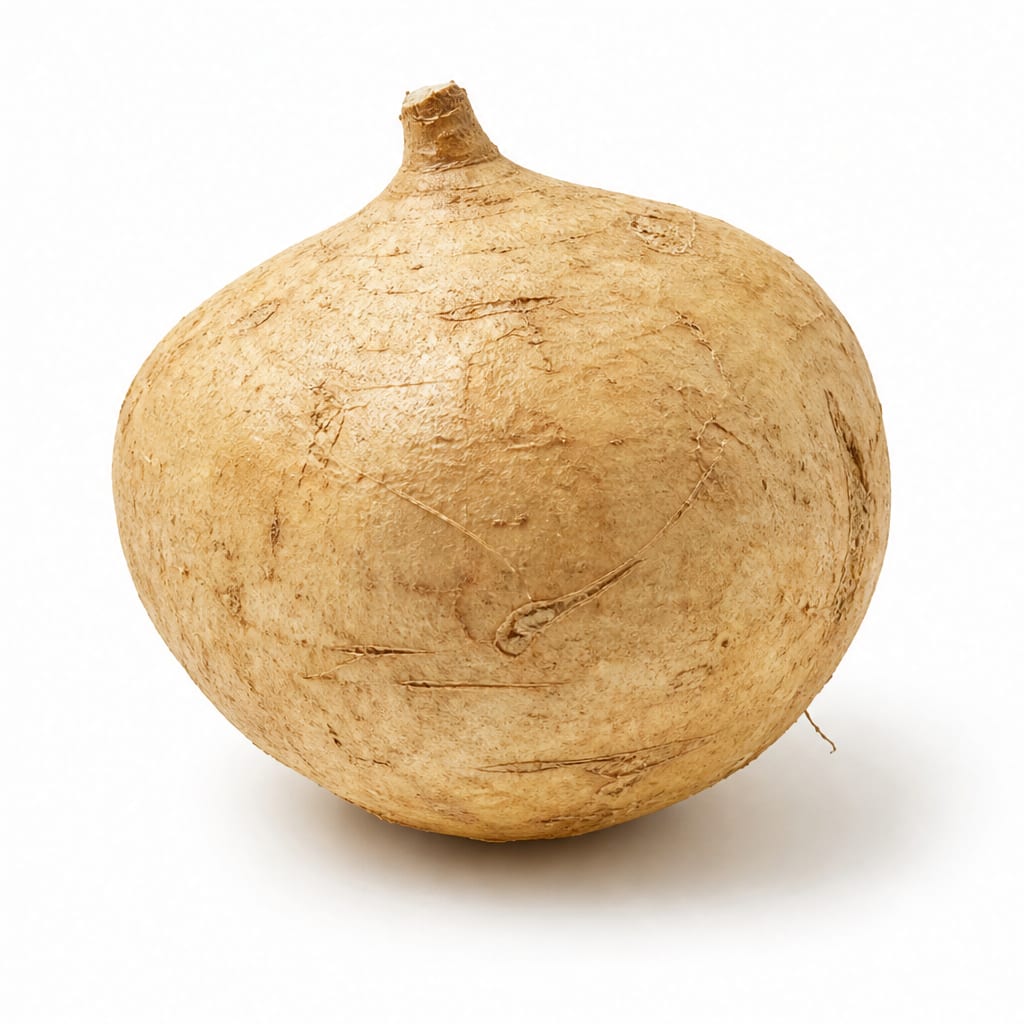
Jicama
Jicama is the everyday snack champion—crisp, hydrating, and effortless. Burdock is the deeper medicinal choice with stronger antioxidant and traditional healing credentials.
Jicama edges ahead on practicality, hydration, and ease of daily use. Burdock scores well on medicinal value and antioxidant depth but loses ground on convenience and accessibility. The gap is modest because both excel at gut health through inulin.
Convenience and refreshment versus therapeutic depth and antioxidant potency
At a glance
Executive summary
Overall
It depends
Healthier
It depends
More practical
Jicama
Daily use
Jicama
Key comparison lenses
digestive health and prebiotics
Both roots are exceptional inulin sources, making gut health the central comparison axis
raw vs cooked convenience
Jicama shines raw as a snack while burdock requires cooking, dramatically affecting daily usability
weight management and satiety
Calorie density and water content differ significantly, impacting how each fits into weight-conscious eating
traditional medicinal value
Burdock carries centuries of herbal medicine reputation that jicama lacks
antioxidant and detoxification potential
Burdock contains unique polyphenols linked to liver support and blood purification traditions
Best choice for
Burdock Root
- People seeking liver support and blood purification benefits
- Those following traditional East Asian or herbal medicine approaches
- Anyone wanting deeper antioxidant and anti-inflammatory intake from roots
- Home cooks who enjoy preparing warming stews and stir-fries
Jicama
- Busy people who want a ready-to-eat crunchy snack
- Weight-conscious eaters needing low-calorie volume
- Anyone in hot climates needing hydrating, refreshing food
- Parents looking for kid-friendly raw vegetable options
Least suitable for
Burdock Root
- People short on prep time who want grab-and-go food
- Those who dislike earthy, assertive flavors
- Anyone unfamiliar with cooking root vegetables
- Raw food enthusiasts seeking uncooked options
Jicama
- People seeking strong medicinal or therapeutic effects from food
- Those wanting warming, cooked comfort foods
- Anyone looking for significant mineral or vitamin density per calorie
- Traditional medicine practitioners needing potent herbal inputs
Deep comparison
Dimension by dimension
Each lens scores both foods and breaks down who each option suits.
- Dimension 1 · Priority 95Burdock Root
prebiotic_fiber_and_gut_health
Burdock Root · 88Jicama · 80Both deliver impressive inulin, but burdock root packs a denser prebiotic load per serving, feeding beneficial gut bacteria more aggressively.
Tradeoff
Burdock offers more prebiotic power but requires cooking, which can reduce some fiber effectiveness. Jicama delivers its inulin raw and intact.
Why it matters
Gut microbiome diversity depends on consistent prebiotic intake. Stronger prebiotic delivery means better digestion, immunity, and even mood regulation over time.
Real-world impact
Regular burdock consumption may lead to noticeably improved bowel regularity within days. Jicama helps too, but you'd need larger portions for the same effect.
Burdock Root
- Intensive gut healing protocols
- Post-antibiotic microbiome recovery
- Chronic constipation management
Better for
- Sensitive digestive systems during flare-ups
- Anyone with excess gas or bloating from concentrated fiber
Worse for
Jicama
- Gentle daily gut maintenance
- Combining prebiotics with raw food enzymes
- Light digestive support without heaviness
Better for
- Situations requiring maximum prebiotic density per bite
Worse for
- Dimension 2 · Priority 90Jicama
convenience_and_versatility
Burdock Root · 45Jicama · 92Jicama is a grab-and-peel snack you can eat like an apple. Burdock demands peeling, soaking, and cooking before it becomes palatable.
Tradeoff
Burdock's cooking requirement unlocks deeper flavors and traditional recipes, but creates a real barrier to consistent daily use.
Why it matters
The best healthy food is the one you actually eat regularly. Convenience often determines whether a food becomes a habit or a one-time experiment.
Real-world impact
Jicama fits into busy weeknights and lunchboxes effortlessly. Burdock tends to be a weekend project or restaurant order for most people.
Burdock Root
- Meal prep sessions where you cook in batches
- Traditional recipe recreation with therapeutic intent
Better for
- Last-minute meal situations
- Energy-low evenings when cooking feels impossible
Worse for
Jicama
- Quick snacks between meetings
- Road trip or travel food
- Salad additions requiring zero cooking
- Kids' lunchboxes
Better for
- Winter comfort food cravings
- Hearty stew and soup recipes
Worse for
- Dimension 3 · Priority 85Jicama
hydration_and_calorie_efficiency
Burdock Root · 55Jicama · 91Jicama is roughly 90% water with only 38 calories per 100g. Burdock is denser at about 72 calories per 100g with much less water content.
Tradeoff
Burdock's density means more nutrients per serving but also more calories. Jicama lets you eat a large volume with minimal caloric impact.
Why it matters
For weight management and hot-weather eating, water-rich low-calorie foods help you feel full without overconsuming. Dense roots serve different purposes.
Real-world impact
You can eat an entire cup of jicama sticks for under 50 calories and feel refreshed. The same volume of burdock would be significantly more caloric and filling in a heavier way.
Burdock Root
- Active individuals needing caloric fuel
- Cold-weather eating where hydration matters less
Better for
- Strict calorie-counting phases
- Anyone seeking light, refreshing meals
Worse for
Jicama
- Weight loss diets requiring volume eating
- Hot summer days needing food-based hydration
- Intermittent fasting windows breaking with light food
Better for
- High-calorie bulking diets
- Endurance athletes needing energy density
Worse for
- Dimension 4 · Priority 82Burdock Root
antioxidant_and_medicinal_potential
Burdock Root · 89Jicama · 52Burdock contains quercetin, luteolin, and unique polyphenols studied for liver support, anti-inflammatory, and blood-purifying effects. Jicama has modest vitamin C but limited medicinal reputation.
Tradeoff
Burdock's medicinal strength comes with a more assertive flavor and preparation burden. Jicama's mildness makes it approachable but therapeutically gentler.
Why it matters
If you're choosing roots specifically for healing properties—skin conditions, liver support, inflammation—burdock has centuries of traditional use and emerging research behind it.
Real-world impact
People drinking burdock root tea or eating it regularly often report clearer skin and reduced joint stiffness over weeks. Jicama simply doesn't have this therapeutic track record.
Burdock Root
- Chronic inflammation management
- Skin conditions like acne or eczema
- Liver detoxification support
- Blood sugar regulation beyond just fiber effects
Better for
- Those expecting immediate noticeable effects
- People who dislike earthy medicinal flavors
Worse for
Jicama
- Simple immune support through vitamin C
- Antioxidant intake without strong flavors
Better for
- Targeted therapeutic or medicinal protocols
- Replacing documented herbal remedies
Worse for
- Dimension 5 · Priority 75Burdock Root
vitamin_and_mineral_density
Burdock Root · 72Jicama · 58Burdock provides more manganese, potassium, and magnesium per serving. Jicama offers vitamin C but is otherwise mineral-light due to its high water content.
Tradeoff
Burdock's mineral richness comes in a denser package. Jicama spreads its modest nutrients across more volume with fewer calories.
Why it matters
Mineral intake supports bone health, nerve function, and electrolyte balance. If roots are a significant vegetable source for you, density matters.
Real-world impact
A serving of cooked burdock contributes meaningfully to your daily manganese and potassium needs. Jicama's vitamin C is helpful but you'd need other foods to cover most minerals.
Burdock Root
- Electrolyte replenishment after sweating
- Bone health support through manganese
- Potassium-boosting without supplements
Better for
- Those who only eat small portions due to strong flavor
Worse for
Jicama
- Vitamin C needs alongside hydration
- Light nutrient intake without heaviness
Better for
- Mineral-deficient diets relying on vegetable sources
Worse for
- Dimension 6 · Priority 78Jicama
flavor_accessibility_and_enjoyment
Burdock Root · 52Jicama · 85Jicama's mild, slightly sweet crunch appeals to nearly everyone, including children. Burdock's earthy, woody flavor is distinctly acquired and polarizing.
Tradeoff
Burdock rewards adventurous eaters with complex umami depth. Jicama sacrifices complexity for universal likability.
Why it matters
Food only improves health if you eat it consistently. Flavor barriers are real adoption obstacles, especially for families.
Real-world impact
Serve jicama at a party and most people will enjoy it. Serve burdock and you'll get confused faces unless your crowd loves Asian cuisine.
Burdock Root
- Adventurous eaters who enjoy earthy flavors
- Fans of Japanese and Korean cuisine
- Culinary enthusiasts exploring traditional ingredients
Better for
- Introducing vegetables to skeptical eaters
- Casual snacking situations
Worse for
Jicama
- Picky eaters and children
- Party platters and social snacking
- Anyone new to eating root vegetables
Better for
- Gourmet cooking requiring complex flavor layers
Worse for
Timeline
Health impact over time
Short-term
Hours to days
Burdock Root
- May cause temporary bloating or gas due to concentrated inulin if you're not used to it
- Cooked warmth can feel grounding and comforting in cold weather
- Earthy flavor may reduce appetite for some, aiding portion control
Jicama
- Immediate hydration boost from high water content
- Refreshing crunch satisfies snack cravings without heaviness
- Gentle on digestion, unlikely to cause bloating at normal portions
Long-term
Months to years
Burdock Root
- Consistent prebiotic intake may significantly improve gut microbiome diversity
- Anti-inflammatory polyphenols could reduce chronic inflammation markers over months
- Traditional use suggests skin clarity improvements, though individual results vary
- Potassium and manganese support sustained bone and cardiovascular health
Jicama
- Regular raw prebiotic consumption supports steady digestive regularity
- Low-calorie volume eating habit may assist sustainable weight management
- Vitamin C intake supports long-term immune resilience and collagen production
- Hydration habit from food sources complements overall fluid intake
Risk profile
Safety & processing
Both roots are whole foods typically sold fresh and unprocessed. Burdock is sometimes available dried for tea, which remains minimally processed. Neither carries significant additive concerns when purchased fresh.
Burdock Root
Soil contaminant absorption
mediumBurdock's deep root system can absorb heavy metals from contaminated soil. Source from reputable organic farms to minimize this risk.
Misidentification with toxic lookalikes
mediumWild burdock can be confused with deadly nightshade or belladonna leaves in early growth stages. Always purchase from trusted suppliers rather than foraging.
Inulin overload for sensitive systems
lowHigh inulin content can cause significant gas and bloating if introduced too quickly, especially for those with IBS or FODMAP sensitivities.
Jicama
Skin and seed toxicity
mediumJicama skin and seeds contain rotenone, a natural insecticide that is toxic to humans. Always peel completely and never eat the seeds or skin.
Pesticide residue on skin
lowSince the skin is removed before eating, pesticide exposure risk is minimal. Still, washing before peeling is good practice.
Cross-contamination in prep
lowWhen cut on shared surfaces, jicama can pick up pathogens. Clean cutting boards between different foods, especially raw meats.
Who wins for whom
Audience fit
Same foods, different winners depending on your goal.
children
JicamaJicama's mild sweetness and satisfying crunch make it one of the few raw vegetables kids genuinely enjoy. Burdock's earthy flavor and cooking requirement make it a hard sell for most children.
daily consumption
JicamaJicama's convenience, gentle digestion, and universal flavor make daily consumption realistic. Burdock's preparation barrier and strong flavor limit most people to occasional use.
diabetes
Burdock RootBurdock's denser inulin content and documented blood sugar-regulating properties give it an edge for glycemic control, though both are far better choices than starchy staples.
elderly
JicamaJicama's soft crunch is easier to chew than burdock's fibrous texture, and its hydration supports common elderly dehydration concerns. Burdock's medicinal properties are valuable but require more preparation effort.
muscle gain
It dependsNeither root is a muscle-building food. Burdock offers slightly more minerals for recovery, but both should be paired with protein sources for any muscle gain goal.
weight loss
JicamaJicama's extremely low calorie density and high water content let you eat large volumes with minimal caloric impact, making it superior for sustainable weight loss.
Your move
Decision guide
Choose Burdock Root
- You're specifically seeking liver support, skin benefits, or anti-inflammatory effects
- You enjoy cooking and want to explore traditional Japanese or Korean recipes
- Gut healing is a priority and you want maximum prebiotic density per serving
- You appreciate earthy, complex flavors and find mild foods boring
- You're building a medicinal food protocol under professional guidance
Choose Jicama
- You want a refreshing, hydrating snack you can eat raw right now
- Weight management is your primary goal and you need low-calorie volume
- You're feeding a family including children or picky eaters
- Hot weather or post-workout hydration matters to you
- You need a vegetable that requires zero cooking and fits into a busy life
Either works if
- You're focused on prebiotic fiber intake and gut health overall
- You want to diversify your root vegetable intake beyond potatoes and carrots
- You're following a whole-food, plant-leaning dietary pattern
- You enjoy experimenting with different textures and flavors in salads
Avoid both if
- You have severe FODMAP sensitivities and cannot tolerate inulin
- You're on a very strict low-fiber diet for digestive recovery
- You have known allergies to Asteraceae family plants (burdock) or legumes (jicama)
Final recommendation
Keep both in rotation if possible. Use jicama as your daily crunchy snack and salad addition—its convenience makes consistency easy. Reserve burdock for 2-3 cooked meals per week when you have time to prepare it properly, tapping into its deeper medicinal benefits. This combination gives you the best of both worlds: effortless daily prebiotics from jicama plus concentrated therapeutic compounds from burdock.
Practical
Consumer tips
- 1
Choose burdock roots that are firm and unblemished—soft spots indicate age and bitterness
- 2
For jicama, pick ones that feel heavy for their size with smooth, unblemished skin
- 3
Always peel jicama completely—never eat the skin or seeds due to natural toxins
- 4
Soak cut burdock in water with a splash of vinegar for 10 minutes to remove bitterness before cooking
- 5
Store jicama whole in a cool dry place for up to 2 weeks; refrigerate cut pieces and use within 3 days
- 6
Burdock browns quickly when cut—cook immediately or soak in acidulated water
- 7
If new to burdock, start with small portions to test your tolerance to concentrated inulin
- 8
Jicama pairs beautifully with chili powder and lime for a Mexican-style snack
- 9
Look for burdock at Asian grocery stores—it's often labeled as gobo
- 10
Both roots can be julienned into slaws, but burdock should be briefly blanched first