
Nutrition comparison
Burdock Root vs Carrot: Which Root Vegetable Is Better for You?
Compare burdock root and carrot nutrition, health benefits, and practicality. Learn when burdock root's prebiotic power beats carrots and when carrots' vitamin A and convenience win.
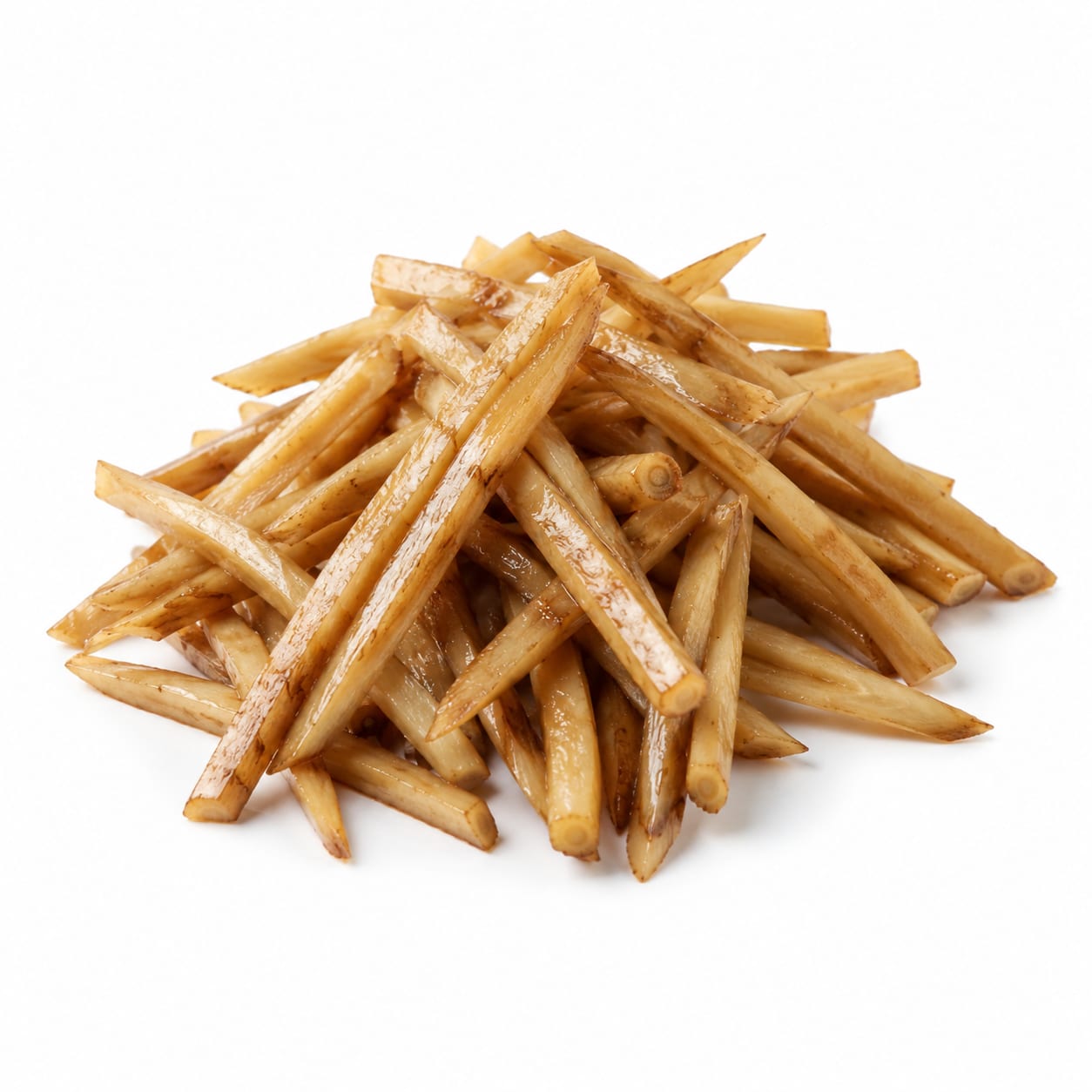
Burdock Root
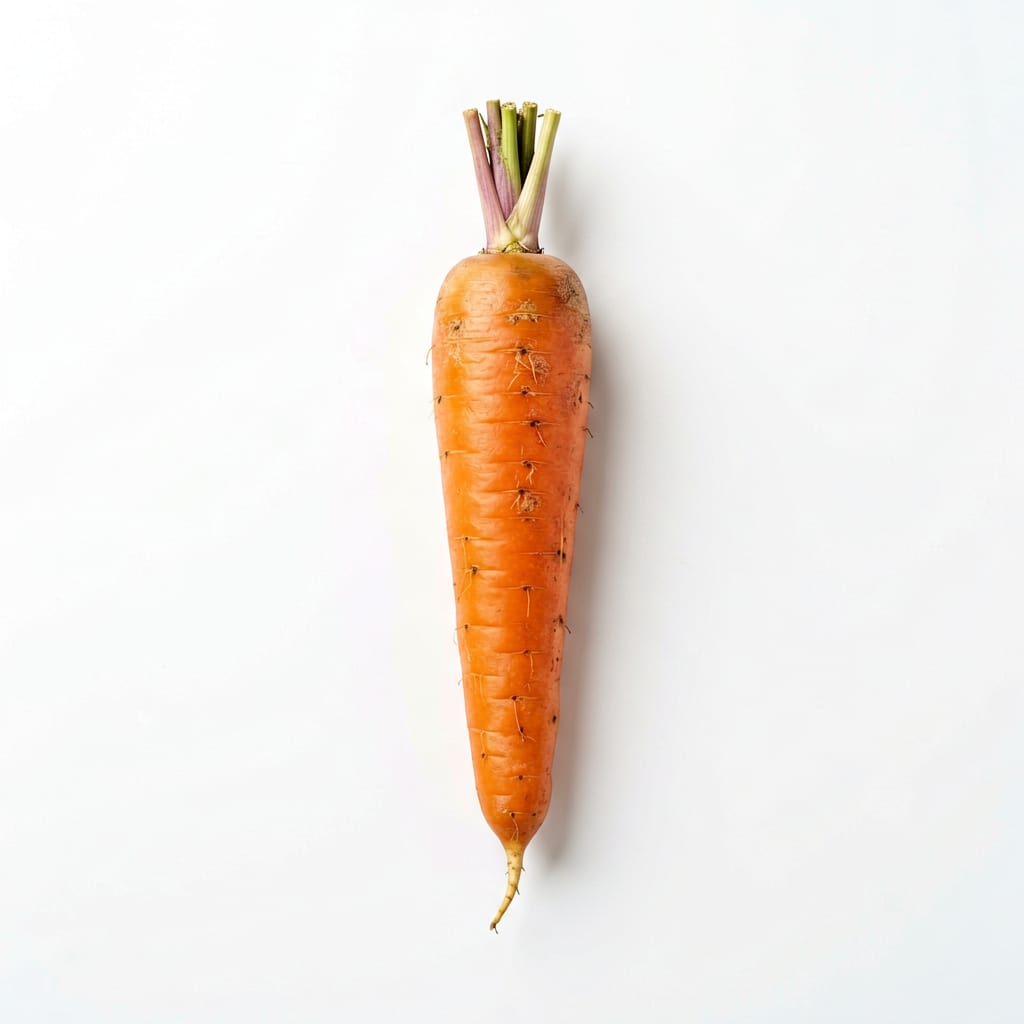
Carrot
Carrots win on everyday nutrition and convenience; burdock root wins on gut health and medicinal depth. They serve different purposes on your plate.
Carrots score higher due to superior accessibility, vitamin A content, and everyday versatility. Burdock root earns strong marks for prebiotic fiber and unique bioactive compounds but loses ground on convenience and broad appeal.
Carrots give you abundant vitamin A and instant snack readiness. Burdock root gives you superior prebiotic fiber and unique liver-supporting compounds but requires effort to source and prepare.
At a glance
Executive summary
Overall
It depends
Healthier
It depends
More practical
Carrot
Daily use
Carrot
Key comparison lenses
prebiotic fiber and gut health
Burdock root is exceptionally high in inulin, a powerful prebiotic fiber that far exceeds what carrots offer, making gut health the standout differentiator
everyday practicality and accessibility
Carrots are universally available and require no special preparation, while burdock root demands peeling, soaking, and specialty store access
vitamin A and eye health
Carrots deliver massive beta-carotene levels that burdock root simply cannot match, making this a critical nutritional tradeoff
antioxidant diversity
Burdock root offers unique antioxidants like arctigenin and quercetin, while carrots concentrate heavily on carotenoids
blood sugar management
Both roots have low glycemic impacts but through different mechanisms, with burdock's inulin slowing absorption more significantly
Best choice for
Burdock Root
- Gut microbiome restoration after antibiotics
- People seeking prebiotic fiber supplementation through whole foods
- Traditional medicine approaches to skin and liver health
- Adventurous home cooks exploring Japanese or Korean cuisine
Carrot
- Families needing an affordable, kid-friendly vegetable
- Anyone prioritizing vitamin A intake for eye and immune health
- Busy people who want ready-to-eat raw snacks
- Meal preppers who want a versatile vegetable that stores well
Least suitable for
Burdock Root
- People with inulin sensitivity or FODMAP restrictions
- Anyone without access to specialty or Asian grocery stores
- Those who need quick prep weeknight vegetables
- Picky eaters unfamiliar with earthy, woody flavors
Carrot
- People with severe beta-carotene absorption issues requiring diverse carotenoid sources
- Those specifically seeking prebiotic fiber for gut rehabilitation
- Individuals looking for medicinal or detoxifying food properties
Deep comparison
Dimension by dimension
Each lens scores both foods and breaks down who each option suits.
- Dimension 1 · Priority 92Burdock Root
prebiotic_fiber_and_gut_health
Burdock Root · 91Carrot · 52Burdock root is a prebiotic powerhouse, delivering significantly more inulin than carrots. This feeds beneficial gut bacteria more effectively.
Tradeoff
You get outstanding gut support from burdock root, but the high inulin can cause bloating in sensitive people, especially at first.
Why it matters
A healthy gut microbiome affects everything from immunity to mood. Burdock root acts almost like a food-based probiotic supplement.
Real-world impact
Regular burdock root consumption can improve digestion regularity within days, but start small to avoid gas and bloating.
Burdock Root
- Rebuilding gut flora after illness or antibiotics
- Chronic constipation relief through whole food fiber
- Supporting beneficial Bifidobacteria growth
Better for
- FODMAP-sensitive individuals experiencing bloating
- People transitioning suddenly from low-fiber diets
Worse for
Carrot
- Gentle fiber intake without fermentation discomfort
- People with IBS who tolerate small amounts of mild fiber
Better for
- Those needing intensive prebiotic support for gut rehabilitation
Worse for
- Dimension 2 · Priority 85Carrot
vitamin_A_and_vision_support
Burdock Root · 18Carrot · 95Carrots are one of the richest beta-carotene sources available. Burdock root contains negligible vitamin A precursors by comparison.
Tradeoff
Choosing burdock root means missing out on one of nature's best vitamin A sources, which supports eyes, skin, and immune function.
Why it matters
Vitamin A deficiency remains common globally. A single carrot provides over 100% of daily vitamin A needs for most people.
Real-world impact
Eating carrots regularly can meaningfully support night vision and skin health. Burdock root cannot fill this nutritional role.
Burdock Root
- Those already meeting vitamin A needs through other sources like sweet potatoes or liver
Better for
- People relying on a single vegetable for vitamin A intake
Worse for
Carrot
- Children needing vision-supporting nutrition
- People who do not eat organ meats or vitamin A supplements
- Anyone wanting skin and immune benefits from carotenoids
Better for
- Those with carotenemia concerns from excessive orange vegetable consumption
Worse for
- Dimension 3 · Priority 88Carrot
convenience_and_accessibility
Burdock Root · 28Carrot · 94Carrots are available everywhere, store for weeks, and need no cooking. Burdock root requires specialty shopping, peeling, soaking, and cooking.
Tradeoff
Burdock root rewards effort with unique health benefits, but most people will simply not prepare it regularly enough to see results.
Why it matters
The healthiest food is the one you actually eat consistently. Convenience directly impacts long-term dietary habits.
Real-world impact
You can grab a carrot on your way out the door. Burdock root demands a 30-minute cooking commitment and a trip to an Asian market.
Burdock Root
- Home cooks who enjoy preparing traditional Japanese dishes like kinpira
- People who meal prep on weekends and can batch-cook roots
Better for
- Weeknight cooks with 20 minutes to make dinner
- Rural dwellers without access to international markets
Worse for
Carrot
- Busy parents needing quick vegetable options
- Office workers wanting portable raw snacks
- Anyone shopping at standard grocery stores
Better for
- Culinary traditionalists seeking authentic East Asian ingredients
Worse for
- Dimension 4 · Priority 75Burdock Root
antioxidant_diversity_and_medicinal_compounds
Burdock Root · 82Carrot · 70Burdock root contains unique compounds like arctigenin, arctiin, and chlorogenic acid with documented anti-inflammatory and liver-protective effects. Carrots concentrate heavily on carotenoids.
Tradeoff
Burdock root offers broader medicinal potential, but carrots provide more thoroughly researched antioxidant benefits for everyday health.
Why it matters
Different antioxidants protect different systems. Variety in your antioxidant intake matters more than loading one type.
Real-world impact
Adding burdock root occasionally diversifies your antioxidant profile beyond what standard vegetables offer. Carrots reliably deliver well-studied carotenoid benefits.
Burdock Root
- People interested in food-as-medicine approaches
- Those seeking liver-supportive compounds in whole food form
- Anyone wanting to broaden their antioxidant spectrum beyond carotenoids
Better for
- People expecting immediate noticeable effects from medicinal foods
Worse for
Carrot
- People wanting well-established, research-backed antioxidant benefits
- Those who prefer eating the same reliable vegetables daily
Better for
- Those with limited dietary variety who could benefit from diverse phytochemicals
Worse for
- Dimension 5 · Priority 72Burdock Root
blood_sugar_stability
Burdock Root · 79Carrot · 68Burdock root's high inulin content slows glucose absorption more effectively than carrot fiber. Both are low glycemic, but burdock has a slight edge.
Tradeoff
The blood sugar benefit of burdock root comes with digestive adjustment costs that carrots avoid entirely.
Why it matters
Steadier blood sugar means fewer energy crashes and reduced cravings between meals.
Real-world impact
Burdock root in a meal helps flatten the blood sugar curve, but cooked carrots also perform well and cause fewer digestive surprises.
Burdock Root
- Pre-diabetics seeking food-based glucose management support
- People pairing root vegetables with higher glycemic foods
Better for
- People who experience blood sugar drops from excessive soluble fiber
Worse for
Carrot
- Those who want mild blood sugar benefits without digestive adjustment
- Active individuals who need moderate carbohydrate energy
Better for
- Those drinking carrot juice, which removes fiber and spikes blood sugar
Worse for
- Dimension 6 · Priority 65Carrot
flavor_versatility_and_culinary_use
Burdock Root · 45Carrot · 88Carrots work raw, roasted, steamed, juiced, in soups, stews, cakes, and salads. Burdock root has a distinct earthy flavor that fits fewer dishes.
Tradeoff
Burdock root brings a unique umami-earthy depth to specific dishes, but carrots blend seamlessly into almost anything.
Why it matters
Flavor versatility determines how often a food appears in your rotation. Boredom kills dietary consistency.
Real-world impact
You can hide carrots in smoothies, soups, and baked goods. Burdock root announces itself in every dish and pairs best with soy sauce and sesame.
Burdock Root
- Fans of Japanese kinpira gobo and Korean burdock dishes
- Cooks wanting an earthy, slightly sweet root for braises
Better for
- Anyone who dislikes earthy, woody flavors
- Cooks unfamiliar with Asian flavor pairings
Worse for
Carrot
- Meal preppers who want one vegetable for multiple recipes
- Parents sneaking vegetables into picky-eater meals
- Juicing enthusiasts
Better for
- Chefs specifically seeking that distinctive burdock earthiness
Worse for
Timeline
Health impact over time
Short-term
Hours to days
Burdock Root
- Noticeable increase in digestive regularity within 1-2 days due to high inulin
- Possible bloating or gas during the first week as gut bacteria adjust
- Mild appetite suppression from the dense fiber content
Carrot
- Quick energy from natural sugars without a sharp blood sugar spike
- Immediate crunch satisfaction that helps with snacking urges
- Visible skin glow enhancement within weeks from beta-carotene if consumed with fat
Long-term
Months to years
Burdock Root
- Improved gut microbiome diversity with consistent consumption over months
- Potential liver-supportive benefits from arctigenin compounds accumulating with regular intake
- Better blood sugar regulation patterns when eaten as part of balanced meals
Carrot
- Sustained vitamin A status supporting vision, skin integrity, and immune resilience
- Consistent antioxidant protection against cellular oxidative stress
- Reduced risk of vitamin A deficiency-related conditions with daily consumption
Risk profile
Safety & processing
Both burdock root and carrots are whole, unprocessed root vegetables. Fresh burdock root is typically sold whole and unpeeled. Carrots may occasionally have commercial washing treatments, but both are among the cleanest food choices available.
Burdock Root
Soil contaminant absorption
mediumBurdock root grows deep in soil and can absorb heavy metals from contaminated ground. Source from reputable organic farms to minimize this risk.
Misidentification with toxic lookalikes
mediumWild burdock can be confused with deadly nightshade or belladonna in early growth stages. Always purchase from trusted suppliers rather than foraging.
Inulin overload causing digestive distress
lowConsuming large amounts of burdock root suddenly can cause significant bloating, gas, and cramping. Introduce gradually over 1-2 weeks.
Carrot
Pesticide residue on conventionally grown carrots
mediumCarrots consistently appear on the Dirty Dozen list for pesticide residues. Peeling helps but does not eliminate all exposure. Organic is preferable.
Carotenemia from excessive consumption
lowEating very large amounts of carrots can cause orange skin discoloration. This is harmless and reversible but can be alarming. Moderation is key.
Who wins for whom
Audience fit
Same foods, different winners depending on your goal.
children
CarrotCarrots are sweet, crunchy, familiar, and easy for kids to eat. Burdock root's earthy flavor and tough texture make it a hard sell for most children.
daily consumption
CarrotCarrots are sustainable as a daily vegetable due to availability, ease, and mild flavor. Burdock root is better as a weekly addition for variety and gut support.
diabetes
Burdock RootBurdock root's high inulin content slows glucose absorption more effectively, providing steadier blood sugar response. Both are reasonable choices in moderation.
elderly
CarrotCarrots are easier to chew when cooked, more familiar, and provide critical vitamin A for aging eyes. Burdock root's digestive effects may be too aggressive for sensitive systems.
muscle gain
It dependsNeither root is a significant protein source. Carrots offer slightly better post-workout carbohydrate energy, while burdock root supports gut health for nutrient absorption.
weight loss
CarrotCarrots are lower in calories per serving and can be eaten raw as a filling snack. Burdock root is more calorie-dense and typically prepared with oil.
Your move
Decision guide
Choose Burdock Root
- You are actively working on gut health and want a whole-food prebiotic source
- You enjoy cooking Japanese or Korean cuisine and want authentic ingredients
- You have reliable access to fresh burdock root and do not mind the preparation time
- You want to diversify your antioxidant intake beyond common vegetables
Choose Carrot
- You need a reliable daily vegetable that requires zero effort
- Vitamin A intake is a priority for your vision or immune health
- You are feeding a family and need affordable, kid-friendly produce
- You want a versatile vegetable that works in sweet and savory dishes
Either works if
- You simply want more root vegetables in your diet and enjoy variety
- Blood sugar management is a goal and you tolerate both well
- You are building a diverse vegetable rotation for gut microbiome health
Avoid both if
- You have severe oral allergy syndrome related to birch pollen, which can cross-react with both
- You are on a very low-carb or ketogenic diet, as both contain moderate carbohydrates
Final recommendation
Eat carrots daily as your reliable nutritional foundation, and add burdock root weekly as a gut-health booster. This combination gives you the vitamin A certainty of carrots plus the prebiotic depth of burdock root without having to choose. If you can only pick one, carrots serve more people more consistently.
Practical
Consumer tips
- 1
Peel burdock root immediately before cooking and soak in water with vinegar to prevent oxidation and reduce bitterness
- 2
Pair carrots with a fat source like olive oil or hummus to absorb up to six times more beta-carotene
- 3
Start with small portions of burdock root, about 2 inches of root per meal, to let your digestive system adapt to the inulin
- 4
Choose organic carrots when possible, as they consistently test high for pesticide residues
- 5
Store burdock root wrapped in damp paper towel in the refrigerator and use within one week, as it dries out quickly
- 6
Shred burdock root into stir-fries for the most approachable introduction to its flavor
- 7
Freeze peeled and blanched burdock root for up to 3 months to always have it available without weekly shopping