
Nutrition comparison
Burdock Root vs Daikon Radish: Which Root Vegetable Is Better for You?
Compare Burdock Root and Daikon Radish for gut health, blood sugar, digestion, and everyday practicality. Find out which root vegetable fits your health goals and cooking style.
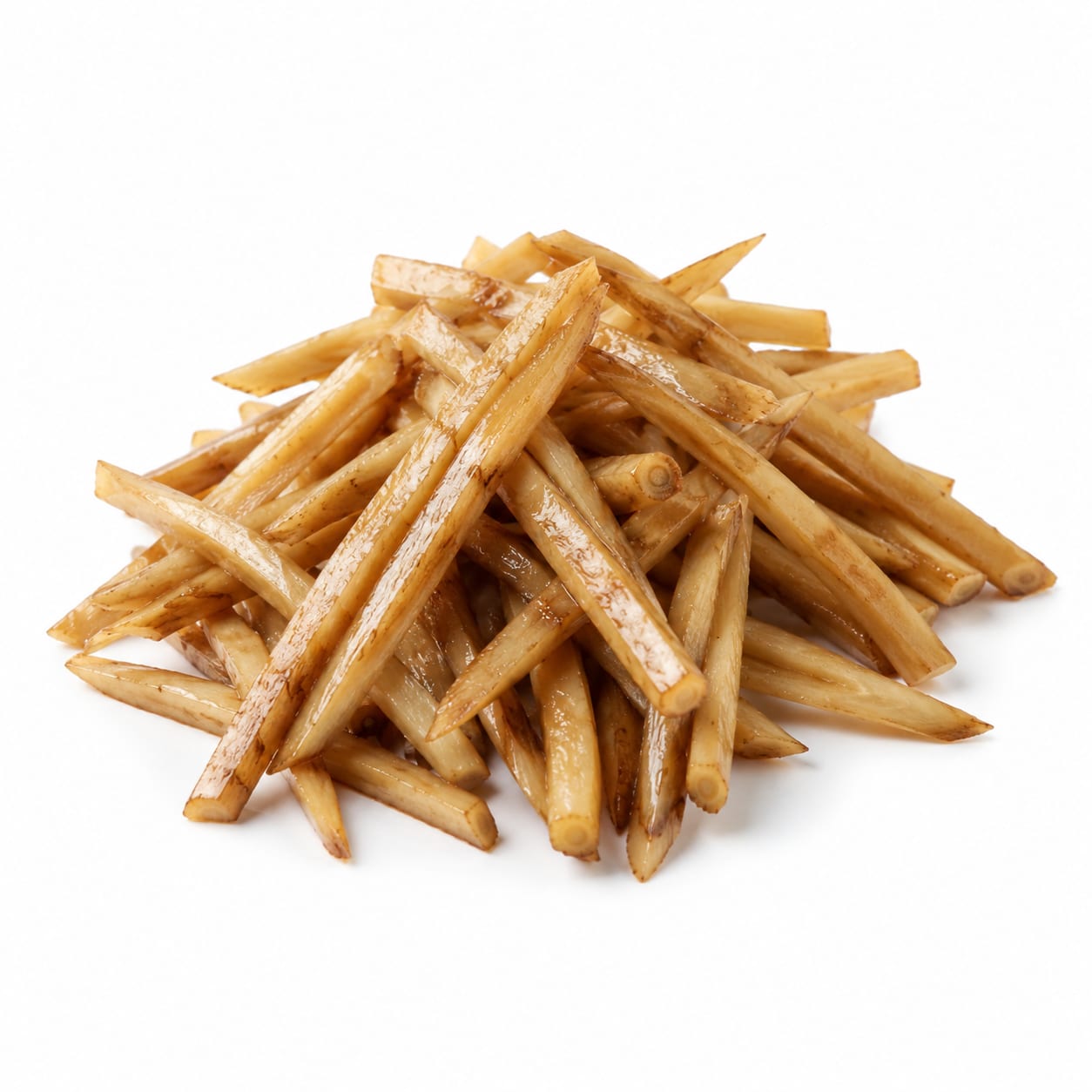
Burdock Root
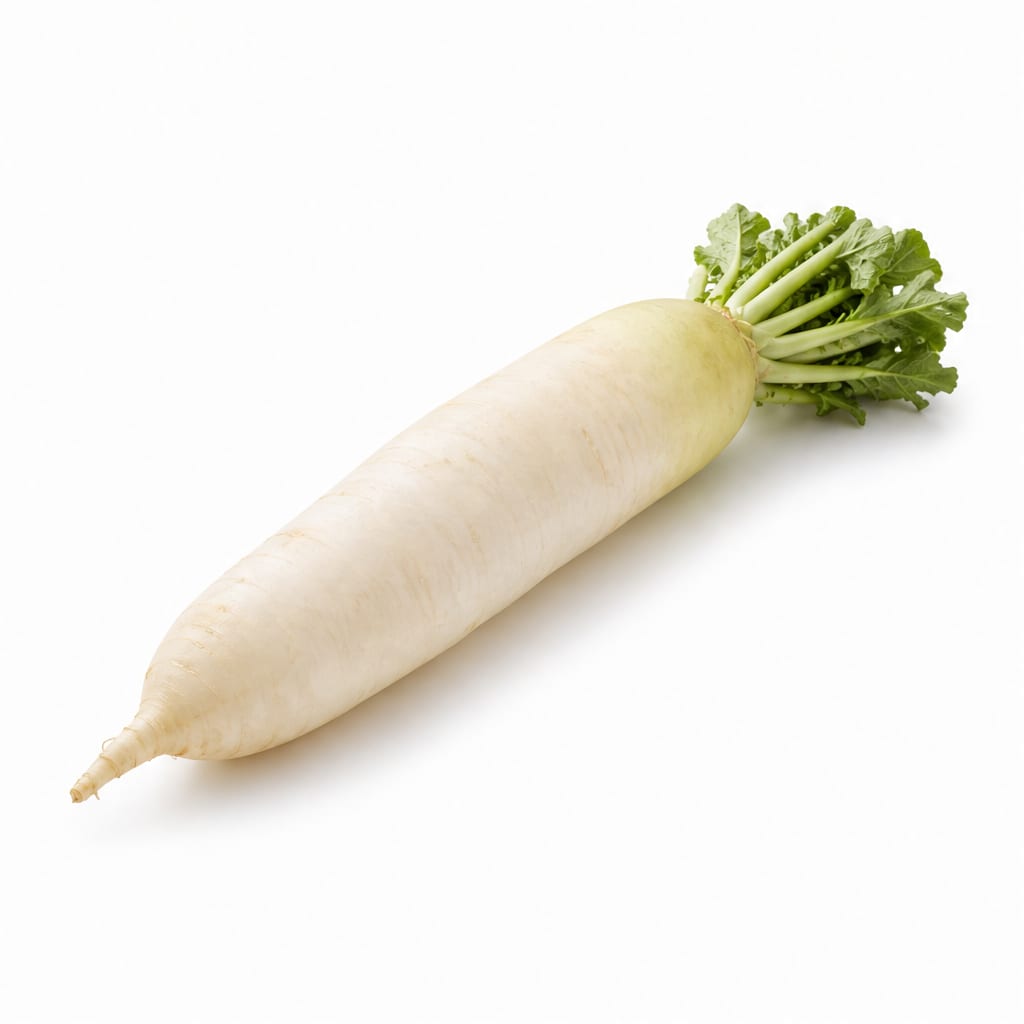
Daikon Radish
Burdock Root wins for prebiotic fiber and blood sugar support; Daikon Radish wins for everyday practicality, hydration, and digestive enzyme benefits.
Burdock Root scores slightly higher for functional nutrition density and prebiotic impact, but Daikon Radish stays competitive due to superior accessibility, hydration, and everyday usability. The close scores reflect that each shines in different contexts.
Burdock Root offers deeper gut-nourishing and blood sugar benefits but is harder to find and prep. Daikon Radish is widely available, easier to cook with, and more hydrating but has less prebiotic impact.
At a glance
Executive summary
Overall
It depends
Healthier
Burdock Root
More practical
Daikon Radish
Daily use
Daikon Radish
Key comparison lenses
digestive health and gut support
Both roots are prized for gut health but through different mechanisms — burdock via prebiotic inulin, daikon via digestive enzymes
blood sugar management
Burdock root's high inulin content makes it particularly relevant for glucose regulation, a key differentiator
culinary accessibility and ease of use
Daikon is far easier to find, prep, and cook with, which heavily influences real-world adoption
detox and traditional medicine appeal
Both have deep roots in East Asian traditional medicine for blood purification and cleansing
low calorie nutrient density
Both are extremely low calorie, so the real question is which delivers more functional nutrition per bite
Best choice for
Burdock Root
- People managing blood sugar concerns
- Those seeking prebiotic fiber for gut microbiome support
- Anyone following traditional East Asian herbal food practices
- People wanting deeper satiety from a root vegetable
Daikon Radish
- People wanting a low-effort digestive aid with meals
- Anyone needing more hydration from vegetables
- Home cooks wanting versatile, easy-to-find ingredients
- Those new to Asian root vegetables and starting simple
Least suitable for
Burdock Root
- People with daisy family allergies (chrysanthemums, ragweed)
- Anyone who struggles to find specialty Asian groceries
- Those wanting quick-prep weeknight vegetables
- People on blood thinners without medical guidance due to potential interactions
Daikon Radish
- People with sensitive stomachs who react to cruciferous vegetables
- Those on thyroid medication who need to limit goitrogenic foods raw
- Anyone seeking high prebiotic fiber specifically
Deep comparison
Dimension by dimension
Each lens scores both foods and breaks down who each option suits.
- Dimension 1 · Priority 95Burdock Root
prebiotic_fiber_and_gut_microbiome
Burdock Root · 88Daikon Radish · 52Burdock Root is significantly richer in inulin, a prebiotic fiber that feeds beneficial gut bacteria and supports long-term microbiome health.
Tradeoff
You get more gut-nourishing fiber from Burdock Root, but it takes more effort to source and prepare compared to Daikon Radish.
Why it matters
Prebiotic fiber doesn't just help digestion — it influences immunity, mood, and inflammation over time. This is Burdock Root's standout advantage.
Real-world impact
Regular Burdock Root consumption can lead to noticeably better bowel regularity and less bloating over weeks, while Daikon Radish offers more immediate digestive relief during meals.
Burdock Root
- Long-term gut microbiome diversity
- Sustained bowel regularity
- Feeding beneficial Bifidobacteria
Better for
- Not helpful for immediate enzyme-based digestion
Worse for
Daikon Radish
- Quick after-meal digestive comfort
- Breaking down starchy foods faster
Better for
- Doesn't meaningfully feed beneficial gut bacteria long-term
Worse for
- Dimension 2 · Priority 88Burdock Root
blood_sugar_stability
Burdock Root · 82Daikon Radish · 68Burdock Root's inulin slows glucose absorption more effectively, while Daikon Radish has a milder stabilizing effect through its low glycemic load and fiber.
Tradeoff
Burdock Root gives steadier blood sugar support but requires consistent intake. Daikon Radish helps passively just by being a low-calorie, low-GI food.
Why it matters
For anyone watching glucose — whether diabetic, prediabetic, or just fighting afternoon crashes — this difference compounds over time.
Real-world impact
Eating Burdock Root regularly with meals can reduce post-meal sugar spikes noticeably. Daikon Radish won't spike you either, but won't actively blunt spikes from other foods as much.
Burdock Root
- Reducing post-meal glucose spikes
- Supporting insulin sensitivity over time
- Steadier energy between meals
Better for
- Benefits require regular consumption, not occasional use
Worse for
Daikon Radish
- Being a safe low-GI addition to any meal without planning
Better for
- Less active glucose modulation compared to inulin-rich foods
Worse for
- Dimension 3 · Priority 78Daikon Radish
hydration_and_lightness
Burdock Root · 45Daikon Radish · 88Daikon Radish is over 95% water, making it exceptionally hydrating and light. Burdock Root is denser and drier by comparison.
Tradeoff
Daikon Radish feels refreshing and won't weigh you down, but delivers less substantive nutrition per serving. Burdock Root is more filling but heavier.
Why it matters
In hot weather, after exercise, or when you feel sluggish, a water-rich vegetable can feel dramatically better than a dense root.
Real-world impact
A bowl of daikon soup feels like rehydration. Burdock Root stir-fry feels like a satisfying side dish. Different moods, different needs.
Burdock Root
- Feeling substantively full after eating
Better for
- Can feel heavy in summer or when you want light meals
Worse for
Daikon Radish
- Rehydrating after exercise or heat
- Feeling light and refreshed after meals
- Hot weather eating comfort
Better for
- Less satisfying if you're genuinely hungry
Worse for
- Dimension 4 · Priority 85Daikon Radish
culinary_versatility_and_accessibility
Burdock Root · 48Daikon Radish · 86Daikon Radish is available in most grocery stores, easy to peel, and works raw, pickled, simmered, or grated. Burdock Root requires specialty shops and careful scrubbing to avoid bitterness.
Tradeoff
Daikon Radish fits seamlessly into everyday cooking. Burdock Root rewards effort with unique flavor and nutrition but demands more commitment.
Why it matters
The healthiest vegetable only works if you actually eat it. Accessibility often determines long-term adherence more than nutrition profiles.
Real-world impact
You can grab daikon at almost any supermarket and grate it into a salad in 2 minutes. Burdock Root might require a trip to an Asian market and 15 minutes of scrubbing and peeling.
Burdock Root
- Unique earthy flavor for adventurous cooks
- Authentic Japanese and Korean recipes
Better for
- Hard to find outside Asian markets
- Requires peeling and soaking to remove bitterness
- Limited raw applications
Worse for
Daikon Radish
- Weeknight cooking speed
- Raw applications like salads and slaws
- Pickling and fermenting
- Widespread grocery availability
Better for
- Less culinary depth and uniqueness
Worse for
- Dimension 5 · Priority 72Burdock Root
antioxidant_and_anti_inflammatory_potential
Burdock Root · 78Daikon Radish · 65Burdock Root contains more polyphenols and flavonoids like quercetin and luteolin. Daikon Radish offers glucosinolates and isothiocyanates, which have their own cancer-fighting properties.
Tradeoff
Burdock Root provides broader antioxidant coverage, while Daikon Radish delivers more targeted cruciferous-compound benefits similar to broccoli and cabbage.
Why it matters
Different antioxidant families support different body systems. Variety matters more than quantity for long-term protection.
Real-world impact
Eating both roots regularly would give you the widest antioxidant coverage. Choosing only one means missing either flavonoid or glucosinolate benefits.
Burdock Root
- Broader polyphenol diversity
- Quercetin for allergy and inflammation support
- Traditional blood purification benefits
Better for
- Misses cruciferous-specific compound benefits
Worse for
Daikon Radish
- Glucosinolate-derived cancer-fighting compounds
- Cruciferous vegetable family benefits
Better for
- Lower total polyphenol content
Worse for
- Dimension 6 · Priority 80Daikon Radish
digestive_enzyme_support
Burdock Root · 40Daikon Radish · 85Daikon Radish contains diastase and other enzymes that actively break down starches and fats during digestion. Burdock Root relies on fiber mechanics rather than enzymatic action.
Tradeoff
Daikon Radish helps you digest your meal right now. Burdock Root helps your gut work better over the long run.
Why it matters
If you frequently feel heavy or bloated after eating, enzymatic support from daikon can provide noticeable same-day relief.
Real-world impact
Grated raw daikon alongside a heavy meal is a traditional Japanese remedy for good reason — it genuinely helps break down rich food. Burdock Root won't give you that immediate benefit.
Burdock Root
- Long-term gut environment improvement
Better for
- No meaningful enzyme contribution to digestion
Worse for
Daikon Radish
- Immediate relief from heavy, starchy meals
- Breaking down fats more efficiently
- Traditional pairing with fried or rich foods
Better for
- Enzymes are destroyed by cooking, limiting preparation methods
Worse for
Timeline
Health impact over time
Short-term
Hours to days
Burdock Root
- Moderate increase in fullness after meals due to dense fiber
- Possible mild diuretic effect within hours of consumption
- Initial adjustment period for those unaccustomed to high inulin — may cause gas or bloating
Daikon Radish
- Quick digestive relief when eaten raw with meals
- Noticeable hydration boost due to extremely high water content
- Mild decongestant effect — traditional remedy for clearing sinuses and chest
Long-term
Months to years
Burdock Root
- Gradually improved gut microbiome diversity from consistent inulin intake
- Better blood sugar regulation with regular consumption
- Potential reduction in inflammatory markers from polyphenol accumulation
Daikon Radish
- Consistent low-calorie hydration supporting kidney function
- Glucosinolate intake may contribute to lower cancer risk over years
- Improved meal digestibility habits when routinely paired with heavier foods
Risk profile
Safety & processing
Both Burdock Root and Daikon Radish are whole, unprocessed vegetables typically sold fresh. Neither carries meaningful additive concerns. The only processing consideration is that some Burdock Root products are dried or pickled, which can add sodium or reduce enzyme content.
Burdock Root
Daisy family allergic cross-reactivity
mediumPeople allergic to chrysanthemums, ragweed, marigolds, or daisies may react to Burdock Root. Reactions range from mild oral itching to contact dermatitis.
Soil contaminant accumulation
lowAs a deep-rooting plant, burdock can absorb heavy metals from contaminated soil. Sourcing from reputable farms matters more than with shallow-rooted vegetables.
Inulin overload in sensitive individuals
lowHigh inulin intake can cause significant gas, bloating, and cramping in people with IBS or SIBO. Start with small portions.
Daikon Radish
Goitrogenic compounds when raw
lowRaw daikon contains goitrogens that can interfere with thyroid function in susceptible individuals, particularly those with existing thyroid conditions. Cooking neutralizes most of this concern.
Cruciferous digestive sensitivity
lowSome people experience gas or bloating from cruciferous vegetables. Daikon is milder than broccoli or cabbage but can still affect sensitive stomachs.
Pesticide residue on conventionally grown
lowAs a root vegetable, daikon can retain pesticide residues in the skin. Peeling or choosing organic reduces this concern significantly.
Who wins for whom
Audience fit
Same foods, different winners depending on your goal.
children
Daikon RadishDaikon Radish is milder, easier to prepare in kid-friendly ways like soups and pickles, and less likely to cause digestive discomfort from high inulin.
daily consumption
Daikon RadishDaikon Radish's accessibility, mild flavor, and easy preparation make it far more realistic to eat every day. Burdock Root is better as a targeted addition a few times per week.
diabetes
Burdock RootBurdock Root's inulin content actively slows glucose absorption and supports insulin sensitivity over time, making it the more functional choice for blood sugar management.
elderly
Daikon RadishDaikon Radish is softer when cooked, more hydrating, and gentler on aging digestive systems. Burdock Root's fiber can be too aggressive for some older adults.
muscle gain
It dependsNeither root is meaningfully protein-rich. Both serve as complementary vegetables rather than muscle-building staples. Choose based on what helps you eat your protein more comfortably.
weight loss
Daikon RadishDaikon Radish's extreme low calorie density and high water content make it more filling per calorie, supporting easier portion control across the day.
Your move
Decision guide
Choose Burdock Root
- You're actively managing blood sugar or insulin resistance
- You want to build gut microbiome diversity with prebiotic fiber
- You enjoy cooking traditional Japanese dishes like kinpira gobo
- You're willing to seek out specialty ingredients for functional nutrition
Choose Daikon Radish
- You want an everyday digestive aid that's easy to add to meals
- You're looking for a hydrating, low-calorie vegetable for weight management
- You need something available at your regular grocery store
- You prefer lighter, refreshing vegetables over dense earthy roots
Either works if
- You want more root vegetable variety in your diet for broader nutrient coverage
- You're exploring Asian cooking and want authentic ingredients
- You're seeking natural, food-based digestive support
Avoid both if
- You have severe IBS and are currently on a low-FODMAP elimination phase — both can trigger symptoms
- You're on blood thinners and haven't consulted your doctor about high-polyphenol or vitamin K foods
Final recommendation
Eat both if you can. Daikon Radish is your daily driver — easy to find, quick to prep, and immediately helpful for digestion and hydration. Burdock Root is your targeted supplement — harder to source but worth the effort a few times a week for the prebiotic fiber and blood sugar benefits. If you must choose one, Daikon Radish wins on sustainability because you'll actually keep eating it.
Practical
Consumer tips
- 1
Start Burdock Root with small portions — the high inulin can cause bloating if your gut isn't used to it. Build up over two weeks.
- 2
Peel Burdock Root immediately and soak in water with a splash of vinegar to prevent oxidation and bitterness.
- 3
Grate raw Daikon Radish and serve alongside fried or rich foods — the diastase enzymes actively help break down fats and starches.
- 4
Don't cook Daikon Radish if you want the digestive enzyme benefits — heat destroys diastase. Use it raw as a garnish or condiment instead.
- 5
Choose organic Burdock Root when possible — its deep root system absorbs whatever is in the soil, including contaminants.
- 6
If you can't find fresh Burdock Root, dried slices for tea are a more accessible starting point and still deliver prebiotic benefits.
- 7
Pickled daikon (takuan) is delicious but very high in sodium — enjoy in moderation rather than as a daily staple.