
Nutrition comparison
Burdock Root vs Sweet Potato: Nutrition, Gut Health & Blood Sugar
Compare burdock root vs sweet potato for gut health, blood sugar, and daily nutrition. Find out which root vegetable is better for your specific health goals.
Overall winner · Sweet Potato
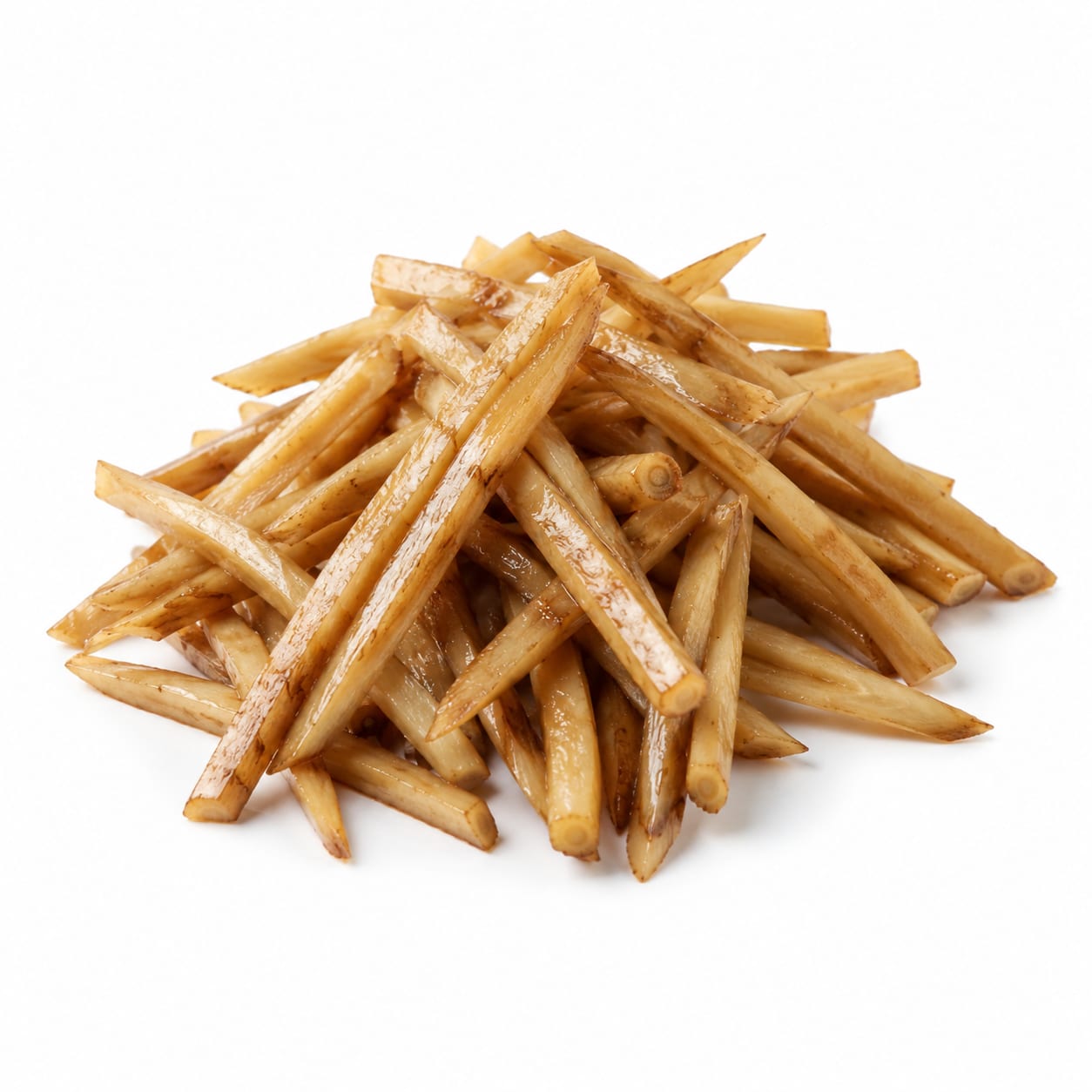
Burdock Root
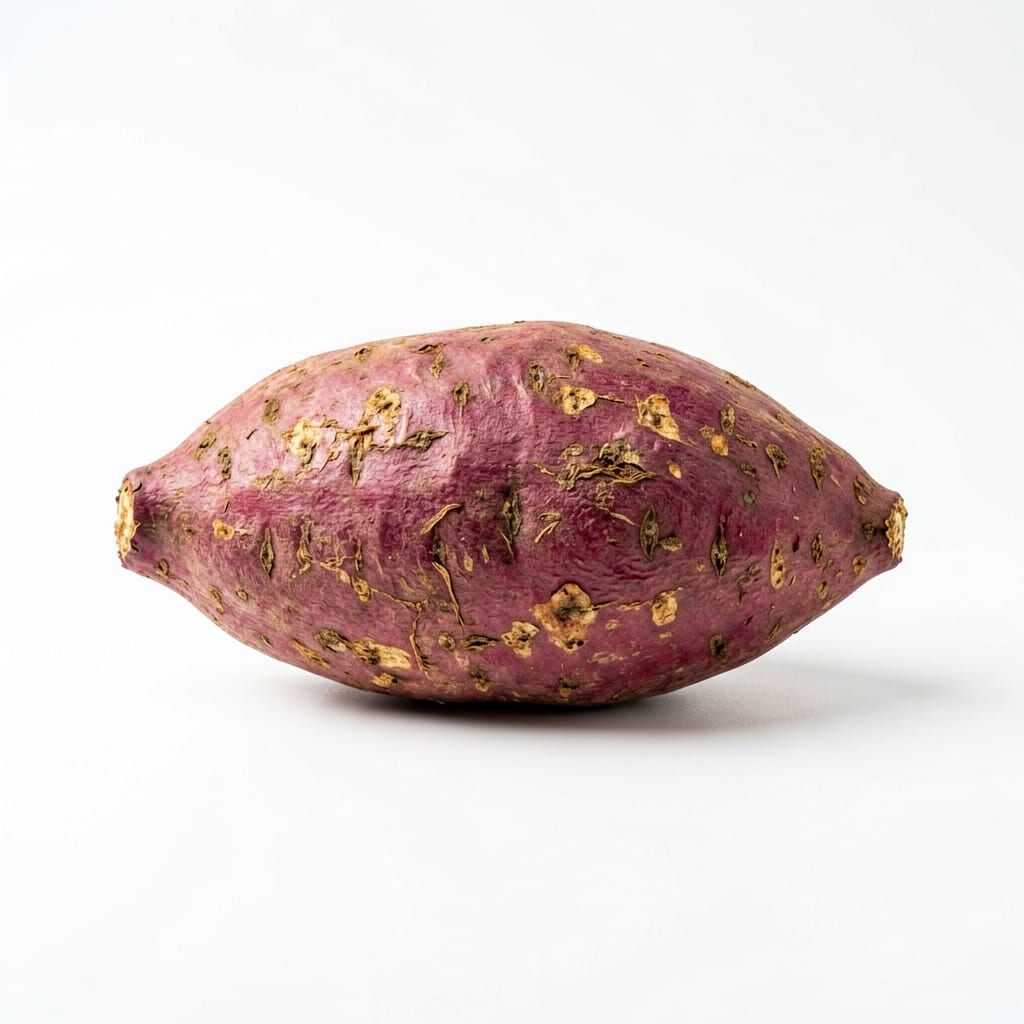
Sweet Potato
Sweet potato is the superior everyday staple, offering more energy and vitamins, while burdock root is a specialized prebiotic tool for gut health and blood sugar control.
Sweet potato scores higher due to its versatility, broad micronutrient profile, and satiety value. Burdock root remains highly valuable but is limited by its niche culinary role and lower calorie contribution.
You trade the broad nutritional profile and satisfying calories of sweet potato for the targeted prebiotic benefits and ultra-low glycemic impact of burdock root.
At a glance
Executive summary
Overall
Sweet Potato
Healthier
It depends
More practical
Sweet Potato
Daily use
Sweet Potato
Key comparison lenses
blood sugar management
Burdock root is exceptionally low on the glycemic index and high in inulin, while sweet potato provides steady but denser carbohydrates
digestive and gut health
Burdock root is a powerful prebiotic, whereas sweet potato offers a more general soluble and insoluble fiber mix
everyday practicality and versatility
Sweet potato is a ubiquitous staple easy to prepare, while burdock root requires specific prep and is harder to find
micronutrient density
Sweet potato is a vitamin A powerhouse, while burdock root offers more modest mineral content
Best choice for
Burdock Root
- targeting gut microbiome repair
- managing severe blood sugar spikes
- very low-carb or calorie-restricted diets
Sweet Potato
- sustained energy for active days
- meeting daily vitamin A needs
- family-friendly meals and versatile cooking
Least suitable for
Burdock Root
- people wanting quick, easy meal prep
- children unaccustomed to earthy, bitter flavors
- those needing dense caloric intake
Sweet Potato
- strict very-low-carb dieters
- people monitoring oxalate intake for kidney health
Deep comparison
Dimension by dimension
Each lens scores both foods and breaks down who each option suits.
- Dimension 1 · Priority 92Burdock Root
Blood Sugar Stability
Burdock Root · 95Sweet Potato · 70Burdock root is remarkably gentle on blood sugar due to its high inulin content and low carbohydrate density.
Tradeoff
You avoid blood sugar spikes with burdock root, but you miss out on the restorative carbohydrates sweet potato provides after physical exertion.
Why it matters
Stable blood sugar prevents the afternoon energy crash and reduces cravings.
Real-world impact
Eating burdock root keeps your energy flat and steady, while a sweet potato gives you a noticeable but smooth energy rise.
Burdock Root
- insulin-resistant individuals
- evening meals to prevent morning fasting spikes
Better for
- situations requiring quick energy replenishment
Worse for
Sweet Potato
- post-workout recovery
- carb-loading for endurance
Better for
- late-night snacking if sensitive to carbs
Worse for
- Dimension 2 · Priority 88Burdock Root
Digestive Health & Gut Microbiome
Burdock Root · 90Sweet Potato · 78Burdock root acts as a potent prebiotic, feeding beneficial gut bacteria more effectively than sweet potato.
Tradeoff
Burdock root feeds gut bacteria better, but sweet potato is gentler on sensitive stomachs and less likely to cause bloating.
Why it matters
A healthy microbiome affects everything from immunity to mood.
Real-world impact
Regular burdock root consumption can improve digestion over time, but might cause temporary gas as gut bacteria adjust.
Burdock Root
- rebuilding gut flora after illness or antibiotics
- chronic constipation relief
Better for
- people with severe IBS or FODMAP sensitivities
Worse for
Sweet Potato
- soothing an upset stomach
- providing gentle, tolerable fiber
Better for
- targeting specific prebiotic microbiome shifts
Worse for
- Dimension 3 · Priority 80Sweet Potato
Micronutrient Density
Burdock Root · 60Sweet Potato · 92Sweet potato is a nutritional powerhouse, especially for vitamin A, while burdock root offers modest minerals.
Tradeoff
Sweet potato delivers a massive dose of vision and immune-supporting vitamins, whereas burdock root provides fewer standout vitamins.
Why it matters
Vitamin A deficiency affects immune function and eye health over time.
Real-world impact
A single sweet potato can meet your daily vitamin A needs, keeping your skin clear and immune system strong.
Burdock Root
- increasing dietary manganese and magnesium
Better for
- relying on it as a primary vitamin source
Worse for
Sweet Potato
- boosting immune health
- supporting eye health
Better for
- those with vitamin A toxicity concerns from excessive supplementation
Worse for
- Dimension 4 · Priority 85Sweet Potato
Practicality & Versatility
Burdock Root · 40Sweet Potato · 95Sweet potato is a convenient, universally available staple, while burdock root is niche and requires specific preparation.
Tradeoff
Sweet potato is effortless to cook and find, while burdock root demands peeling, soaking, and acquiring a taste for its earthy flavor.
Why it matters
The healthiest food is the one you actually prepare and eat consistently.
Real-world impact
You can bake a sweet potato in 5 minutes of prep time; burdock root takes scrubbing, peeling, and careful cooking to remove bitterness.
Burdock Root
- adventurous home cooks exploring Asian cuisine
Better for
- quick side dishes
- accessible grocery shopping in standard supermarkets
Worse for
Sweet Potato
- busy weeknight dinners
- meal prepping in bulk
Better for
- creating authentic traditional Japanese kinpira
Worse for
- Dimension 5 · Priority 82Sweet Potato
Satiety & Energy Provision
Burdock Root · 55Sweet Potato · 88Sweet potato provides substantial, filling calories, while burdock root is very low in calories and less satisfying alone.
Tradeoff
Sweet potato actually fills you up and fuels your day, while burdock root is more of a low-calorie condiment or side.
Why it matters
Meals that fail to satisfy lead to overeating later.
Real-world impact
A sweet potato can be a meal anchor; burdock root will leave you hungry if eaten by itself.
Burdock Root
- volume eating for weight loss
Better for
- recovering from intense exercise
- long days requiring sustained stamina
Worse for
Sweet Potato
- athletes needing carb fuel
- making a meal feel complete
Better for
- strict calorie restriction
Worse for
Timeline
Health impact over time
Short-term
Hours to days
Burdock Root
- may cause temporary bloating or gas due to high inulin
- very gentle on blood sugar immediately after eating
Sweet Potato
- provides noticeable physical energy within an hour
- very filling and satisfying as a carbohydrate source
Long-term
Months to years
Burdock Root
- significant improvement in gut microbiome diversity
- better glycemic control over months of consistent use
Sweet Potato
- improved skin health and vision from consistent beta-carotene intake
- sustained energy levels supporting active lifestyles
Risk profile
Safety & processing
Both are whole, unprocessed root vegetables. Burdock root is often sold dried or pickled in stores, which adds sodium, while fresh sweet potato is universally available in its raw, natural state.
Burdock Root
Foraging misidentification
highWild burdock looks similar to deadly nightshade (belladonna) in early growth stages; always buy from reputable sources.
Soil contaminants
mediumAs a deep-rooting plant, burdock can absorb heavy metals from polluted soil, making sourcing important.
Sweet Potato
Oxalate content
lowContains moderate oxalates, which can be an issue for those prone to calcium oxalate kidney stones.
Mold spoilage
lowIf stored improperly, sweet potatoes can develop mold that produces toxic compounds; discard if soft or moldy.
Who wins for whom
Audience fit
Same foods, different winners depending on your goal.
children
Sweet PotatoSweet potato is naturally sweet, gentle on the stomach, and packed with growth-supporting vitamin A.
daily consumption
Sweet PotatoSweet potato is easier to incorporate daily due to availability, taste, and cooking versatility.
diabetes
Burdock RootThe inulin in burdock root dramatically slows sugar absorption, offering superior blood sugar stability.
elderly
Sweet PotatoSweet potato is easier to chew, gentle on digestion, and provides crucial nutrients for aging eyes and immune systems.
muscle gain
Sweet PotatoSweet potato offers the substantial carbohydrates needed to fuel training and replenish glycogen stores.
weight loss
Burdock RootBurdock root provides massive fiber volume for very few calories, making it easier to stay in a deficit.
Your move
Decision guide
Choose Burdock Root
- you are specifically targeting gut microbiome improvements
- you need to aggressively manage blood sugar spikes
- you enjoy earthy, bitter flavors and Asian culinary traditions
Choose Sweet Potato
- you need a reliable, satisfying carbohydrate source for meals
- you want to boost your vitamin A intake effortlessly
- you are meal prepping for an active, busy week
Either works if
- you are looking to increase your daily fiber intake
- you want more root vegetable variety in your diet
Avoid both if
- you are on a strict zero-carb or carnivore diet
Final recommendation
Make sweet potato your daily carbohydrate staple for energy and nutrition, but add burdock root occasionally as a targeted prebiotic side dish to support gut health and blood sugar regulation.
Practical
Consumer tips
- 1
Peel and soak burdock root in water with a splash of vinegar immediately to prevent oxidation and remove excess bitterness.
- 2
Boil sweet potatoes with the skin on to retain more fiber and nutrients, then peel if desired.
- 3
Buy burdock root from trusted organic sources to avoid deep-soil heavy metal contamination.
- 4
If new to burdock root, start with small portions to allow your gut bacteria to adjust to the high inulin content without bloating.