
Whole Grain
Bulgur
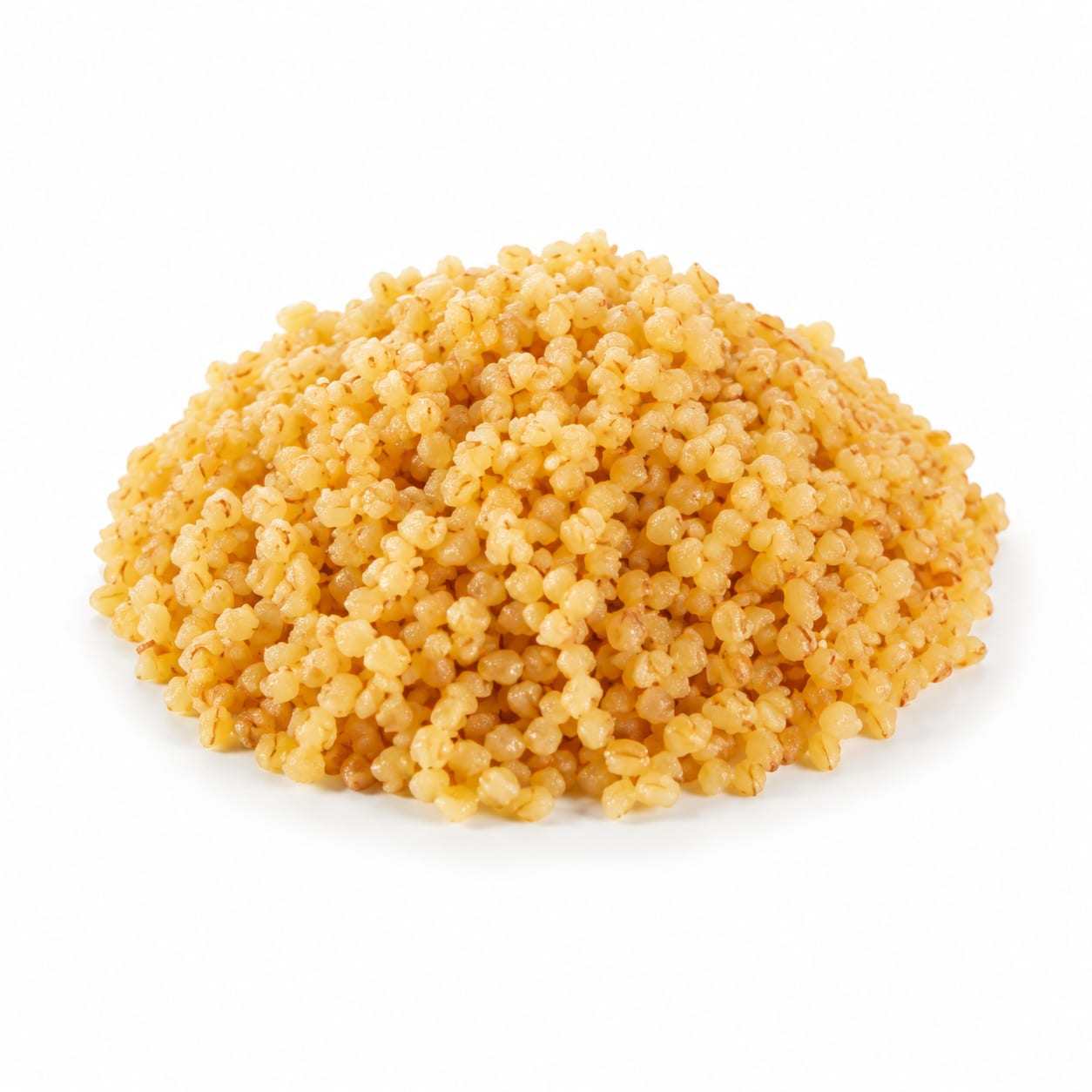
Bulgur is a quick-cooking, high-fiber whole grain made from parboiled, dried, and cracked wheat kernels.
Bulgur is a cracked wheat cereal grain that is partially boiled, dried, and cracked, making it a quick-cooking, fiber-rich whole grain staple in Middle Eastern cuisine.
fiber-rich whole grain carbohydrate source
Typical serving · 150g
Common varieties · fine grind, medium grind, coarse grind, extra coarse grind
Overall context score across nutrition, safety, and diet fit
At a glance
Quick facts
Simple indicators based on nutrition, processing, and diet fit.
The story
What makes it unique
Bulgur consists of wheat kernels that are parboiled, dried, and cracked. The parboiling process gelatinizes the starch and drives nutrients from the bran into the endosperm, reducing cooking time and altering digestion speed. It provides a moderate protein content, high insoluble fiber, and a moderate glycemic index. Satiety is high due to the fiber content and chewy physical structure.
Varieties: fine grind · medium grind · coarse grind · extra coarse grind
Per 100g
Nutrition breakdown
Macro balance and key metrics at a glance.
Energy
Density 0.83 kcal/g
Protein
Carbs
Fat
Fiber
Sugar
0.1 g
Sodium
5 mg
Potassium
68 mg
Glycemic index
48
Glycemic load
8
Water content
76%
Standout compounds
Nutrient highlights
Fiber
highPromotes digestive regularity and feeds beneficial gut bacteria
Manganese
moderateSupports bone health, metabolism, and antioxidant defense
Iron
moderateEssential for oxygen transport in the blood
Magnesium
moderateSupports muscle and nerve function and blood sugar regulation
Wellness map
Health scores & processing
NOVA processing scale
Minimally processed · Whole food
Bulgur undergoes parboiling, drying, and cracking. These are traditional physical processes that preserve the whole grain structure without adding artificial ingredients.
Diet compatibility
- Weight loss
- Muscle gain
- Diabetes
- Gut health
- Low carb
- High protein
- Heart health
Relative standing
Food rankings
Qualitative ranks compared to similar whole foods.
- Satietyexcellent
- Blood sugargood
- Nutrient densitygood
- Fitness fuelmoderate
- Processing qualityexcellent
Eat with confidence
Food safety profile
Bulgur is generally safe with low risk of microbial contamination due to the parboiling process. Conventional wheat may carry pesticide residues, but processing reduces some surface exposure.
Evidence confidence 90%
- Pesticidesmoderate
- Antibioticslow
- Heavy metalslow
- Contaminationlow
Watch for
- pesticide residues
- mycotoxins
Safer choices
Organic bulgur to avoid pesticide residues.
Prep tips
Rinse bulgur under cold water before cooking or soaking to remove debris and potential surface contaminants.
Standard agricultural pesticide monitoring applies to conventional wheat crops.
Deep dive
Health analysis
How this food may fit different goals and preparation choices.
Weight loss
High fiber and low energy density promote fullness and reduce overall calorie intake, making portion control easier.
Blood sugar
Low to moderate glycemic index prevents rapid blood sugar spikes compared to refined grains like white rice or couscous.
Fitness & energy
Provides sustained complex carbohydrates for endurance activities, though it lacks the rapid digestion needed for quick post-workout glycogen replenishment.
Gut health
High insoluble fiber adds bulk to stool and supports regular bowel movements, feeding beneficial gut bacteria.
Processing quality
A minimally processed whole grain with no added sugars, artificial preservatives, or refined components.
Food safety
The parboiling process kills potential pathogens, making it very safe from a microbial standpoint. Rinsing addresses minor debris concerns.
Common mistakes
Confusing bulgur with couscous, which is a refined pasta, or overcooking it into a mushy texture rather than keeping it fluffy.
Best preparation
Simmer in water or broth for 10-12 minutes for coarse varieties, or simply soak fine grind in boiling water for 10 minutes for a fluffier texture.
Practical guide
Best use cases
When and how this food fits real eating patterns.
Tabbouleh and grain salads
Fine or medium bulgur absorbs dressings well and provides a chewy texture ideal for cold salads.
High-fiber side dish
A nutritious alternative to white rice or pasta, pairing well with lean proteins and vegetables.
Quick weeknight meal prep
Parboiling allows bulgur to cook in 10-12 minutes, significantly faster than brown rice or farro.
Vegetarian stuffing
Coarse bulgur provides a hearty, meaty texture for stuffed peppers, squash, or grape leaves.
Balance sheet
Pros & cons
Upsides
- High in fiber for digestive health and satiety
- Quick cooking time due to pre-cooking process
- Low glycemic index supports blood sugar management
- Versatile for salads, pilafs, and stuffings
- Retains whole grain nutrients through parboiling
- Low energy density aids in weight management
Trade-offs
- Contains gluten, unsuitable for celiacs
- Not a complete protein, lacking sufficient lysine
- Can become mushy if overcooked or over-soaked
- Relatively high in carbohydrates for strict low-carb diets
Fit check
Who is it for?
Great match
- mediterranean diet followers
- high-fiber dieting
- blood sugar management
- quick weeknight meal prep
- high-volume low-calorie eating
Consider alternatives
- gluten-free diets
- strict ketogenic diets
- high-protein diets
Side by side
How it compares
Open the full head-to-head analysis for nutrition, safety, and practical tradeoffs.
This food
Bulgur
VS85% alike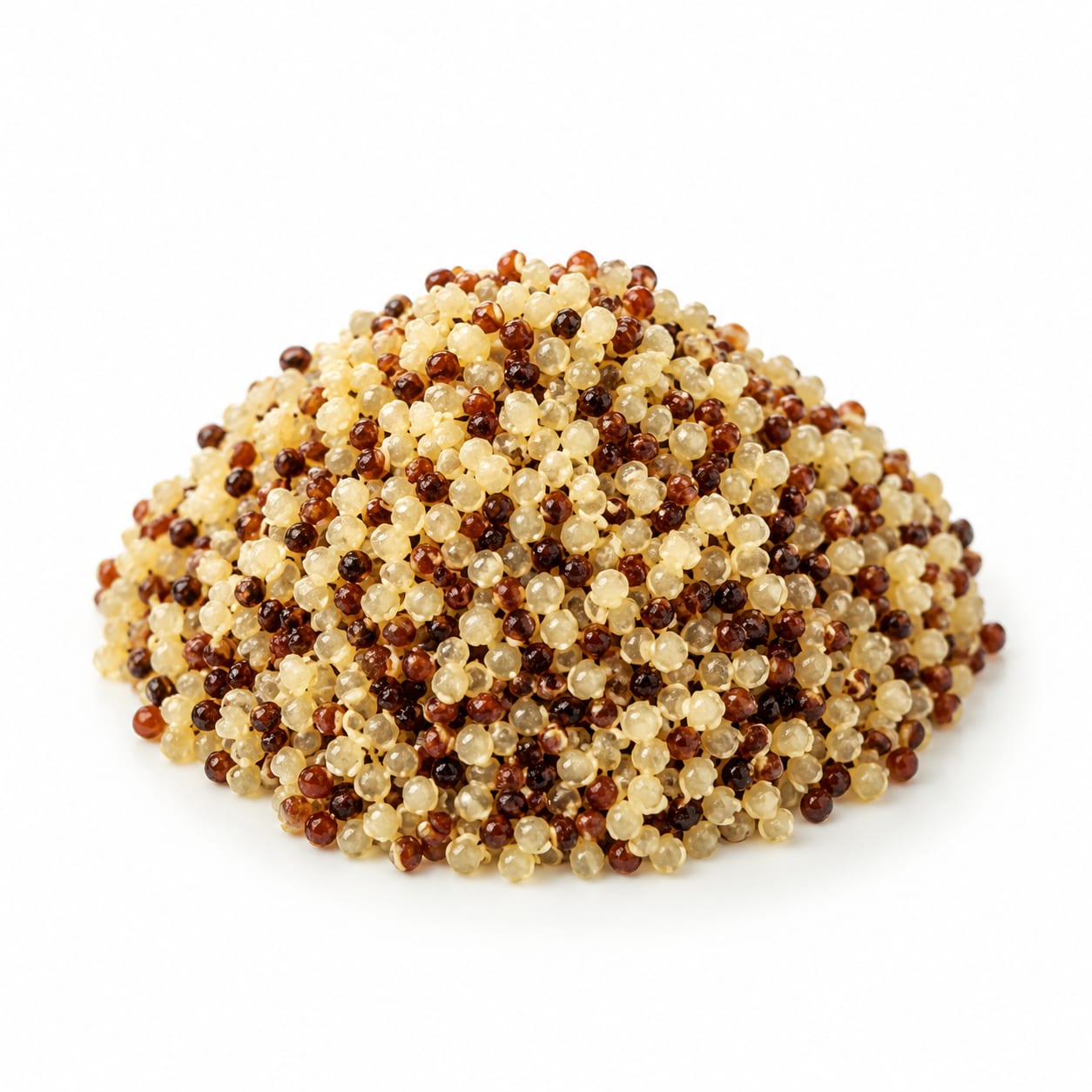
Compare with
Quinoa
Quinoa is a complete protein and gluten-free, while bulgur is higher in fiber and lower in calories.
Quinoa provides more protein and is gluten-free, while bulgur offers more fiber and fewer calories for weight loss.
This food
Bulgur
VS90% alike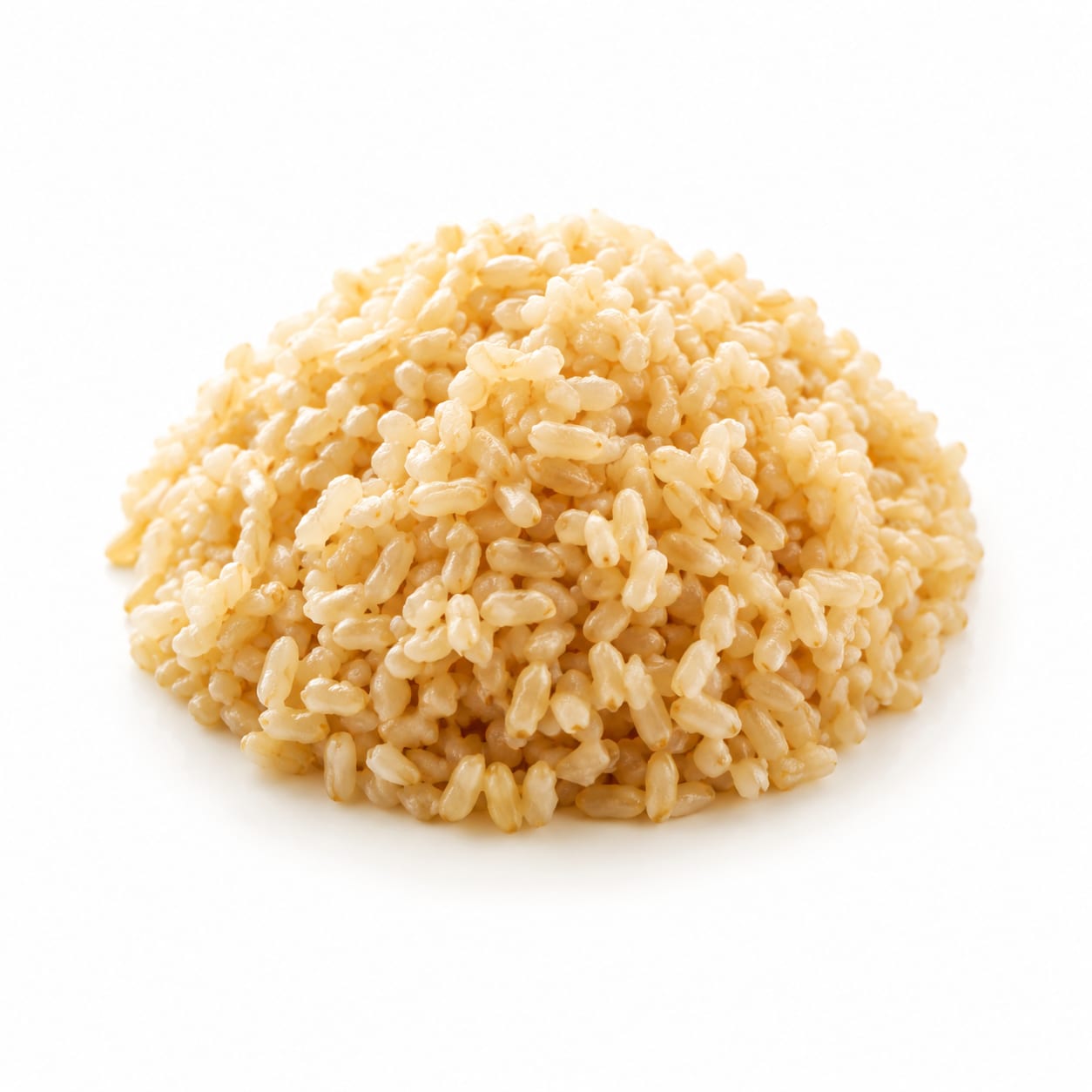
Compare with
Brown Rice
Bulgur cooks faster and has slightly more fiber than brown rice, with a lower glycemic index.
Bulgur cooks much faster and has more fiber and a lower glycemic index than brown rice, making it better for blood sugar control.
This food
Bulgur
VS80% alike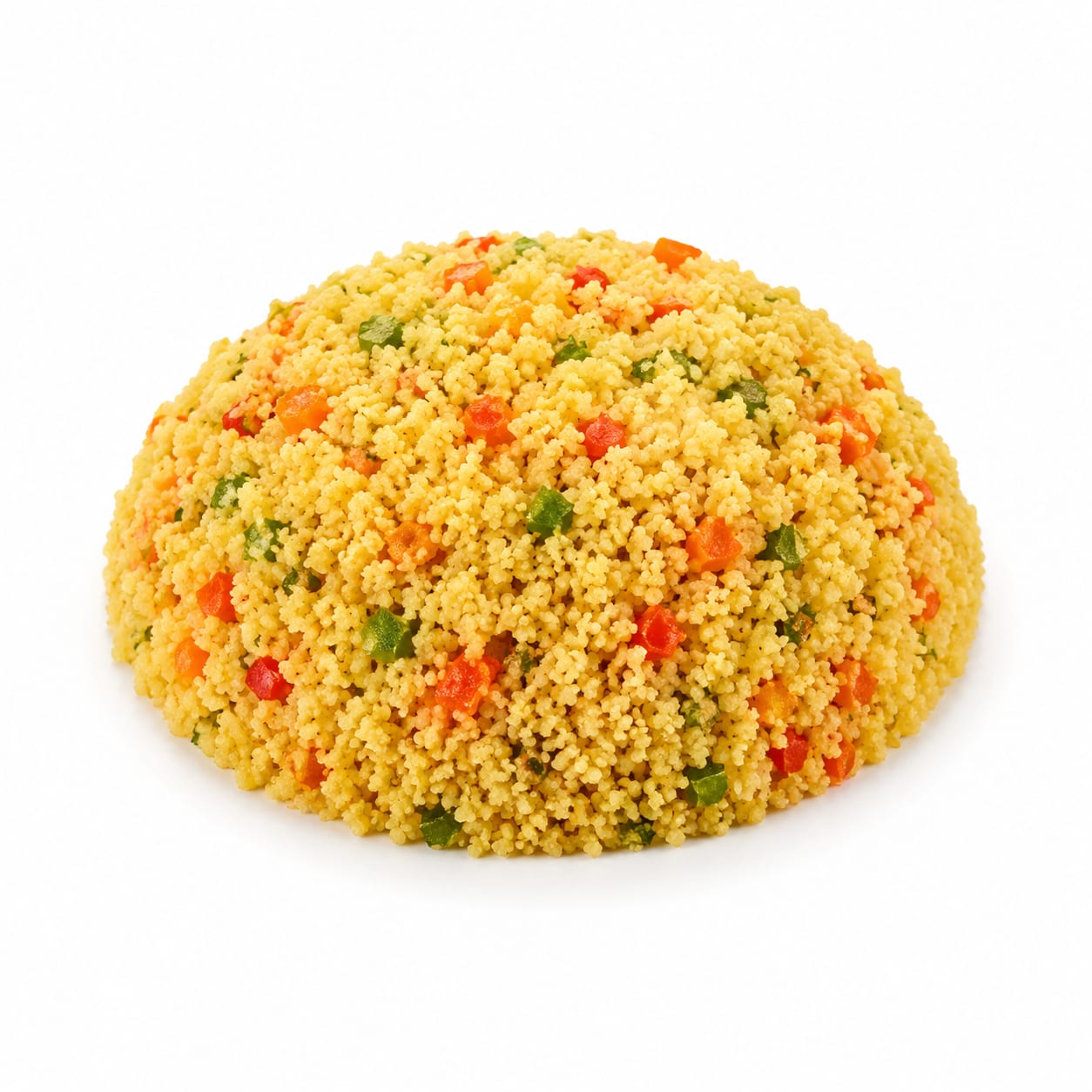
Compare with
Couscous
Bulgur is a whole grain with high fiber, whereas couscous is a refined pasta with less fiber and a faster digestion rate.
Bulgur is a whole grain with far more fiber than couscous, which is essentially a refined wheat pasta.
This food
Bulgur
VS75% alike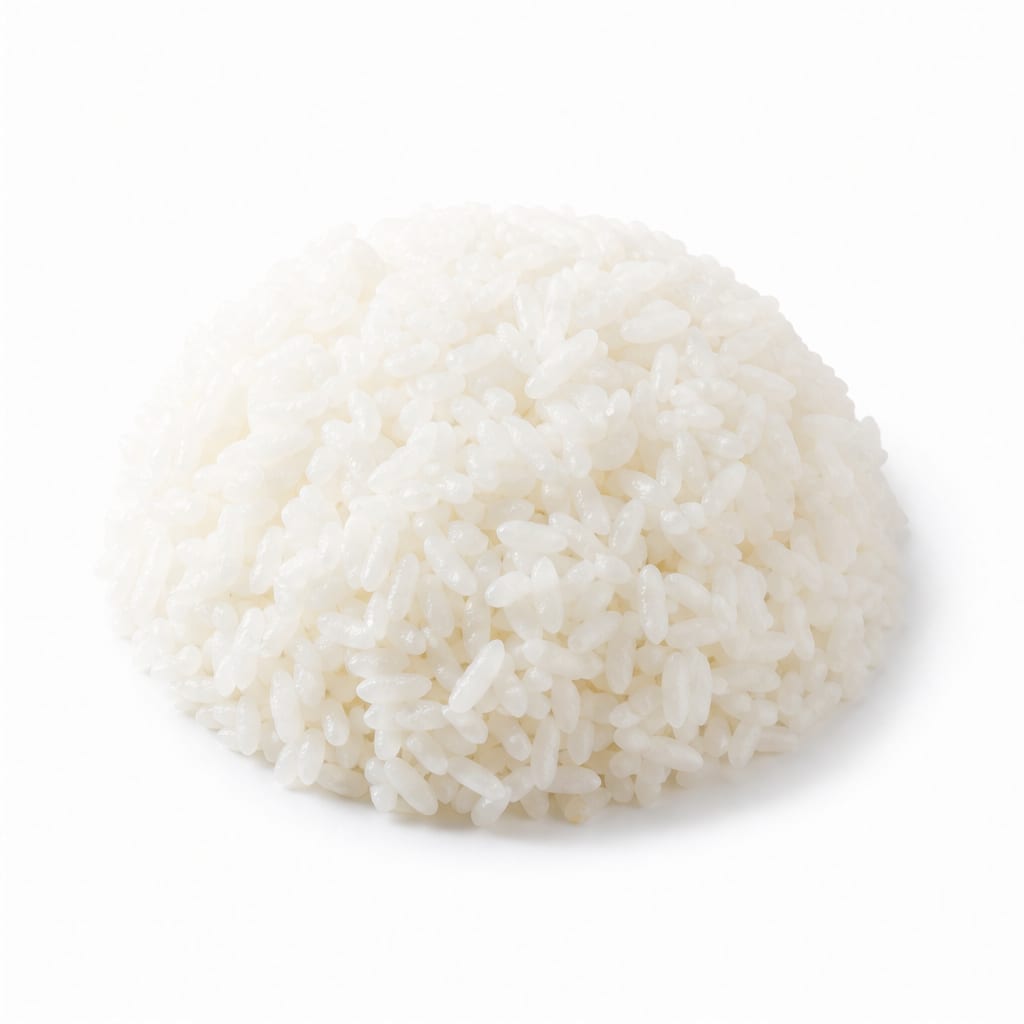
Compare with
White Rice
Bulgur offers significantly more fiber, protein, and nutrients than white rice with fewer calories per serving.
Bulgur is vastly superior to white rice for weight loss and blood sugar control due to its high fiber and whole grain status.
This food
Bulgur
VS85% alike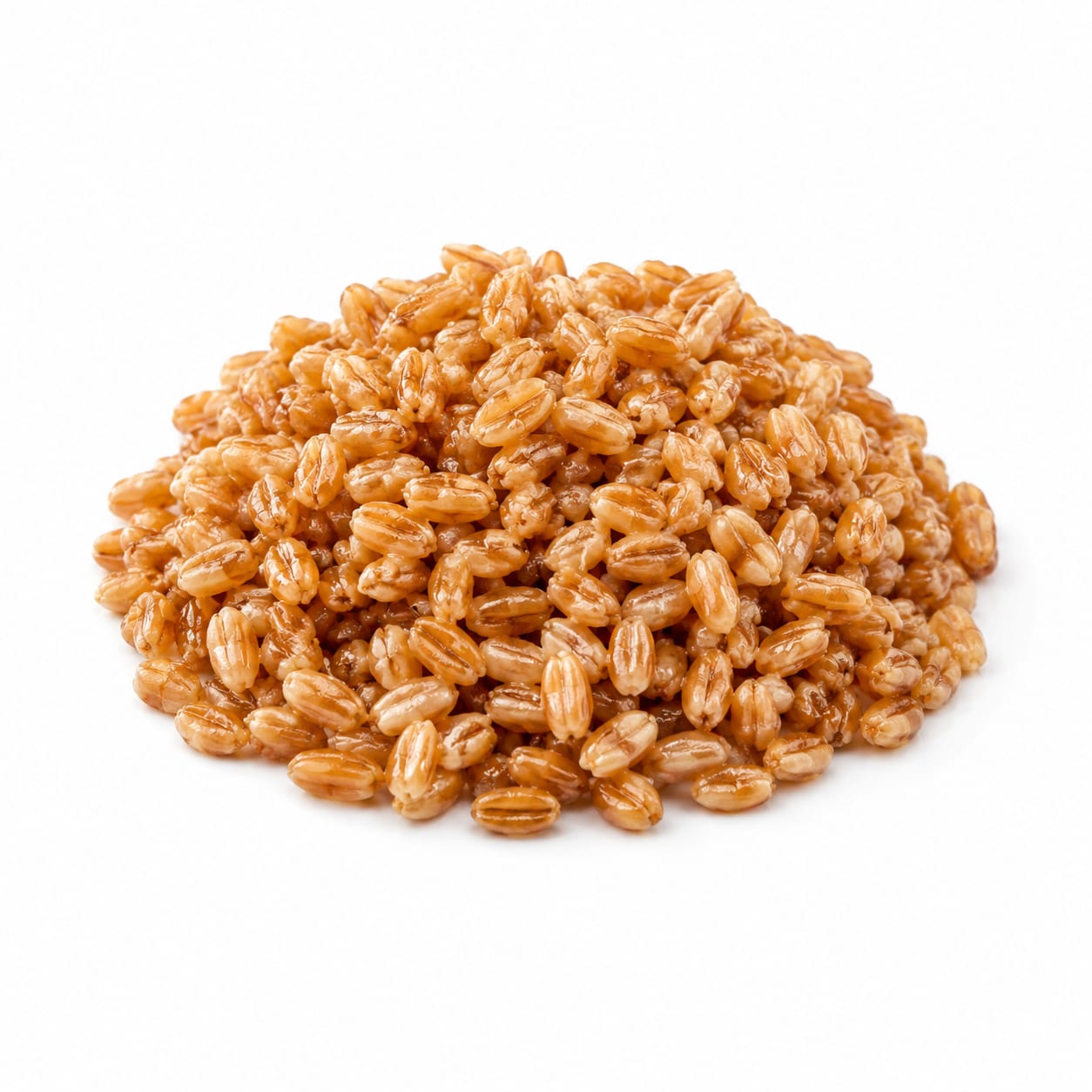
Compare with
Farro
Farro has more protein but takes longer to cook; bulgur is lower in calories and faster to prepare.
Farro offers more protein, but bulgur is lower in calories and cooks in a fraction of the time.
This food
Bulgur
VS80% alike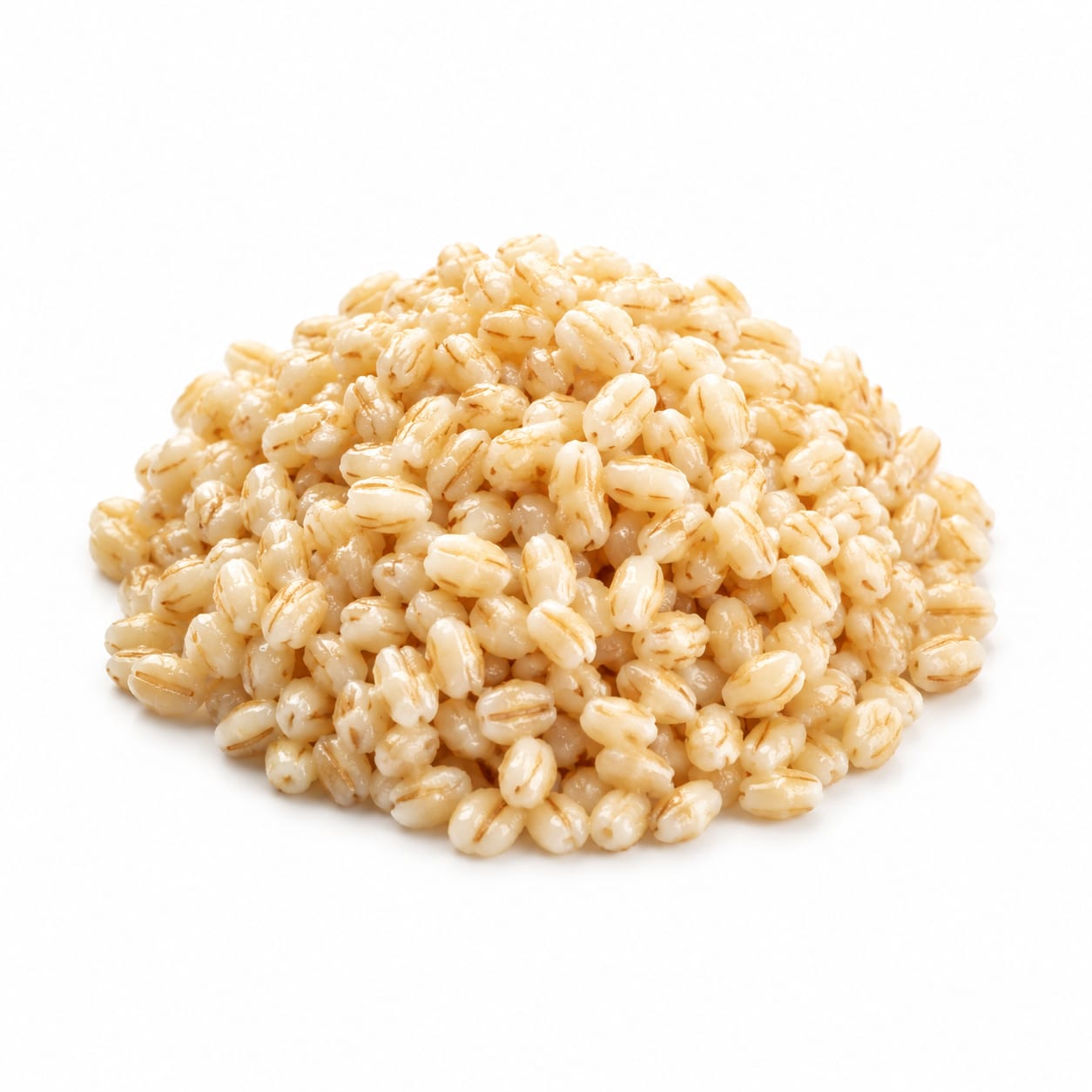
Compare with
Barley
Barley has more soluble fiber (beta-glucan) for cholesterol, while bulgur is lower in calories and cooks faster.
Barley is better for lowering cholesterol, while bulgur is lower in calories and quicker to cook.
This food
Bulgur
VS70% alike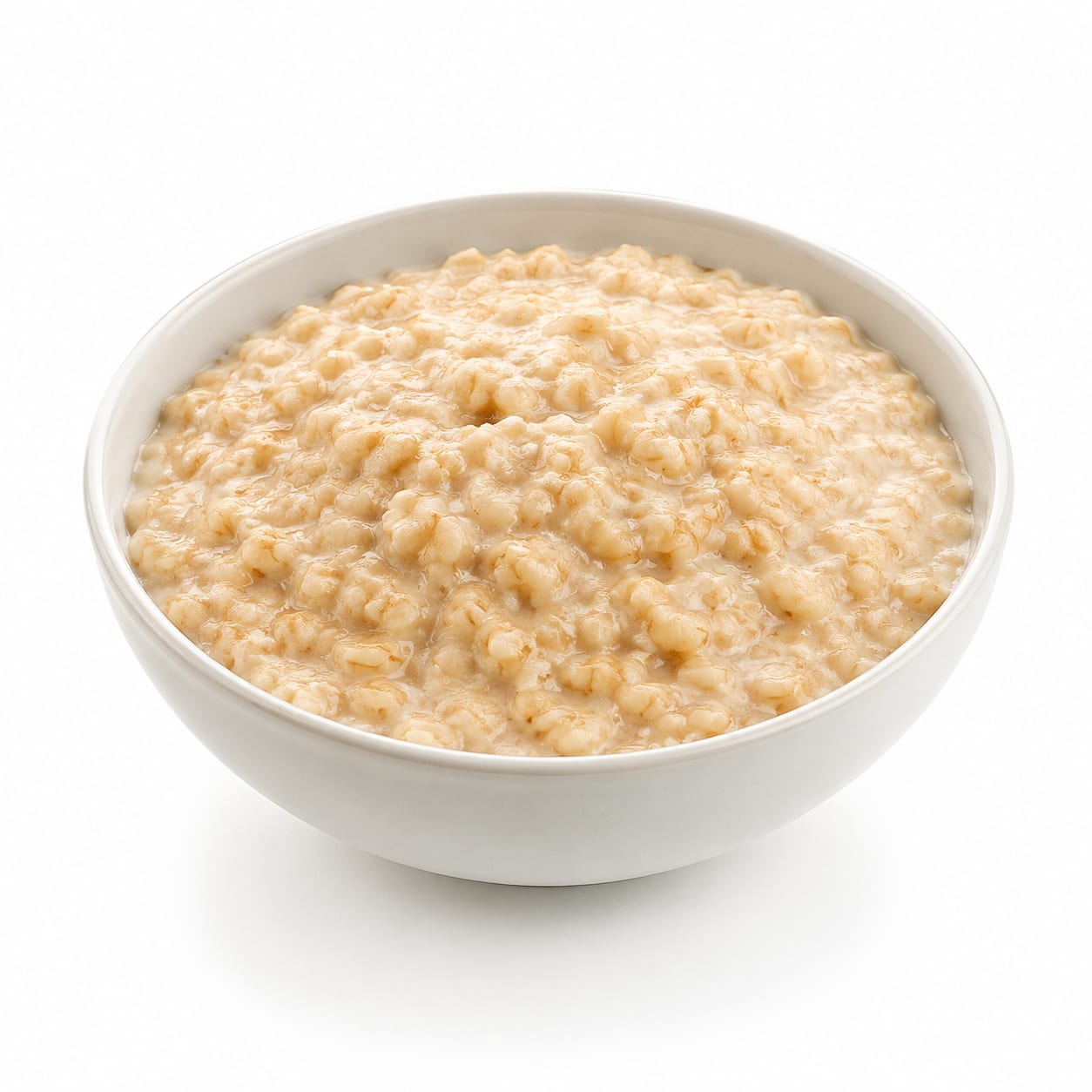
Compare with
Oats
Oats are higher in protein and soluble fiber, making them better for cholesterol, while bulgur is lower in calories.
Oats are better for heart health and protein, while bulgur is lower in calories and better suited for savory meals.
This food
Bulgur
VS90% alike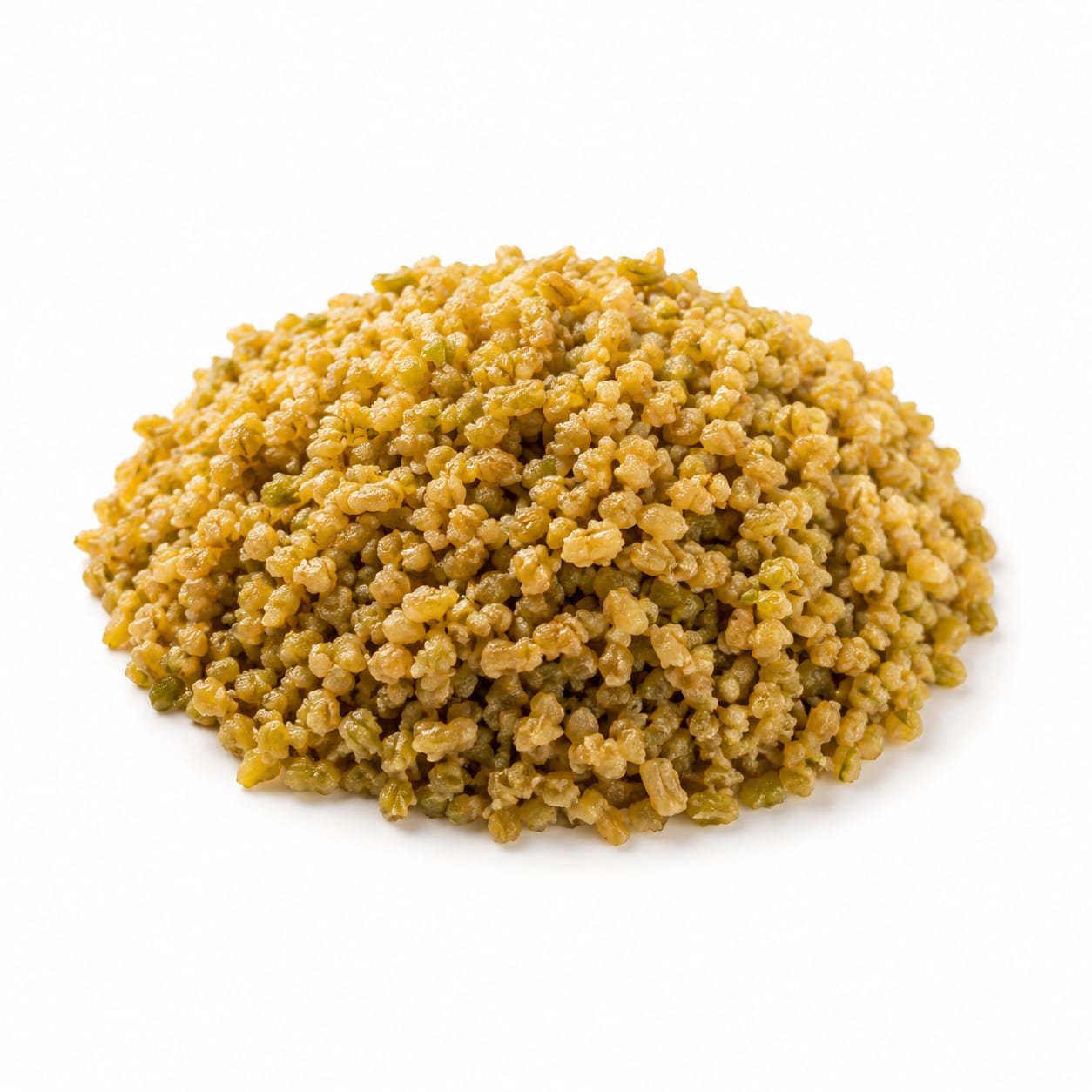
Compare with
Freekeh
Freekeh is higher in protein and fiber but bulgur is more widely available and slightly lower in calories.
Freekeh offers more protein and fiber, but bulgur is easier to find and slightly lower in calories.
This food
Bulgur
VS75% alike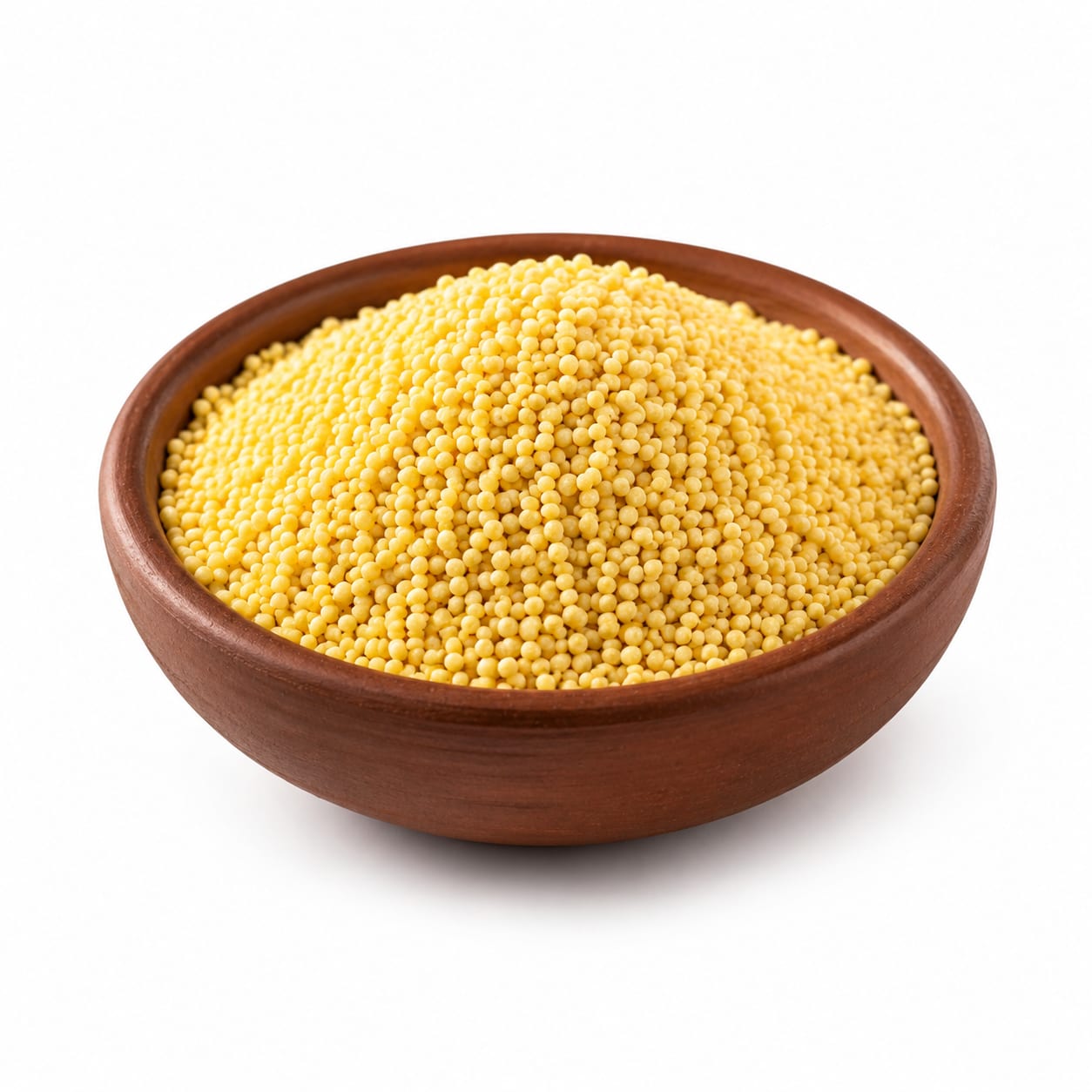
Compare with
Millet
Millet is gluten-free while bulgur contains gluten; bulgur has a lower glycemic index and more fiber.
Millet is safe for gluten-free diets, but bulgur provides more fiber and better blood sugar control.
This food
Bulgur
VS70% alike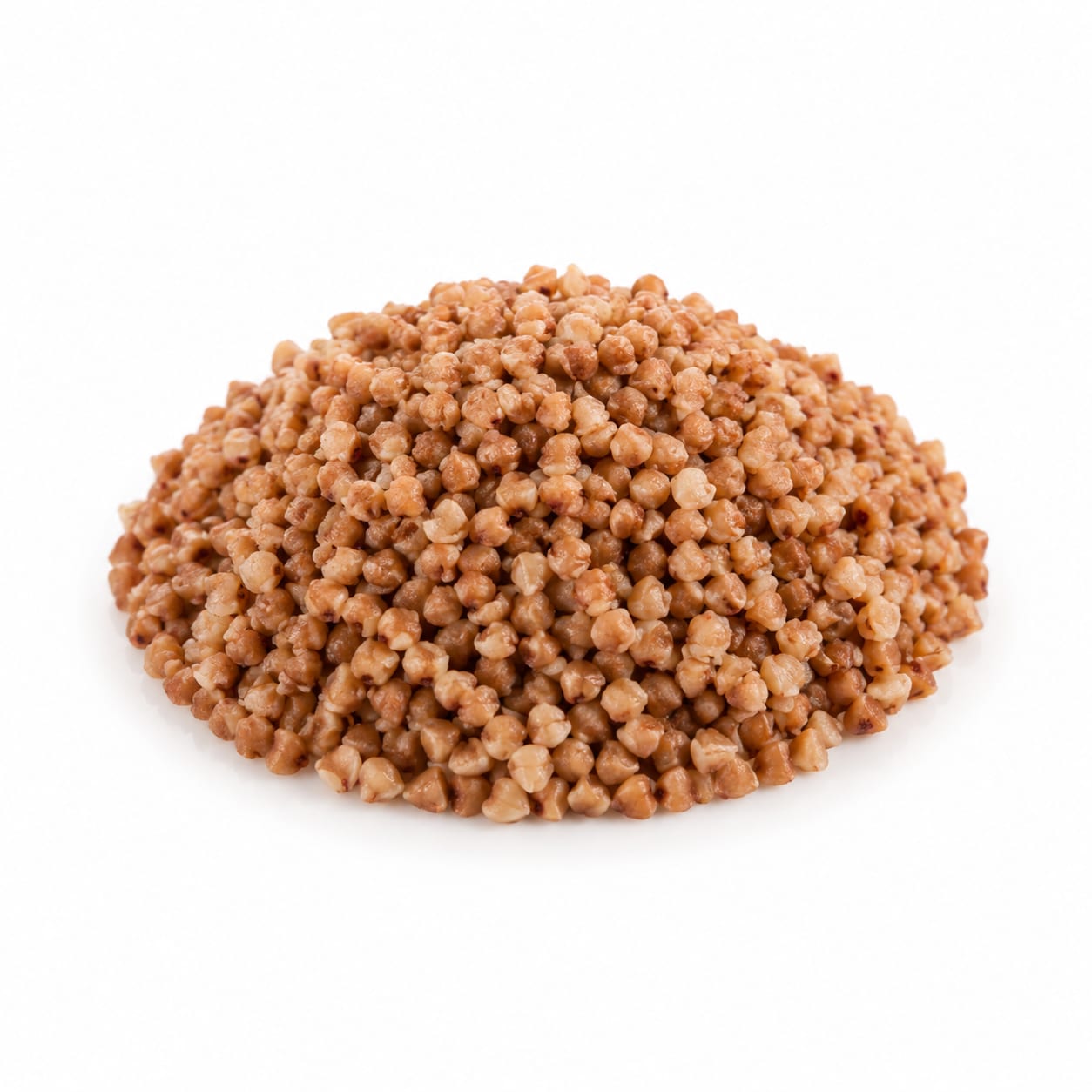
Compare with
Buckwheat
Buckwheat is gluten-free and higher in protein, while bulgur is lower in calories and carbohydrates.
Buckwheat is a gluten-free pseudo-cereal with more protein, while bulgur is lower in calories and carbs.
Common questions
FAQ
Answers aligned with how people search for this food.
Is bulgur good for weight loss?
Yes, bulgur is excellent for weight loss. It is low in calories but high in fiber, which slows digestion and keeps you feeling full for longer, helping to reduce overall calorie intake.
Is bulgur healthier than rice?
Bulgur is generally considered healthier than white rice because it is a whole grain with significantly more fiber and protein, and a lower glycemic index. Compared to brown rice, bulgur cooks faster and has slightly fewer calories and more fiber per serving.
Can diabetics eat bulgur?
Yes, bulgur is a good carbohydrate choice for diabetics. It has a low to moderate glycemic index and is high in fiber, which helps prevent rapid blood sugar spikes and improves glycemic control.
Is bulgur the same as couscous?
No, bulgur is made from cracked whole wheat kernels that are parboiled, while couscous is typically made from refined wheat flour that is rolled into tiny pasta beads. Bulgur is a whole grain with more fiber and nutrients.
Does bulgur have gluten?
Yes, bulgur is made from wheat and contains gluten. It is not safe for people with celiac disease or gluten intolerance.
Is bulgur a whole grain?
Yes, bulgur is a whole grain. The wheat kernels are parboiled and cracked, but the bran, germ, and endosperm are all retained, preserving its whole grain nutritional profile.
How many carbs are in bulgur?
Cooked bulgur contains about 18.6 grams of carbohydrates per 100 grams, of which 4.5 grams are dietary fiber, resulting in roughly 14 grams of net carbs.
What is the glycemic index of bulgur?
Bulgur has a glycemic index of approximately 48, which classifies it as a low glycemic food. It digests slowly, causing a gradual rise in blood sugar.
Transparency
Data confidence
Estimated confidence for nutrition data, interpretation, safety notes, and comparisons.
Nutrition data
Health analysis
Food safety
Comparisons