
Nutrition comparison
Bulgur vs Barley: Which Grain is Healthier?
Compare Bulgur and Barley to see which grain is better for weight loss, blood sugar, and heart health. Learn the key nutritional differences and cooking tradeoffs.
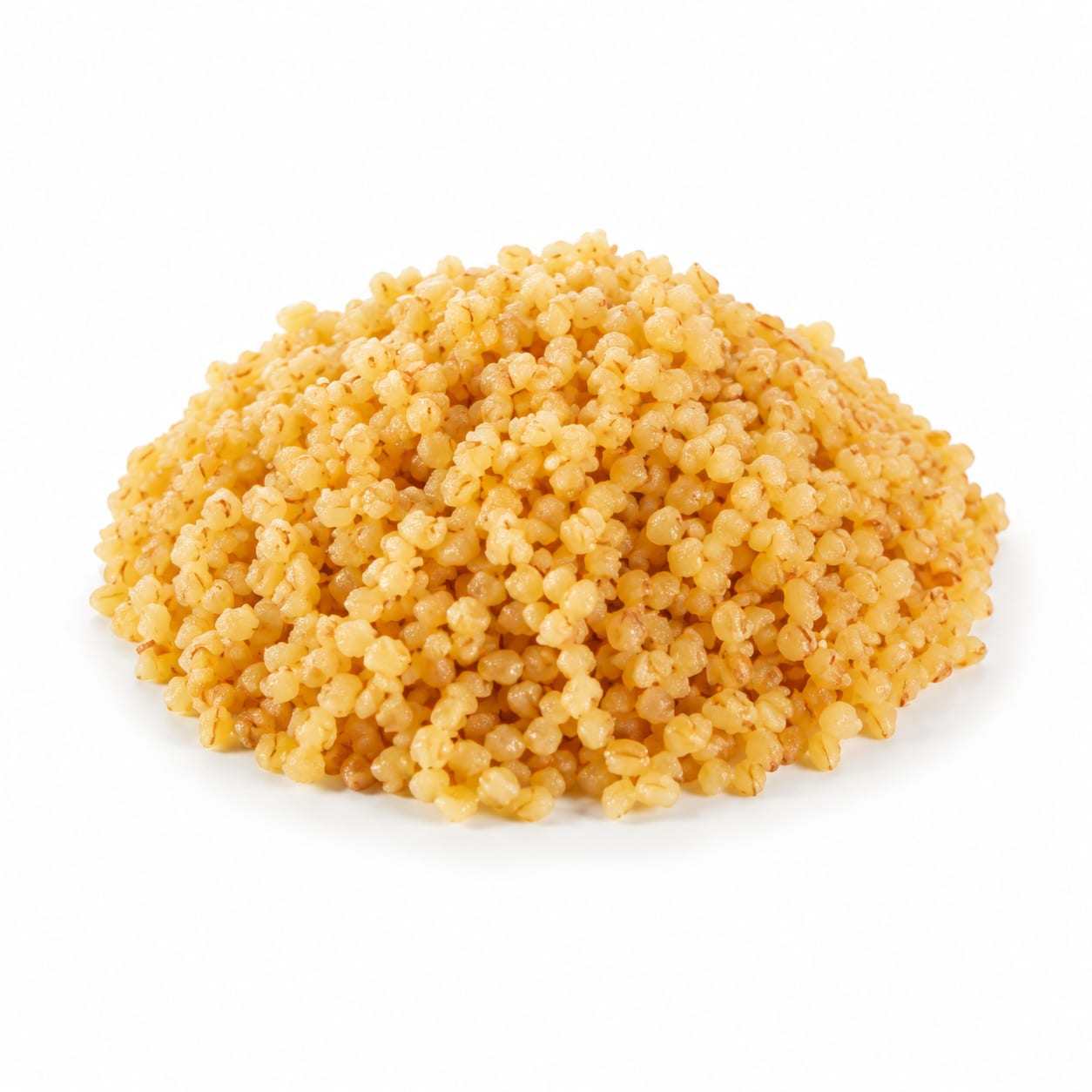
Bulgur
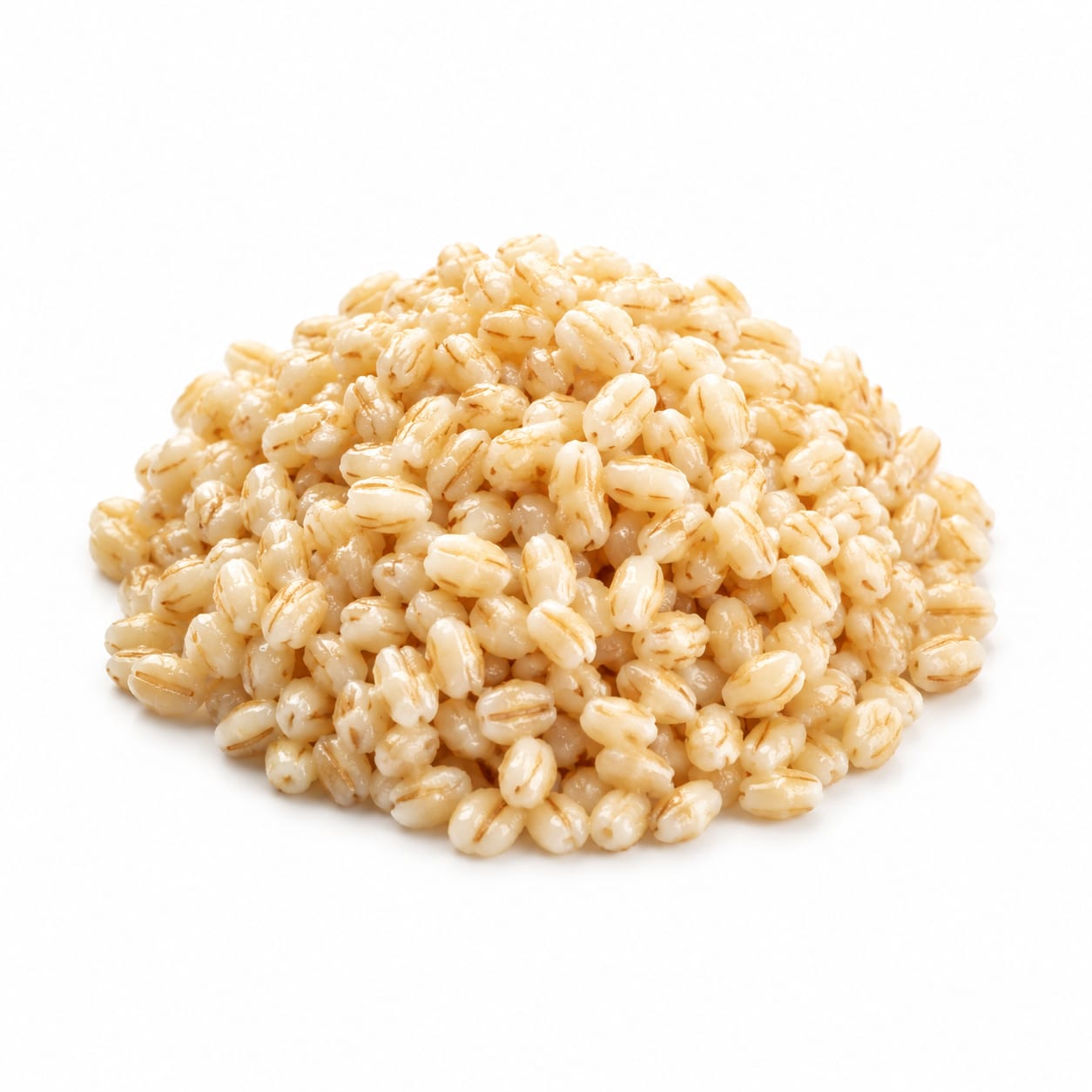
Barley
Bulgur is your weeknight shortcut, while Barley is the long-game heart hero.
Barley edges out Bulgur due to its exceptional beta-glucan content, which offers clinically proven heart and blood sugar benefits. However, Bulgur remains highly competitive because its convenience makes it far easier to actually eat on a regular basis.
You trade Bulgur's 15-minute cook time for Barley's superior cholesterol-lowering and blood sugar-stabilizing beta-glucan fiber.
At a glance
Executive summary
Overall
It depends
Healthier
Barley
More practical
Bulgur
Daily use
It depends
Key comparison lenses
Blood sugar management
Barley's beta-glucan is a powerhouse for glucose control, making it a key differentiator.
Convenience and meal prep
Bulgur cooks in minutes while Barley takes much longer, heavily influencing weeknight choices.
Heart health and cholesterol
Barley is clinically proven to lower LDL cholesterol, a major long-term health factor.
Best choice for
Bulgur
- Busy professionals needing fast weeknight sides
- Those who prefer lighter, fluffier grains
- People with mild digestive sensitivities who need softer fiber
Barley
- People managing type 2 diabetes or insulin resistance
- Anyone actively trying to lower LDL cholesterol
- Soup and stew lovers who simmer meals for hours
Least suitable for
Bulgur
- Those strictly managing severe blood sugar spikes
- People looking to maximize soluble fiber intake
Barley
- Impatient cooks or those needing a meal in under 20 minutes
- People on a strict gluten-free diet (both contain gluten, but Barley's is often more reactive)
Deep comparison
Dimension by dimension
Each lens scores both foods and breaks down who each option suits.
- Dimension 1 · Priority 95Barley
Blood Sugar Stability
Bulgur · 70Barley · 92Barley is a top-tier grain for blood sugar control, while Bulgur is decent but faster-digesting.
Tradeoff
Bulgur digests quicker, potentially causing sharper glucose rises compared to Barley's slow, steady release.
Why it matters
Steadier blood sugar means fewer afternoon energy crashes and reduced cravings.
Real-world impact
Eating Barley at lunch makes you far less likely to raid the snack cabinet at 3 PM.
Bulgur
- Pre-workout meals needing faster energy
Better for
- Late-night snacking (may spike blood sugar before bed)
Worse for
Barley
- Diabetics needing strict glucose management
- Office workers fighting the midday slump
Better for
- Quick energy recovery after intense exercise
Worse for
- Dimension 2 · Priority 90Bulgur
Convenience and Cook Time
Bulgur · 95Barley · 40Bulgur is essentially instant compared to Barley's long simmer.
Tradeoff
You save 30-40 minutes cooking Bulgur, but miss out on the thick, creamy texture that slow-cooked Barley provides.
Why it matters
If a grain takes too long to cook, you are less likely to choose it on a busy Tuesday.
Real-world impact
Bulgur is a realistic weeknight staple; Barley is usually relegated to weekend soups.
Bulgur
- Last-minute dinner emergencies
- Meal prep in a time crunch
Better for
- Recipes where a chewy, creamy grain texture is desired
Worse for
Barley
- Slow cooker recipes
- Weekend batch cooking
Better for
- Quick side dishes after a long workday
Worse for
- Dimension 3 · Priority 85Barley
Heart Health and Cholesterol
Bulgur · 65Barley · 95Barley contains beta-glucan, a soluble fiber clinically proven to lower LDL cholesterol.
Tradeoff
Bulgur offers heart-healthy insoluble fiber, but lacks the specific cholesterol-lowering power of Barley's beta-glucan.
Why it matters
High LDL cholesterol is a silent risk factor; eating Barley is a proactive way to manage it.
Real-world impact
Regularly swapping Bulgur for Barley in soups can meaningfully improve your annual bloodwork.
Bulgur
- General cardiovascular maintenance
Better for
- Therapeutic diets targeting cholesterol reduction
Worse for
Barley
- People with borderline high cholesterol
- Family history of heart disease
Better for
- Those already consuming high amounts of soluble fiber from other sources
Worse for
- Dimension 4 · Priority 80Barley
Satiety and Fullness
Bulgur · 75Barley · 88Barley's soluble fiber forms a gel in your gut, keeping you full much longer than Bulgur.
Tradeoff
Bulgur feels lighter in the stomach, which is great for some, but less effective at stopping hunger pangs.
Why it matters
Staying full longer prevents overeating and helps naturally reduce calorie intake.
Real-world impact
A Barley bowl at noon will easily carry you to dinner; Bulgur might leave you hungry by 4 PM.
Bulgur
- Lighter meals where you don't want to feel stuffed
- Pre-workout fueling
Better for
- People who struggle with snacking between meals
Worse for
Barley
- Weight loss diets requiring high satiety
- Heavy physical labor days needing lasting energy
Better for
- Those who dislike feeling heavy or bloated after eating
Worse for
Timeline
Health impact over time
Short-term
Hours to days
Bulgur
- Provides quick, accessible energy for active periods
- Light on the stomach, unlikely to cause post-meal sluggishness
Barley
- Highly filling, delays the return of hunger
- Can feel heavy or gassy if you aren't used to high soluble fiber
Long-term
Months to years
Bulgur
- Supports healthy digestion and regularity via insoluble fiber
- Easier to maintain as a daily habit due to convenience
Barley
- Clinically proven to lower LDL cholesterol and support heart health
- Helps stabilize HbA1c and fasting blood sugar over months
Risk profile
Safety & processing
Bulgur is simply parboiled, dried, and cracked wheat, keeping the bran intact. Most store-bought Barley is pearled, meaning the bran and germ are stripped away. Hulled Barley is a whole grain alternative, but takes even longer to cook.
Bulgur
Gluten exposure
highBulgur is made from wheat and is strictly off-limits for those with celiac disease or gluten intolerance.
Barley
Gluten exposure
highBarley contains gluten and is unsafe for those with celiac disease or gluten intolerance.
Mycotoxin contamination
lowLike all grains, Barley can occasionally harbor mycotoxins if stored improperly, but this is rare in commercial products.
Who wins for whom
Audience fit
Same foods, different winners depending on your goal.
children
BulgurBulgur has a milder flavor, softer texture, and is much easier for kids to chew and digest than chewy Barley.
daily consumption
It dependsChoose Bulgur for easy daily convenience, or Barley if you are actively targeting heart health and blood sugar control.
diabetes
BarleyBarley's soluble fiber slows carbohydrate absorption, significantly blunting post-meal blood sugar spikes.
elderly
BulgurBulgur is gentler on the digestive system and easier to chew, making it a more comfortable choice for aging digestive tracts.
muscle gain
BulgurBulgur digests faster, providing more readily available energy for training, though neither is a primary protein source.
weight loss
BarleyBarley's beta-glucan creates a thick gel in the gut, dramatically increasing fullness and naturally reducing overall calorie intake.
Your move
Decision guide
Choose Bulgur
- You need dinner on the table in under 20 minutes
- You want a light, fluffy grain for salads and bowls
- You find high-fiber grains make you bloated
Choose Barley
- You are making a hearty soup, stew, or risotto
- Your doctor told you to lower your cholesterol
- You struggle with afternoon cravings and need meals that stick with you
Either works if
- You are meal-prepping grains for the week (both store well)
- You want a nutritious base for roasted vegetables
Avoid both if
- You have celiac disease or a severe gluten intolerance
- You are on a strict very-low-carb or keto diet
Final recommendation
Keep Bulgur in your pantry for busy weeknights and Barley for Sunday meal prep. If you have to pick one for health, Barley's blood sugar and cholesterol benefits are hard to beat. If you have to pick one for reality, Bulgur's convenience makes it the grain you will actually eat.
Practical
Consumer tips
- 1
Soak Barley overnight to cut cooking time in half and improve digestibility.
- 2
If buying Barley, look for hulled or hull-less varieties to get the whole grain with maximum fiber; avoid pearled if health is the priority.
- 3
Toast Bulgur in a dry pan for 2 minutes before adding water to bring out a nuttier flavor.
- 4
If transitioning to Barley, start with small portions to let your gut adjust to the high soluble fiber and avoid bloating.