
Nutrition comparison
Bulgur vs Millet: Which Grain is Healthier?
Compare Bulgur and Millet to find out which grain is better for blood sugar, gluten-free diets, and quick meals. Discover the nutritional tradeoffs.
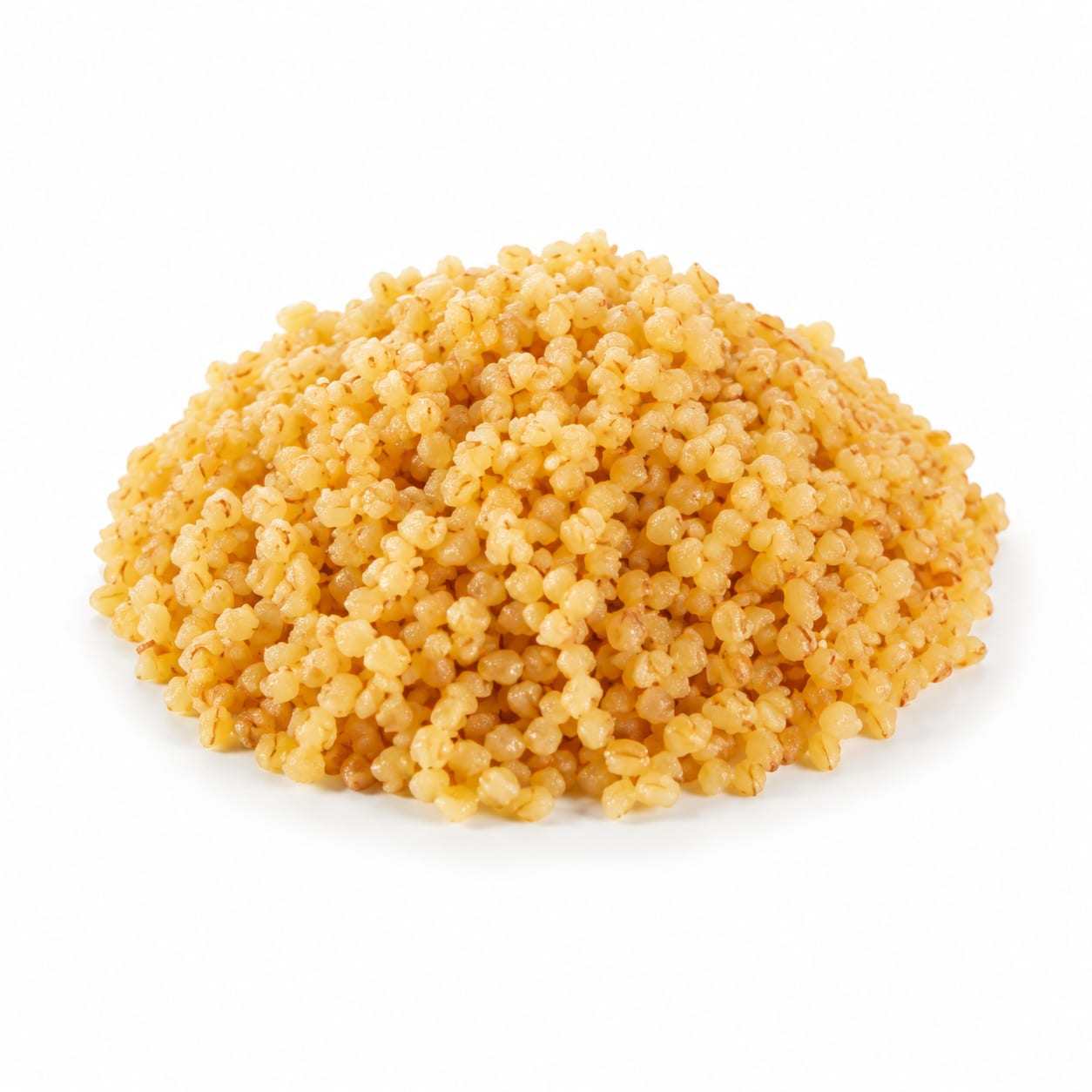
Bulgur
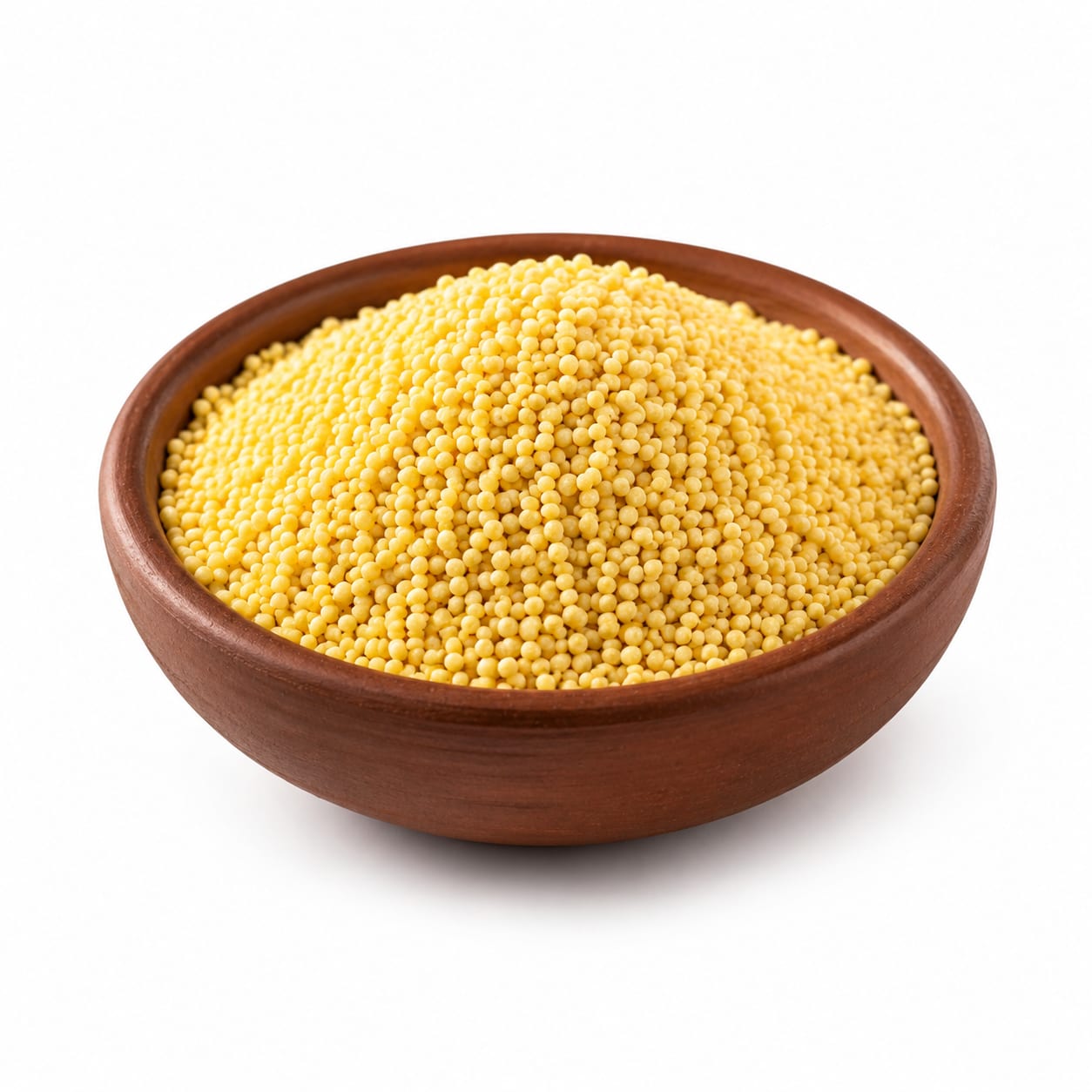
Millet
Bulgur is better for blood sugar control and quick meals, while Millet is the go-to gluten-free option with a slightly richer mineral profile.
Bulgur edges out Millet slightly for the general population due to superior fiber and blood sugar stability, but Millet is essential for those with gluten intolerance.
Lower glycemic index and faster cooking (Bulgur) versus gluten-free compatibility and higher mineral density (Millet).
At a glance
Executive summary
Overall
It depends
Healthier
It depends
More practical
Bulgur
Daily use
Bulgur
Key comparison lenses
Blood sugar management
Bulgur has a significantly lower glycemic index than Millet, making it a critical factor for energy stability and diabetes prevention.
Gluten-free diet compatibility
Millet is naturally gluten-free while Bulgur contains wheat, making this a deciding factor for those with celiac disease or gluten sensitivity.
Cooking convenience
Bulgur is parboiled and cooks in minutes, whereas Millet requires standard boiling times, impacting weeknight meal choices.
Mineral density
Millet offers superior magnesium and phosphorus content, which matters for bone health and muscle function.
Best choice for
Bulgur
- People managing blood sugar who want a fast-cooking grain like Bulgur
- Those seeking high fiber from Bulgur to stay full longer
Millet
- People with celiac disease who need Millet's gluten-free nature
- Those wanting a magnesium-rich grain like Millet for muscle recovery
Least suitable for
Bulgur
- People with wheat allergies or celiac disease who cannot tolerate Bulgur
- Those strictly avoiding gluten
Millet
- People strictly managing blood sugar spikes who might find Millet too high on the glycemic index
- Those wanting a quick-cooking grain for fast weeknight dinners
Deep comparison
Dimension by dimension
Each lens scores both foods and breaks down who each option suits.
- Dimension 1 · Priority 95Bulgur
Blood Sugar Stability
Bulgur · 88Millet · 65Bulgur has a significantly lower glycemic index than Millet, leading to steadier energy.
Tradeoff
You get better blood sugar control with Bulgur, but you miss out on Millet's gluten-free nature.
Why it matters
Preventing blood sugar spikes reduces afternoon crashes and long-term diabetes risk.
Real-world impact
Eating Bulgur at lunch means you are less likely to crave a snack at 3 PM.
Bulgur
- Diabetics looking for safe grains
- People prone to energy crashes
- Insulin-resistant individuals
Better for
- People who need strict gluten avoidance
Worse for
Millet
- Those who tolerate higher GI foods well
Better for
- People monitoring blood sugar closely
Worse for
- Dimension 2 · Priority 90Millet
Gluten and Digestive Compatibility
Bulgur · 40Millet · 95Millet is naturally gluten-free, making it safe for celiacs, while Bulgur contains wheat gluten.
Tradeoff
Millet is safer for sensitive guts, but lacks the dense fiber matrix of wheat-based Bulgur.
Why it matters
For those with celiac disease or gluten sensitivity, wheat causes severe inflammation and discomfort.
Real-world impact
Choosing Millet means no bloating or brain fog for those with gluten issues.
Bulgur
- People without gluten issues seeking maximum fiber
Better for
- Anyone with celiac disease or wheat allergy
Worse for
Millet
- Celiacs
- People with gluten intolerance
- Those with wheat allergies
Better for
- People wanting the lowest possible glycemic index
Worse for
- Dimension 3 · Priority 75Bulgur
Cooking Convenience
Bulgur · 95Millet · 70Bulgur is parboiled and cooks in minutes by just soaking, while Millet requires simmering.
Tradeoff
Bulgur saves time on busy weeknights, but Millet yields a fluffier, rice-like texture that works better in pilafs.
Why it matters
Convenience often dictates whether you actually cook a whole grain or reach for processed alternatives.
Real-world impact
Bulgur is ready by the time you finish chopping vegetables; Millet keeps you waiting at the stove.
Bulgur
- Busy professionals
- Meal preppers needing quick sides
- Students
Better for
- People wanting a fluffy, rice-like substitute
Worse for
Millet
- Those who enjoy slow cooking
- Pilaf lovers
Better for
- Anyone in a time crunch
Worse for
- Dimension 4 · Priority 70Millet
Mineral Density
Bulgur · 70Millet · 85Millet packs more magnesium, phosphorus, and copper than Bulgur, supporting bone and enzyme health.
Tradeoff
Millet offers a better mineral boost, but Bulgur compensates with slightly more iron and higher overall fiber.
Why it matters
Magnesium is crucial for muscle relaxation and sleep, and many diets fall short.
Real-world impact
Regularly eating Millet can help meet daily magnesium needs, potentially improving sleep quality and reducing cramps.
Bulgur
- Those needing more iron in their diet
Better for
- People relying on grains as their primary magnesium source
Worse for
Millet
- People with magnesium deficiency
- Those seeking bone support
- Athletes needing electrolytes
Better for
- Those who need a significant iron boost from grains
Worse for
Timeline
Health impact over time
Short-term
Hours to days
Bulgur
- Bulgur provides quick preparation and keeps you full longer due to high fiber
- Bulgur helps avoid sugar crashes after meals
Millet
- Millet provides steady energy for gluten-free diets
- Millet feels light on the stomach if avoiding wheat
Long-term
Months to years
Bulgur
- Bulgur supports heart health and stable blood sugar over the years
- Regular Bulgur consumption aids in digestive regularity
Millet
- Millet supports bone health and enzyme function via high magnesium
- Millet is great for long-term gluten-free adherence and thyroid health when consumed in moderation
Risk profile
Safety & processing
Both Bulgur and Millet are whole grains with minimal processing. Bulgur is simply parboiled and cracked wheat, while Millet is hulled. Neither typically contains artificial additives.
Bulgur
Gluten exposure
highBulgur contains wheat gluten, which is dangerous for those with celiac disease or severe gluten intolerance.
Millet
Goitrogenic compounds
lowMillet contains goitrogens that can interfere with thyroid function if consumed in massive quantities, though moderate intake is generally safe.
Who wins for whom
Audience fit
Same foods, different winners depending on your goal.
children
MilletMillet is gluten-free and easy to digest, making it a gentle, allergy-friendly option for kids.
daily consumption
BulgurFor those without gluten issues, Bulgur's fiber and blood sugar benefits make it a slightly better daily staple.
diabetes
BulgurBulgur's low glycemic index helps keep blood sugar stable, making it a safer choice for diabetics.
elderly
BulgurBulgur's superior fiber content helps combat common digestive regularity issues in older adults.
muscle gain
It dependsBoth grains offer similar moderate protein amounts, so neither stands out significantly for muscle building.
weight loss
BulgurBulgur's higher fiber and lower glycemic index make it more filling and better for controlling cravings.
Your move
Decision guide
Choose Bulgur
- You want faster cooking and better blood sugar control
- You need a high-fiber grain to stay full longer
- You have no issues with gluten
Choose Millet
- You are gluten-free or have celiac disease
- You want a fluffy rice substitute for pilafs
- You need a magnesium boost in your diet
Either works if
- You just need a healthy whole grain side dish
- You are looking to rotate grains for a diverse microbiome
Avoid both if
- You are on a strict low-carb or keto diet
- You have severe grain sensitivities
Final recommendation
Choose Bulgur for everyday meals if you tolerate gluten, as it offers better blood sugar control and convenience. Switch to Millet if you are gluten-free or looking to diversify your mineral intake.
Practical
Consumer tips
- 1
Rinse Millet before cooking to remove its natural bitter saponin coating.
- 2
Use Bulgur for no-cook meals like tabbouleh by simply soaking it in boiling water for 10 minutes.
- 3
Toast Millet in a dry pan before adding water for a nuttier flavor and fluffier texture.
- 4
Store both grains in airtight containers in a cool, dark place to prevent rancidity.