
Nutrition comparison
Bulgur vs White Rice: Which Grain is Healthier?
Compare Bulgur vs White Rice for blood sugar, weight loss, and nutrition. See which grain is better for your health goals and daily meals.
Overall winner · Bulgur
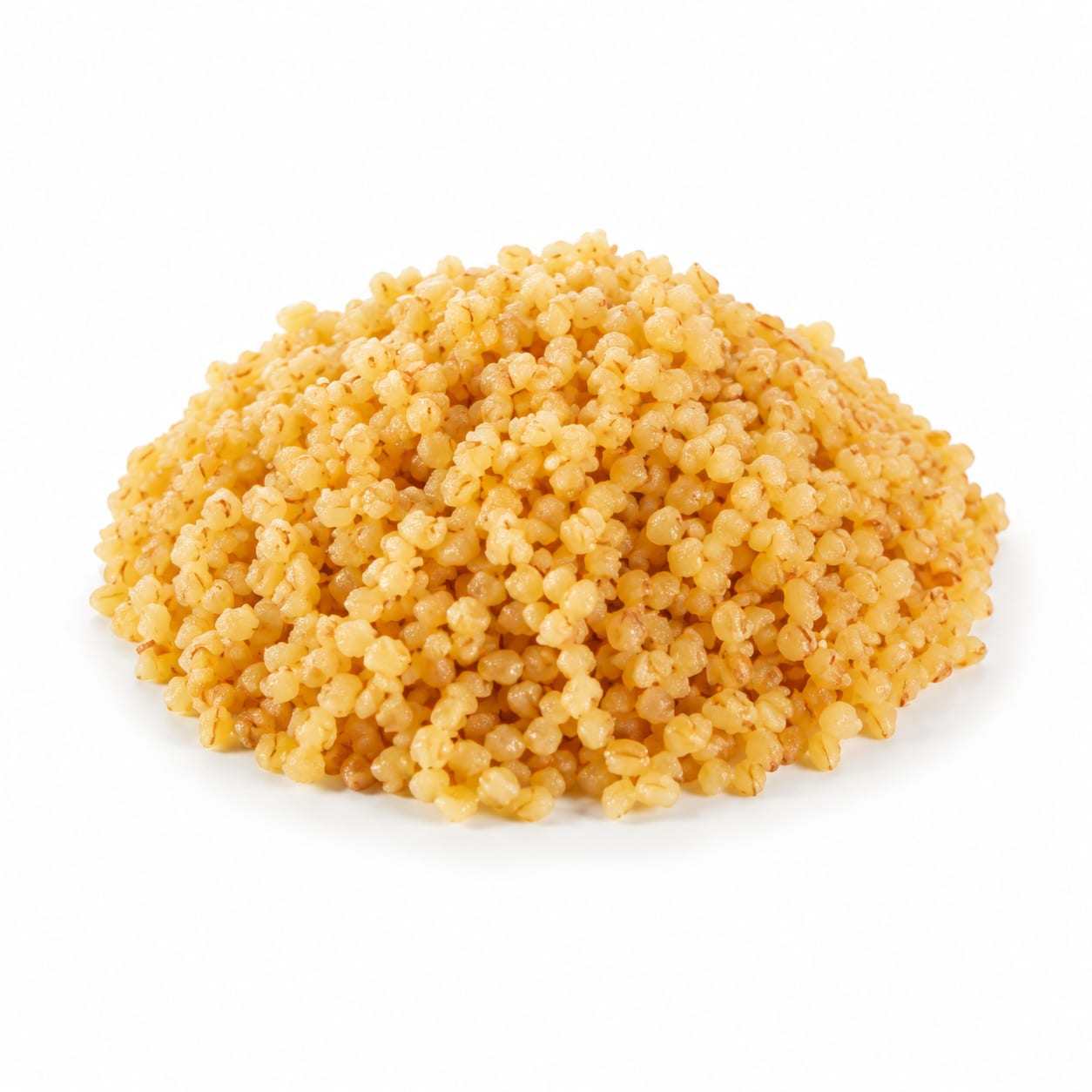
Bulgur
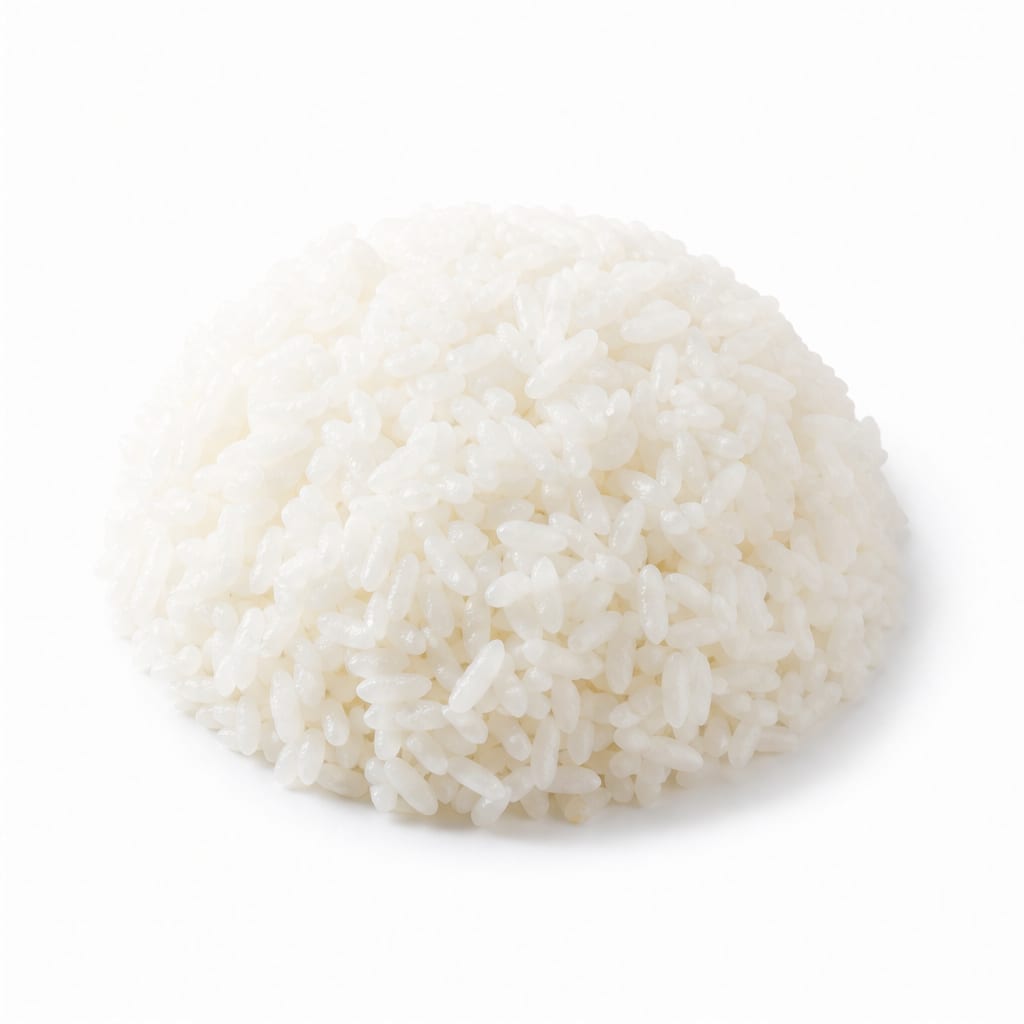
White Rice
Bulgur dominates for everyday health and steady energy, while White Rice is your gentle, quick-digesting fallback.
Bulgur scores significantly higher due to its superior fiber content, blood sugar stability, and nutrient density, while White Rice only excels in digestibility and quick energy.
You trade the rapid, easy energy of White Rice for the long-lasting fullness and nutritional depth of Bulgur.
At a glance
Executive summary
Overall
Bulgur
Healthier
Bulgur
More practical
White Rice
Daily use
Bulgur
Key comparison lenses
Blood sugar control and diabetes prevention
The massive difference in fiber and glycemic index between these two grains makes blood sugar impact the primary concern.
Weight management and satiety
Fiber content directly drives how full you feel, making one grain far more supportive of portion control than the other.
Nutrient density per calorie
Bulgur retains its bran and germ, offering significantly more vitamins and minerals than stripped-down White Rice.
Digestive tolerance and gentleness
White Rice is a classic bland food for upset stomachs, while Bulgur's roughage can be irritating during GI distress.
Best choice for
Bulgur
- People managing diabetes or insulin resistance
- Those seeking weight loss without feeling hungry
- Anyone wanting steady energy through the afternoon
White Rice
- Athletes needing fast carbs after a workout
- People recovering from a stomach bug
- Picky eaters who dislike nutty whole grains
Least suitable for
Bulgur
- People with celiac disease or severe gluten intolerance
- Those on a low-residue diet for digestive healing
White Rice
- People trying to reverse metabolic syndrome
- Those struggling with chronic constipation
Deep comparison
Dimension by dimension
Each lens scores both foods and breaks down who each option suits.
- Dimension 1 · Priority 95Bulgur
Blood Sugar Stability
Bulgur · 88White Rice · 35Bulgur digests slowly due to its high fiber content, preventing sugar spikes, whereas White Rice causes rapid blood sugar fluctuations.
Tradeoff
White Rice gives you quick energy but leads to crashes, while Bulgur provides a slow, steady burn.
Why it matters
Stable blood sugar means fewer afternoon energy crashes and reduced cravings.
Real-world impact
Eating Bulgur at lunch keeps you alert until dinner; White Rice might leave you reaching for a snack by 3 PM.
Bulgur
- Steady energy levels
- Diabetes management
- Avoiding sugar crashes
Better for
- Situations requiring immediate fast energy
Worse for
White Rice
- Quick post-workout glycogen replenishment
- Carb-loading before intense exercise
Better for
- Sedentary evenings
- Managing insulin resistance
Worse for
- Dimension 2 · Priority 90Bulgur
Satiety & Fullness
Bulgur · 85White Rice · 40Bulgur is far more filling per calorie than White Rice, largely thanks to its intact fiber.
Tradeoff
White Rice is easier to eat in large quantities, which can be a pro for bulking but a con for weight management.
Why it matters
Feeling full helps you naturally eat less without counting calories.
Real-world impact
A bowl of Bulgur keeps hunger at bay for hours; the same bowl of White Rice might leave you hungry an hour later.
Bulgur
- Weight management
- Reducing snacking between meals
- Portion control without hunger
Better for
- Those who struggle to eat enough calories
Worse for
White Rice
- Athletes needing to consume high carb volumes
- People with poor appetite who need easy calories
Better for
- Anyone prone to overeating carbs
Worse for
- Dimension 3 · Priority 80White Rice
Digestive Tolerance & Gentleness
Bulgur · 45White Rice · 92White Rice is extremely easy to digest and is a staple remedy for upset stomachs, while Bulgur's fiber can be irritating during GI distress.
Tradeoff
Bulgur feeds your gut microbiome long-term, but White Rice is the ultimate comfort food when your stomach is already upset.
Why it matters
When dealing with nausea, IBS flares, or recovery, low-fiber foods are often necessary.
Real-world impact
White Rice is the classic sick-day food; Bulgur is better reserved for when your digestion is at full strength.
Bulgur
- Long-term gut microbiome health
- Preventing constipation
Better for
- Acute gastrointestinal distress
- Low-residue diet requirements
Worse for
White Rice
- Recovering from stomach bugs
- Soothing IBS flare-ups
- Easing nausea
Better for
- Chronic constipation
- Sluggish digestion
Worse for
- Dimension 4 · Priority 85Bulgur
Nutrient Density
Bulgur · 78White Rice · 30Because Bulgur retains its bran and germ, it offers significantly more B vitamins, iron, and magnesium than milled White Rice.
Tradeoff
You sacrifice some of the mild, neutral flavor of White Rice for a nuttier taste and a much richer nutritional profile in Bulgur.
Why it matters
Getting vitamins from your carbs means your food works harder for you beyond just providing energy.
Real-world impact
Choosing Bulgur helps you meet your daily mineral needs effortlessly; White Rice is essentially empty calories unless enriched.
Bulgur
- Boosting iron intake
- Getting more B vitamins naturally
- Maximizing nutrition per bite
Better for
- Dishes where a nutty flavor clashes with delicate sauces
Worse for
White Rice
- Culinary neutrality when flavors come from sauces or curries
Better for
- Preventing nutrient deficiencies on a high-carb diet
Worse for
Timeline
Health impact over time
Short-term
Hours to days
Bulgur
- Sustained energy without crashes
- Promotes regular bowel movements
White Rice
- Rapid energy availability
- Can trigger hunger and fatigue shortly after eating
Long-term
Months to years
Bulgur
- Lower risk of type 2 diabetes
- Improved heart health due to fiber
- Better weight management
White Rice
- Increased risk of metabolic syndrome if consumed frequently
- Potential for chronic constipation
Risk profile
Safety & processing
Bulgur is simply parboiled, dried, and cracked wheat, retaining its whole grain status. White Rice is heavily milled and polished to remove the bran and germ, stripping away most natural nutrients.
Bulgur
Gluten exposure
highBulgur contains wheat, making it completely unsafe for those with celiac disease or severe gluten intolerance.
Pesticide residue
lowConventional wheat may have some pesticide residue, but washing and cooking reduces this significantly.
White Rice
Arsenic contamination
mediumRice is a known accumulator of inorganic arsenic, which can pose long-term health risks, especially with heavy daily consumption.
Who wins for whom
Audience fit
Same foods, different winners depending on your goal.
children
White RiceWhite Rice is mild, easy to chew, and gentle on developing digestive systems, making it a reliable food for picky eaters.
daily consumption
BulgurBulgur provides steady energy, better nutrition, and long-term metabolic benefits for daily eating.
diabetes
BulgurBulgur has a significantly lower glycemic index and higher fiber, preventing dangerous blood sugar spikes.
elderly
It dependsBulgur is better for preventing constipation and managing blood sugar, but White Rice is preferable for those with dental issues or fragile digestion.
muscle gain
White RiceWhite Rice provides fast-digesting carbs that are ideal for post-workout glycogen replenishment without causing bloating.
weight loss
BulgurBulgur's high fiber content keeps you full longer, making it much easier to control portions and avoid overeating.
Your move
Decision guide
Choose Bulgur
- You want to stay full and energized for hours
- You are managing blood sugar or trying to lose weight
- You want more nutrients from your carb sources
Choose White Rice
- You need quick energy after a heavy workout
- You have an upset stomach or digestive distress
- You are cooking for picky eaters who dislike whole grains
Either works if
- You are mixing the grain with a heavy protein and vegetable sauce where the grain is just a vehicle
- You are eating it occasionally rather than as a daily staple
Avoid both if
- You are on a strict ketogenic or very low-carb diet
- You have severe sensitivities to both gluten and arsenic
Final recommendation
Make Bulgur your everyday grain for its metabolic and nutritional benefits, but keep White Rice on hand for post-workout recovery and sick days.
Practical
Consumer tips
- 1
Rinse White Rice thoroughly before cooking to reduce arsenic levels.
- 2
Swap White Rice for Bulgur in pilafs, tabbouleh, or stuffed peppers for a nutritional upgrade.
- 3
If transitioning to Bulgur, start by mixing it 50/50 with White Rice to get used to the nuttier texture.
- 4
Cook Bulgur by simply pouring boiling water over it and letting it sit, making it almost as fast as instant rice.