
Nutrition comparison
Bulgur vs Quinoa: Which Grain is Healthier?
Compare Bulgur and Quinoa to find out which is better for weight loss, blood sugar, and protein. Discover the nutritional tradeoffs and which grain fits your diet.
Overall winner · Quinoa
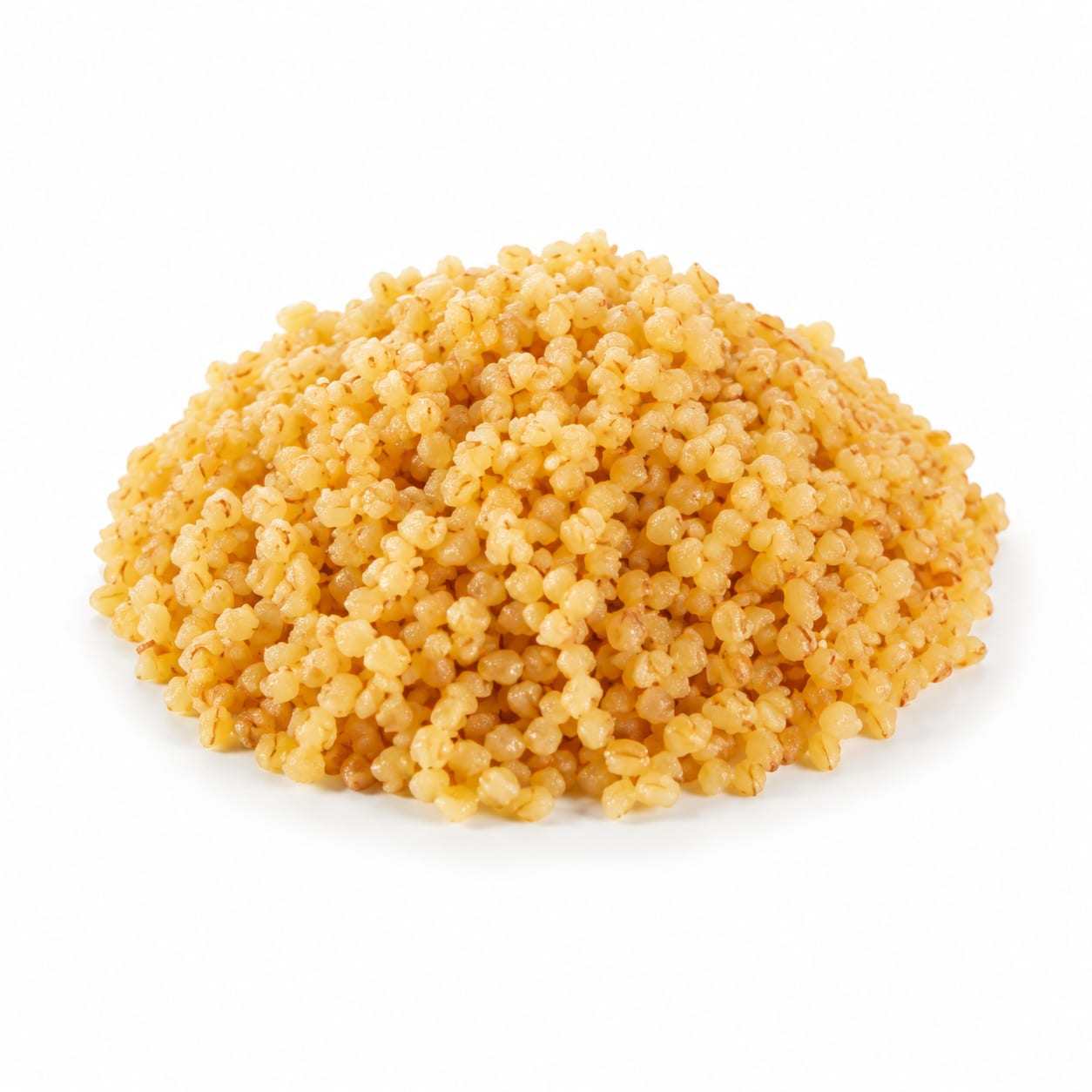
Bulgur
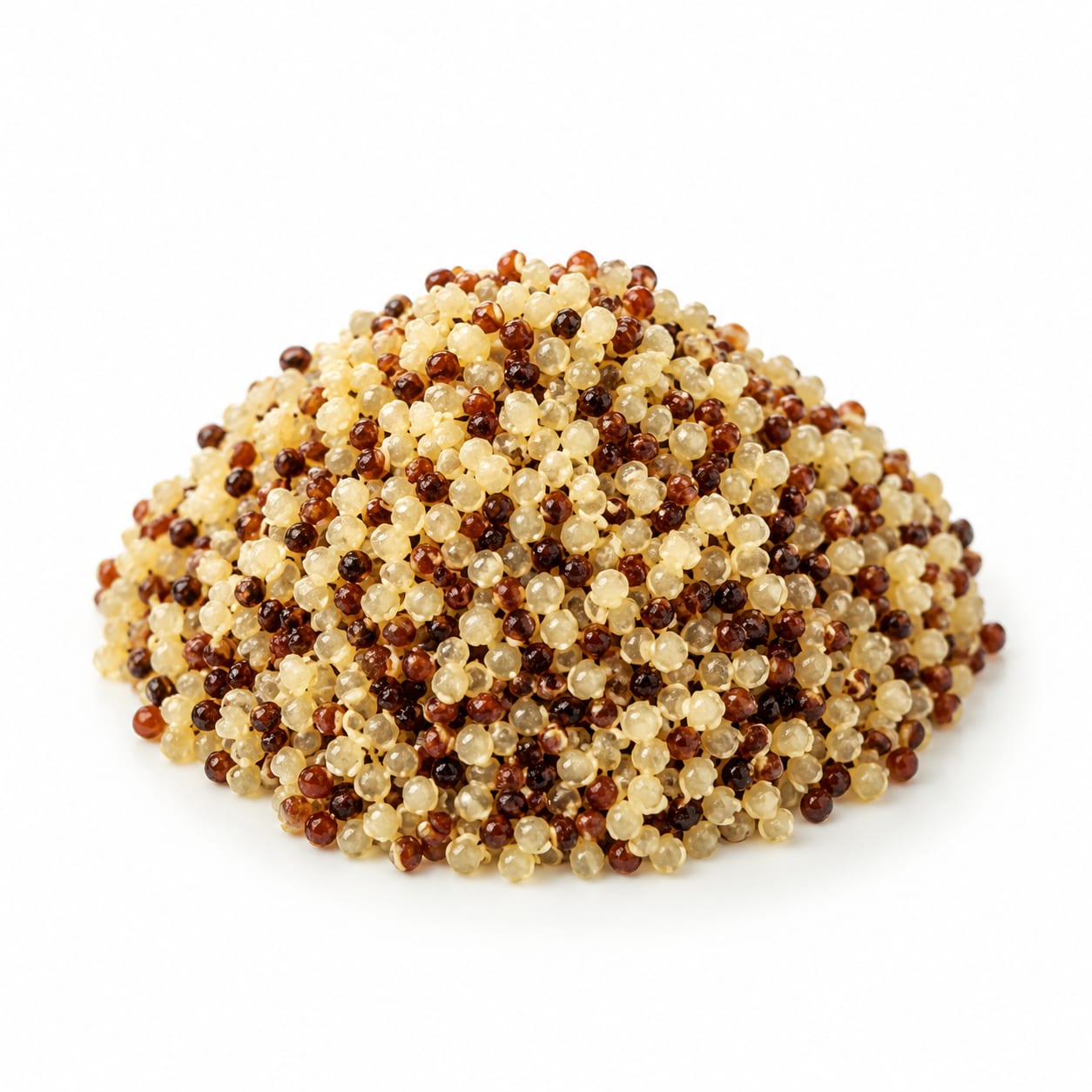
Quinoa
Quinoa edges out Bulgur with its complete protein and gluten-free status, but Bulgur fights back with superior fiber, steadier blood sugar, and unbeatable convenience.
Quinoa scores higher overall due to its complete amino acid profile and broad dietary compatibility, but Bulgur remains a top-tier whole grain for metabolic health and convenience.
Complete protein and gluten-free versatility versus higher fiber, better blood sugar control, and faster prep time.
At a glance
Executive summary
Overall
Quinoa
Healthier
Quinoa
More practical
Bulgur
Daily use
It depends
Key comparison lenses
Protein quality and completeness
Quinoa is famous for being a complete plant protein, while Bulgur is not.
Blood sugar management
Bulgur has a notably lower glycemic index, making it a key differentiator for diabetics.
Gluten sensitivity and dietary restrictions
Bulgur contains gluten, ruling it out for celiacs, whereas Quinoa is naturally gluten-free.
Cooking convenience
Bulgur is parboiled and cooks in minutes, while Quinoa requires longer simmering and rinsing.
Best choice for
Bulgur
- People managing diabetes or insulin resistance
- Those seeking maximum fiber on a budget
- Busy weeknight dinners needing a 10-minute side dish
Quinoa
- Vegans and vegetarians needing complete protein
- Anyone with celiac disease or gluten sensitivity
- Those looking to increase overall mineral intake like magnesium and iron
Least suitable for
Bulgur
- People with celiac disease or wheat allergies
- Those on a low-fiber diet for digestive rest
Quinoa
- People strictly monitoring oxalate intake for kidney stones
- Those on a very tight grocery budget
Deep comparison
Dimension by dimension
Each lens scores both foods and breaks down who each option suits.
- Dimension 1 · Priority 90Quinoa
Nutritional Density & Protein Quality
Bulgur · 70Quinoa · 90Quinoa provides all nine essential amino acids, making it a rare complete plant protein, while Bulgur falls short on lysine.
Tradeoff
You get more protein and better amino acid balance with Quinoa, but Bulgur offers more fiber per serving.
Why it matters
Complete proteins are crucial for muscle repair and cell function, especially if you eat little to no meat.
Real-world impact
Eating Quinoa as your base means you don't have to pair it with beans or nuts to get a balanced protein hit.
Bulgur
- Increasing daily fiber intake easily
Better for
- Reliance on other foods to complete its protein profile
Worse for
Quinoa
- Building or maintaining muscle on a plant-based diet
- Getting a full amino acid profile in one bowl
Better for
- Slightly lower fiber content per calorie
Worse for
- Dimension 2 · Priority 85Bulgur
Blood Sugar Stability
Bulgur · 88Quinoa · 72Bulgur digests slowly and causes a much gentler blood sugar rise compared to Quinoa.
Tradeoff
Bulgur keeps your energy steadier and longer, while Quinoa provides quicker energy that fades faster.
Why it matters
Steady blood sugar prevents the afternoon energy crash and reduces cravings for sugary snacks.
Real-world impact
A Bulgur lunch bowl will likely keep you full and focused until dinner, whereas Quinoa might leave you hunting for a snack an hour earlier.
Bulgur
- Preventing mid-afternoon energy crashes
- Managing insulin resistance or prediabetes
Better for
- Might feel too heavy right before intense exercise
Worse for
Quinoa
- Pre-workout energy that digests a bit faster
Better for
- Higher glycemic load can trigger cravings if eaten alone
Worse for
- Dimension 3 · Priority 75Bulgur
Convenience & Prep Time
Bulgur · 92Quinoa · 65Because Bulgur is parboiled and cracked, it cooks in about 10 minutes with just hot water. Quinoa requires rinsing and 15-20 minutes of simmering.
Tradeoff
Bulgur is a weeknight dinner hero, while Quinoa demands a bit more planning and active cooking.
Why it matters
When you are hungry and tired, a 10-minute grain beats a 20-minute grain every time.
Real-world impact
You can throw Bulgur in a bowl, pour boiling water over it, and it is ready by the time your chicken is rested and sliced.
Bulgur
- Quick weeknight meals after a long workday
- Meal prep when time is extremely limited
Better for
- None really, it is exceptionally convenient
Worse for
Quinoa
- Cold salads where the fluffier texture holds up well over days
Better for
- Forgetting to rinse leads to a bitter, soapy taste from saponins
Worse for
- Dimension 4 · Priority 80Quinoa
Dietary Compatibility & Allergens
Bulgur · 40Quinoa · 95Quinoa is naturally gluten-free, making it safe for celiacs. Bulgur is made from wheat and contains gluten.
Tradeoff
Quinoa is universally shareable at potlucks and dinner parties, while Bulgur excludes anyone with gluten issues.
Why it matters
Gluten intolerance and celiac disease are common, and cross-contamination risks make wheat grains a no-go for many.
Real-world impact
Serving Quinoa at a gathering means everyone can eat it without asking about ingredients first.
Bulgur
- People without gluten issues who want traditional Middle Eastern flavors
Better for
- Completely off-limits for anyone avoiding wheat
Worse for
Quinoa
- Celiacs and those with non-celiac gluten sensitivity
- Inclusive dinner parties with unknown dietary restrictions
Better for
- Contains oxalates, which can bother some kidney stone formers
Worse for
Timeline
Health impact over time
Short-term
Hours to days
Bulgur
- Highly filling, reduces the urge to snack between meals
- Very gentle on blood sugar, preventing energy spikes and crashes
Quinoa
- Provides a solid protein boost that helps with immediate satiety
- Can cause mild stomach upset if the bitter saponins are not rinsed off
Long-term
Months to years
Bulgur
- Excellent for long-term gut health due to high insoluble fiber
- Consistent blood sugar control helps reduce risk of type 2 diabetes
Quinoa
- Complete protein supports muscle maintenance as you age
- Rich in magnesium and iron, supporting heart and bone health long-term
Risk profile
Safety & processing
Both are whole foods in their natural state. Bulgur undergoes parboiling and cracking, which is a traditional mechanical process, not a chemical one. Quinoa is simply harvested and cleaned.
Bulgur
Gluten exposure
highContains wheat gluten, which triggers severe autoimmune reactions in people with celiac disease.
Pesticide residue
mediumConventional wheat is often heavily sprayed with pesticides like glyphosate as a pre-harvest desiccant.
Quinoa
Saponin toxicity
lowNaturally occurring saponins coat the seeds and can cause digestive distress or a bitter taste if not thoroughly rinsed before cooking.
Oxalate content
mediumContains moderate oxalates, which can contribute to kidney stone formation in susceptible individuals.
Who wins for whom
Audience fit
Same foods, different winners depending on your goal.
children
QuinoaQuinoa is gluten-free, packs complete protein for growing bodies, and has a softer, fluffier texture that kids often prefer over chewy grains.
daily consumption
It dependsAlternate both. Bulgur provides unbeatable fiber and blood sugar stability, while Quinoa delivers complete protein and vital minerals.
diabetes
BulgurBulgur has a significantly lower glycemic index, causing slower, more manageable blood sugar rises.
elderly
QuinoaThe complete protein in Quinoa helps prevent age-related muscle loss, and its gluten-free nature is gentler on aging digestive systems that may develop sensitivities.
muscle gain
QuinoaQuinoa offers more protein per serving and contains all essential amino acids, making it far superior for muscle repair and growth.
weight loss
BulgurBulgur has fewer calories per serving and more fiber, keeping you fuller on less energy, which makes sticking to a calorie deficit easier.
Your move
Decision guide
Choose Bulgur
- You want the most filling, lowest-calorie grain for weight management
- You need a fast-cooking side dish for busy weeknights
- You are focused on stabilizing blood sugar and improving gut health
Choose Quinoa
- You eat a plant-based diet and need a complete protein source
- You are gluten-free or cooking for someone who is
- You want a fluffier, lighter texture for grain bowls or salads
Either works if
- You just need a healthy whole grain base for roasted veggies and lean protein
- You are meal-prepping lunches for the week
Avoid both if
- You are on a strict low-carb or ketogenic diet
Final recommendation
Keep both in your pantry. Use Bulgur when you need something fast, filling, and blood-sugar friendly, and reach for Quinoa when you need a protein boost or a gluten-free option. Rotating them gives you the best of both worlds.
Practical
Consumer tips
- 1
Always rinse Quinoa under cold water for at least 30 seconds to remove the bitter saponin coating.
- 2
To cook Bulgur quickly, just cover it with boiling water, put a lid on it, and let it steam for 10 minutes off the heat.
- 3
Buy organic Bulgur if you are concerned about glyphosate pre-harvest spraying on conventional wheat.
- 4
Toast either grain in a dry pan for a few minutes before cooking to bring out a nuttier, richer flavor.