
Nutrition comparison
Bulgur vs Buckwheat: Which Grain Is Healthier for You?
Compare bulgur and buckwheat on nutrition, gluten, protein quality, blood sugar impact, and convenience. Find out which whole grain fits your health goals and lifestyle best.
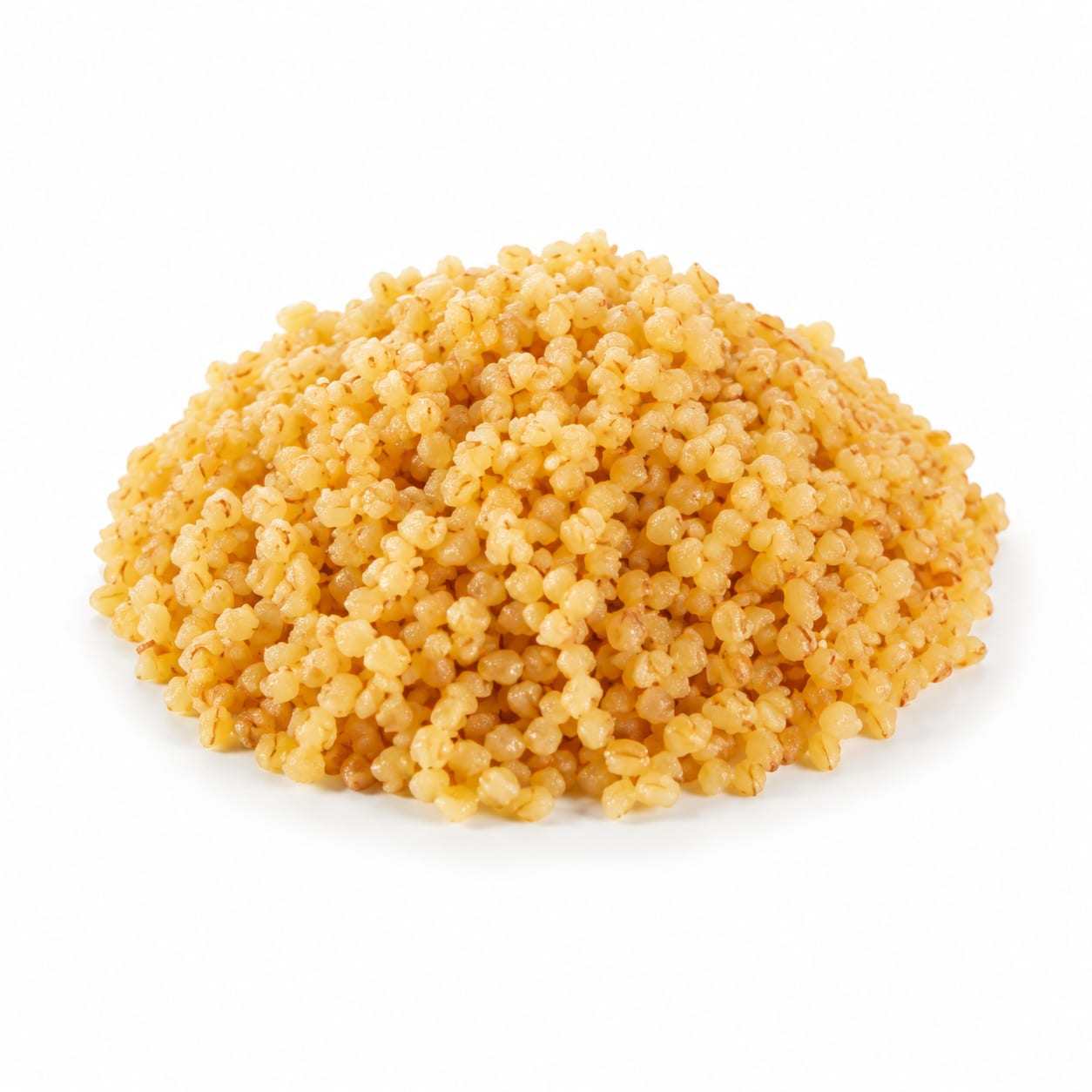
Bulgur
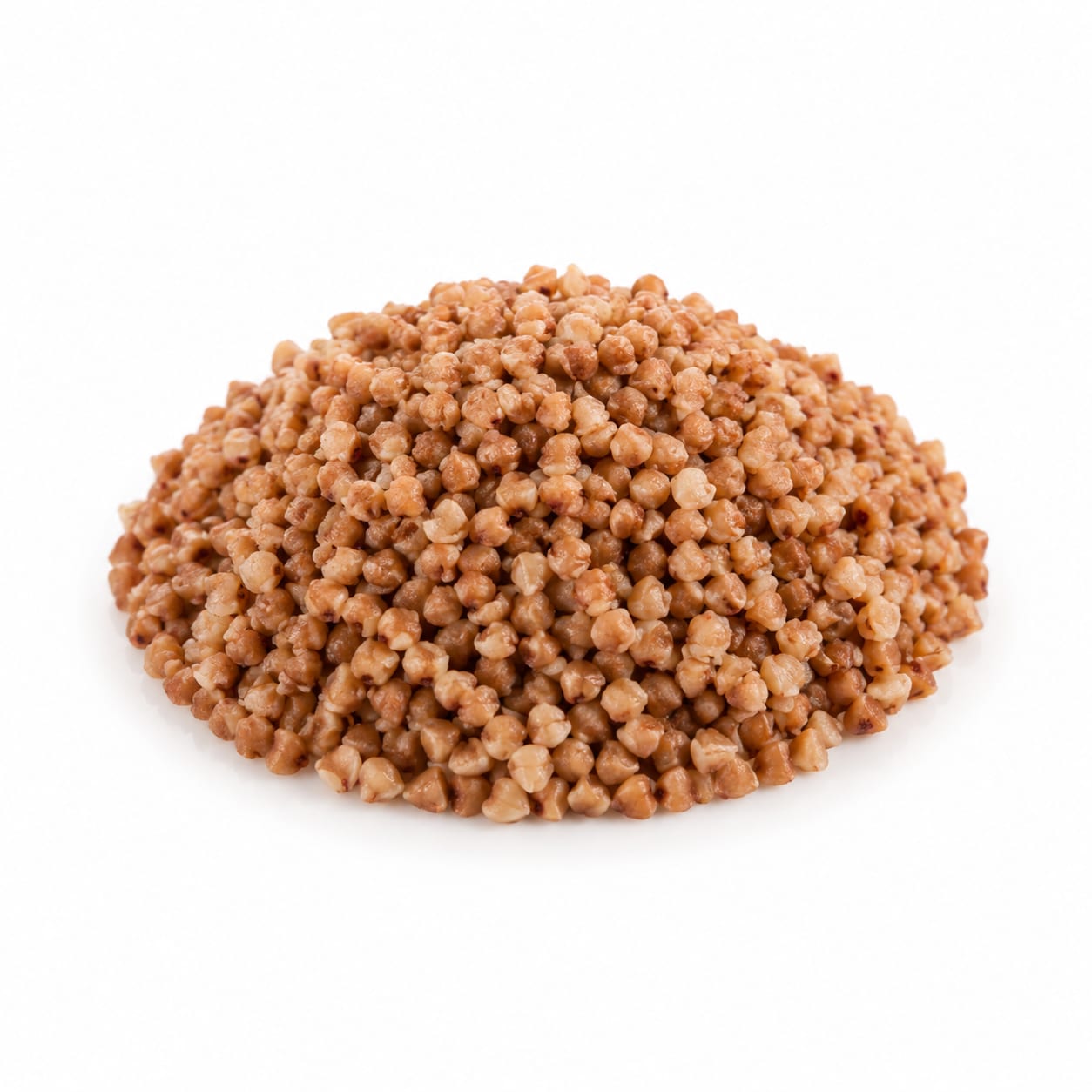
Buckwheat
Buckwheat wins on nutrition and gluten-free needs; bulgur wins on convenience and everyday practicality.
Buckwheat scores higher due to its complete protein, rutin antioxidant content, and gluten-free status. Bulgur stays competitive through superior convenience, faster cooking, and broader culinary familiarity. The gap reflects nutrition vs. practicality tradeoff.
Buckwheat delivers superior protein quality, antioxidants, and gluten-free safety, but bulgur offers unmatched cooking speed and a milder flavor that fits more meals effortlessly.
At a glance
Executive summary
Overall
It depends
Healthier
Buckwheat
More practical
Bulgur
Daily use
Bulgur
Key comparison lenses
gluten sensitivity and digestive tolerance
Bulgur contains gluten as a wheat product, while buckwheat is naturally gluten-free — this is the single most decisive difference for many consumers
blood sugar management
Both are whole grains praised for steady energy, but their glycemic responses differ meaningfully for diabetics and metabolic health
protein quality and completeness
Buckwheat offers a more complete amino acid profile, which matters for vegetarians and vegans relying on grains for protein
convenience and cooking practicality
Bulgur's parboiled nature makes it significantly faster to prepare, a real factor for weekly meal planning
antioxidant and anti inflammatory benefits
Buckwheat's rutin content provides unique cardiovascular benefits that bulgur cannot match
Best choice for
Bulgur
- Busy weeknight dinners needing a fast whole grain
- Meal preppers who want a neutral base for bowls and salads
- Anyone without gluten concerns who values convenience
- Middle Eastern and Mediterranean cooking enthusiasts
Buckwheat
- People with celiac disease or gluten sensitivity
- Vegetarians and vegans seeking complete protein from grains
- Those focused on heart health and circulation
- Anyone wanting to diversify away from wheat-based grains
Least suitable for
Bulgur
- Anyone with celiac disease or wheat allergy
- People trying to reduce wheat consumption
- Those seeking a complete protein source from grains
Buckwheat
- People who dislike strong nutty or earthy flavors
- Anyone needing a 10-minute side dish on busy nights
- Those sensitive to buckwheat's slightly heavier texture
Deep comparison
Dimension by dimension
Each lens scores both foods and breaks down who each option suits.
- Dimension 1 · Priority 95Buckwheat
gluten_and_digestive_tolerance
Bulgur · 30Buckwheat · 100Bulgur is wheat and contains gluten; buckwheat is a seed with zero gluten despite its misleading name.
Tradeoff
If you need gluten-free, buckwheat is the clear choice with no compromise. If gluten is not a concern, this dimension becomes irrelevant.
Why it matters
Roughly 6% of people have non-celiac gluten sensitivity and 1% have celiac disease. For them, bulgur is off the table entirely.
Real-world impact
Eating bulgur with gluten sensitivity means bloating, brain fog, or worse within hours. Buckwheat lets you enjoy a hearty grain bowl with zero worry.
Bulgur
- People with no gluten issues who prefer wheat's familiar texture
Better for
- Celiac patients — bulgur is strictly unsafe
- Those with irritable bowel syndrome triggered by wheat
Worse for
Buckwheat
- Anyone with celiac disease, gluten intolerance, or wheat allergy
- People reducing wheat as part of an elimination diet
- Households cooking for mixed dietary needs where gluten-free is safer
Better for
- No digestive downside for buckwheat on this dimension
Worse for
- Dimension 2 · Priority 85Buckwheat
blood_sugar_stability
Bulgur · 72Buckwheat · 84Both are better than refined grains, but buckwheat causes a slower, steadier rise in blood sugar.
Tradeoff
Bulgur's parboiling process slightly increases its glycemic impact compared to buckwheat's dense, slow-digesting structure.
Why it matters
Steadier blood sugar means fewer afternoon energy crashes, less cravings, and better long-term metabolic health.
Real-world impact
A buckwheat lunch keeps you satisfied until dinner. Bulgur is still solid, but you might reach for a snack an hour earlier.
Bulgur
- Pre-workout meals where slightly faster energy release is helpful
Better for
- Those monitoring glycemic load closely
Worse for
Buckwheat
- Diabetics managing post-meal glucose spikes
- Anyone prone to afternoon energy crashes
- People trying to reduce sugar cravings between meals
Better for
- Endurance athletes needing quicker carbohydrate availability
Worse for
- Dimension 3 · Priority 80Buckwheat
protein_quality_and_completeness
Bulgur · 55Buckwheat · 85Buckwheat provides all essential amino acids in meaningful amounts; bulgur's protein is incomplete.
Tradeoff
Bulgur has decent total protein but lacks lysine. Buckwheat is one of the few plant foods with a complete amino acid profile.
Why it matters
Complete protein means better muscle maintenance, satiety, and less need to combine foods strategically — especially for plant-based eaters.
Real-world impact
A buckwheat bowl with vegetables is a complete meal protein-wise. With bulgur, you'd want to add beans or eggs to fill the amino acid gaps.
Bulgur
- Meals already paired with legumes or animal protein where completeness matters less
Better for
- Plant-based eaters relying on grains as a primary protein source
Worse for
Buckwheat
- Vegans and vegetarians needing complete protein from grains
- Anyone eating grain-only light meals who wants better satiety
- Older adults preserving muscle mass with limited protein sources
Better for
- No real downside — buckwheat's protein quality is a clear advantage
Worse for
- Dimension 4 · Priority 75Bulgur
convenience_and_cooking_speed
Bulgur · 92Buckwheat · 50Bulgur cooks in 10-12 minutes by soaking; buckwheat groats need 20-30 minutes of simmering.
Tradeoff
Bulgur's parboiling is a preprocessing step that saves you time at home. Buckwheat's raw state means more stovetop patience.
Why it matters
On a Tuesday night after work, 10 minutes versus 30 minutes is the difference between cooking and ordering takeout.
Real-world impact
Bulgur is a realistic weeknight staple. Buckwheat requires planning ahead or using pre-cooked versions.
Bulgur
- Weeknight dinners with limited time
- Meal prepping large batches quickly
- Last-minute side dishes when you forgot to plan
Better for
- No real convenience downside — bulgur excels here
Worse for
Buckwheat
- Weekend cooking when time pressure is lower
- Slow-cooked stews and porridges where longer cooking adds flavor
Better for
- Busy parents who cannot afford 30-minute grain cooking
- Anyone used to the convenience of instant or quick-cooking grains
Worse for
- Dimension 5 · Priority 70Buckwheat
antioxidant_and_heart_health_benefits
Bulgur · 55Buckwheat · 88Buckwheat is rich in rutin, a unique antioxidant that strengthens blood vessels and supports circulation.
Tradeoff
Bulgur offers standard whole grain antioxidants. Buckwheat provides rutin, which is rare in most foods and specifically benefits cardiovascular health.
Why it matters
Rutin helps maintain flexible, healthy blood vessels and may lower blood pressure over time — a benefit you cannot easily get from other grains.
Real-world impact
Regular buckwheat consumption is linked to better circulation and lower blood pressure. Bulgur supports general health but without this specific cardiovascular edge.
Bulgur
- General whole grain health benefits without specific cardiovascular focus
Better for
- People specifically targeting heart and vascular health through diet
Worse for
Buckwheat
- People with hypertension or poor circulation
- Anyone with a family history of cardiovascular disease
- Those seeking maximum antioxidant diversity in their diet
Better for
- No antioxidant downside — buckwheat is clearly superior here
Worse for
- Dimension 6 · Priority 65Bulgur
flavor_versatility_and_culinary_fit
Bulgur · 82Buckwheat · 68Bulgur's mild, nutty flavor blends into almost any dish. Buckwheat's strong earthy taste dominates and divides opinion.
Tradeoff
Bulgur is a culinary team player. Buckwheat is a star with a bold personality — it works brilliantly in some dishes and clashes in others.
Why it matters
A grain you enjoy eating consistently matters more than a nutritionally superior grain that sits in your pantry untouched.
Real-world impact
Bulgur disappears into salads, soups, and bowls without complaint. Buckwheat demands recipes built around its flavor — think soba noodles, kasha, or buckwheat pancakes.
Bulgur
- Neutral base for grain bowls and meal prep
- Tabbouleh and Mediterranean salads
- Families with picky eaters who dislike strong flavors
Better for
- Cuisines where a bolder grain flavor is expected
Worse for
Buckwheat
- Eastern European and Japanese cuisine where its flavor shines
- Adventurous eaters who enjoy robust, earthy tastes
- Breakfast porridges with honey and fruit that complement its depth
Better for
- Delicate dishes where grain flavor should stay in the background
- Kids or adults who find earthy flavors off-putting
Worse for
Timeline
Health impact over time
Short-term
Hours to days
Bulgur
- Quick, satisfying energy from easily digestible carbohydrates
- Mild blood sugar rise that stabilizes within 2 hours for most people
- Gluten-triggered bloating or discomfort in sensitive individuals
Buckwheat
- Steady, slow-release energy with minimal blood sugar spike
- Higher satiety from complete protein keeping you full longer
- Possible adjustment period for digestive system unaccustomed to high rutin intake
Long-term
Months to years
Bulgur
- Consistent whole grain intake supporting heart health and regular digestion
- Ongoing gluten exposure with cumulative inflammatory potential for sensitive people
- Moderate protection against type 2 diabetes through fiber intake
Buckwheat
- Improved vascular health and blood pressure from regular rutin consumption
- Better long-term blood sugar regulation and insulin sensitivity
- Sustained complete protein intake supporting muscle preservation with aging
Risk profile
Safety & processing
Both are single-ingredient whole foods with minimal processing. Bulgur's parboiling is a traditional method, not an industrial process. Buckwheat groats are simply hulled seeds. Neither contains additives, preservatives, or artificial ingredients when purchased in their basic form.
Bulgur
gluten_exposure
highBulgur is wheat and contains gluten. For celiac patients, even trace cross-contamination can trigger serious autoimmune reactions.
cross_contamination_in_processing
lowSome bulgur processing facilities handle multiple grains, creating minor cross-contamination risk for those with severe allergies.
Buckwheat
mislabeling_or_cross_contamination_with_wheat
mediumDespite being naturally gluten-free, buckwheat is often processed on shared equipment with wheat. Celiacs must verify certified gluten-free labeling.
allergic_reaction_in_susceptible_individuals
lowBuckwheat allergy is rare but can be severe. More commonly reported in East Asian populations where buckwheat consumption is higher.
Who wins for whom
Audience fit
Same foods, different winners depending on your goal.
children
BulgurMilder flavor and softer texture make bulgur more kid-friendly. Most children accept bulgur in familiar dishes like tabbouleh or pilafs more readily than buckwheat's earthy taste.
daily consumption
BulgurBulgur's quick cooking, neutral flavor, and culinary flexibility make it easier to eat every day without fatigue. Buckwheat's strong flavor can become monotonous with daily use.
diabetes
BuckwheatLower glycemic impact and compounds like D-chiro-inositol that improve insulin sensitivity make buckwheat the safer choice for blood sugar management.
elderly
BuckwheatBuckwheat's rutin supports vascular health, complete protein helps prevent age-related muscle loss, and better blood sugar regulation matters more with aging metabolism.
muscle gain
BuckwheatComplete protein with all essential amino acids supports muscle repair more effectively, though neither grain is a primary protein source for serious athletes.
weight loss
BuckwheatBuckwheat's higher protein and slower digestion provide better satiety per calorie, making it easier to eat less overall without feeling deprived.
Your move
Decision guide
Choose Bulgur
- You need a fast-cooking whole grain for busy weeknights
- Gluten is not a concern and you want maximum convenience
- You cook Mediterranean or Middle Eastern food regularly
- You prefer grains that blend into dishes rather than standing out
- You are meal prepping and want a neutral base for varied sauces and toppings
Choose Buckwheat
- You are gluten-free or cooking for someone who is
- Heart health and circulation are top priorities for you
- You eat plant-based and want complete protein from grains
- You enjoy bold, nutty, earthy flavors in your food
- You want to diversify beyond wheat-based grains for gut microbiome variety
Either works if
- You simply want a whole grain instead of refined grains — both are excellent choices
- You are rotating grains for nutritional diversity throughout the week
- Cost is a primary concern — both are affordable in bulk
Avoid both if
- You need a very low-carb or ketogenic approach — both are carbohydrate-dense
- You have grain sensitivities beyond gluten that trigger inflammation
Final recommendation
Keep both in your pantry. Use bulgur for quick everyday meals and buckwheat for gluten-free needs, heart health focus, and weekend cooking. Rotating between them gives you bulgur's convenience and buckwheat's nutritional depth — the best of both worlds without choosing sides.
Practical
Consumer tips
- 1
If buying buckwheat for gluten-free needs, always look for certified gluten-free labels to avoid cross-contamination
- 2
Try bulgur in tabbouleh with lemon and herbs — it is the dish that showcases bulgur best
- 3
Toast buckwheat groats in a dry pan before cooking to deepen flavor and reduce bitterness
- 4
Buckwheat flour makes excellent pancakes and crepes with a nutty twist your family may love
- 5
Cook a large batch of bulgur on Sunday and use it in salads, bowls, and soups throughout the week
- 6
If new to buckwheat, start with roasted buckwheat (kasha) which has a milder, more approachable flavor than raw groats