
Nutrition comparison
Bulgur vs Brown Rice: Which Whole Grain is Healthier?
Comparing Bulgur and Brown Rice? Discover which grain is better for blood sugar, weight loss, and quick meals, plus the truth about arsenic and gluten.
Overall winner · Bulgur
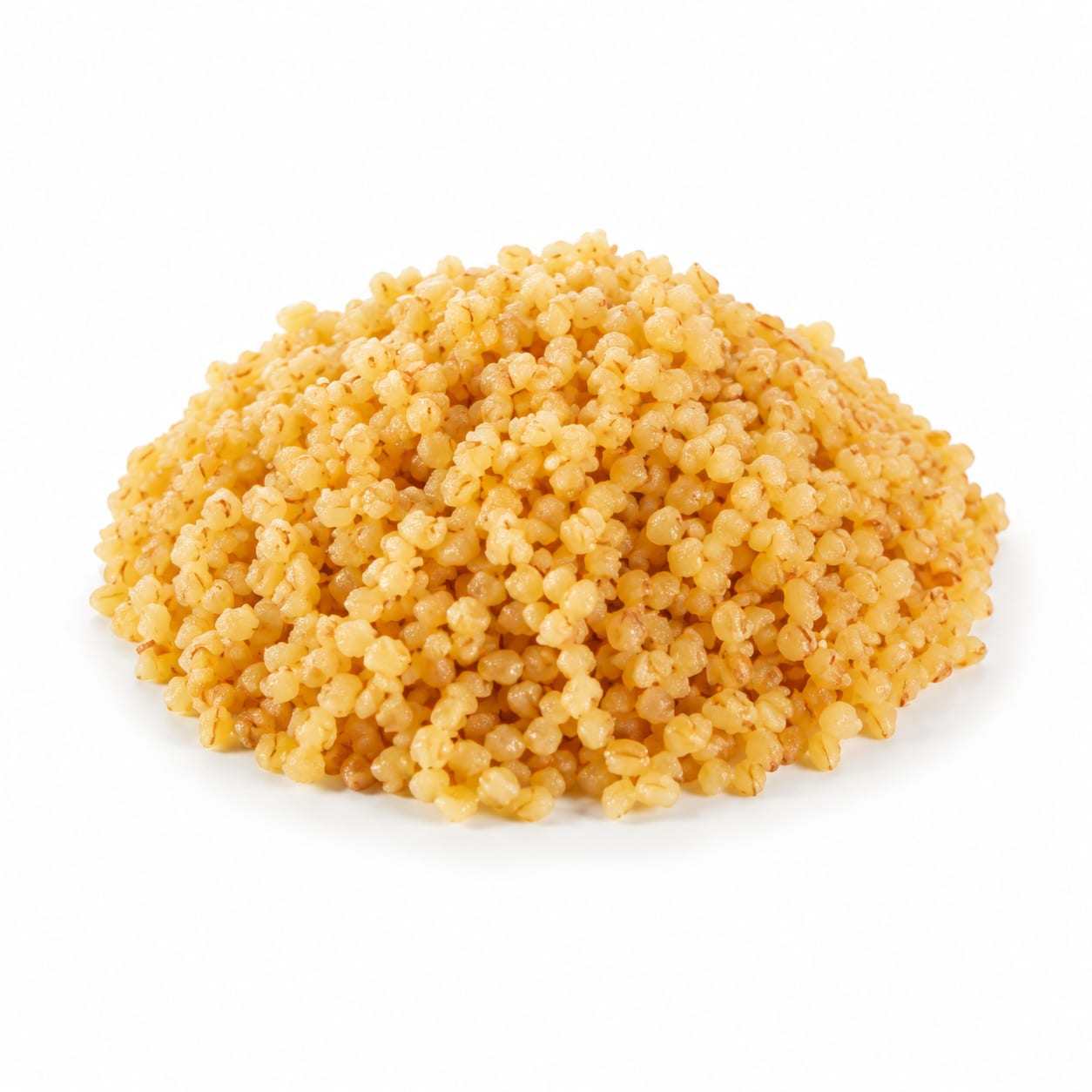
Bulgur
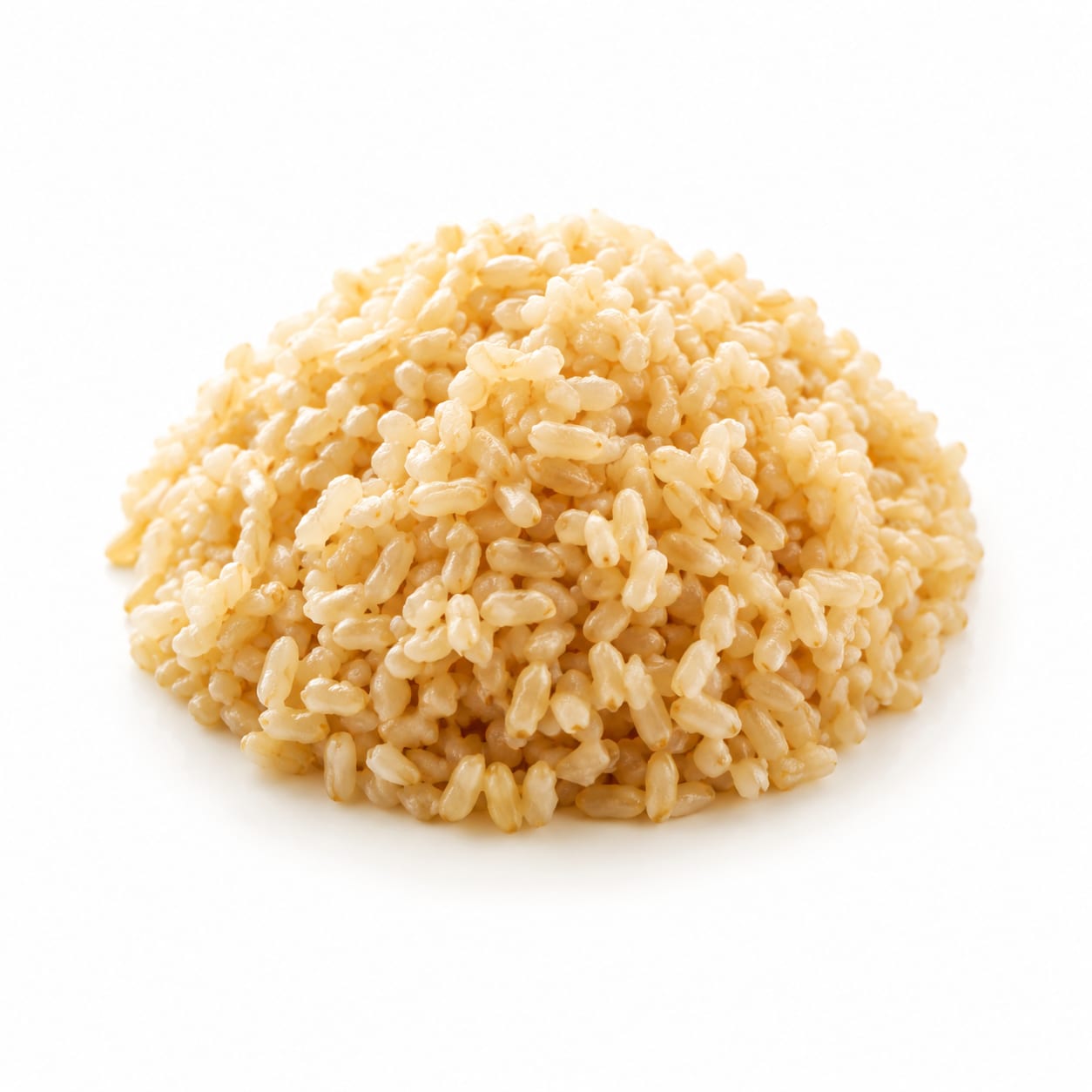
Brown Rice
Bulgur beats brown rice on blood sugar control, cooking speed, and protein, but brown rice wins for gluten-free diets.
Bulgur scores higher due to its lower glycemic index, faster cooking time, and higher protein and fiber content per calorie. Brown rice remains a solid choice but loses points on prep time and arsenic concerns.
You trade gluten-free compatibility and a milder flavor for faster prep, steadier energy, and slightly better nutrition.
At a glance
Executive summary
Overall
Bulgur
Healthier
Bulgur
More practical
Bulgur
Daily use
Bulgur
Key comparison lenses
Blood sugar management
Bulgur has a significantly lower glycemic index than brown rice, making it a critical factor for energy stability and diabetes prevention.
Convenience and meal prep speed
Bulgur cooks in minutes while brown rice takes nearly an hour, heavily influencing weeknight dinner choices.
Gluten-free dietary needs
Brown rice is naturally gluten-free, whereas Bulgur contains wheat gluten, which is a dealbreaker for celiacs.
Arsenic exposure concerns
Rice accumulates inorganic arsenic more than other grains, making brown rice a higher risk compared to Bulgur.
Best choice for
Bulgur
- Weeknight meal prep in a hurry
- People managing blood sugar or insulin resistance
- Anyone wanting a more filling, higher-fiber grain
Brown Rice
- Those with celiac disease or gluten sensitivity
- People who prefer a neutral-tasting base for stir-fries
- Diets requiring wheat elimination
Least suitable for
Bulgur
- Anyone with a wheat allergy or celiac disease
- Strict gluten-free diets
Brown Rice
- People in a rush after work
- Those highly concerned about arsenic in their diet
Deep comparison
Dimension by dimension
Each lens scores both foods and breaks down who each option suits.
- Dimension 1 · Priority 95Bulgur
Blood Sugar Stability
Bulgur · 88Brown Rice · 65Bulgur has a much lower glycemic index, leading to steadier energy and fewer afternoon crashes.
Tradeoff
Brown rice can cause a quicker blood sugar rise, which might leave you feeling hungrier sooner.
Why it matters
Stable blood sugar means better focus, fewer cravings, and easier weight management.
Real-world impact
Eating Bulgur at lunch makes that 3 PM energy slump much less likely compared to brown rice.
Bulgur
- Avoiding the afternoon energy crash
- Managing insulin resistance or prediabetes
Better for
- Situations requiring rapid carbohydrate replenishment
Worse for
Brown Rice
- Post-workout carb loading where a faster glycogen refill is desired
Better for
- Sitting at a desk all day with low activity
Worse for
- Dimension 2 · Priority 90Bulgur
Convenience and Prep Time
Bulgur · 95Brown Rice · 40Bulgur is ready in 10-15 minutes, while brown rice takes 40-50 minutes on the stovetop.
Tradeoff
Brown rice requires planning ahead or a rice cooker, whereas Bulgur can be a last-minute decision.
Why it matters
When you are hungry after a long day, a 50-minute cook time often leads to unhealthy takeout choices.
Real-world impact
Bulgur saves you 30-40 minutes on busy weeknights, making home-cooked meals far more realistic.
Bulgur
- Quick weeknight dinners
- Last-minute meal prep
Better for
- Dishes where a chewy, distinct grain texture is specifically desired
Worse for
Brown Rice
- Batch cooking on Sundays when time is not an issue
Better for
- Spontaneous cooking on busy evenings
Worse for
- Dimension 3 · Priority 85Brown Rice
Allergen and Dietary Compatibility
Bulgur · 30Brown Rice · 95Brown rice is naturally gluten-free, making it safe for celiacs, while Bulgur is made from wheat.
Tradeoff
Choosing Bulgur means consuming gluten, which is completely off-limits for a significant portion of the population.
Why it matters
For those with gluten intolerance, consuming Bulgur can cause severe digestive distress and inflammation.
Real-world impact
If you have a wheat allergy or celiac disease, brown rice is your safe bet for a whole grain side dish.
Bulgur
- No specific dietary advantage regarding allergens
Better for
- Anyone with celiac disease or gluten sensitivity
Worse for
Brown Rice
- Gluten-free diets
- Celiac disease management
- Wheat-free elimination diets
Better for
- No specific allergen disadvantage
Worse for
- Dimension 4 · Priority 80Bulgur
Toxin and Heavy Metal Exposure
Bulgur · 85Brown Rice · 55Rice is known to accumulate inorganic arsenic from soil and water, whereas wheat-based Bulgur has significantly less.
Tradeoff
Regular consumption of brown rice increases arsenic exposure, which is a concern for long-term health.
Why it matters
Chronic arsenic exposure is linked to heart disease and certain cancers, making portion control important for rice.
Real-world impact
Swapping brown rice for Bulgur a few times a week can meaningfully lower your heavy metal burden.
Bulgur
- Reducing daily heavy metal intake
- Safer everyday grain consumption
Better for
- No specific heavy metal disadvantage
Worse for
Brown Rice
- No specific advantage regarding heavy metals
Better for
- Daily consumption, especially for children who are more vulnerable to arsenic
Worse for
- Dimension 5 · Priority 75Bulgur
Fiber and Satiety
Bulgur · 82Brown Rice · 75Bulgur packs slightly more fiber and protein per serving, keeping you fuller for longer.
Tradeoff
While both are whole grains, Bulgur offers a modest edge in satiety that can help with portion control.
Why it matters
Feeling full longer means you are less likely to snack between meals.
Real-world impact
A Bulgur bowl at noon will likely keep you satisfied until dinner better than an equal portion of brown rice.
Bulgur
- Weight management and portion control
- Staying full between meals
Better for
- Those unaccustomed to high fiber who might experience bloating initially
Worse for
Brown Rice
- Digestive systems that struggle with very high fiber loads
Better for
- Long gaps between meals where sustained energy is needed
Worse for
Timeline
Health impact over time
Short-term
Hours to days
Bulgur
- Provides steady, crash-free energy due to a lower glycemic index
- Quick prep makes it easier to choose a healthy meal when rushed
Brown Rice
- Can cause a quicker rise and fall in blood sugar
- Longer cooking time might discourage cooking at home on busy days
Long-term
Months to years
Bulgur
- Lower arsenic exposure reduces long-term disease risk
- Better blood sugar control helps prevent insulin resistance
Brown Rice
- Consistent arsenic exposure from daily consumption may increase health risks
- Gluten-free nature makes it a sustainable staple for those with celiacs
Risk profile
Safety & processing
Both are whole grains with minimal processing. Bulgur is parboiled and cracked wheat, which actually reduces cooking time while retaining nutrients. Brown rice is simply whole grain rice with the bran intact.
Bulgur
Gluten presence
highBulgur contains wheat gluten, making it unsafe for anyone with celiac disease or a serious gluten intolerance.
Brown Rice
Inorganic arsenic
mediumBrown rice tends to accumulate arsenic from the environment more than other grains. Regular, daily consumption can increase exposure.
Who wins for whom
Audience fit
Same foods, different winners depending on your goal.
children
BulgurLower arsenic levels make Bulgur a safer everyday grain for kids, provided they do not have a gluten sensitivity.
daily consumption
BulgurLower arsenic risk and better blood sugar stability make Bulgur a healthier daily staple than brown rice.
diabetes
BulgurThe significantly lower glycemic index of Bulgur makes it much safer for managing blood sugar levels and insulin spikes.
elderly
BulgurBulgur is softer when cooked and easier to chew, while also offering better blood sugar control for aging metabolisms.
muscle gain
BulgurBulgur provides slightly more protein per serving, though both should be paired with stronger protein sources for muscle building.
weight loss
BulgurBulgur has more fiber and protein per calorie, keeping you fuller and making it easier to avoid overeating.
Your move
Decision guide
Choose Bulgur
- You want a quick-cooking grain for busy weeknights
- You are focused on keeping your blood sugar steady
- You want to minimize arsenic exposure from your diet
Choose Brown Rice
- You are strictly gluten-free or have celiac disease
- You prefer the chewier, nuttier texture of rice in stir-fries
- You already have a rice cooker and plan your meals ahead
Either works if
- You just need a healthy whole grain side dish and have no gluten issues
- You are meal-prepping and want to rotate your grain sources for nutrient diversity
Avoid both if
- You are on a strict keto or very low-carb diet
- You are looking for a high-protein main dish rather than a carb base
Final recommendation
Choose Bulgur for its nutritional edge, faster cooking time, and lower arsenic risk, but keep brown rice in rotation if you need a gluten-free option or just want variety.
Practical
Consumer tips
- 1
Rinse brown rice thoroughly before cooking to help reduce surface arsenic levels.
- 2
Cook brown rice in extra water (like pasta) and drain it to further lower arsenic content.
- 3
Soak Bulgur in boiling water off the heat for the fluffiest, easiest texture without overcooking.
- 4
Mix Bulgur and quinoa for a complete protein side dish that cooks quickly.
- 5
Vary your grains throughout the week to avoid overexposure to any single grain's natural drawbacks.