
Nutrition comparison
Bulgur vs Oats: Which Whole Grain is Healthier?
Compare Bulgur and Oats to find out which grain is better for weight loss, heart health, and daily meals. Learn the nutritional differences and best uses.
Overall winner · Oats
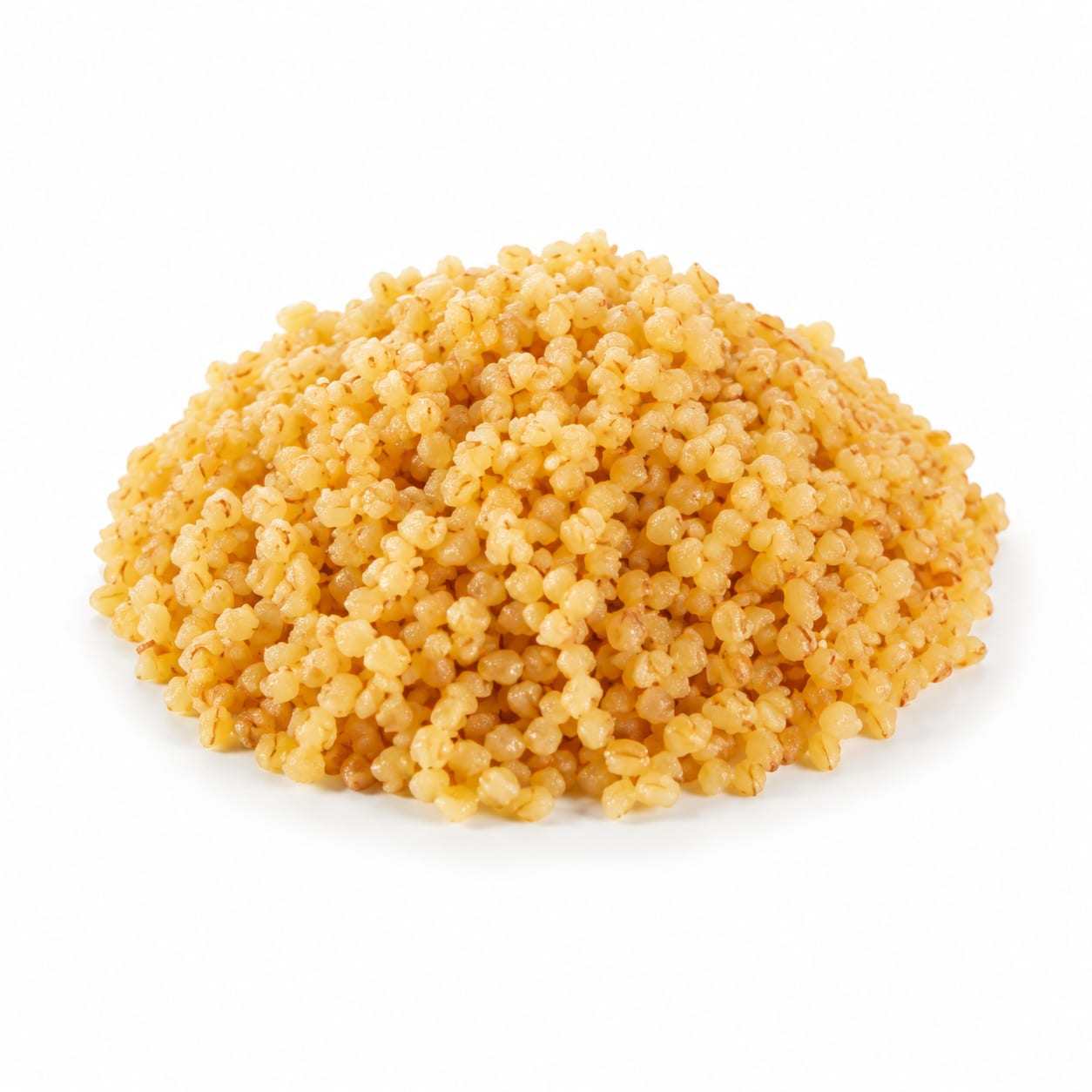
Bulgur
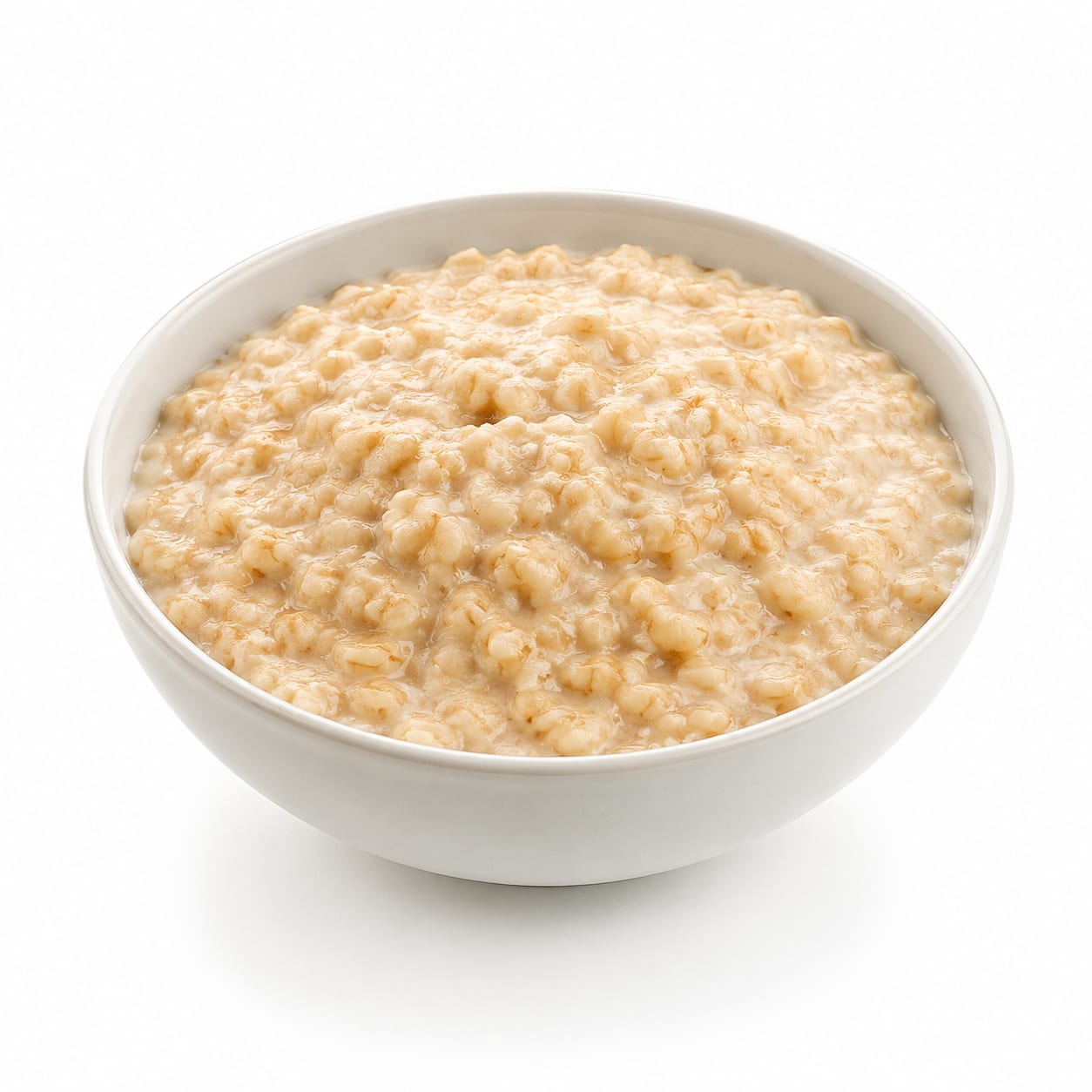
Oats
Oats edge out Bulgur for heart health and satiety, but Bulgur is the faster, lighter choice for savory meals.
Oats score slightly higher due to their unmatched beta-glucan content for heart health and superior satiety. Bulgur remains an excellent, highly practical whole grain but lacks the specific clinical benefits of Oats.
You trade the cholesterol-lowering power and sticky satiety of Oats for the quick-cooking, savory versatility and lighter feel of Bulgur.
At a glance
Executive summary
Overall
Oats
Healthier
Oats
More practical
Bulgur
Daily use
Oats
Key comparison lenses
Heart health and cholesterol management
Oats are uniquely rich in beta-glucan, a soluble fiber clinically proven to lower cholesterol, making cardiovascular impact a key differentiator.
Satiety and appetite control
The gel-forming fiber in Oats keeps you full much longer than the lighter, faster-digesting Bulgur, which directly impacts snacking habits.
Culinary versatility and convenience
Bulgur cooks in minutes and excels in savory dishes, while Oats are slower and mostly reserved for sweet breakfasts, affecting how often people actually use them.
Blood sugar stability
Both are whole grains, but the viscous fiber in Oats slows absorption better, making it a frequent concern for those monitoring glucose.
Best choice for
Bulgur
- Quick savory lunches and dinners
- People who find oatmeal too heavy or bloating
- Mediterranean diet followers
- Pre-workout carb loading
Oats
- Heart-healthy breakfasts
- People managing high cholesterol
- Those needing long-lasting fullness
- Baking and smoothies
Least suitable for
Bulgur
- Gluten-free diets
- Sweet breakfast lovers
- Those targeting high soluble fiber intake
Oats
- Savory grain bowls and side dishes
- People with severe IBS sensitive to soluble fiber
- Rapid pre-workout energy needs
Deep comparison
Dimension by dimension
Each lens scores both foods and breaks down who each option suits.
- Dimension 1 · Priority 95Oats
Heart Health & Cholesterol
Bulgur · 80Oats · 95Oats contain beta-glucan, a unique soluble fiber that actively lowers LDL cholesterol, while Bulgur offers general cardiovascular benefits without the specific cholesterol-lowering potency.
Tradeoff
Choosing Bulgur means missing out on the targeted heart-health benefits of Oats' beta-glucan, though you gain a lighter digestive feel.
Why it matters
Heart disease is a leading health concern, and daily oat consumption has a proven, measurable impact on reducing risky cholesterol levels.
Real-world impact
Eating Oats regularly can meaningfully improve your bloodwork over a few months; Bulgur keeps you healthy but without that specific cholesterol-lowering edge.
Bulgur
- Those with normal cholesterol looking for variety
- People who dislike the texture of oatmeal
Better for
- Those specifically targeting cholesterol reduction
- People wanting maximum soluble fiber
Worse for
Oats
- Anyone with elevated LDL cholesterol
- People with a family history of heart disease
Better for
- Those who find sticky textures unappealing
- People wanting a savory side dish
Worse for
- Dimension 2 · Priority 90Oats
Satiety & Fullness
Bulgur · 82Oats · 90Oats absorb significantly more water and form a gel in your gut, keeping you full for hours longer than Bulgur, which digests more quickly.
Tradeoff
The heavy fullness from Oats is great for appetite control but can feel bloating, whereas Bulgur provides satisfying energy without weighing you down.
Why it matters
Staying full between meals prevents snacking and makes it easier to maintain or lose weight without feeling deprived.
Real-world impact
A bowl of Oats at 8 AM can easily keep you full until noon; a Bulgur bowl might have you looking for a snack by 11 AM.
Bulgur
- Light eaters who dislike feeling stuffed
- Pre-workout meals where you want energy without heaviness
Better for
- Those who need long-lasting hunger suppression
- Heavy snackers
Worse for
Oats
- Busy mornings when you can't snack
- People trying to cut calories without starving
Better for
- People prone to bloating from high soluble fiber
- Those wanting a light pre-workout meal
Worse for
- Dimension 3 · Priority 80Oats
Blood Sugar Stability
Bulgur · 85Oats · 88The viscous gel formed by Oats slows down carbohydrate absorption more effectively than Bulgur's fiber, leading to steadier blood sugar levels.
Tradeoff
Oats provide a slower, more sustained energy release, while Bulgur digests a bit faster, which can be great for quick energy but less ideal for insulin resistance.
Why it matters
Avoiding blood sugar spikes and crashes prevents afternoon fatigue and reduces the risk of type 2 diabetes over time.
Real-world impact
Oats give you a smooth, crash-free morning, whereas Bulgur might lead to a slight mid-morning dip if eaten alone without protein or fats.
Bulgur
- Athletes needing faster carb availability after a workout
- Those who find slow-digesting carbs cause sluggishness
Better for
- Diabetics needing strict glycemic control
- Those who experience sugar crashes easily
Worse for
Oats
- People with prediabetes or insulin resistance
- Those prone to afternoon energy crashes
Better for
- Endurance athletes needing rapid glycogen replenishment
Worse for
- Dimension 4 · Priority 85Bulgur
Culinary Speed & Versatility
Bulgur · 88Oats · 82Bulgur cooks in about 10 minutes and shines in savory dishes, making it a more convenient and versatile grain for lunches and dinners than Oats.
Tradeoff
You gain a fast, savory-friendly grain with Bulgur, but you lose the comforting, breakfast-friendly nature and thickening power of Oats.
Why it matters
If a grain is hard to cook or only fits one meal, you won't eat it often. Bulgur's quick prep makes healthy eating much easier for savory meals.
Real-world impact
You can throw Bulgur into a weeknight dinner bowl in minutes, while Oats mostly lock you into breakfast or baking.
Bulgur
- Weeknight dinners when time is short
- Grain salads and meal prep
- People who prefer savory over sweet
Better for
- Those who want a sweet, comforting breakfast
- Baking recipes requiring a binder
Worse for
Oats
- Baking and smoothies
- People who love a warm, sweet breakfast
- Making homemade granola
Better for
- Quick savory side dishes
- People tired of sweet breakfasts
Worse for
- Dimension 5 · Priority 75It depends
Digestive Comfort
Bulgur · 84Oats · 84Bulgur is lighter and easier on the stomach initially, while Oats' soluble fiber is better for long-term gut health but can cause bloating in sensitive people.
Tradeoff
Oats feed beneficial gut bacteria more effectively, but Bulgur is less likely to make you feel gassy or uncomfortably full right after eating.
Why it matters
Digestive discomfort can ruin your day, and the wrong fiber type can either heal your gut or make you feel bloated.
Real-world impact
If you have a sensitive stomach, a Bulgur bowl feels light and easy; Oats might make you feel like you swallowed a brick if you aren't used to the fiber.
Bulgur
- People with sensitive digestion or IBS
- Those who feel bloated after eating Oats
Better for
- People needing help with constipation
- Those wanting to maximize microbiome health
Worse for
Oats
- People needing to improve gut microbiome diversity
- Those prone to constipation
Better for
- People with severe IBS who react to soluble fiber
- Those who get uncomfortably full quickly
Worse for
Timeline
Health impact over time
Short-term
Hours to days
Bulgur
- Provides quick, light energy without bloating
- Easy to pair with vegetables and lean proteins for a balanced meal
Oats
- Highly filling, can delay hunger for hours
- The gel-forming fiber can cause mild bloating if you eat too much too fast
Long-term
Months to years
Bulgur
- Supports regular digestion with insoluble fiber
- Helps maintain steady energy levels without crashes
Oats
- Clinically proven to lower LDL cholesterol
- Supports long-term blood sugar regulation and heart health
Risk profile
Safety & processing
Both Bulgur and Oats are whole grains with minimal processing. Bulgur is simply parboiled, dried, and cracked wheat, while Oats are steamed and rolled or cut. Neither contains artificial additives in their pure form.
Bulgur
Wheat gluten
highBulgur is made from wheat and contains gluten, making it unsafe for anyone with celiac disease or gluten sensitivity.
Pesticide residue
lowConventional wheat can carry pesticide residue; choosing organic Bulgur reduces this risk.
Oats
Gluten cross-contamination
mediumWhile naturally gluten-free, Oats are frequently processed on shared equipment with wheat; certified gluten-free Oats are necessary for those with celiac.
Glyphosate residue
mediumOats are often sprayed with glyphosate as a pre-harvest desiccant; buying organic Oats significantly lowers this exposure.
Who wins for whom
Audience fit
Same foods, different winners depending on your goal.
children
OatsOats are familiar, easy to flavor naturally, and have a comforting texture that kids accept more readily than savory grains.
daily consumption
OatsOats fit seamlessly into the most common daily meal—breakfast—making them easier to sustain as a consistent habit.
diabetes
OatsThe viscous soluble fiber in Oats slows glucose absorption better than the fiber in Bulgur, leading to more stable post-meal blood sugar.
elderly
OatsOats are softer to chew when cooked, and their cholesterol-lowering benefits are especially valuable for aging cardiovascular systems.
muscle gain
OatsOats have slightly more protein per serving and provide a slower, sustained energy release that pairs well with strength training diets.
weight loss
OatsOats' beta-glucan creates a thick gel that delays stomach emptying, keeping you satisfied far longer than Bulgur and reducing the urge to snack.
Your move
Decision guide
Choose Bulgur
- You want a fast-cooking grain for savory bowls and salads
- You find Oatmeal too heavy or bloating
- You need a lighter carbohydrate source before workouts
- You are tired of sweet breakfasts and want a savory change
Choose Oats
- Heart health and lowering cholesterol are top priorities
- You want a breakfast that keeps you full until lunch
- You prefer a sweet, comforting morning meal
- You want a grain that blends easily into smoothies or baking
Either works if
- You just need a healthy whole-grain carb source
- You want to improve your daily fiber intake
- You are meal-prepping healthy lunches or breakfasts
Avoid both if
- You are strictly gluten-free
- You are on a very low-carb or keto diet
Final recommendation
Keep both in your pantry for different moods and meals. Start your day with Oats to crush hunger and protect your heart, then use Bulgur for quick, savory dinners when you want something light and satisfying without the wait.
Practical
Consumer tips
- 1
Soak Oats overnight for better digestion and faster morning prep
- 2
Use Bulgur as a lighter substitute for rice in pilafs and stuffings
- 3
Look for certified gluten-free Oats if you have celiac disease or gluten sensitivity
- 4
Rinse Bulgur before cooking to remove any debris and improve texture
- 5
Add healthy fats like nuts or seeds to Oats to stabilize blood sugar even further