
Nutrition comparison
Bulgur vs Farro: Which Ancient Grain Is Healthier?
Compare Bulgur and Farro to find out which grain is better for weight loss, blood sugar, and meal prep. Discover the nutritional differences and best uses for each.
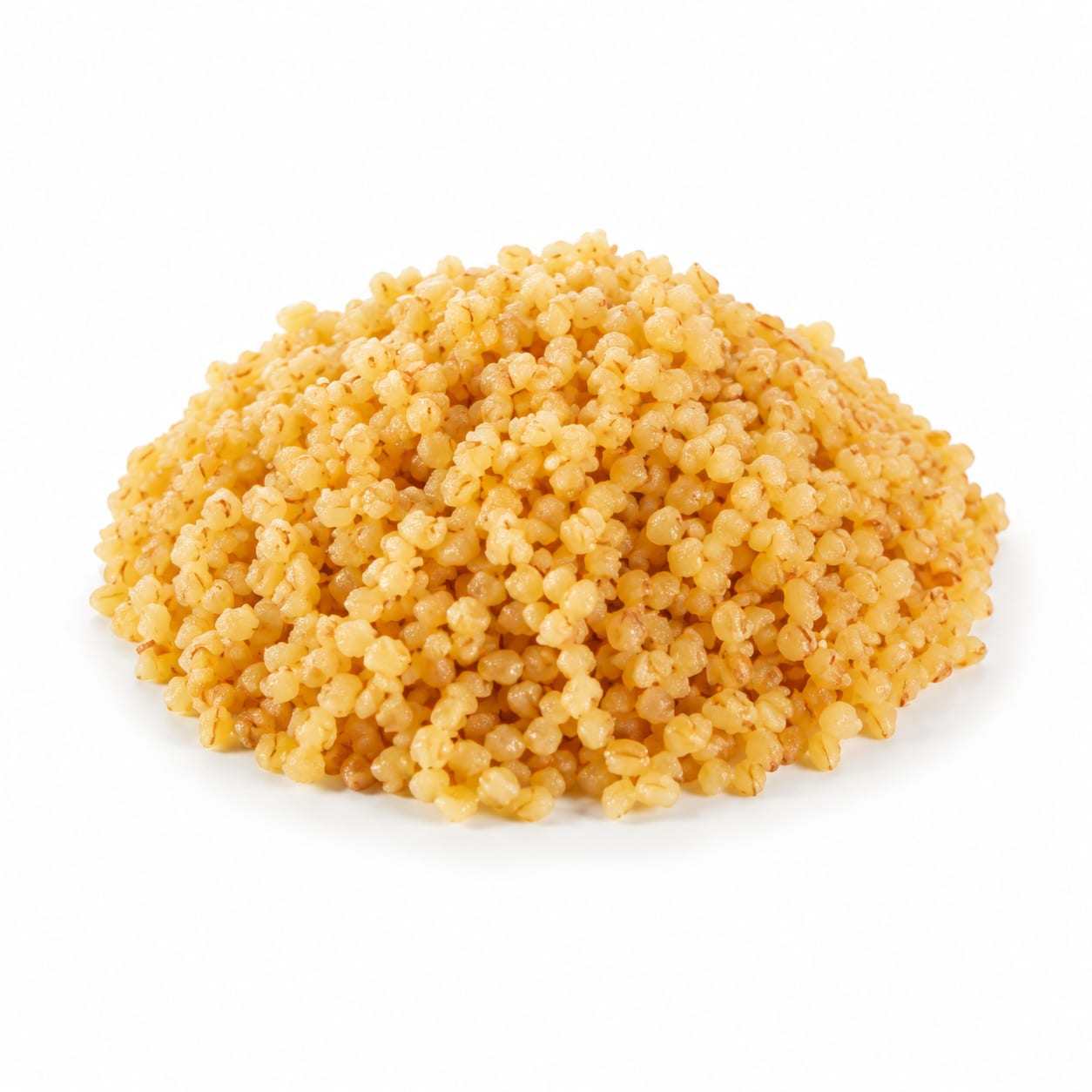
Bulgur
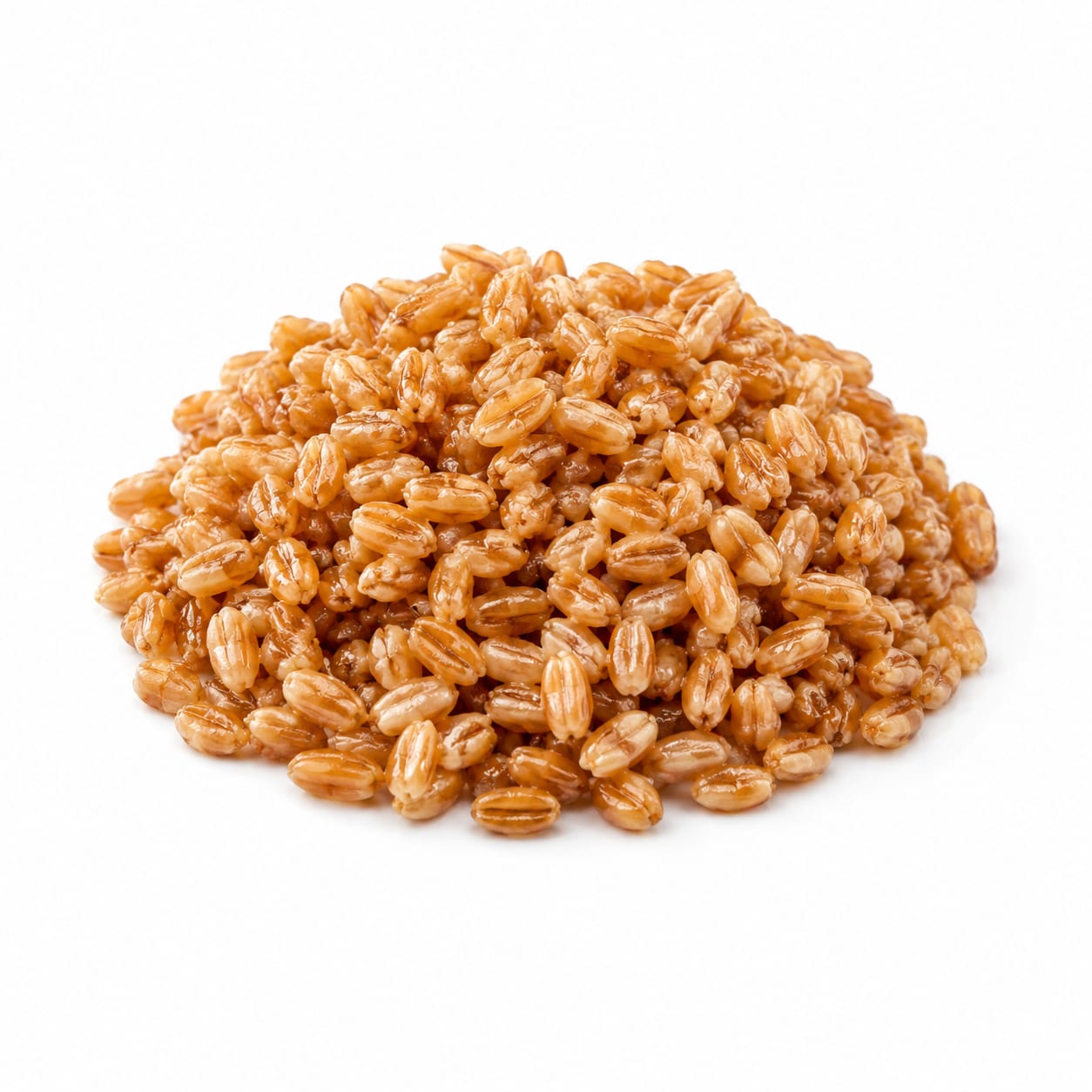
Farro
Bulgur is your quick-cooking, blood-sugar-friendly grain, while Farro is the chewy, protein-rich option for hearty meals.
Bulgur slightly edges out Farro due to its superior convenience and blood sugar benefits, though Farro's protein content keeps it highly competitive.
Speed and glycemic control (Bulgur) versus protein and chewy satisfaction (Farro).
At a glance
Executive summary
Overall
It depends
Healthier
It depends
More practical
Bulgur
Daily use
Bulgur
Key comparison lenses
Blood sugar management
Bulgur's parboiling process gives it a significantly lower glycemic index than Farro, making it critical for diabetics or energy stability.
Meal prep convenience
Bulgur cooks in minutes while Farro takes much longer, heavily influencing weeknight dinner decisions.
Protein and satiety
Farro offers more protein per serving, making it more filling and better for active individuals.
Best choice for
Bulgur
- Busy weeknights needing a fast side dish
- People managing blood sugar or insulin resistance
- Lighter meals like tabbouleh or grain bowls
Farro
- Hearty salads and soups needing a chewy texture
- Athletes or those needing more plant-based protein
- Meal prepping where longer cook times are acceptable
Least suitable for
Bulgur
- Those seeking a high-protein grain to support muscle gain
- Dishes requiring a distinct, chewy bite
Farro
- Last-minute meals with no time to simmer
- Those strictly monitoring calorie intake per volume
Deep comparison
Dimension by dimension
Each lens scores both foods and breaks down who each option suits.
- Dimension 1 · Priority 90Bulgur
Blood Sugar Stability
Bulgur · 92Farro · 68Bulgur has a much lower glycemic index because it is parboiled, causing slower sugar release into the bloodstream.
Tradeoff
Farro's denser carbohydrate structure digests faster than Bulgur's pre-cooked fibers, potentially causing quicker energy spikes.
Why it matters
Steadier blood sugar means fewer afternoon crashes and better hunger control throughout the day.
Real-world impact
Eating Bulgur at lunch makes you less likely to crave a snack at 3 PM compared to eating Farro.
Bulgur
- Diabetics
- People with insulin resistance
Better for
- Those needing immediate post-workout carb replenishment
Worse for
Farro
- Endurance athletes needing faster carb availability
Better for
- People prone to energy crashes after carb-heavy meals
Worse for
- Dimension 2 · Priority 85Farro
Protein & Satiety
Bulgur · 65Farro · 88Farro packs significantly more protein per serving, making meals more filling and satisfying for longer.
Tradeoff
Choosing Farro means more chewing and a heavier stomach feel, while Bulgur feels lighter and less dense.
Why it matters
Higher protein grains help maintain muscle and keep you full, reducing the urge to overeat later.
Real-world impact
A Farro bowl will likely keep you full until dinner, whereas a Bulgur salad might leave you looking for a snack.
Bulgur
- Light lunch eaters
- Those watching calorie density
Better for
- Those relying on grains as a primary protein source
Worse for
Farro
- Plant-based eaters needing protein
- People doing heavy physical labor
Better for
- People who prefer feeling light after meals
Worse for
- Dimension 3 · Priority 88Bulgur
Convenience & Cook Time
Bulgur · 95Farro · 55Bulgur cooks in about 10 minutes of soaking, while whole Farro can take up to 40 minutes of simmering.
Tradeoff
Farro's long cook time develops a deeper, nuttier flavor and chewier texture that quick-soaking Bulgur cannot match.
Why it matters
When hunger strikes after a long day, a grain that cooks in minutes is far more likely to be chosen over a lengthy process.
Real-world impact
Bulgur is a realistic Tuesday night side dish; Farro is usually reserved for weekend meal prep.
Bulgur
- Weeknight dinners
- Last-minute meal additions
Better for
- Recipes requiring a firm, chewy grain that holds up to long simmering
Worse for
Farro
- Slow-cooked soups and stews
- Batch cooking on Sundays
Better for
- Impromptu meals or quick side dishes
Worse for
- Dimension 4 · Priority 75Farro
Nutrient Density
Bulgur · 70Farro · 85Farro provides higher amounts of iron, magnesium, and zinc, supporting energy production and immune function.
Tradeoff
Bulgur still offers solid fiber and B vitamins, but Farro delivers a broader spectrum of minerals per calorie.
Why it matters
Minerals like iron and magnesium are commonly deficient, and choosing mineral-rich grains helps fill those gaps effortlessly.
Real-world impact
Regularly choosing Farro can subtly boost energy levels and recovery by improving your mineral intake over time.
Bulgur
- Those solely focused on maximizing fiber intake
Better for
- Individuals needing a mineral-dense diet
Worse for
Farro
- People with higher iron needs, like women of reproductive age
- Those recovering from illness needing extra zinc
Better for
- Those who need a low-calorie grain base
Worse for
Timeline
Health impact over time
Short-term
Hours to days
Bulgur
- Quick preparation reduces the temptation to order takeout
- Lower glycemic impact prevents immediate post-meal fatigue
Farro
- High protein content provides a strong feeling of fullness
- Chewy texture slows down eating pace, aiding digestion
Long-term
Months to years
Bulgur
- Consistent blood sugar control lowers diabetes risk over time
- High insoluble fiber supports regular digestion and gut health
Farro
- Superior mineral intake supports bone density and immune resilience
- Higher protein aids in maintaining muscle mass during aging
Risk profile
Safety & processing
Both are whole grains with minimal processing. Bulgur is simply parboiled, cracked, and dried wheat, while Farro is a hulled ancient wheat. Neither contains artificial additives.
Bulgur
Gluten content
highBulgur is made from wheat and is strictly off-limits for anyone with celiac disease or gluten sensitivity.
Farro
Gluten content
highFarro is a type of wheat and contains gluten, making it unsafe for those with celiac disease or gluten intolerance.
Who wins for whom
Audience fit
Same foods, different winners depending on your goal.
children
FarroFarro's higher iron and zinc content supports growing bodies, though Bulgur's softer texture is easier for younger kids to chew.
daily consumption
BulgurBulgur's quick cook time and lighter calorie load make it an easier grain to incorporate into daily meals without hassle.
diabetes
BulgurThe parboiling process gives Bulgur a much lower glycemic index, resulting in gentler blood sugar responses.
elderly
BulgurBulgur is softer and easier to chew, and its high fiber helps combat the constipation common in older adults.
muscle gain
FarroFarro provides significantly more protein per serving, which is essential for muscle repair and growth.
weight loss
BulgurBulgur has fewer calories per serving and a lower glycemic index, making it easier to manage hunger and calorie intake.
Your move
Decision guide
Choose Bulgur
- You need a healthy side dish on the table in under 15 minutes
- You are focused on keeping your blood sugar steady and avoiding energy crashes
- You want a lighter grain base for salads like tabbouleh
Choose Farro
- You want a hearty, chewy grain that feels like a substantial meal
- You are meal prepping and have time to let grains simmer
- You need extra plant-based protein and iron in your diet
Either works if
- You are looking for a nutritious whole-grain alternative to white rice
- You want to add variety to your grain rotation for gut health
Avoid both if
- You have celiac disease, a wheat allergy, or severe gluten intolerance
Final recommendation
Keep Bulgur in your pantry for busy weeknights and blood-sugar-friendly meals, but stock Farro for weekend meal prep when you want something heartier and more protein-rich.
Practical
Consumer tips
- 1
To cook Bulgur quickly, just pour boiling water over it, cover, and let it soak for 10 minutes.
- 2
If you want Farro faster, look for 'pearled' Farro, which cooks in about 20 minutes instead of 40, though it loses some fiber.
- 3
Both grains absorb dressings beautifully—try finishing them with a splash of lemon juice and olive oil.
- 4
Always rinse both grains under cold water before cooking to remove any residual dust or debris.