
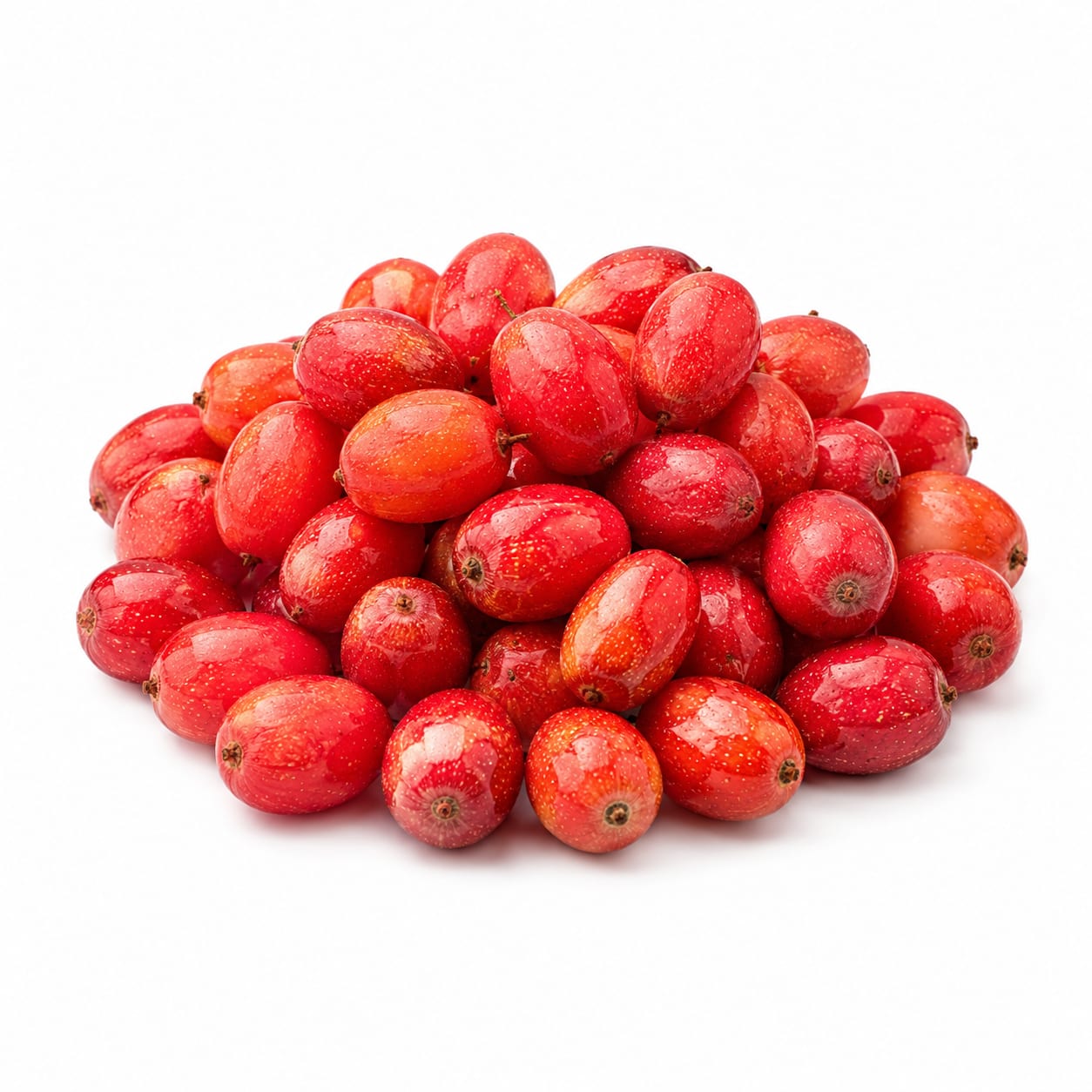
Berry
Buffaloberry
A tart, antioxidant-rich North American berry high in lycopene and vitamin C.
A tart, red or silver-speckled berry native to North America, known for its high lycopene and vitamin C content, often used in preserves rather than eaten raw due to astringency.
high-antioxidant low-calorie berry
Typical serving · 100g
Common varieties · Silver buffaloberry, Russet buffaloberry, Canadian buffaloberry
Overall context score across nutrition, safety, and diet fit
At a glance
Quick facts
Simple indicators based on nutrition, processing, and diet fit.
The story
What makes it unique
Buffaloberries are low-calorie, high-fiber fruits rich in carotenoid antioxidants like lycopene and phenolic compounds. They digest slowly due to fiber and pectin content, promoting moderate satiety and a low glycemic response. Raw berries are highly astringent due to tannins.
Varieties: Silver buffaloberry · Russet buffaloberry · Canadian buffaloberry
Per 100g
Nutrition breakdown
Macro balance and key metrics at a glance.
Energy
Density 0.55 kcal/g
Protein
Carbs
Fat
Fiber
Sugar
5 g
Sodium
5 mg
Potassium
150 mg
Glycemic index
25
Glycemic load
2
Water content
82%
Standout compounds
Nutrient highlights
Lycopene
highSupports heart health and cellular protection
Vitamin C
highBoosts immune function and collagen synthesis
Dietary Fiber
moderatePromotes digestive regularity and satiety
Phenolic Acids
highProvides anti-inflammatory and antioxidant effects
Wellness map
Health scores & processing
NOVA processing scale
Unprocessed or minimally processed · Whole food
Whole raw fruit. Often processed into jams or jellies with added sugar, which significantly alters its nutritional profile.
Diet compatibility
- Weight loss
- Muscle gain
- Diabetes
- Gut health
- Low carb
- High protein
- Heart health
Relative standing
Food rankings
Qualitative ranks compared to similar whole foods.
- Satietygood
- Blood sugarexcellent
- Nutrient densityexcellent
- Fitness fuelmoderate
- Processing qualityexcellent
Eat with confidence
Food safety profile
Buffaloberries are generally safe. The seeds contain trace saponins which can cause mild stomach upset if consumed in massive quantities raw. Cooking neutralizes this risk.
Evidence confidence 75%
- Pesticideslow
- Antibioticslow
- Heavy metalslow
- Contaminationlow
Watch for
- Soil debris
- Insects
Safer choices
Cultivated or thoroughly washed wild berries.
Prep tips
Rinse thoroughly to remove debris. Cooking or sweetening reduces astringency and mitigates trace saponin content in seeds.
None significant; mostly wild-harvested.
Deep dive
Health analysis
How this food may fit different goals and preparation choices.
Weight loss
Low energy density and high fiber support fullness without excess calories, making it ideal for volume eating.
Blood sugar
Low sugar and high fiber result in a minimal glycemic impact, suitable for managing blood glucose.
Fitness & energy
Not a primary fuel source due to low calories and carbs, but useful as a light, antioxidant-rich pre-workout snack.
Gut health
Fiber and polyphenols support a healthy gut microbiome and regular digestion.
Processing quality
Excellent when consumed whole or dried; however, commercial jams and jellies add significant refined sugar.
Food safety
Wild harvesting poses no major risks beyond typical environmental wash needs; seed saponins are negligible in normal servings.
Common mistakes
Eating large quantities raw due to the intense astringency, or consuming buffaloberry jams expecting the same low-sugar benefits as the raw fruit.
Best preparation
Lightly sweetened and cooked into a preserve, or dried and added to trail mixes to balance the tartness.
Practical guide
Best use cases
When and how this food fits real eating patterns.
Antioxidant boost
Adding to smoothies or yogurt for a concentrated dose of lycopene and vitamin C.
Low-sugar preserves
Making homemade jelly with low-calorie sweeteners for a diabetic-friendly spread.
Trail mix addition
Drying them to create a tart, chewy component in nut and seed mixes.
Balance sheet
Pros & cons
Upsides
- Extremely high in lycopene and antioxidants
- Low calorie and low energy density
- Low glycemic impact suitable for diabetics
- Good source of dietary fiber
- Wild-harvested versions are pesticide-free
Trade-offs
- Highly astringent and tart when raw
- Often requires added sugar to be palatable
- Not widely available in standard grocery stores
- Seeds contain trace saponins that can upset stomach in excess
Fit check
Who is it for?
Great match
- antioxidant supplementation
- low-carb snacking
- blood sugar management
- wild food foraging
Consider alternatives
- high-protein diets
- quick pre-workout energy
- people sensitive to tart flavors
Side by side
How it compares
Open the full head-to-head analysis for nutrition, safety, and practical tradeoffs.
This food
Buffaloberry
VS85% alike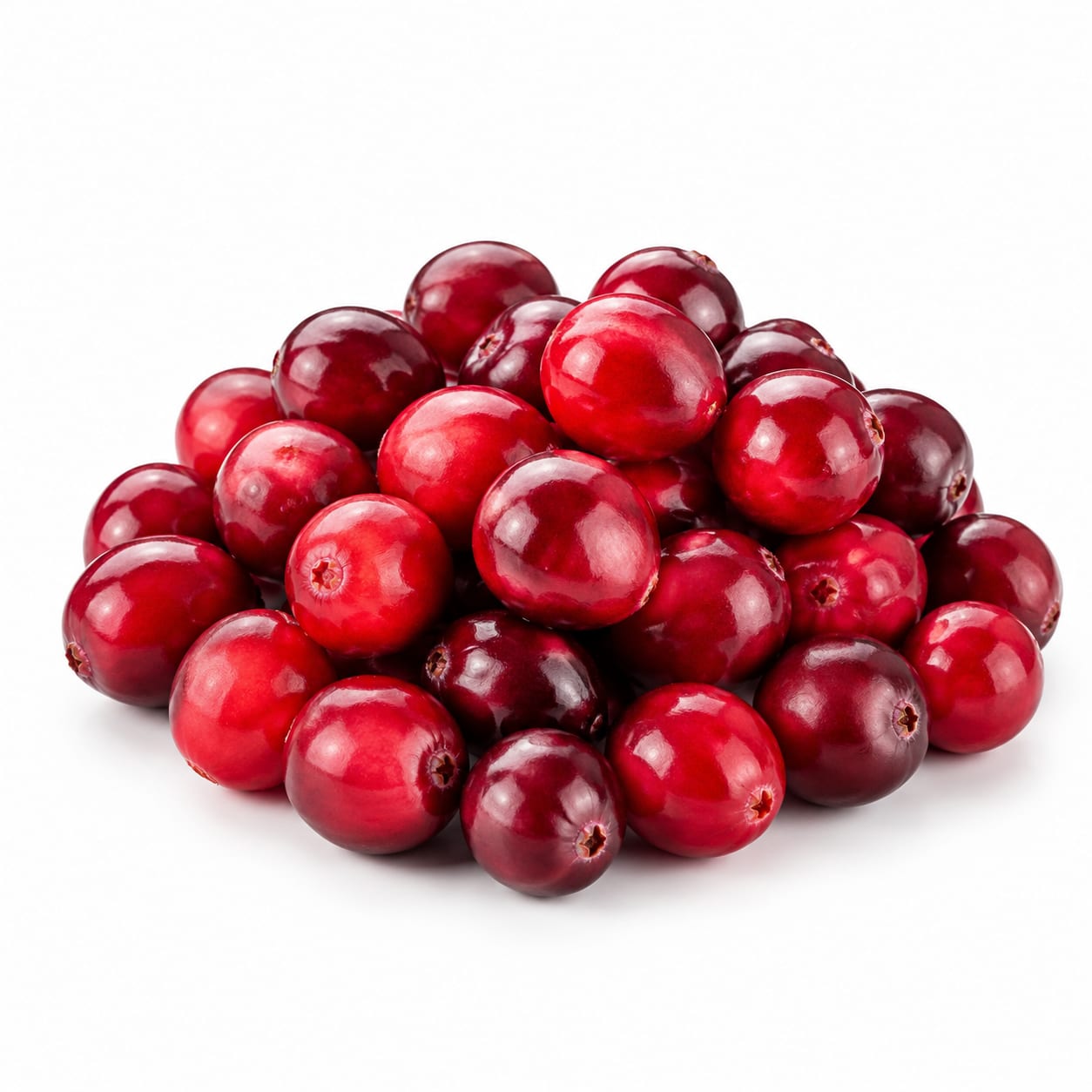
Compare with
Cranberry
Cranberries are more widely available and known for urinary tract benefits, while buffaloberries are significantly higher in lycopene.
Cranberries are easier to find and support urinary health, while buffaloberries offer superior lycopene and antioxidant content.
This food
Buffaloberry
VS80% alike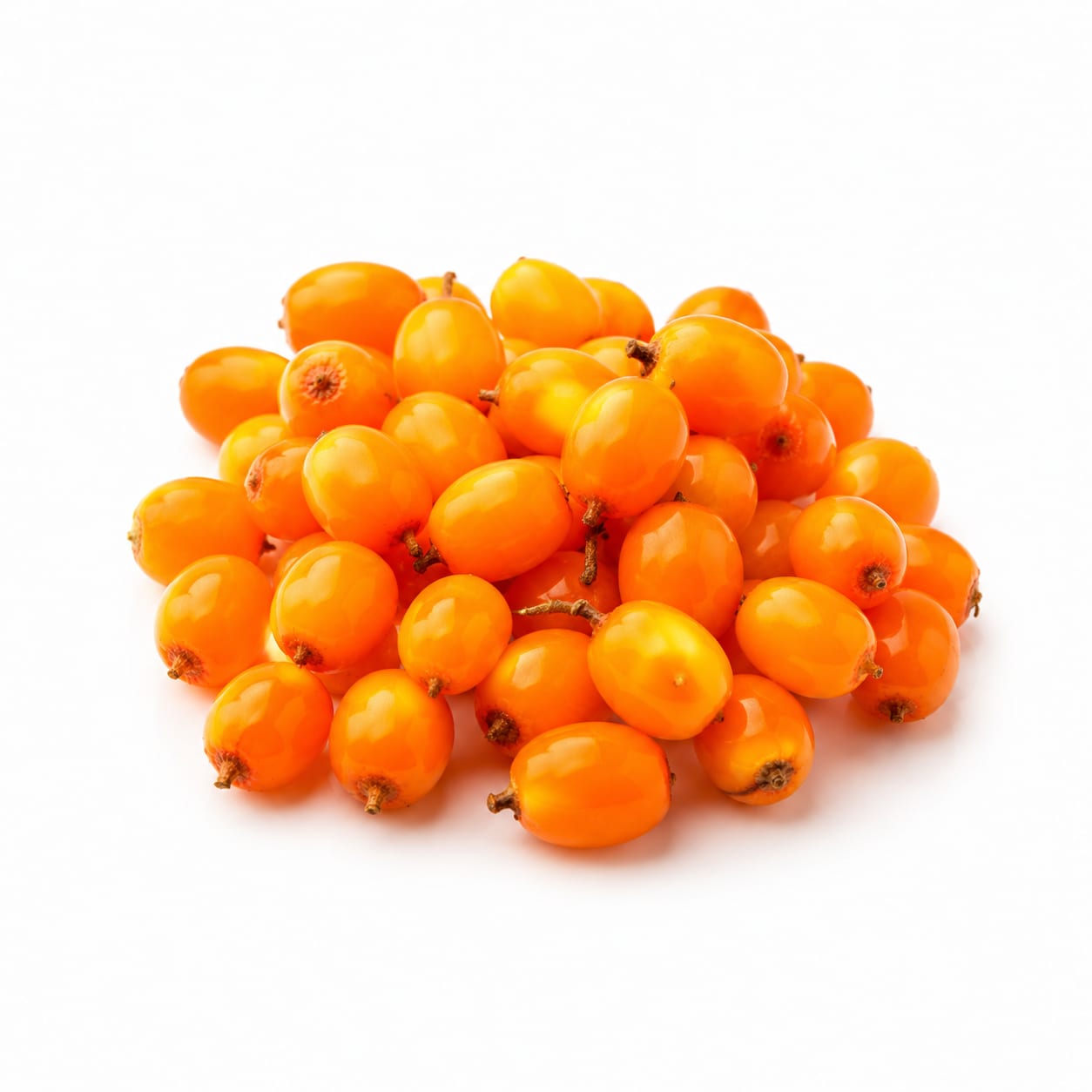
Compare with
Sea buckthorn
Sea buckthorn is uniquely rich in omega-7 fatty acids for skin health, whereas buffaloberry provides more lycopene for heart health.
Sea buckthorn provides rare omega-7 fats for skin and recovery, while buffaloberry delivers stronger lycopene benefits.
This food
Buffaloberry
VS75% alike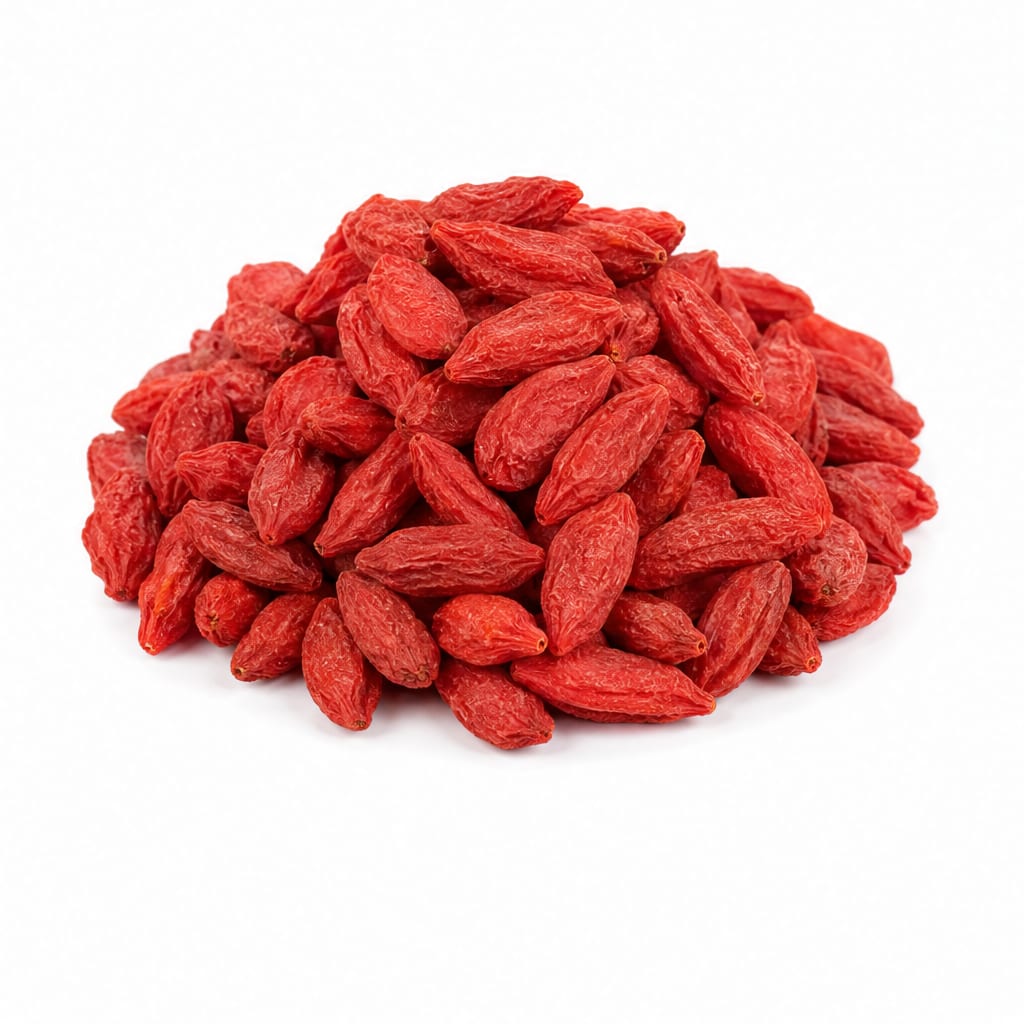
Compare with
Goji berry
Goji berries are sweeter and higher in vitamin A, while buffaloberries are lower in sugar and higher in lycopene.
Goji berries are sweeter and easier to snack on, but buffaloberries are lower in sugar and better for blood sugar control.
This food
Buffaloberry
VS80% alike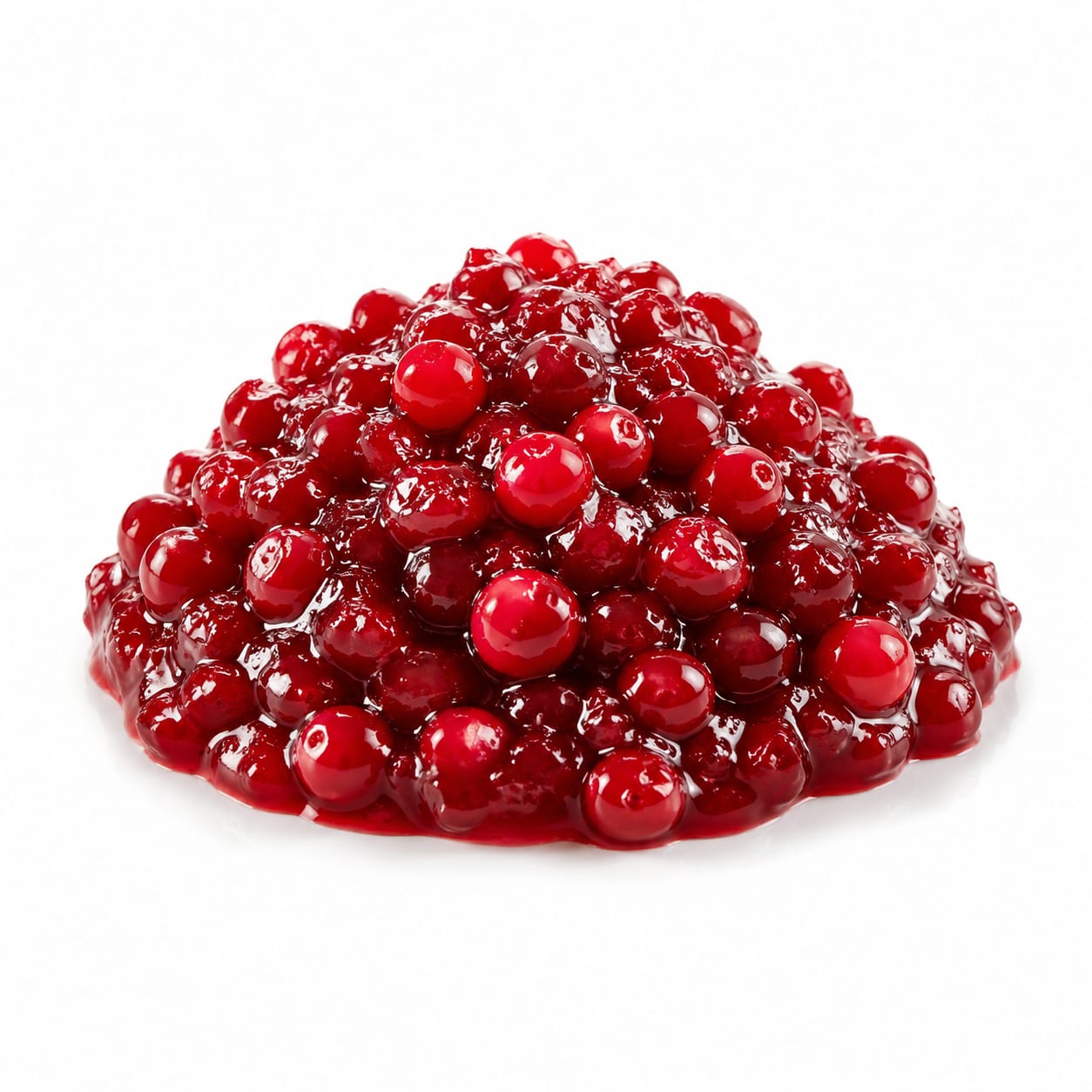
Compare with
Lingonberry
Lingonberries are slightly milder in tartness and more common in Scandinavian diets, while buffaloberries are native to North America and richer in lycopene.
Lingonberries are milder and popular in European cuisine, while buffaloberries pack more lycopene and fiber per calorie.
This food
Buffaloberry
VS70% alike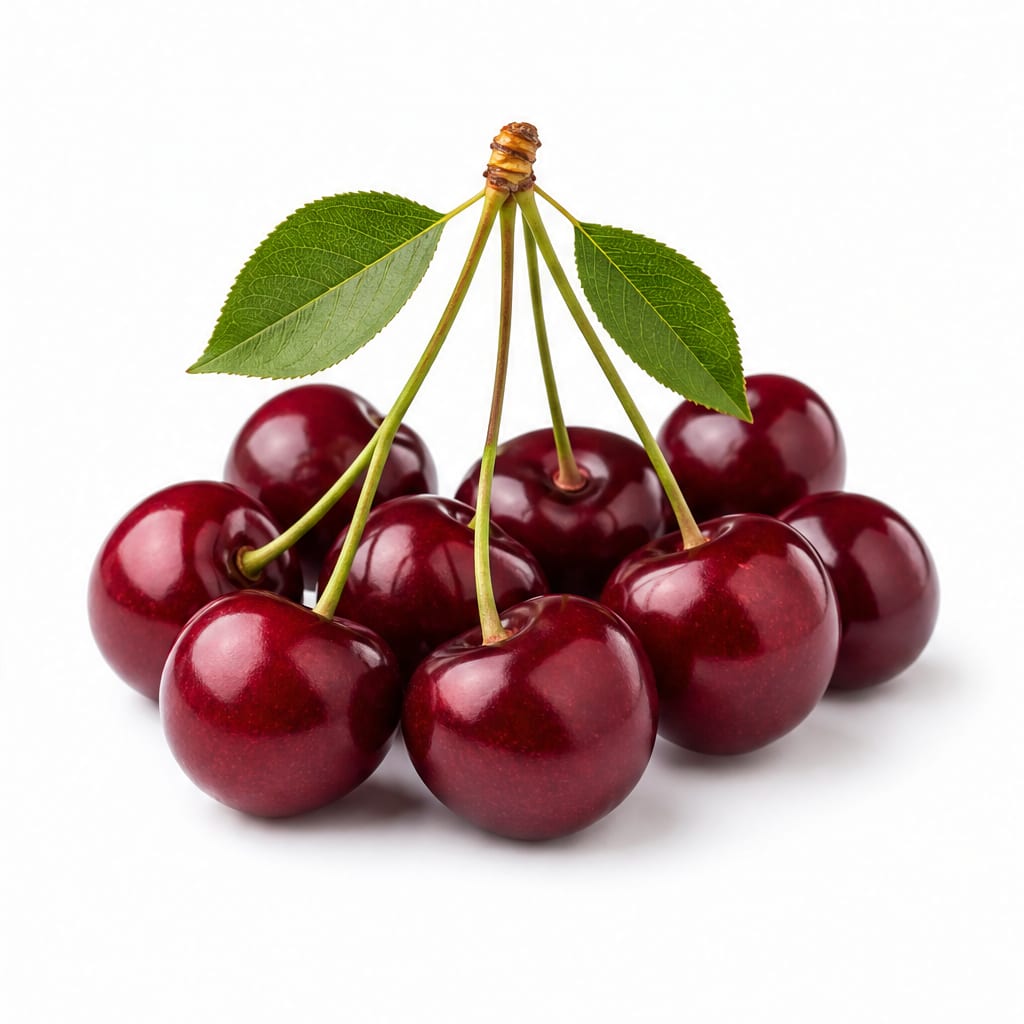
Compare with
Tart cherry
Tart cherries are renowned for muscle recovery and sleep aid due to melatonin, whereas buffaloberries excel in lycopene-driven cardiovascular benefits.
Tart cherries are better for muscle recovery and sleep, while buffaloberries are lower in calories and better for weight management.
This food
Buffaloberry
VS65% alike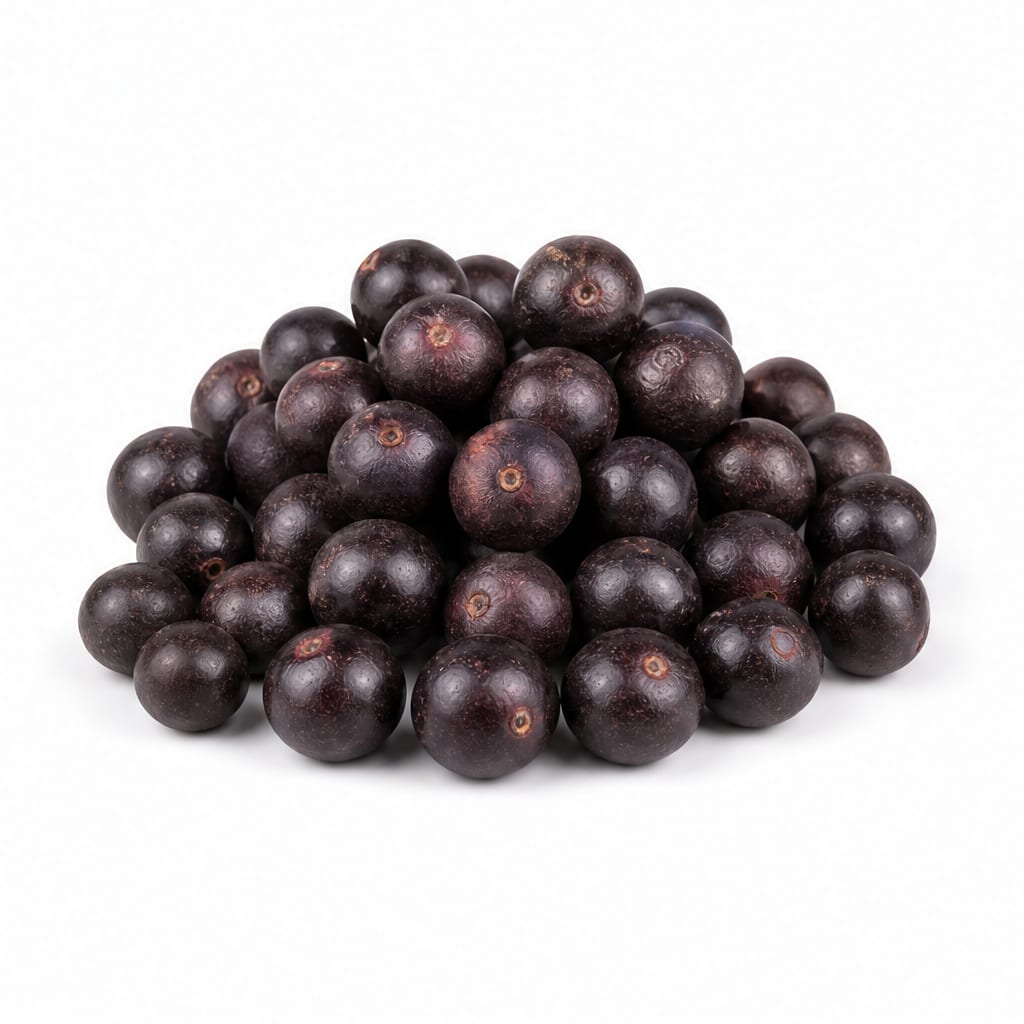
Compare with
Acai berry
Acai is higher in healthy fats and anthocyanins, while buffaloberry is lower in calories and higher in lycopene.
Acai provides more healthy fats for sustained energy, but buffaloberry is significantly lower in calories and better for weight loss.
This food
Buffaloberry
VS60% alike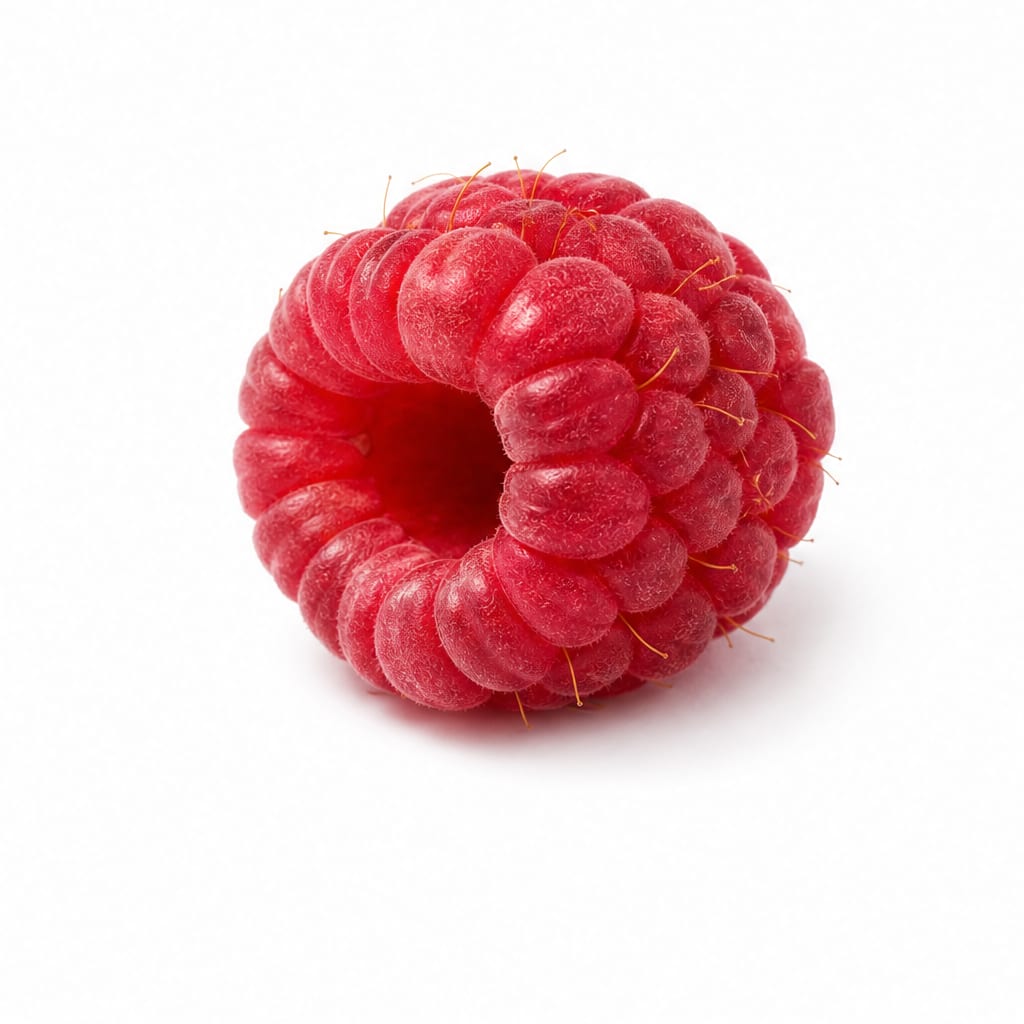
Compare with
Red raspberry
Raspberries are sweeter and much more common, while buffaloberries are far more tart and concentrated in lycopene.
Raspberries are sweeter and easier to eat raw, while buffaloberries are much tarter and offer more lycopene.
This food
Buffaloberry
VS55% alike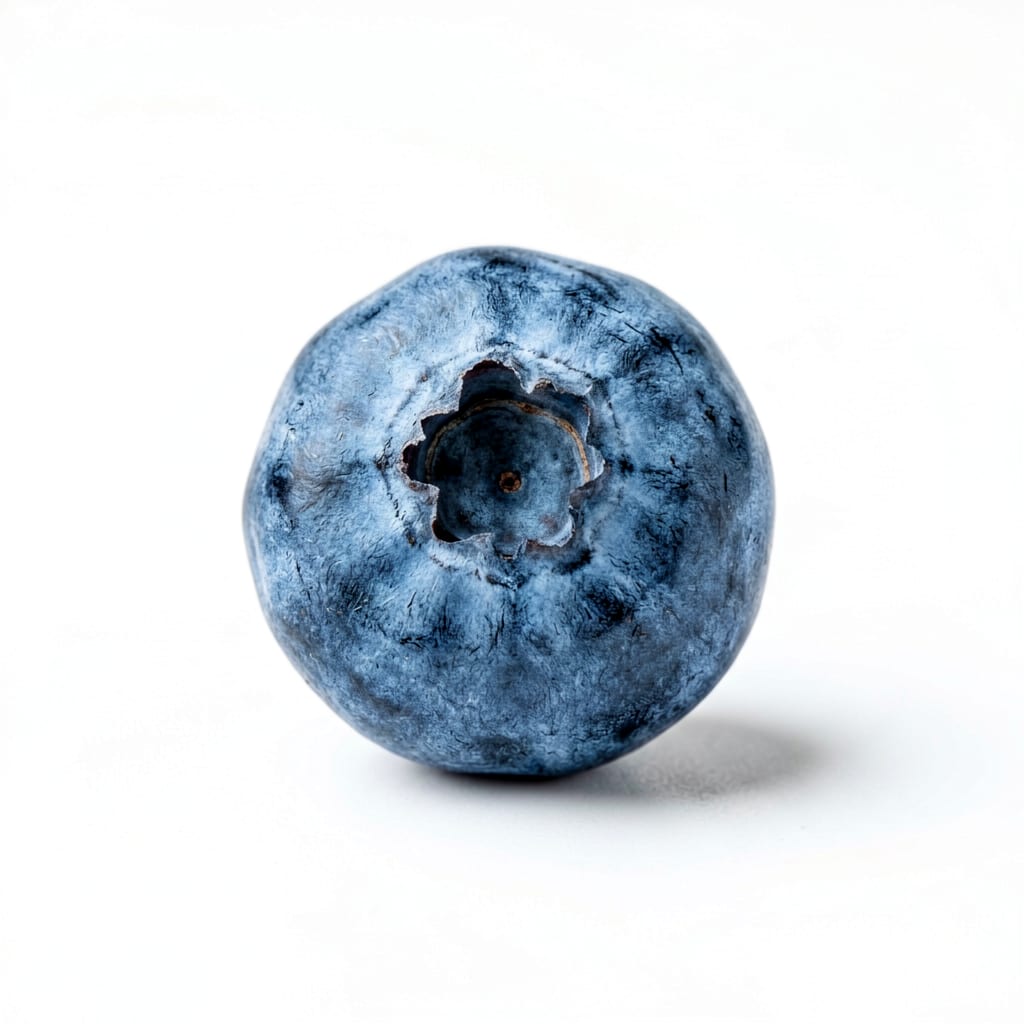
Compare with
Blueberry
Blueberries are sweet and high in anthocyanins, while buffaloberries are tart, lower in sugar, and high in lycopene.
Blueberries are sweeter and better for snacking, while buffaloberries are lower in sugar and provide stronger cardiovascular antioxidants.
This food
Buffaloberry
VS70% alike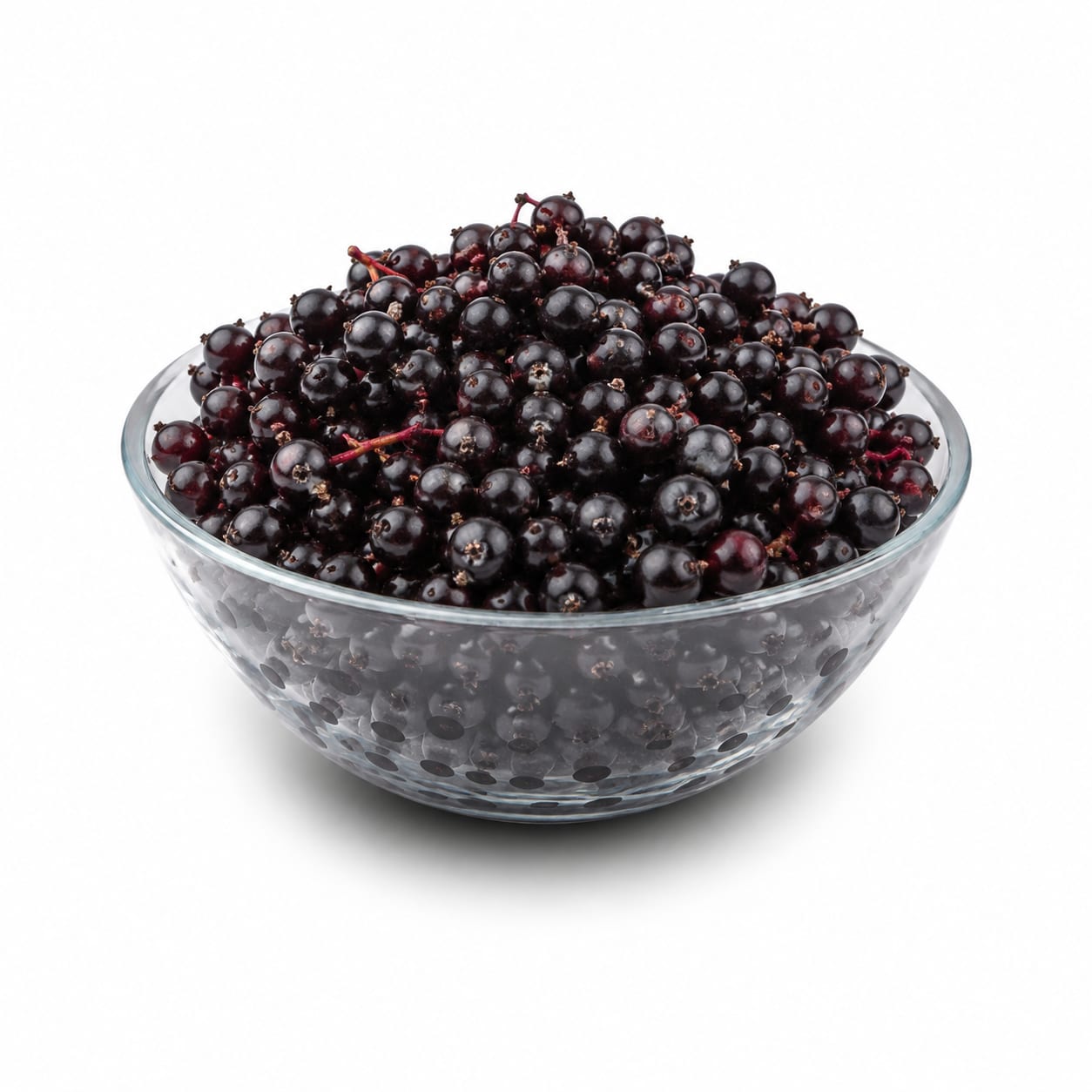
Compare with
Elderberry
Elderberries are famous for immune support, while buffaloberries are superior for lycopene intake.
Elderberries are best known for immune support, whereas buffaloberries are a better choice for lycopene and low-calorie eating.
This food
Buffaloberry
VS40% alike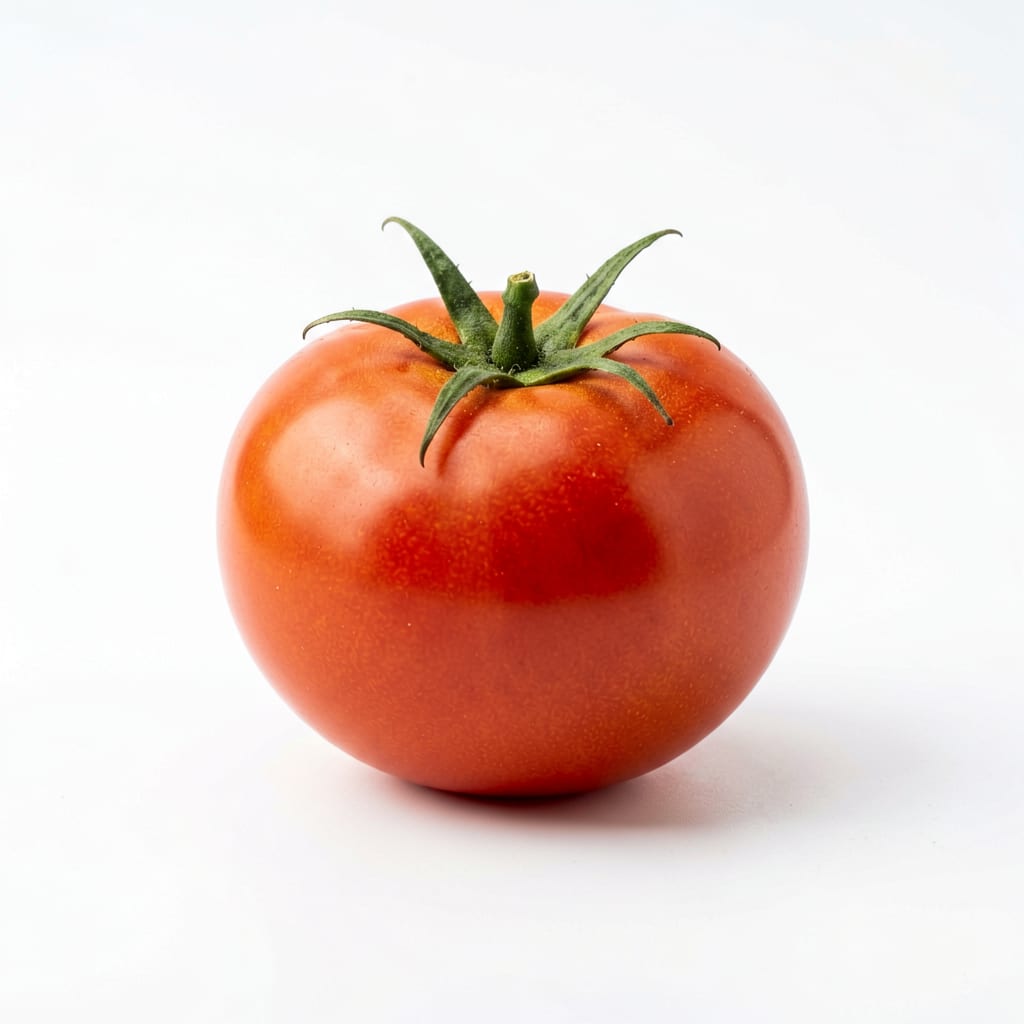
Compare with
Tomato
Tomatoes are a savory staple with high bioavailable lycopene when cooked, while buffaloberries are a tart fruit with lycopene and vitamin C.
Tomatoes are a versatile savory source of lycopene, while buffaloberries offer a low-calorie, tart fruit alternative with high vitamin C.
Common questions
FAQ
Answers aligned with how people search for this food.
Are buffaloberries good for weight loss?
Yes, they are low in calories and high in fiber, which helps keep you full and supports low-energy-density diets.
Can you eat raw buffaloberries?
Yes, but they are very tart and astringent; most people prefer them cooked or sweetened to make them palatable.
Is buffaloberry high in lycopene?
Yes, red buffaloberries are exceptionally rich in lycopene, containing higher concentrations than raw tomatoes.
Can diabetics eat buffaloberry?
Yes, their low sugar and high fiber content make them a blood-sugar-friendly fruit choice when prepared without added sugars.
What is the difference between buffaloberry and sea buckthorn?
While both are tart, silver-speckled berries, they are different plants; buffaloberry is higher in lycopene, whereas sea buckthorn is known for omega-7 fatty acids.
Are buffaloberry seeds safe to eat?
Yes, the seeds are safe in normal amounts but contain trace saponins that can cause mild stomach upset if eaten in massive quantities raw.
How do you use buffaloberries?
They are best used in jams, jellies, sauces, or dried in trail mix to balance their intense tart flavor.
Is buffaloberry a superfood?
While superfood is a marketing term, buffaloberries are nutrient-dense with outstanding antioxidant levels, making them an excellent functional food.
Transparency
Data confidence
Estimated confidence for nutrition data, interpretation, safety notes, and comparisons.
Nutrition data
Health analysis
Food safety
Comparisons