
Nutrition comparison
Buffaloberry vs Red Raspberry: Which Berry Is Healthier?
Compare buffaloberry and red raspberry nutrition, fiber, antioxidants, and practicality. Find out which berry wins for daily health, weight loss, and blood sugar management.
Overall winner · Red raspberry
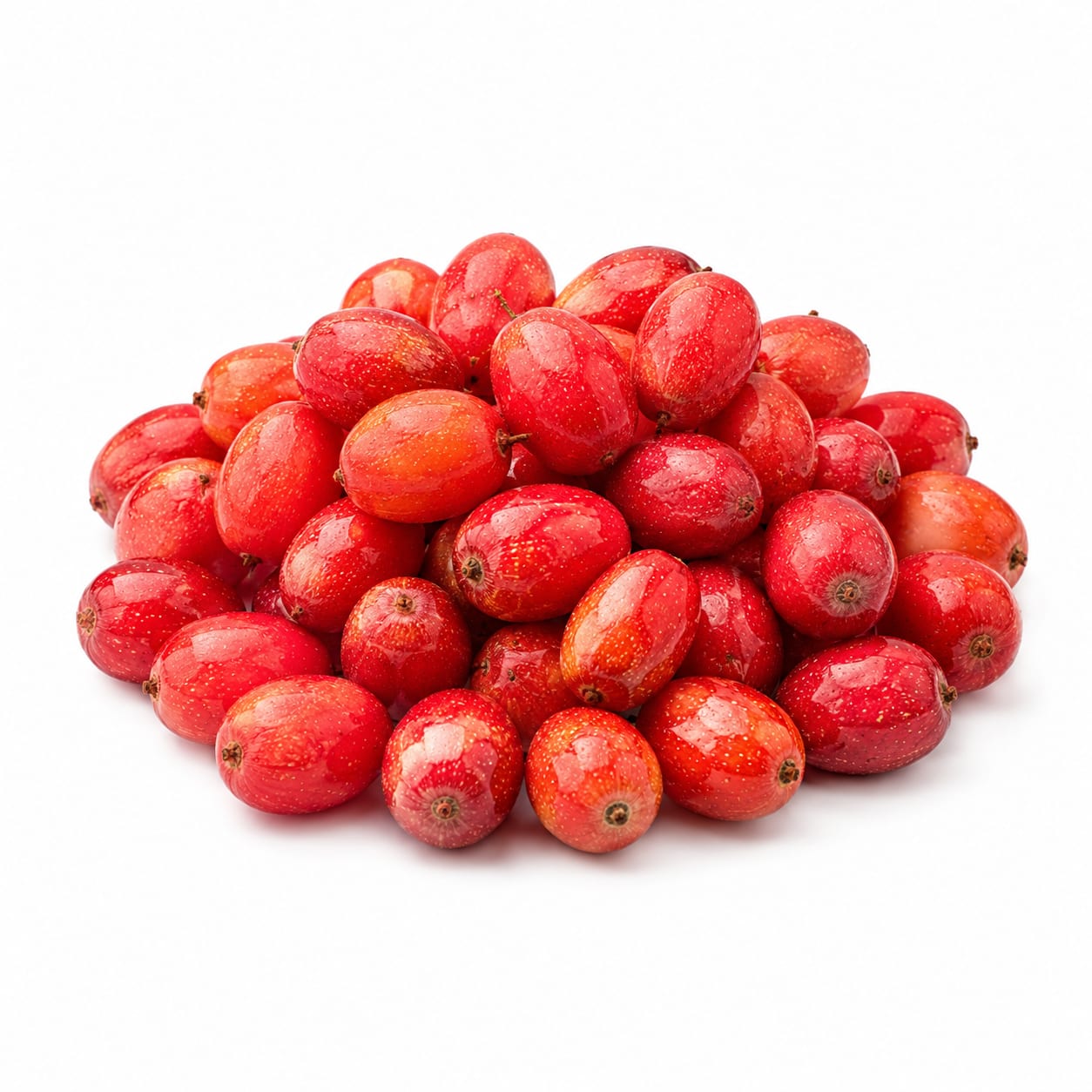
Buffaloberry
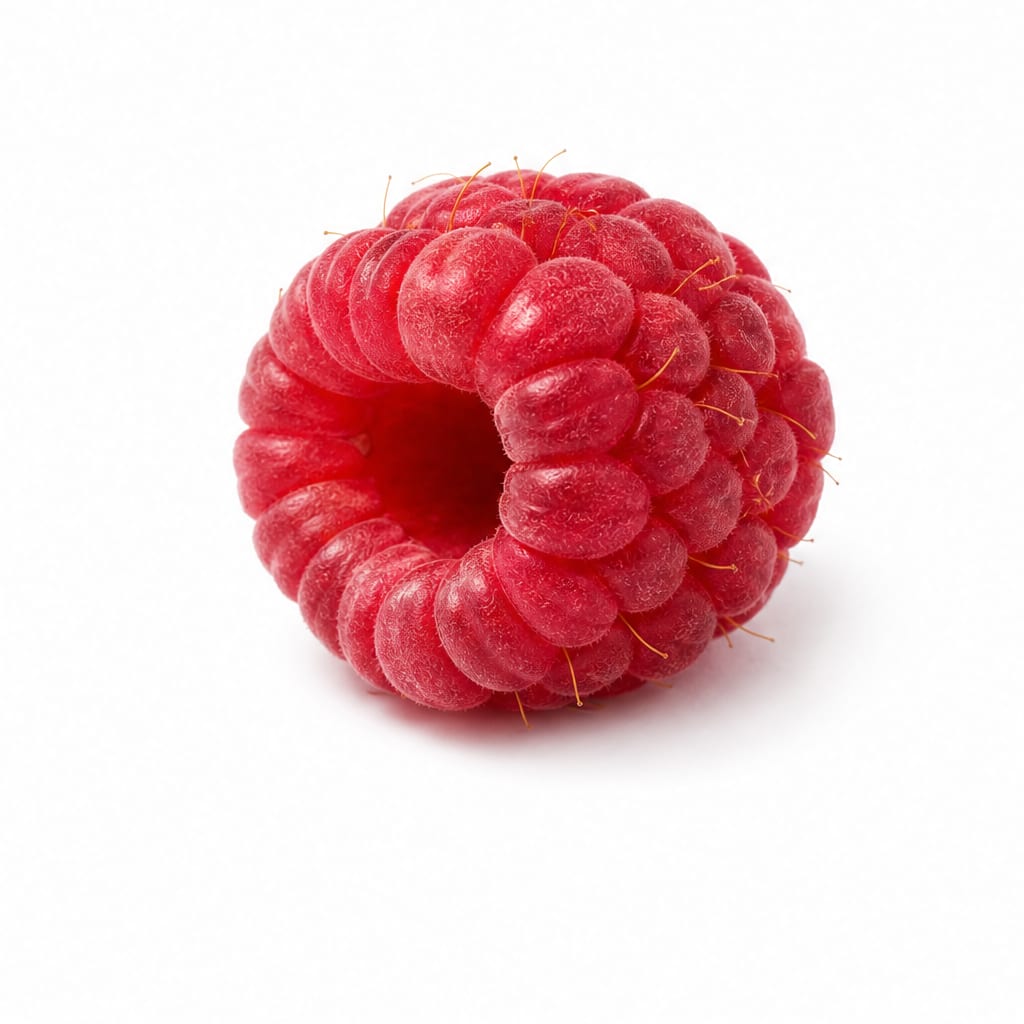
Red raspberry
Red raspberries win on fiber, availability, and daily practicality, while buffaloberries offer a rare lycopene punch but are nearly impossible to find fresh.
Red raspberry scores significantly higher due to superior fiber, widespread availability, and extensive research backing. Buffaloberry has intriguing nutritional properties but loses heavily on accessibility and evidence base.
Buffaloberry delivers unique lycopene and carotenoid antioxidants you won't find in other berries, but red raspberry is one of the most fiber-rich fruits you can actually buy and eat regularly.
At a glance
Executive summary
Overall
Red raspberry
Healthier
Red raspberry
More practical
Red raspberry
Daily use
Red raspberry
Key comparison lenses
antioxidant diversity and unique phytonutrients
Buffaloberry contains rare lycopene for a berry, while red raspberry offers ellagic acid — users want to know which antioxidant profile matters more
everyday accessibility and practical use
Red raspberries are grocery-store staples; buffaloberries are extremely hard to find fresh, making practicality a major decision factor
fiber and digestive health
Red raspberries are among the highest-fiber fruits available, a key reason people choose them over other berries
sugar content and blood sugar impact
Both are relatively low-sugar fruits, but subtle differences matter for diabetic or low-carb users
weight management and satiety
Fiber density and calorie-to-fullness ratio differ meaningfully between these two berries
Best choice for
Buffaloberry
- Foragers and wild-food enthusiasts in the northern Great Plains
- People seeking lycopene from non-tomato sources
- Anyone wanting to diversify their antioxidant intake beyond common berries
- Those interested in traditional Native American foodways
Red raspberry
- Everyday grocery shoppers wanting a reliable high-fiber fruit
- People managing blood sugar or following low-carb diets
- Anyone prioritizing digestive health and regularity
- Home cooks wanting versatile berries for smoothies, baking, or snacking
Least suitable for
Buffaloberry
- Anyone who needs consistent weekly access to their fruit
- People unfamiliar with foraging or without local suppliers
- Those expecting a sweet, mild berry flavor
Red raspberry
- People with oxalate sensitivity or kidney stone concerns
- Those seeking lycopene specifically from fruit sources
- Anyone allergic to raspberries or related berries
Deep comparison
Dimension by dimension
Each lens scores both foods and breaks down who each option suits.
- Dimension 1 · Priority 90Red raspberry
fiber content and digestive fullness
Buffaloberry · 55Red raspberry · 95Red raspberries are fiber powerhouses with roughly 8g per cup, among the highest of any fruit. Buffaloberries provide moderate fiber but far less per serving.
Tradeoff
You'd need roughly double the buffaloberries to match the fiber in a single cup of red raspberries.
Why it matters
Fiber is the single most underconsumed nutrient in Western diets, affecting everything from gut health to blood sugar control to how long you stay full after eating.
Real-world impact
A cup of red raspberries with breakfast can keep you satisfied until lunch. Buffaloberries would leave you hungry sooner without pairing with other fiber sources.
Buffaloberry
- Situations where fiber isn't the priority and antioxidant novelty is
Better for
- Reliance on buffaloberry alone for digestive regularity
Worse for
Red raspberry
- Anyone trying to hit 25-30g fiber daily without supplements
- People prone to constipation or sluggish digestion
- Breakfast additions that extend satiety for hours
Better for
- People on strict low-oxalate diets for kidney stone prevention
Worse for
- Dimension 2 · Priority 88Buffaloberry
antioxidant profile and uniqueness
Buffaloberry · 91Red raspberry · 82Buffaloberry is one of the only berries containing significant lycopene, the same antioxidant found in tomatoes. Red raspberries offer ellagic acid and anthocyanins instead.
Tradeoff
Buffaloberry gives you lycopene you can't easily get from other berries, but red raspberries provide a broader, better-studied mix of antioxidants.
Why it matters
Lycopene supports prostate health and cardiovascular protection. Ellagic acid has emerging cancer-prevention research. Different antioxidants protect different systems.
Real-world impact
If you already eat tomatoes regularly, buffaloberry's lycopene advantage matters less. If you avoid tomatoes, buffaloberry becomes more valuable.
Buffaloberry
- People who don't eat tomatoes or cooked tomato products
- Anyone wanting maximum antioxidant diversity across their diet
- Men concerned about prostate health who dislike tomato-based foods
Better for
- Anyone expecting the same anthocyanin benefits as common dark berries
Worse for
Red raspberry
- People who already get lycopene from tomatoes and want complementary antioxidants
- Those prioritizing well-researched anti-inflammatory compounds
Better for
- People missing out on lycopene because they eat few red fruits
Worse for
- Dimension 3 · Priority 86Red raspberry
availability and everyday practicality
Buffaloberry · 18Red raspberry · 94Red raspberries are available year-round in most grocery stores, fresh or frozen. Buffaloberries are rarely cultivated commercially and are primarily foraged in the northern Great Plains.
Tradeoff
The most nutritious berry in the world is useless if you can't buy it. Red raspberries win on consistency and convenience by a massive margin.
Why it matters
Health benefits only accumulate from foods you actually eat regularly. Intermittent access to buffaloberries can't compete with daily raspberry consumption.
Real-world impact
You can add red raspberries to your grocery list every week. Finding buffaloberries requires foraging knowledge, specialty suppliers, or geographic luck.
Buffaloberry
- People living in the northern Great Plains with foraging experience
- Adventurous eaters who enjoy seeking out rare foods
Better for
- Meal planning that depends on consistent ingredient access
- Anyone outside the buffaloberry's native growing region
Worse for
Red raspberry
- Anyone who shops at regular grocery stores
- People who need meal prep consistency week to week
- Families wanting reliable fruit options kids will eat
Better for
- People bored with common berries wanting novelty
Worse for
- Dimension 4 · Priority 80Red raspberry
sugar content and blood sugar impact
Buffaloberry · 72Red raspberry · 88Both are low-sugar fruits, but red raspberries have slightly less sugar per serving and significantly more fiber to slow absorption, giving them a gentler blood sugar curve.
Tradeoff
Buffaloberry is still a solid low-sugar choice, but its lower fiber means sugar enters the bloodstream a bit faster than with red raspberries.
Why it matters
For people with diabetes or insulin resistance, the fiber-to-sugar ratio matters as much as the total sugar content.
Real-world impact
Red raspberries cause a slower, steadier blood sugar rise. Buffaloberries are still fine for most people but less optimal for strict glucose management.
Buffaloberry
- People wanting a tart fruit with moderate sugar who don't have blood sugar concerns
Better for
- Using buffaloberry as a standalone snack for blood sugar management
Worse for
Red raspberry
- Diabetics and pre-diabetics monitoring glycemic response
- Anyone following a low-carb or keto approach
- People pairing fruit with protein who want minimal insulin spikes
Better for
- People who find very tart fruits unappealing without added sweetener
Worse for
- Dimension 5 · Priority 75Red raspberry
taste and culinary versatility
Buffaloberry · 48Red raspberry · 84Red raspberries have a beloved sweet-tart balance that works in smoothies, desserts, salads, and sauces. Buffaloberries are notably astringent and sour, requiring sweetening for most palates.
Tradeoff
Buffaloberry's intense tartness limits how you can use it, while red raspberries integrate easily into almost any meal or snack.
Why it matters
If a food doesn't taste good, you won't eat it often enough for the nutrients to matter.
Real-world impact
Red raspberries go straight from carton to mouth. Buffaloberries usually need honey, sugar, or blending with sweeter fruit to be enjoyable.
Buffaloberry
- People who enjoy intensely sour and astringent flavors
- Culinary experimenters making jams, syrups, or sauces with added sweetener
Better for
- Eating raw without preparation or sweetening
- Anyone sensitive to tart or bitter flavors
Worse for
Red raspberry
- Casual snacking straight from the container
- Smoothies, oatmeal toppings, and yogurt mix-ins
- Kid-friendly fruit options
Better for
- Applications where you want a strongly tart flavor as a featured taste
Worse for
- Dimension 6 · Priority 72Red raspberry
research evidence and health confidence
Buffaloberry · 30Red raspberry · 85Red raspberries have decades of nutritional research supporting their health claims. Buffaloberry research is early-stage with promising but limited human data.
Tradeoff
Buffaloberry's nutrient profile looks impressive on paper, but the health outcome evidence is thin compared to the extensive raspberry literature.
Why it matters
Lab-identified nutrients don't always translate to real-world health benefits. Stronger evidence means more confidence in what you're getting.
Real-world impact
You can trust that eating red raspberries regularly delivers documented benefits. Buffaloberry benefits are plausible but not yet well proven in people.
Buffaloberry
- People comfortable with emerging nutrition science and willing to be early adopters
Better for
- Making strong health claims based on buffaloberry's nutrient profile alone
Worse for
Red raspberry
- Evidence-based eaters who want well-supported health claims
- Healthcare providers recommending fruits to patients
- Anyone making dietary changes for specific medical conditions
Better for
- People who assume all common berries are equally well-studied
Worse for
Timeline
Health impact over time
Short-term
Hours to days
Buffaloberry
- Noticeable tartness may cause mouth puckering or mild stomach discomfort if eaten in large quantities raw
- Carotenoid content from lycopene may temporarily give skin a slight warm tone with very high intake
- Astringency can dry the mouth, similar to unripe persimmons
Red raspberry
- High fiber can cause mild bloating or gas if you suddenly increase intake from low baseline
- Quick satiety from fiber density helps reduce overeating at meals
- Vitamin C supports immune function within hours of consumption
Long-term
Months to years
Buffaloberry
- Lycopene intake may support cardiovascular and prostate health over years, though human-specific data is limited
- Dietary diversity from eating uncommon berries supports a broader gut microbiome
- If foraged, risk of misidentification could introduce harmful lookalike berries
Red raspberry
- Consistent high fiber intake reduces risk of heart disease, type 2 diabetes, and colorectal cancer
- Ellagic acid may offer long-term cellular protection against certain cancers based on growing evidence
- Regular consumption supports healthy cholesterol levels and gut microbiome diversity
Risk profile
Safety & processing
Both berries are whole, unprocessed foods in their natural state. Buffaloberries are almost exclusively consumed wild or home-harvested. Red raspberries are available both fresh and frozen with minimal processing, though frozen versions may contain added sugar in some brands — always check labels.
Buffaloberry
Foraging misidentification
highBuffaloberries can be confused with other red berries in the wild, some of which are toxic. Only forage with expert knowledge.
Agricultural chemical exposure
lowWild buffaloberries grow without pesticide application, but foraged plants near roads or industrial areas may absorb environmental contaminants.
Seed toxicity in large quantities
lowBuffaloberry seeds contain saponins that can cause stomach upset if consumed in very large amounts, though normal eating quantities are safe.
Red raspberry
Pesticide residue
mediumConventionally grown red raspberries consistently appear on the EWG's Dirty Dozen list for pesticide residues. Choose organic when possible.
Mold and spoilage
mediumRed raspberries are highly perishable and prone to mold within days. Inspect carefully and consume quickly or freeze.
Oxalate content
lowRed raspberries contain moderate oxalates, which may be a concern for people with a history of calcium oxalate kidney stones.
Who wins for whom
Audience fit
Same foods, different winners depending on your goal.
children
Red raspberryRed raspberries are sweeter, more palatable, and widely available in kid-friendly formats. Buffaloberry's intense tartness and limited access make it impractical for most children.
daily consumption
Red raspberryYou can buy and eat red raspberries every day of the year. Buffaloberries are seasonal, regional, and rare — making daily consumption unrealistic for nearly everyone.
diabetes
Red raspberryRed raspberries have a lower effective glycemic impact thanks to their exceptional fiber-to-sugar ratio, making them safer for blood sugar management.
elderly
Red raspberryRed raspberries' high fiber supports digestive regularity, a common concern for older adults. Their soft texture is easy to chew, and consistent access supports daily habits.
muscle gain
It dependsNeither berry is a significant protein source. Both offer antioxidants that support recovery, but neither moves the needle meaningfully for muscle building. Choose based on taste preference and availability.
weight loss
Red raspberryRed raspberries provide more fiber per calorie, creating stronger satiety with fewer total calories. Their widespread availability makes them easier to incorporate consistently into a weight loss plan.
Your move
Decision guide
Choose Buffaloberry
- You live in the northern Great Plains and can forage buffaloberries reliably
- You avoid tomatoes and need a lycopene source from fruit
- You want to expand your antioxidant diversity beyond common berries
- You enjoy intensely tart flavors or making homemade jams and syrups
Choose Red raspberry
- You want a high-fiber fruit you can buy at any grocery store
- You're managing blood sugar, weight, or digestive health
- You need a versatile berry for smoothies, oatmeal, yogurt, or snacking
- You want well-researched health benefits with strong evidence
Either works if
- You're simply trying to eat more whole fruit and both are available
- You want to rotate different berries for antioxidant diversity
- You're making a mixed berry blend where either contributes value
Avoid both if
- You have a berry allergy or salicylate sensitivity
- You're on a strict low-oxalate diet for kidney stone management
- You need high-protein or calorie-dense foods for weight gain
Final recommendation
Make red raspberries your everyday berry — their fiber, availability, and evidence base make them one of the best fruits you can eat consistently. If you ever encounter buffaloberries, enjoy them as a lycopene-rich supplement to your regular berry rotation, not a replacement. The best diet includes both the practical staples and the occasional wild card.
Practical
Consumer tips
- 1
Buy frozen red raspberries when fresh are out of season — they retain nutrients well and are often cheaper
- 2
Choose organic red raspberries when possible due to high pesticide residue on conventional crops
- 3
If foraging buffaloberries, go with an experienced guide and never eat wild red berries you cannot identify with certainty
- 4
Blend buffaloberries with sweeter fruits like apples or peaches to balance their intense tartness
- 5
Add red raspberries to overnight oats — their fiber thickens the mixture and keeps you full longer
- 6
Freeze buffaloberries when you find them to preserve their lycopene content for months