
Nutrition comparison
Buffaloberry vs Sea Buckthorn: Which Superfruit Is Better for You?
Compare Buffaloberry and Sea Buckthorn—two antioxidant powerhouse berries. Learn which wins for vitamin C, omega-7, lycopene, skin health, and daily practicality.
Overall winner · Sea buckthorn
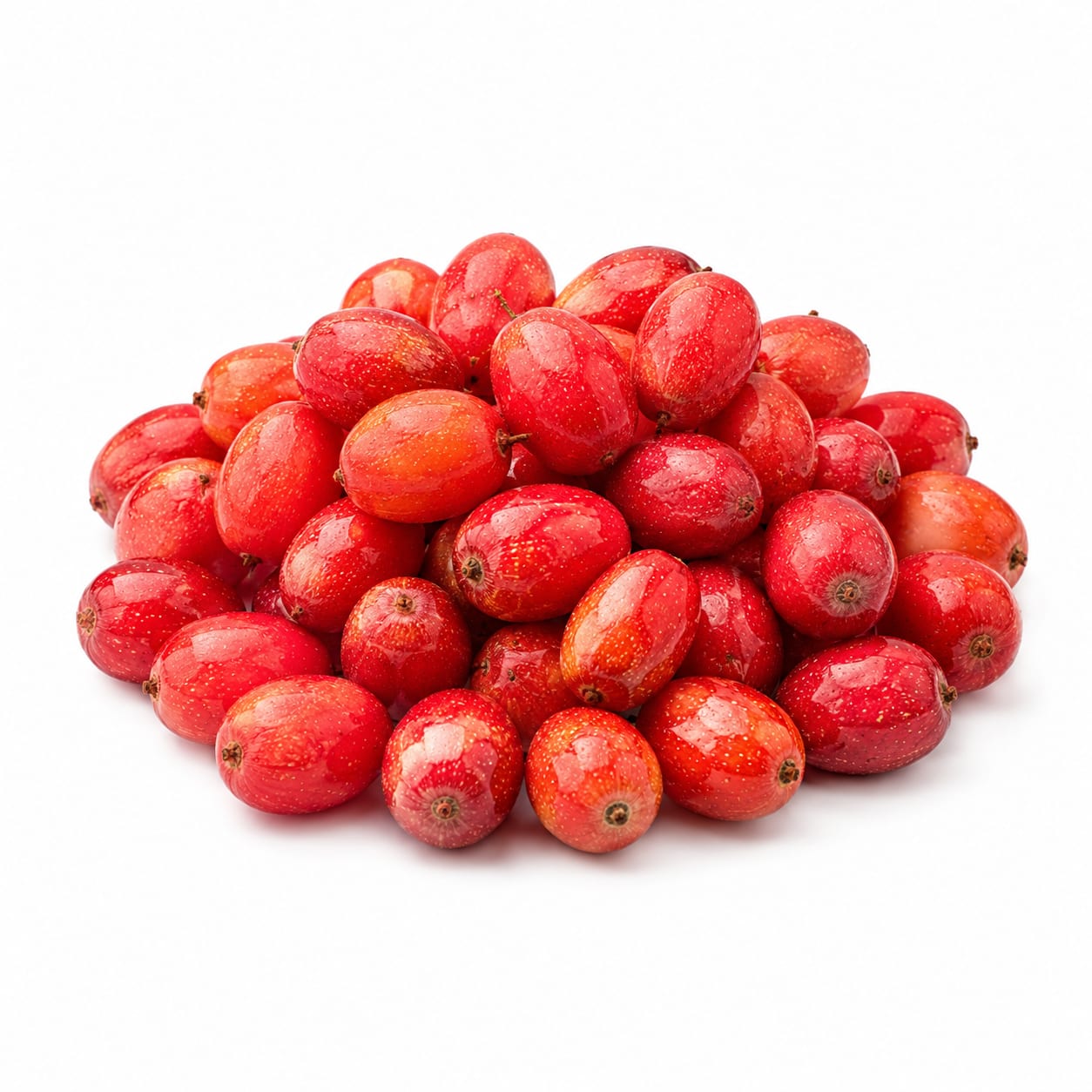
Buffaloberry
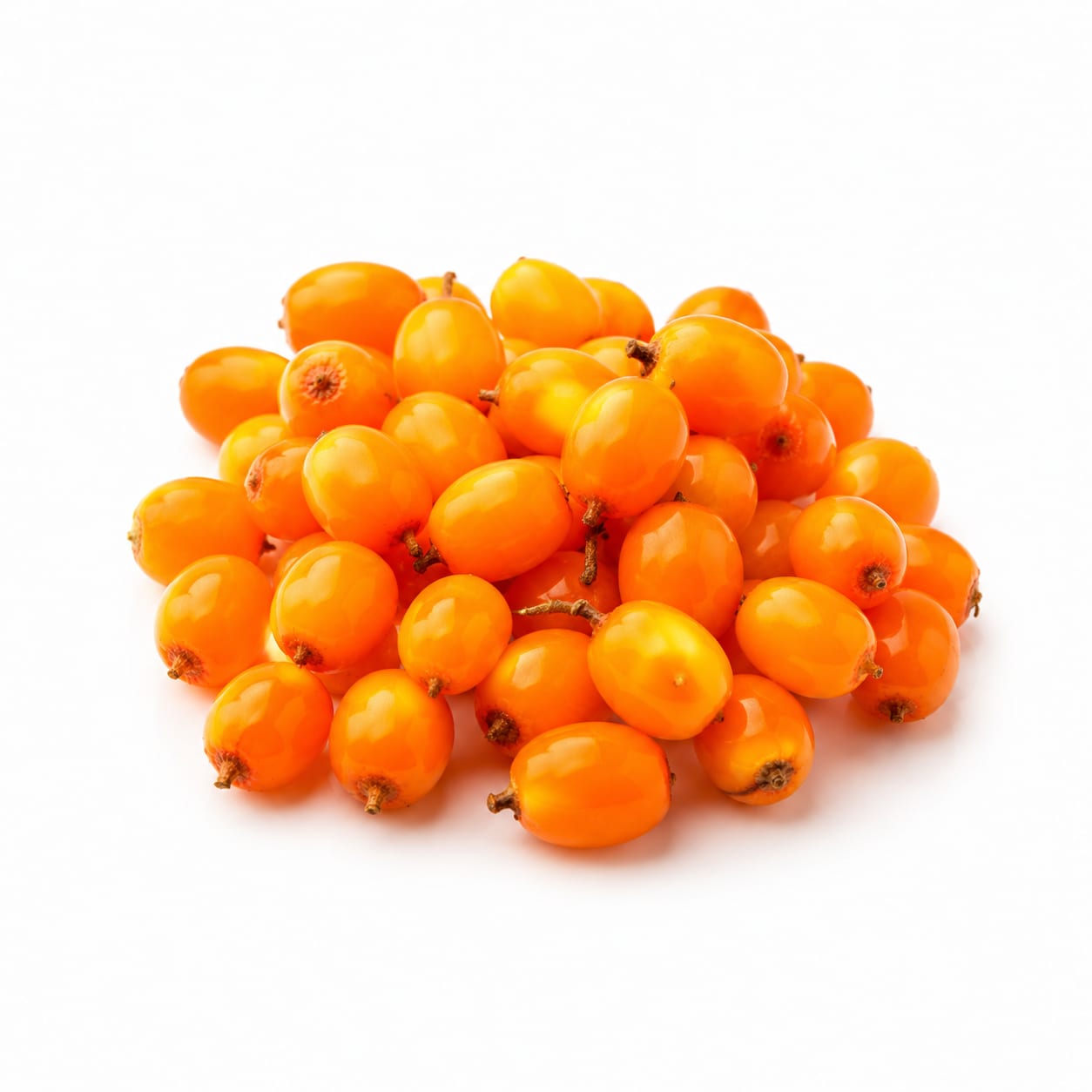
Sea buckthorn
Sea buckthorn edges ahead with unmatched vitamin C levels and rare omega-7 fatty acids, but Buffaloberry counters with lycopene—a carotenoid Sea buckthorn simply cannot offer.
Sea buckthorn scores higher due to its exceptional vitamin C content, rare omega-7 fatty acids, and stronger evidence base for skin and immune health. Buffaloberry remains valuable for its lycopene concentration but has a narrower nutritional portfolio and far less commercial availability.
Sea buckthorn delivers broader nutrient firepower and more proven health applications, while Buffaloberry offers a uniquely concentrated lycopene advantage that supports prostate and cardiovascular health in ways Sea buckthorn cannot replicate.
At a glance
Executive summary
Overall
Sea buckthorn
Healthier
Sea buckthorn
More practical
Sea buckthorn
Daily use
Sea buckthorn
Key comparison lenses
antioxidant superiority
Both berries are prized for extraordinary antioxidant content, so users want to know which delivers more protective power
unique nutrient benefits
Each berry offers rare compounds—lycopene in Buffaloberry, omega-7 fatty acids in Sea buckthorn—making this a nuanced tradeoff
skin and beauty health
Sea buckthorn is famous for skin benefits, a common reason people seek out these berries
availability and practical use
Both are niche superfoods, so real-world access matters greatly for decision-making
immune support
Vitamin C content differs dramatically between these two, directly affecting immune function
Best choice for
Buffaloberry
- Men concerned about prostate health
- People seeking lycopene without eating tomatoes
- Those wanting a native North American foraging option
- Anyone targeting carotenoid-specific antioxidant protection
Sea buckthorn
- Skin and beauty enthusiasts
- People seeking immune-boosting vitamin C
- Anyone wanting omega-7 fatty acids from a plant source
- Those with inflammatory skin or digestive conditions
Least suitable for
Buffaloberry
- People expecting high vitamin C content
- Those wanting widely available commercial products
- Anyone seeking omega fatty acid benefits from their berries
Sea buckthorn
- People on blood-thinning medications due to vitamin K content
- Those specifically seeking lycopene benefits
- Anyone sensitive to very tart or sour flavors
Deep comparison
Dimension by dimension
Each lens scores both foods and breaks down who each option suits.
- Dimension 1 · Priority 92Sea buckthorn
antioxidant_density
Buffaloberry · 68Sea buckthorn · 91Sea buckthorn delivers dramatically more vitamin C—often 6 to 12 times more than Buffaloberry—making it one of the most antioxidant-dense fruits on Earth.
Tradeoff
Buffaloberry compensates with lycopene, a carotenoid antioxidant that Sea buckthorn lacks entirely, but the overall antioxidant volume favors Sea buckthorn.
Why it matters
Higher antioxidant intake correlates with reduced oxidative stress, slower cellular aging, and better recovery from physical exertion.
Real-world impact
Regular Sea buckthorn consumption may show visible improvements in skin resilience and fewer sick days during cold season.
Buffaloberry
- Targeted lycopene-specific antioxidant protection
- Carotenoid-focused cellular defense
Better for
- Lower overall antioxidant volume
- Minimal vitamin C contribution
Worse for
Sea buckthorn
- Broadspectrum antioxidant coverage
- High-dose vitamin C immune support
- Recovery from oxidative stress after intense exercise
Better for
- No lycopene whatsoever
- Less carotenoid diversity
Worse for
- Dimension 2 · Priority 85Sea buckthorn
unique_fatty_acid_profile
Buffaloberry · 25Sea buckthorn · 90Sea buckthorn is one of the only plant sources of omega-7 palmitoleic acid, a rare fatty acid linked to skin repair, mucous membrane health, and metabolic support.
Tradeoff
Buffaloberry contains negligible omega fatty acids, offering nothing comparable to Sea buckthorn's oil-rich seed and pulp composition.
Why it matters
Omega-7 fatty acids support skin hydration, digestive tract lining integrity, and insulin sensitivity—benefits almost no other common berry provides.
Real-world impact
People taking Sea buckthorn oil often report improvements in dry skin, vaginal dryness, and digestive comfort within weeks of consistent use.
Buffaloberry
- Essentially no meaningful fatty acid content
- No omega-3, omega-6, or omega-7 contribution
Worse for
Sea buckthorn
- Plant-based omega-7 intake
- Skin barrier repair from within
- Mucous membrane support for dry eyes and mouth
Better for
- Dimension 3 · Priority 82Buffaloberry
lycopene_and_carotenoid_content
Buffaloberry · 88Sea buckthorn · 55Buffaloberry is unusually rich in lycopene—a carotenoid more commonly associated with tomatoes—giving it a distinct protective niche that Sea buckthorn cannot fill.
Tradeoff
Sea buckthorn offers beta-carotene and other carotenoids but lacks lycopene entirely, missing the specific prostate and cardiovascular protection lycopene provides.
Why it matters
Lycopene is one of the most studied carotenoids for prostate health, arterial flexibility, and UV skin protection from within.
Real-world impact
Men who regularly consume lycopene-rich foods like Buffaloberry may have measurably better prostate markers over time compared to those who do not.
Buffaloberry
- Prostate-specific protective benefits
- Cardiovascular support via arterial flexibility
- UV damage mitigation from internal lycopene stores
Better for
- Less carotenoid variety overall
Worse for
Sea buckthorn
- Beta-carotene for vitamin A conversion
- General carotenoid-based eye health support
Better for
- Complete absence of lycopene
- No prostate-specific carotenoid protection
Worse for
- Dimension 4 · Priority 75Sea buckthorn
availability_and_commercial_access
Buffaloberry · 30Sea buckthorn · 62Sea buckthorn has established commercial supply chains with juices, oils, supplements, and frozen pulp widely available online and in health stores. Buffaloberry remains largely a foraged specialty with minimal retail presence.
Tradeoff
Neither berry is as accessible as blueberries or cranberries, but Sea buckthorn is far easier to find and purchase consistently.
Why it matters
The healthiest berry in the world provides zero benefit if you cannot actually obtain it regularly.
Real-world impact
Most consumers can order Sea buckthorn products within days. Buffaloberry may require specialty foraging connections or regional travel during harvest season.
Buffaloberry
- Free if you live in the Great Plains and forage
- Novel ingredient for artisanal food creators
Better for
- Almost no commercial retail presence
- Seasonal and regional availability only
- No standardized supplement or oil products
Worse for
Sea buckthorn
- Available as juice, oil, capsules, and frozen pulp
- Consistent year-round online ordering
- Established quality control in commercial products
Better for
- Still niche compared to mainstream superfruits
- Premium pricing for most products
Worse for
- Dimension 5 · Priority 78Sea buckthorn
skin_and_beauty_benefits
Buffaloberry · 45Sea buckthorn · 89Sea buckthorn is renowned in skincare for its omega-7 content, vitamin E, and beta-carotene—a combination that directly supports skin hydration, elasticity, and repair.
Tradeoff
Buffaloberry's lycopene offers some UV-protective benefits for skin but lacks the mucous membrane and hydration support that makes Sea buckthorn a skincare staple.
Why it matters
Skin health is one of the top reasons consumers seek out exotic berries, and Sea buckthorn has the most clinical backing in this area.
Real-world impact
Dermatologists and estheticians frequently recommend Sea buckthorn oil for eczema, acne scarring, and aging skin. Buffaloberry has no comparable reputation in skincare.
Buffaloberry
- Internal UV protection via lycopene accumulation
Better for
- No established topical skincare applications
- Missing omega-7 for mucous membrane support
Worse for
Sea buckthorn
- Topical and internal skin hydration
- Eczema and dermatitis symptom relief
- Anti-aging support from combined vitamin C, E, and omega-7
- Oral mucosa and digestive lining repair
Better for
- Dimension 6 · Priority 70Sea buckthorn
immune_support
Buffaloberry · 48Sea buckthorn · 87Sea buckthorn's extraordinary vitamin C content makes it a potent immune ally, far surpassing Buffaloberry's modest contribution.
Tradeoff
Buffaloberry offers some immune support through carotenoids but cannot match the direct immune-activating power of Sea buckthorn's vitamin C concentration.
Why it matters
Vitamin C remains the most evidence-backed single nutrient for immune function, and Sea buckthorn delivers it in exceptional quantities.
Real-world impact
A single serving of Sea buckthorn can provide several times the daily vitamin C requirement, making it a practical immune boost during cold and flu season.
Buffaloberry
- Carotenoid-based immune modulation
Better for
- Low vitamin C limits direct immune activation
Worse for
Sea buckthorn
- High-dose vitamin C for acute immune challenges
- Faster cold recovery when consumed at onset
- Consistent daily immune reinforcement
Better for
Timeline
Health impact over time
Short-term
Hours to days
Buffaloberry
- Noticeable tartness that may cause mild mouth puckering
- Moderate antioxidant uptake with lycopene absorption improving when consumed with fat
- Minimal blood sugar impact due to low natural sugar content
Sea buckthorn
- Intense sourness that often requires dilution or sweetening
- Rapid vitamin C absorption supporting immediate immune activity
- Possible mild digestive stimulation from tartness and organic acids
Long-term
Months to years
Buffaloberry
- Lycopene accumulation supporting prostate and cardiovascular health over years
- Carotenoid stores building in skin for internal UV defense
- Consistent but narrow-spectrum antioxidant protection
Sea buckthorn
- Sustained skin hydration and elasticity improvements with regular consumption
- Omega-7 supporting mucous membrane integrity in digestive and urogenital tracts
- Broad antioxidant defense reducing cumulative oxidative damage
- Possible improvement in lipid profiles with regular Sea buckthorn oil intake
Risk profile
Safety & processing
Both berries are typically consumed in minimally processed forms—fresh, frozen, dried, or cold-pressed into oil. Sea buckthorn products sometimes include added sweeteners to manage extreme tartness, so check labels on juices and supplements.
Buffaloberry
Misidentification during foraging
mediumBuffaloberry resembles other silver-foliaged shrubs; incorrect identification could lead to consuming inedible or mildly toxic lookalikes.
Seed toxicity in large quantities
lowSeeds contain saponins that may cause digestive upset if consumed in very large amounts, though normal berry consumption is safe.
Sea buckthorn
Vitamin K interaction with blood thinners
mediumSea buckthorn contains notable vitamin K which can interfere with anticoagulant medications like warfarin, requiring physician consultation.
Acid erosion with frequent juice consumption
lowThe extreme acidity of Sea buckthorn juice may contribute to dental enamel erosion if consumed undiluted and frequently.
Who wins for whom
Audience fit
Same foods, different winners depending on your goal.
children
Sea buckthornSea buckthorn's vitamin C supports growing immune systems, and its commercial availability in kid-friendly formats like diluted juices makes it more practical for families.
daily consumption
Sea buckthornSea buckthorn's broader nutrient spectrum and easier availability make it more sustainable as a daily supplement or food addition.
diabetes
BuffaloberryBuffaloberry's lower sugar content and lycopene's association with improved insulin sensitivity make it slightly more suitable, though both berries are low-glycemic choices.
elderly
Sea buckthornSea buckthorn's omega-7 supports mucous membrane health common in aging—dry eyes, vaginal dryness, and digestive sensitivity—while its vitamin C aids collagen preservation in aging skin and joints.
muscle gain
It dependsNeither berry is relevant for muscle building directly. Sea buckthorn's vitamin C supports collagen synthesis for connective tissue, while Buffaloberry's antioxidant profile may aid exercise recovery modestly.
weight loss
It dependsBoth berries are low in calories and sugar. Buffaloberry may have a slight edge due to lower calorie density, but Sea buckthorn's omega-7 may support metabolic health more actively.
Your move
Decision guide
Choose Buffaloberry
- You specifically want lycopene benefits without eating tomatoes
- Prostate health is a personal priority
- You live in the Great Plains region and can forage Buffaloberry sustainably
- You want a native North American superfruit with deep indigenous food traditions
Choose Sea buckthorn
- Skin health and hydration are primary goals
- You want the strongest vitamin C boost from any berry
- Omega-7 fatty acids appeal to you for digestive or mucous membrane support
- You need something available for consistent daily use
- You are dealing with inflammatory skin conditions like eczema or acne
Either works if
- You simply want to diversify your antioxidant sources beyond common berries
- Both are available and you enjoy tart, sour flavors
- You are building a broad-spectrum superfruit rotation
Avoid both if
- You are on blood thinners and have not consulted your doctor about vitamin K intake
- You have severe acid reflux and cannot tolerate very tart foods
- You expect either berry to replace medical treatment for any condition
Final recommendation
Sea buckthorn is the more versatile and accessible choice for most people, delivering unmatched vitamin C, rare omega-7 fatty acids, and proven skin benefits in a commercially available package. However, if lycopene is your specific target—especially for prostate or cardiovascular reasons—Buffaloberry offers something Sea buckthorn simply cannot. The ideal approach for dedicated superfruit enthusiasts is rotating both, gaining Sea buckthorn's broad nutrient coverage and Buffaloberry's targeted lycopene protection.
Practical
Consumer tips
- 1
Always dilute Sea buckthorn juice—its acidity is intense enough to cause mouth discomfort undiluted
- 2
Consume Buffaloberry with a fat source like nuts or yogurt to maximize lycopene absorption
- 3
Store both berries frozen if buying in bulk; their nutrient profiles degrade slowly but steadily at room temperature
- 4
Check Sea buckthorn product labels for added sugars, especially in juices and jams that try to mask sourness
- 5
If foraging Buffaloberry, confirm identification with a local expert—silver-leafed shrubs can look deceptively similar
- 6
Sea buckthorn oil supplements should specify both seed oil and pulp oil content, as they have different fatty acid profiles
- 7
Start with small amounts of either berry to assess digestive tolerance before increasing servings