
Nutrition comparison
Buffaloberry vs Tart Cherry: Nutrition, Sleep & Recovery Compared
Compare Buffaloberry and Tart cherry to see which berry is better for sleep, muscle recovery, and antioxidants. Discover the unique benefits of lycopene vs anthocyanins.
Overall winner · Tart cherry
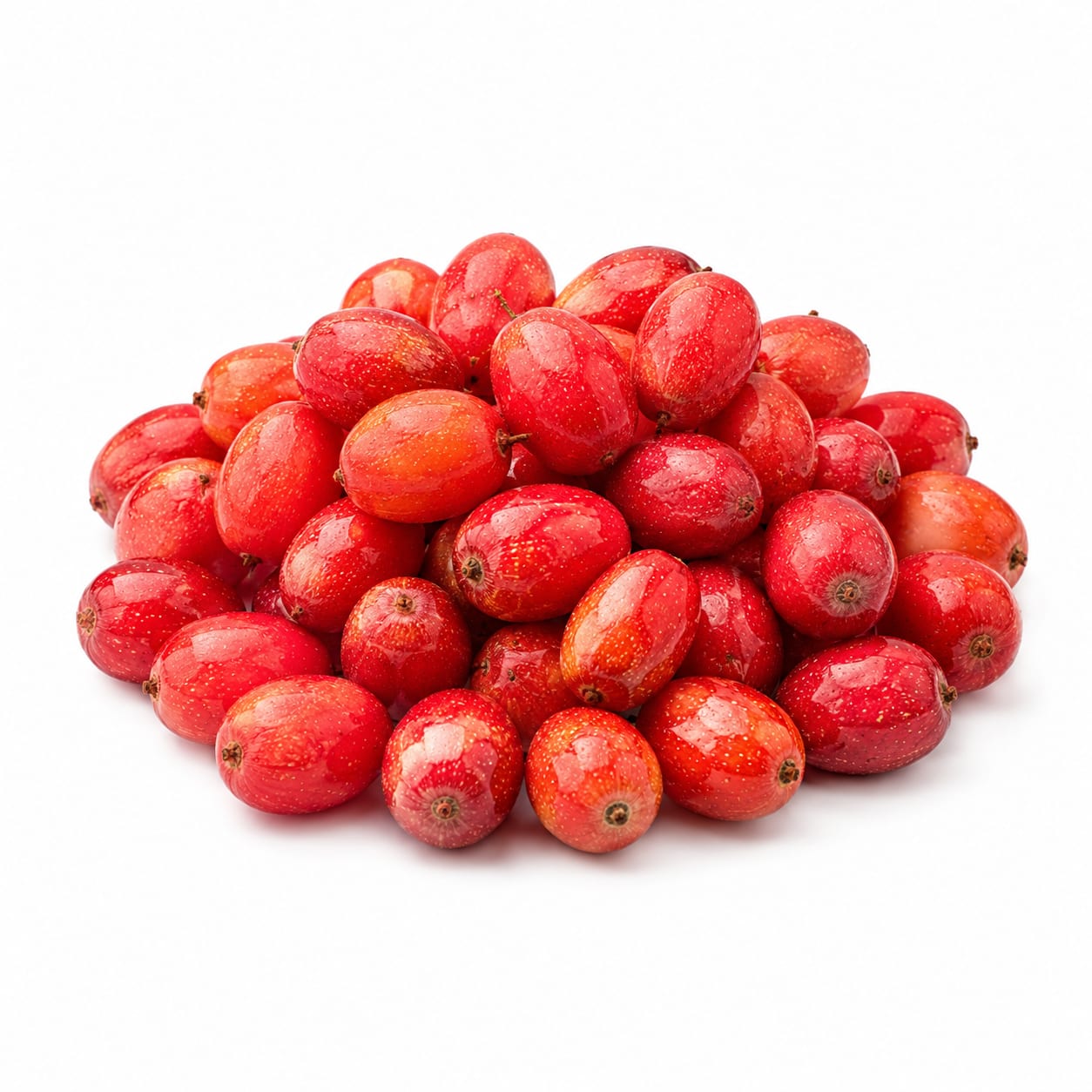
Buffaloberry
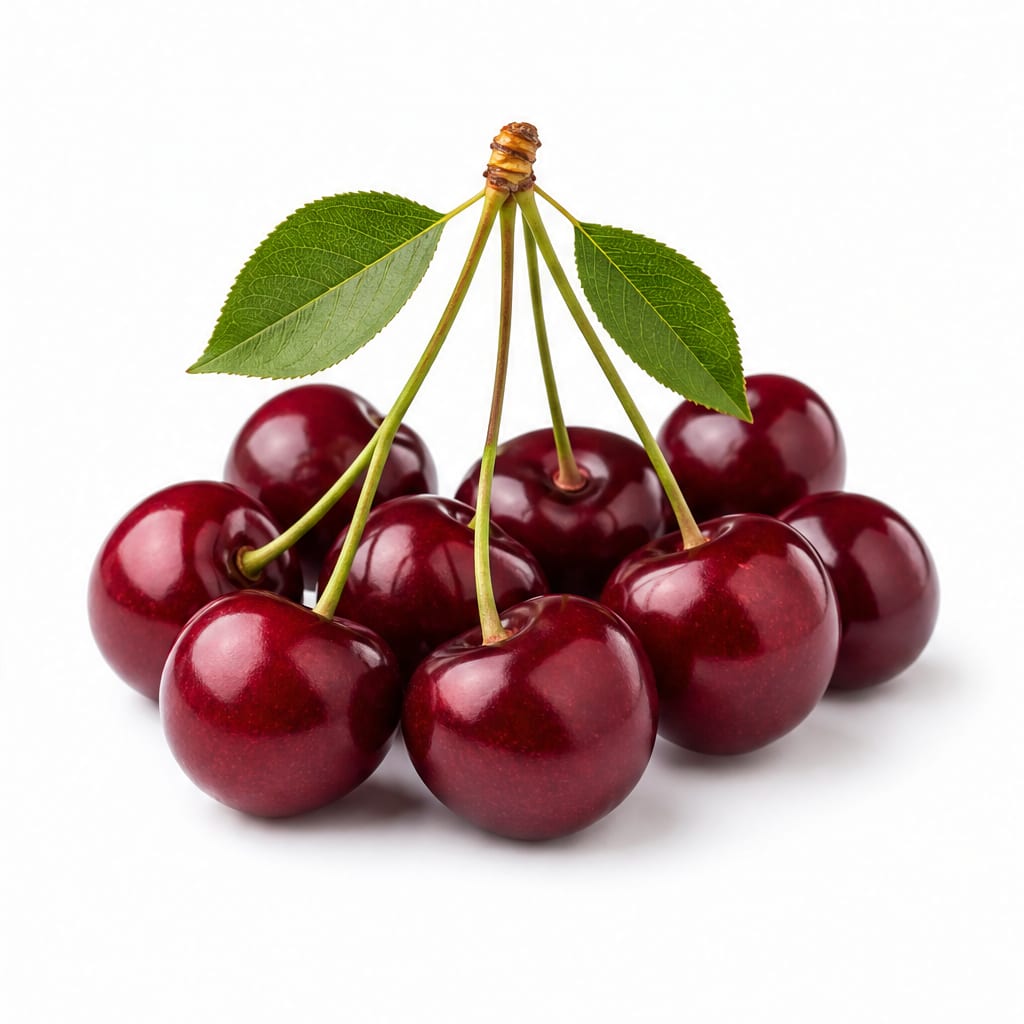
Tart cherry
Tart cherry wins for everyday practicality, sleep benefits, and muscle recovery, while Buffaloberry offers a rare lycopene boost if you can find it.
Tart cherry scores higher due to its accessibility, proven clinical benefits for sleep and recovery, and versatility. Buffaloberry is nutritionally impressive but loses points for scarcity and extreme tartness that often demands added sweeteners.
You trade Buffaloberry's exceptional lycopene content for Tart cherry's proven sleep and recovery benefits plus easy availability.
At a glance
Executive summary
Overall
Tart cherry
Healthier
It depends
More practical
Tart cherry
Daily use
Tart cherry
Key comparison lenses
Antioxidant and anti-inflammatory benefits
Both are prized for unique phytonutrients—lycopene in Buffaloberry and anthocyanins in Tart cherry—making their antioxidant profiles the core comparison.
Sleep and muscle recovery
Tart cherry is famous for natural melatonin and exercise recovery, while Buffaloberry lacks this specific benefit.
Practicality and availability
Tart cherry is widely available in stores, whereas Buffaloberry is mostly foraged or specialty, heavily impacting daily usability.
Sugar content and palatability
Both are intensely tart raw, often requiring sweeteners, which changes their nutritional profile and real-world consumption.
Best choice for
Buffaloberry
- Targeting prostate health via high lycopene intake
- Foraging enthusiasts seeking nutrient-dense wild foods
- Adding unique antioxidant diversity to a varied diet
Tart cherry
- Athletes needing faster muscle recovery
- People struggling with sleep quality
- Anyone wanting a reliable, easy-to-find anti-inflammatory fruit
Least suitable for
Buffaloberry
- People who want convenient, ready-to-eat fruit
- Those sensitive to highly astringent flavors without added sugar
Tart cherry
- Individuals strictly limiting sugar who only have access to juice or dried versions
- Those seeking a low-melatonin evening snack
Deep comparison
Dimension by dimension
Each lens scores both foods and breaks down who each option suits.
- Dimension 1 · Priority 95It depends
Antioxidant Power & Inflammation
Buffaloberry · 88Tart cherry · 90Both are antioxidant powerhouses, but they target different systems. Buffaloberry is a lycopene champion, while Tart cherry relies on anthocyanins.
Tradeoff
Buffaloberry offers rare lycopene for cellular defense, whereas Tart cherry provides anthocyanins that specifically soothe joint and muscle inflammation.
Why it matters
Different antioxidants protect the body in different ways; varying your sources gives broader coverage.
Real-world impact
Eating Tart cherry after a tough workout can noticeably reduce next-day soreness, while Buffaloberry supports long-term cellular health.
Buffaloberry
- Prostate health and cellular defense
Better for
- Acute muscle recovery
Worse for
Tart cherry
- Joint comfort and post-exercise inflammation
Better for
- Lycopene-specific health benefits
Worse for
- Dimension 2 · Priority 90Tart cherry
Sleep & Recovery
Buffaloberry · 40Tart cherry · 95Tart cherry is one of the few natural food sources of melatonin, making it a proven sleep aid and recovery booster.
Tradeoff
Choosing Buffaloberry means missing out on the natural melatonin and sleep-enhancing benefits Tart cherry provides.
Why it matters
Sleep directly impacts weight management, mood, and immune function more than most dietary tweaks.
Real-world impact
A glass of Tart cherry juice in the evening can help you fall asleep faster and sleep more soundly.
Buffaloberry
- Late-night sleep support
Worse for
Tart cherry
- Improving sleep onset and duration
- Enhancing athletic recovery
Better for
- Dimension 3 · Priority 80Buffaloberry
Blood Sugar & Satiety
Buffaloberry · 82Tart cherry · 70Raw Buffaloberry is extremely low in sugar and high in fiber, but its tartness often leads to heavy sweetening. Tart cherry, especially as juice, is more concentrated in sugar.
Tradeoff
Buffaloberry has a better baseline sugar profile, but only if you can tolerate it unsweetened. Tart cherry is easier to eat raw but has higher natural sugars.
Why it matters
How you prepare these tart fruits drastically changes their impact on your blood sugar.
Real-world impact
Adding sugar to make Buffaloberry palatable can negate its low-sugar advantage, while Tart cherry juice can cause a quick blood sugar spike if overconsumed.
Buffaloberry
- Low-sugar diets if eaten unsweetened
Better for
- Risk of added sugar in jams or sweetened purees
Worse for
Tart cherry
- Easier to eat raw without added sweeteners
Better for
- Blood sugar spikes from concentrated juice forms
Worse for
- Dimension 4 · Priority 85Tart cherry
Availability & Practicality
Buffaloberry · 30Tart cherry · 90Tart cherry is easy to find frozen, dried, or as juice year-round. Buffaloberry is largely a regional, foraged fruit with minimal commercial presence.
Tradeoff
You can easily make Tart cherry a daily habit, while Buffaloberry remains a rare specialty item.
Why it matters
The healthiest food is the one you can actually access and eat consistently.
Real-world impact
You can grab Tart cherry products at most grocery stores, but finding Buffaloberry requires specialty suppliers or foraging knowledge.
Buffaloberry
- Building a reliable dietary habit
Worse for
Tart cherry
- Consistent daily use
- Easy grocery shopping
Better for
Timeline
Health impact over time
Short-term
Hours to days
Buffaloberry
- Puckering astringency that might deter eating much without sweetener
- Quick vitamin C boost for immune support
Tart cherry
- Noticeable reduction in post-workout muscle soreness
- Potential for improved sleep quality the same night
Long-term
Months to years
Buffaloberry
- High lycopene intake may support prostate and cardiovascular health
- Risk of excess sugar consumption if traditionally prepared with heavy sweeteners
Tart cherry
- Consistent anti-inflammatory action can protect against chronic disease
- Regular melatonin intake supports healthy circadian rhythms
Risk profile
Safety & processing
Buffaloberry is typically consumed whole or in homemade preserves, keeping it minimally processed. Tart cherry is frequently sold as juice or extract, which concentrates the nutrients but also the sugar and occasionally adds preservatives.
Buffaloberry
Misidentification while foraging
highForaging for wild Buffaloberry carries the risk of confusing it with toxic lookalikes if you lack expert knowledge.
Added sugars in traditional preparations
mediumBecause the raw berry is so tart, it is heavily sweetened in jams and jellies, increasing metabolic risk.
Tart cherry
Sugar concentration in juice
mediumTart cherry juice strips away fiber and concentrates fructose, which can stress the liver and spike blood sugar if consumed in large amounts.
Sulfites in dried versions
lowSome dried Tart cherries contain sulfites as preservatives, which can trigger asthma in sensitive individuals.
Who wins for whom
Audience fit
Same foods, different winners depending on your goal.
children
Tart cherryTart cherry is far more palatable and available in kid-friendly forms like smoothies, whereas Buffaloberry is too astringent for most kids.
daily consumption
Tart cherryTart cherry is easy to find, easy to consume, and has clear daily benefits for sleep and inflammation, making it highly sustainable.
diabetes
BuffaloberryRaw Buffaloberry has a lower glycemic impact, provided it is not prepared with added sugars to mask its tartness.
elderly
Tart cherryThe sleep and joint benefits of Tart cherry directly address common age-related issues like insomnia and arthritis.
muscle gain
Tart cherryTart cherry reduces exercise-induced muscle damage and soreness, allowing for harder and more frequent training sessions.
weight loss
BuffaloberryIf eaten unsweetened, Buffaloberry is lower in sugar and calories, but Tart cherry juice is a common trap for hidden liquid calories.
Your move
Decision guide
Choose Buffaloberry
- You have access to fresh or frozen Buffaloberry and want a lycopene boost
- You are an adventurous forager looking for a low-sugar wild fruit
- You are focused on prostate health and want diverse antioxidant sources
Choose Tart cherry
- You want a reliable, natural remedy for better sleep
- You are an athlete dealing with muscle soreness and joint inflammation
- You need an anti-inflammatory fruit that is easy to buy and use regularly
Either works if
- You are simply trying to eat more colorful, antioxidant-rich berries
- You want to add tart flavors to smoothies or yogurt
Avoid both if
- You are on a strict low-acid diet for GERD or acid reflux, as both are highly tart
Final recommendation
Make Tart cherry your daily staple for sleep and recovery, but seek out Buffaloberry as a seasonal or specialty addition when you want to diversify your antioxidant intake with a serious lycopene hit.
Practical
Consumer tips
- 1
If buying Tart cherry juice, choose unsweetened varieties and limit portions to avoid blood sugar spikes.
- 2
If you find Buffaloberry, try blending it with a sweeter fruit like banana instead of adding refined sugar to make it palatable.
- 3
Frozen Tart cherries are often more nutritious and affordable than fresh, and they work perfectly in smoothies.
- 4
Avoid dried Tart cherries that list added sugars or oils in the ingredients.