
Nutrition comparison
Buffaloberry vs Tomato: Which Is Better for Lycopene and Daily Nutrition?
Compare buffaloberry and tomato for lycopene, vitamin C, sugar, and practicality. Learn which is better for daily use, weight loss, and heart health.
Overall winner · Tomato
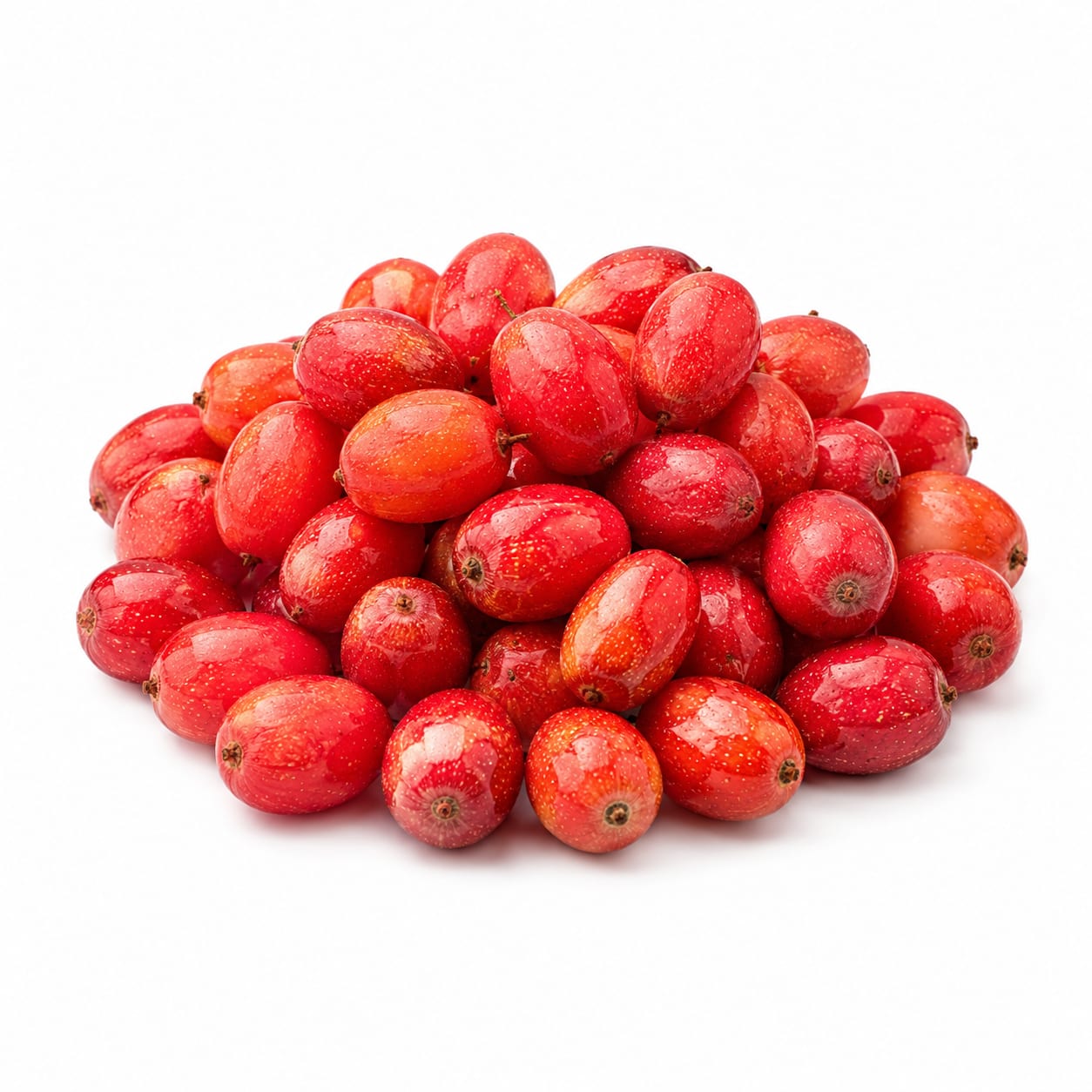
Buffaloberry
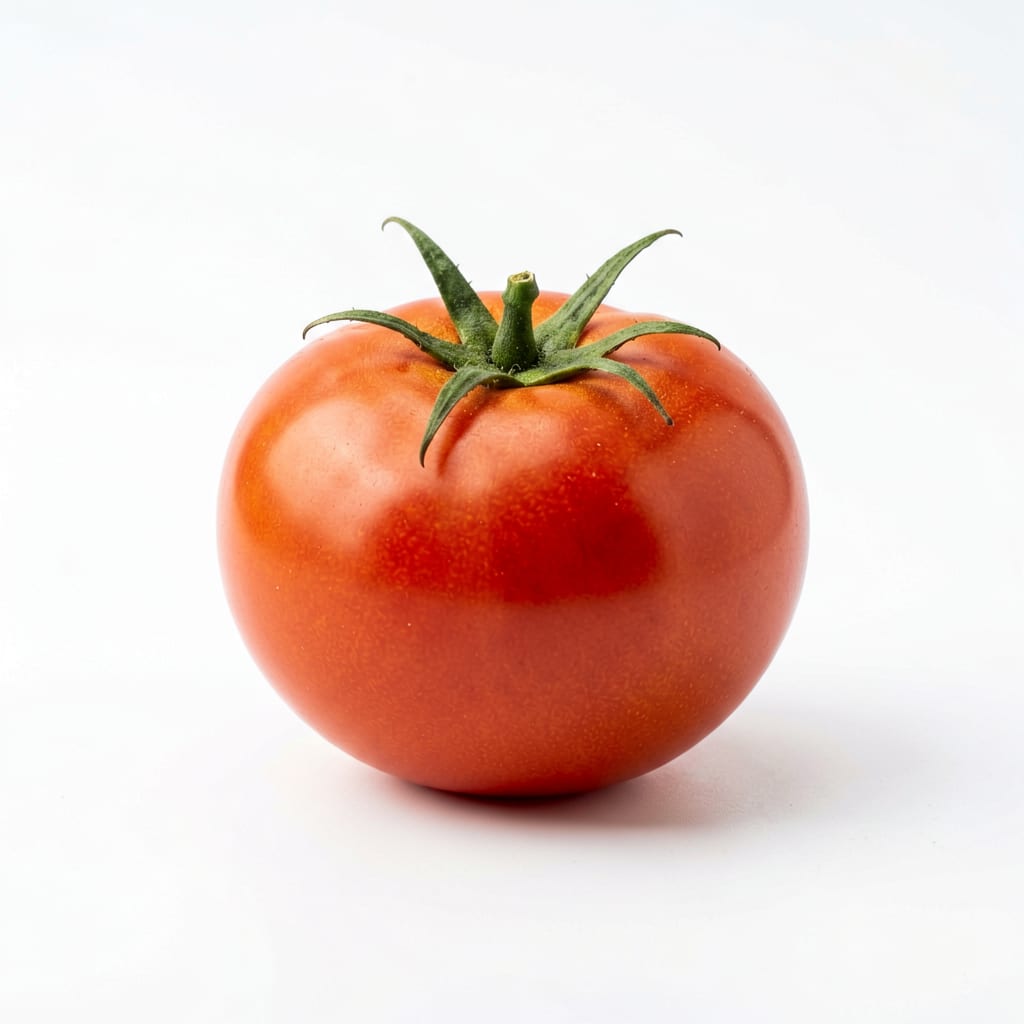
Tomato
Tomatoes win on practicality, versatility, and daily usability. Buffaloberries are a nutritional curiosity with impressive lycopene and vitamin C, but their scarcity and tartness make them a specialty food, not a staple.
Tomatoes score significantly higher due to universal availability, culinary flexibility, and proven long-term health benefits. Buffaloberries have impressive nutrient density but lose heavily on practicality and accessibility. The gap would narrow if buffaloberries were commercially available.
Buffaloberry offers a rare antioxidant punch in a tiny berry, but tomatoes deliver reliable, affordable, kitchen-friendly nutrition you can actually eat every day.
At a glance
Executive summary
Overall
Tomato
Healthier
Tomato
More practical
Tomato
Daily use
Tomato
Key comparison lenses
antioxidant profile comparison
Both foods are notable lycopene sources, which is rare — most people don't associate berries with lycopene
everyday practicality and accessibility
Buffaloberry is extremely hard to find commercially while tomatoes are universally available, making this a key real-world decision factor
culinary versatility
Tomatoes work in countless savory dishes; buffaloberries are limited to jams, sauces, and specialty uses
sugar and calorie tradeoff
Buffaloberry is sweeter and higher in sugar, while tomatoes are low-calorie and low-sugar — relevant for weight management and blood sugar
nutrient density per bite
Buffaloberry packs concentrated micronutrients but in small quantities eaten; tomatoes offer steady, reliable nutrition in larger portions
Best choice for
Buffaloberry
- Foragers and wild food enthusiasts seeking unique native berries
- People wanting concentrated lycopene from a fruit source beyond tomatoes
- Anyone making homemade jams or fruit leather with wild ingredients
- Those interested in underutilized native North American superfoods
Tomato
- Everyday home cooks needing a versatile, affordable staple
- People managing blood sugar or calorie intake
- Anyone meal-prepping salads, sauces, or soups in bulk
- Families wanting kid-friendly produce available year-round
Least suitable for
Buffaloberry
- People who need reliable, affordable weekly grocery staples
- Anyone unfamiliar with foraging or without specialty market access
- Those sensitive to tart or astringent flavors
- People wanting large-volume, low-calorie meal components
Tomato
- People with nightshade sensitivities or tomato allergies
- Those seeking extremely high vitamin C per serving
- Anyone looking for a sweet fruit snack
Deep comparison
Dimension by dimension
Each lens scores both foods and breaks down who each option suits.
- Dimension 1 · Priority 92It depends
lycopene_and_antioxidant_power
Buffaloberry · 82Tomato · 85Both are lycopene standouts, which is unusual. Cooked tomatoes concentrate lycopene more effectively, but buffaloberries deliver it raw in a berry form.
Tradeoff
Tomatoes need cooking to maximize lycopene absorption; buffaloberries offer lycopene in a raw, snackable form but in much smaller total quantities per serving.
Why it matters
Lycopene supports heart health and cellular protection. Getting it from multiple food sources is ideal.
Real-world impact
A bowl of tomato sauce gives you more absorbable lycopene than a handful of buffaloberries, but the berry lets you skip the cooking step.
Buffaloberry
- Raw lycopene intake without cooking
- Diverse antioxidant exposure beyond typical fruit sources
Better for
- Small serving sizes limit total lycopene consumed
- No cooking tradition to enhance bioavailability
Worse for
Tomato
- Maximum lycopene absorption when cooked with olive oil
- Larger serving sizes mean more total antioxidants per meal
Better for
- Raw tomatoes have lower lycopene bioavailability
- People who never cook miss much of the lycopene benefit
Worse for
- Dimension 2 · Priority 78Buffaloberry
vitamin_c_content
Buffaloberry · 85Tomato · 62Buffaloberries are surprisingly rich in vitamin C, often exceeding tomatoes per gram. They were historically used to prevent scurvy for good reason.
Tradeoff
You get more vitamin C per bite from buffaloberries, but you'll likely eat far more total grams of tomato in a sitting.
Why it matters
Vitamin C supports immunity, skin health, and iron absorption — and many people don't get enough.
Real-world impact
A small handful of buffaloberries can cover a meaningful chunk of daily vitamin C needs, while you'd need a full cup of raw tomato to match it.
Buffaloberry
- Higher vitamin C concentration per gram
- Useful for immune support in small quantities
Better for
- Tartness limits how many you can eat at once
- Vitamin C degrades if berries are stored or processed
Worse for
Tomato
- Easier to eat in large volumes, partially closing the gap
- Vitamin C survives well in fresh raw tomato slices
Better for
- Lower concentration means larger portions needed
- Cooking reduces vitamin C significantly
Worse for
- Dimension 3 · Priority 80Tomato
sugar_and_calorie_impact
Buffaloberry · 48Tomato · 88Tomatoes are low-sugar, low-calorie, and easy to eat in volume. Buffaloberries are sweeter and more calorie-dense per gram, which can be a pro or con depending on your goals.
Tradeoff
Buffaloberries taste more like a treat but come with more sugar. Tomatoes are blander but virtually guilt-free on calories.
Why it matters
For blood sugar management, weight loss, or large-portion eating, low sugar and low calories matter daily.
Real-world impact
You can eat a pound of tomatoes without guilt. A pound of buffaloberries would be a sugar bomb and nearly impossible to find anyway.
Buffaloberry
- More satisfying as a sweet snack without added sugar
- Better for hikers or athletes wanting calorie density in small packages
Better for
- Higher sugar content concerns people managing glucose
- Easy to overconsume if sweetened further in jams
Worse for
Tomato
- Dramatically lower sugar and calories per serving
- Easy to eat in large volumes for fullness without overconsumption
Better for
- Less satisfying as a standalone snack for sweet cravings
- May feel too light for someone needing energy density
Worse for
- Dimension 4 · Priority 90Tomato
availability_and_affordability
Buffaloberry · 18Tomato · 95Tomatoes are among the most accessible produce items globally. Buffaloberries are rarely sold commercially and are primarily foraged.
Tradeoff
Tomatoes cost pennies per serving and are available everywhere. Buffaloberries require foraging knowledge, specific geography, or specialty ordering.
Why it matters
The healthiest food is the one you can actually obtain and eat regularly.
Real-world impact
Most people reading this have never seen a buffaloberry for sale. Tomatoes are in nearly every kitchen right now.
Buffaloberry
- Free if you forage in the right regions
- Novelty value for food enthusiasts and foragers
Better for
- Almost impossible to find in stores
- Geographic limitations restrict access
- No reliable commercial supply chain
Worse for
Tomato
- Available in every grocery store year-round
- Extremely affordable per serving
- Consistent quality and food safety standards
Better for
- Out-of-season tomatoes can be flavorless and mealy
- Price fluctuates with seasons and supply chains
Worse for
- Dimension 5 · Priority 82Tomato
culinary_versatility
Buffaloberry · 32Tomato · 92Tomatoes are one of the most versatile ingredients in global cuisine. Buffaloberries are limited to a few specialty applications.
Tradeoff
Tomatoes work in salads, sauces, soups, sandwiches, and stews. Buffaloberries mostly become jams, jellies, or condiments.
Why it matters
A food you can cook with daily adds more nutritional value over time than a specialty item used occasionally.
Real-world impact
Tomatoes can anchor an entire meal. Buffaloberries are more like a garnish or a weekend project.
Buffaloberry
- Unique tart flavor for specialty jams and sauces
- Interesting as a cocktail garnish or dessert component
Better for
- Astringency limits raw eating enjoyment
- Few established recipes or culinary traditions
- Not a meal-building ingredient
Worse for
Tomato
- Works raw, cooked, roasted, grilled, or blended
- Central ingredient in Italian, Mexican, Indian, and Middle Eastern cooking
- Pairs with nearly every savory flavor profile
Better for
- Not useful in sweet dishes or desserts
- Overuse can make meals feel repetitive
Worse for
- Dimension 6 · Priority 65Buffaloberry
fiber_and_digestive_benefits
Buffaloberry · 72Tomato · 60Buffaloberries offer more fiber per gram due to their skin and seed content. Tomatoes provide moderate fiber but in larger typical servings.
Tradeoff
Buffaloberry has denser fiber per bite, but you'd likely eat more total tomato fiber in a normal meal.
Why it matters
Fiber supports digestion, blood sugar control, and satiety — and most people fall short.
Real-world impact
A cup of chopped tomato gives about 2 grams of fiber. A handful of buffaloberries could match that in a smaller portion.
Buffaloberry
- Higher fiber density per gram
- Seeds contribute insoluble fiber for gut health
Better for
- Tartness and astringency may bother sensitive stomachs
- Small serving sizes limit practical fiber intake
Worse for
Tomato
- Larger typical servings mean more total fiber consumed
- Gentle on digestion for most people
Better for
- Lower fiber concentration per gram
- Skins can irritate some digestive conditions
Worse for
Timeline
Health impact over time
Short-term
Hours to days
Buffaloberry
- Quick vitamin C boost supporting immune function
- Tart flavor can stimulate appetite and salivation
- Natural sugars provide a mild energy lift
- Astringency may cause mild mouth puckering or stomach awareness if eaten in quantity
Tomato
- Hydrating due to high water content — helpful in hot weather
- Low calorie intake supports short-term calorie deficit goals
- Potassium helps with quick hydration and muscle function
- Raw tomato may trigger heartburn in sensitive individuals
Long-term
Months to years
Buffaloberry
- Consistent lycopene intake supports cardiovascular health
- High antioxidant load may reduce oxidative stress over time
- Vitamin C contributes to collagen maintenance and skin aging defense
- Limited access makes sustained long-term consumption unrealistic for most
Tomato
- Regular lycopene intake strongly linked to reduced heart disease risk
- Potassium supports long-term blood pressure management
- Folate contributes to cellular repair and DNA maintenance
- Consistent daily consumption is realistic and sustainable
Risk profile
Safety & processing
Both foods are whole, unprocessed produce in their natural state. Buffaloberries are almost always consumed wild or home-prepared. Tomatoes are naturally whole but watch for canned versions with added sodium or BPA-lined cans.
Buffaloberry
misidentification_during_foraging
highBuffaloberries can be confused with other silver-leafed shrubs. Some lookalikes may be toxic. Only experienced foragers should harvest wild buffaloberries.
astringency_and_digestive_discomfort
lowEating large quantities raw can cause stomach upset due to saponins and tart compounds. Traditional preparation often involves cooking or sweetening.
contamination_from_wild_harvest
mediumWild-harvested berries may be exposed to roadside pollutants, agricultural drift, or animal contamination that commercial produce avoids.
Tomato
nightshade_sensitivity
mediumTomatoes belong to the nightshade family and can trigger joint pain, digestive issues, or inflammation in sensitive individuals.
canned_tomato_bpa_exposure
mediumAcidic canned tomatoes can leach BPA from can linings. Choose glass-jarred or BPA-free canned options when possible.
pesticide_residue_on_conventional_tomatoes
lowConventional tomatoes frequently appear on EWG's Dirty Dozen list. Washing helps, but organic reduces exposure further.
Who wins for whom
Audience fit
Same foods, different winners depending on your goal.
children
TomatoTomatoes are familiar, mild, and easy to incorporate into kid-friendly meals. Buffaloberries are too tart for most children and not readily available for families.
daily consumption
TomatoTomatoes are affordable, available, and versatile enough to eat daily without fatigue. Buffaloberries are a seasonal specialty at best.
diabetes
TomatoTomatoes have a low glycemic index and minimal sugar impact. Buffaloberries contain more natural sugars that could raise blood glucose faster.
elderly
TomatoTomatoes provide potassium for blood pressure, lycopene for heart health, and are soft and easy to chew. Buffaloberries offer vitamin C but are harder to obtain and less gentle on the stomach.
muscle gain
TomatoNeither food is a protein source, but tomatoes pair easily with high-protein meals as a base. Buffaloberries are less versatile as a meal component alongside protein.
weight loss
TomatoTomatoes offer high volume, low calories, and minimal sugar — perfect for eating large portions while staying in a deficit. Buffaloberries are higher in sugar and harder to portion in quantity.
Your move
Decision guide
Choose Buffaloberry
- You forage in the northern Great Plains or Prairie regions and can identify buffaloberries safely
- You want to diversify your lycopene sources beyond tomatoes
- You're making homemade preserves and want a unique native fruit
- You're curious about underutilized North American superfoods and can source them
Choose Tomato
- You need a reliable, affordable vegetable for daily meals
- You're managing blood sugar, calories, or weight
- You cook regularly and want maximum kitchen versatility
- You want proven long-term heart health benefits from consistent lycopene intake
Either works if
- You want more lycopene in your diet from whole food sources
- You're focused on antioxidant diversity rather than practicality
- You enjoy exploring different plant families for nutritional variety
Avoid both if
- You have a nightshade sensitivity that extends to tomatoes
- You're on a very low-acid diet for GERD or ulcer management
- You're seeking a high-protein food — neither delivers meaningful protein
Final recommendation
Make tomatoes your daily staple. They're affordable, versatile, and proven. If you ever encounter buffaloberries, enjoy them as a special treat — they're a nutritional gem worth trying, but not something to build a diet around. The best lycopene strategy is cooked tomatoes with olive oil most days, plus whatever antioxidant surprises nature offers when you find them.
Practical
Consumer tips
- 1
If you find buffaloberries, try them in a jam with minimal added sugar — their natural tartness balances sweetness well
- 2
Cook tomatoes with a healthy fat like olive oil to boost lycopene absorption by up to 3x
- 3
Choose jarred tomatoes over canned when possible to avoid BPA exposure from can linings
- 4
If foraging buffaloberries, always confirm identification with an experienced local guide — lookalikes can be dangerous
- 5
Cherry tomatoes make the easiest daily snack — keep a bowl on the counter and you'll eat more without thinking
- 6
Freeze buffaloberries if you find them in season — they retain vitamin C well when frozen promptly