
Nutrition comparison
Buffaloberry vs Cranberry: Which Tart Berry Is Better for You?
Compare Buffaloberry and Cranberry on lycopene, UTI prevention, vitamin C, sugar content, and availability. Find out which berry fits your health goals.
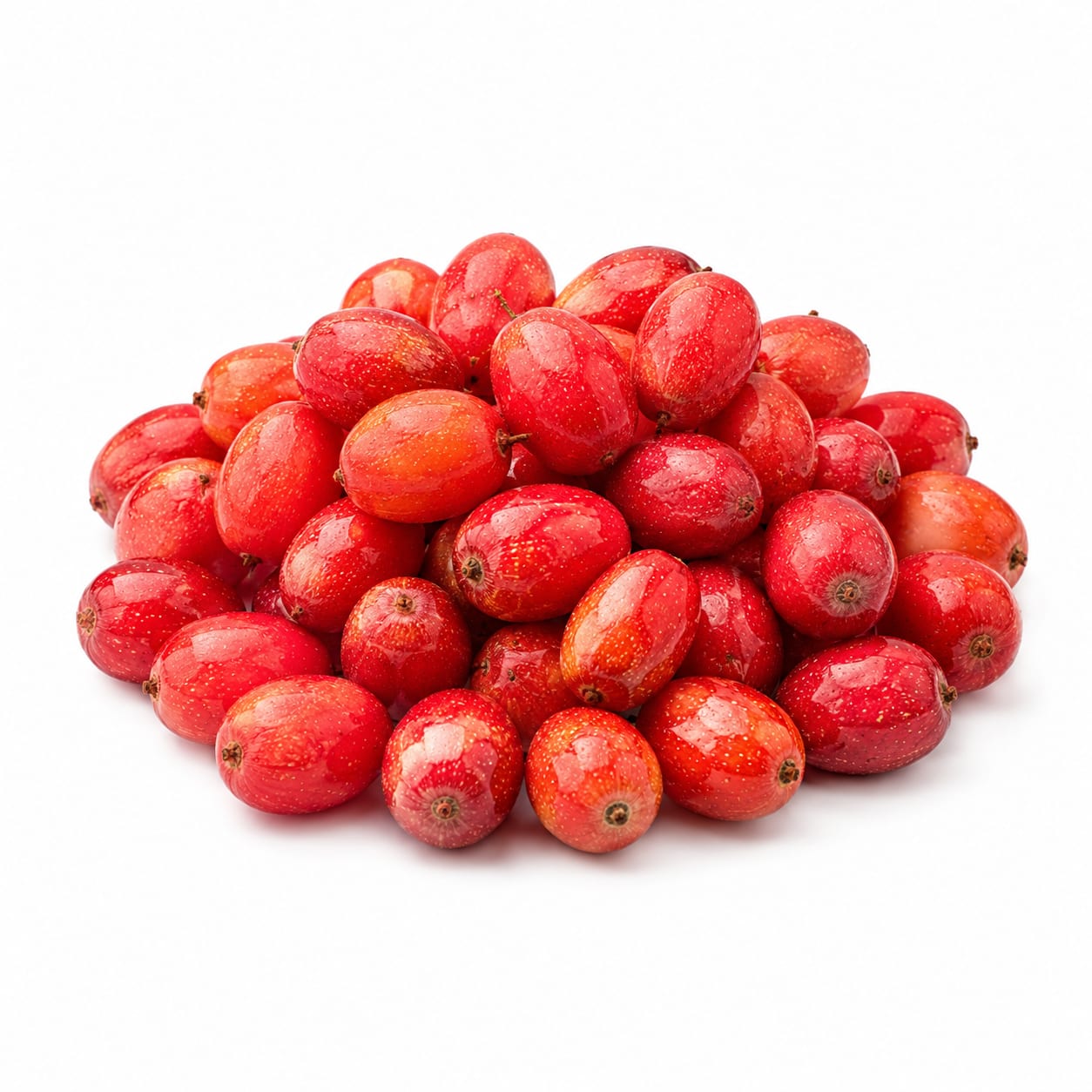
Buffaloberry
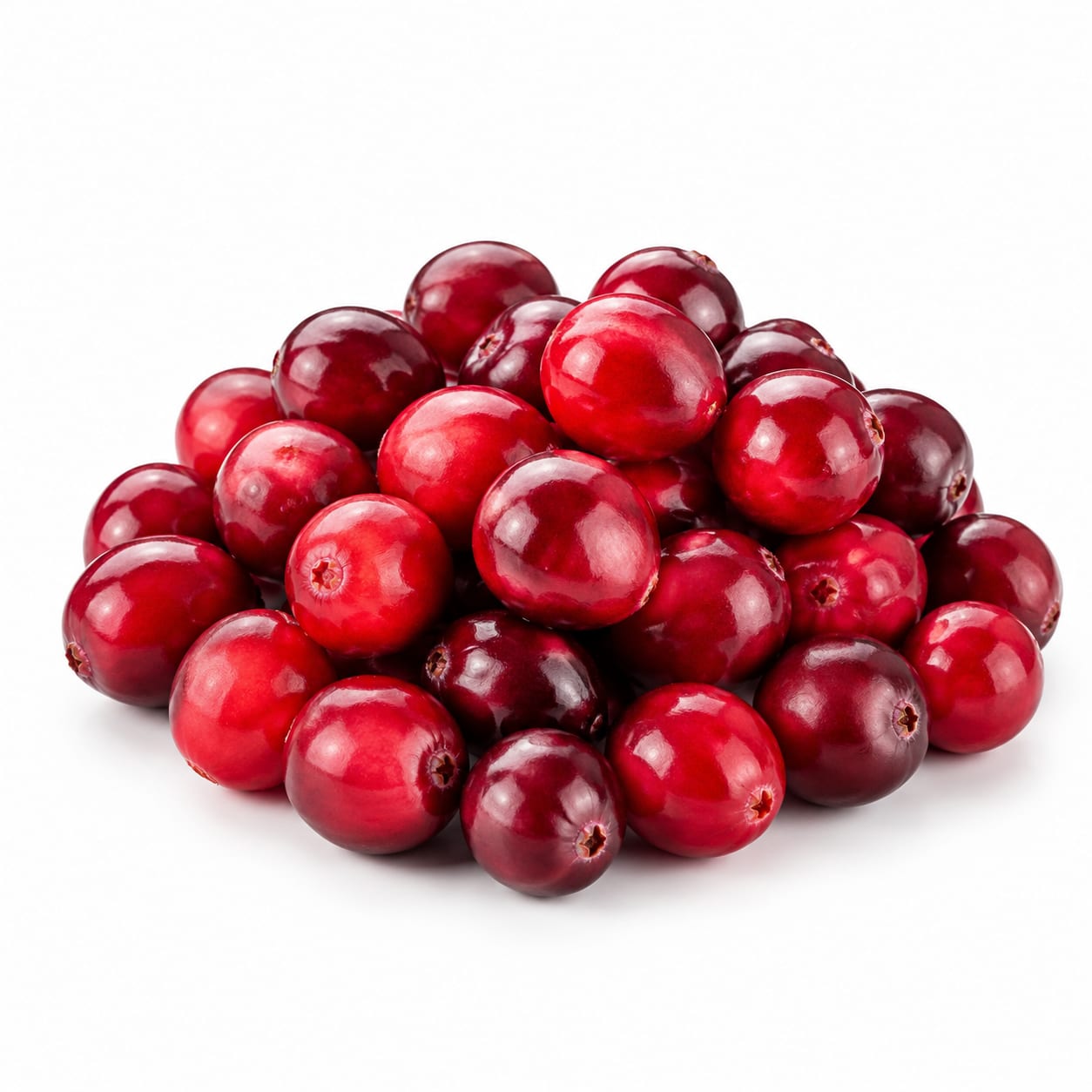
Cranberry
Cranberry wins on accessibility and urinary health; Buffaloberry wins on lycopene content and lower processing. Your choice depends on what you're optimizing for.
Cranberry edges ahead due to proven health benefits, extensive research, and widespread availability. Buffaloberry scores well on nutritional uniqueness and naturalness but loses ground on accessibility and evidence depth. Confidence is moderate because Buffaloberry research is still emerging.
Cranberry offers proven UTI benefits and easy availability but often comes loaded with added sugar. Buffaloberry delivers rare lycopene levels and a less processed profile but is hard to find and less researched.
At a glance
Executive summary
Overall
It depends
Healthier
It depends
More practical
Cranberry
Daily use
Cranberry
Key comparison lenses
antioxidant potential
Both berries are prized for unique antioxidant compounds—lycopene in Buffaloberry and proanthocyanidins in Cranberry—making this the core differentiator
urinary and immune health
Cranberry is famous for UTI prevention while Buffaloberry's lycopene offers immune and prostate benefits, creating a clear health-use-case split
accessibility and everyday use
Cranberry is widely available year-round in multiple forms; Buffaloberry is niche and foraged, making practicality a major decision factor
sugar and processing concerns
Most Cranberry products are heavily sweetened, while Buffaloberry is typically consumed closer to its natural state
culinary versatility
Cranberry has established recipes and product forms; Buffaloberry remains a specialty ingredient with limited culinary tradition outside indigenous use
Best choice for
Buffaloberry
- People seeking lycopene without eating tomatoes
- Foragers and wild food enthusiasts
- Those avoiding added sugars common in Cranberry products
- Individuals wanting novel antioxidant diversity
Cranberry
- Women prone to recurrent UTIs
- Anyone needing a reliable, store-bought berry year-round
- People who want extensive research backing their food choices
- Home cooks wanting versatile tart fruit for recipes
Least suitable for
Buffaloberry
- People who need convenient, consistent access to the fruit
- Anyone expecting a sweet or mild flavor
- Consumers unfamiliar with safe foraging practices
Cranberry
- People strictly avoiding added sugar who only find sweetened forms
- Those seeking lycopene-rich foods specifically
- Individuals sensitive to oxalates
Deep comparison
Dimension by dimension
Each lens scores both foods and breaks down who each option suits.
- Dimension 1 · Priority 92It depends
antioxidant_unique_compounds
Buffaloberry · 88Cranberry · 85Buffaloberry is exceptionally rich in lycopene—rare among berries—while Cranberry delivers unique proanthocyanidins that prevent bacterial adhesion in the urinary tract.
Tradeoff
Lycopene supports prostate and cardiovascular health; proanthocyanidins support urinary and oral health. They serve different body systems.
Why it matters
If you're eating berries specifically for antioxidant protection, these two target very different health concerns.
Real-world impact
A man concerned about prostate health gets more from Buffaloberry. A woman with recurrent UTIs gets more from Cranberry.
Buffaloberry
- Prostate health support
- Cardiovascular antioxidant protection
- Diversifying your antioxidant intake beyond common berries
Better for
- No proven UTI prevention
- Limited clinical research on human outcomes
Worse for
Cranberry
- UTI prevention
- Oral health by reducing bacterial adhesion
- Gut microbiome support from unique polyphenols
Better for
- Negligible lycopene content
- Less carotenoid diversity
Worse for
- Dimension 2 · Priority 85Cranberry
availability_and_convenience
Buffaloberry · 25Cranberry · 90Cranberry is available fresh, frozen, dried, juiced, and supplemented everywhere. Buffaloberry is primarily a foraged or specialty item with almost no commercial presence.
Tradeoff
You can walk into any grocery store for Cranberry. Buffaloberry requires foraging knowledge, specialty suppliers, or luck at farmers markets.
Why it matters
The healthiest berry in the world does nothing if you can't access it regularly.
Real-world impact
Most people could eat Cranberry weekly. Most people will never encounter fresh Buffaloberry.
Buffaloberry
- Connecting with local foraging and indigenous food traditions
- Avoiding commercial supply chain concerns
Better for
- Nearly impossible to find in stores
- No standardized products or supplements
- Seasonal and regional limitations
Worse for
Cranberry
- Consistent year-round access
- Multiple convenient forms for different uses
- Easy to find organic options
Better for
- Fresh Cranberry season is limited to fall months
- Most convenient forms are heavily processed and sweetened
Worse for
- Dimension 3 · Priority 80Buffaloberry
sugar_and_processing_quality
Buffaloberry · 82Cranberry · 55Buffaloberry is typically consumed whole and unprocessed. Most Cranberry products—juice, dried, sauce—contain substantial added sugar to mask extreme tartness.
Tradeoff
Cranberry's health benefits are real but often come packaged with sugar that undermines them. Buffaloberry stays closer to its natural state but is harder to enjoy raw.
Why it matters
A Cranberry juice cocktail can deliver as much sugar as soda, negating much of the berry's benefit.
Real-world impact
Someone drinking sweetened Cranberry juice for UTI prevention may be spiking their blood sugar daily. Whole Buffaloberry avoids this trap entirely.
Buffaloberry
- Typically eaten whole without added sweeteners
- No commercial processing altering nutritional profile
- Lower risk of hidden sugar intake
Better for
- Extreme tartness may discourage regular consumption without sweetening
Worse for
Cranberry
- Unsweetened frozen and fresh options do exist
- Standardized supplement forms avoid sugar entirely
Better for
- Cranberry juice cocktails are often 25-30g sugar per serving
- Dried Cranberries are typically sweetened with added sugar
- Canned Cranberry sauce is sugar-dense
Worse for
- Dimension 4 · Priority 75Buffaloberry
vitamin_c_and_immune_support
Buffaloberry · 86Cranberry · 74Buffaloberry contains notably high vitamin C—historically used to prevent scurvy—while Cranberry provides a solid but more moderate amount.
Tradeoff
Both support immunity, but Buffaloberry delivers a stronger vitamin C punch per serving.
Why it matters
If immune support is your primary berry goal, Buffaloberry has a meaningful edge.
Real-world impact
During cold season, Buffaloberry could contribute more to your daily vitamin C target than an equivalent serving of Cranberry.
Buffaloberry
- Higher vitamin C per serving
- Historical use specifically for immune protection
- Synergistic effect of vitamin C with lycopene
Better for
- Vitamin C degrades with storage; foraged berries may vary widely
Worse for
Cranberry
- Still a good vitamin C source
- More consistent nutrient levels due to commercial standardization
Better for
- Lower vitamin C compared to Buffaloberry and several other berries
Worse for
- Dimension 5 · Priority 78Cranberry
research_backing_and_evidence
Buffaloberry · 30Cranberry · 92Cranberry has decades of clinical research, especially for UTI prevention. Buffaloberry has limited studies, mostly on composition rather than human outcomes.
Tradeoff
Cranberry's benefits are well-validated. Buffaloberry's potential is promising but largely unproven in human trials.
Why it matters
Evidence-based decisions matter when you're choosing foods for specific health conditions.
Real-world impact
A doctor can confidently recommend Cranberry for UTI prevention. No doctor is recommending Buffaloberry for anything yet.
Buffaloberry
- Emerging research shows promising antioxidant capacity
- Traditional indigenous use provides historical validation
Better for
- Almost no human clinical trials
- Nutrient composition data is limited and variable
- No established therapeutic recommendations
Worse for
Cranberry
- Multiple randomized controlled trials for UTI prevention
- Established safety profile from widespread consumption
- Clear dosing guidance available for supplements
Better for
- Some early UTI research was industry-funded, creating bias concerns
Worse for
- Dimension 6 · Priority 65It depends
digestive_tolerance
Buffaloberry · 68Cranberry · 62Both berries are quite tart and can cause mild digestive discomfort in large amounts. Cranberry contains oxalates, which concern kidney stone formers.
Tradeoff
Buffaloberry's astringency can be harsh on an empty stomach. Cranberry's oxalates pose a specific risk for a subset of people.
Why it matters
If you have kidney stone history or sensitive digestion, this matters for daily use.
Real-world impact
Someone prone to calcium oxalate stones should limit Cranberry. Someone with acid sensitivity might find Buffaloberry irritating.
Buffaloberry
- Lower oxalate content than Cranberry
- Safe for kidney stone formers
Better for
- High astringency can upset sensitive stomachs
- Saponin content may cause nausea if eaten in large quantities
Worse for
Cranberry
- More commonly consumed, so tolerance is well-understood
- Available in supplement form that bypasses digestive irritation
Better for
- Moderate oxalate levels risky for stone formers
- Concentrated juice can irritate the stomach lining
Worse for
Timeline
Health impact over time
Short-term
Hours to days
Buffaloberry
- Quick vitamin C boost supporting immediate immune function
- Tart, astringent taste may reduce appetite temporarily
- Possible mild stomach upset if consumed in large amounts on an empty stomach
Cranberry
- Rapid hydration and urinary tract flushing when consumed as fluid
- Blood sugar spike if consuming sweetened Cranberry products
- Mild diuretic effect increasing urination frequency
Long-term
Months to years
Buffaloberry
- Lycopene accumulation may support prostate and cardiovascular health over years
- Consistent vitamin C intake strengthens immune resilience
- Antioxidant diversity could reduce chronic inflammation markers
Cranberry
- Reduced UTI recurrence with regular consumption, especially in women
- Potential cardiovascular benefits from polyphenol accumulation
- Risk of added sugar intake eroding benefits if consuming processed forms long-term
Risk profile
Safety & processing
Buffaloberry is almost always consumed in its natural state—fresh, frozen, or traditionally prepared. Cranberry is frequently processed into juice, dried snacks, and sauces that commonly include added sugars, preservatives, and sometimes artificial flavors. Whole fresh Cranberry is minimally processed, but most people encounter the processed forms.
Buffaloberry
Misidentification during foraging
highBuffaloberry can be confused with other red berries, some toxic. Only experienced foragers should harvest wild specimens.
Saponin content
mediumBuffaloberry contains saponins that can cause nausea or digestive upset if large quantities are consumed raw.
Contamination from foraging sites
lowWild-harvested berries may absorb environmental pollutants depending on location.
Cranberry
Oxalate-related kidney stones
mediumCranberry contains moderate oxalates. People with a history of calcium oxalate stones should moderate intake.
Added sugar in processed forms
highCranberry juice cocktails and dried Cranberries often contain 25-30g of added sugar per serving, contributing to metabolic risk.
Medication interaction
lowCranberry may interact with blood-thinning medications like warfarin in high doses, though evidence is mixed.
Who wins for whom
Audience fit
Same foods, different winners depending on your goal.
children
CranberryCranberry is familiar, available in kid-friendly forms, and well-studied for safety. Buffaloberry's extreme tartness and foraging risks make it less suitable for children.
daily consumption
CranberryCranberry's accessibility in stores, multiple consumption forms, and extensive safety data make it more practical for daily use. Buffaloberry is simply too hard to find consistently.
diabetes
BuffaloberryBuffaloberry's low sugar content and lack of added sweeteners make it safer for blood sugar management. Sweetened Cranberry products are problematic for diabetics.
elderly
CranberryCranberry's proven UTI prevention benefits are especially valuable for older adults, and its availability ensures consistent intake.
muscle gain
It dependsNeither berry is a muscle-building food. Both provide antioxidants that support recovery, but protein content is negligible in both.
weight loss
BuffaloberryBuffaloberry is consumed whole without added sugar, keeping calories low and satiety higher. Most accessible Cranberry products are sugar-added and calorie-dense.
Your move
Decision guide
Choose Buffaloberry
- You have access to foraged or specialty-sourced Buffaloberry
- Lycopene intake is a priority, especially for prostate health
- You want a berry experience free from added sugars and processing
- You're interested in indigenous food traditions and wild foods
Choose Cranberry
- UTI prevention is your primary health goal
- You need something available at any grocery store year-round
- You want a berry with decades of clinical research behind it
- You enjoy cooking with tart fruit in sauces, baked goods, or beverages
Either works if
- You simply want more antioxidant diversity in your diet
- You're looking for a tart, vitamin C-rich addition to smoothies
- You enjoy exploring different berry flavors and varieties
Avoid both if
- You need a low-acid fruit due to GERD or acid reflux
- You're looking for a sweet, easy-to-eat snack berry
- You have severe oxalate sensitivity requiring strict avoidance
Final recommendation
For most people, Cranberry is the practical daily choice—especially for UTI prevention and easy access. Choose unsweetened forms when possible. But if you encounter Buffaloberry, it's worth trying for its unique lycopene content and impressive vitamin C levels. Think of Buffaloberry as a specialty antioxidant boost and Cranberry as your reliable daily driver.
Practical
Consumer tips
- 1
If buying Cranberry products, always check for added sugar. Unsweetened frozen Cranberry and pure juice are the healthiest options.
- 2
Fresh Cranberry season runs September through November—stock up and freeze for year-round use.
- 3
If foraging Buffaloberry, go with an experienced guide. Misidentifying wild red berries can be dangerous.
- 4
Buffaloberry's extreme tartness mellows with frost harvest—late-season berries are more palatable.
- 5
Cranberry supplements can deliver UTI benefits without the sugar of juice, but choose brands with standardized proanthocyanidin content.
- 6
Both berries benefit from pairing with a healthy fat—lycopene in Buffaloberry absorbs better with fat, and Cranberry's fat-soluble vitamins do too.