
Nutrition comparison
Buffaloberry vs Lingonberry: Nutrition, Antioxidants & Health Benefits
Compare Buffaloberry vs Lingonberry: discover which berry offers more lycopene, which is better for UTIs, and how to choose the right tart superfruit for your diet.
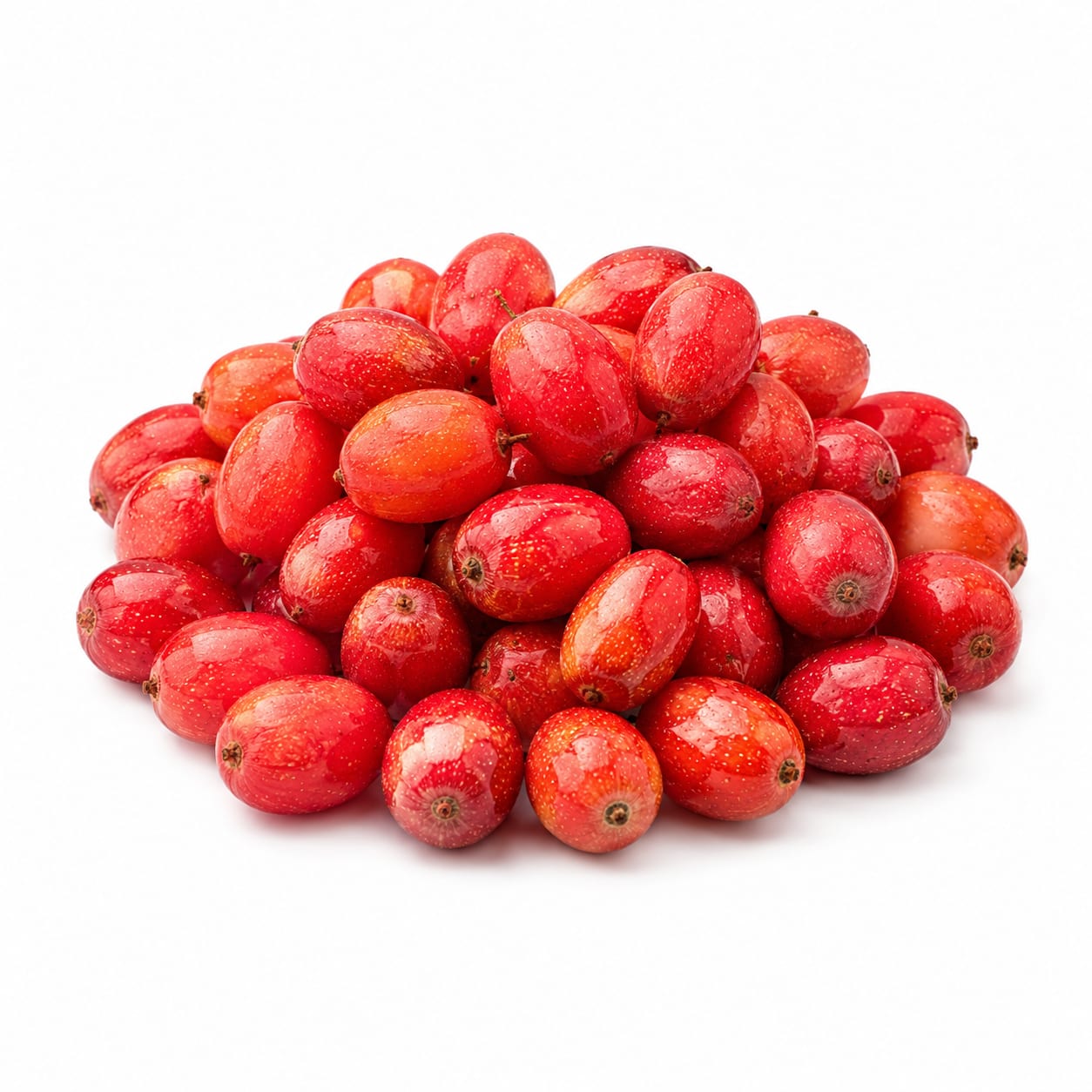
Buffaloberry
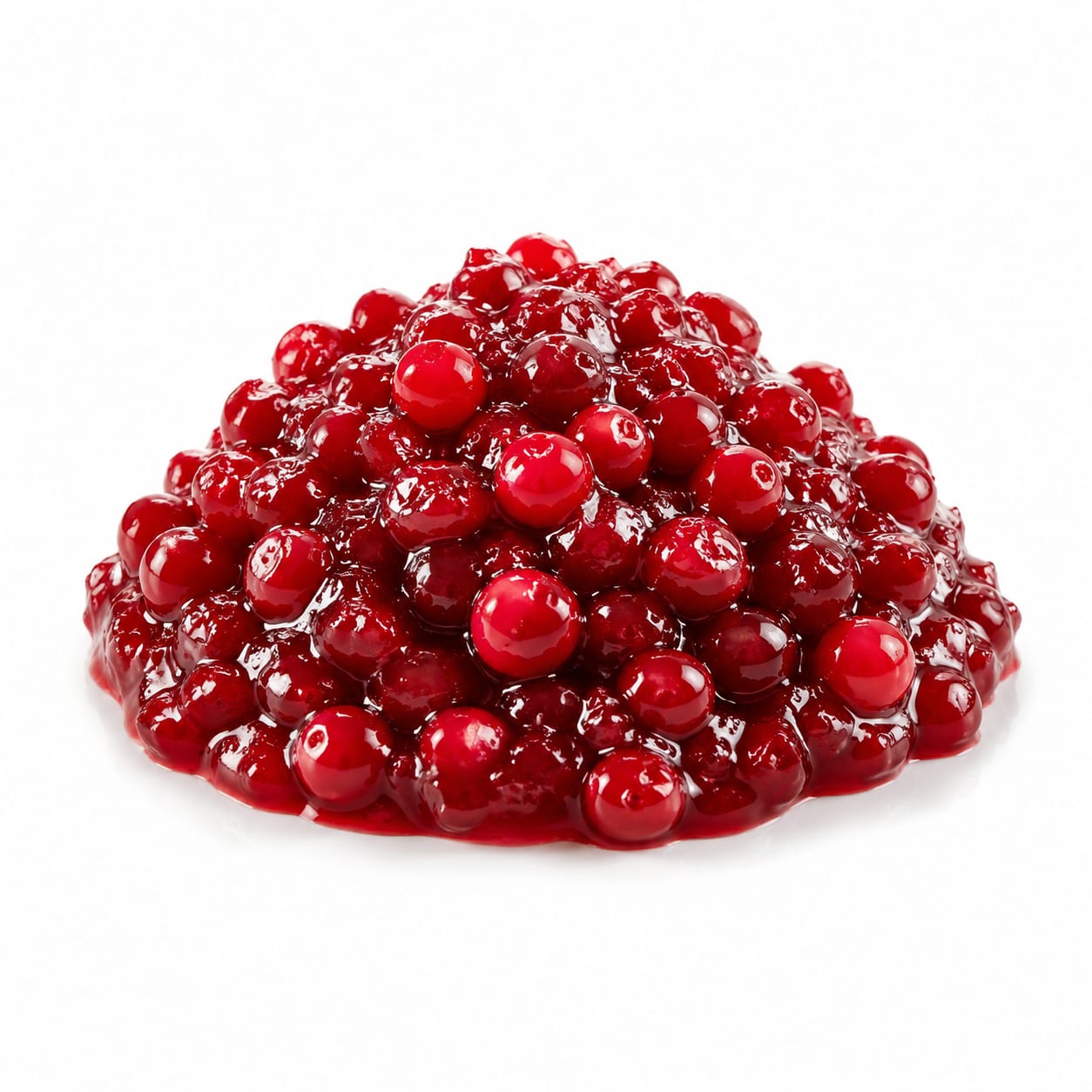
Lingonberry
Buffaloberry offers a rare lycopene boost, while Lingonberry delivers proven urinary tract benefits and is far easier to find.
Lingonberry scores higher mainly due to practical availability and deeply researched health benefits, while Buffaloberry remains a nutritional powerhouse hampered by rarity.
Exotic, lycopene-rich novelty versus accessible, well-researched polyphenol staple.
At a glance
Executive summary
Overall
It depends
Healthier
It depends
More practical
Lingonberry
Daily use
Lingonberry
Key comparison lenses
Antioxidant uniqueness (lycopene vs anthocyanins)
Buffaloberry is a rare berry source of lycopene, while Lingonberry is prized for its deep red anthocyanins, making their antioxidant profiles distinctly different.
Urinary and gut health benefits
Lingonberry is widely recognized for preventing UTIs, a specific functional benefit that sets it apart from most other berries.
Culinary availability and foraging practicality
Buffaloberry is largely a wild-foraged niche fruit, whereas Lingonberry is a commercial staple in many regions, heavily impacting daily usability.
Blood sugar impact and low-carb suitability
Both are naturally tart, low-sugar fruits, but the way they are typically consumed (especially Lingonberry in jams) drastically changes their metabolic impact.
Best choice for
Buffaloberry
- Targeting prostate health via lycopene
- Foraging or buying local wild foods
- Adding unique tartness to smoothies
Lingonberry
- Preventing recurrent urinary tract infections
- Finding low-sugar berries at the grocery store
- Adding tartness to savory dishes and baked goods
Least suitable for
Buffaloberry
- People who need easy grocery store access
- Those sensitive to highly astringent flavors
- Kidney stone sufferers due to oxalates
Lingonberry
- Those who only encounter it in sugar-loaded jams
- People seeking lycopene specifically
- Individuals avoiding even naturally tart flavors
Deep comparison
Dimension by dimension
Each lens scores both foods and breaks down who each option suits.
- Dimension 1 · Priority 95Buffaloberry
Antioxidant Profile & Cellular Protection
Buffaloberry · 94Lingonberry · 88Buffaloberry is unusually high in lycopene, a carotenoid rarely found in berries, while Lingonberry relies on potent anthocyanins and flavonoids.
Tradeoff
You get superior lycopene from Buffaloberry, but Lingonberry offers more broadly researched polyphenols.
Why it matters
Lycopene specifically supports prostate and cardiovascular health, whereas anthocyanins excel at general cellular defense.
Real-world impact
Choosing Buffaloberry is like taking a targeted antioxidant supplement, while Lingonberry acts as a broad-spectrum shield.
Buffaloberry
- Prostate health support
- Cardiovascular protection via lycopene
- Unique carotenoid intake
Better for
- Lacks the deep anthocyanin concentration of darker berries
Worse for
Lingonberry
- General cellular defense
- Reducing oxidative stress from everyday pollution
- Broad-spectrum flavonoid intake
Better for
- Does not provide the specific lycopene benefits
Worse for
- Dimension 2 · Priority 90Lingonberry
Urinary & Gut Health
Buffaloberry · 72Lingonberry · 95Lingonberry contains specific proanthocyanidins that prevent bacteria from adhering to the urinary tract, a benefit Buffaloberry lacks.
Tradeoff
Lingonberry is a proven UTI fighter, while Buffaloberry offers general gut-friendly fiber but no targeted antimicrobial action.
Why it matters
Recurrent UTIs are a major quality-of-life issue, especially for women, making Lingonberry a functional food staple.
Real-world impact
A handful of Lingonberries can actively prevent a UTI, whereas Buffaloberry just offers standard digestive support.
Buffaloberry
- General digestive regularity from fiber
Better for
- No specific anti-adhesion properties for UTIs
Worse for
Lingonberry
- Preventing recurrent urinary tract infections
- Fighting gut pathogens like H. pylori
- Maintaining a healthy microbiome
Better for
- Overconsumption in juice form can irritate the stomach
Worse for
- Dimension 3 · Priority 85Lingonberry
Availability & Practicality
Buffaloberry · 35Lingonberry · 88Lingonberry is widely available frozen, dried, or in preserves, while Buffaloberry is mostly wild-foraged and rarely sold commercially.
Tradeoff
You can easily buy Lingonberry year-round, but finding Buffaloberry requires foraging or specialty vendors.
Why it matters
A berry's health benefits only matter if you can actually eat it consistently.
Real-world impact
You can toss frozen Lingonberries into oatmeal any morning, but Buffaloberry remains a rare seasonal treat.
Buffaloberry
- Enjoying a hyper-local, foraged food experience
Better for
- Extremely difficult to source
- Highly seasonal
- Limited culinary recipes available
Worse for
Lingonberry
- Consistent daily intake
- Easy grocery store access
- Multiple convenient formats like frozen or dried
Better for
- Often processed with high added sugars in jams
Worse for
- Dimension 4 · Priority 80Lingonberry
Blood Sugar & Low-Carb Suitability
Buffaloberry · 78Lingonberry · 86Both are naturally low in sugar, but Lingonberry's wider availability in unsweetened frozen forms makes it easier to keep carb-free.
Tradeoff
Buffaloberry is naturally low-carb but usually requires added sweeteners to be palatable, while unsweetened Lingonberry is easier to enjoy.
Why it matters
Managing blood sugar spikes means avoiding the honey or sugar often needed to tame extreme tartness.
Real-world impact
Blending unsweetened frozen Lingonberries into a smoothie is effortless, but Buffaloberry's intense sourness often demands a sweetener.
Buffaloberry
- Naturally low sugar content in the raw fruit
Better for
- Extreme tartness practically demands sweetening
- Hard to find in unsweetened forms
Worse for
Lingonberry
- Easier to find without added sugars
- More recipes tailored to low-carb diets
- Palatable enough to eat without sweeteners
Better for
- Common commercial products like lingonberry jam are sugar bombs
Worse for
Timeline
Health impact over time
Short-term
Hours to days
Buffaloberry
- Provides a sharp, tart flavor kick
- Offers quick fiber for satiety
- May cause mouth puckering due to extreme astringency
Lingonberry
- Delivers a refreshing tart burst
- Can quickly soothe early UTI discomfort
- Provides light, steady energy without a sugar crash
Long-term
Months to years
Buffaloberry
- Lycopene supports long-term prostate health
- Antioxidants help defend against cellular aging
- Oxalate load could contribute to kidney stones if consumed excessively
Lingonberry
- Proanthocyanidins significantly reduce UTI recurrence
- Consistent polyphenol intake lowers inflammatory markers
- Supports long-term cardiovascular health
Risk profile
Safety & processing
Both Buffaloberry and Lingonberry are whole, natural fruits when purchased raw or frozen. The main concern is the added sugar in Lingonberry jams and juices, which reduces their naturalness.
Buffaloberry
Oxalate content
mediumBuffaloberry contains oxalates which can contribute to kidney stone formation in susceptible individuals if eaten in large quantities.
Lingonberry
Added sugars in commercial products
mediumMany Lingonberry products are heavily sweetened to balance their tartness, which poses metabolic risks if consumed frequently.
Who wins for whom
Audience fit
Same foods, different winners depending on your goal.
children
LingonberryLingonberry is more palatable and commonly featured in kid-friendly foods, though parents should watch for added sugar.
daily consumption
LingonberryLingonberry's wide availability and versatile culinary uses make it far easier to eat consistently every day.
diabetes
LingonberryLingonberry is more accessible in unsweetened frozen formats, making it easier to enjoy without triggering blood sugar spikes.
elderly
LingonberryThe proven UTI prevention benefits of Lingonberry are especially valuable for older adults prone to urinary infections.
muscle gain
It dependsNeither berry is a significant protein source, so both serve only as minor antioxidant additions to a muscle-building diet.
weight loss
LingonberryLingonberry is easier to find in unsweetened, low-calorie forms, making it a more practical daily snack for weight loss.
Your move
Decision guide
Choose Buffaloberry
- You have access to wild-foraged or specialty Buffaloberries
- You specifically want to boost your lycopene intake for prostate health
- You enjoy intensely tart, astringent flavors
Choose Lingonberry
- You want a reliable, easy-to-find antioxidant berry
- You are prone to urinary tract infections
- You need a versatile berry for cooking, baking, or smoothies
Either works if
- You want a low-sugar, high-antioxidant fruit to mix into yogurt
- You are looking to diversify your berry intake
Avoid both if
- You are looking for a sweet, dessert-like fruit
- You have severe kidney stone issues and must strictly limit oxalates or tartaric acid
Final recommendation
Choose Lingonberry for a practical, daily antioxidant boost with proven UTI benefits. Opt for Buffaloberry when you can find it and want a unique lycopene-rich addition to your diet.
Practical
Consumer tips
- 1
If buying Lingonberry products, always check the ingredient list for added sugars; frozen whole berries are the best choice.
- 2
To enjoy Buffaloberry without spiking your blood sugar, blend it with sweeter, low-glycemic fruits like berries or green apples instead of using refined sugar.
- 3
Both berries are extremely tart; pairing them with a healthy fat like coconut milk or Greek yogurt balances the flavor and helps absorb fat-soluble antioxidants like lycopene.