
Nutrition comparison
Buffaloberry vs Acai Berry: Which Superfruit Is Actually Better for You?
Compare buffaloberry and acai berry on antioxidants, sugar, processing, and real-world usability. Find out which berry fits your health goals and lifestyle.
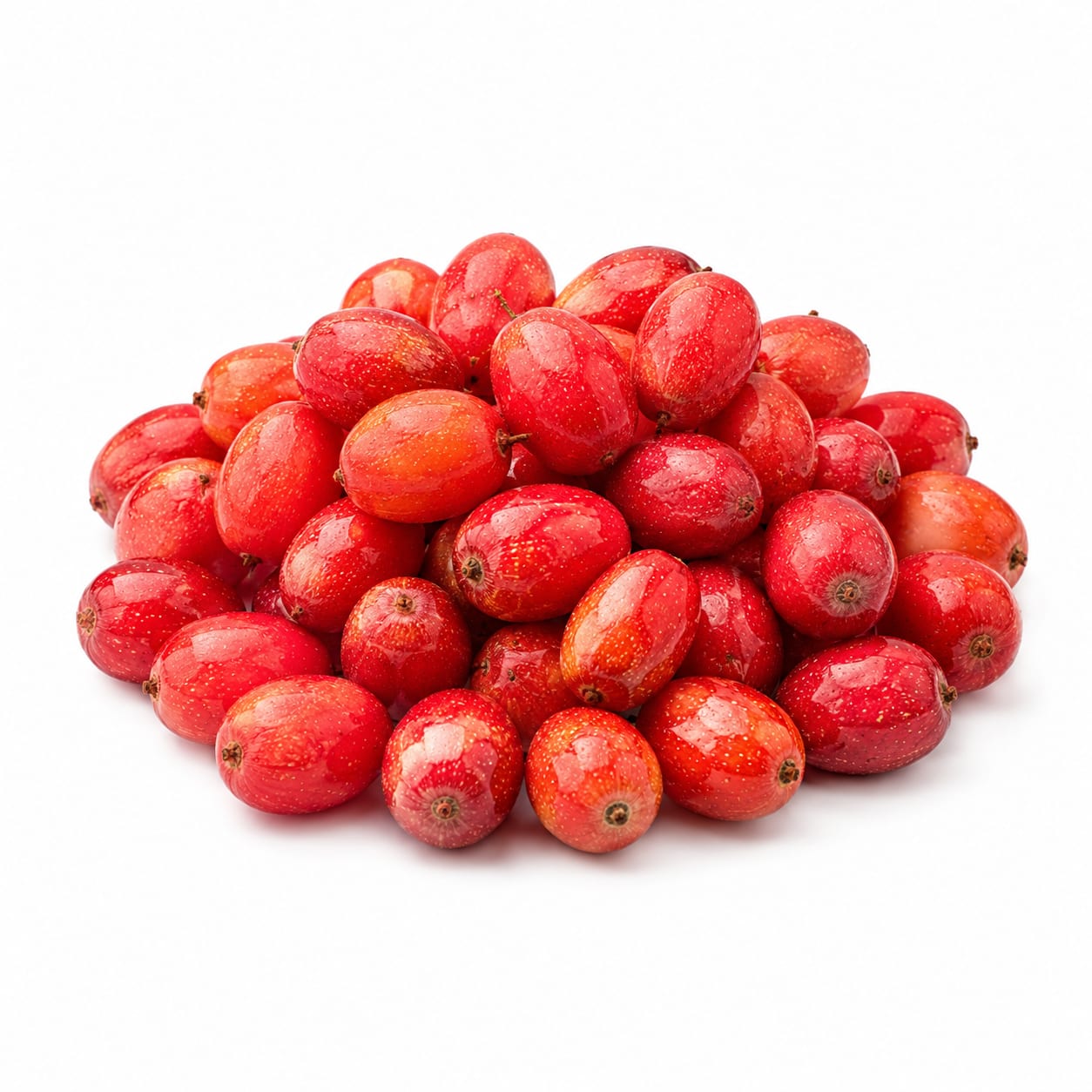
Buffaloberry
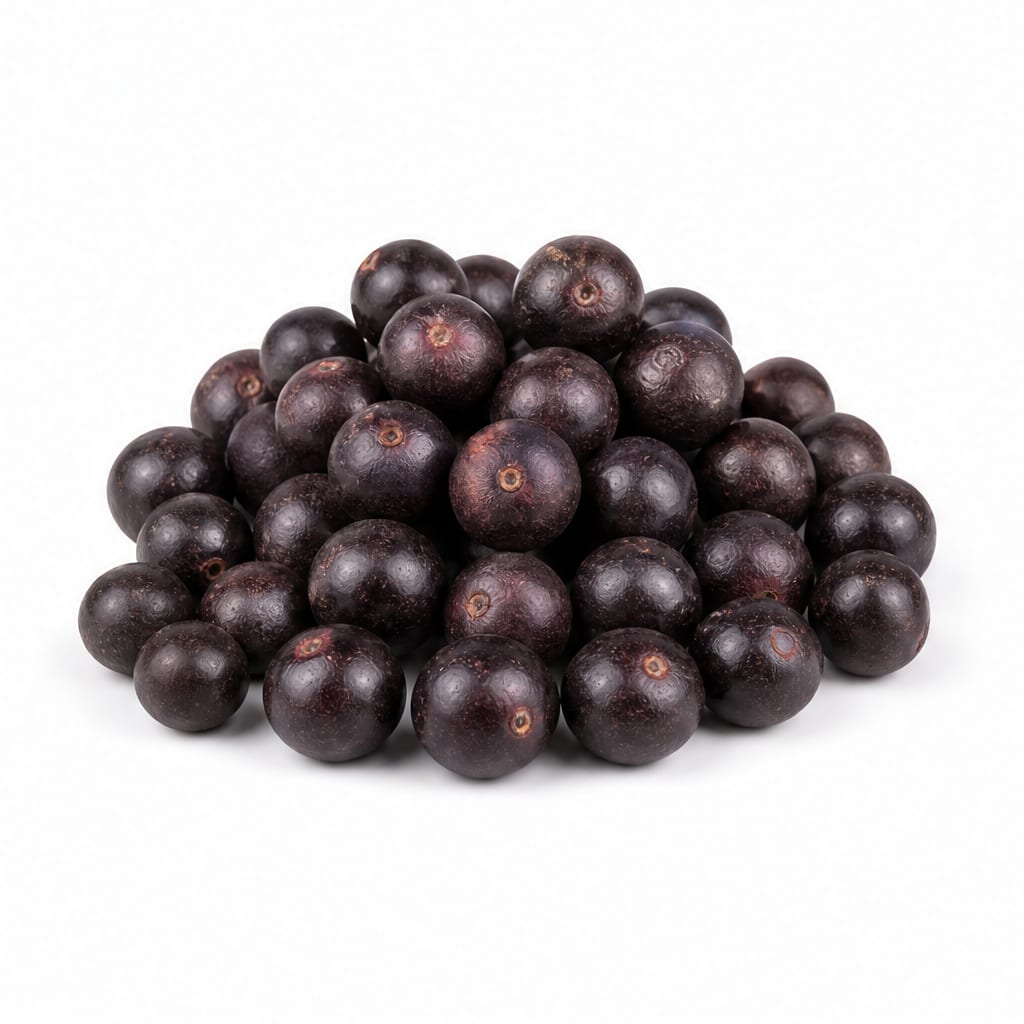
Acai berry
Buffaloberry wins on naturalness and local availability; acai wins on antioxidant density and smoothie versatility. Your choice depends on access and how processed you're willing to go.
Buffaloberry edges ahead on naturalness and lower sugar risk, but acai's superior antioxidant density and market availability keep it close. The real differentiator is access—buffaloberry is geographically limited, which drags down its practical score.
Acai delivers more anthocyanins but almost always comes frozen or powdered, while buffaloberry offers fresh eating with lycopene but is harder to find commercially.
At a glance
Executive summary
Overall
It depends
Healthier
Buffaloberry
More practical
Acai berry
Daily use
Acai berry
Key comparison lenses
antioxidant superiority
Both berries are prized for antioxidant content, so users want to know which delivers more real-world benefit
processing and authenticity
Acai is almost always consumed processed outside Brazil, while buffaloberry is often eaten closer to its natural state
practical daily accessibility
Availability and cost differ dramatically between these two berries
sugar and blood impact
Acai products often contain added sugars; buffaloberry is naturally tart and less likely to be sweetened
superfood marketing vs reality
Acai carries heavy marketing hype; users may wonder if buffaloberry offers comparable benefits without the premium price
Best choice for
Buffaloberry
- People who can forage or source locally in the Northern Plains
- Anyone avoiding frozen or processed fruit products
- Those seeking lycopene and carotenoid antioxidants specifically
- Budget-conscious consumers near its native range
Acai berry
- Smoothie and acai bowl enthusiasts
- People prioritizing anthocyanin intake for anti-inflammatory benefits
- Anyone wanting a widely available superfruit option
- Those who don't mind frozen or powdered fruit
Least suitable for
Buffaloberry
- People with no access to regional specialty markets or foraging areas
- Anyone wanting a quick blend-and-go breakfast addition
- Consumers who prefer sweet fruit flavors
Acai berry
- People strictly avoiding processed or packaged fruit
- Those sensitive to added sugars hidden in commercial acai products
- Budget-limited shoppers unwilling to pay premium prices
Deep comparison
Dimension by dimension
Each lens scores both foods and breaks down who each option suits.
- Dimension 1 · Priority 92Acai berry
antioxidant_profile_and_diversity
Buffaloberry · 72Acai berry · 88Acai delivers a heavier anthocyanin punch, while buffaloberry counters with rare lycopene content most berries lack.
Tradeoff
Acai's antioxidants are more studied but often degraded by processing; buffaloberry's lycopene is heat-stable and survives preparation better.
Why it matters
Anthocyanins fight inflammation and support vascular health. Lycopene protects skin and prostate. Both matter, but they serve different systems.
Real-world impact
If you're blending acai into a smoothie, you still get solid antioxidant benefit. If you're cooking buffaloberry into jam, the lycopene holds up better than acai's anthocyanins would.
Buffaloberry
- Lycopene and carotenoid intake
- Heat-stable antioxidant preservation
- Antioxidant diversity beyond anthocyanins
Better for
- Lower total measured ORAC values
- Less research on specific antioxidant benefits
Worse for
Acai berry
- Total anthocyanin concentration
- ORAC score and free radical scavenging
- Anti-inflammatory flavonoid density
Better for
- Anthocyanins degrade with freezing and storage time
- Less antioxidant type diversity compared to buffaloberry's lycopene
Worse for
- Dimension 2 · Priority 88Buffaloberry
processing_and_freshness
Buffaloberry · 85Acai berry · 45Buffaloberry is typically eaten fresh or minimally preserved. Acai is almost always frozen, freeze-dried, or powdered by the time you buy it.
Tradeoff
You get acai in convenient forms year-round, but at the cost of some nutrient degradation and potential additive exposure.
Why it matters
Fresh fruit retains more sensitive antioxidants and has no hidden ingredients. Processed fruit loses potency and often includes emulsifiers or sweeteners.
Real-world impact
That frozen acai packet in your freezer has already lost a chunk of its anthocyanins. Fresh buffaloberry eaten in season delivers closer to its full nutritional potential.
Buffaloberry
- Fresh seasonal eating with minimal nutrient loss
- No added sugars or preservatives in whole form
- Closer to whole-food eating philosophy
Better for
- Extremely limited fresh availability window
- No convenient packaged options on most store shelves
Worse for
Acai berry
- Year-round availability regardless of season
- Convenient frozen packets for quick meal prep
- Standardized products with consistent quality
Better for
- Significant antioxidant degradation during processing and storage
- Commercial acai products often contain added sugars and fillers
Worse for
- Dimension 3 · Priority 78Buffaloberry
sugar_content_and_blood_impact
Buffaloberry · 82Acai berry · 60Buffaloberry is naturally tart and low in sugar. Acai is moderate in sugar but frequently paired with sweeteners in bowls and smoothies.
Tradeoff
Buffaloberry's tartness limits overeating but also enjoyment for some. Acai's sweeter profile and common pairing with honey or granola can spike blood sugar.
Why it matters
Hidden sugars in acai bowls can turn a healthy breakfast into a dessert-level sugar bomb without you realizing it.
Real-world impact
A typical acai bowl can hit 40-60g of sugar once you add banana, honey, and granola. Fresh buffaloberry eaten alone barely moves your blood sugar needle.
Buffaloberry
- Naturally low sugar with no need for added sweeteners
- Gentle on blood sugar when eaten whole
- Unlikely to trigger sugar cravings
Better for
- Tartness may discourage regular consumption
- People often add sugar to make it palatable, negating the advantage
Worse for
Acai berry
- More palatable without added sweeteners compared to buffaloberry
Better for
- Commercial acai products frequently loaded with added sugars
- Acai bowls are a common hidden-sugar trap
Worse for
- Dimension 4 · Priority 85Acai berry
accessibility_and_cost
Buffaloberry · 30Acai berry · 78Acai is available in most grocery stores nationwide. Buffaloberry is essentially unavailable outside its native range unless you forage it yourself.
Tradeoff
You pay a premium for acai's convenience and branding. Buffaloberry is free if you can find it, but most people simply cannot.
Why it matters
The healthiest berry in the world does you no good if you can't buy it. Practical access determines whether a food becomes a habit or a one-time experiment.
Real-world impact
You can grab frozen acai at Target. Finding fresh buffaloberry requires living in or visiting the Northern Plains during late summer—and knowing what to look for.
Buffaloberry
- Free if you forage in the right regions
- No premium superfood pricing markup
Better for
- Virtually no commercial distribution
- Requires regional knowledge or foraging skills
- No reliable online fresh sources
Worse for
Acai berry
- Available in most major grocery chains
- Consistent product quality and food safety standards
- Online ordering options for powders and frozen packs
Better for
- Premium pricing driven by superfood marketing
- Cost adds up with daily smoothie habits
Worse for
- Dimension 5 · Priority 70Acai berry
culinary_versatility_and_enjoyment
Buffaloberry · 55Acai berry · 80Acai integrates smoothly into bowls, smoothies, and desserts. Buffaloberry's intense tartness limits it to jams, sauces, and adventurous snacking.
Tradeoff
Acai's mild chocolate-berry flavor is crowd-pleasing but often needs sweetening. Buffaloberry is an acquired taste that works best in recipes that balance its sourness.
Why it matters
You'll actually eat the berry you enjoy. Taste and ease of use determine long-term consistency more than nutrient density.
Real-world impact
Most people look forward to an acai bowl. Few people crave raw buffaloberry the same way—though buffaloberry jam on toast can be genuinely delicious.
Buffaloberry
- Excellent for jams, jellies, and sauces where tartness shines
- Unique flavor profile for adventurous eaters
Better for
- Too tart for most people to eat fresh in quantity
- Limited recipe ecosystem compared to acai
Worse for
Acai berry
- Smooth, creamy texture works perfectly in bowls and smoothies
- Mild flavor pairs well with many ingredients
- Widely appealing taste even for picky eaters
Better for
- Relies on added ingredients to taste good in most preparations
- Less interesting as a standalone fresh fruit experience
Worse for
Timeline
Health impact over time
Short-term
Hours to days
Buffaloberry
- Quick vitamin C boost supporting immune function
- Tart flavor may curb appetite and reduce snacking
- Possible mild digestive stimulation from acidity
Acai berry
- Noticeable energy lift when consumed in a balanced smoothie
- Anthocyanins may reduce post-exercise inflammation within hours
- Risk of sugar spike if consumed in a sweetened bowl format
Long-term
Months to years
Buffaloberry
- Lycopene intake supports prostate and cardiovascular health over years
- Low sugar habit reinforces stable blood sugar patterns
- Limited access makes consistent long-term intake challenging for most people
Acai berry
- Regular anthocyanin consumption linked to improved vascular function and cognitive resilience
- Consistent daily use is realistic due to availability, compounding long-term benefits
- Hidden sugar in commercial products could undermine metabolic health if not monitored
Risk profile
Safety & processing
Buffaloberry is typically eaten fresh or dried with minimal intervention. Acai undergoes freezing or freeze-drying within 24 hours of harvest, and commercial products often include citric acid, sweeteners, or soy lecithin as stabilizers.
Buffaloberry
Misidentification during foraging
mediumBuffaloberry resembles other silver-leafed shrubs; incorrect identification could lead to consuming inedible or mildly toxic lookalikes.
Agricultural runoff contamination in wild-harvested berries
lowForaged berries near farmland may carry pesticide drift. Choose harvest sites away from conventional agriculture.
Acai berry
Added sugars and fillers in commercial products
mediumMany frozen acai packets and powders contain added sugar, soy lecithin, or maltodextrin. Always read ingredient lists carefully.
Oxidation and nutrient degradation in stored products
lowAnthocyanins degrade over time in frozen and powdered acai. Older products deliver less antioxidant benefit than fresh or recently processed ones.
Who wins for whom
Audience fit
Same foods, different winners depending on your goal.
children
Acai berryAcai's milder, sweeter flavor and smooth texture in bowls is far more kid-friendly than buffaloberry's intense tartness.
daily consumption
Acai berryConsistent availability and easy integration into daily routines make acai the more realistic daily habit for most people.
diabetes
BuffaloberryNaturally low sugar with no common sweetened preparation format makes blood sugar management easier.
elderly
Acai berryAcai's anti-inflammatory anthocyanins support vascular and cognitive health, and the soft texture is easy to consume.
muscle gain
Acai berryAcai smoothies pair easily with protein powder and calorie-dense toppings, supporting the higher caloric needs of muscle building.
weight loss
BuffaloberryLower sugar, higher tartness reduces overconsumption risk, and no common high-calorie preparation format like acai bowls.
Your move
Decision guide
Choose Buffaloberry
- You live in or near the Northern Plains and can forage or buy locally
- You prioritize eating whole, unprocessed fruit with no additives
- You want lycopene benefits that most other berries cannot provide
- You are monitoring sugar intake closely and want a tart, low-sugar option
Choose Acai berry
- You want a convenient, year-round superfruit you can actually find at the store
- You make smoothies or bowls regularly and want an antioxidant-rich base
- You prioritize anthocyanin intake for inflammation and vascular health
- You need something palatable enough that you'll actually eat it consistently
Either works if
- You simply want more berry diversity in your diet regardless of which one
- You rotate seasonal fruits and treat both as occasional additions rather than staples
- You care more about eating any antioxidant-rich fruit than optimizing one specific nutrient
Avoid both if
- You have a berry allergy or salicylate sensitivity
- You're looking for a high-protein or calorie-dense food—neither berry delivers meaningful protein or energy
Final recommendation
If you can access fresh buffaloberry, it's the more natural and lower-sugar choice with unique lycopene benefits. But for most people, acai's availability and ease of use make it the practical daily pick—just watch the added sugars in commercial products. The best berry is the one you'll actually eat regularly without turning it into a sugar bomb.
Practical
Consumer tips
- 1
Read frozen acai ingredient lists—choose products with only acai, no added sugar or soy lecithin
- 2
If you forage buffaloberry, confirm identification with a local expert and avoid roadside areas with pesticide exposure
- 3
Freeze fresh buffaloberry at peak ripeness to preserve nutrients for off-season use
- 4
Blend acai with unsweetened nut milk and a handful of spinach instead of banana and honey to keep sugar reasonable
- 5
Buffaloberry jam made with minimal sweetener gives you lycopene in a form that lasts months in the pantry