
Nutrition comparison
Buffaloberry vs Blueberry: Nutrition, Antioxidants, and Which Berry to Choose
Compare buffaloberry and blueberry nutrition including lycopene, anthocyanins, vitamin C, and taste. Learn which berry fits your health goals and daily routine better.
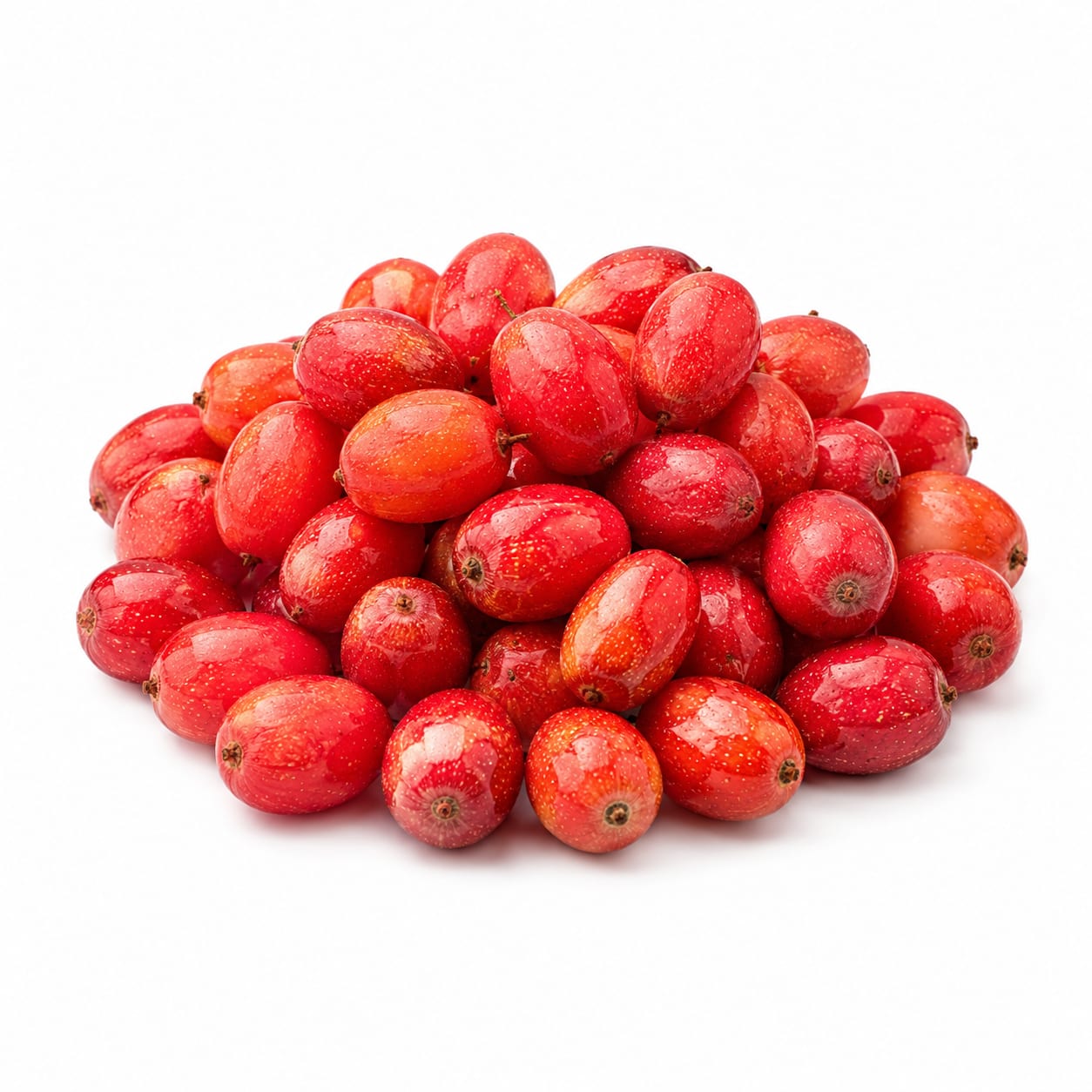
Buffaloberry
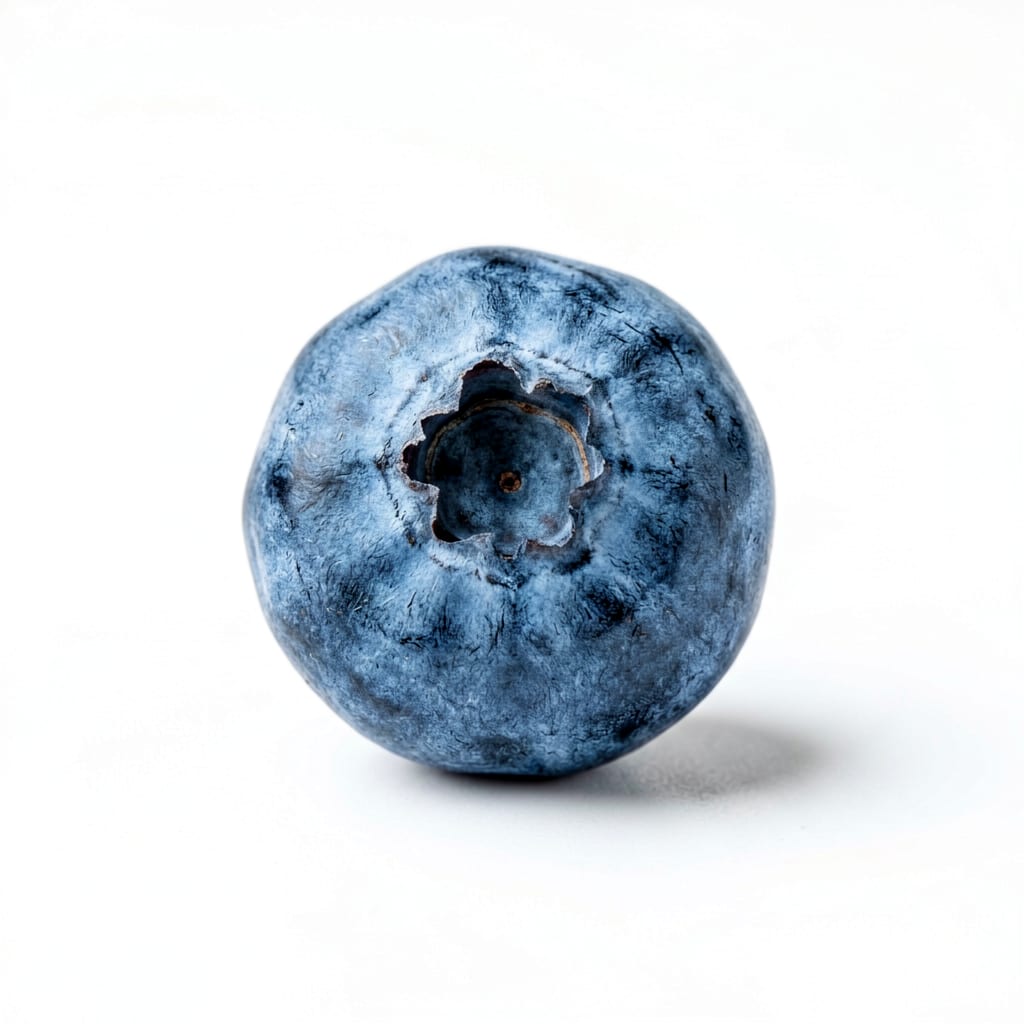
Blueberry
Blueberry wins on convenience and everyday usability; buffaloberry wins on unique antioxidant diversity and vitamin C concentration
Blueberry scores higher primarily due to accessibility, taste acceptability, and daily usability. Buffaloberry matches or exceeds blueberry on specific nutrients like lycopene and vitamin C but loses significant ground on availability and the practical reality that most people will not eat it regularly
Buffaloberry offers rare lycopene and carotenoids you cannot easily get from other berries, but blueberry is far more accessible and palatable for daily eating
At a glance
Executive summary
Overall
It depends
Healthier
It depends
More practical
Blueberry
Daily use
Blueberry
Key comparison lenses
antioxidant profile comparison
Buffaloberry delivers rare lycopene and carotenoids while blueberry is famous for anthocyanins — two completely different antioxidant families with different health benefits
availability and practicality
Blueberries are grocery-store staples; buffaloberries are foraged or specialty items, making access a major real-world deciding factor
taste and culinary use
Buffaloberries are intensely tart and often need sweetening, while blueberries are naturally sweet and versatile for snacking
nutrient density per calorie
Both are low-calorie nutrient powerhouses but differ significantly in vitamin C, lycopene, and specific phytonutrients
blood sugar and diabetes friendliness
Both are low-glycemic but buffaloberry's extreme tartness often requires added sugar in preparation, which changes the real-world glycemic impact
Best choice for
Buffaloberry
- Maximizing lycopene intake without eating tomatoes
- Boosting vitamin C beyond what blueberries offer
- Exploring traditional Indigenous nutrition
- Adding carotenoid diversity to an antioxidant protocol
- Foraging enthusiasts seeking nutrient-dense wild foods
Blueberry
- Consistent daily berry consumption without effort
- Cognitive and brain-health support from anthocyanins
- Family-friendly snacking kids will actually eat
- Meal prep and smoothie routines requiring reliable supply
- Low-sugar dessert alternatives that taste good unsweetened
Least suitable for
Buffaloberry
- People who need convenient grocery-store options
- Anyone sensitive to very tart or astringent flavors
- Those watching added sugar who would need to sweeten buffaloberries
- Consistent meal planning requiring reliable year-round access
Blueberry
- Those specifically seeking lycopene or carotenoid benefits
- People wanting maximum vitamin C per serving from berries
- Foragers or wild-food enthusiasts wanting less common options
Deep comparison
Dimension by dimension
Each lens scores both foods and breaks down who each option suits.
- Dimension 1 · Priority 92Buffaloberry
antioxidant_diversity
Buffaloberry · 88Blueberry · 82Buffaloberry provides lycopene and carotenoids alongside phenolic compounds, creating a broader antioxidant spectrum than blueberry's anthocyanin-dominant profile
Tradeoff
Blueberry's anthocyanins are better studied for brain health, while buffaloberry's lycopene is better evidence-backed for prostate and cardiovascular protection
Why it matters
Different antioxidant families protect different tissues — lycopene shields lipid membranes, anthocyanins support neural tissue, so diversity matters more than total quantity
Real-world impact
Eating buffaloberries occasionally alongside regular blueberries gives you broader cellular protection than doubling down on either one alone
Buffaloberry
- Prostate health due to lycopene content
- Cardiovascular membrane protection
- UV skin damage defense from carotenoids
- Broad-spectrum cellular protection
Better for
- Limited research on specific disease outcomes compared to blueberry
- No significant anthocyanin content for brain-specific benefits
Worse for
Blueberry
- Cognitive function and memory support
- Age-related neuroprotection
- Eye health through anthocyanin pathways
- Well-researched long-term health outcomes
Better for
- Zero lycopene content
- Lower carotenoid diversity
Worse for
- Dimension 2 · Priority 78Buffaloberry
vitamin_and_mineral_density
Buffaloberry · 84Blueberry · 72Buffaloberry delivers significantly more vitamin C per serving and notable iron content, while blueberry provides more vitamin K and manganese
Tradeoff
Buffaloberry's vitamin C advantage is substantial but blueberry's vitamin K supports bone and blood health that buffaloberry cannot match
Why it matters
Vitamin C enhances iron absorption and immune function, while vitamin K is critical for clotting and bone metabolism — both matter but serve different priorities
Real-world impact
If you struggle with iron status or immune resilience, buffaloberry is the stronger ally; if bone health is your focus, blueberry serves you better
Buffaloberry
- Immune system support from high vitamin C
- Iron absorption enhancement
- Collagen synthesis support
- Anemia-prone individuals
Better for
- Lower vitamin K content
- Less manganese for metabolic enzymes
Worse for
Blueberry
- Bone density maintenance through vitamin K
- Blood clotting regulation
- Manganese-dependent enzyme support
- Postmenopausal bone health
Better for
- Significantly less vitamin C per serving
- Minimal iron contribution
Worse for
- Dimension 3 · Priority 85Blueberry
taste_and_palatability
Buffaloberry · 45Blueberry · 88Blueberries are naturally sweet and enjoyable raw; buffaloberries are intensely tart and astringent, often requiring sweetening or cooking to be palatable
Tradeoff
Buffaloberry's tartness signals high phenolic content but creates a real barrier to eating them raw, while blueberry's mild sweetness makes effortless daily consumption realistic
Why it matters
The healthiest food only works if you actually eat it — taste is not superficial, it is the primary driver of dietary consistency
Real-world impact
You will happily pop blueberries as a snack daily; buffaloberries are more likely to sit in your fridge unless you commit to recipes or sweetening them
Buffaloberry
- Culinary adventurers who enjoy bold tart flavors
- Making jams, sauces, or preserves where tartness is desirable
- Recipes where acidity adds complexity
Better for
- Most people find raw buffaloberries too sour to enjoy
- Often requires added sugar or honey to become palatable
- Unlikely to become a habitual daily food
Worse for
Blueberry
- Effortless raw snacking
- Children and picky eaters
- Smoothies where sweetness reduces need for added sugar
- Breakfast toppings requiring no preparation
Better for
- Less culinary complexity for adventurous cooks
- Milder flavor can feel one-dimensional in certain recipes
Worse for
- Dimension 4 · Priority 88Blueberry
availability_and_convenience
Buffaloberry · 20Blueberry · 95Blueberries are available year-round in nearly every grocery store; buffaloberries are specialty or foraged items with extremely limited commercial availability
Tradeoff
Buffaloberry's rarity makes it nutritionally exciting but practically inaccessible for most people, while blueberry's ubiquity makes consistent consumption effortless
Why it matters
Nutrition only works when it is sustainable — a food you cannot buy regularly cannot become part of your health routine regardless of its nutrient profile
Real-world impact
You can buy blueberries at any supermarket any week of the year; finding buffaloberries requires specialty suppliers, foraging knowledge, or geographic luck
Buffaloberry
- Foragers in the Northern Great Plains region
- Specialty food enthusiasts seeking unique ingredients
- Connecting with Indigenous food traditions
Better for
- Almost no commercial availability
- Seasonal and geographically restricted
- No reliable frozen or preserved supply chain
- Most consumers will never encounter them
Worse for
Blueberry
- Year-round grocery access
- Frozen options that retain nutrients
- Consistent supply for meal planning
- Organic and conventional options widely available
Better for
- Common variety can feel nutritionally ordinary
- Less connection to wild or traditional foodways
Worse for
- Dimension 5 · Priority 70Blueberry
blood_sugar_impact
Buffaloberry · 58Blueberry · 82Both berries are low-glycemic when eaten raw, but buffaloberry's extreme tartness practically forces added sweeteners, which raises the real-world glycemic load
Tradeoff
Blueberry can be enjoyed unsweetened without discomfort; buffaloberry's natural state is so astringent that most preparations add significant sugar
Why it matters
Theoretical glycemic index means nothing if the way you actually prepare the food doubles its sugar content
Real-world impact
A bowl of fresh blueberries is blood-sugar friendly; buffaloberry jam or sweetened sauce is closer to candy nutritionally
Buffaloberry
- Raw buffaloberry has low sugar content if you can tolerate the tartness
- High phenolic content may improve glucose metabolism independently
Better for
- Almost always consumed with added sugar
- Sweetened preparations negate low-glycemic advantage
- Buffaloberry jams and syrups are high-sugar foods
Worse for
Blueberry
- Palatable without any added sweeteners
- Consistent low-glycemic snacking option
- Diabetic-friendly in realistic serving sizes
- No temptation to add sugar to make them edible
Better for
- Slightly higher natural sugar content than raw buffaloberry
Worse for
- Dimension 6 · Priority 65It depends
fiber_and_digestive_health
Buffaloberry · 74Blueberry · 76Both provide respectable fiber with slight edge to blueberry for soluble fiber that feeds gut bacteria, while buffaloberry offers more insoluble roughage from seeds and skin
Tradeoff
Blueberry's soluble fiber supports microbiome diversity more effectively; buffaloberry's insoluble fiber aids motility but is less beneficial for beneficial bacteria
Why it matters
Soluble fiber feeds your gut bacteria which produce anti-inflammatory compounds, while insoluble fiber mainly speeds transit — both matter but soluble has broader systemic effects
Real-world impact
Regular blueberry consumption supports a healthier gut microbiome over time; buffaloberry keeps things moving but with less microbiome benefit
Buffaloberry
- Promoting regular bowel movements
- Adding insoluble fiber variety
- Traditional digestive remedies in Indigenous medicine
Better for
- Less soluble fiber for prebiotic benefits
- Seed texture may bother some people
Worse for
Blueberry
- Feeding beneficial gut bacteria through soluble fiber
- Prebiotic effects supporting microbiome diversity
- Gentler on sensitive digestive systems
Better for
- Slightly less total fiber per serving than buffaloberry
Worse for
Timeline
Health impact over time
Short-term
Hours to days
Buffaloberry
- High vitamin C provides immediate immune support
- Intense tartness may cause mouth puckering or mild stomach discomfort if eaten raw in quantity
- Phenolic compounds may create astringent drying sensation in the mouth
Blueberry
- Mild blood sugar stabilization after meals
- Quick hydration from high water content
- Easy digestion with minimal gastrointestinal discomfort
Long-term
Months to years
Buffaloberry
- Lycopene accumulation supports cardiovascular and prostate health over years
- Carotenoid intake protects against UV skin damage and supports vision
- If consumed with added sugar regularly, negative metabolic effects may offset antioxidant benefits
- Vitamin C saturation supports collagen integrity and reduced oxidative stress
Blueberry
- Consistent anthocyanin intake associated with slower cognitive decline in aging
- Regular consumption linked to improved vascular flexibility and blood pressure
- Habitual intake supports gut microbiome diversity
- Long-term cardiovascular risk reduction through multiple pathways
Risk profile
Safety & processing
Both berries are whole foods in their natural state. Buffaloberry is almost always wild-harvested with zero processing, while blueberries range from wild to conventionally farmed. The main concern is that buffaloberry's tartness drives processing into jams and sweetened products that significantly reduce their natural health advantage
Buffaloberry
misidentification_with_toxic_lookalikes
mediumBuffaloberries can be confused with other red berries in the wild; foragers must have confident identification skills to avoid toxic species like buckthorn berries
agricultural_contamination_unknowns
lowSince buffaloberries are not commercially regulated, wild-harvested berries may grow near roads or contaminated soils with unknown heavy metal exposure
oxalate_content
lowBuffaloberries contain moderate oxalates which are generally not concerning unless you have a history of calcium oxalate kidney stones
Blueberry
pesticide_residue
mediumConventionally grown blueberries frequently appear on EWG's Dirty Dozen list with measurable pesticide residues; choosing organic significantly reduces this exposure
mold_and_spoilage
lowBlueberries are prone to mold growth within days of purchase; discard any berries showing white or fuzzy growth to avoid mycotoxin exposure
Who wins for whom
Audience fit
Same foods, different winners depending on your goal.
children
BlueberryChildren overwhelmingly prefer the sweet mild taste of blueberries. Buffaloberries are too tart for most kids unless heavily sweetened, which defeats the health purpose
daily consumption
BlueberryConsistency is the most important factor in nutrition, and blueberries are available, affordable, and enjoyable enough to eat every day. Buffaloberries cannot match this practical sustainability
diabetes
BlueberryBlueberries can be eaten unsweetened with minimal blood sugar impact. Buffaloberries are rarely consumed without added sugar, making real-world glycemic control harder
elderly
BlueberryBlueberry's well-documented cognitive benefits, soft texture, and easy availability make it particularly valuable for aging adults concerned about brain health and convenience
muscle gain
It dependsNeither berry is a significant protein source. Buffaloberry offers slightly more iron which supports oxygen delivery to muscles, but the difference is marginal and blueberry's anti-inflammatory anthocyanins aid recovery
weight loss
BlueberryBlueberries are satisfying and sweet-tasting without added sugar, making them a sustainable low-calorie treat. Buffaloberries typically require sweetening to be enjoyable, adding hidden calories
Your move
Decision guide
Choose Buffaloberry
- You have access to buffaloberries through foraging or specialty suppliers
- You want lycopene benefits but dislike tomatoes
- You are building maximum antioxidant diversity across your diet
- You enjoy tart, astringent flavors or love making preserves
- You want to explore traditional Indigenous foodways
Choose Blueberry
- You need a reliable daily berry you can buy anywhere
- You want brain-health and cognitive benefits from anthocyanins
- You prefer eating berries raw without preparation
- You are managing blood sugar and need unsweetened fruit options
- You are feeding a family that needs crowd-pleasing healthy snacks
Either works if
- You want low-calorie antioxidant-rich fruit options
- You are building a diverse berry rotation for broad phytonutrient coverage
- You enjoy experimenting with different berries in smoothies or oatmeal
Avoid both if
- You have a severe berry allergy
- You are on a very strict low-FODMAP diet and react to fructose
- You need calorie-dense foods for weight gain rather than nutrient-dense low-calorie options
Final recommendation
Make blueberries your daily berry for consistency and ease, but seek out buffaloberries when available to add lycopene and carotenoid diversity your diet likely lacks. The ideal approach is not choosing one — it is using blueberries as your baseline and adding buffaloberries as a nutritional accent when you can find them. If buffaloberries are your only option, embrace their tartness in savory sauces or lightly sweetened preparations rather than turning them into sugar-heavy jams.
Practical
Consumer tips
- 1
If buying blueberries, choose organic when possible — they consistently rank high for pesticide residue on conventional farms
- 2
Freeze blueberries at peak freshness; they retain nearly all their anthocyanin content and are often more nutritious than out-of-season fresh berries
- 3
If foraging buffaloberries, harvest only from areas away from roads and agricultural runoff, and confirm identification with an experienced forager
- 4
Try buffaloberries in savory applications like tangy sauces for game meats or fish — the tartness works beautifully without needing much added sugar
- 5
Mix both berries together when you can: blueberry sweetness balances buffaloberry tartness, and you get the full antioxidant spectrum in one bowl
- 6
Avoid buffaloberry products labeled as jams or syrups unless you check the sugar content — many contain more sugar than fruit