
Nutrition comparison
Buffaloberry vs Goji Berry: Which Superfood Is Better?
Compare Buffaloberry vs Goji berry on antioxidants, sugar, and health benefits. Find out which berry is best for eye health, weight loss, and daily use.
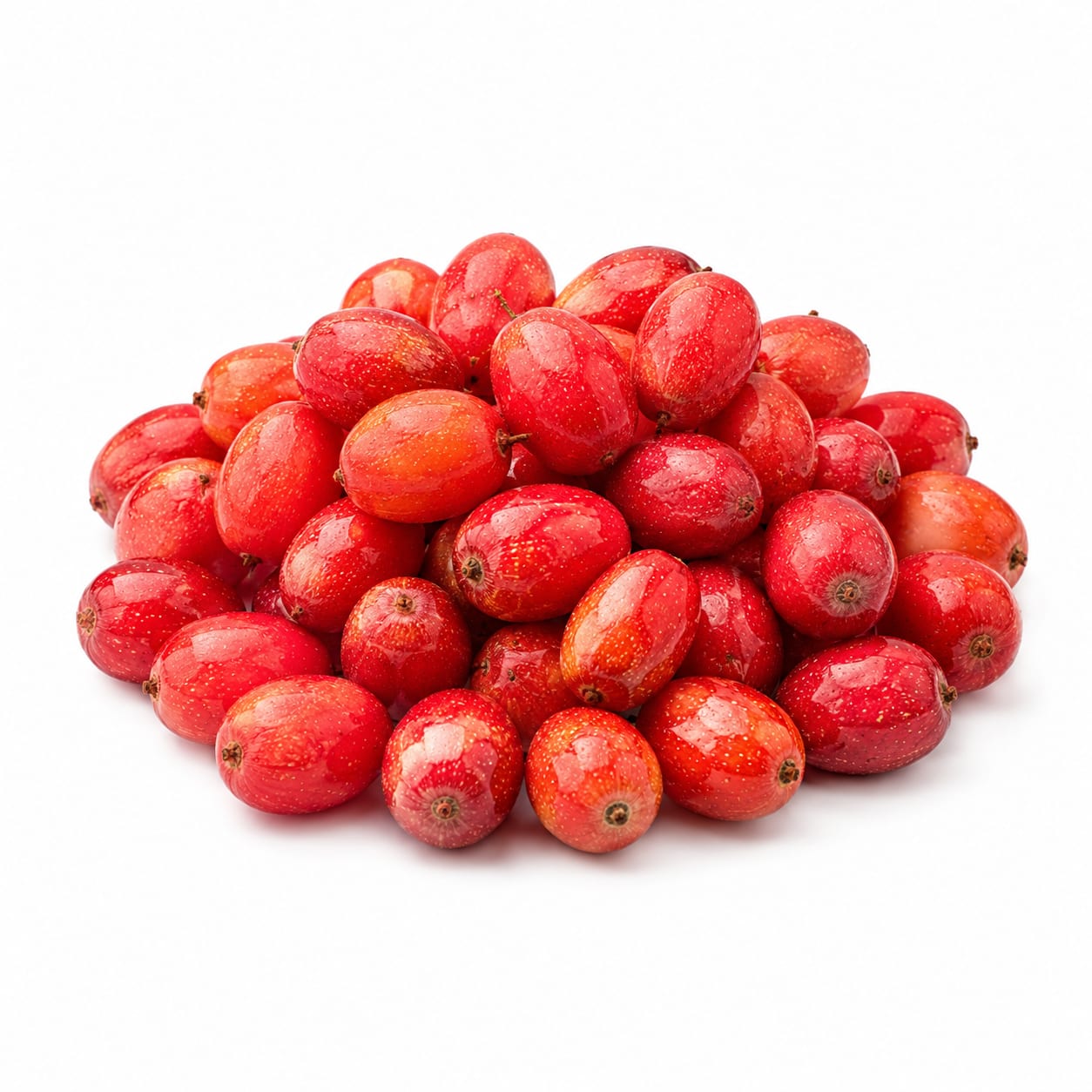
Buffaloberry
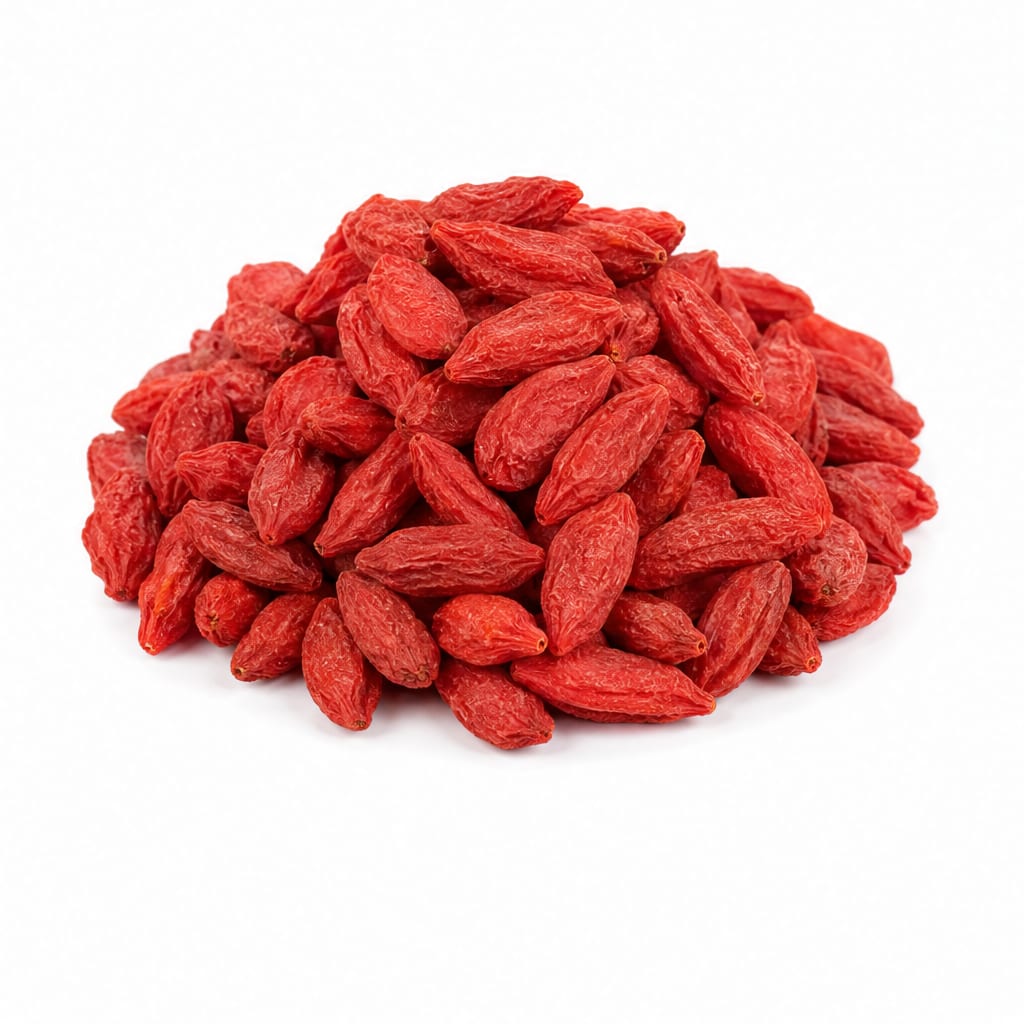
Goji berry
Goji berries are easier to find and better for eye health, while Buffaloberries offer unique lycopene benefits with far less sugar.
Goji berries score higher due to practical availability and well-researched eye health benefits, but Buffaloberries win on lower sugar and natural processing, making it a close tradeoff.
Convenience and vision support versus a rare lycopene punch and lower sugar.
At a glance
Executive summary
Overall
It depends
Healthier
It depends
More practical
Goji berry
Daily use
Goji berry
Key comparison lenses
Superfood antioxidant comparison
Both are prized for dense antioxidant profiles, but they target different systems—lycopene versus zeaxanthin.
Sugar content and metabolic impact
Buffaloberries are intensely tart with minimal sugar, while commercial Goji berries are often dried with added sweeteners.
Practical availability and sourcing
Goji berries are a mainstream commodity, whereas Buffaloberries are largely wild-harvested and regionally niche.
Best choice for
Buffaloberry
- Low-sugar diets
- Lycopene seekers
- Wild food enthusiasts
Goji berry
- Eye health support
- Convenient snacking
- Easy daily superfood addition
Least suitable for
Buffaloberry
- People wanting easy grocery access
- Those who dislike tart flavors
Goji berry
- Strict low-sugar diets
- People sensitive to sulfites
Deep comparison
Dimension by dimension
Each lens scores both foods and breaks down who each option suits.
- Dimension 1 · Priority 95It depends
Antioxidant Power & Specific Benefits
Buffaloberry · 88Goji berry · 90Goji berries excel in vision-protecting antioxidants, while Buffaloberries provide a rare lycopene boost for heart health.
Tradeoff
You choose between protecting your eyes with zeaxanthin or supporting your heart and cells with lycopene.
Why it matters
Targeted antioxidants address different aging concerns, so your priority should guide your choice.
Real-world impact
Eating Goji berries regularly can help reduce eye strain from screens, whereas Buffaloberries offer cellular protection similar to cooked tomatoes.
Buffaloberry
- Heart health focus
- Cellular defense
Better for
- Targeted eye health
Worse for
Goji berry
- Screen users
- Age-related vision support
Better for
- Broad-spectrum carotenoid diversity
Worse for
- Dimension 2 · Priority 90Buffaloberry
Sugar & Blood Sugar Impact
Buffaloberry · 92Goji berry · 55Buffaloberries are extremely low in sugar, whereas dried Goji berries often carry significant sugar content.
Tradeoff
You get a sweeter, more palatable snack with Goji berries, but risk blood sugar spikes that Buffaloberries completely avoid.
Why it matters
Dried superfruits can secretly act like candy, undermining metabolic health for those watching their glucose.
Real-world impact
A handful of Goji berries can cause an afternoon energy crash for sensitive people, while Buffaloberries provide steady, crash-free nutrients.
Buffaloberry
- Diabetics
- Keto dieters
- Steady energy seekers
Better for
- Satisfying a sweet tooth
Worse for
Goji berry
- Endurance athletes needing quick carbs
Better for
- Avoiding sugar cravings
Worse for
- Dimension 3 · Priority 85Goji berry
Availability & Practicality
Buffaloberry · 25Goji berry · 95Goji berries are available at nearly any grocery store, while Buffaloberries are obscure and hard to source fresh.
Tradeoff
You gain effortless access with Goji berries, but miss out on the wild, unprocessed integrity of Buffaloberries.
Why it matters
The healthiest food is the one you can actually buy and eat consistently.
Real-world impact
You can toss Goji berries into your oatmeal any morning, but finding Buffaloberries might require specialty foraging or expensive online orders.
Buffaloberry
- Adventurous foragers
- Local wildcrafters
Better for
- Spontaneous grocery trips
Worse for
Goji berry
- Busy professionals
- Routine meal preppers
Better for
- Connecting with wild food sources
Worse for
- Dimension 4 · Priority 80Buffaloberry
Processing & Additives
Buffaloberry · 95Goji berry · 60Buffaloberries are typically wild-harvested and additive-free, while commercial Goji berries often contain sulfites and added sugar.
Tradeoff
Choosing Goji berries means accepting a higher likelihood of hidden preservatives to maintain shelf stability.
Why it matters
Preservatives and added sugars can negate many of the anti-inflammatory benefits you are trying to get from the fruit.
Real-world impact
Eating sulfited Goji berries might cause mild headaches or bloating in sensitive individuals, whereas Buffaloberries are clean and straightforward.
Buffaloberry
- Clean eating advocates
- People with sulfite sensitivity
Better for
- Long shelf life without freezing
Worse for
Goji berry
- Long-term pantry storage
Better for
- Avoiding ultra-processed additives
Worse for
- Dimension 5 · Priority 70Goji berry
Taste & Culinary Versatility
Buffaloberry · 50Goji berry · 85Goji berries have a pleasant, sweet-tart flavor that is easy to snack on, while Buffaloberries are aggressively tart and astringent.
Tradeoff
Buffaloberries usually require sweeteners to be palatable, which can cancel out their natural low-sugar advantage.
Why it matters
If a food tastes bad, you will not eat it, making flavor a crucial factor in long-term adherence.
Real-world impact
Kids will happily eat Goji berries out of hand, but Buffaloberries will likely make them pucker and avoid them.
Buffaloberry
- Making tart jams or savory sauces
Better for
- Enjoying raw without wincing
Worse for
Goji berry
- Direct snacking
- Mixing into granola or yogurt
Better for
- Creating complex, sour flavor profiles
Worse for
Timeline
Health impact over time
Short-term
Hours to days
Buffaloberry
- Intense tartness might be off-putting fresh
- Quick vitamin C boost for immune support
Goji berry
- Quick energy from natural and added sugars
- Easy, digestible snack on the go
Long-term
Months to years
Buffaloberry
- Lycopene supports cardiovascular health over time
- Low sugar intake helps maintain metabolic stability
Goji berry
- Zeaxanthin protects vision from age-related decline
- Potential blood sugar issues if eaten in large quantities due to added sugars
Risk profile
Safety & processing
Buffaloberries are typically wild-harvested and sold without additives, whereas commercial Goji berries frequently contain added sugar and sulfur dioxide for preservation.
Buffaloberry
Seed saponin content
lowSeeds contain small amounts of saponins which can cause mild stomach upset if consumed in massive quantities, but normal intake is safe.
Goji berry
Pesticide residue
mediumConventional Goji berries often test high for pesticide residues; choosing organic is highly recommended.
Sulfite sensitivity
mediumSulfur dioxide is commonly used to preserve color and moisture, which can trigger allergic reactions or headaches in sensitive individuals.
Who wins for whom
Audience fit
Same foods, different winners depending on your goal.
children
Goji berryGoji berries have a sweeter, more kid-friendly taste, whereas Buffaloberries are very tart and astringent.
daily consumption
Goji berryGoji berries are far easier to source and incorporate into daily meals, despite the sugar tradeoff.
diabetes
BuffaloberryBuffaloberries have minimal sugar content, avoiding the blood sugar spikes that can come from sweetened dried Goji berries.
elderly
Goji berryThe high zeaxanthin content in Goji berries is specifically beneficial for age-related eye health concerns.
muscle gain
It dependsNeither is a significant protein source, but Goji berries offer slightly more carbohydrates for post-workout glycogen replenishment.
weight loss
BuffaloberryBuffaloberries are extremely low in sugar and calories, making them easier to fit into a deficit without triggering cravings.
Your move
Decision guide
Choose Buffaloberry
- You want a low-sugar antioxidant boost
- You are focused on lycopene for heart health
- You have access to wild or specialty suppliers
Choose Goji berry
- You want to support your vision
- You need a convenient, widely available superfood
- You prefer a sweeter, more palatable dried fruit
Either works if
- You just want a general antioxidant upgrade to your diet
- You enjoy adding berries to oatmeal or smoothies
Avoid both if
- You are looking for a primary protein source
- You have severe pollen allergies, as cross-reactivity is possible with both berries
Final recommendation
Choose Goji berries for daily convenience and eye health, but seek out Buffaloberries if you can find them and want a tart, low-sugar lycopene alternative. Always check Goji berry labels for added sugar and sulfites.
Practical
Consumer tips
- 1
Always read the ingredient list on dried Goji berries; avoid brands with added sugar or sulfur dioxide.
- 2
If you find fresh Buffaloberries, try sweetening them with a natural sugar substitute to balance their intense tartness.
- 3
Soak dried Goji berries in water before eating to reduce their sugar density per bite and rehydrate them.
- 4
Buy organic Goji berries when possible to minimize pesticide exposure.