
Nutrition comparison
Buffaloberry vs Elderberry: Safety, Lycopene, and Immune Benefits Compared
Buffaloberry offers rare lycopene and safer raw eating, while Elderberry delivers proven immune support with a cooking requirement. Learn which berry fits your health goals.
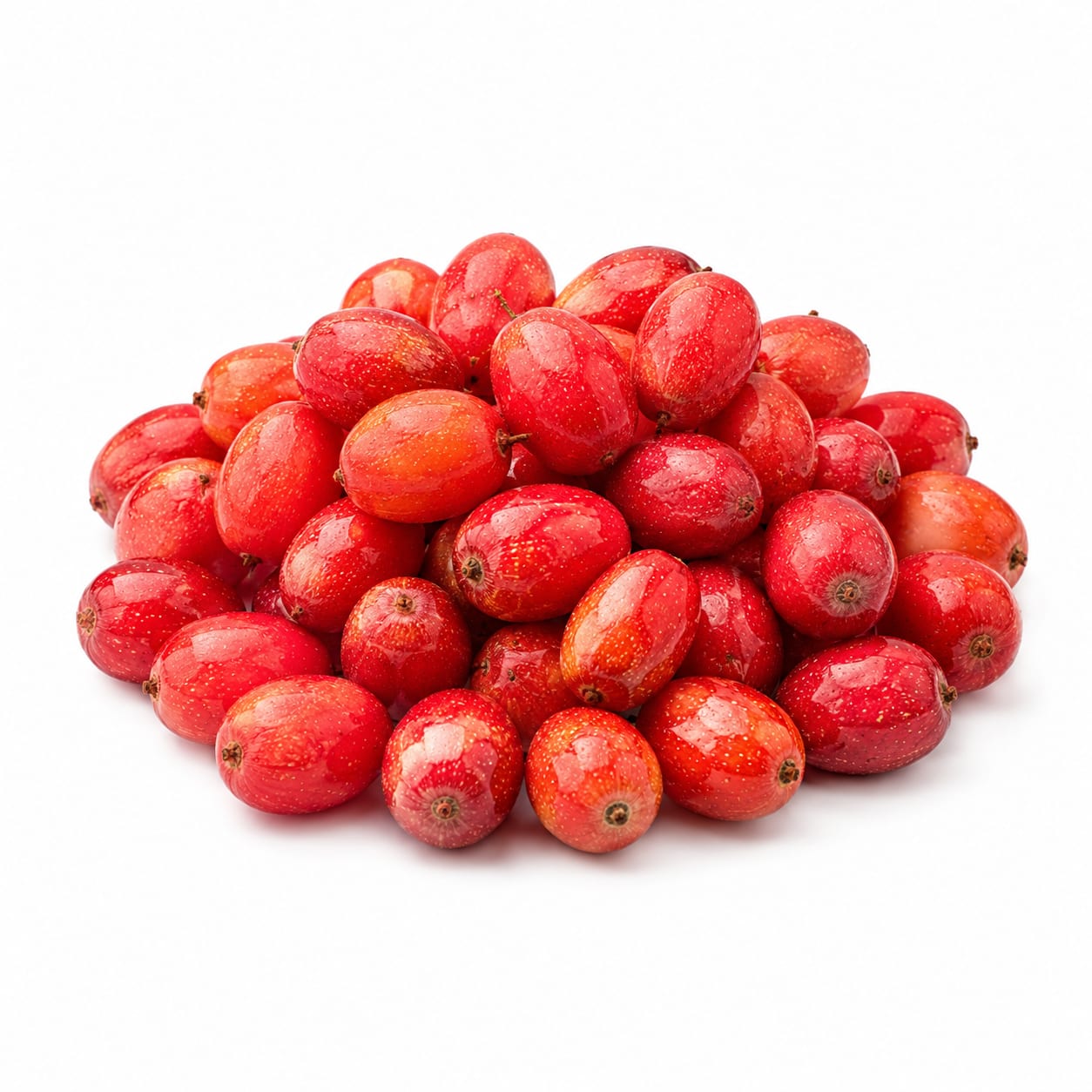
Buffaloberry
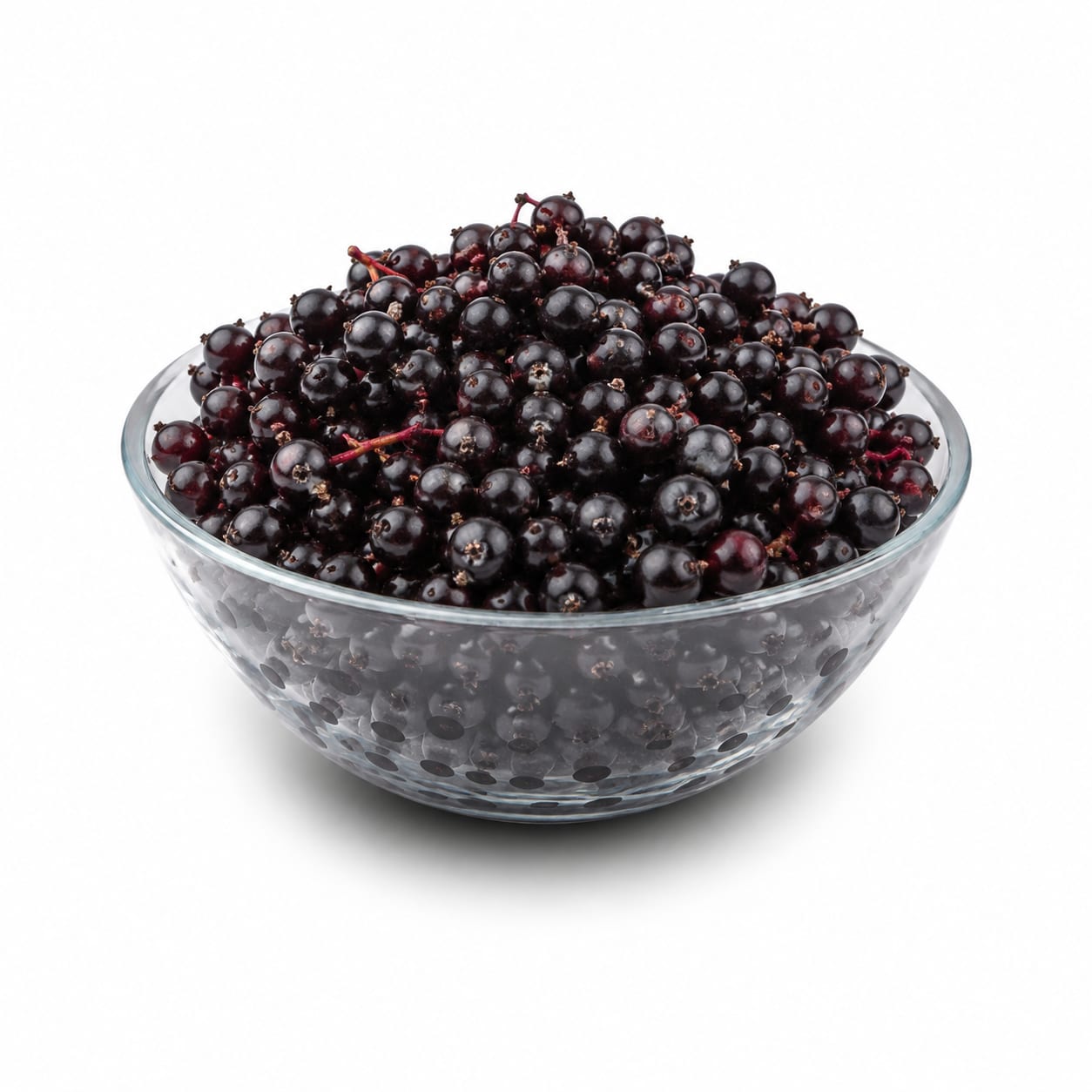
Elderberry
Elderberry wins on research backing and immune reputation, but Buffaloberry offers unique lycopene and safer raw consumption.
Elderberry scores higher due to stronger research, wider availability, and established wellness use. Buffaloberry remains compelling for its unique lycopene content and raw safety but loses points on accessibility and evidence gaps.
Elderberry has stronger clinical evidence for immune support but demands careful cooking; Buffaloberry is safer to eat raw but lacks the same scientific validation.
At a glance
Executive summary
Overall
It depends
Healthier
It depends
More practical
Elderberry
Daily use
Elderberry
Key comparison lenses
safety and preparation
Elderberry requires cooking to neutralize toxins; Buffaloberry can be eaten raw with less risk
immune support comparison
Elderberry is renowned for immune benefits while Buffaloberry is less studied but antioxidant-rich
antioxidant profile diversity
Buffaloberry offers rare lycopene while Elderberry delivers potent anthocyanins
practical availability
Elderberry products are widely available; Buffaloberry remains niche and hard to source
traditional and cultural use
Both have deep Indigenous use histories but differ in modern adoption
Best choice for
Buffaloberry
- People wanting lycopene from a berry source
- Foragers in the northern Great Plains region
- Those who prefer eating berries raw without cooking steps
- Anyone seeking a novel antioxidant source beyond common berries
Elderberry
- Cold and flu season immune support
- People wanting a well-studied supplement berry
- Those comfortable with cooking or buying prepared syrups
- Anyone following established herbal wellness protocols
Least suitable for
Buffaloberry
- People expecting easy grocery store access
- Those wanting clinically validated immune supplements
- Anyone unfamiliar with proper foraging identification
- Consumers who dislike tart astringent flavors
Elderberry
- Raw food enthusiasts who skip cooking steps
- Small children if preparation is careless
- People on diuretic medications without doctor consultation
- Anyone who might casually snack on raw berries
Deep comparison
Dimension by dimension
Each lens scores both foods and breaks down who each option suits.
- Dimension 1 · Priority 93Elderberry
immune_support_evidence
Buffaloberry · 45Elderberry · 85Elderberry has multiple clinical trials supporting its role in reducing cold and flu duration. Buffaloberry has antioxidant potential but almost no human clinical research.
Tradeoff
Elderberry's immune reputation is earned through studies; Buffaloberry's is theoretical and based on antioxidant content alone.
Why it matters
When you reach for a berry during cold season, you want confidence it actually helps, not just hope.
Real-world impact
Elderberry syrup users may experience shorter illness duration by 1-2 days based on research. Buffaloberry cannot make that claim yet.
Buffaloberry
- General antioxidant maintenance when not sick
Better for
- Evidence-based immune intervention
Worse for
Elderberry
- Active cold and flu season defense
- Post-exposure immune support
- Recurrent respiratory infection management
Better for
- Long-term daily use without medical guidance due to limited safety data on extended consumption
Worse for
- Dimension 2 · Priority 95Buffaloberry
safety_and_preparation_requirements
Buffaloberry · 82Elderberry · 50Raw Elderberry contains cyanogenic glycosides that can cause nausea and vomiting. Buffaloberry can be eaten raw with far less risk, though some varieties are quite astringent.
Tradeoff
Elderberry demands a cooking step every time; Buffaloberry lets you eat it straight from the bush with minimal worry.
Why it matters
A superfood that can make you sick if prepared wrong creates real risk, especially for children or casual users.
Real-world impact
Someone who snacks on raw Elderberries could experience vomiting within hours. Buffaloberry eaten raw might just taste unpleasantly tart.
Buffaloberry
- Raw snacking without preparation anxiety
- Foragers who want low-risk wild berries
- Families with curious children who might eat unwarned
Better for
- Situations where toxicity risk is a concern — Buffaloberry is simply safer in this regard
Worse for
Elderberry
- People who always cook or process berries anyway
- Those buying commercial preparations where safety is handled
Better for
- Raw consumption of any kind
- Casual use by people unaware of cooking requirements
- Households with children who might access raw berries
Worse for
- Dimension 3 · Priority 88It depends
antioxidant_diversity
Buffaloberry · 80Elderberry · 82Elderberry delivers deep anthocyanin power while Buffaloberry uniquely provides lycopene, rare among berries. Both are antioxidant powerhouses but through different compounds.
Tradeoff
Elderberry covers the purple-blue antioxidant spectrum; Buffaloberry brings red-carotenoid benefits almost no other berry offers.
Why it matters
Antioxidant diversity matters more than total amount. Different compounds protect different systems in your body.
Real-world impact
Elderberry users get strong vascular and immune cell protection. Buffaloberry users get prostate and skin-protective lycopene benefits typically associated with tomatoes.
Buffaloberry
- Men seeking lycopene for prostate health
- People who already eat blue and purple berries and want color-spectrum diversity
- Anyone wanting carotenoid benefits without eating tomatoes
Better for
- Those specifically wanting anthocyanin-dominant antioxidant profiles
Worse for
Elderberry
- Cardiovascular antioxidant protection
- Capillary strength and vascular health
- People whose diet lacks dark purple produce
Better for
- Anyone wanting lycopene specifically
Worse for
- Dimension 4 · Priority 85Elderberry
availability_and_practical_access
Buffaloberry · 30Elderberry · 78Elderberry products line health food store shelves nationwide. Buffaloberry is barely commercially available and mostly found through specialty foraging or niche suppliers.
Tradeoff
You can buy Elderberry syrup at any pharmacy. Finding Buffaloberry requires effort, connections, or living in the right region.
Why it matters
The healthiest berry in the world does nothing if you cannot obtain it.
Real-world impact
An Elderberry regimen costs about $10-20 monthly at retail. Buffaloberry might require travel, foraging knowledge, or mail-order specialty sources.
Buffaloberry
- Residents of the northern Great Plains where it grows wild
- Dedicated foragers seeking unique native fruits
Better for
- Anyone outside its native growing region
- Consumers who want reliable year-round access
Worse for
Elderberry
- Urban consumers wanting easy access
- Anyone who values convenience and consistency of supply
- People who want standardized supplement forms
Better for
- People who prefer to forage their own medicine rather than buy supplements
Worse for
- Dimension 5 · Priority 70It depends
taste_and_culinary_versatility
Buffaloberry · 60Elderberry · 68Both berries are tart and benefit from sweetening. Buffaloberry is more astringent raw; Elderberry develops a rich deep flavor when cooked into syrups and jams.
Tradeoff
Buffaloberry's aggressive tartness limits raw enjoyment but makes distinctive jelly. Elderberry's cooked flavor is more universally appealing.
Why it matters
You will not keep eating something that tastes bad, no matter how healthy it is.
Real-world impact
Elderberry syrup is genuinely pleasant, almost like a fruity tonic. Buffaloberry jelly is an acquired taste that some love and others find too sour.
Buffaloberry
- Fans of intensely tart flavors
- Jelly and preserve makers who enjoy bold tastes
- Indigenous cuisine revival cooking
Better for
- Anyone sensitive to sour or astringent flavors
- Raw snacking enjoyment
Worse for
Elderberry
- Making palatable daily syrups
- Children who need sweeter preparation to comply
- Blending into smoothies or teas
Better for
- Raw taste is unpleasant and unsafe anyway
Worse for
Timeline
Health impact over time
Short-term
Hours to days
Buffaloberry
- Mild digestive adjustment if eating large quantities raw due to astringency
- Quick antioxidant uptake from lycopene and vitamin C
- Possible tartness-induced mouth puckering that limits overconsumption naturally
Elderberry
- Nausea or vomiting if consumed raw due to cyanogenic compounds
- Noticeable immune response support within 24-48 hours when taken at illness onset
- Mild diuretic effect that may increase urination
Long-term
Months to years
Buffaloberry
- Consistent lycopene intake supporting prostate and cellular health
- Potential cardiovascular benefits from antioxidant load, though unconfirmed by trials
- Low risk of adverse effects with regular moderate consumption
Elderberry
- Reduced frequency and duration of viral respiratory infections per clinical evidence
- Sustained anthocyanin intake supporting vascular integrity and cognitive aging
- Possible drug interactions with diuretics or immunosuppressants requiring monitoring
Risk profile
Safety & processing
Both berries are whole foods when consumed traditionally. However, most Elderberry reaches consumers as processed syrup or gummies, which may include added sugars and preservatives. Buffaloberry, when found, is typically in its whole dried or fresh form.
Buffaloberry
Misidentification with toxic lookalikes
mediumBuffaloberry can be confused with other red berries by inexperienced foragers. Proper identification knowledge is essential.
Astringency causing digestive discomfort
lowLarge quantities of raw Buffaloberry may cause stomach upset due to tannin-like compounds, though this is not dangerous.
Elderberry
Cyanogenic glycoside poisoning from raw berries
highRaw Elderberries contain compounds that release cyanide in the body. Symptoms include nausea, vomiting, and diarrhea. Cooking neutralizes these compounds.
Stems and leaves contamination
mediumEven in cooked preparations, accidentally included stems or leaves carry higher toxin concentrations than the berries themselves.
Drug interactions with diuretics
mediumElderberry has diuretic properties that may amplify the effects of prescription diuretics, potentially causing dehydration or electrolyte imbalance.
Who wins for whom
Audience fit
Same foods, different winners depending on your goal.
children
BuffaloberryBuffaloberry poses less risk if a child eats it raw. Elderberry's raw toxicity makes it dangerous around curious kids unless carefully prepared and stored.
daily consumption
ElderberryElderberry's availability in convenient prepared forms makes consistent daily use realistic. Buffaloberry's scarcity makes daily consumption impractical for most people.
diabetes
BuffaloberryBuffaloberry consumed raw has minimal sugar impact. Elderberry syrups often contain honey or sugar to improve taste, which raises glycemic concerns.
elderly
ElderberryElderberry's documented immune support is especially valuable for older adults with weaker immune responses, provided it is properly prepared.
muscle gain
It dependsNeither berry is relevant for muscle gain. Both are low in protein and calories.
weight loss
BuffaloberryBuffaloberry's extreme tartness naturally limits overconsumption and it is very low in calories. Elderberry preparations often include added sugar.
Your move
Decision guide
Choose Buffaloberry
- You want lycopene benefits without eating tomatoes
- You forage in the northern Great Plains and want a safe raw berry
- You are cautious about toxin exposure from improper preparation
- You enjoy intensely tart flavors and want something unique
Choose Elderberry
- You want evidence-backed immune support during cold season
- You prefer buying ready-made supplements over foraging
- You are comfortable cooking berries or buying prepared syrups
- You want a berry with a deep wellness tradition and community knowledge
Either works if
- You simply want more antioxidant diversity in your diet
- You enjoy exploring lesser-known native fruits
- You are building a foraging skill set with multiple species
Avoid both if
- You are on immunosuppressant medications without doctor approval
- You have berry allergies or salicylate sensitivity
- You cannot reliably identify either plant in the wild
- You are looking for a high-protein or calorie-dense food
Final recommendation
For most people, Elderberry is the more practical and evidence-supported choice, especially during cold season. However, Buffaloberry deserves attention from foragers and antioxidant enthusiasts who value its unique lycopene content and raw safety. If you can access both, use Elderberry for immune seasons and Buffaloberry as a lycopene-rich summer treat when available.
Practical
Consumer tips
- 1
Never eat raw Elderberries. Always cook them thoroughly for at least 20 minutes before consuming.
- 2
If buying Elderberry syrup, check the sugar content. Some commercial preparations contain more sugar than fruit.
- 3
Buffaloberry makes excellent jelly because its natural pectin content helps it set without additives.
- 4
When foraging either berry, go with an experienced guide for your first several trips. Mistaking toxic lookalikes is a real danger.
- 5
If you take diuretic medications, talk to your doctor before using Elderberry regularly.
- 6
Freeze Buffaloberry when you find it. It retains its lycopene content well and can last months.
- 7
Elderberry gummies often underdose the active compounds. Syrups and liquid extracts tend to deliver more consistent potency.