
Pseudocereal
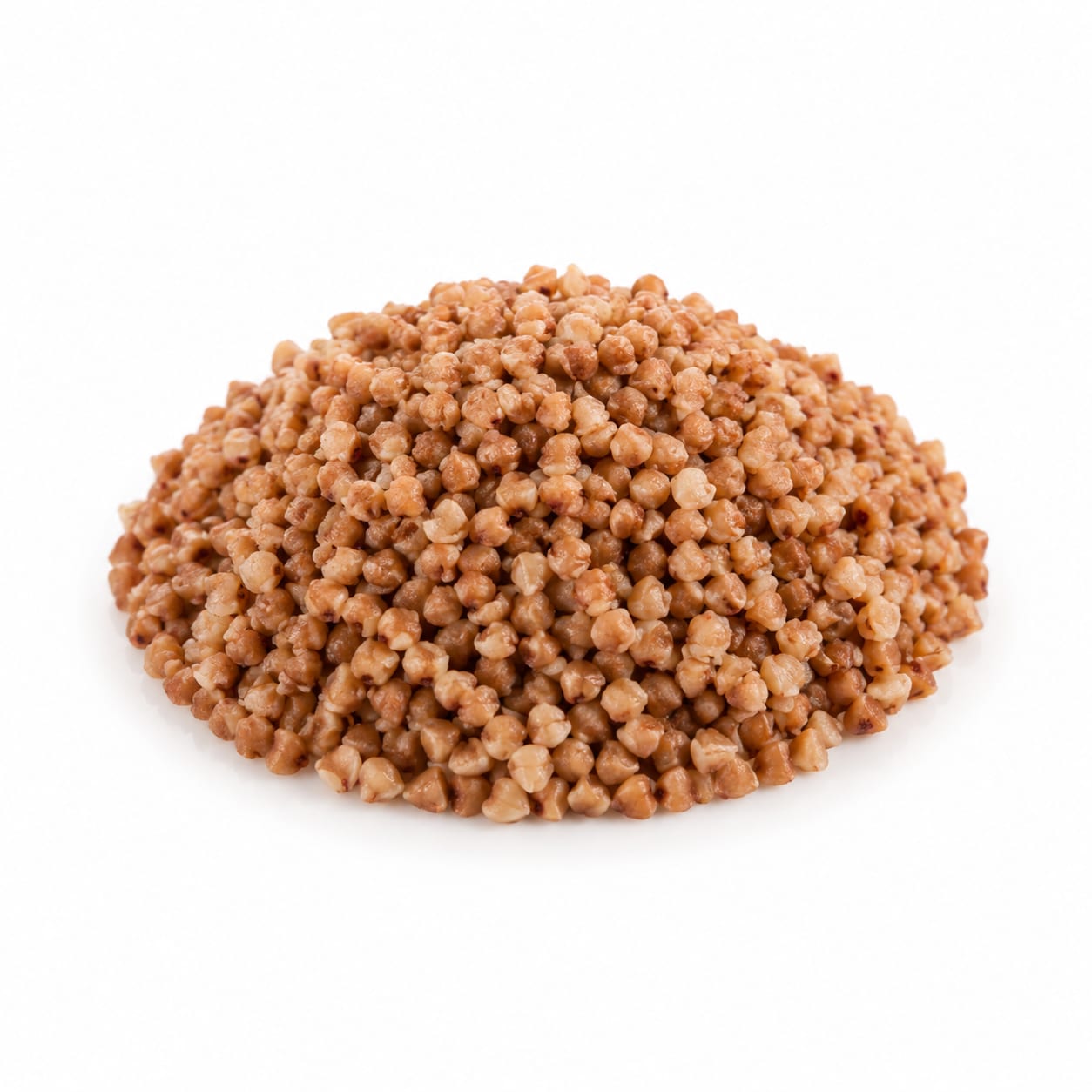
Buckwheat
A gluten-free pseudocereal seed rich in fiber, protein, and the antioxidant rutin, commonly used as a nutritious grain substitute.
A nutrient-dense, gluten-free pseudocereal seed used as a whole grain alternative, recognized for its earthy flavor, high protein content, and cardiovascular benefits.
fiber-rich gluten-free carbohydrate source
Typical serving · 150g
Common varieties · hulled groats, kasha (roasted groats), buckwheat flour, soba noodles
Overall context score across nutrition, safety, and diet fit
At a glance
Quick facts
Simple indicators based on nutrition, processing, and diet fit.
The story
What makes it unique
Buckwheat is a pseudocereal with a moderate digestion rate due to its high fiber and resistant starch content. It provides a balanced macronutrient profile rich in complex carbohydrates and complete protein. As a minimally processed whole food, it supports sustained energy release and gut microbiome health.
Varieties: hulled groats · kasha (roasted groats) · buckwheat flour · soba noodles
Per 100g
Nutrition breakdown
Macro balance and key metrics at a glance.
Energy
Density 3.43 kcal/g
Protein
Carbs
Fat
Fiber
Sugar
0 g
Sodium
1 mg
Potassium
460 mg
Glycemic index
50
Glycemic load
16
Water content
10%
Standout compounds
Nutrient highlights
Manganese
highSupports bone formation and metabolic function
Magnesium
moderatePromotes muscle relaxation and cardiovascular health
Rutin
highStrengthens blood vessels and reduces inflammation
Fiber
highImproves digestion and feeds gut bacteria
Protein
moderateProvides all essential amino acids for muscle repair
Wellness map
Health scores & processing
NOVA processing scale
minimally processed · Whole food
Whole buckwheat groats are unrefined seeds requiring only hulling, retaining their natural fiber and nutrient matrix.
Diet compatibility
- Weight loss
- Muscle gain
- Diabetes
- Gut health
- Low carb
- High protein
- Heart health
Relative standing
Food rankings
Qualitative ranks compared to similar whole foods.
- Satietyexcellent
- Blood sugargood
- Nutrient densityexcellent
- Fitness fuelgood
- Processing qualityexcellent
Eat with confidence
Food safety profile
Buckwheat is generally safe with low pesticide and contamination risks. The main safety concern is cross-contamination with gluten-containing grains during processing for individuals with celiac disease.
Evidence confidence 95%
- Pesticideslow
- Antibioticslow
- Heavy metalslow
- Contaminationlow
Watch for
- gluten cross-contamination from shared processing facilities
Safer choices
Certified gluten-free buckwheat groats
Prep tips
Rinse groats thoroughly before cooking to remove debris and reduce any surface contamination.
None significant; cross-contamination with gluten grains is the primary concern for celiacs.
Deep dive
Health analysis
How this food may fit different goals and preparation choices.
Weight loss
High fiber and protein content increase satiety, helping to reduce overall calorie intake. Cooked buckwheat has a low energy density, allowing for larger portion sizes with fewer calories.
Blood sugar
Has a moderate glycemic index, but the high fiber and resistant starch slow glucose absorption, preventing sharp blood sugar spikes and improving insulin sensitivity.
Fitness & energy
Provides complex carbohydrates for sustained glycogen replenishment, making it a solid pre-workout or recovery carb source that avoids the crash of simple sugars.
Gut health
Rich in prebiotic fiber and resistant starch that feed beneficial gut bacteria, promoting short-chain fatty acid production and a healthy microbiome.
Processing quality
As a whole seed, unrefined buckwheat groats retain their complete nutrient profile without added sugars, fats, or artificial ingredients.
Food safety
Inherently gluten-free but often processed in facilities handling wheat; certified gluten-free labels are essential for those with celiac disease.
Common mistakes
Confusing buckwheat with wheat and avoiding it on a gluten-free diet, or purchasing highly processed buckwheat products like sugary soba noodles that diminish its health benefits.
Best preparation
Boiling whole groats in a 1:2 ratio with water, or soaking overnight for a porridge. Avoid overcooking to maintain texture and resistant starch content.
Practical guide
Best use cases
When and how this food fits real eating patterns.
gluten-free grain alternative
Serves as a nutrient-dense substitute for wheat, barley, or rye in gluten-free diets.
sustained pre-workout energy
Provides slow-digesting complex carbohydrates for endurance training without sugar crashes.
plant-based complete protein source
Offers all essential amino acids, making it ideal for vegans and vegetarians needing quality protein.
blood sugar friendly carb
Resistant starch and fiber content make it a safe carbohydrate choice for managing glycemic response.
Balance sheet
Pros & cons
Upsides
- Naturally gluten-free and safe for celiacs
- Provides a complete protein profile with all essential amino acids
- Rich in resistant starch to support gut microbiome
- Contains rutin, which improves blood vessel health
- High satiety value helps control appetite
Trade-offs
- High in carbohydrates, unsuitable for strict keto diets
- Raw buckwheat is calorie-dense if portions are not measured
- Cross-contamination with gluten is common in processing facilities
- Earthy flavor of roasted buckwheat (kasha) may not appeal to everyone
Fit check
Who is it for?
Great match
- gluten-free diets
- plant-based eaters needing complete protein
- blood sugar management
- cardiovascular health
Consider alternatives
- strict ketogenic diets
- low-fiber diets during acute digestive distress
- those with buckwheat allergies (rare but possible)
Side by side
How it compares
Open the full head-to-head analysis for nutrition, safety, and practical tradeoffs.
This food
Buckwheat
VS90% alike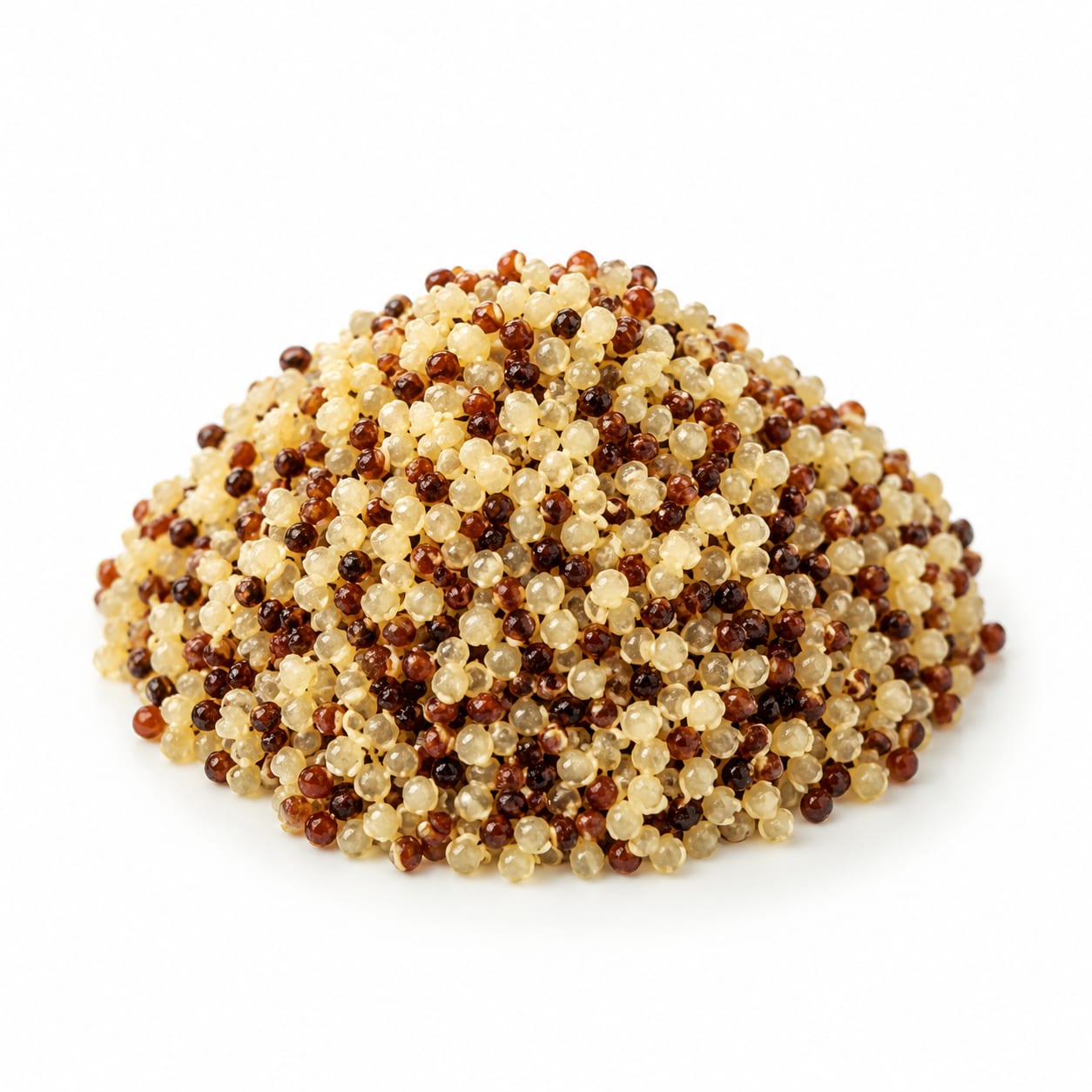
Compare with
Quinoa
Quinoa is slightly higher in protein and fiber, but buckwheat is richer in antioxidants like rutin and often cheaper.
Quinoa offers slightly more protein and fiber, while buckwheat provides more heart-healthy antioxidants and is more budget-friendly.
This food
Buckwheat
VS85% alike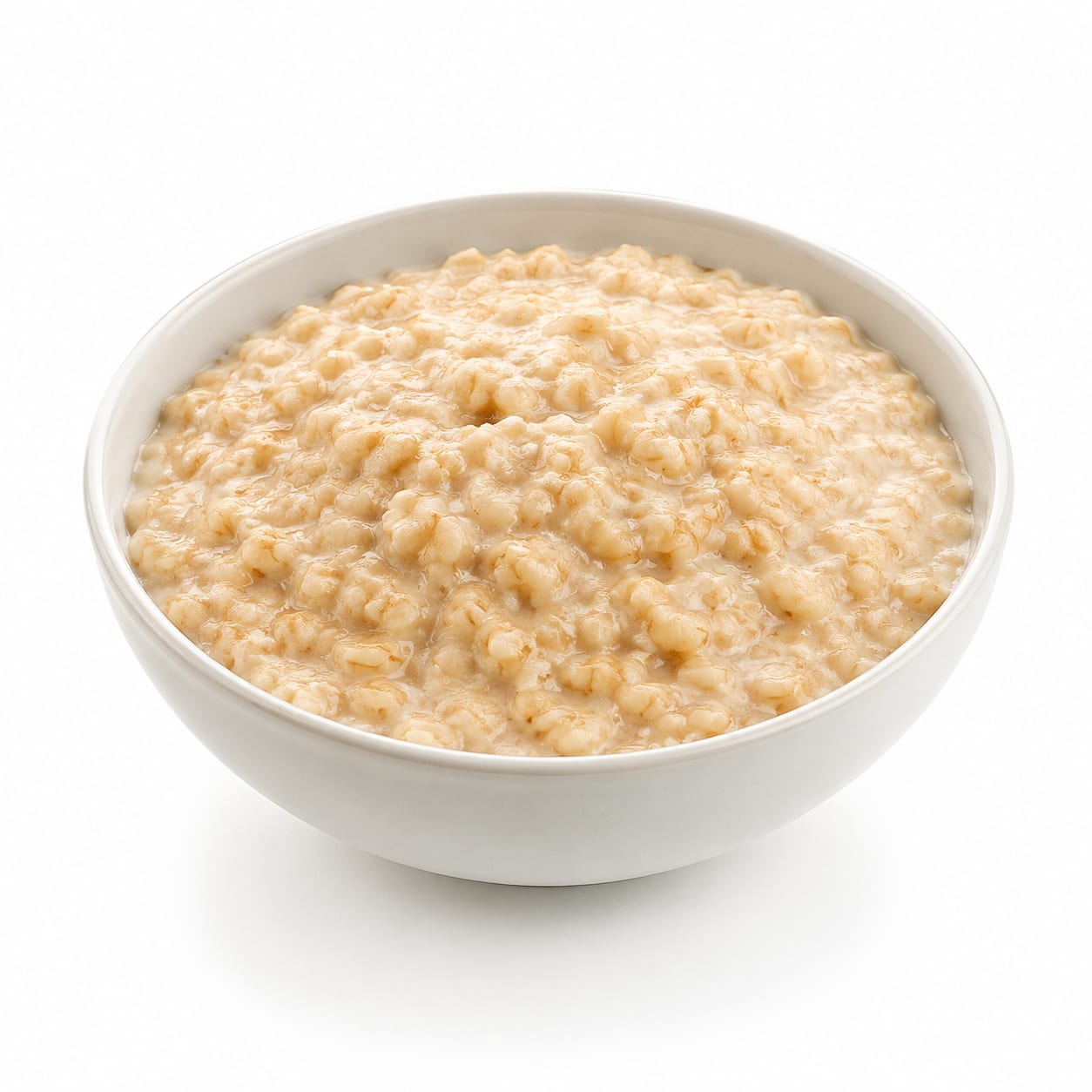
Compare with
Oats
Oats contain beta-glucan for cholesterol, while buckwheat offers rutin for blood vessels and is gluten-free.
Oats are better for lowering cholesterol, but buckwheat is the winner for gluten-free diets and blood vessel health.
This food
Buckwheat
VS80% alike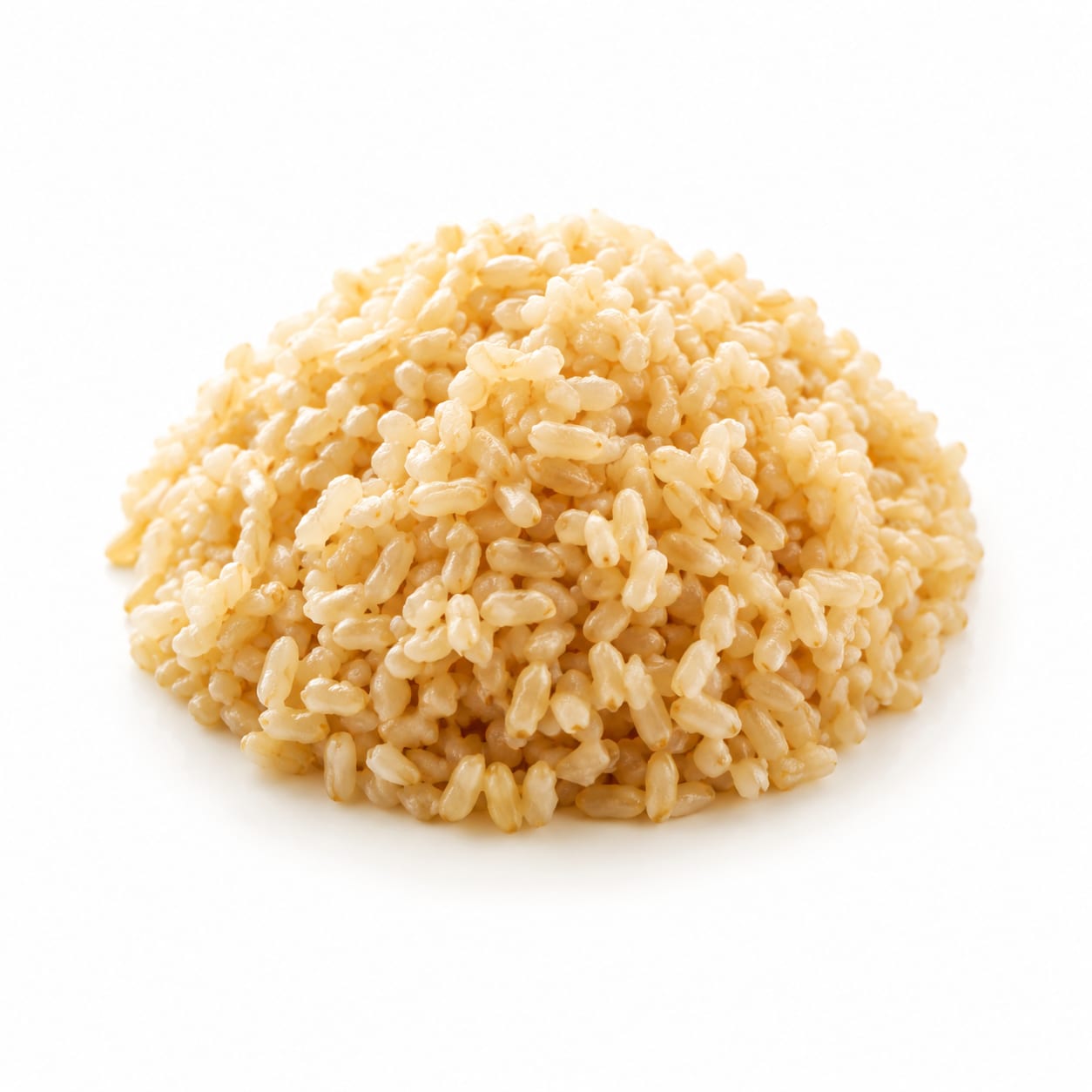
Compare with
Brown Rice
Buckwheat is significantly higher in protein, fiber, and micronutrients than brown rice.
Buckwheat beats brown rice in protein, fiber, and satiety, making it a more nutritious gluten-free carb.
This food
Buckwheat
VS85% alike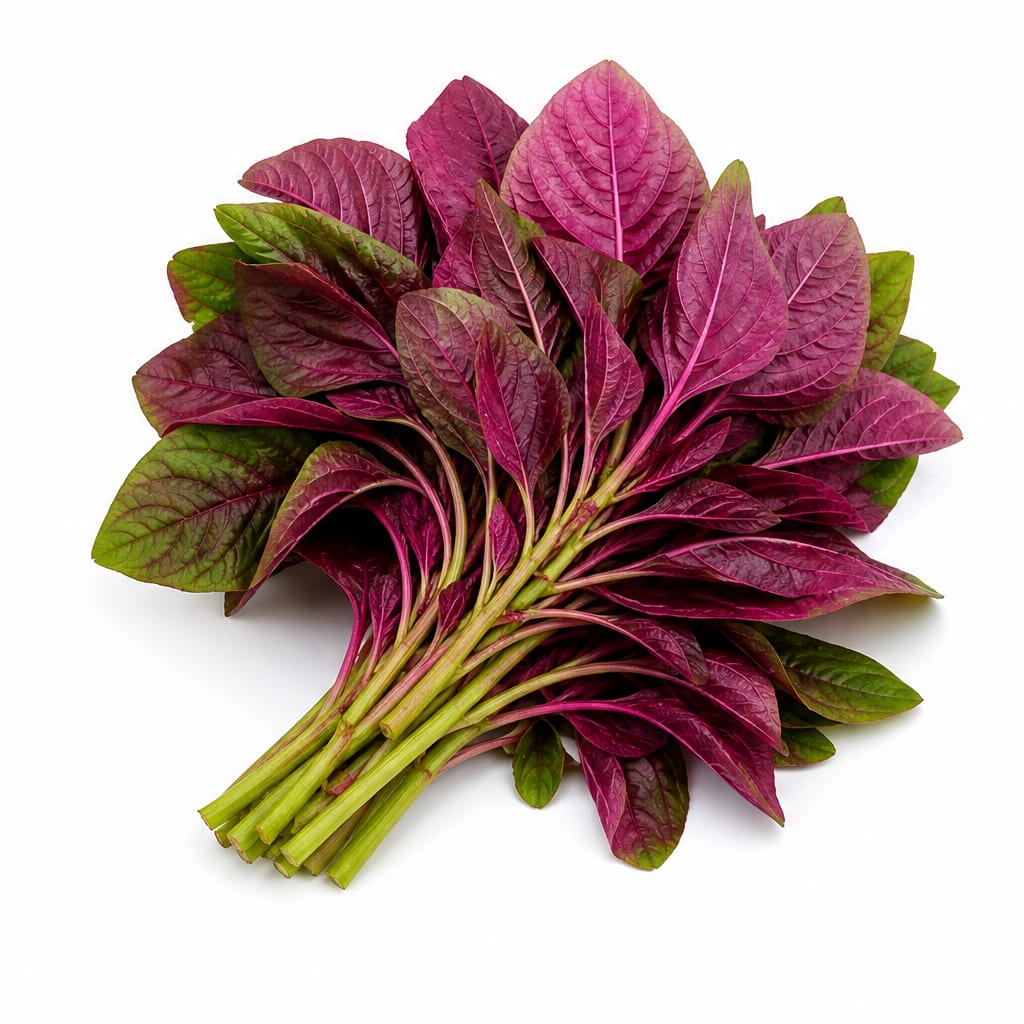
Compare with
Amaranth
Amaranth is higher in protein and calcium, while buckwheat has a lower glycemic index and more rutin.
Amaranth provides more protein and calcium, while buckwheat is better for blood sugar control and vascular health.
This food
Buckwheat
VS80% alike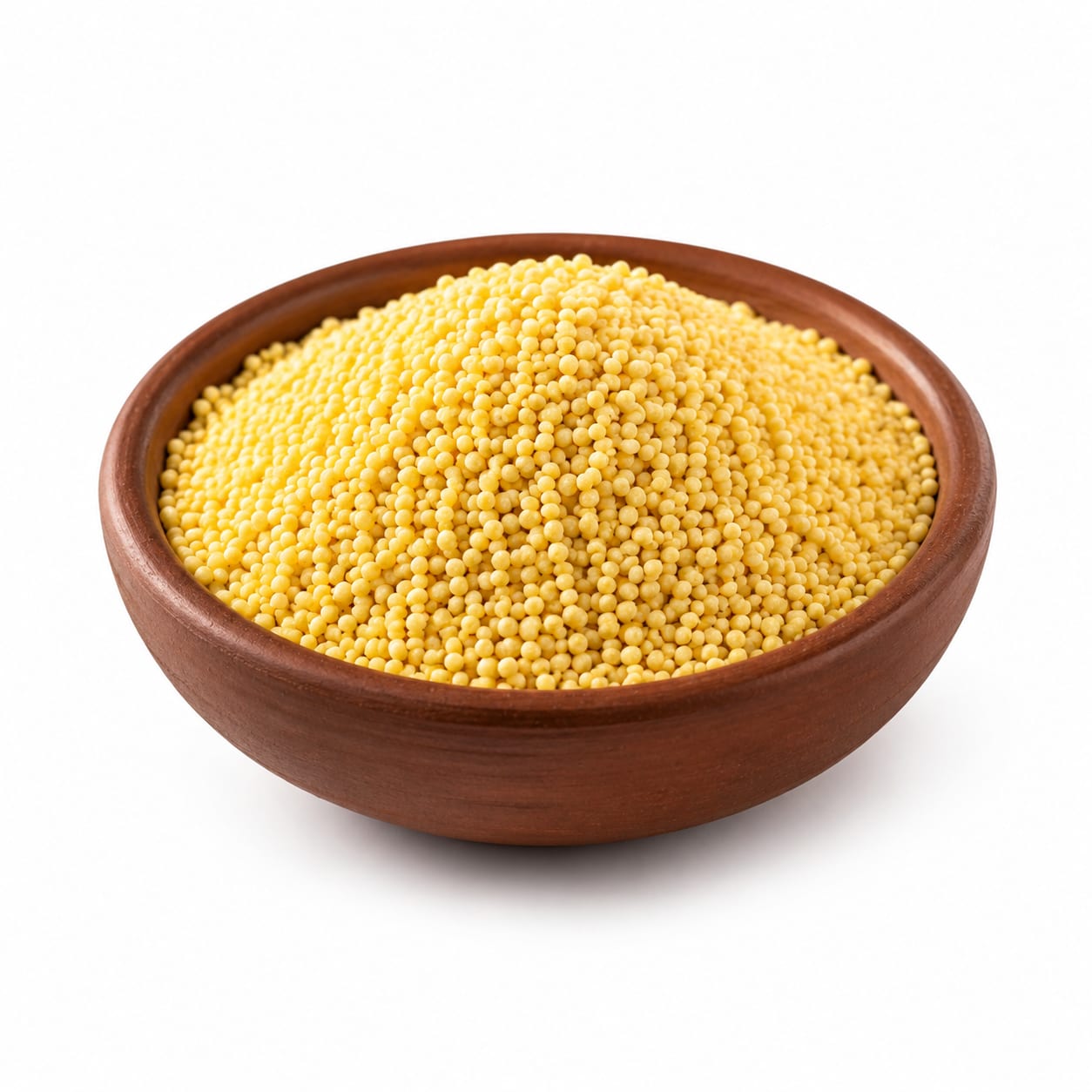
Compare with
Millet
Buckwheat has a better amino acid profile and more antioxidants, while millet is lighter on digestion.
Buckwheat offers more protein and antioxidants than millet, though millet may be easier to digest for some.
This food
Buckwheat
VS75% alike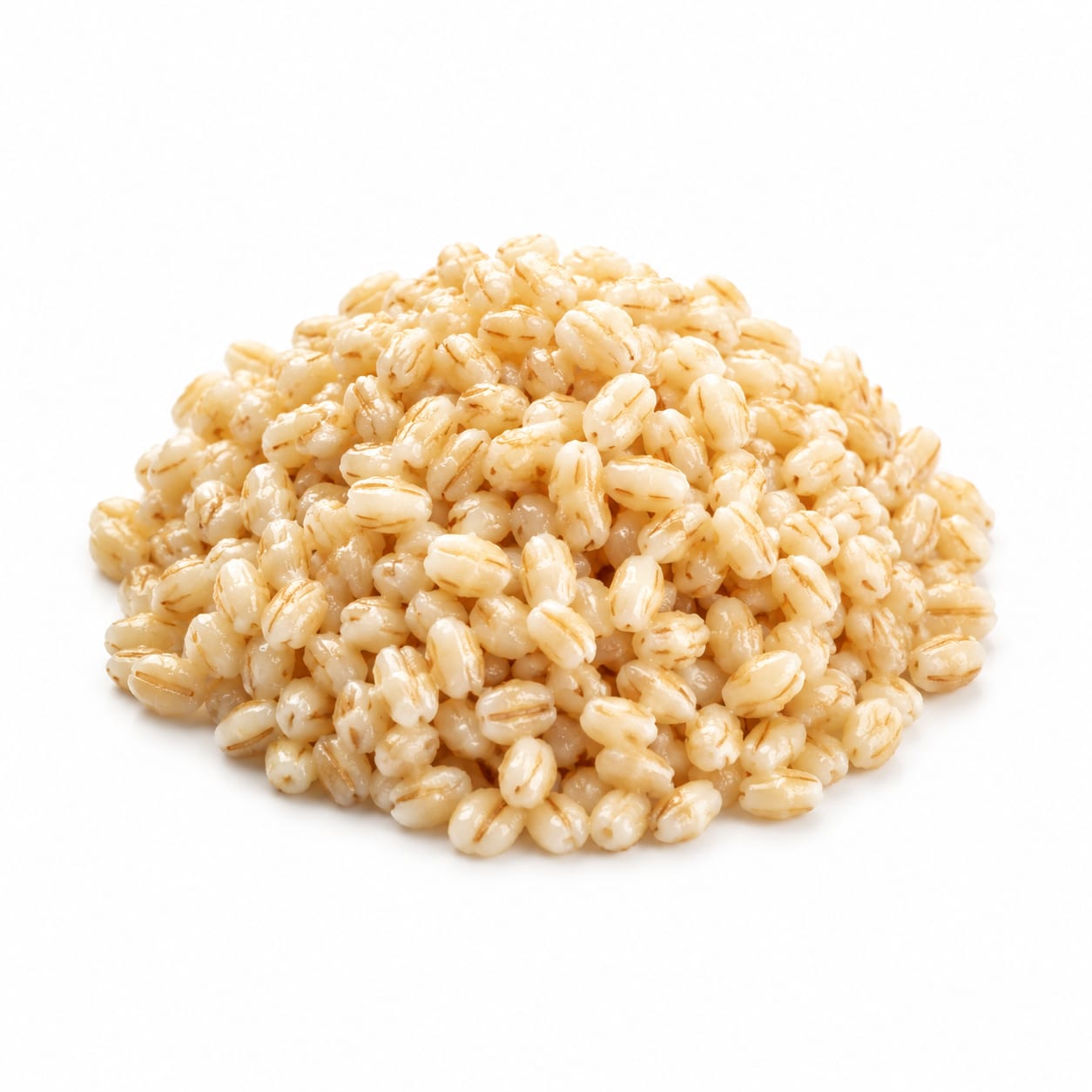
Compare with
Barley
Barley is extremely high in beta-glucan but contains gluten; buckwheat is gluten-free with different antioxidant benefits.
Barley wins for cholesterol reduction, but buckwheat is the only gluten-free option and offers unique vascular benefits.
This food
Buckwheat
VS70% alike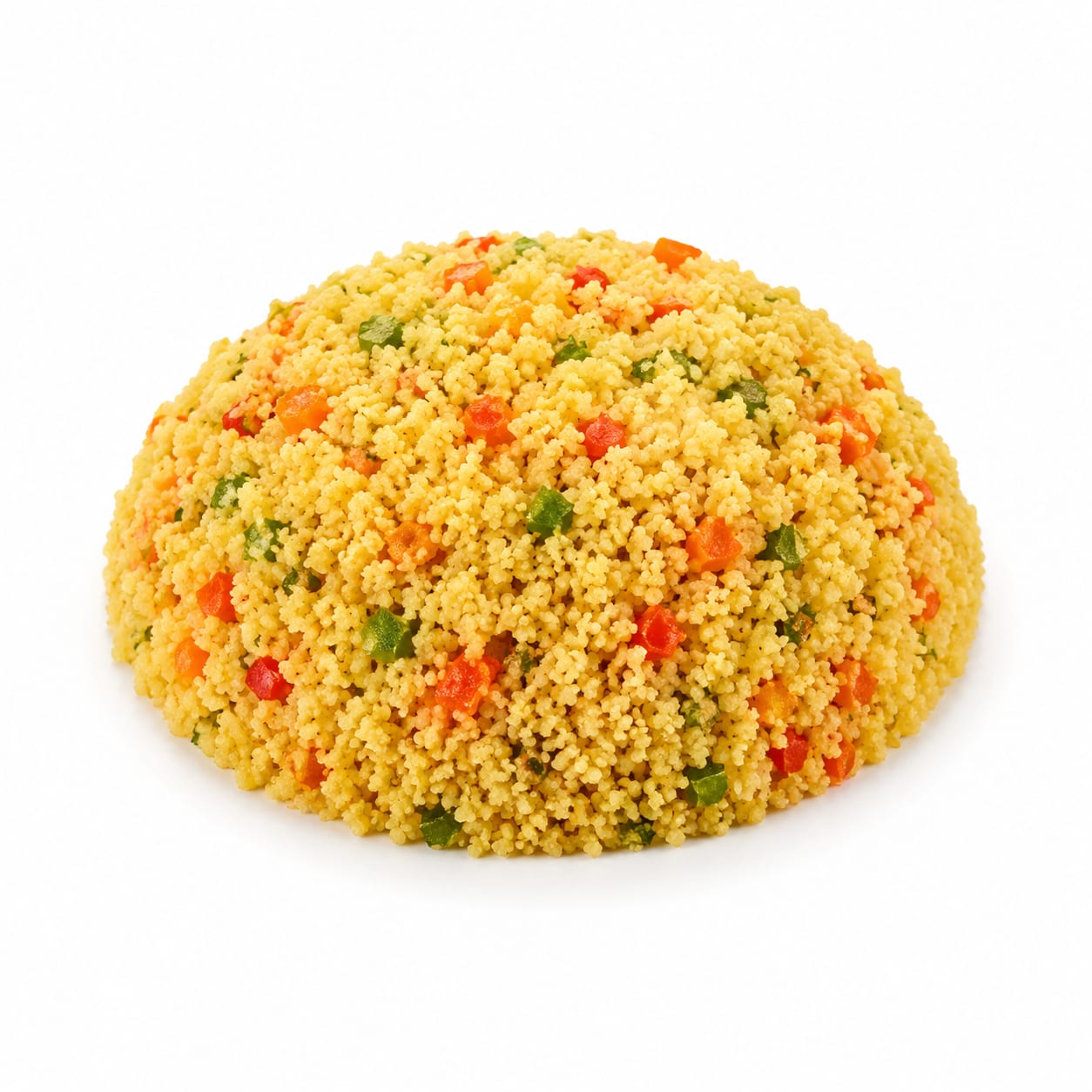
Compare with
Couscous
Buckwheat is a whole food high in fiber and protein, whereas couscous is a refined wheat pasta low in fiber.
Buckwheat is vastly superior to couscous in fiber, protein, and blood sugar control, plus it is gluten-free.
This food
Buckwheat
VS60% alike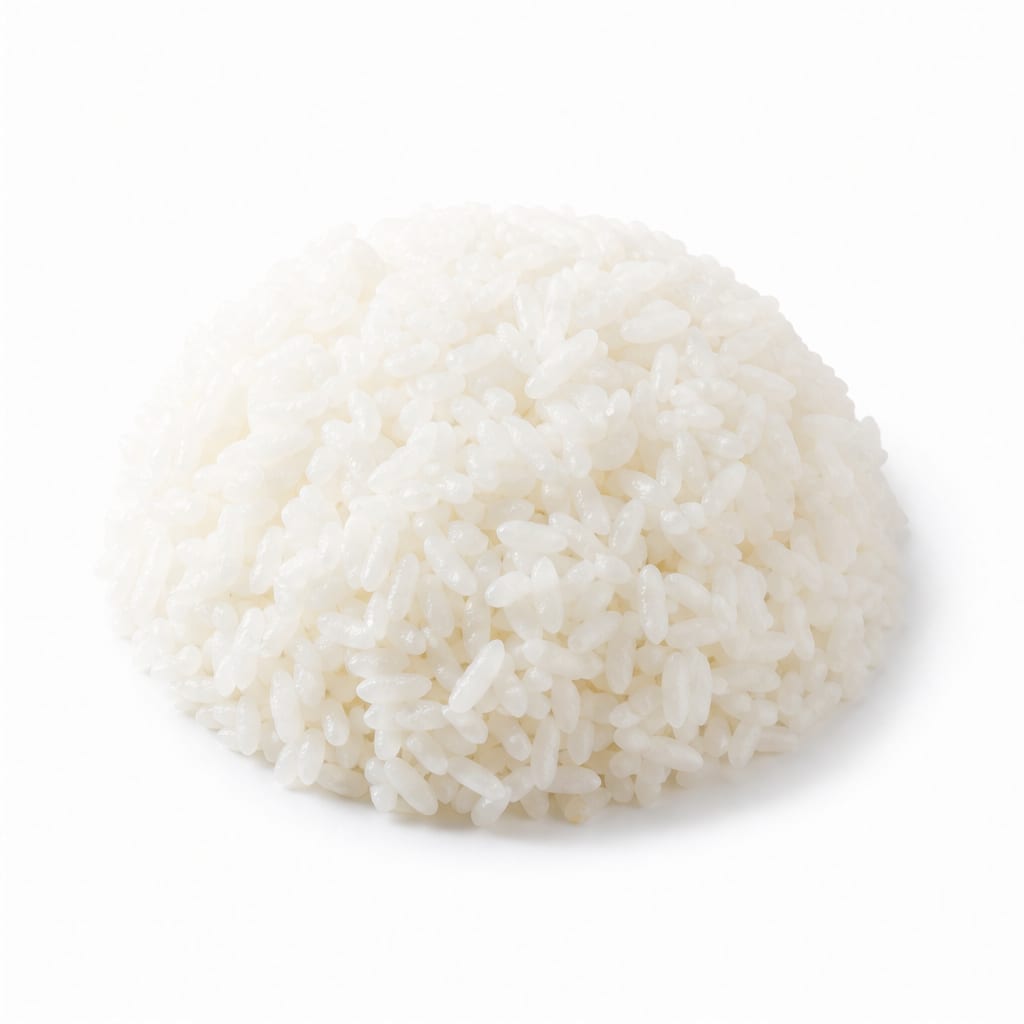
Compare with
White Rice
Buckwheat is nutrient-dense with high fiber and protein, while white rice is a refined carb with minimal nutrients.
Buckwheat completely outperforms white rice in satiety, blood sugar stability, and nutritional value.
This food
Buckwheat
VS75% alike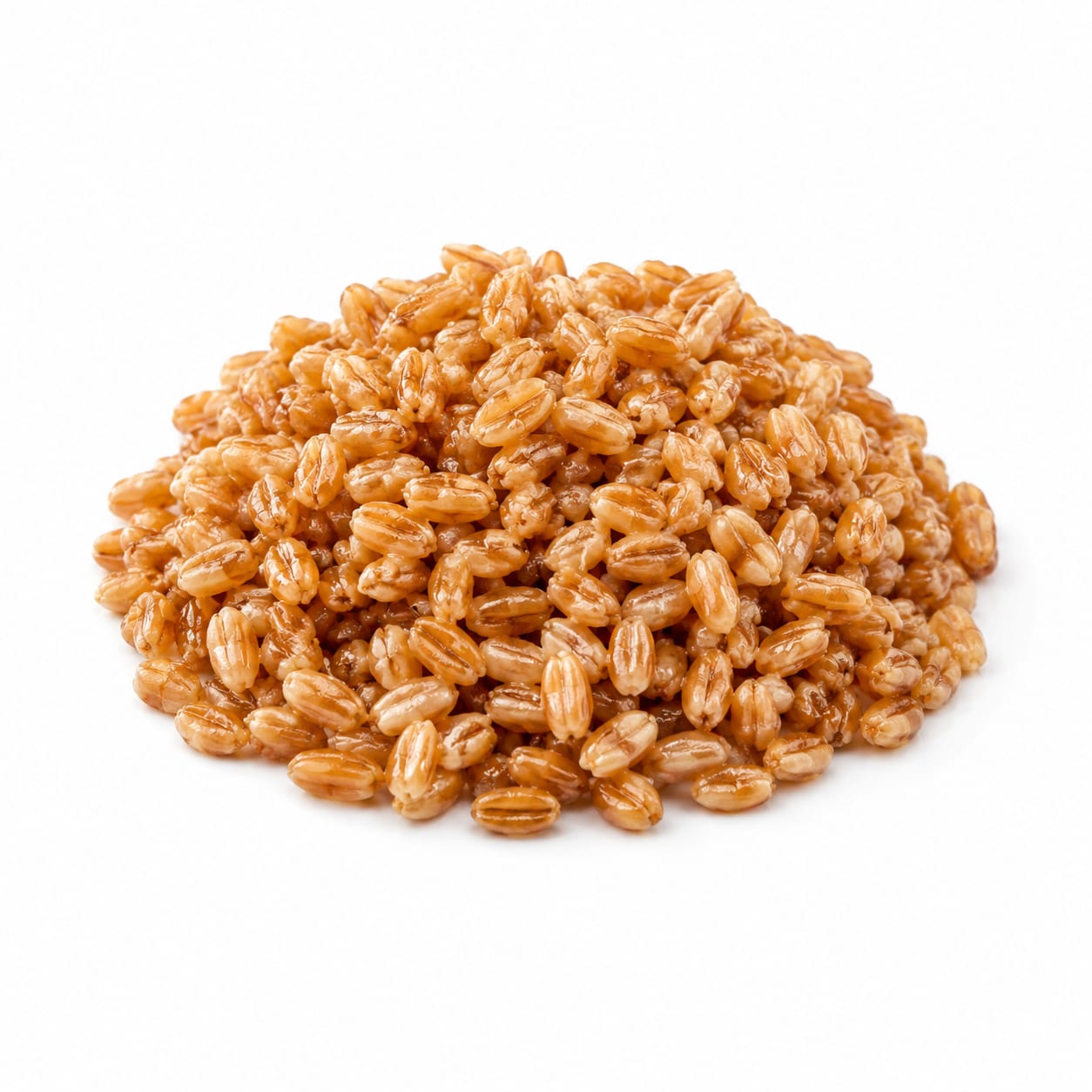
Compare with
Farro
Farro has a chewy texture and high fiber but contains gluten; buckwheat is gluten-free with more antioxidants.
Farro offers great fiber, but buckwheat wins for gluten-free needs and antioxidant content.
This food
Buckwheat
VS75% alike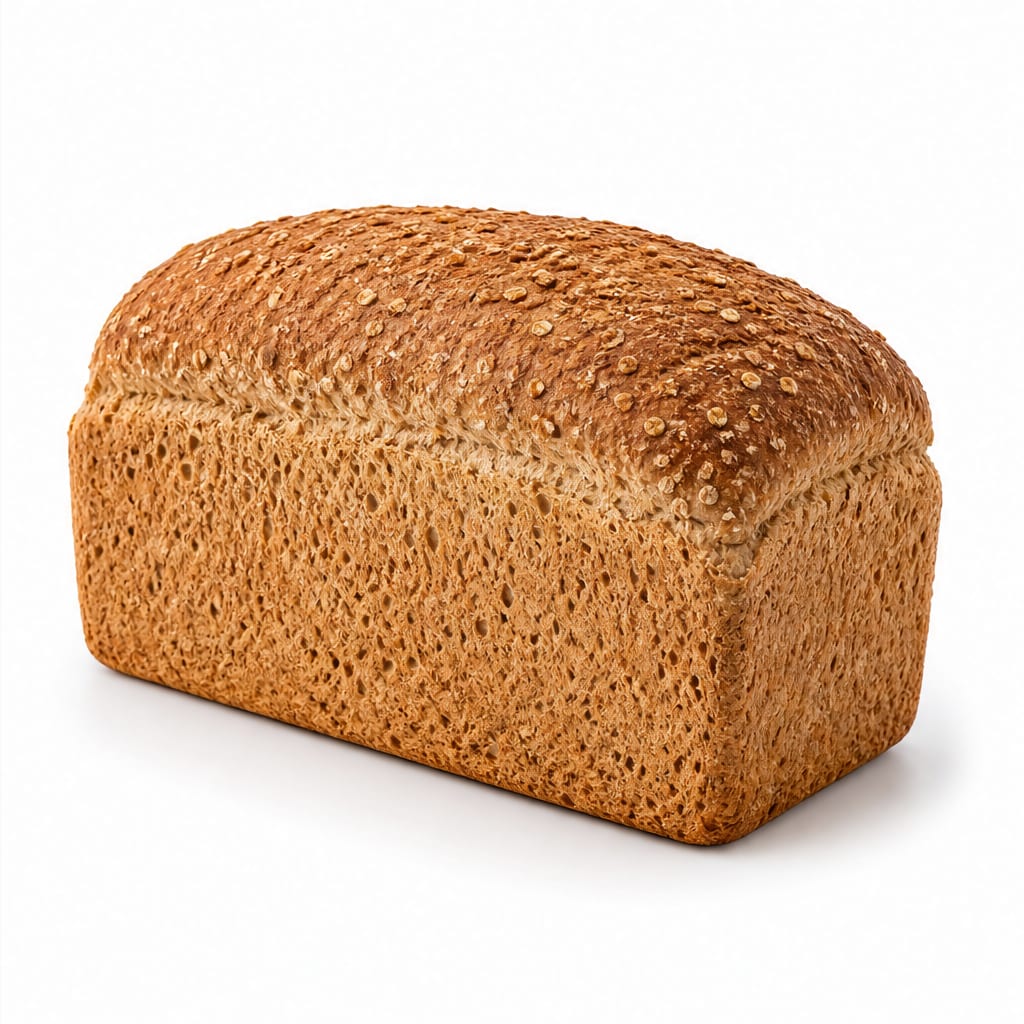
Compare with
Whole Wheat
Whole wheat is higher in gluten and traditional baking versatility; buckwheat is gluten-free and richer in rutin.
Whole wheat is a solid fiber source, but buckwheat is better for gluten-free diets and vascular health.
Common questions
FAQ
Answers aligned with how people search for this food.
Are buckwheat and wheat the same thing?
No, buckwheat is a seed from a plant related to rhubarb, while wheat is a cereal grain. Buckwheat is completely gluten-free.
Is buckwheat good for weight loss?
Yes, its high fiber and protein content increase fullness, and cooked buckwheat has a low energy density, helping you eat fewer calories overall.
Can diabetics eat buckwheat?
Yes, buckwheat has a moderate glycemic index and contains resistant starch and fiber that slow down sugar absorption, helping to manage blood sugar levels.
Is buckwheat a complete protein?
Yes, buckwheat contains all nine essential amino acids in adequate amounts, making it a high-quality plant-based protein source.
How does buckwheat compare to quinoa?
Both are gluten-free pseudocereals with complete proteins. Quinoa is slightly higher in protein and fiber, but buckwheat is richer in the antioxidant rutin and usually more affordable.
Does buckwheat have carbs?
Yes, buckwheat is primarily a carbohydrate source, but the carbs are complex and paired with high fiber, so it digests slowly and does not spike blood sugar rapidly.
What is rutin in buckwheat?
Rutin is a powerful bioflavonoid antioxidant found abundantly in buckwheat that supports cardiovascular health by strengthening blood vessels and improving circulation.
Transparency
Data confidence
Estimated confidence for nutrition data, interpretation, safety notes, and comparisons.
Nutrition data
Health analysis
Food safety
Comparisons