
Nutrition comparison
Buckwheat vs Amaranth: Which Ancient Grain Is Healthier?
Compare Buckwheat vs Amaranth to see which gluten-free grain is better for blood sugar, protein, weight loss, and daily energy.
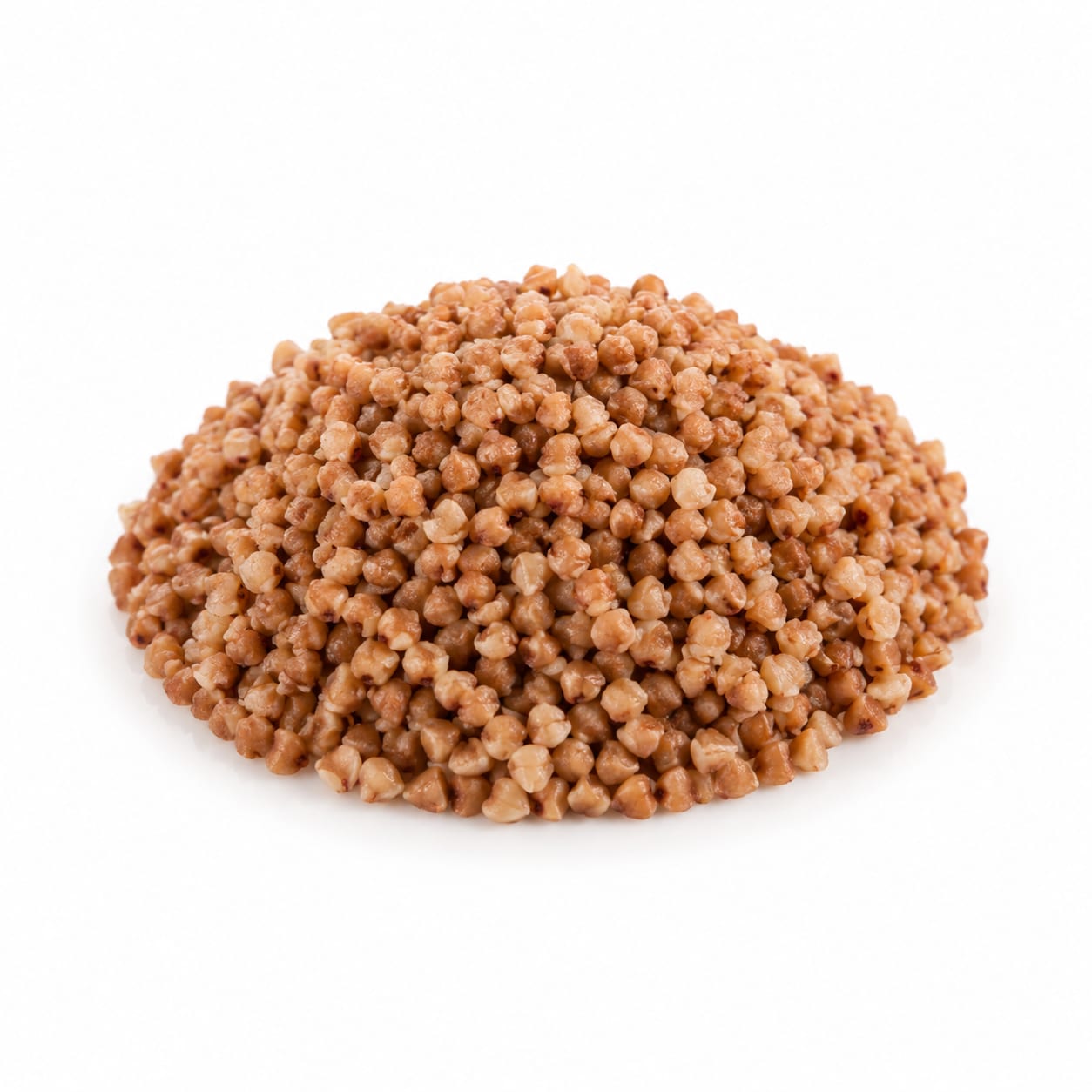
Buckwheat
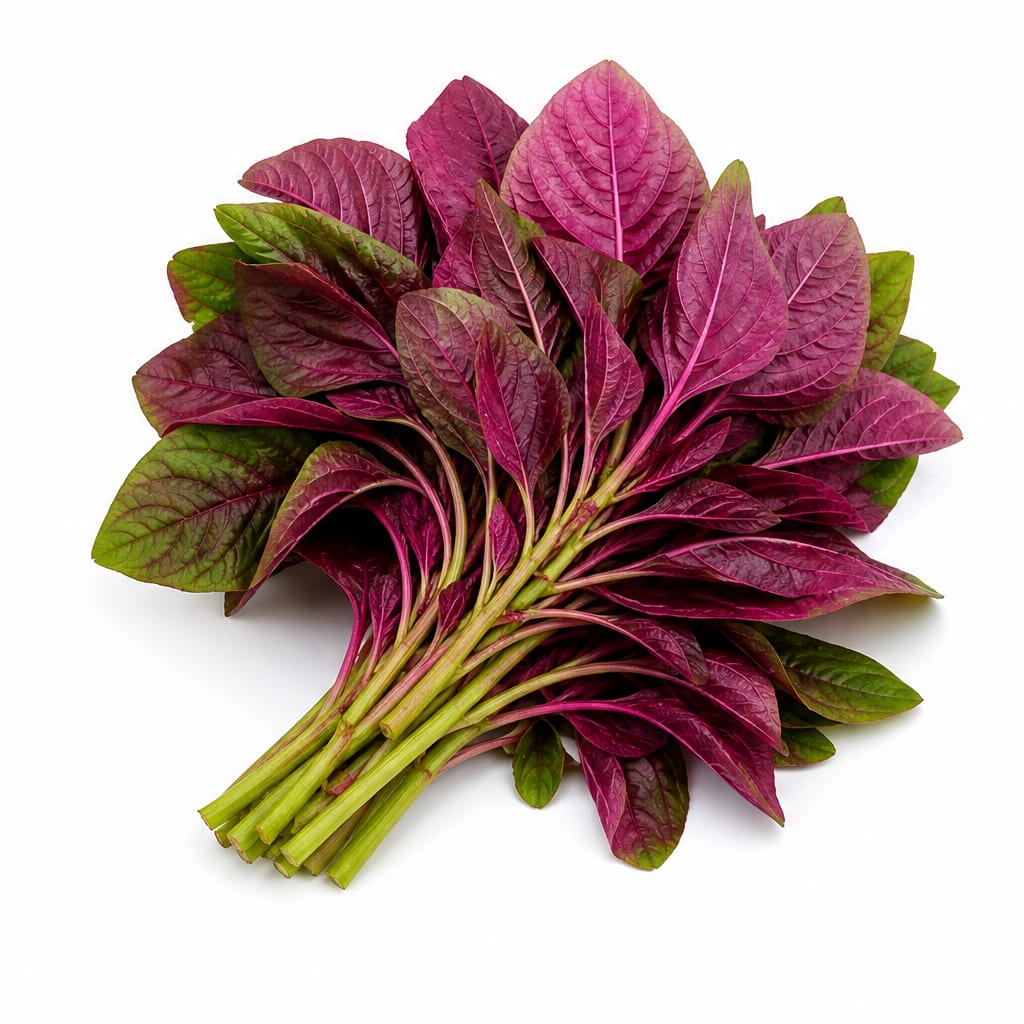
Amaranth
Buckwheat edges ahead for blood sugar control and heart health, while Amaranth wins on protein and iron density.
Buckwheat scores slightly higher due to its superior blood sugar stability, lower calorie density, and easier digestion, making it more practical for everyday use. Amaranth is nutritionally potent but denser and slightly less versatile for daily consumption.
Steadier energy and lower calories with Buckwheat versus more protein and iron with Amaranth at a higher calorie cost.
At a glance
Executive summary
Overall
It depends
Healthier
It depends
More practical
Buckwheat
Daily use
Buckwheat
Key comparison lenses
Gluten-free ancient grain alternatives
Both are pseudocereals naturally free from gluten, making them top choices for celiacs and those avoiding wheat.
Blood sugar management
Buckwheat is famously low-glycemic, while Amaranth is denser and can spike blood sugar faster if eaten in large portions.
Plant-based protein and iron density
Amaranth stands out for its complete protein profile and high iron, which is critical for vegans and vegetarians.
Cardiovascular health
Buckwheat contains rutin, a unique antioxidant that strengthens blood vessels and supports heart health.
Best choice for
Buckwheat
- managing blood sugar
- lighter daily meals
- cardiovascular support
Amaranth
- boosting iron intake
- vegan muscle building
- nutrient-dense breakfasts
Least suitable for
Buckwheat
- those needing high caloric density
- severe iron deficiency
Amaranth
- low-calorie diets
- people prone to digestive heaviness
Deep comparison
Dimension by dimension
Each lens scores both foods and breaks down who each option suits.
- Dimension 1 · Priority 95Buckwheat
Blood Sugar Stability
Buckwheat · 90Amaranth · 70Buckwheat has a lower glycemic index and contains rutin, which supports blood vessel health and steadier energy.
Tradeoff
Amaranth provides great nutrients but can cause a faster blood sugar rise if eaten alone due to its higher carb density.
Why it matters
Stable blood sugar means fewer afternoon crashes and better hunger control throughout the day.
Real-world impact
Eating Buckwheat for breakfast keeps you full until lunch without the mid-morning slump that denser grains might cause.
Buckwheat
- diabetics
- steady energy seekers
Better for
- immediate post-workout glycogen depletion
Worse for
Amaranth
- post-workout carb reload
Better for
- sugar-sensitive individuals eating it solo
Worse for
- Dimension 2 · Priority 90Amaranth
Protein & Amino Acid Profile
Buckwheat · 72Amaranth · 92Amaranth packs more protein per serving and is a complete protein, containing all essential amino acids including lysine.
Tradeoff
You get superior protein from Amaranth, but it comes with more calories per serving than Buckwheat.
Why it matters
Complete proteins are rare in the plant world and crucial for muscle repair and lasting satiety.
Real-world impact
A bowl of Amaranth porridge after a workout gives your muscles more of the building blocks they need to recover.
Buckwheat
- lighter protein needs
- calorie-conscious diets
Better for
- high-protein plant-based diets
Worse for
Amaranth
- vegans
- athletes
- growing teens
Better for
- sedentary days where extra calories aren't needed
Worse for
- Dimension 3 · Priority 85Amaranth
Mineral Density
Buckwheat · 70Amaranth · 90Amaranth is a powerhouse of iron, magnesium, and calcium, significantly outperforming Buckwheat in these key minerals.
Tradeoff
Amaranth's mineral wealth is slightly offset by phytic acid, which can block absorption if you don't soak or cook it properly.
Why it matters
Iron and calcium are common deficiencies, especially in plant-based diets, making Amaranth a valuable ally.
Real-world impact
Regularly eating Amaranth can help fight fatigue and support bone health without relying on supplements.
Buckwheat
- those who get minerals from other varied sources
Better for
- iron-deficient diets
Worse for
Amaranth
- plant-based eaters needing iron and calcium
- women prone to anemia
Better for
- those who don't soak or cook grains properly to reduce phytic acid
Worse for
- Dimension 4 · Priority 80Buckwheat
Calorie & Carb Efficiency
Buckwheat · 88Amaranth · 72Buckwheat delivers more volume and fiber for fewer calories, making it easier to manage portion sizes and weight.
Tradeoff
Amaranth is more calorie-dense, so smaller portions pack more energy but might leave you wanting more volume to feel full.
Why it matters
Calorie density dictates how much you can eat before feeling overly full or exceeding your daily intake.
Real-world impact
A cup of cooked Buckwheat feels like a substantial meal without the heavy, sluggish feeling a dense Amaranth portion might cause.
Buckwheat
- weight management
- volume eaters
Better for
- those needing to gain weight efficiently
Worse for
Amaranth
- hikers needing compact energy
- underweight individuals
Better for
- strict calorie counters
Worse for
- Dimension 5 · Priority 75Buckwheat
Digestive Tolerance
Buckwheat · 85Amaranth · 70Buckwheat is generally lighter and easier to digest, while Amaranth's density and phytic acid can cause bloating in sensitive people.
Tradeoff
Amaranth's nutritional punch requires more digestive effort, especially if not prepared traditionally by soaking.
Why it matters
A food is only as good as your ability to absorb it without discomfort or gas.
Real-world impact
Buckwheat makes a comforting, easy evening meal, whereas Amaranth might feel too heavy right before bed.
Buckwheat
- sensitive stomachs
- evening meals
Better for
- those wanting maximum nutrient density per bite
Worse for
Amaranth
- robust digestion
- hearty breakfasts
Better for
- IBS sufferers
- people prone to bloating
Worse for
Timeline
Health impact over time
Short-term
Hours to days
Buckwheat
- Steady energy without sugar spikes
- Light, comfortable fullness
Amaranth
- High satiety from protein and density
- Potential bloating if not cooked thoroughly
Long-term
Months to years
Buckwheat
- Improved cardiovascular health from rutin
- Easier weight maintenance due to low calorie density
Amaranth
- Better iron status and reduced anemia risk
- Stronger bones from higher calcium content
Risk profile
Safety & processing
Both Buckwheat and Amaranth are whole-food pseudocereals typically sold as raw seeds or groats with no additives, making them exceptionally clean choices.
Buckwheat
Gluten cross-contamination
mediumOften processed in facilities that handle wheat; celiacs must buy certified gluten-free Buckwheat.
Amaranth
Phytic acid interference
lowAmaranth contains phytic acid that can bind minerals; soaking or cooking thoroughly minimizes this effect.
Gluten cross-contamination
mediumLike Buckwheat, Amaranth must be certified gluten-free for those with celiac disease due to shared processing facilities.
Who wins for whom
Audience fit
Same foods, different winners depending on your goal.
children
AmaranthAmaranth's higher calcium and iron content supports growing bones and blood, though both are great nutrient-dense options.
daily consumption
BuckwheatBuckwheat is lighter on the stomach and easier to incorporate into daily meals without feeling overly heavy or bloated.
diabetes
BuckwheatBuckwheat has a lower glycemic index and contains compounds that actively help regulate blood sugar levels.
elderly
BuckwheatBuckwheat is easier to digest and its rutin content supports vascular health, which is crucial for aging bodies.
muscle gain
AmaranthAmaranth provides more protein per serving and contains all essential amino acids needed for muscle repair and growth.
weight loss
BuckwheatBuckwheat offers more volume and fiber for fewer calories, making it easier to stay in a deficit without feeling deprived.
Your move
Decision guide
Choose Buckwheat
- You want steadier energy and blood sugar control
- You are managing your weight and prefer larger portions
- You prefer lighter meals that are easy to digest
Choose Amaranth
- You need a plant-based protein and iron boost
- You are prone to iron deficiency or anemia
- You want a dense, filling breakfast or post-workout meal
Either works if
- You need a gluten-free alternative to wheat or oats
- You want to add variety to your whole grain rotation
Avoid both if
- You have severe celiac disease and cannot source certified gluten-free versions
- You are on a strict low-carb or keto diet
Final recommendation
Let your primary goal guide you: choose Buckwheat for blood sugar and weight management, or Amaranth for protein and iron. Rotating both throughout the week gives you the best of both worlds without having to compromise.
Practical
Consumer tips
- 1
Toast Buckwheat groats in a dry pan before boiling to bring out a rich, nutty flavor and reduce mushiness.
- 2
Soak Amaranth overnight or cook it thoroughly to break down phytic acid and improve mineral absorption.
- 3
Mix Buckwheat and Amaranth together for a porridge that balances light texture with a protein and iron punch.
- 4
Always check for a certified gluten-free label if you have celiac disease, as cross-contamination is common for both grains.