
Nutrition comparison
Buckwheat vs Whole Wheat: Which Grain Is Healthier for You?
Compare buckwheat and whole wheat on blood sugar impact, gluten content, protein quality, and practicality. Find out which grain fits your health goals and lifestyle best.
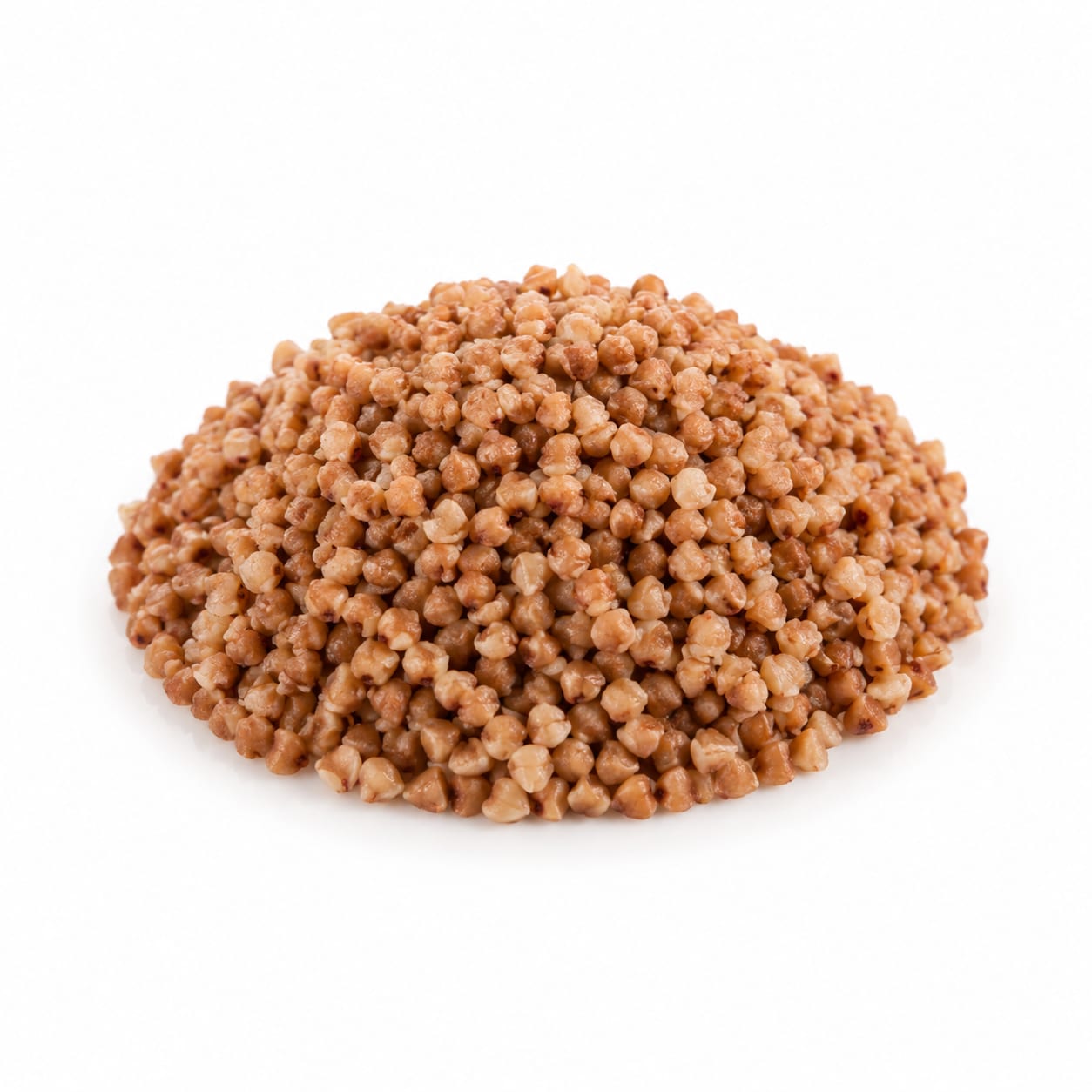
Buckwheat
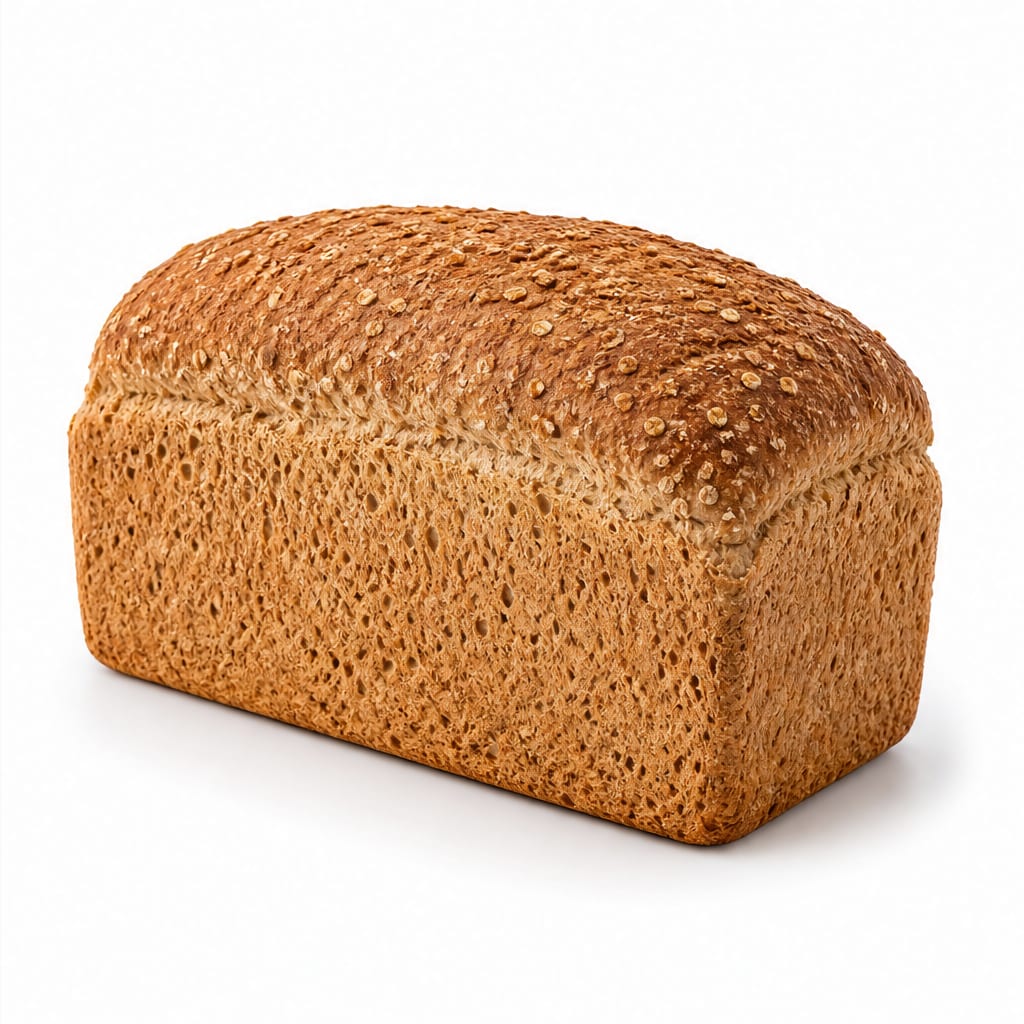
Whole Wheat
Buckwheat wins on blood sugar control, unique antioxidants, and gluten-free needs. Whole wheat wins on convenience, cost, and everyday versatility.
Buckwheat edges ahead on health metrics thanks to its lower glycemic impact, superior antioxidant content, and gluten-free status. Whole wheat stays competitive through unmatched practicality, affordability, and broader culinary use. The close scores reflect that most people without gluten issues will find whole wheat easier to sustain long-term.
Buckwheat delivers superior metabolic benefits and is safe for gluten-sensitive people, but whole wheat is dramatically easier to find, cook with, and afford on a daily basis.
At a glance
Executive summary
Overall
It depends
Healthier
Buckwheat
More practical
Whole Wheat
Daily use
Whole Wheat
Key comparison lenses
gluten sensitivity and digestive tolerance
Buckwheat is naturally gluten-free while whole wheat contains gluten, making this the single most decisive factor for many consumers
blood sugar management
Buckwheat has a notably lower glycemic index and contains D-chiro-inositol, which supports insulin sensitivity
nutrient density and antioxidant profile
Buckwheat offers rutin and unique phytonutrients absent in wheat, while whole wheat provides different B-vitamins and minerals
everyday practicality and cost
Whole wheat is far more accessible, affordable, and versatile in standard cooking and baking
protein quality for plant based diets
Buckwheat provides a more complete amino acid profile, which matters significantly for vegetarians and vegans
Best choice for
Buckwheat
- People with celiac disease or gluten sensitivity
- Anyone managing blood sugar or insulin resistance
- Plant-based eaters seeking complete protein sources
- Those wanting more antioxidant variety in their diet
- People with metabolic syndrome or prediabetes
Whole Wheat
- Budget-conscious families needing affordable staples
- Home bakers making bread, pasta, or pastries
- Anyone without gluten issues seeking everyday convenience
- Athletes needing easily accessible carb sources
- People who value widely available, familiar ingredients
Least suitable for
Buckwheat
- People on a tight grocery budget
- Those who need quick, familiar meal solutions daily
- Anyone unfamiliar with cooking pseudocereals
- Strict picky eaters who dislike earthy flavors
Whole Wheat
- Anyone with celiac disease or gluten intolerance
- People with wheat allergies
- Those actively managing inflammatory conditions triggered by gluten
- Individuals seeking lower glycemic carb options
Deep comparison
Dimension by dimension
Each lens scores both foods and breaks down who each option suits.
- Dimension 1 · Priority 92Buckwheat
Blood Sugar Stability
Buckwheat · 85Whole Wheat · 62Buckwheat causes slower, steadier blood sugar rises than whole wheat, making it clearly superior for glucose management.
Tradeoff
You gain metabolic stability with buckwheat but sacrifice the convenience of widely available whole wheat products.
Why it matters
Steadier blood sugar means fewer energy crashes, reduced cravings, and better long-term metabolic health.
Real-world impact
A buckwheat breakfast keeps you satisfied longer without the mid-morning slump that whole wheat toast may trigger.
Buckwheat
- People with insulin resistance or prediabetes
- Anyone trying to reduce afternoon energy crashes
- Those monitoring fasting blood sugar levels
Better for
- Situations requiring rapid glycogen replenishment post-workout
Worse for
Whole Wheat
- Endurance athletes who need faster carbohydrate availability during training
Better for
- Sedentary individuals prone to blood sugar spikes
- Late-evening meals where lower GI is preferable
Worse for
- Dimension 2 · Priority 95Buckwheat
Gluten and Digestive Tolerance
Buckwheat · 95Whole Wheat · 35Buckwheat is naturally gluten-free and well-tolerated by most people. Whole wheat contains gluten, which triggers issues for a significant minority.
Tradeoff
Buckwheat is the clear choice for anyone with gluten concerns, but whole wheat offers superior baking properties that gluten-free cooking struggles to match.
Why it matters
Even mild gluten sensitivity can cause bloating, fatigue, and inflammation that people may not connect to wheat consumption.
Real-world impact
Switching from whole wheat to buckwheat can eliminate unexplained digestive discomfort for gluten-sensitive individuals within days.
Buckwheat
- Anyone with diagnosed celiac disease
- People with non-celiac gluten sensitivity
- Those experiencing unexplained bloating after wheat meals
Better for
- Cross-contamination risk if processed in shared facilities
Worse for
Whole Wheat
- People with confirmed gluten tolerance who prefer traditional baking textures
Better for
- Anyone with wheat allergy or celiac disease
- People with IBS who are sensitive to gluten
Worse for
- Dimension 3 · Priority 80Buckwheat
Antioxidant and Phytonutrient Profile
Buckwheat · 88Whole Wheat · 60Buckwheat is rich in rutin and other flavonoids that whole wheat simply does not provide in meaningful amounts.
Tradeoff
Buckwheat offers unique cardiovascular and anti-inflammatory compounds, while whole wheat provides different benefits through lignans and ferulic acid.
Why it matters
Rutin specifically strengthens blood vessels and supports circulation, benefits you cannot get from eating whole wheat.
Real-world impact
Regular buckwheat consumption may improve vascular health over months, reducing leg heaviness and supporting healthy blood pressure.
Buckwheat
- People concerned about cardiovascular health
- Anyone looking to diversify their antioxidant intake
- Those with circulation concerns
Better for
- Those expecting dramatic short-term effects from antioxidants alone
Worse for
Whole Wheat
- People who already eat a varied diet rich in other antioxidant sources
Better for
- Anyone relying on wheat as their sole grain source for phytonutrients
Worse for
- Dimension 4 · Priority 72Buckwheat
Protein Quality
Buckwheat · 78Whole Wheat · 62Buckwheat provides a more complete amino acid profile, including lysine, which is typically limited in grains.
Tradeoff
Neither is a high-protein food, but buckwheat's amino acid balance makes its protein more usable by the body.
Why it matters
For plant-based eaters, getting complete protein from staple carbs reduces the need to carefully combine different protein sources.
Real-world impact
A buckwheat bowl delivers more usable protein per calorie than whole wheat pasta, making it easier to hit protein targets on a plant-based diet.
Buckwheat
- Vegetarians and vegans seeking better protein from staples
- Anyone eating primarily plant-based meals
Better for
- Anyone expecting significant muscle-building from either grain alone
Worse for
Whole Wheat
- People who already consume ample complete protein from animal sources
Better for
- Plant-based eaters who need to optimize every protein source
Worse for
- Dimension 5 · Priority 85Whole Wheat
Practicality, Availability, and Cost
Buckwheat · 45Whole Wheat · 90Whole wheat is everywhere, cheap, and easy to cook with. Buckwheat is harder to find, pricier, and less versatile in standard recipes.
Tradeoff
Whole wheat fits seamlessly into daily life and budgets. Buckwheat requires more effort to source and learn to cook.
Why it matters
The healthiest food only works if you actually eat it consistently. Accessibility and affordability drive long-term adherence.
Real-world impact
Whole wheat bread, pasta, and flour are available at any grocery store. Buckwheat may require a trip to a specialty shop or online order.
Buckwheat
- People willing to seek out specialty ingredients for health benefits
- Those who enjoy cooking with new ingredients
Better for
- Rural areas with limited access to specialty grains
- Tight grocery budgets
Worse for
Whole Wheat
- Busy families who need affordable, easy-to-find staples
- Anyone who cooks traditionally and relies on standard recipes
- People living in areas with limited specialty grocery access
Better for
- Urban health food stores where both are equally available
Worse for
- Dimension 6 · Priority 68Buckwheat
Mineral Density
Buckwheat · 80Whole Wheat · 68Buckwheat is notably richer in magnesium, copper, and manganese. Whole wheat provides more selenium and moderate iron.
Tradeoff
Buckwheat offers minerals that support energy production and bone health, while whole wheat contributes selenium which is vital for thyroid function.
Why it matters
Magnesium deficiency is widespread and contributes to muscle cramps, poor sleep, and anxiety. Buckwheat is a meaningful source.
Real-world impact
Regular buckwheat consumption can help close the common magnesium gap, potentially improving sleep quality and reducing muscle tension.
Buckwheat
- People with magnesium deficiency symptoms like cramps or poor sleep
- Those who do not eat nuts and seeds regularly
Better for
- Those expecting it to fully replace diverse mineral sources
Worse for
Whole Wheat
- People living in selenium-deficient regions
- Anyone who does not eat Brazil nuts or seafood
Better for
- People already meeting magnesium needs through other foods
Worse for
Timeline
Health impact over time
Short-term
Hours to days
Buckwheat
- More stable energy after meals due to lower glycemic response
- Reduced bloating for gluten-sensitive individuals
- Greater satiety per serving compared to whole wheat products
Whole Wheat
- Faster energy availability, useful before intense activity
- Possible bloating or discomfort in gluten-sensitive people
- Familiar digestive experience for those accustomed to wheat
Long-term
Months to years
Buckwheat
- Improved insulin sensitivity from regular D-chiro-inositol intake
- Better vascular health from consistent rutin consumption
- Lower cumulative inflammatory burden for gluten-sensitive people
- Improved magnesium status supporting sleep and muscle function
Whole Wheat
- Adequate fiber intake supporting gut health when consumed regularly
- Selenium intake supporting thyroid and immune function
- Potential for chronic low-grade inflammation in gluten-sensitive individuals
- Fortified whole wheat provides consistent folate intake
Risk profile
Safety & processing
Both buckwheat groats and whole wheat berries are minimally processed whole foods. However, whole wheat flour is often more processed than buckwheat groats sold as kasha. Always choose intact grains over flour forms for both options to maximize nutritional benefits.
Buckwheat
Cross-contamination with gluten grains
mediumBuckwheat is often processed in facilities that handle wheat, so celiac patients must verify certified gluten-free labeling.
Fagopyrism in rare cases
lowVery large amounts of buckwheat can cause photosensitivity in livestock, but this is extremely rare in humans and not a practical concern at normal consumption levels.
Whole Wheat
Gluten-related autoimmune and inflammatory reactions
highFor the approximately 1% with celiac disease and larger percentage with gluten sensitivity, whole wheat triggers measurable immune responses and gut damage.
Pesticide residue on conventionally grown wheat
mediumWheat is commonly treated with glyphosate as a pre-harvest desiccant. Choosing organic whole wheat significantly reduces this exposure.
Wheat allergy
mediumTrue wheat allergy affects roughly 0.1% of the population and can cause reactions ranging from hives to anaphylaxis.
Who wins for whom
Audience fit
Same foods, different winners depending on your goal.
children
Whole WheatWhole wheat is more familiar, palatable, and easier to incorporate into kid-friendly meals like sandwiches and pasta.
daily consumption
Whole WheatWhole wheat's affordability, availability, and culinary familiarity make it more sustainable as a daily staple for most people without gluten issues.
diabetes
BuckwheatBuckwheat's lower glycemic index and D-chiro-inositol content directly support better blood sugar regulation and insulin sensitivity.
elderly
BuckwheatBuckwheat's magnesium supports bone density and sleep, rutin supports vascular health, and the lower glycemic load helps manage age-related insulin resistance.
muscle gain
Whole WheatWhole wheat provides faster-digesting carbohydrates that are more useful around workouts, and its products are easier to consume in larger quantities.
weight loss
BuckwheatBuckwheat's lower glycemic index and higher satiety per calorie help control hunger and reduce overeating throughout the day.
Your move
Decision guide
Choose Buckwheat
- You have celiac disease, gluten sensitivity, or wheat allergy
- You are managing blood sugar, insulin resistance, or prediabetes
- You want to diversify your grain intake with unique antioxidants
- You follow a plant-based diet and want more complete protein from staples
- You experience bloating or fatigue after eating wheat products
Choose Whole Wheat
- You tolerate gluten well and want an affordable daily staple
- You bake regularly and need reliable flour performance
- You need widely available carbs for athletic fueling
- You are feeding a family on a budget
- You prefer familiar flavors and textures in everyday meals
Either works if
- You have no gluten sensitivity and want to rotate grains for nutrient diversity
- You are generally healthy and just want whole grain options
- You enjoy cooking and can work with both ingredients
Avoid both if
- You are on a strict low-carb or ketogenic diet
- You have a grain allergy beyond wheat
- You are eliminating all seeds and grains for autoimmune protocols
Final recommendation
If you have any gluten sensitivity or blood sugar concerns, buckwheat is the clear winner and worth the extra effort to find. If you tolerate wheat well, whole wheat remains the most practical daily staple, but consider adding buckwheat a few times per week to gain its unique antioxidants and metabolic benefits. The ideal approach for most people is rotating both rather than choosing exclusively.
Practical
Consumer tips
- 1
Look for certified gluten-free buckwheat if you have celiac disease, as cross-contamination during processing is common
- 2
Try buckwheat groats (kasha) as a warm breakfast porridge with cinnamon and berries for an easy entry point
- 3
Whole wheat flour loses nutrients faster than intact wheat berries; buy smaller quantities and store in the fridge
- 4
Swap half your whole wheat flour for buckwheat flour in pancakes and waffles for a nutrient boost without sacrificing texture
- 5
Choose organic whole wheat when possible to avoid glyphosate pre-harvest treatment
- 6
Soak buckwheat groats overnight to reduce cooking time and improve digestibility
- 7
If transitioning from refined wheat products, start with whole wheat before trying buckwheat to adjust your palate gradually