
Nutrition comparison
Buckwheat vs Couscous: Nutrition, Health Benefits & Which is Better
Compare Buckwheat vs Couscous for nutrition, blood sugar impact, and gluten content. Discover which grain is healthier for weight loss and daily energy.
Overall winner · Buckwheat
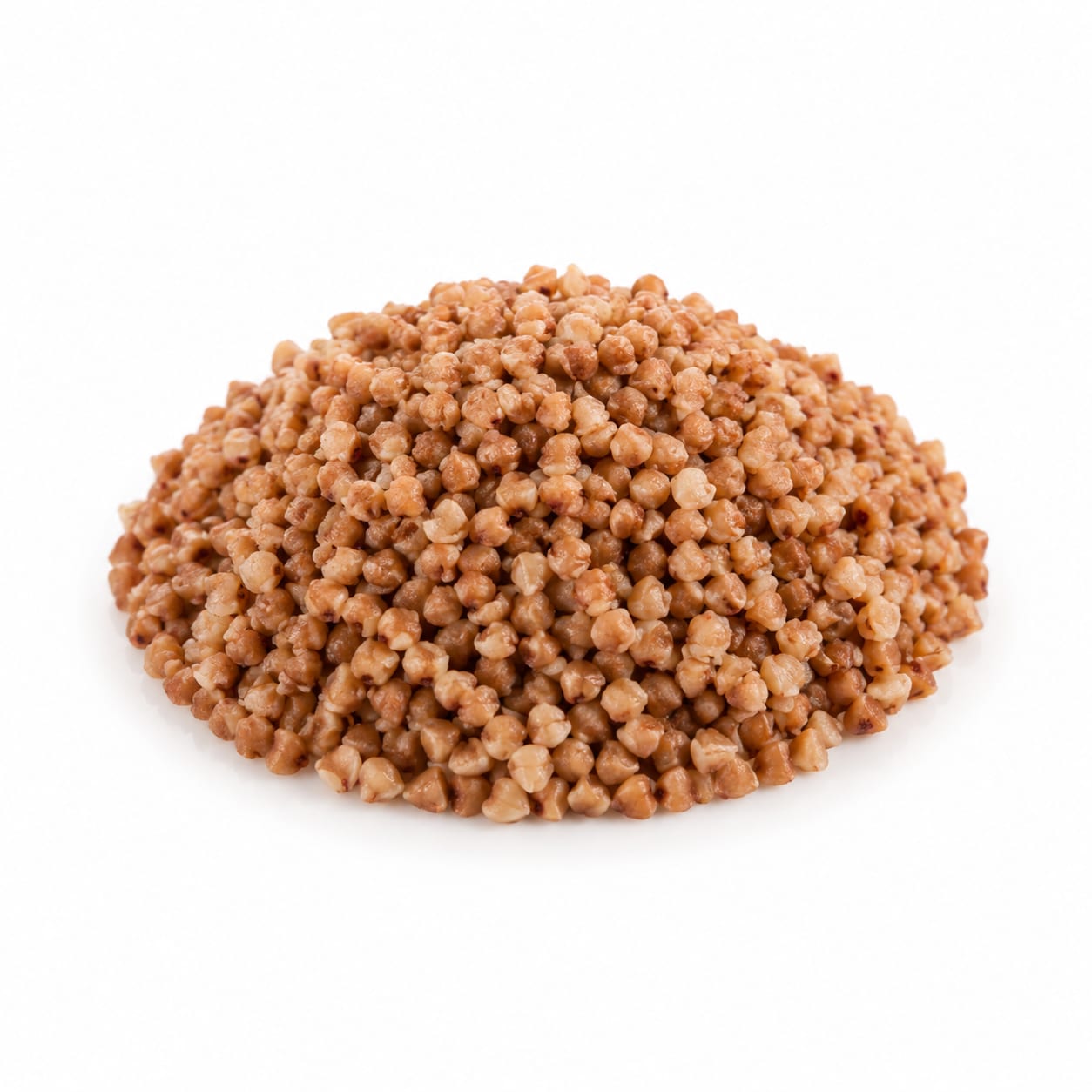
Buckwheat
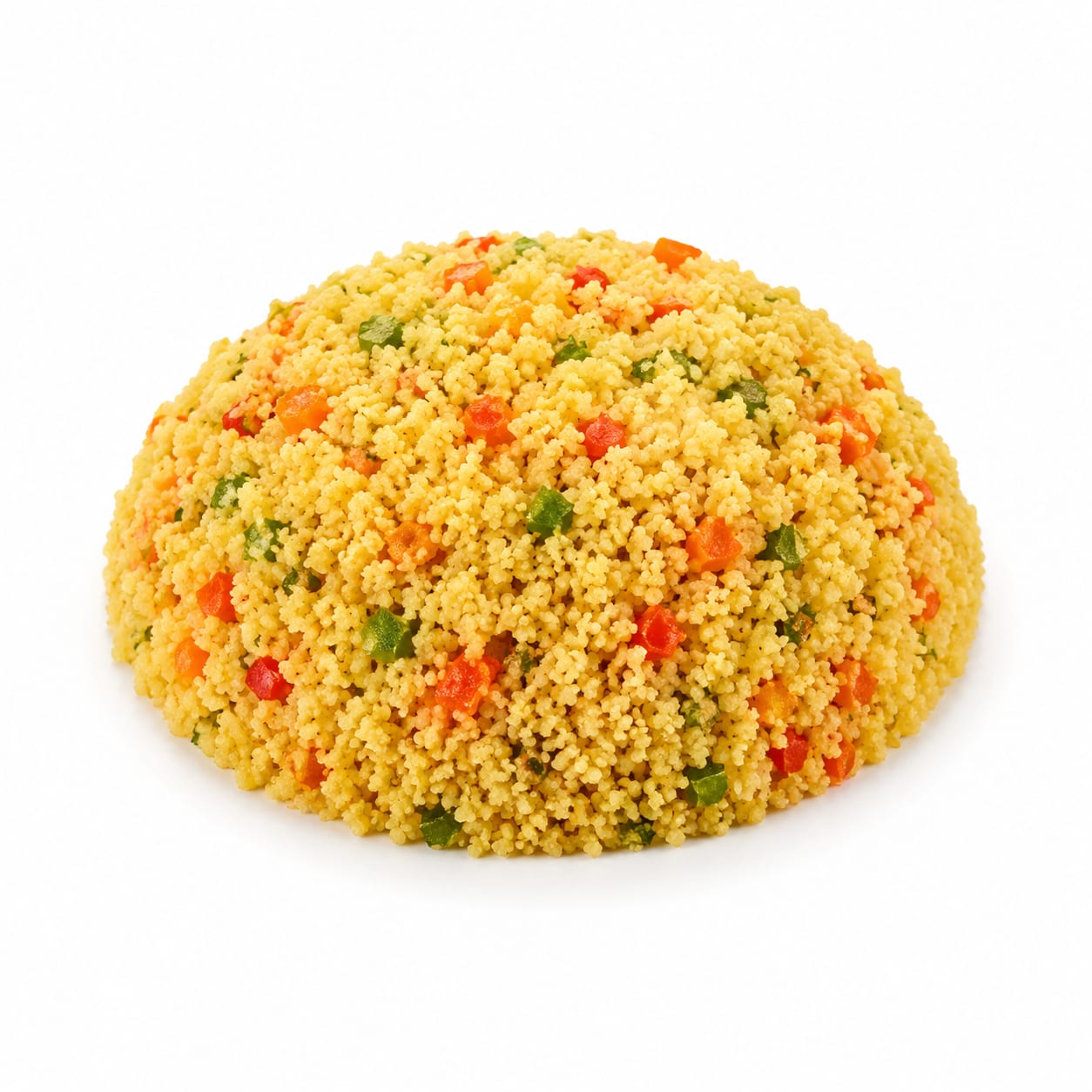
Couscous
Buckwheat is the clear nutritional winner with better blood sugar control and more nutrients, but Couscous remains the champion of quick convenience.
Buckwheat scores significantly higher due to its whole-food status, high fiber, and rich micronutrient profile. Traditional couscous scores lower because it is essentially refined wheat pasta, offering rapid energy but little sustained nutritional value.
You trade fast prep time and a mild flavor for sustained energy, fiber, and gluten-free peace of mind.
At a glance
Executive summary
Overall
Buckwheat
Healthier
Buckwheat
More practical
Couscous
Daily use
Buckwheat
Key comparison lenses
Blood sugar management and satiety
Buckwheat is a low-GI whole food, while traditional couscous is a refined high-GI carbohydrate, making blood sugar impact the most critical difference.
Gluten-free dietary needs
Buckwheat is naturally gluten-free, whereas couscous is made from wheat semolina, making this a deciding factor for those with celiac or gluten sensitivity.
Convenience and weeknight practicality
Couscous cooks in 5 minutes, while buckwheat takes longer, heavily influencing real-world meal choices.
Nutrient density vs empty carbs
Users often compare these to determine if the convenience of couscous sacrifices too much nutritional value compared to buckwheat.
Best choice for
Buckwheat
- Managing blood sugar and insulin resistance
- Gluten-free and celiac diets
- Sustained energy without afternoon crashes
- Increasing daily fiber and antioxidant intake
Couscous
- Busy weeknights when cooking time is limited
- Feeding picky eaters who prefer mild flavors
- Quick post-workout carbohydrate replenishment
- Budget-friendly bulk meal prep
Least suitable for
Buckwheat
- People who dislike earthy or nutty flavors
- Last-minute meal emergencies
- Those strictly limiting carbohydrate intake
Couscous
- Anyone with celiac disease or gluten intolerance
- Diabetics seeking stable blood sugar
- Those avoiding refined or processed carbohydrates
Deep comparison
Dimension by dimension
Each lens scores both foods and breaks down who each option suits.
- Dimension 1 · Priority 95Buckwheat
Blood Sugar Stability & Satiety
Buckwheat · 90Couscous · 35Buckwheat provides steady, lasting energy and keeps you full, while Couscous causes a rapid blood sugar spike followed by a crash.
Tradeoff
Choosing the fast-cooking side dish means sacrificing the steady energy and craving control that Buckwheat provides.
Why it matters
Preventing blood sugar spikes is crucial for avoiding the afternoon energy crash and managing long-term metabolic health.
Real-world impact
Eating Buckwheat means you are far less likely to reach for a sugary snack two hours after lunch.
Buckwheat
- Diabetics and pre-diabetics
- People managing cravings
- Steady energy seekers
Better for
- Situations requiring immediate fast energy
Worse for
Couscous
- Endurance athletes needing quick glycogen
Better for
- Blood sugar management
- Appetite control
Worse for
- Dimension 2 · Priority 85Couscous
Convenience & Prep Time
Buckwheat · 40Couscous · 95Couscous is ready in 5 minutes just by adding boiling water, whereas Buckwheat takes 15-20 minutes to simmer.
Tradeoff
Convenience comes at the cost of fiber and micronutrients, as the quick-cooking nature of Couscous relies on it being pre-cooked and refined.
Why it matters
On busy weeknights, a long cooking time can be the difference between cooking at home and ordering takeout.
Real-world impact
Couscous is a lifesaver for quick dinners, while Buckwheat requires more deliberate meal planning.
Buckwheat
- Weekend meal preppers
- Slow food enthusiasts
Better for
- Time-crunched weeknights
Worse for
Couscous
- Busy professionals
- Last-minute meal emergencies
- Quick side dish needs
Better for
- Those who enjoy mindful cooking
Worse for
- Dimension 3 · Priority 80Buckwheat
Nutrient Density & Antioxidants
Buckwheat · 92Couscous · 30Buckwheat is rich in magnesium, copper, and the heart-protective antioxidant rutin. Couscous is mostly starchy carbs with very few micronutrients.
Tradeoff
Choosing the faster side dish means missing out on powerful antioxidants and essential minerals that support long-term health.
Why it matters
Micronutrients and antioxidants support heart health and circulation without requiring supplements.
Real-world impact
Regularly choosing Buckwheat contributes to better cardiovascular health and reduced inflammation over the years.
Buckwheat
- Heart health optimization
- Anti-inflammatory diets
- Nutrient deficiency prevention
Better for
- Very low-calorie diets
Worse for
Couscous
- Calorie loading for athletes
Better for
- Anyone seeking micronutrient density
Worse for
- Dimension 4 · Priority 90Buckwheat
Digestive Tolerance & Gluten
Buckwheat · 95Couscous · 25Buckwheat is naturally gluten-free, making it safe for celiacs. Couscous is made from wheat semolina and contains gluten.
Tradeoff
If you have gluten sensitivity, Couscous is off the table entirely unless you seek out specialty gluten-free versions.
Why it matters
For those with celiac or gluten sensitivity, consuming wheat products like Couscous leads to bloating, fatigue, and gut damage.
Real-world impact
Choosing Buckwheat means a comfortable, bloat-free post-meal experience for anyone avoiding gluten.
Buckwheat
- Celiacs
- Gluten-sensitive individuals
- IBS management
Better for
- People with rare buckwheat allergies
Worse for
Couscous
- Those without wheat allergies who prefer wheat texture
Better for
- Celiac disease
- Wheat allergy
- Gluten intolerance
Worse for
- Dimension 5 · Priority 75Buckwheat
Processing & Naturalness
Buckwheat · 90Couscous · 45Buckwheat is a whole seed eaten largely intact, while traditional Couscous is a highly refined wheat product masquerading as a grain.
Tradeoff
A more natural, whole food requires more cooking time, while a refined food is faster but stripped of its bran and germ.
Why it matters
Minimally processed foods generally support better metabolic health and gut microbiome diversity.
Real-world impact
Eating Buckwheat feels closer to eating food from nature, whereas traditional Couscous is a manufactured pantry staple.
Buckwheat
- Clean eating diets
- Whole food advocates
- Gut health optimization
Better for
- Long-term storage without proper conditions
Worse for
Couscous
- Pantry shelf-stability
- Budget bulk buying
Better for
- Ultra-processed food avoidance
Worse for
Timeline
Health impact over time
Short-term
Hours to days
Buckwheat
- Sustained energy without a crash
- Comfortable digestion without bloating (for gluten-sensitive individuals)
- Greater feeling of fullness after the meal
Couscous
- Quick energy surge
- Potential hunger returning within an hour or two
- Possible bloating or sluggishness if sensitive to gluten
Long-term
Months to years
Buckwheat
- Improved insulin sensitivity and blood sugar regulation
- Better cardiovascular health due to rutin and magnesium
- Healthier gut microbiome from high fiber intake
Couscous
- Potential weight gain if portions are not carefully managed
- Increased risk of blood sugar volatility
- Possible chronic inflammation if gluten is a trigger
Risk profile
Safety & processing
Buckwheat groats are whole seeds that undergo minimal processing before reaching your plate. Traditional Couscous is made from refined wheat flour that is moistened, rolled into tiny pellets, and steamed, effectively making it a processed pasta product.
Buckwheat
Cross-contamination with gluten
mediumBuckwheat is naturally gluten-free but is often processed in facilities that handle wheat, posing a risk for highly sensitive celiacs.
Allergenicity
lowBuckwheat allergy is rare but can be severe in some individuals, causing anaphylaxis.
Couscous
Gluten exposure
highContains wheat gluten, which is dangerous for those with celiac disease or severe gluten intolerance.
Pesticide residue
mediumConventional wheat is often heavily treated with pesticides like glyphosate; opting for organic Couscous mitigates this.
Who wins for whom
Audience fit
Same foods, different winners depending on your goal.
children
CouscousCouscous has a soft, fluffy texture and mild flavor that is usually much more appealing to kids than the earthy, robust texture of Buckwheat.
daily consumption
BuckwheatBuckwheat provides a much stronger nutritional foundation for daily eating without the blood sugar rollercoaster of refined carbs.
diabetes
BuckwheatBuckwheat has a low glycemic index and high fiber, preventing dangerous blood sugar spikes, whereas Couscous digests rapidly.
elderly
BuckwheatThe superior nutrient density, heart-protective antioxidants, and blood sugar stability are especially beneficial for aging bodies.
muscle gain
It dependsCouscous is convenient for quick post-workout carb loading, but Buckwheat offers more magnesium and protein for muscle recovery.
weight loss
BuckwheatBuckwheat's high fiber and protein content keep you fuller for longer, naturally reducing overall calorie intake compared to the less filling Couscous.
Your move
Decision guide
Choose Buckwheat
- You need to manage blood sugar or insulin resistance
- You are gluten-free or cooking for someone who is
- You want a nutrient-dense side that keeps you full for hours
- You are meal prepping for the week ahead
Choose Couscous
- You have less than 15 minutes to get dinner on the table
- You are cooking for picky eaters who dislike whole grains
- You need a mild, fluffy base for a heavily spiced stew
- You are buying pantry staples on a tight budget
Either works if
- You need a carbohydrate base for a balanced plate and portion control is your main focus
Avoid both if
- You are on a strict ketogenic or very low-carb diet
Final recommendation
Make Buckwheat your default choice for health, satiety, and blood sugar stability. Keep Couscous in your pantry as a backup for busy nights when cooking time is the limiting factor. If you choose Couscous, pair it with plenty of protein and healthy fats to blunt the blood sugar spike.
Practical
Consumer tips
- 1
Rinse Buckwheat groats before cooking to wash off the bitter coating and improve the flavor.
- 2
Toast Buckwheat in a dry pan for a few minutes before boiling to bring out a rich, nutty aroma.
- 3
Opt for whole-wheat Couscous if you want the quick prep time with significantly more fiber than the traditional refined version.
- 4
Always check Buckwheat labels for a certified gluten-free stamp if you have celiac disease, as cross-contamination is common.