
Nutrition comparison
Buckwheat vs Brown Rice: Which is Healthier?
Compare buckwheat and brown rice for weight loss, diabetes, and daily health. Learn about arsenic risks, blood sugar impact, and which grain is better for you.
Overall winner · Buckwheat
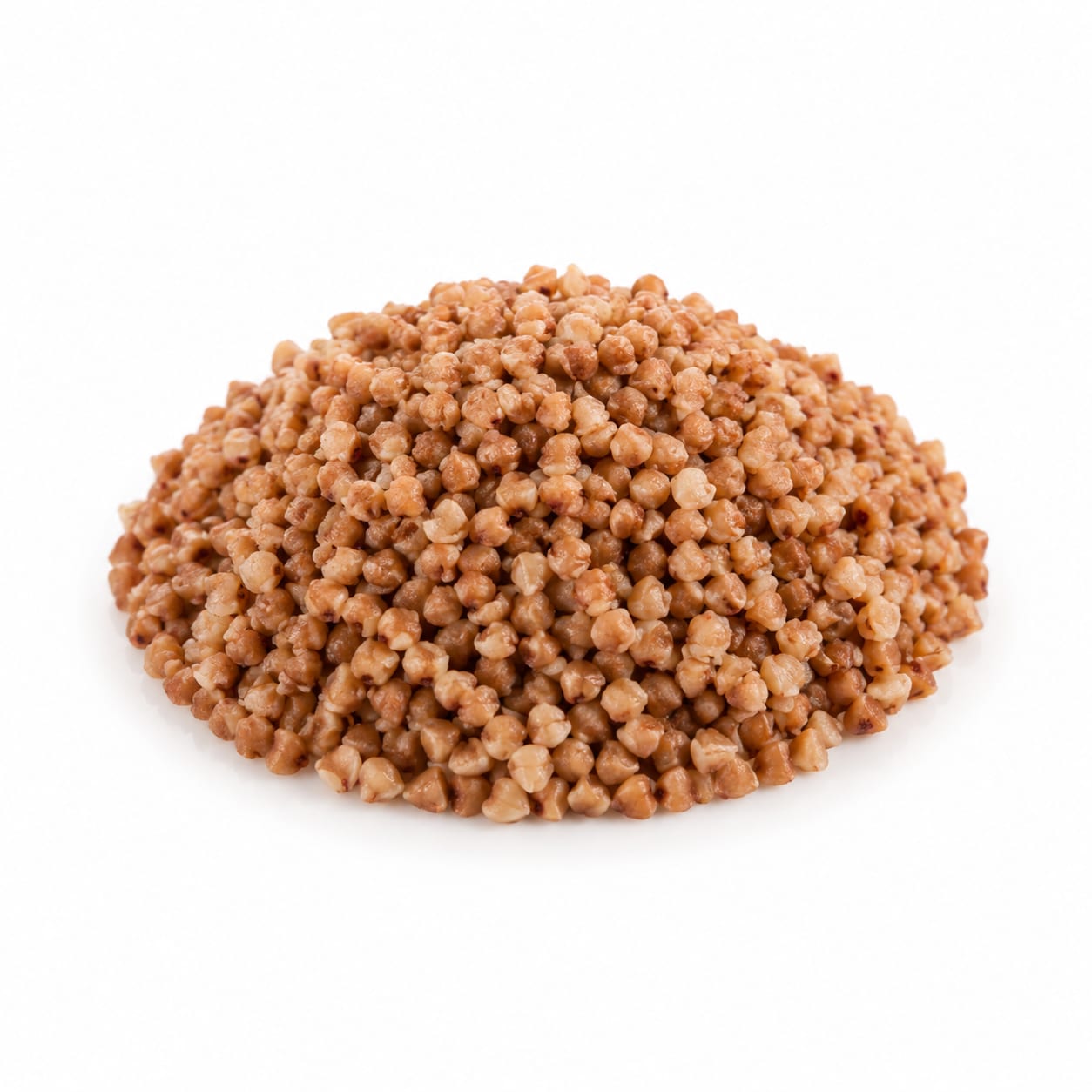
Buckwheat
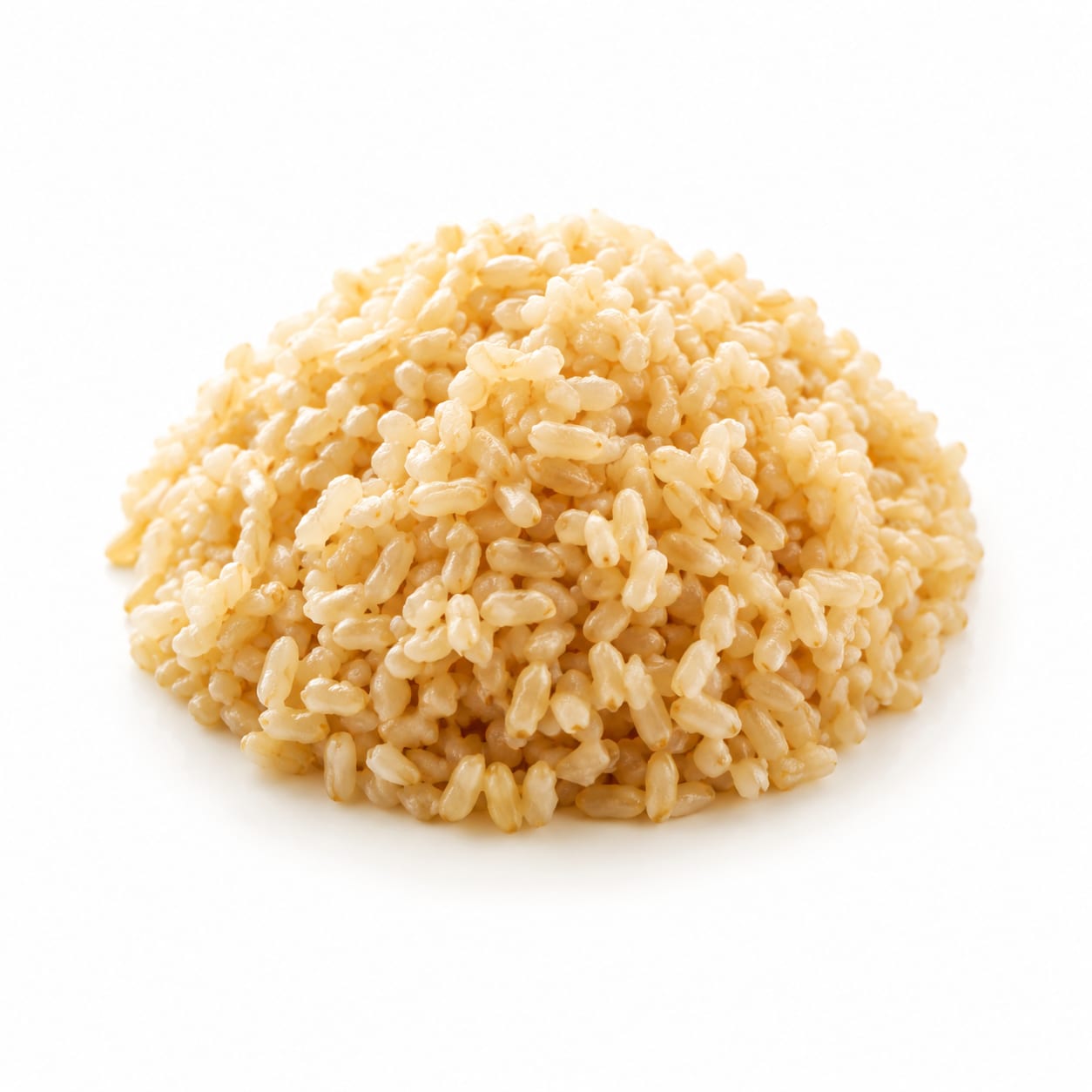
Brown Rice
Buckwheat is the nutritional powerhouse with better blood sugar control, while brown rice is the mild, familiar staple that's easier to incorporate anywhere.
Buckwheat scores higher due to its superior micronutrient profile, lower glycemic impact, and lack of arsenic concerns. Brown rice remains a solid choice but loses points on blood sugar control and heavy metal accumulation.
You trade the broad culinary neutrality of brown rice for the superior nutrient density and blood sugar stability of buckwheat.
At a glance
Executive summary
Overall
Buckwheat
Healthier
Buckwheat
More practical
Brown Rice
Daily use
Buckwheat
Key comparison lenses
Blood sugar management and glycemic impact
Buckwheat has a significantly lower glycemic index and more fiber, making it crucial for energy stability compared to brown rice.
Nutrient density and mineral absorption
Buckwheat provides unique antioxidants like rutin and higher levels of magnesium and copper, while brown rice offers simpler nutrition.
Heavy metal and contamination safety
Brown rice is known for arsenic accumulation, a major concern for daily eaters, whereas buckwheat poses far less risk.
Culinary versatility and everyday practicality
Brown rice is a neutral staple that pairs with everything, while buckwheat has a distinct earthy flavor that doesn't fit every dish.
Best choice for
Buckwheat
- People managing diabetes or insulin resistance
- Those looking to boost heart health and circulation
- Anyone wanting to avoid arsenic exposure from daily rice consumption
Brown Rice
- Families needing a neutral side dish for diverse meals
- People with sensitive palates who dislike earthy flavors
- Athletes needing a simple, easily digestible carb source
Least suitable for
Buckwheat
- Those who strongly dislike earthy or nutty flavors
- Dishes requiring a completely neutral grain base
Brown Rice
- People strictly managing blood sugar spikes
- Those concerned about heavy metal exposure from daily rice intake
Deep comparison
Dimension by dimension
Each lens scores both foods and breaks down who each option suits.
- Dimension 1 · Priority 95Buckwheat
Blood Sugar Stability
Buckwheat · 88Brown Rice · 62Buckwheat digests much slower, keeping your energy steady and preventing the afternoon crash.
Tradeoff
Brown rice can spike blood sugar faster, which might be useful post-workout but is less ideal for desk-bound days.
Why it matters
Steady blood sugar means fewer cravings and better focus throughout the day.
Real-world impact
Eating buckwheat at lunch means you are less likely to crave a snack at 3 PM compared to eating brown rice.
Buckwheat
- Sustained energy for long workdays
- Managing insulin resistance
Better for
- Situations where you need rapid carb absorption
Worse for
Brown Rice
- Quick replenishment after intense exercise
Better for
- Sedentary days where excess glucose turns to fat
Worse for
- Dimension 2 · Priority 90Buckwheat
Nutrient Density
Buckwheat · 92Brown Rice · 68Buckwheat is packed with unique antioxidants like rutin and more magnesium, copper, and fiber than brown rice.
Tradeoff
You get far more nutritional bang for your buck with buckwheat, but its strong flavor can overpower delicate dishes.
Why it matters
Higher nutrient density supports long-term heart, bone, and immune health without needing supplements.
Real-world impact
A bowl of buckwheat actively supports your cardiovascular system, while brown rice mostly just provides calories and basic fuel.
Buckwheat
- Supporting healthy blood vessels and circulation
- Boosting daily mineral intake naturally
Better for
- Dishes where the grain's flavor competes with subtle spices
Worse for
Brown Rice
- Providing a blank canvas for nutrient-dense sauces and veggies
Better for
- Relying on it as a primary source of micronutrients
Worse for
- Dimension 3 · Priority 85Buckwheat
Safety and Contamination
Buckwheat · 90Brown Rice · 55Buckwheat is virtually free of heavy metal concerns, whereas brown rice is a known accumulator of inorganic arsenic.
Tradeoff
Choosing buckwheat removes the worry of long-term arsenic exposure, but you miss out on the ubiquitous affordability of rice.
Why it matters
Chronic arsenic exposure affects heart health and cancer risk, making daily brown rice consumption a calculated risk.
Real-world impact
If you eat grains daily, swapping brown rice for buckwheat drastically lowers your heavy metal load over a year.
Buckwheat
- Daily consumption without toxicity worries
- Children's diets where arsenic limits should be strict
Better for
- People with severe buckwheat allergies (rare but serious)
Worse for
Brown Rice
- Occasional consumption where arsenic buildup is negligible
Better for
- Daily staple diets relying heavily on rice
Worse for
- Dimension 4 · Priority 80Brown Rice
Everyday Versatility
Buckwheat · 65Brown Rice · 90Brown rice is a culinary chameleon that fits into almost any meal, while buckwheat demands specific flavor pairings.
Tradeoff
Brown rice is easier to eat every day without getting bored, but it brings less nutritional excitement to the plate.
Why it matters
A healthy food only works if you actually enjoy eating it and can easily incorporate it into your routine.
Real-world impact
You can throw brown rice into a burrito, stir-fry, or soup without thinking; buckwheat requires more intentional recipe planning.
Buckwheat
- Hearty Eastern European and Asian noodle or porridge dishes
- Adding robust, nutty flavor to winter meals
Better for
- Mexican or delicate Mediterranean dishes
- Quick and mindless meal prep
Worse for
Brown Rice
- Meal prepping for diverse cuisines
- Feeding picky eaters who resist strong flavors
Better for
- Creating a nutritionally standout meal on its own
Worse for
Timeline
Health impact over time
Short-term
Hours to days
Buckwheat
- Keeps you fuller for longer due to higher fiber and protein
- Provides steady, jitter-free energy without a carb crash
Brown Rice
- Offers easily accessible energy for physical activity
- Can leave you hungry sooner if eaten without protein or fats
Long-term
Months to years
Buckwheat
- Rutin and magnesium support cardiovascular health and lower blood pressure
- Consistent blood sugar control reduces risk of metabolic syndrome
Brown Rice
- Regular daily consumption may increase arsenic exposure depending on sourcing
- Provides steady whole-grain benefits but less targeted cardiovascular support
Risk profile
Safety & processing
Both buckwheat and brown rice are whole, minimally processed foods. Buckwheat is technically a seed, making it a pseudocereal, while brown rice is a true whole grain. Neither typically contains artificial additives when purchased in their raw form.
Buckwheat
Severe allergic reactions
lowBuckwheat allergy is rare but can be serious, causing anaphylaxis in susceptible individuals.
Gluten cross-contamination
lowWhile naturally gluten-free, buckwheat is often processed in facilities that handle wheat, so celiacs must verify labels.
Brown Rice
Inorganic arsenic exposure
highRice absorbs arsenic from soil and water more efficiently than other crops. Daily consumption of brown rice can lead to significant heavy metal accumulation.
Who wins for whom
Audience fit
Same foods, different winners depending on your goal.
children
Brown RiceBrown rice has a milder flavor and softer texture that children generally accept better, though arsenic limits should be monitored.
daily consumption
BuckwheatBuckwheat is safer for daily use due to the absence of arsenic concerns that come with daily brown rice consumption.
diabetes
BuckwheatThe lower glycemic index and higher fiber in buckwheat prevent the rapid blood sugar spikes associated with brown rice.
elderly
Brown RiceBrown rice is easier to chew and digest for aging digestive systems, and its familiarity encourages eating.
muscle gain
BuckwheatBuckwheat provides a more complete amino acid profile and higher protein content to support muscle repair.
weight loss
BuckwheatBuckwheat has more protein and fiber, which increases satiety and naturally reduces overall calorie intake.
Your move
Decision guide
Choose Buckwheat
- You want to improve blood sugar control and avoid energy crashes
- Heart health and improving circulation are top priorities for you
- You eat grains daily and want to minimize heavy metal exposure
- You enjoy robust, earthy, and nutty flavors in your meals
Choose Brown Rice
- You need a neutral carb base for a variety of cuisines like Mexican or Asian stir-fries
- You are cooking for picky eaters who dislike strong-tasting grains
- You only eat grains occasionally, making arsenic buildup a non-issue
- You want a simple, easily digestible carb after intense workouts
Either works if
- You are looking for a gluten-free whole grain side dish
- You want to rotate your carb sources to keep meals interesting
Avoid both if
- You are on a strict low-carb or ketogenic diet
- You have severe digestive issues that require eliminating all grains and seeds
Final recommendation
Make buckwheat your daily driver for its nutritional superiority and safety, but keep brown rice on hand for meals that demand a neutral, comforting base. Rotating between the two gives you the best of both worlds.
Practical
Consumer tips
- 1
Rinse brown rice thoroughly and cook it in extra water (like pasta) to reduce arsenic levels by up to 50%.
- 2
Toast buckwheat groats in a dry pan before cooking to enhance their naturally nutty flavor and reduce mushiness.
- 3
If you find buckwheat's taste too strong, mix it 50/50 with brown rice while cooking to ease into the flavor.
- 4
Always check buckwheat labels for certified gluten-free status if you have celiac disease or gluten sensitivity.