
Nutrition comparison
Oats vs Buckwheat: Which is Better for Blood Sugar and Heart Health?
Compare Oats and Buckwheat to find out which grain is better for cholesterol, diabetes, and gluten-free diets. Discover the nutritional tradeoffs and health benefits of each.
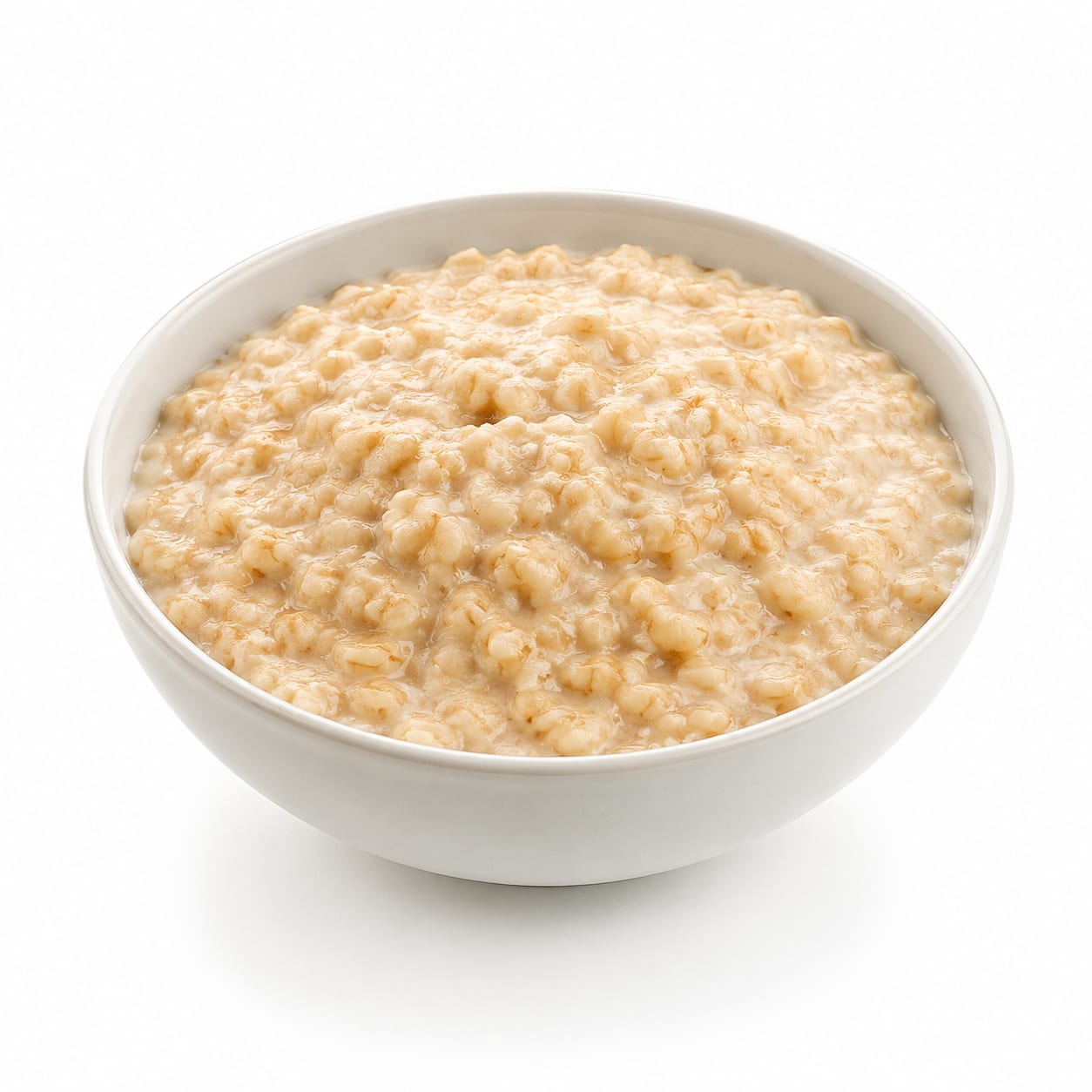
Oats
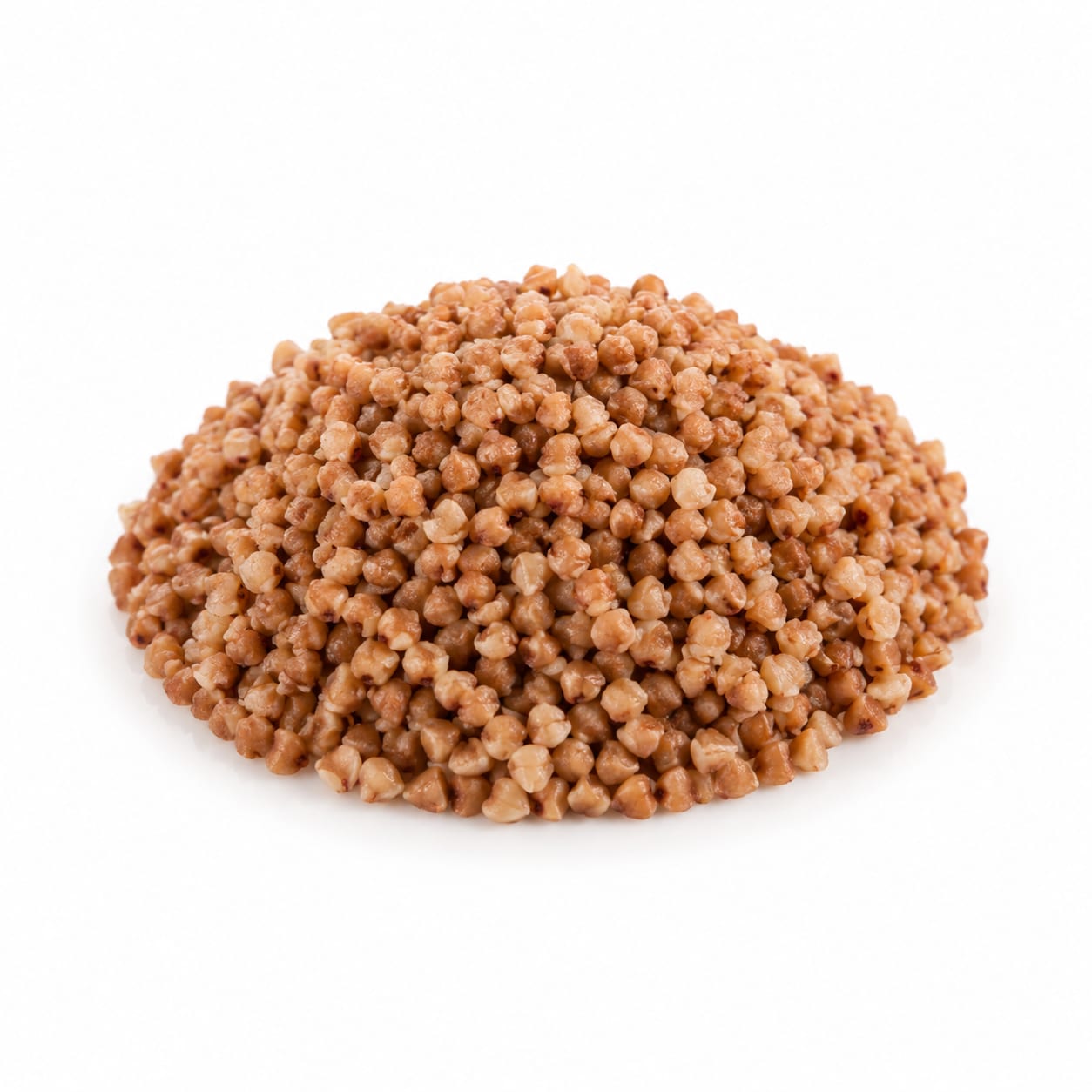
Buckwheat
Oats win for cholesterol lowering and everyday convenience, while Buckwheat wins for blood sugar control and gluten-free diets.
Oats score slightly higher due to unmatched cholesterol benefits, broader culinary appeal, and lower cost. Buckwheat is nutritionally competitive and superior for blood sugar, but its niche flavor and higher price keep its overall score marginally lower.
Oats offer superior cholesterol-lowering fiber but contain gluten, whereas Buckwheat provides steadier blood sugar and vascular benefits but is less versatile in the kitchen.
At a glance
Executive summary
Overall
It depends
Healthier
It depends
More practical
Oats
Daily use
Oats
Key comparison lenses
Blood sugar management
Buckwheat has a lower glycemic index and higher resistant starch, making it a key differentiator for diabetics or those seeking steady energy.
Heart health and cholesterol
Oats are famous for beta-glucan, a soluble fiber clinically proven to lower LDL cholesterol, which is their standout health benefit.
Gluten-free dietary needs
Buckwheat is naturally gluten-free, while Oats are frequently cross-contaminated with gluten, making this a critical deciding factor for celiacs.
Vascular and antioxidant benefits
Buckwheat is uniquely rich in rutin, an antioxidant that strengthens blood vessels, offering a distinct cardiovascular advantage compared to Oats.
Best choice for
Oats
- People aiming to lower cholesterol
- Those wanting a cheap, versatile breakfast staple
- Individuals seeking maximum satiety to prevent overeating
Buckwheat
- People with celiac disease or gluten sensitivity
- Those managing diabetes or insulin resistance
- Anyone looking to strengthen blood vessels and circulation
Least suitable for
Oats
- People with severe celiac disease or gluten cross-reactivity
- Those strictly managing blood sugar spikes
Buckwheat
- People who dislike earthy or nutty flavors
- Those on a very tight grocery budget
- Individuals with buckwheat allergies
Deep comparison
Dimension by dimension
Each lens scores both foods and breaks down who each option suits.
- Dimension 1 · Priority 90Buckwheat
Blood Sugar Stability
Oats · 70Buckwheat · 88Buckwheat causes a slower, gentler rise in blood sugar compared to Oats.
Tradeoff
Oats still provide decent blood sugar control, but instant varieties can spike insulin, whereas Buckwheat consistently delivers steady energy.
Why it matters
Stable blood sugar prevents the afternoon energy crash and reduces cravings that derail healthy eating.
Real-world impact
Eating Buckwheat for breakfast means you are less likely to reach for a sugary snack by 11 AM compared to eating instant Oats.
Oats
- Sustained energy if using steel-cut or rolled varieties
Better for
- Instant Oats can cause rapid blood sugar spikes
Worse for
Buckwheat
- Preventing blood sugar spikes
- Managing insulin resistance
- Reducing afternoon energy crashes
Better for
- None significant for this dimension
Worse for
- Dimension 2 · Priority 85Oats
Heart Health & Cholesterol
Oats · 95Buckwheat · 75Oats are the clear winner for actively lowering LDL cholesterol thanks to beta-glucan fiber.
Tradeoff
While Buckwheat supports heart health through antioxidants like rutin, it lacks the specific cholesterol-lowering power of Oats.
Why it matters
High LDL cholesterol is a major risk factor for heart disease, and soluble fiber is one of the most effective dietary ways to reduce it.
Real-world impact
A daily bowl of Oats can meaningfully reduce your cholesterol numbers over a few months, acting like a daily heart-health prescription.
Oats
- Actively lowering LDL cholesterol
- Improving overall heart health markers
Better for
- Does not specifically strengthen capillary walls
Worse for
Buckwheat
- Strengthening blood vessel walls
- Improving circulation
Better for
- Less effective at directly lowering cholesterol
Worse for
- Dimension 3 · Priority 80Buckwheat
Gluten-Free Suitability
Oats · 40Buckwheat · 100Buckwheat is naturally gluten-free, making it a safe choice for celiacs, whereas Oats are frequently cross-contaminated.
Tradeoff
You can find certified gluten-free Oats, but they are more expensive and some sensitive individuals still react to avenin, a protein in Oats.
Why it matters
For the roughly 1% of the population with celiac disease and many more with gluten sensitivity, avoiding gluten is non-negotiable for gut health.
Real-world impact
Choosing Buckwheat removes the anxiety of reading labels for cross-contamination, offering true peace of mind for gluten-free eaters.
Oats
- Safe only if certified gluten-free and avenin-tolerant
Better for
- High risk of wheat cross-contamination
- Avenin can trigger symptoms in some celiacs
Worse for
Buckwheat
- Naturally safe for celiacs
- No risk of avenin cross-reactivity
- Hassle-free gluten-free cooking
Better for
- None for this dimension
Worse for
- Dimension 4 · Priority 70It depends
Antioxidant Profile
Oats · 80Buckwheat · 85Buckwheat excels in rutin for vascular health, while Oats offer avenanthramides for anti-inflammatory benefits.
Tradeoff
Buckwheat targets blood vessel strength and circulation, whereas Oats focus on reducing systemic inflammation and itching.
Why it matters
Antioxidants protect your cells from daily wear and tear, but different antioxidants protect different systems in the body.
Real-world impact
Buckwheat is like a targeted supplement for your veins, while Oats act more like a general anti-inflammatory for your whole body.
Oats
- Reducing overall inflammation
- Relieving skin irritation and itching
Better for
- Lacks the specific vascular benefits of rutin
Worse for
Buckwheat
- Strengthening capillaries
- Supporting healthy blood pressure
- Improving varicose vein symptoms
Better for
- Lacks the unique anti-inflammatory avenanthramides
Worse for
- Dimension 5 · Priority 75Oats
Satiety & Convenience
Oats · 90Buckwheat · 70Oats are more filling, faster to prepare, and easier to find in any grocery store.
Tradeoff
Buckwheat takes longer to cook and has a stronger, earthier flavor that takes getting used to, though it is very filling once eaten.
Why it matters
A breakfast that keeps you full and is easy to make is a breakfast you will actually stick with long-term.
Real-world impact
Rolling out of bed and microwaving Oats takes 2 minutes, making it a realistic daily habit; Buckwheat requires more planning and palate adjustment.
Oats
- Quick cooking times for rolled or instant varieties
- Mild flavor that pairs with any fruit or sweetener
- Widely available and budget-friendly
Better for
- Instant varieties can digest too quickly
Worse for
Buckwheat
- Very filling when eaten as a hot porridge
Better for
- Longer cooking times for whole groats
- Earthy flavor is polarizing
- Harder to find in conventional stores
Worse for
Timeline
Health impact over time
Short-term
Hours to days
Oats
- Provides quick and comforting satiety, especially on cold mornings
- Can cause a blood sugar spike if eating instant or sweetened varieties
Buckwheat
- Delivers very steady, crash-free energy for hours
- May feel heavier in the stomach due to dense nutrient profile
Long-term
Months to years
Oats
- Significantly lowers LDL cholesterol and supports heart health
- Regular consumption improves gut microbiome diversity via beta-glucan
Buckwheat
- Improves vascular health and circulation due to high rutin content
- Helps maintain stable HbA1c levels in diabetics over time
Risk profile
Safety & processing
Both Oats and Buckwheat are whole foods in their natural form. However, flavored instant oatmeal packets are heavily processed and packed with sugar, while Buckwheat is rarely sold in such highly processed formats.
Oats
Gluten cross-contamination
highOats are frequently grown and processed alongside wheat, making them unsafe for celiacs unless certified gluten-free.
Avenin sensitivity
mediumA small percentage of people with celiac disease react to avenin, a protein in Oats, even if the product is certified gluten-free.
Buckwheat
Buckwheat allergy
mediumThough rare, buckwheat allergy can cause severe reactions, and it is sometimes linked to latex-fruit syndrome cross-reactivity.
Pesticide residue
lowBuckwheat is a hardy plant that requires few pesticides, making it naturally low in chemical residues.
Who wins for whom
Audience fit
Same foods, different winners depending on your goal.
children
OatsOats have a mild, comforting taste and smooth texture that kids accept readily, unlike the earthy, gritty profile of Buckwheat.
daily consumption
OatsOats are cheaper, faster to prepare, and more versatile in recipes, making them an easier habit to sustain every single day.
diabetes
BuckwheatBuckwheat has a significantly lower glycemic index and contains D-chiro-inositol, which helps improve insulin sensitivity.
elderly
OatsThe cholesterol-lowering power of Oats is highly beneficial for aging hearts, and the soft texture is easy to chew and digest.
muscle gain
OatsOats are easier to eat in large quantities, have slightly more protein per calorie, and mix seamlessly into calorie-dense shakes for bulking.
weight loss
BuckwheatBuckwheat's lower glycemic index and high resistant starch help control insulin, which is crucial for fat loss, while keeping you full.
Your move
Decision guide
Choose Oats
- You want to actively lower your cholesterol
- You need a quick, affordable, and versatile breakfast
- You have no issues with gluten and prefer a mild flavor
- You want a base for protein shakes or baking
Choose Buckwheat
- You are strictly gluten-free or have celiac disease
- You need to manage blood sugar or insulin resistance
- You want to improve circulation and vascular health
- You enjoy robust, nutty, and earthy flavors
Either works if
- You simply want a warm, filling whole-grain breakfast
- You are looking to increase your daily fiber intake
- You want a healthy base for adding fruits and nuts
Avoid both if
- You are on a strict very-low-carb or ketogenic diet
- You have severe digestive issues that require a low-fiber diet temporarily
Final recommendation
Make Oats your daily driver for heart health and convenience, but rotate in Buckwheat a few times a week if you want steadier blood sugar and a gluten-free boost to your vascular health.
Practical
Consumer tips
- 1
Always choose rolled or steel-cut Oats over instant packets to avoid blood sugar spikes and hidden sugars.
- 2
If you need gluten-free Oats, always look for a certified gluten-free label to ensure no cross-contamination.
- 3
Toast Buckwheat groats in a dry pan before cooking to enhance their naturally nutty flavor and reduce bitterness.
- 4
Soak Buckwheat overnight to drastically reduce cooking time and improve digestibility.
- 5
Add a pinch of cinnamon to either grain to naturally enhance sweetness and further stabilize blood sugar.