
Nutrition comparison
Buckwheat vs Farro: Which Ancient Grain Is Better for You?
Compare Buckwheat and Farro nutrition, protein, gluten content, and health benefits. Find out which grain fits your diet — gluten-free, blood sugar, or muscle building goals.
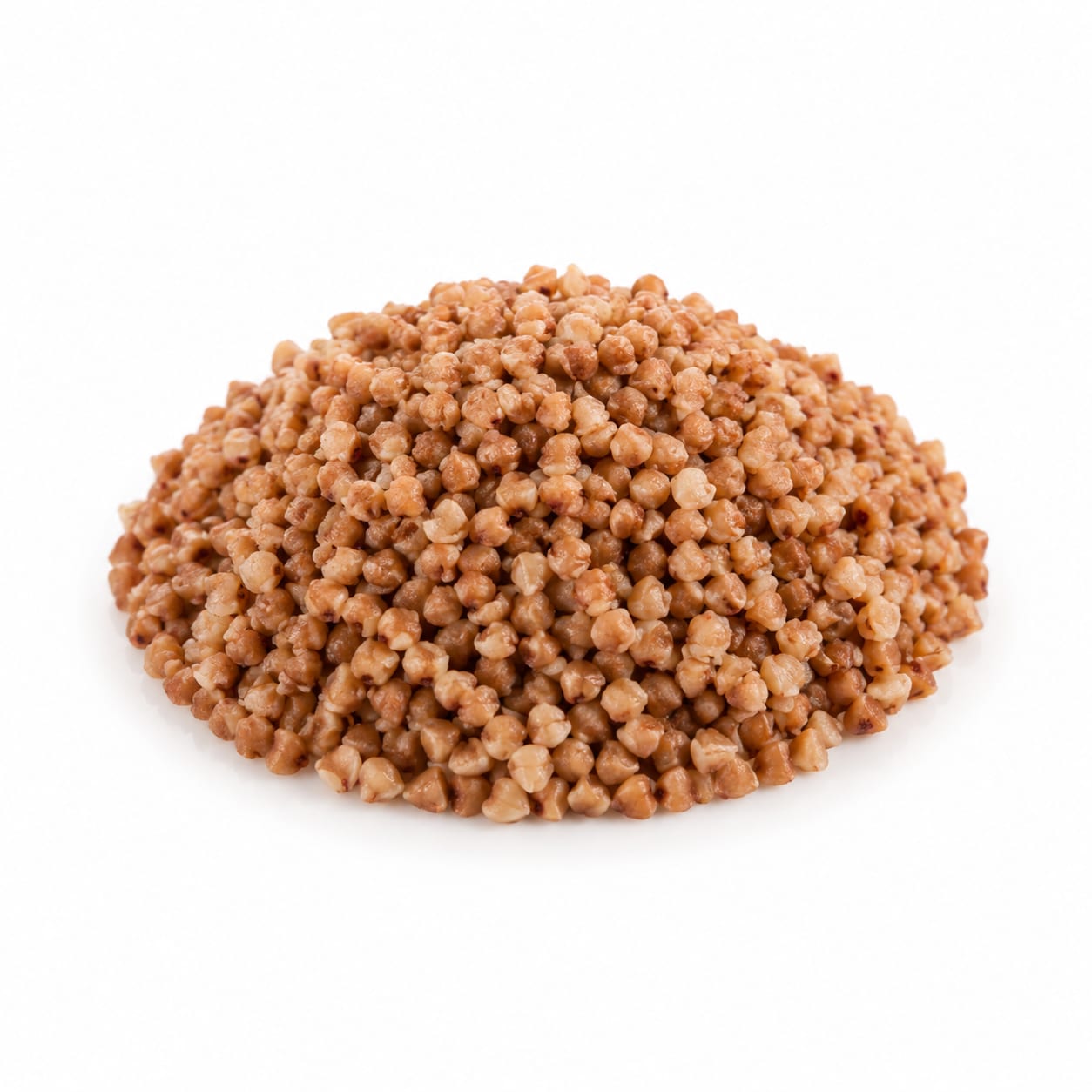
Buckwheat
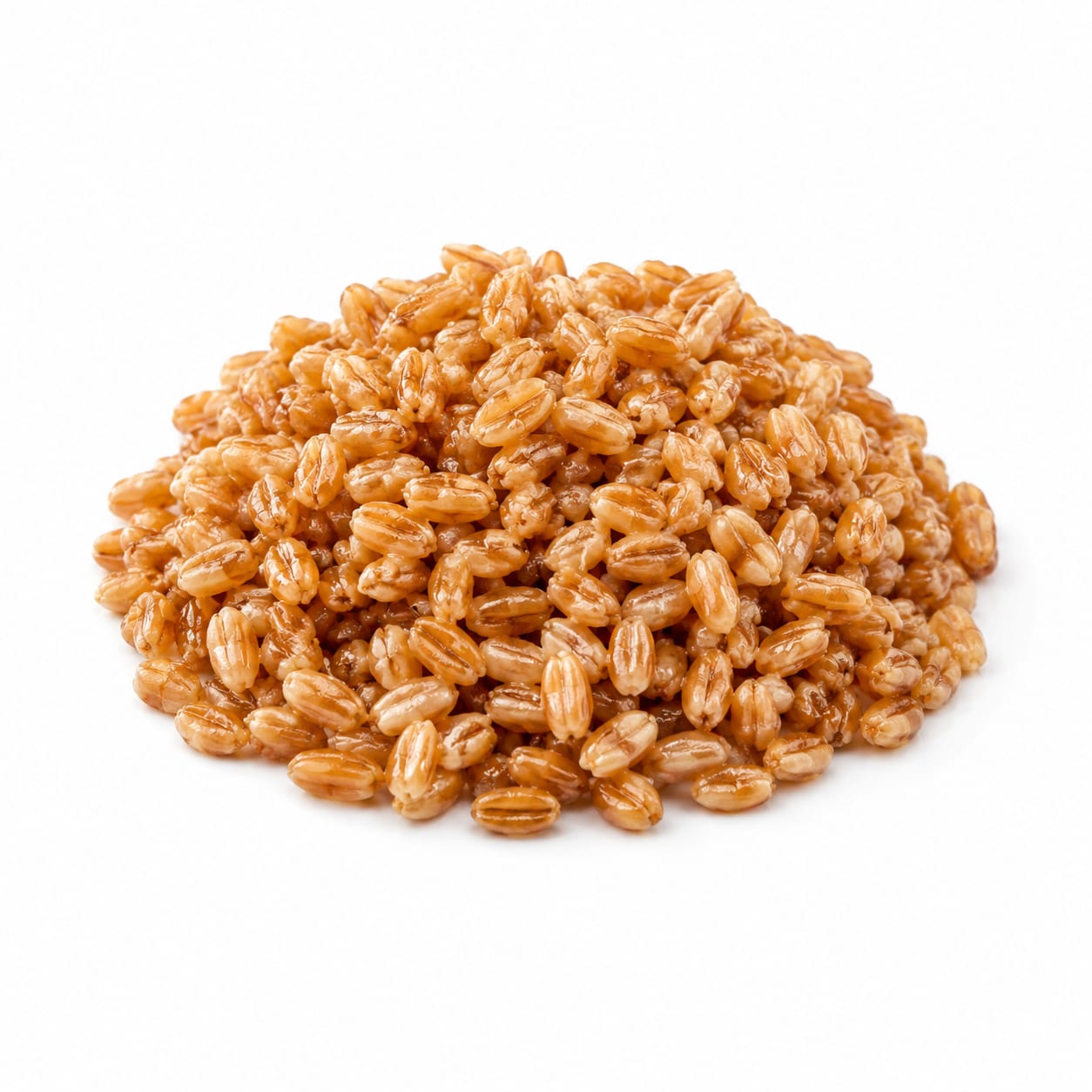
Farro
Buckwheat wins for gluten-free diets and blood sugar control; Farro wins for higher protein and Mediterranean-style meals.
Nearly identical overall scores reflect that both are excellent whole grain choices. Buckwheat edges ahead slightly due to its gluten-free status, complete protein, and antioxidant richness, but Farro's higher protein content and broader mineral profile keep it competitive.
Buckwheat gives you gluten-free safety and superior antioxidant content, but Farro delivers more protein per bite and a heartier chew that satisfies longer.
At a glance
Executive summary
Overall
It depends
Healthier
It depends
More practical
Farro
Daily use
It depends
Key comparison lenses
gluten sensitivity and digestive tolerance
Buckwheat is naturally gluten-free while Farro contains gluten — this is the single most decisive difference for many consumers
blood sugar management
Both are whole grains with moderate glycemic impact, but Buckwheat's lower GI and rutin content make it relevant for metabolic health
protein quality and completeness
Buckwheat offers a rare complete plant protein profile, while Farro provides more total protein per serving
ancient grain nutrition density
Both are nutrient-dense alternatives to refined grains, but their mineral and antioxidant profiles differ significantly
culinary versatility and meal integration
Farro's chewy texture suits hearty dishes, while Buckwheat works in both savory and sweet contexts including gluten-free baking
Best choice for
Buckwheat
- Celiac or gluten-sensitive individuals
- People managing blood sugar or insulin resistance
- Anyone seeking a complete plant protein source
- Those wanting more antioxidants in their diet
Farro
- Athletes and active people needing more protein
- Mediterranean diet followers
- Those who find chewy grains more satisfying
- People wanting higher iron and zinc intake
Least suitable for
Buckwheat
- People allergic to buckwheat (relatively common pseudocereal allergy)
- Those wanting a substantial protein boost from grains
- Anyone who dislikes earthy or bitter flavor notes
Farro
- Anyone with celiac disease or gluten sensitivity
- People with wheat allergies
- Those strictly avoiding all wheat-family grains
Deep comparison
Dimension by dimension
Each lens scores both foods and breaks down who each option suits.
- Dimension 1 · Priority 95Buckwheat
gluten_free_safety
Buckwheat · 100Farro · 5Buckwheat is naturally gluten-free; Farro is a wheat grain containing gluten.
Tradeoff
If you need or prefer gluten-free eating, Buckwheat is the clear choice with no compromise needed. Farro cannot be adapted for celiac diets.
Why it matters
Roughly 6-7% of the population has gluten sensitivity, and celiac disease affects about 1%. For these individuals, this single factor overrides all other nutritional considerations.
Real-world impact
Choosing Farro when gluten-sensitive means digestive distress, bloating, or worse. Buckwheat lets you enjoy a hearty grain bowl without any worry.
Buckwheat
- Celiac disease management
- Gluten-free meal planning
- Reducing digestive inflammation
Better for
Farro
- Gluten-free compliance
- Digestive comfort for sensitive individuals
Worse for
- Dimension 2 · Priority 85Buckwheat
blood_sugar_stability
Buckwheat · 82Farro · 70Buckwheat has a lower glycemic index and contains rutin, which supports blood vessel health and glucose metabolism.
Tradeoff
Buckwheat provides steadier energy with less spike, but Farro's higher protein content also helps slow glucose absorption somewhat.
Why it matters
For the 1 in 3 American adults with prediabetes, choosing grains that minimize blood sugar swings directly affects energy, cravings, and long-term disease risk.
Real-world impact
A Buckwheat breakfast keeps you steadier through the morning. Farro is still far better than white rice or bread, but you may notice a slightly quicker energy dip.
Buckwheat
- Insulin resistance management
- Steady afternoon energy
- Reduced sugar cravings after meals
Better for
Farro
- Sustained energy for physical activity
Better for
- Blood sugar spikes in sensitive individuals
Worse for
- Dimension 3 · Priority 80It depends
protein_content_and_quality
Buckwheat · 75Farro · 82Farro has more total protein per serving, but Buckwheat provides a rarer complete protein with all essential amino acids.
Tradeoff
Farro gives you more grams of protein on the label, but Buckwheat's protein is better balanced. If you're combining with other proteins, Farro's quantity matters more.
Why it matters
Most plant proteins are incomplete, missing key amino acids. Buckwheat is one of the few grains that doesn't need pairing to deliver full protein value.
Real-world impact
For a grain bowl with beans or eggs on top, Farro's extra protein adds up. For a standalone grain dish, Buckwheat's complete profile is more useful.
Buckwheat
- Vegans needing complete protein from a single grain
- Standalone grain dishes without other protein sources
Better for
- High-protein diet followers needing maximum grams
Worse for
Farro
- Athletes maximizing total daily protein
- Meals already combining multiple protein sources
Better for
- Vegans relying on grains as a primary protein source
Worse for
- Dimension 4 · Priority 78Buckwheat
antioxidant_and_phytonutrient_content
Buckwheat · 88Farro · 62Buckwheat is exceptionally rich in rutin and other flavonoids that support vascular health. Farro has antioxidants but at lower concentrations.
Tradeoff
Buckwheat's rutin specifically strengthens blood vessels and reduces inflammation. Farro's antioxidants are more generic phenolic compounds.
Why it matters
Rutin is one of the most clinically studied flavonoids for cardiovascular health. Getting it from food rather than supplements means better absorption and synergy with other nutrients.
Real-world impact
Regular Buckwheat consumption is linked to better circulation and lower blood pressure. Farro still contributes antioxidant defense, just less potently.
Buckwheat
- Cardiovascular protection
- Anti-inflammatory diets
- Long-term vascular health
Better for
Farro
- General antioxidant intake as part of varied diet
Better for
- Targeted cardiovascular and anti-inflammatory benefits
Worse for
- Dimension 5 · Priority 72Farro
mineral_density
Buckwheat · 70Farro · 80Farro delivers more iron and zinc per serving, while Buckwheat provides more magnesium and copper.
Tradeoff
Iron and zinc are the minerals most people fall short on, giving Farro the practical edge. But Buckwheat's magnesium advantage helps with sleep and stress.
Why it matters
Iron deficiency is the most common nutrient deficiency worldwide. Zinc is critical for immune function. These are not abstract concerns — they affect energy and sickness resistance daily.
Real-world impact
Farro helps more if you're prone to low iron or frequent colds. Buckwheat helps more if you struggle with sleep quality or muscle cramps.
Buckwheat
- Sleep support
- Stress management
- Muscle cramp prevention
Better for
- Iron-deficient individuals
Worse for
Farro
- Iron-deficiency anemia prevention
- Immune system support
- Active individuals needing zinc recovery
Better for
- People needing extra magnesium for sleep or stress
Worse for
- Dimension 6 · Priority 75Farro
satiety_and_fullness
Buckwheat · 72Farro · 82Farro's chewy, dense texture and higher protein content make it more physically and hormonally satisfying.
Tradeoff
Buckwheat fills you adequately, but Farro's substantial chew triggers stronger satiety signals. The difference is noticeable in how long you stay full.
Why it matters
Grains that leave you hungry an hour later lead to overeating. The difference between staying full for 3 hours versus 4 hours compounds over weeks and months.
Real-world impact
A Farro grain bowl at lunch keeps you satisfied until dinner. A Buckwheat bowl might have you reaching for a snack by mid-afternoon.
Buckwheat
- Lighter meals where you don't want to feel overly full
Better for
- People who struggle with between-meal hunger
Worse for
Farro
- Weight management through natural portion control
- Long workdays without snack access
- Post-workout recovery meals
Better for
- Those preferring lighter, less dense meals
Worse for
- Dimension 7 · Priority 68It depends
culinary_versatility
Buckwheat · 78Farro · 75Buckwheat works in sweet and savory dishes plus gluten-free baking. Farro excels in hearty savory applications.
Tradeoff
Buckwheat flour opens up pancakes, crepes, and noodles. Farro's texture shines in soups, salads, and risottos but doesn't translate to baking.
Why it matters
A grain you can use multiple ways across different meals gets eaten more often and wasted less. Versatility drives real-world nutrition consistency.
Real-world impact
Buckwheat flour makes weekend pancakes possible. Farro makes weeknight grain bowls feel like restaurant meals. Both have distinct culinary lanes.
Buckwheat
- Gluten-free baking
- Sweet breakfast applications
- Japanese and Eastern European cuisines
Better for
- Traditional Italian or Mediterranean recipes
Worse for
Farro
- Hearty grain salads
- Mediterranean and Italian dishes
- Soup and stew additions
Better for
- Breakfast baking
- Gluten-free recipe adaptation
Worse for
Timeline
Health impact over time
Short-term
Hours to days
Buckwheat
- Steadier energy with less post-meal crash
- Lower blood sugar spike after eating
- Safe for gluten-sensitive individuals with no digestive reaction
- Possible earthy flavor adjustment period for new eaters
Farro
- Stronger feeling of fullness after meals
- Higher immediate protein contribution to daily intake
- Gluten-containing — may cause bloating in sensitive people
- Satisfying chew that makes meals feel more substantial
Long-term
Months to years
Buckwheat
- Better vascular health from regular rutin intake
- Lower risk of blood sugar progression issues
- Improved magnesium status supporting sleep and stress resilience
- Potential buckwheat allergy development with very frequent consumption
Farro
- Better iron stores reducing fatigue risk
- Stronger immune function from consistent zinc intake
- Greater muscle preservation with higher protein intake
- Gluten exposure risk for undiagnosed celiac or sensitive individuals
Risk profile
Safety & processing
Both Buckwheat and Farro are whole, minimally processed ancient grains. Raw buckwheat groats and whole farro are about as natural as grains get. The main processing concern is that pearled farro has some bran removed, and roasted buckwheat (kasha) undergoes heat treatment that slightly reduces nutrient content.
Buckwheat
Buckwheat allergy
mediumBuckwheat is a top-10 food allergen in some countries, particularly Japan and Korea. Reactions can be severe including anaphylaxis. More relevant for regular consumers than occasional eaters.
Cross-contamination with gluten grains
mediumBuckwheat is often processed on shared equipment with wheat. Celiac patients must verify certified gluten-free labels, not just assume safety from the grain itself.
Farro
Gluten exposure for sensitive individuals
highFarro is a wheat species containing gluten. Even small amounts trigger reactions in celiac patients. Not suitable for any level of gluten avoidance.
Phytic acid mineral interference
lowLike all whole grains, Farro contains phytic acid that can reduce mineral absorption. Soaking before cooking mitigates this significantly.
Who wins for whom
Audience fit
Same foods, different winners depending on your goal.
children
FarroFarro's milder, nuttier flavor and chewy texture tend to appeal more to kids. The iron and zinc content also supports growing bodies. Just ensure no gluten sensitivity exists.
daily consumption
It dependsIf you tolerate gluten, Farro's higher protein makes it a strong daily staple. If you're gluten-sensitive or prioritizing blood sugar, Buckwheat is the better everyday choice.
diabetes
BuckwheatBuckwheat's lower glycemic index and rutin content make it the safer choice for blood sugar management and insulin sensitivity.
elderly
BuckwheatBuckwheat's magnesium supports bone density and sleep quality, both critical for older adults. Its gluten-free nature also accommodates the higher rates of digestive sensitivity in aging populations.
muscle gain
FarroFarro provides more total protein per serving, which matters when you're trying to hit higher daily protein targets for muscle building.
weight loss
FarroFarro's higher protein and denser chew create stronger satiety signals, making it easier to eat less overall without feeling deprived.
Your move
Decision guide
Choose Buckwheat
- You are celiac, gluten-sensitive, or cooking for someone who is
- Blood sugar management is a top health priority
- You want a complete plant protein without combining foods
- Cardiovascular health and circulation are concerns
- You enjoy making pancakes, crepes, or soba noodles at home
Choose Farro
- You tolerate gluten and want maximum protein from your grains
- Satiety and staying full longer matters for your eating patterns
- You cook Mediterranean, Italian, or Middle Eastern cuisine regularly
- Iron and zinc intake are priorities for your health
- You love chewy, substantial grain textures in salads and bowls
Either works if
- You're simply replacing refined grains with whole grains — both are excellent upgrades
- You rotate grains throughout the week for dietary diversity
- You want mineral-dense carbohydrate sources for active lifestyles
Avoid both if
- You're strictly limiting carbohydrate intake for ketosis
- You have grain-specific digestive issues beyond gluten
- You're allergic to buckwheat specifically — this allergy is uncommon but serious
Final recommendation
Keep both in your pantry if you tolerate gluten. Use Buckwheat for breakfast dishes, blood-sugar-friendly meals, and gluten-free needs. Use Farro for hearty lunches, protein-forward grain bowls, and Mediterranean recipes. Rotating between them gives you Buckwheat's antioxidants and complete protein alongside Farro's iron, zinc, and satisfying chew. If you must choose one, let gluten tolerance decide: Buckwheat if sensitive, Farro if not.
Practical
Consumer tips
- 1
Buy certified gluten-free Buckwheat if you have celiac disease — cross-contamination during processing is common
- 2
Soak Farro overnight to reduce cooking time and improve mineral absorption by breaking down phytic acid
- 3
Try raw buckwheat groats over roasted kasha for maximum nutrient retention — the roasting process diminishes some antioxidants
- 4
Rinse Buckwheat before cooking to remove the slightly bitter coating some people find unpleasant
- 5
Semi-pearled Farro offers a middle ground: faster cooking than whole Farro with more nutrients retained than fully pearled
- 6
Cook a large batch of either grain on Sunday and use it across multiple meals throughout the week — both reheat well