
Nutrition comparison
Barley vs Buckwheat: Which Grain is Healthier?
Compare Barley and Buckwheat to discover which is better for blood sugar, heart health, and gluten-free diets. Learn the nutritional tradeoffs and find your ideal grain.
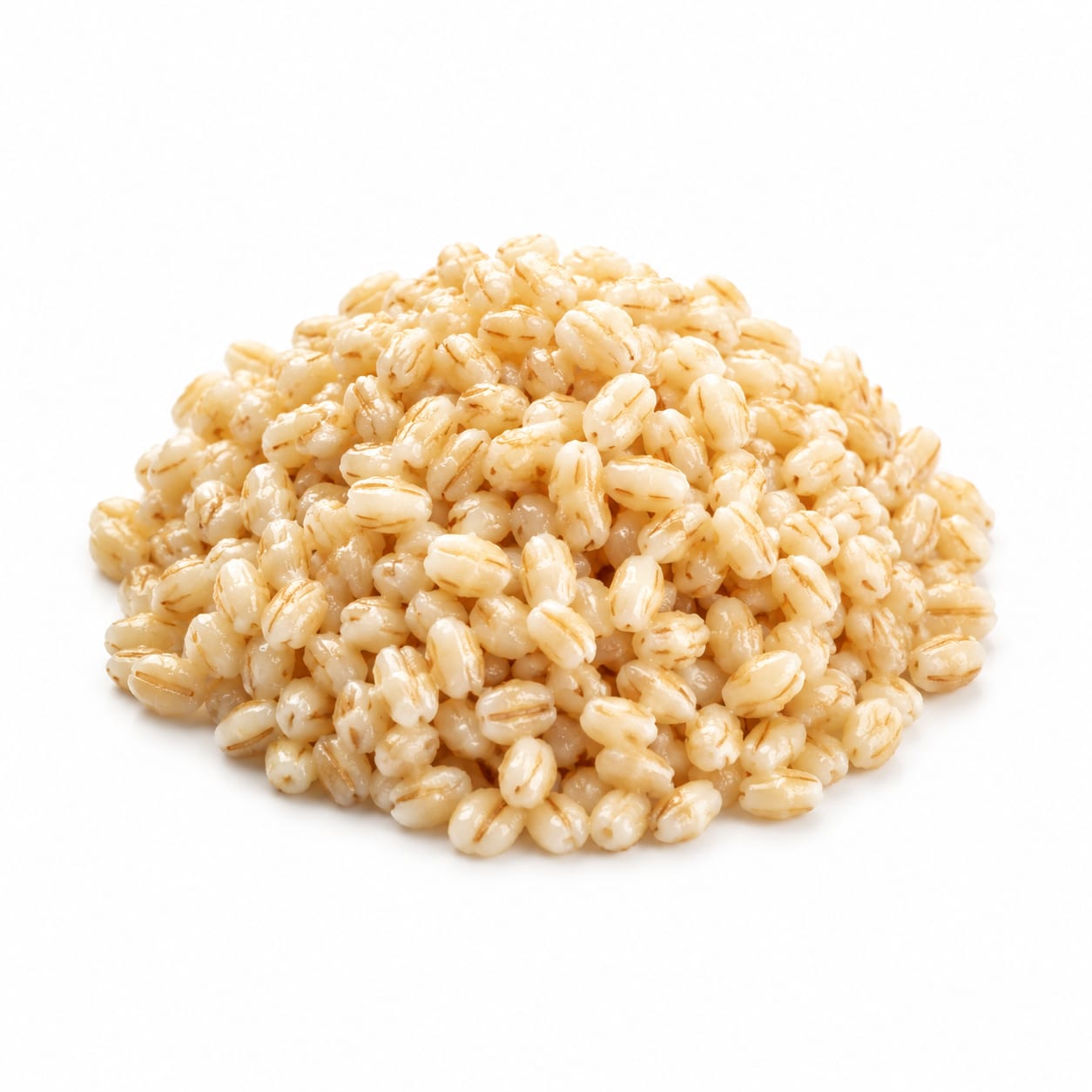
Barley
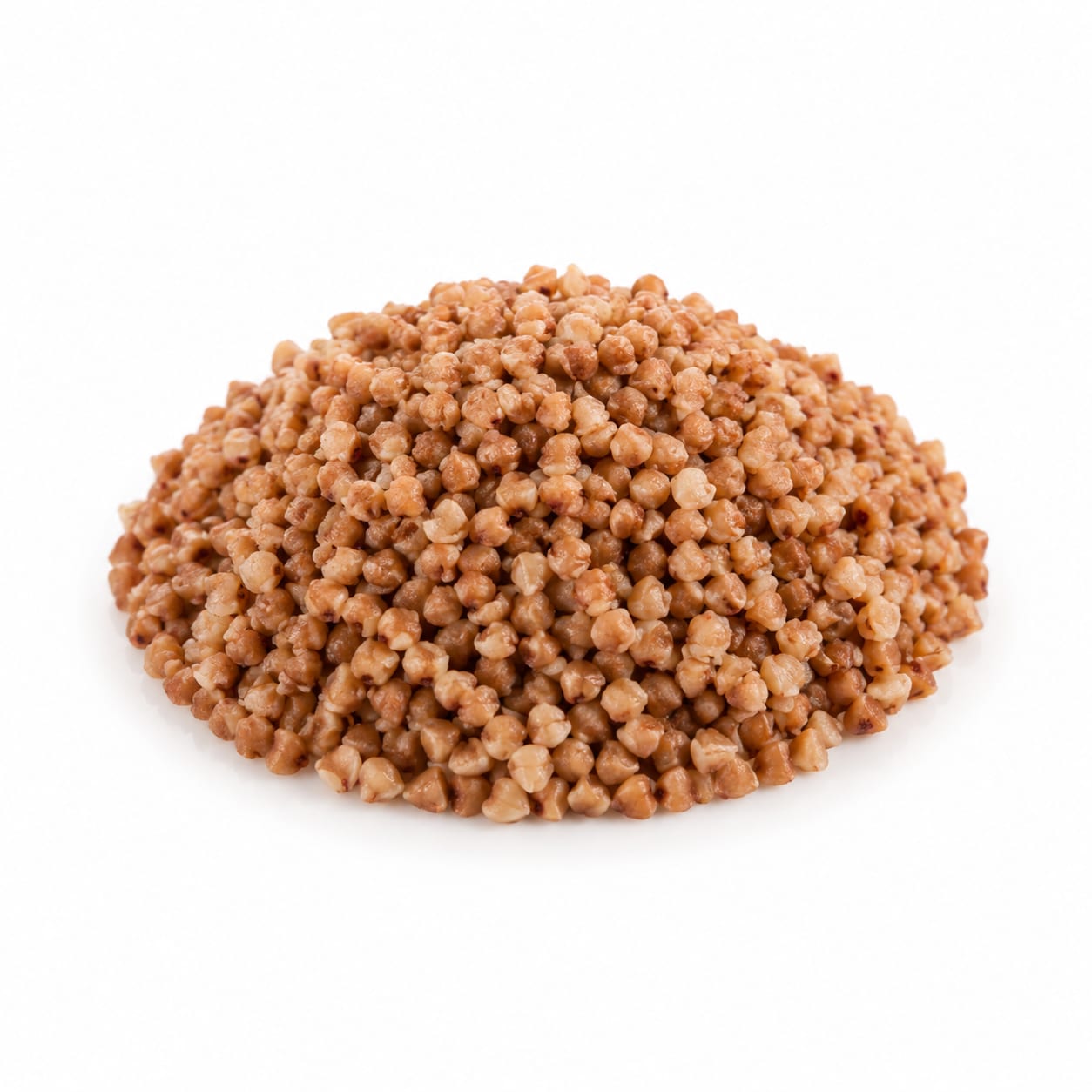
Buckwheat
Barley is the champion for cholesterol-lowering soluble fiber, while Buckwheat is the go-to for a gluten-free, antioxidant-rich, complete protein source.
Buckwheat scores slightly higher overall due to its gluten-free nature and superior protein profile, though Barley remains the definitive choice for targeted cholesterol and blood sugar control.
You trade Barley's unmatched beta-glucan heart benefits for Buckwheat's gluten-free safety and vascular antioxidants.
At a glance
Executive summary
Overall
It depends
Healthier
It depends
More practical
It depends
Daily use
It depends
Key comparison lenses
Blood sugar management
Both grains are known for moderate to low glycemic impacts, but through different mechanisms, making this a key decision factor for diabetics.
Gluten tolerance and gut health
Barley contains gluten while Buckwheat is naturally gluten-free, a major differentiator for those with celiac or sensitivities.
Heart health and cholesterol
Barley is famous for beta-glucan which actively lowers cholesterol, whereas Buckwheat offers cardiovascular benefits through antioxidants.
Best choice for
Barley
- Lowering LDL cholesterol
- Managing blood sugar spikes
- Maximizing satiety from soluble fiber
Buckwheat
- Gluten-free and celiac diets
- Improving blood vessel strength
- Getting complete plant protein
Least suitable for
Barley
- People with celiac disease or gluten intolerance
- Those sensitive to high soluble fiber who experience bloating
Buckwheat
- People relying on high beta-glucan intake for cholesterol management
- Those who prefer a milder, less earthy flavor
Deep comparison
Dimension by dimension
Each lens scores both foods and breaks down who each option suits.
- Dimension 1 · Priority 95Barley
Blood Sugar Stability
Barley · 92Buckwheat · 84Barley's beta-glucan forms a thick gel in the gut, dramatically slowing sugar absorption compared to Buckwheat's general low glycemic index.
Tradeoff
Barley provides a stronger defense against blood sugar spikes, but requires eating gluten to get that specific soluble fiber benefit.
Why it matters
Steadier blood sugar means fewer afternoon energy crashes and reduced cravings.
Real-world impact
A bowl of Barley at lunch will keep you on an even keel longer than Buckwheat, making it easier to resist the 3 PM vending machine.
Barley
- Diabetics needing maximum glucose control
- People prone to energy crashes after carbs
Better for
- People who cannot tolerate gluten
Worse for
Buckwheat
- Those wanting moderate blood sugar control without gluten
Better for
- Those needing the absolute strongest glycemic dampening effect
Worse for
- Dimension 2 · Priority 90Barley
Heart Health & Cholesterol
Barley · 94Buckwheat · 82Barley contains high levels of beta-glucan, which is clinically proven to actively lower LDL cholesterol, while Buckwheat relies more on antioxidants like rutin to support blood vessels.
Tradeoff
Barley directly reduces circulating cholesterol, whereas Buckwheat strengthens blood vessel walls and improves circulation.
Why it matters
High cholesterol is a silent risk; actively lowering it with diet is one of the most impactful long-term health moves you can make.
Real-world impact
Eating Barley regularly can move the needle on your blood work, while Buckwheat acts more like a daily maintenance shield for your veins.
Barley
- People with high LDL cholesterol
- Those with a family history of heart disease
Better for
- Individuals whose cholesterol is fine but want vascular support
Worse for
Buckwheat
- People looking to improve vascular strength
- Those with mild hypertension
Better for
- Those who need aggressive dietary cholesterol lowering
Worse for
- Dimension 3 · Priority 90Buckwheat
Digestive Tolerance & Gluten
Barley · 40Buckwheat · 95Buckwheat is naturally gluten-free and very gentle on the digestive tract, whereas Barley contains gluten and can trigger inflammation or bloating in sensitive individuals.
Tradeoff
You give up the soluble fiber density of Barley to gain the worry-free, gut-soothing nature of Buckwheat.
Why it matters
Eating a healthy food that secretly inflames your gut defeats the purpose entirely.
Real-world impact
If gluten makes you bloated or foggy, Buckwheat feels light and comforting, while Barley sits heavy and causes discomfort.
Barley
- People with robust digestion who want maximum fiber
Better for
- Anyone with celiac disease or non-celiac gluten sensitivity
Worse for
Buckwheat
- Anyone with celiac disease or gluten sensitivity
- People with IBS who need gentle, gluten-free grains
Better for
- No significant downside here unless you specifically need barley's beta-glucan
Worse for
- Dimension 4 · Priority 80Buckwheat
Protein Quality & Nutrient Density
Barley · 68Buckwheat · 88Buckwheat provides a complete protein with all essential amino acids and is rich in magnesium and rutin, while Barley's protein is incomplete and less concentrated.
Tradeoff
Buckwheat fuels muscle and metabolism better, while Barley focuses its nutritional value on fiber.
Why it matters
Complete proteins are rare in grains, making Buckwheat a valuable staple for plant-based eaters.
Real-world impact
A Buckwheat bowl after a workout supports muscle recovery better, while Barley is better suited as a high-fiber side dish.
Barley
- Those prioritizing fiber over protein
Better for
- Those relying heavily on grains for their protein intake
Worse for
Buckwheat
- Vegans and vegetarians needing complete proteins
- Active individuals wanting better muscle support from grains
Better for
- People who simply want a cheap, high-fiber filler
Worse for
Timeline
Health impact over time
Short-term
Hours to days
Barley
- Highly filling due to soluble fiber expanding in the stomach
- Can cause temporary bloating or gas if you are not used to high fiber
- Provides very steady, crash-free energy
Buckwheat
- Lighter feel in the stomach compared to Barley
- Quickly satisfying without a heavy sensation
- Gentle on the digestive system with no gluten-related inflammation
Long-term
Months to years
Barley
- Clinically significant reduction in LDL cholesterol
- Improved insulin sensitivity over time
- Risk of chronic gut inflammation if you have undiagnosed celiac or gluten sensitivity
Buckwheat
- Stronger blood vessels and improved circulation from rutin
- Sustained plant-based protein intake supporting muscle mass
- Safe, inflammation-free staple for those avoiding gluten
Risk profile
Safety & processing
Both Barley and Buckwheat are whole, minimally processed foods when purchased in their hulled forms. However, pearled Barley has its bran stripped, reducing its fiber and nutrient value, whereas Buckwheat groats retain more of their natural integrity.
Barley
Gluten exposure
highContains gluten, making it unsafe for anyone with celiac disease or severe gluten intolerance.
Mycotoxin contamination
lowAs a stored grain, Barley can occasionally harbor mold toxins if not stored properly, though this is rare in commercial supply.
Buckwheat
Cross-contamination with gluten
mediumOften processed in facilities that handle wheat, so celiacs must look for certified gluten-free labels.
Allergic reaction
lowBuckwheat allergies are rare but can be severe; it is a different allergen than gluten.
Who wins for whom
Audience fit
Same foods, different winners depending on your goal.
children
BuckwheatBuckwheat is easier to digest, gluten-free, and provides complete protein, making it a safer and more nourishing option for growing kids.
daily consumption
It dependsIf you tolerate gluten, Barley is excellent for daily heart and blood sugar health; if you are gluten-sensitive, Buckwheat is the obvious daily staple.
diabetes
BarleyThe viscous soluble fiber in Barley is one of the most effective dietary tools for blunting blood sugar spikes after meals.
elderly
BarleyHeart disease and high cholesterol are major concerns for older adults, and Barley's clinically proven cholesterol-lowering effect gives it an edge.
muscle gain
BuckwheatBuckwheat offers a complete amino acid profile, which is superior for muscle repair and growth compared to Barley's incomplete protein.
weight loss
BarleyBarley's beta-glucan creates a thick gel in your stomach that keeps you full for hours, making it slightly better for controlling overall calorie intake.
Your move
Decision guide
Choose Barley
- You want to actively lower your cholesterol
- You need maximum satiety to help with weight management
- You have no issues digesting gluten
- You are focused on stabilizing blood sugar
Choose Buckwheat
- You are celiac or gluten-sensitive
- You want a complete plant protein for muscle or vegan diets
- You want to support blood vessel health and circulation
- You prefer a lighter grain that digests easily
Either works if
- You are looking for a warm, comforting breakfast porridge
- You want an alternative to rice or oats
- You are trying to increase your daily fiber intake
Avoid both if
- You are on a strict low-carb or keto diet
- You have severe grain allergies
Final recommendation
Let your gut decide. If you tolerate gluten, Barley is a therapeutic food for your heart and blood sugar. If gluten causes you any grief, Buckwheat is a nutritional powerhouse that gives you protein and antioxidants without the inflammation. Rotate both if you can.
Practical
Consumer tips
- 1
Always choose hulled Barley over pearled Barley; pearling strips away the valuable beta-glucan fiber.
- 2
Look for certified gluten-free Buckwheat to ensure no cross-contamination from wheat processing facilities.
- 3
Toast Buckwheat groats in a dry pan before boiling to bring out a rich, nutty flavor and reduce mushiness.
- 4
Rinse both grains thoroughly before cooking to remove any residual dust or natural bitterness.