
Nutrition comparison
Buckwheat vs White Rice: Which is Healthier?
Compare Buckwheat vs White Rice for blood sugar, weight loss, and nutrition. Discover the health tradeoffs and find out which grain is better for your diet.
Overall winner · Buckwheat
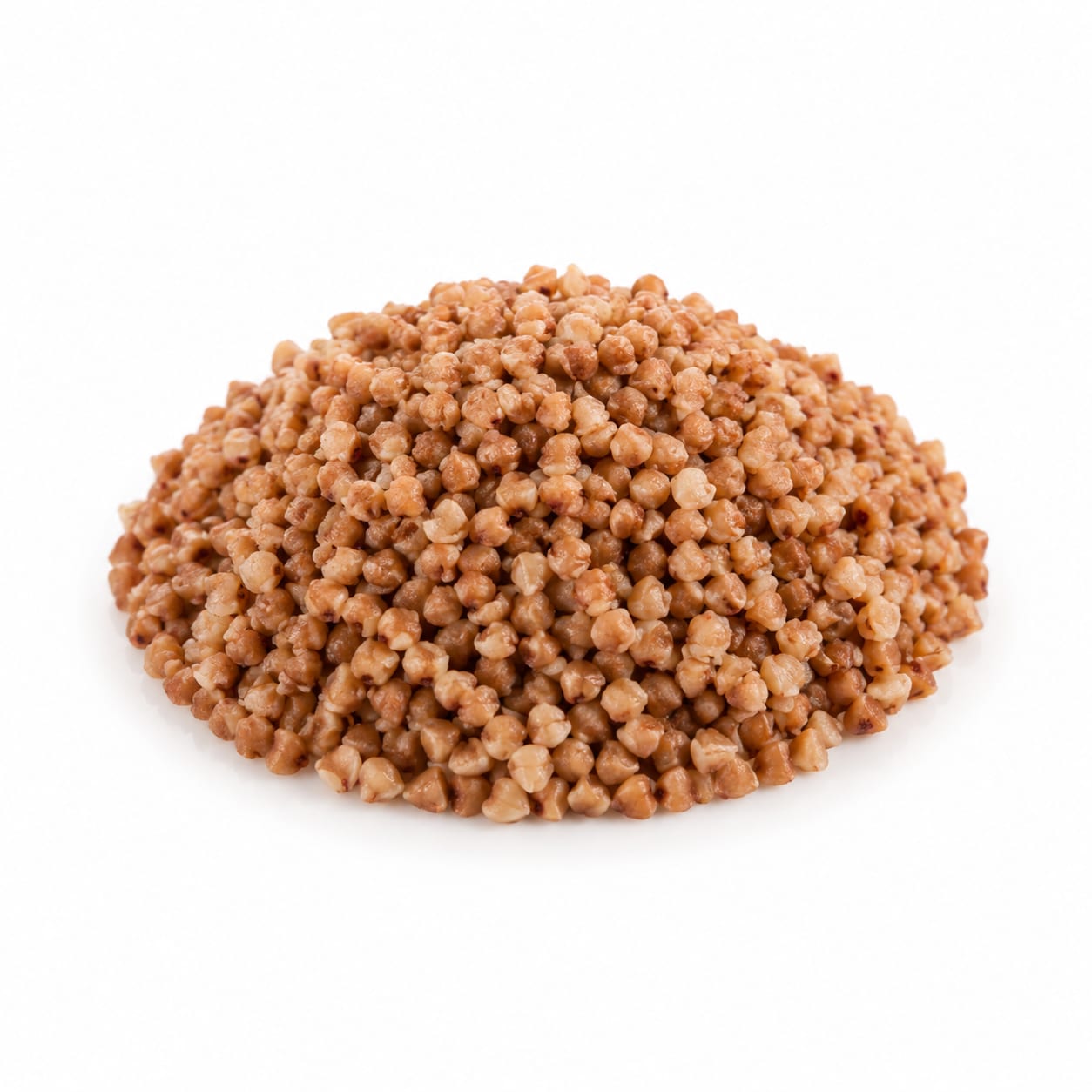
Buckwheat
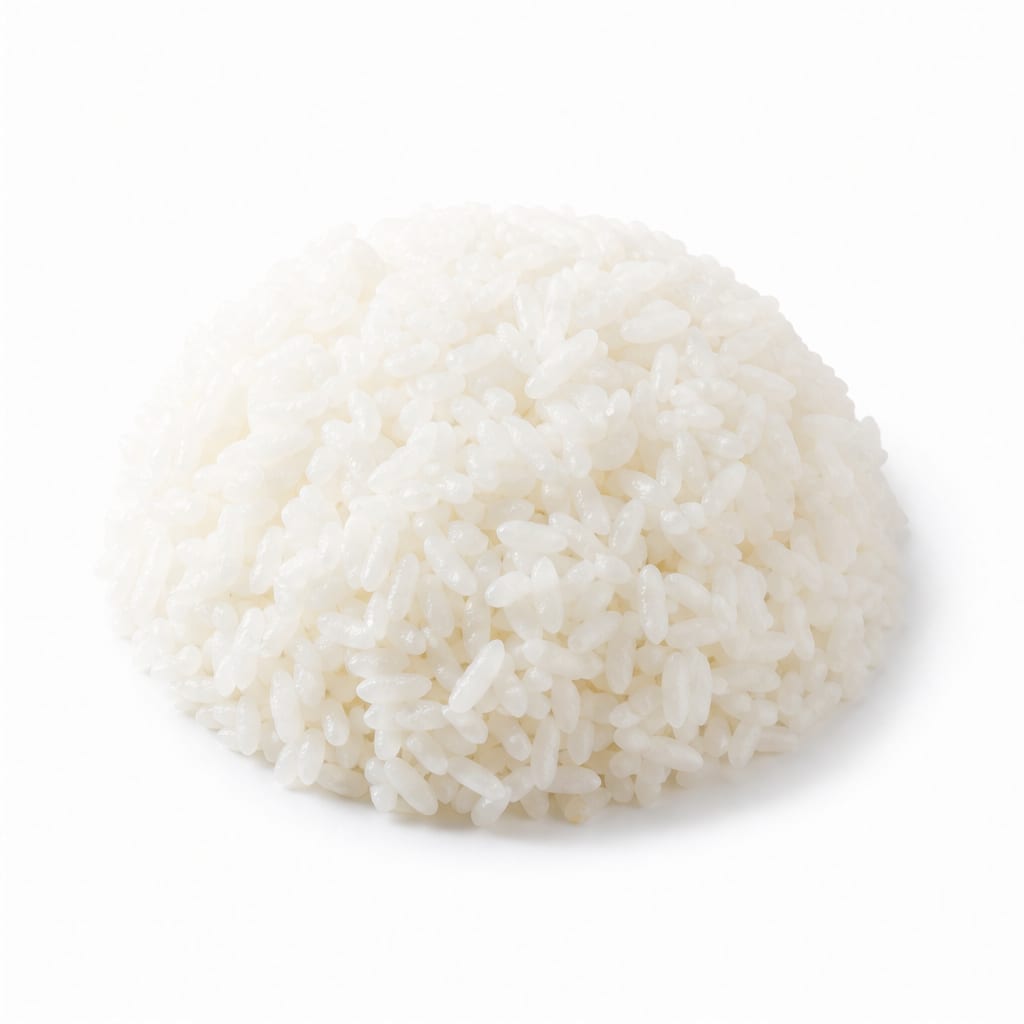
White Rice
Buckwheat dominates for nutrition and steady energy, while White Rice serves best as a quick, easily digestible comfort carb.
Buckwheat scores significantly higher due to its superior fiber, protein, and mineral content, plus its blood sugar benefits. White Rice scores lower because it acts primarily as empty calories that can disrupt metabolic health if eaten frequently.
You are trading the deep nutrition and fullness of Buckwheat for the quick energy and gentle digestion of White Rice.
At a glance
Executive summary
Overall
Buckwheat
Healthier
Buckwheat
More practical
White Rice
Daily use
Buckwheat
Key comparison lenses
Blood sugar control and diabetes risk
White Rice causes rapid blood sugar spikes, while Buckwheat provides slow-releasing, steady energy.
Nutrient density vs empty calories
Buckwheat is packed with minerals and fiber, whereas White Rice is mostly stripped of its natural nutrients.
Satiety and weight management
Buckwheat keeps you full much longer, making it far superior for controlling hunger between meals.
Digestive tolerance and comfort
White Rice is a classic comfort food for upset stomachs, while Buckwheat's fiber can be too heavy for sensitive guts.
Best choice for
Buckwheat
- Keeping blood sugar stable
- Staying full until your next meal
- Boosting mineral intake naturally
White Rice
- Soothing an upset stomach
- Quick pre-workout energy
- Feeding picky eaters or children
Least suitable for
Buckwheat
- People with severe buckwheat allergies
- Moments when you need rapid carb absorption
White Rice
- Anyone managing diabetes or insulin resistance
- Those trying to increase daily fiber intake
Deep comparison
Dimension by dimension
Each lens scores both foods and breaks down who each option suits.
- Dimension 1 · Priority 95Buckwheat
Blood Sugar Stability
Buckwheat · 90White Rice · 25Buckwheat digests slowly and prevents sugar crashes. White Rice causes rapid blood sugar spikes followed by steep drops.
Tradeoff
You sacrifice the instant energy rush of White Rice for the sustained, crash-free stamina of Buckwheat.
Why it matters
Frequent blood sugar spikes from White Rice can lead to afternoon energy crashes and long-term insulin resistance.
Real-world impact
Eating Buckwheat means you will likely avoid the 3 PM slump and mid-morning cravings that often follow a White Rice meal.
Buckwheat
- Preventing afternoon energy crashes
- Managing prediabetes or diabetes
Better for
- Situations requiring immediate, fast-absorbing carbs
Worse for
White Rice
- Quickly refueling after an intense workout
Better for
- Anyone trying to avoid the jittery-then-tired cycle
Worse for
- Dimension 2 · Priority 90Buckwheat
Nutrient Density
Buckwheat · 88White Rice · 20Buckwheat is rich in magnesium, copper, and antioxidants. White Rice is mostly stripped of its bran and germ, leaving empty carbs.
Tradeoff
You get far more vitamins and minerals per bite with Buckwheat, but White Rice offers a cleaner, blander canvas for other ingredients.
Why it matters
Eating nutrient-dense carbs means your body gets the cofactors it needs to actually produce energy, rather than just getting raw fuel.
Real-world impact
A bowl of Buckwheat actively nourishes your body, while a bowl of White Rice just fills your stomach without contributing much to your daily nutritional needs.
Buckwheat
- Naturally boosting magnesium for sleep and muscle recovery
- Getting more antioxidants from your carb source
Better for
- Diets requiring extremely low residue or low mineral intake
Worse for
White Rice
- Keeping calories cheap and easily accessible
Better for
- Preventing nutrient deficiencies on a high-carb diet
Worse for
- Dimension 3 · Priority 80White Rice
Digestive Comfort
Buckwheat · 55White Rice · 90White Rice is a go-to for sensitive stomachs because it is low fiber and very easy to break down. Buckwheat's roughage can irritate a fragile gut.
Tradeoff
You give up the bowel-regulating fiber of Buckwheat for the soothing, gentle passage of White Rice through an upset digestive tract.
Why it matters
When your stomach is off, high-fiber foods can cause bloating or cramping, making low-fiber White Rice a safer, more comforting choice.
Real-world impact
If you are recovering from a stomach bug, White Rice will sit gently. Buckwheat might prolong the discomfort.
Buckwheat
- Promoting regular, healthy bowel movements daily
Better for
- Managing acute diarrhea or IBS flare-ups
Worse for
White Rice
- Recovering from a stomach bug or flare-up
- Easing digestive bloating when your gut is sensitive
Better for
- Preventing chronic constipation
Worse for
- Dimension 4 · Priority 85Buckwheat
Satiety and Fullness
Buckwheat · 85White Rice · 35Buckwheat's protein and fiber combo keeps hunger at bay for hours. White Rice digests quickly, often leaving you hungry again soon.
Tradeoff
Buckwheat feels heavier and more filling, while White Rice feels lighter in the stomach but requires more frequent eating.
Why it matters
Staying full between meals prevents unnecessary snacking and makes it much easier to control overall calorie intake.
Real-world impact
A Buckwheat lunch will likely carry you straight to dinner. A White Rice lunch might have you reaching for a snack by 4 PM.
Buckwheat
- Controlling portions without feeling deprived
- Avoiding late-night snacking
Better for
- When you want a light, non-bloating pre-workout meal
Worse for
White Rice
- Eating a light meal before a run or workout
Better for
- Trying to stick to a calorie deficit without starving
Worse for
- Dimension 5 · Priority 70White Rice
Convenience and Versatility
Buckwheat · 50White Rice · 90White Rice is universally available, cheap, and pairs effortlessly with any cuisine. Buckwheat can be harder to find, pricier, and has a distinct earthy taste.
Tradeoff
You trade the culinary flexibility and budget-friendly nature of White Rice for the robust nutritional profile of Buckwheat.
Why it matters
If a healthy food is too hard to find or cook, you simply will not eat it. Practicality often wins over nutrition in daily life.
Real-world impact
You can order White Rice anywhere and cook it perfectly in a rice cooker with zero thought. Buckwheat requires specific ratios and can turn mushy if overcooked.
Buckwheat
- Adding robust, nutty flavor to hearty winter dishes
Better for
- Cooking for picky eaters who dislike earthy flavors
Worse for
White Rice
- Quick weeknight dinners
- Tight grocery budgets
- Seamless pairing with takeout
Better for
- Making a meal feel nutritionally complete on its own
Worse for
Timeline
Health impact over time
Short-term
Hours to days
Buckwheat
- Provides long-lasting energy without a crash
- Promotes a comfortable feeling of fullness
- May feel too heavy if you are not used to high-fiber grains
White Rice
- Delivers quick, immediate energy
- Can trigger a blood sugar crash an hour or two after eating
- Leaves you feeling hungry again relatively quickly
Long-term
Months to years
Buckwheat
- Supports better insulin sensitivity and metabolic health
- Helps maintain a healthy weight due to high satiety
- Lowers the risk of chronic constipation
White Rice
- Frequent consumption increases the risk of developing type 2 diabetes
- May contribute to gradual weight gain if portions are not controlled
- Can lead to chronic constipation due to lack of fiber
Risk profile
Safety & processing
Buckwheat is a whole pseudocereal eaten with its fibrous hull intact. White Rice has been milled and polished to remove the bran and germ, stripping away most of its natural nutrients and fiber.
Buckwheat
Allergic reaction
mediumBuckwheat is a relatively common allergen that can cause severe reactions in susceptible individuals, which is rare for grains.
Gluten cross-contamination
lowDespite being naturally gluten-free, Buckwheat is often processed in facilities that handle wheat, so those with celiac must seek certified gluten-free labels.
White Rice
Arsenic exposure
mediumRice naturally accumulates more arsenic than other crops, and eating White Rice daily can increase your exposure to this heavy metal.
Metabolic disruption
highThe high glycemic load of White Rice repeatedly stresses the pancreas, which is a metabolic safety concern over years of daily consumption.
Who wins for whom
Audience fit
Same foods, different winners depending on your goal.
children
White RiceKids usually prefer the mild, soft texture of White Rice, and its easy digestibility makes it a safe, reliable staple for growing bodies.
daily consumption
BuckwheatEating Buckwheat daily supports long-term metabolic health and steady energy, whereas daily White Rice consumption increases the risk of chronic disease over time.
diabetes
BuckwheatBuckwheat's low glycemic index and high fiber prevent the dangerous blood sugar spikes that White Rice is known to cause.
elderly
White RiceWhite Rice is incredibly gentle on aging digestive systems and easy to chew, making it a practical choice for seniors with diminished appetite or gut issues.
muscle gain
White RiceWhite Rice is a bodybuilding staple because it provides easily digestible carbs that do not sit heavy in the stomach, allowing athletes to consume the large amounts of food needed for growth.
weight loss
BuckwheatBuckwheat's high fiber and protein content naturally suppress appetite, making it far easier to eat fewer calories without feeling miserable.
Your move
Decision guide
Choose Buckwheat
- You want steady energy without the afternoon crash
- You are trying to manage your weight or blood sugar
- You need more fiber and protein in your diet
Choose White Rice
- You are recovering from a stomach illness and need gentle food
- You are carb-loading for an athletic event and need quick fuel
- You are cooking for picky eaters on a tight budget
Either works if
- You are rotating your carb sources for a balanced, varied diet
- You are eating a heavily sauced dish where the grain's flavor does not matter
Avoid both if
- You are strictly following a ketogenic or very low-carb diet
Final recommendation
Make Buckwheat your default daily grain for its superior nutrition and blood sugar benefits, but keep White Rice around for post-workout fuel, upset stomachs, and the occasional comforting curry.
Practical
Consumer tips
- 1
Rinse Buckwheat groats before cooking to remove bitter residue and prevent mushiness.
- 2
Cook White Rice, then cool it in the fridge overnight to increase resistant starch, which lowers its glycemic impact and makes it easier on your blood sugar.
- 3
Always buy certified gluten-free Buckwheat if you have celiac disease or gluten sensitivity, as cross-contamination at processing facilities is common.
- 4
Rinse White Rice thoroughly before cooking to reduce surface arsenic levels.
- 5
Mix the two together while cooking if you want the nutritional benefits of Buckwheat but the familiar texture of White Rice.