
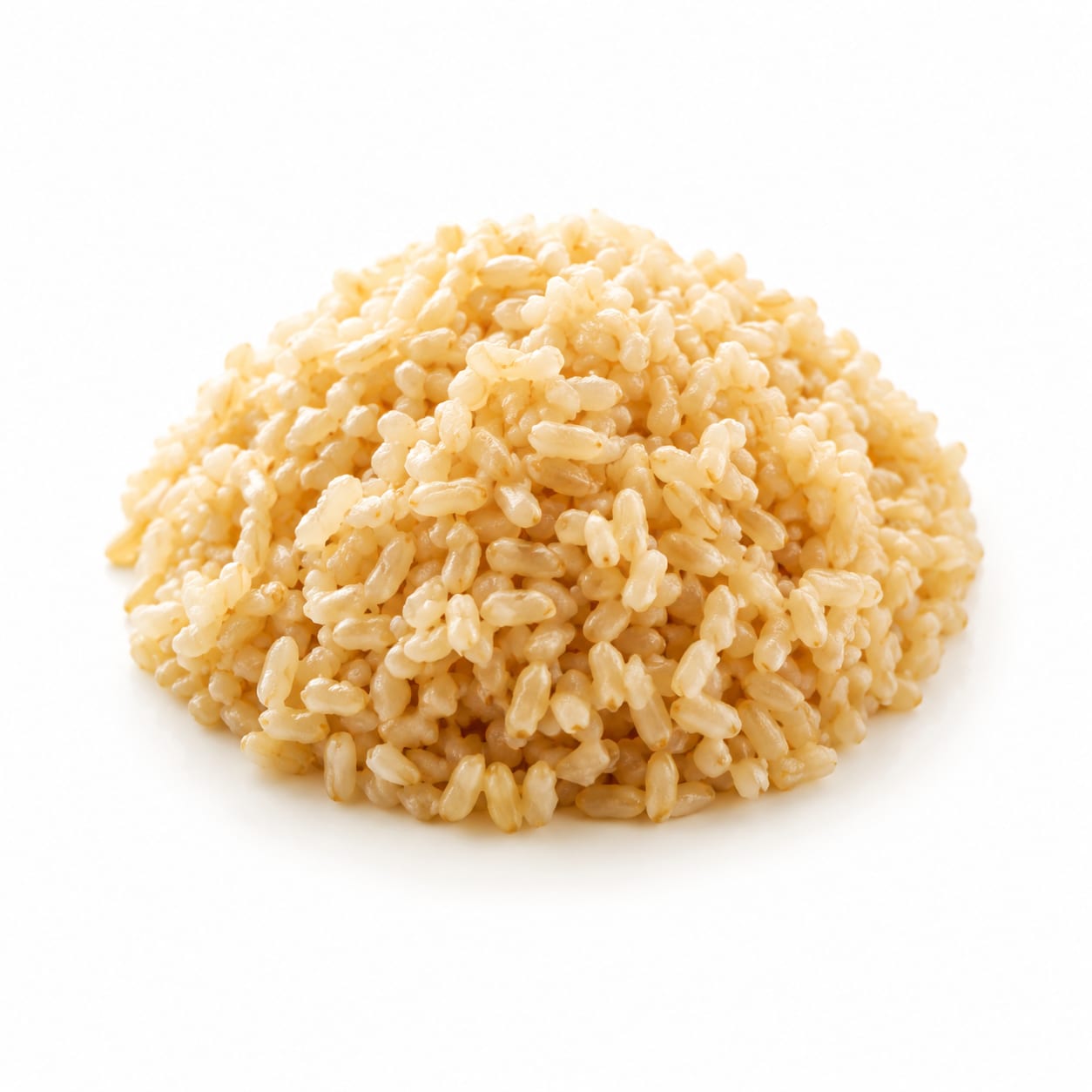
Whole Grains
Brown Rice
A whole grain rice retaining its bran and germ, offering more fiber and nutrients than white rice.
Brown rice is a whole grain rice with the inedible outer hull removed, leaving the nutrient-dense bran and germ intact, giving it a chewy texture and nutty flavor.
slow-digesting whole grain carbohydrate source
Typical serving · 158g
Common varieties · long-grain, short-grain, basmati, jasmine
Overall context score across nutrition, safety, and diet fit
At a glance
Quick facts
Simple indicators based on nutrition, processing, and diet fit.
The story
What makes it unique
Brown rice digests at a moderate rate due to intact bran layers, providing a slower release of glucose compared to white rice. The retained germ and bran supply B vitamins, minerals, and dietary fiber, which moderately increase satiety. Its macronutrient profile is predominantly complex carbohydrates with low fat and modest protein.
Varieties: long-grain · short-grain · basmati · jasmine
Per 100g
Nutrition breakdown
Macro balance and key metrics at a glance.
Energy
Density 1.23 kcal/g
Protein
Carbs
Fat
Fiber
Sugar
0.4 g
Sodium
5 mg
Potassium
79 mg
Glycemic index
65
Glycemic load
18
Water content
73%
Standout compounds
Nutrient highlights
Manganese
highSupports bone formation and metabolic function
Magnesium
moderateEssential for muscle relaxation and energy production
Selenium
moderateActs as an antioxidant and supports thyroid health
Dietary Fiber
moderatePromotes digestive regularity and feeds gut bacteria
Wellness map
Health scores & processing
NOVA processing scale
minimally_processed · Whole food
Only the outermost inedible hull is removed. The bran and germ remain intact, preserving the whole grain structure.
Diet compatibility
- Weight loss
- Muscle gain
- Diabetes
- Gut health
- Low carb
- High protein
- Heart health
Relative standing
Food rankings
Qualitative ranks compared to similar whole foods.
- Satietygood
- Blood sugarmoderate
- Nutrient densitygood
- Fitness fuelgood
- Processing qualityexcellent
Eat with confidence
Food safety profile
Brown rice tends to accumulate inorganic arsenic from soil and water more than many other grains. While safe in moderate amounts, relying on it as a daily staple may increase heavy metal exposure.
Evidence confidence 85%
- Pesticidesmoderate
- Antibioticslow
- Heavy metalsmoderate
- Contaminationlow
Watch for
- inorganic arsenic
- cadmium
Safer choices
White basmati rice from California, India, or Pakistan, and quinoa generally have lower arsenic levels.
Prep tips
Rinse thoroughly before cooking and cook in excess water (6:1 ratio) to reduce arsenic content by up to 50%.
Arsenic accumulation is a known issue in rice grown in certain regions, with brown rice typically containing higher arsenic levels than white rice because arsenic concentrates in the bran.
Deep dive
Health analysis
How this food may fit different goals and preparation choices.
Weight loss
Moderate energy density and fiber content promote fullness, but portion control is necessary as calories add up quickly.
Blood sugar
Complex carbohydrates slow glucose absorption, resulting in a moderate glycemic response, though it can still spike blood sugar in large portions.
Fitness & energy
Provides sustained complex carbohydrates ideal for glycogen replenishment and endurance activities.
Gut health
Fiber feeds beneficial gut bacteria and supports regular bowel movements, though the phytic acid may bind some minerals.
Processing quality
A true whole grain with minimal processing, retaining natural vitamins and phytochemicals.
Food safety
Inorganic arsenic concentration in the bran is the primary concern, mitigated by varying grain choices and cooking in excess water.
Common mistakes
Assuming it is a low-carb food or eating it in massive portions, which hinders weight loss and blood sugar control.
Best preparation
Soaking overnight and cooking in excess water, then draining, maximizes arsenic reduction and improves digestibility.
Practical guide
Best use cases
When and how this food fits real eating patterns.
Post-workout meal base
Provides complex carbohydrates to replenish muscle glycogen without the rapid blood sugar spike of white rice.
Balanced lunch bowl
Pairs well with lean protein and vegetables for a filling, sustained-energy meal.
Meal prep staple
Holds up well when stored and reheated, making it practical for weekly batch cooking.
Gluten-free diet alternative
Serves as a versatile, naturally gluten-free grain base for those avoiding wheat.
Balance sheet
Pros & cons
Upsides
- Retains whole grain bran and germ for better nutrition
- Higher fiber content than white rice improves satiety
- Provides slow-releasing complex carbohydrates
- Good source of manganese and magnesium
- Naturally gluten-free
Trade-offs
- Contains higher inorganic arsenic than white rice
- Phytic acid may inhibit absorption of iron and zinc
- Takes significantly longer to cook than white rice
- Moderate glycemic index can still spike blood sugar in large portions
- Not suitable for strict low-carb diets
Fit check
Who is it for?
Great match
- endurance athletes
- moderate carb diets
- gluten-free lifestyles
- whole food plant-based diets
Consider alternatives
- strict ketogenic diets
- acute blood sugar management
- those with severe arsenic exposure concerns
- low-fiber low-residue diets
Side by side
How it compares
Open the full head-to-head analysis for nutrition, safety, and practical tradeoffs.
This food
Brown Rice
VS95% alike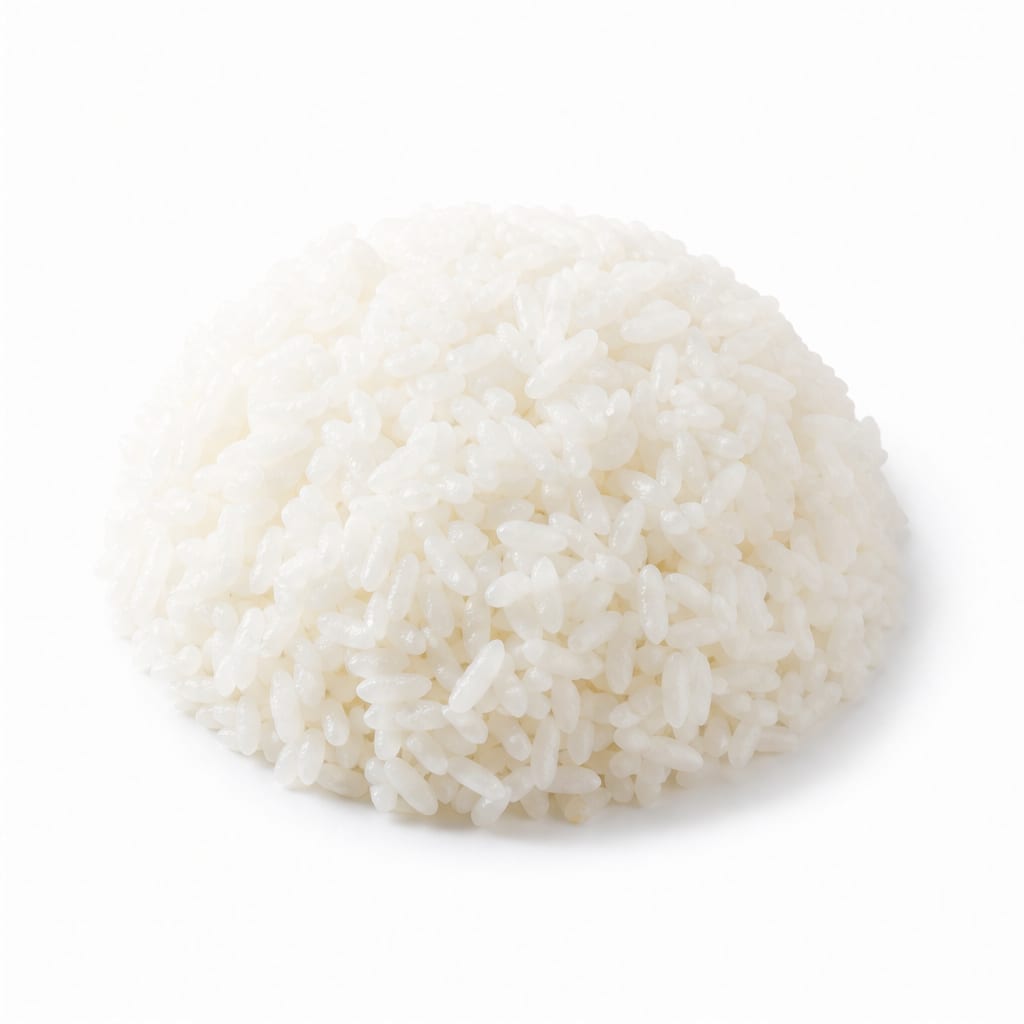
Compare with
White Rice
White rice digests faster and has a higher glycemic index, while brown rice offers more fiber and micronutrients but contains more arsenic.
Brown rice beats white rice for fiber and blood sugar control, but white rice is better for quick post-workout carb absorption and has lower arsenic.
This food
Brown Rice
VS85% alike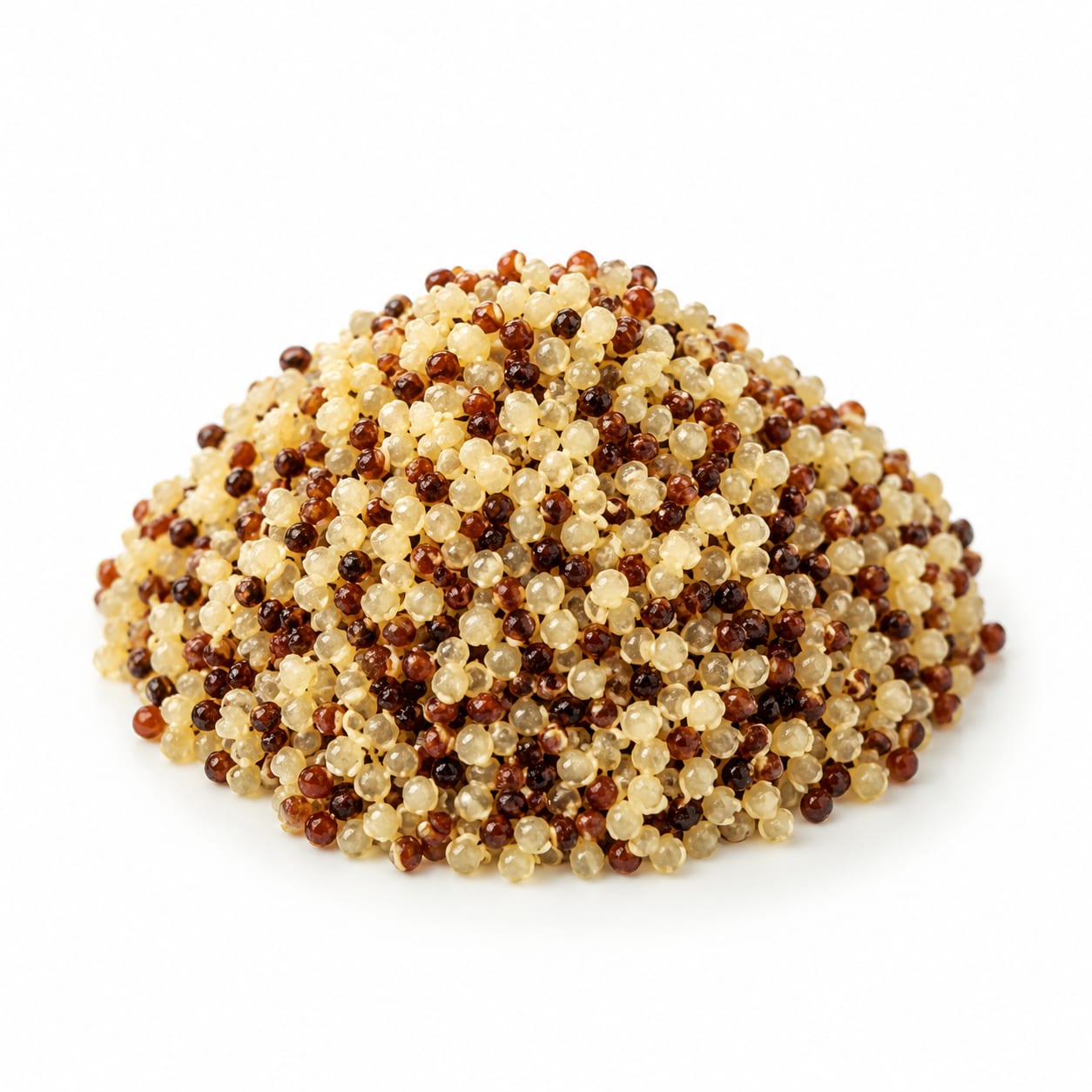
Compare with
Quinoa
Quinoa is a complete protein with higher fiber and lower arsenic, while brown rice is cheaper and has a milder flavor.
Quinoa provides more protein and fiber than brown rice, making it better for satiety and blood sugar, though brown rice is more affordable.
This food
Brown Rice
VS80% alike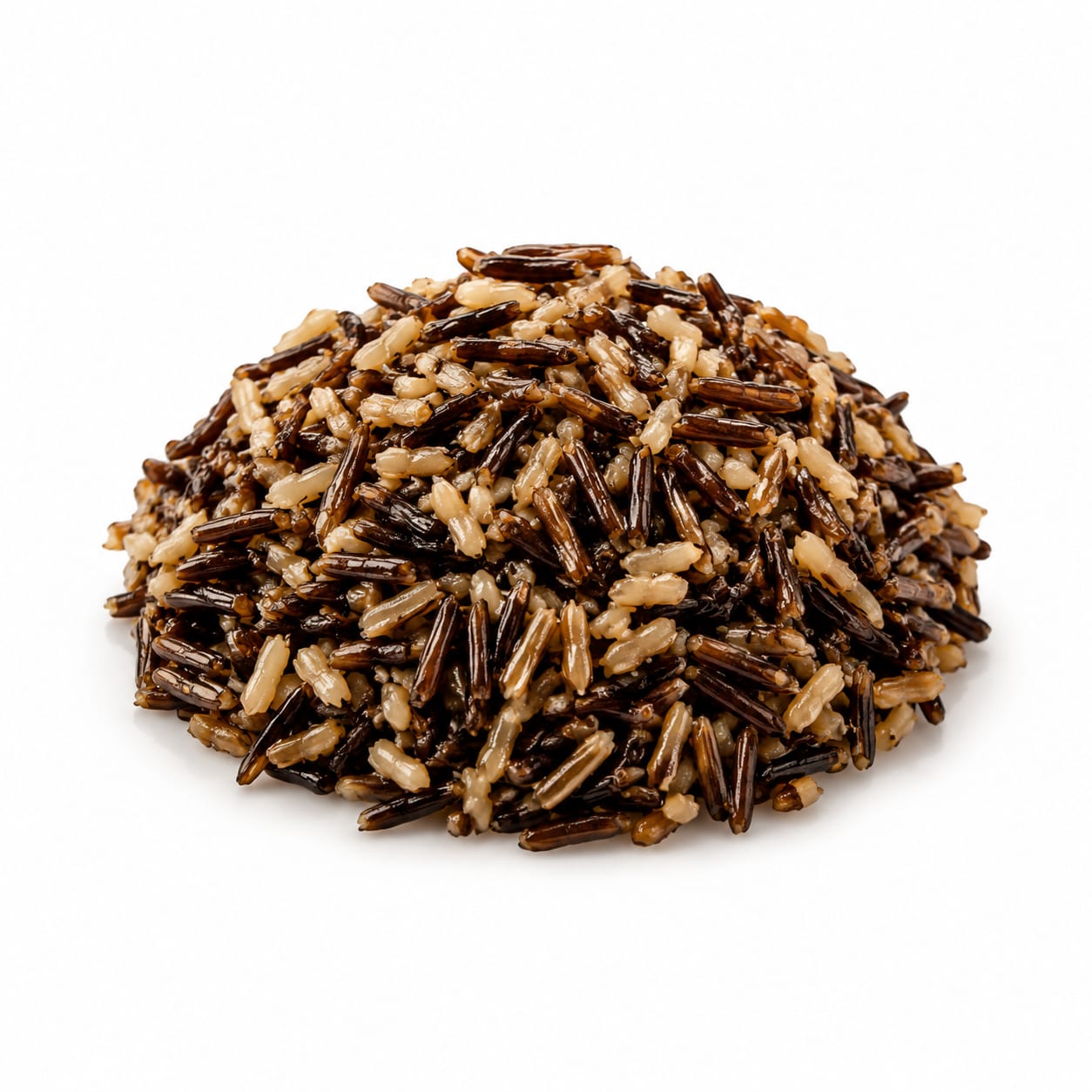
Compare with
Wild Rice
Wild rice is lower in calories and carbs, higher in protein, and has significantly less arsenic than brown rice.
Wild rice outperforms brown rice in protein and fiber while having far less arsenic, but it is more expensive and has a stronger flavor.
This food
Brown Rice
VS70% alike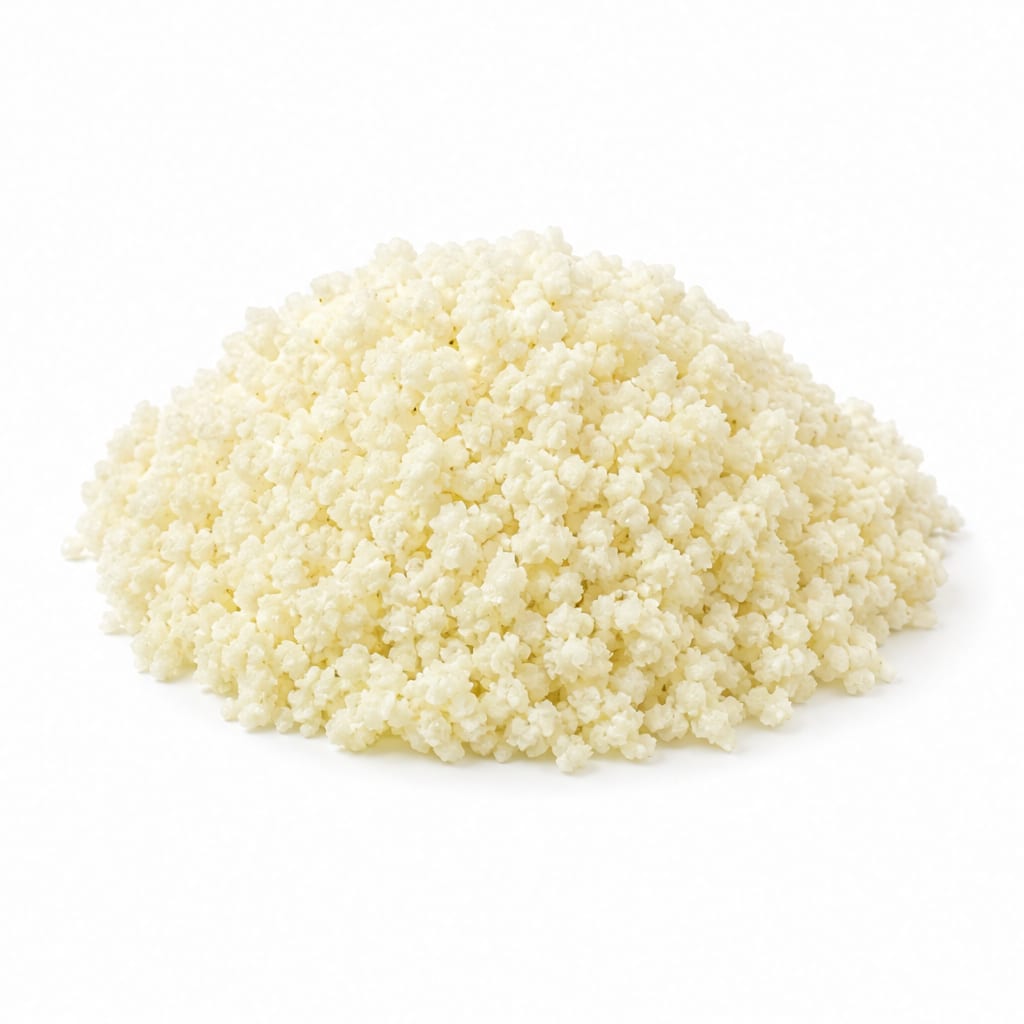
Compare with
Cauliflower Rice
Cauliflower rice is dramatically lower in calories and carbs, making it superior for weight loss, while brown rice provides actual energy for athletes.
Cauliflower rice is best for cutting calories and carbs, whereas brown rice is better for providing real workout energy and sustained satiety.
This food
Brown Rice
VS75% alike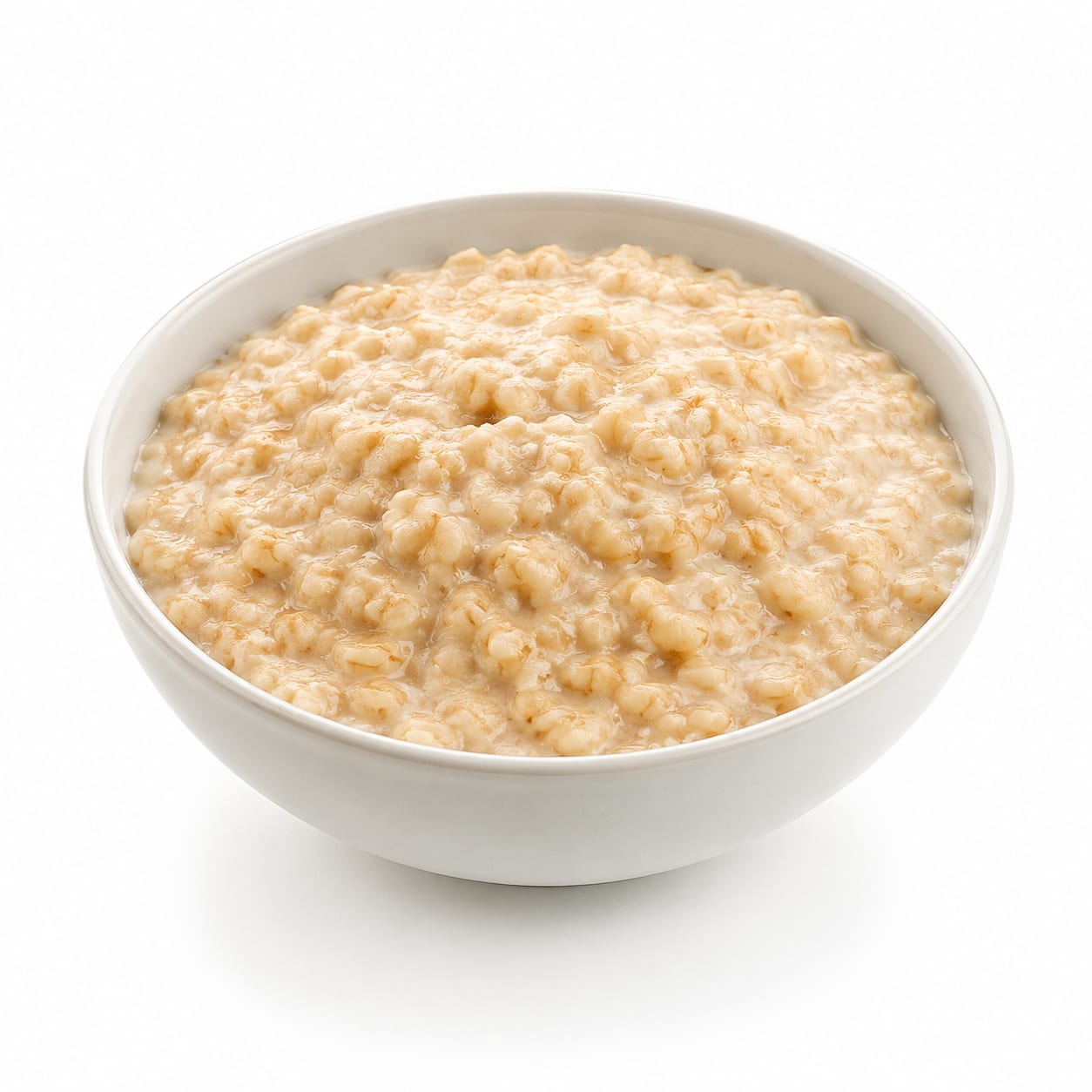
Compare with
Oats
Oats contain beta-glucan fiber for heart health and have a lower glycemic index, while brown rice is less processed and more versatile for savory meals.
Oats win for heart health and breakfast satiety, while brown rice is the preferred savory carb for lunch and dinner meal prep.
This food
Brown Rice
VS75% alike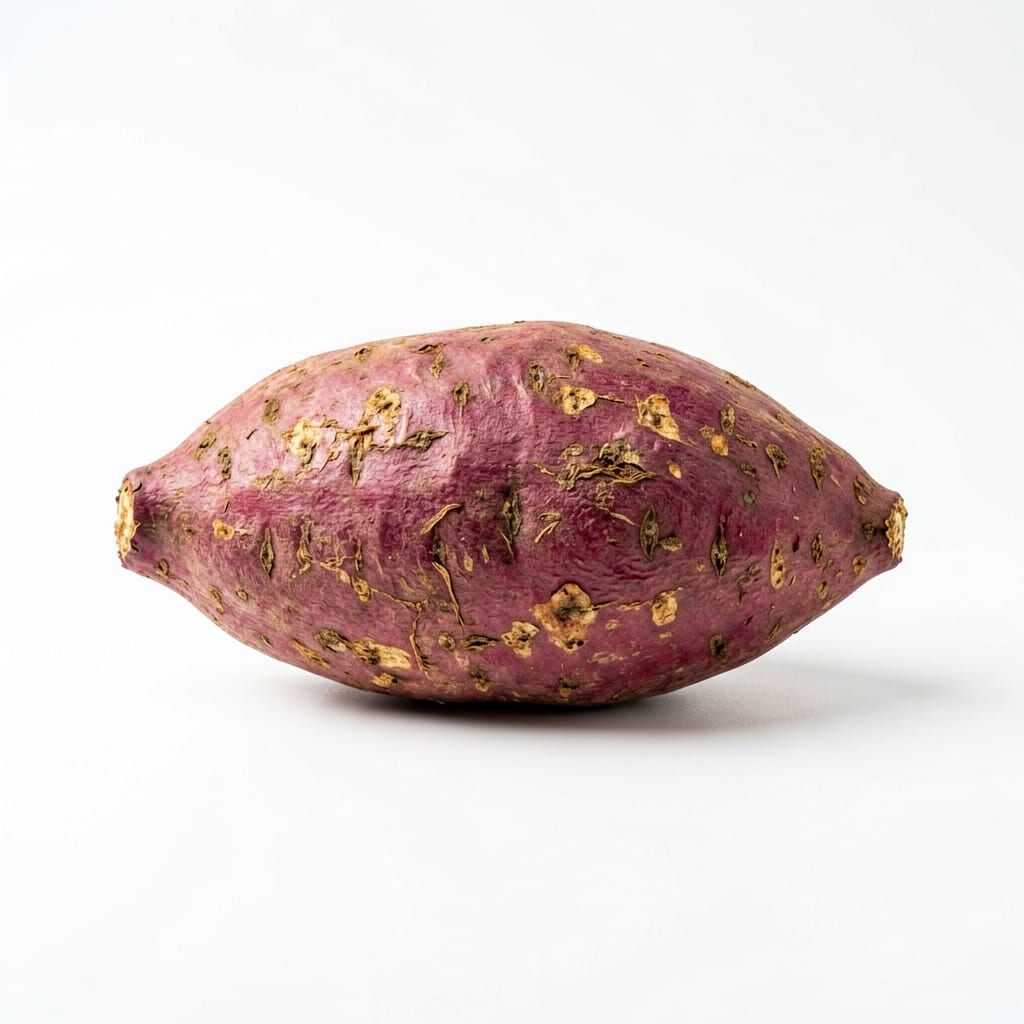
Compare with
Sweet Potato
Sweet potatoes offer more vitamins A and C with a lower arsenic risk, while brown rice provides a drier, fluffier texture for bowls.
Sweet potatoes provide more micronutrients and fiber than brown rice, but both are excellent complex carb sources for active individuals.
This food
Brown Rice
VS70% alike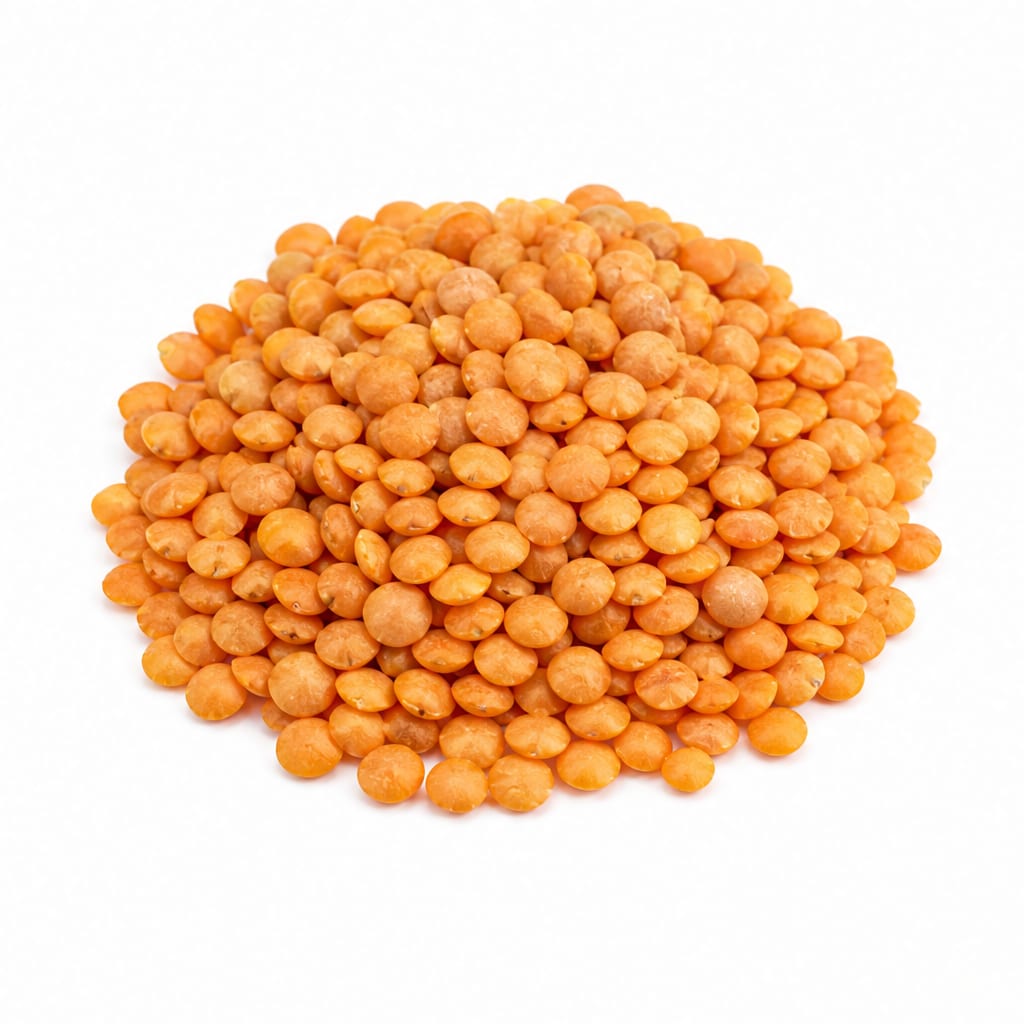
Compare with
Lentils
Lentils are much higher in protein and fiber, drastically improving satiety and blood sugar control compared to brown rice.
Lentils crush brown rice in protein and fiber content, making them far superior for blood sugar control and muscle-building diets.
This food
Brown Rice
VS75% alike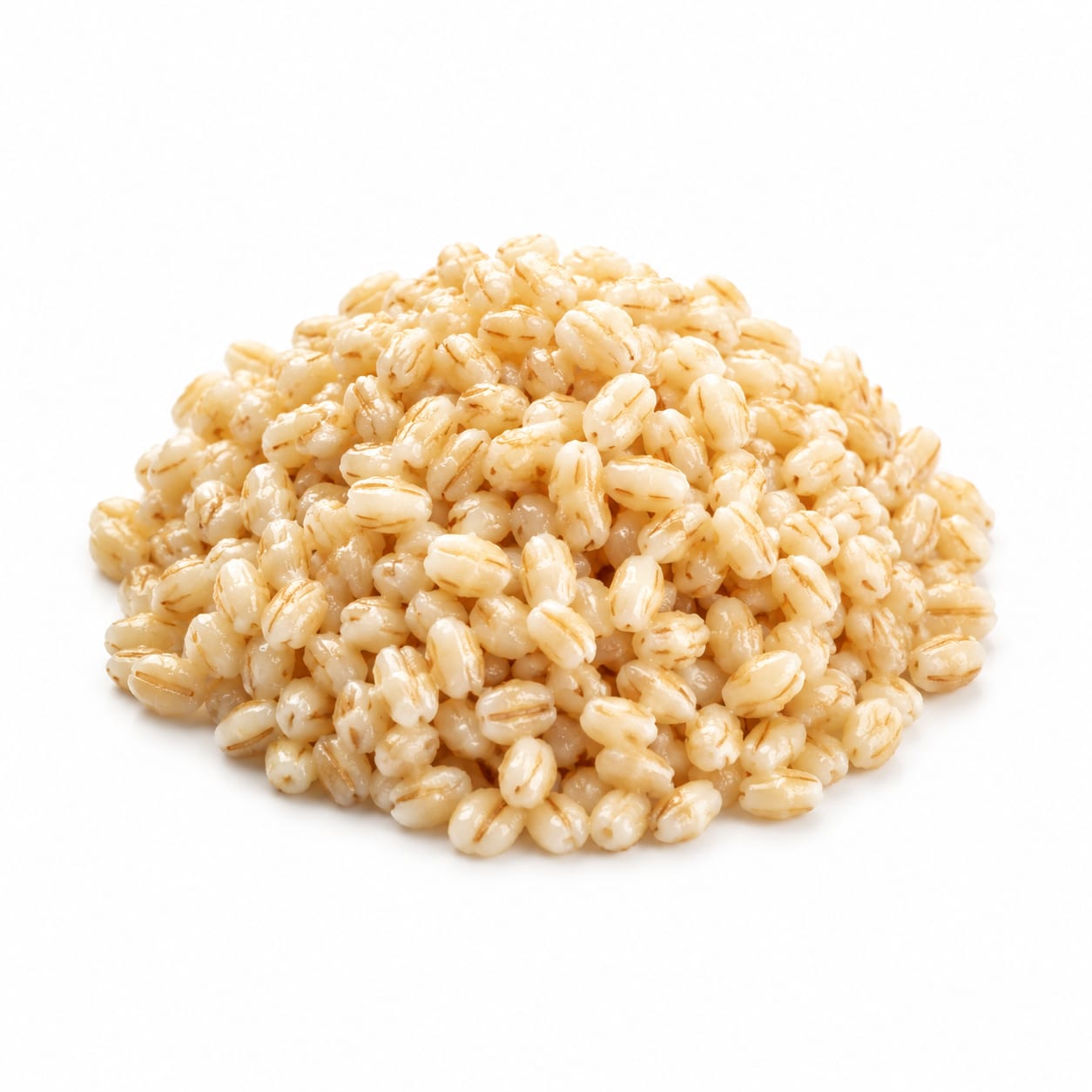
Compare with
Barley
Barley has superior beta-glucan content for cholesterol reduction and blood sugar control, while brown rice is gluten-free.
Barley is better for heart health and blood sugar, but brown rice is the necessary choice for anyone avoiding gluten.
This food
Brown Rice
VS70% alike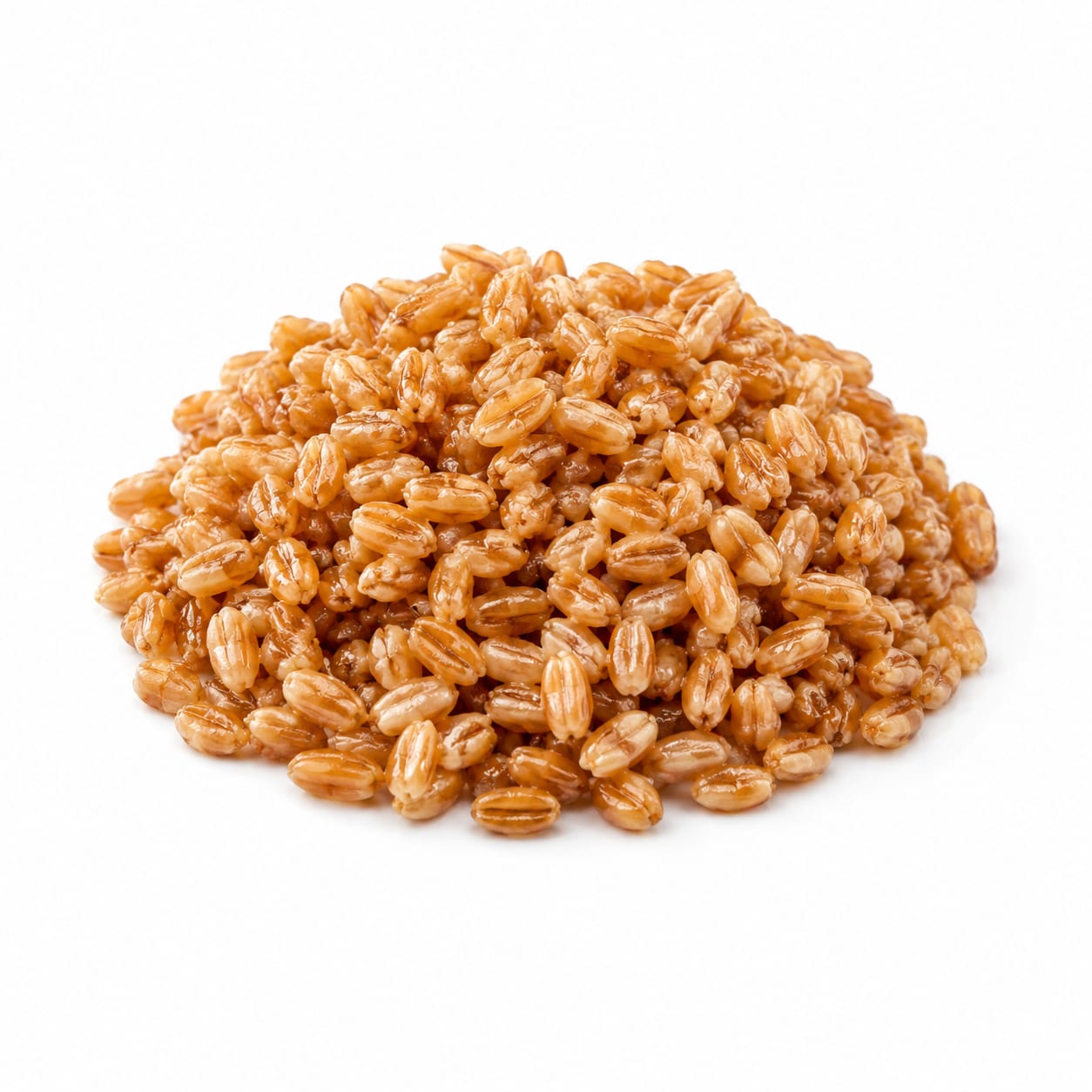
Compare with
Farro
Farro offers more protein and fiber than brown rice but contains gluten, whereas brown rice is gluten-free.
Farro provides more protein and a chewier texture than brown rice, but brown rice remains the go-to for gluten-free diets.
This food
Brown Rice
VS70% alike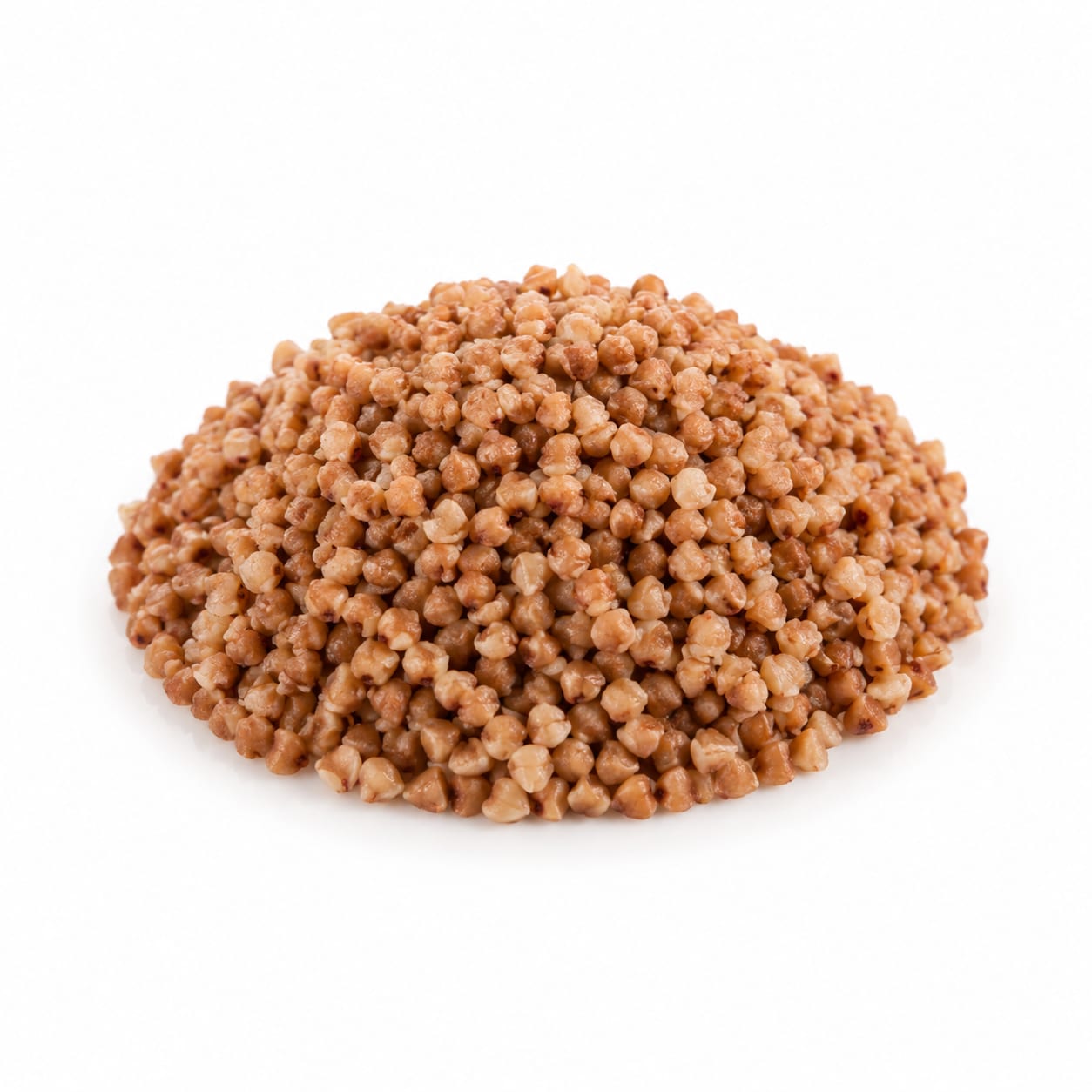
Compare with
Buckwheat
Buckwheat is a pseudocereal with more protein and a lower glycemic impact, while brown rice is more universally palatable.
Buckwheat beats brown rice for protein and blood sugar regulation, but brown rice is a more familiar, mild-flavored carb source.
Common questions
FAQ
Answers aligned with how people search for this food.
Is brown rice good for weight loss?
Yes, in moderation. Its fiber and moderate energy density help keep you full, but it is calorie-dense, so portion control is essential for weight loss.
Does brown rice have arsenic?
Yes, brown rice typically contains more inorganic arsenic than white rice because arsenic accumulates in the bran layer. Rinsing and cooking in excess water can reduce levels significantly.
Is brown rice better than white rice for diabetics?
Yes, slightly. Brown rice has more fiber and a lower glycemic index than white rice, leading to a slower rise in blood sugar, but both are high-carb foods requiring portion management.
Can you eat brown rice on a low carb diet?
No, brown rice is high in carbohydrates and is generally excluded from strict low-carb or ketogenic diets.
Does brown rice spike blood sugar?
It can spike blood sugar if eaten in large quantities. While its fiber slows digestion compared to white rice, it still contains 25g of digestible carbs per cooked 100g.
Is brown rice gluten-free?
Yes, pure brown rice is naturally gluten-free and safe for those with celiac disease or gluten sensitivity.
Why does brown rice take so long to cook?
The intact bran layer acts as a barrier to water, requiring longer cooking times (usually 40-50 minutes) compared to white rice, which has the bran removed.
Is brown rice a complete protein?
No, brown rice lacks sufficient amounts of the essential amino acid lysine. Combining it with beans or legumes creates a complete protein profile.
How much fiber is in a serving of brown rice?
A standard cooked serving (158g) contains about 2.5g of dietary fiber, which is roughly double the fiber found in the same serving of white rice.
Is brown rice good for bodybuilding?
Yes, it is a popular carbohydrate source for bodybuilders because it provides slow-releasing energy for workouts and helps replenish muscle glycogen.
Transparency
Data confidence
Estimated confidence for nutrition data, interpretation, safety notes, and comparisons.
Nutrition data
Health analysis
Food safety
Comparisons