
Nutrition comparison
Oats vs Brown Rice: Which Whole Grain Is Healthier for Daily Use?
Compare oats and brown rice on nutrition, satiety, blood sugar impact, heart health, and safety. Learn which grain is better for weight loss, diabetes, and everyday eating.
Overall winner · Oats
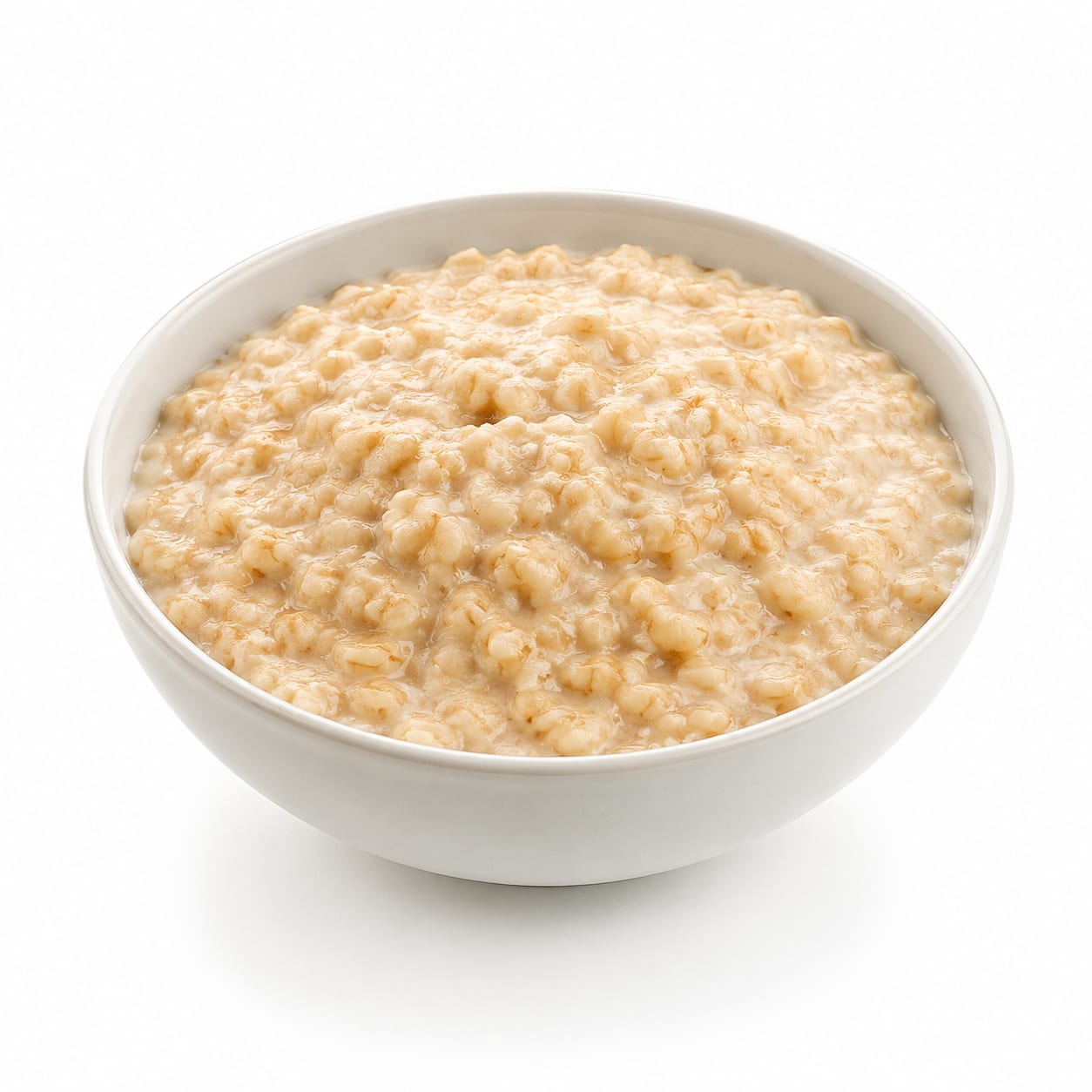
Oats
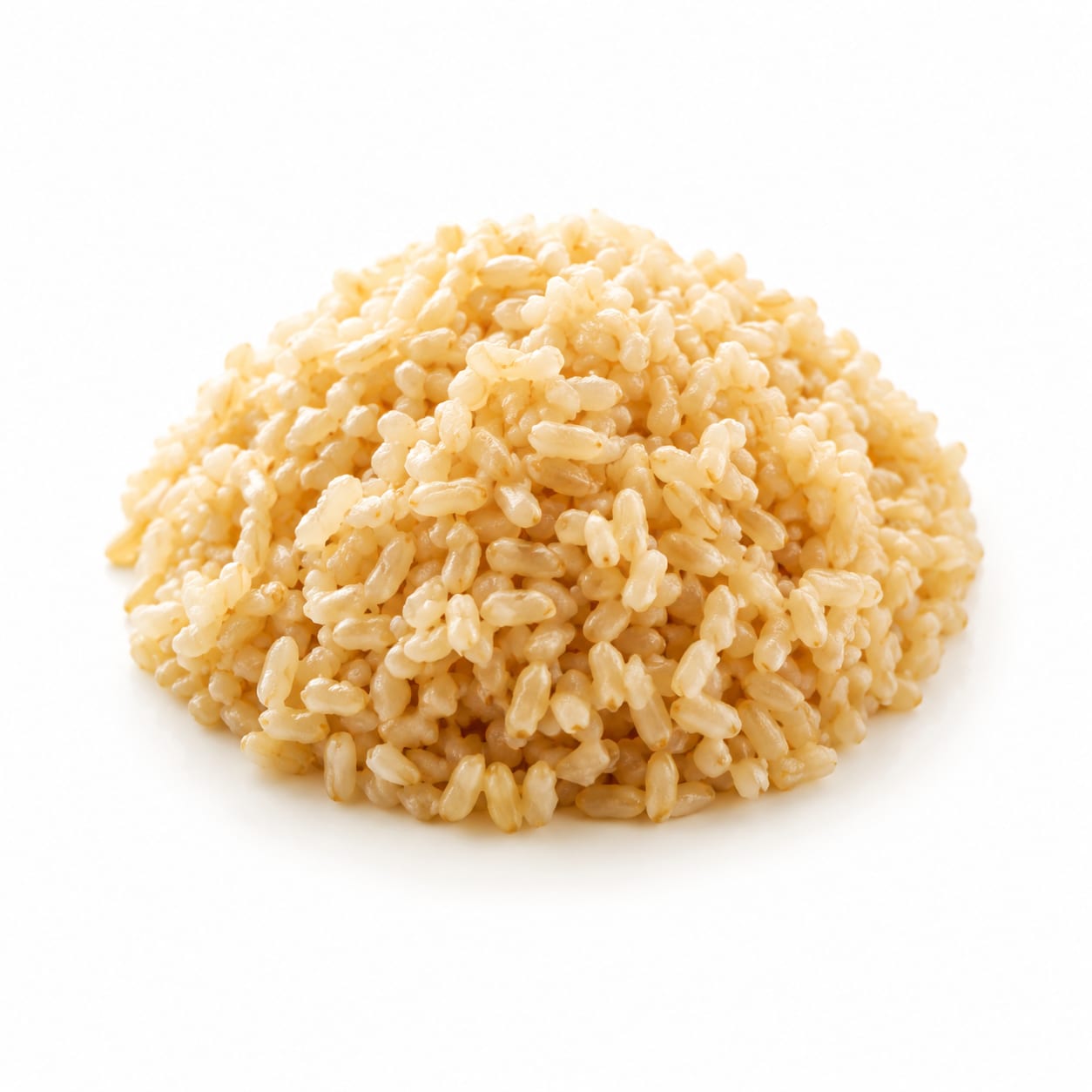
Brown Rice
Oats edge out brown rice thanks to superior protein, soluble fiber, and cholesterol-lowering beta-glucan, but brown rice wins for gluten-sensitive eaters and savory meal pairing.
Oats score notably higher due to their beta-glucan fiber, higher protein content, and stronger evidence for heart health benefits. Brown rice remains solid but carries arsenic concerns and offers less satiety per calorie.
Oats deliver more satiety and heart health benefits, while brown rice offers a lighter, gluten-free alternative that fits savory dishes better.
At a glance
Executive summary
Overall
Oats
Healthier
Oats
More practical
It depends
Daily use
Oats
Key comparison lenses
Which whole grain is better for daily health and energy?
Both are staple whole grains people choose between for everyday meals
Blood sugar control and diabetes-friendliness
Carb quality and glycemic impact differ significantly between these grains
Heart health and cholesterol management
Oats contain beta-glucan, a uniquely powerful cholesterol-lowering fiber
Weight loss satiety comparison
Fullness and cravings control matter greatly when choosing a carb staple
Safety and contamination concerns
Brown rice carries meaningful arsenic exposure risk that users should know about
Gluten sensitivity and digestive comfort
Oats contain gluten-like proteins while brown rice is naturally gluten-free
Best choice for
Oats
- People managing high cholesterol
- Anyone wanting steadier blood sugar throughout the morning
- Breakfast-focused eaters who want long-lasting fullness
- Athletes needing sustained pre-workout energy
- People prioritizing heart health long-term
Brown Rice
- People with celiac disease or gluten sensitivity
- Those who prefer savory meals over sweet breakfasts
- Anyone concerned about arsenic looking to rotate grain sources
- People wanting a lighter-feeling carb for evening meals
- Those following a gluten-free diet by necessity
Least suitable for
Oats
- People with celiac disease or serious gluten intolerance
- Anyone who dislikes breakfast-sweet flavor profiles
- Those seeking a light, fluffy side dish for dinner
Brown Rice
- People worried about arsenic exposure from daily grain consumption
- Those who need high satiety to control snacking
- Anyone managing high cholesterol who wants maximum fiber benefit
- People seeking a quick-cooking grain for busy mornings
Deep comparison
Dimension by dimension
Each lens scores both foods and breaks down who each option suits.
- Dimension 1 · Priority 95Oats
Satiety & Fullness
Oats · 88Brown Rice · 68Oats keep you full significantly longer thanks to beta-glucan soluble fiber that forms a gel in your stomach, slowing digestion and delaying hunger.
Tradeoff
Brown rice digests faster, which can feel lighter after meals but may leave you reaching for a snack sooner.
Why it matters
Better satiety means fewer cravings, less overeating, and easier portion control throughout the day.
Real-world impact
A bowl of oatmeal at 8am often carries people to noon comfortably. Brown rice at lunch may have you hungry again by 3pm.
Oats
- Controlling between-meal snacking
- Staying full through long work mornings
- Reducing overall daily calorie intake naturally
Better for
- People who feel uncomfortably full from heavy breakfasts
- Those preferring a light pre-workout meal
Worse for
Brown Rice
- Feeling light before evening activities
- Avoiding that overly stuffed sensation after lunch
- Smaller appetites who find oats too filling
Better for
- Anyone prone to afternoon energy crashes and cravings
- People who struggle with portion control at dinner
Worse for
- Dimension 2 · Priority 92Oats
Blood Sugar Stability
Oats · 84Brown Rice · 66Oats have a lower glycemic index and their soluble fiber slows glucose absorption, giving you steadier energy without sharp spikes and crashes.
Tradeoff
Brown rice has a moderate glycemic index that can spike blood sugar more than expected, especially in short-grain varieties.
Why it matters
Stable blood sugar means better focus, fewer energy dips, and lower long-term diabetes risk.
Real-world impact
After oats, you feel energized and even-keeled for hours. After brown rice, you might notice a subtle energy dip an hour later.
Oats
- Prediabetics aiming to stabilize glucose
- People who get sleepy after carb-heavy meals
- Anyone wanting sustained mental focus through the morning
Better for
- Those wanting rapid glycogen replenishment right after intense exercise
Worse for
Brown Rice
- Post-workout when faster carb absorption is actually helpful
- Endurance athletes mid-activity who need quicker energy
Better for
- Insulin-resistant individuals watching their glycemic load
- People prone to energy crashes after meals
Worse for
- Dimension 3 · Priority 90Oats
Heart Health & Cholesterol
Oats · 93Brown Rice · 62Oats are one of the few foods with an FDA-approved heart health claim because beta-glucan actively lowers LDL cholesterol. Brown rice offers general whole-grain benefits but no targeted cholesterol effect.
Tradeoff
You would need to eat brown rice daily for years to get the same heart benefit that oats deliver in months.
Why it matters
Heart disease remains the leading cause of death globally, and dietary cholesterol management is one of the most controllable risk factors.
Real-world impact
Eating 1.5 cups of cooked oats daily can lower LDL cholesterol by 5-10% within weeks. Brown rice simply cannot match this.
Oats
- People with elevated LDL cholesterol
- Anyone with family history of heart disease
- Those wanting a food that actively improves a health marker
Better for
- No meaningful downside for heart health
Worse for
Brown Rice
- General whole-grain consumption when cholesterol is already healthy
Better for
- People specifically targeting cholesterol reduction through diet
Worse for
- Dimension 4 · Priority 82Oats
Safety & Contamination
Oats · 85Brown Rice · 58Brown rice consistently shows higher arsenic levels than any other common grain because rice naturally absorbs arsenic from soil and water more efficiently. Oats have minimal contamination concerns.
Tradeoff
Occasional brown rice consumption is fine, but daily consumption may accumulate concerning arsenic levels over time.
Why it matters
Long-term arsenic exposure is linked to increased cancer risk and cardiovascular problems, making daily brown rice a genuine concern.
Real-world impact
If brown rice is your daily grain, you may be getting more arsenic than health agencies consider safe. Rotating grains significantly reduces this risk.
Oats
- Daily grain eaters concerned about cumulative toxin exposure
- Parents feeding young children who are more vulnerable to arsenic
- Pregnant women being cautious about contaminant exposure
Better for
- No significant safety downsides
Worse for
Brown Rice
- Occasional consumption when arsenic accumulation is not a concern
Better for
- Daily consumers unknowingly accumulating arsenic
- Children and pregnant women at higher risk from regular intake
Worse for
- Dimension 5 · Priority 78Oats
Protein & Nutrient Density
Oats · 80Brown Rice · 65Oats deliver roughly 50% more protein per serving than brown rice, plus significantly more iron, magnesium, and zinc. They are simply more nutrient-packed calorie for calorie.
Tradeoff
Brown rice provides slightly more manganese and selenium, but the overall nutrient advantage clearly favors oats.
Why it matters
When grains are your primary carb source, their protein and micronutrient contribution matters more than people think.
Real-world impact
A cup of cooked oats gives you about 6g of protein versus 5g in brown rice, and the gap widens with larger servings common in real meals.
Oats
- Vegetarians relying on grains for protein contribution
- Anyone eating limited animal protein who needs more from plant sources
- People wanting more minerals from their carb choices
Better for
- No real nutrient downside
Worse for
Brown Rice
- Those already hitting protein targets from other sources
- People who supplement minerals and do not rely on grains for micronutrients
Better for
- Vegetarians and vegans who need every gram of protein they can get
Worse for
- Dimension 6 · Priority 80Brown Rice
Digestive Tolerance & Gluten
Oats · 60Brown Rice · 88Brown rice is naturally gluten-free and well-tolerated by nearly everyone. Oats contain avenin, a protein similar to gluten that bothers some sensitive individuals, and cross-contamination with wheat is common.
Tradeoff
If you have celiac disease or gluten sensitivity, oats are risky unless certified gluten-free, while brown rice is inherently safe.
Why it matters
For the roughly 7% of people with gluten-related issues, this single factor can override every other nutritional consideration.
Real-world impact
Someone with celiac disease can eat brown rice freely but must carefully source certified gluten-free oats to avoid reactions.
Oats
- People without any gluten sensitivity who tolerate oats well
Better for
- Gluten-sensitive individuals who experience bloating or fatigue from oats
- Those with celiac who cannot verify gluten-free certification
Worse for
Brown Rice
- Celiac disease patients needing a safe grain
- Anyone with non-celiac gluten sensitivity
- People eliminating gluten for autoimmune conditions
Better for
- No digestive downsides for the general population
Worse for
- Dimension 7 · Priority 72It depends
Meal Versatility & Timing
Oats · 75Brown Rice · 78Oats dominate breakfast and baking but struggle in savory dinner contexts. Brown rice shines as a dinner side dish and in grain bowls but feels out of place at breakfast for most people.
Tradeoff
Neither grain is truly versatile across all meals. Your choice should match when you actually eat grains during the day.
Why it matters
The healthiest grain is the one you will actually eat consistently in ways you enjoy.
Real-world impact
Oats at breakfast feel natural and satisfying. Brown rice with grilled chicken and vegetables at dinner feels complete. Swapping them feels wrong to most people.
Oats
- Quick breakfasts that require minimal prep
- Baking into muffins, cookies, and energy bites
- Warm comforting morning meals
Better for
- Savory dinner side dishes where oat texture feels wrong
- Any meal where a fluffy grain is expected
Worse for
Brown Rice
- Hearty dinner side dishes
- Grain bowls with roasted vegetables and proteins
- Stir-fries and curry accompaniments
Better for
- Breakfast unless you enjoy savory morning meals
- Baking applications where rice texture does not work
Worse for
Timeline
Health impact over time
Short-term
Hours to days
Oats
- Noticeable fullness within 30 minutes that lasts 3-4 hours
- Steady energy without the carb crash common with lighter grains
- Possible mild bloating if you are not used to high soluble fiber intake
Brown Rice
- Comfortable fullness that fades within 2-3 hours
- Mild blood sugar rise that can cause slight fatigue in sensitive individuals
- Easy digestion with very low risk of bloating or discomfort
Long-term
Months to years
Oats
- Measurable LDL cholesterol reduction with daily consumption
- Improved gut health from consistent soluble fiber feeding beneficial bacteria
- Better long-term blood sugar regulation and reduced diabetes risk
Brown Rice
- General whole-grain cardiovascular benefits from consistent fiber intake
- Potential arsenic accumulation if consumed daily without rotation
- Steady mineral intake particularly manganese and selenium
Risk profile
Safety & processing
Both oats and brown rice are minimally processed whole grains when purchased in their basic forms. Steel-cut oats are the least processed oat option, while instant flavored oat packets add significant sugar and additives. Similarly, plain brown rice is clean but pre-seasoned rice mixes often contain excessive sodium and preservatives.
Oats
Gluten cross-contamination
mediumMost commercial oats are processed on shared equipment with wheat. Certified gluten-free oats eliminate this concern but cost more.
Pesticide residue
lowOats are not among the highest pesticide crops, but glyphosate is sometimes used as a pre-harvest desiccant. Choosing organic reduces this.
Brown Rice
Arsenic contamination
highBrown rice consistently contains more inorganic arsenic than any other common grain. Rice grown in certain regions like the southern US has higher levels. Rinsing and cooking with excess water reduces arsenic by up to 50%.
Pesticide residue
lowRice paddies can accumulate pesticides in water, but residue levels in the final grain are generally within safe limits.
Who wins for whom
Audience fit
Same foods, different winners depending on your goal.
children
OatsOats are easier for kids to eat, more nutrient-dense for growing bodies, and avoid the arsenic exposure concern that is more serious for children.
daily consumption
OatsLower contamination risk and stronger cumulative health benefits make oats the safer and more rewarding daily grain choice.
diabetes
OatsLower glycemic index and beta-glucan fiber slow glucose absorption meaningfully, giving oats a clear advantage for blood sugar management.
elderly
OatsHeart health benefits and easier digestibility when cooked as porridge make oats more appropriate for older adults managing cardiovascular risk.
muscle gain
OatsMore protein per serving and better sustained energy for training, though both should be paired with higher-protein foods for serious muscle building.
weight loss
OatsHigher protein and soluble fiber in oats create stronger satiety signals, making it easier to eat less throughout the day without feeling deprived.
Your move
Decision guide
Choose Oats
- You want to lower your cholesterol or protect heart health proactively
- You eat grains primarily at breakfast and want lasting morning energy
- You are trying to lose weight and need a grain that keeps you full
- You eat the same grain daily and want the safest long-term option
- You are feeding children and want to minimize contaminant exposure
Choose Brown Rice
- You have celiac disease or gluten sensitivity and need a safe grain
- You eat grains mainly at dinner alongside savory proteins and vegetables
- You find oats too heavy and prefer a lighter carb experience
- You already eat oats regularly and want to rotate grains for variety
- You are an athlete who needs faster-digesting carbs after training
Either works if
- You are generally healthy and just want a whole grain staple
- You rotate grains throughout the week anyway
- You pair grains with plenty of vegetables and protein so the grain itself matters less
Avoid both if
- You are on a strict low-carb or ketogenic diet
- You have severe grain allergies or sensitivities to both
- You are diabetic and need to minimize all carb sources entirely
Final recommendation
Make oats your default daily grain for the stronger health payoff, but rotate in brown rice a few times per week for variety and to enjoy savory meals. If you are gluten-sensitive, brown rice becomes your better staple, but try certified gluten-free oats occasionally for the heart health benefits. Either way, rinse brown rice thoroughly and cook it in extra water to reduce arsenic, and always choose plain unflavored versions of both grains.
Practical
Consumer tips
- 1
Choose steel-cut or rolled oats over instant oatmeal for better blood sugar control and satiety
- 2
Rinse brown rice thoroughly and cook in a 6:1 water-to-rice ratio, then drain, to reduce arsenic by up to half
- 3
Buy certified gluten-free oats if you have any gluten sensitivity, as regular oats are commonly cross-contaminated
- 4
Soak oats overnight for faster morning cooking and slightly improved nutrient absorption
- 5
Vary your grains throughout the week rather than eating only one, which reduces arsenic risk and broadens your nutrient intake
- 6
Avoid flavored instant oat packets that can contain 12g or more of added sugar per serving
- 7
Consider white rice occasionally if arsenic is a serious concern for you, as it contains significantly less than brown rice