
Nutrition comparison
Brown Rice vs Cauliflower Rice: Which is Healthier?
Brown Rice vs Cauliflower Rice comparison for weight loss, diabetes, and meal prep. Learn the nutritional tradeoffs, carb differences, and which is better for your diet.
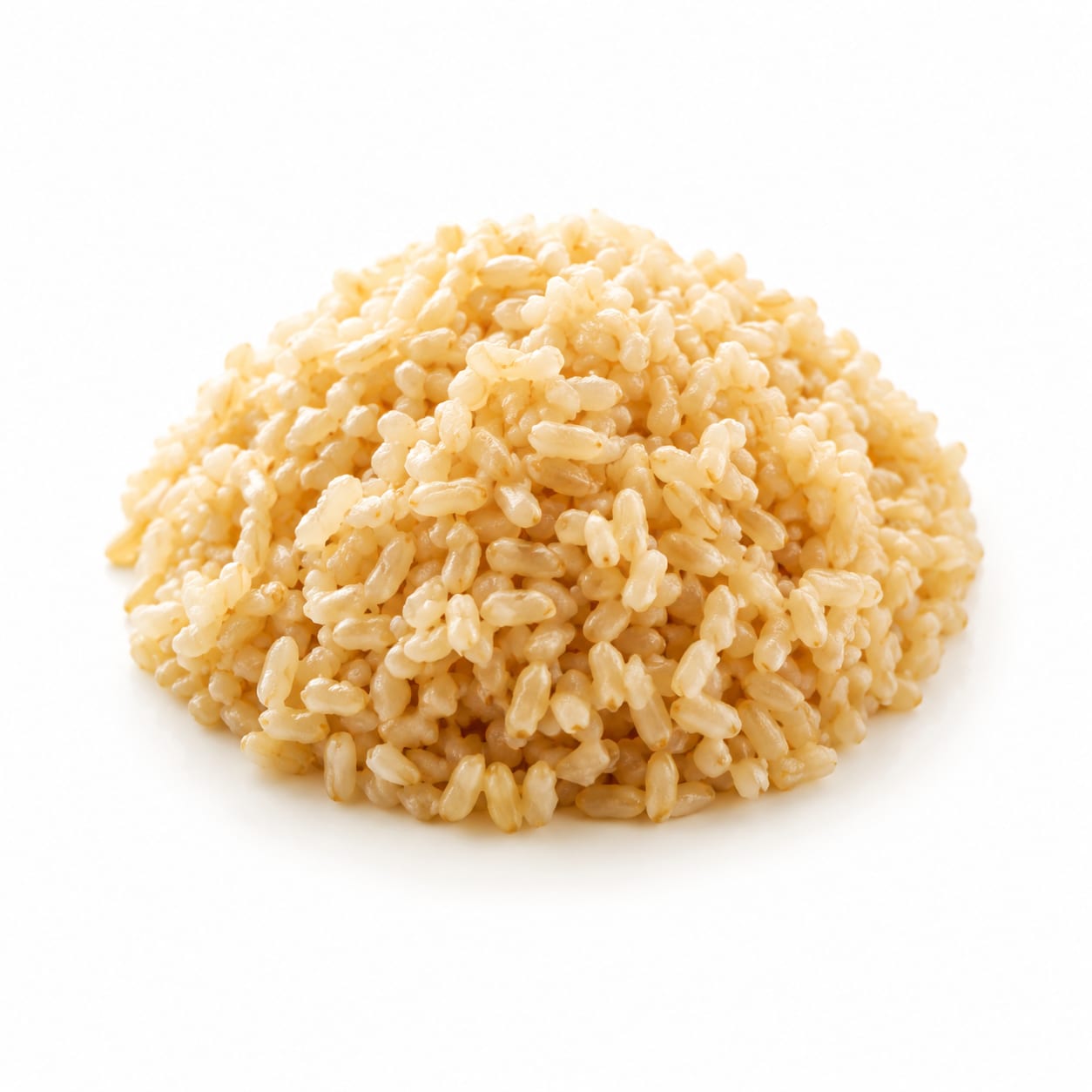
Brown Rice
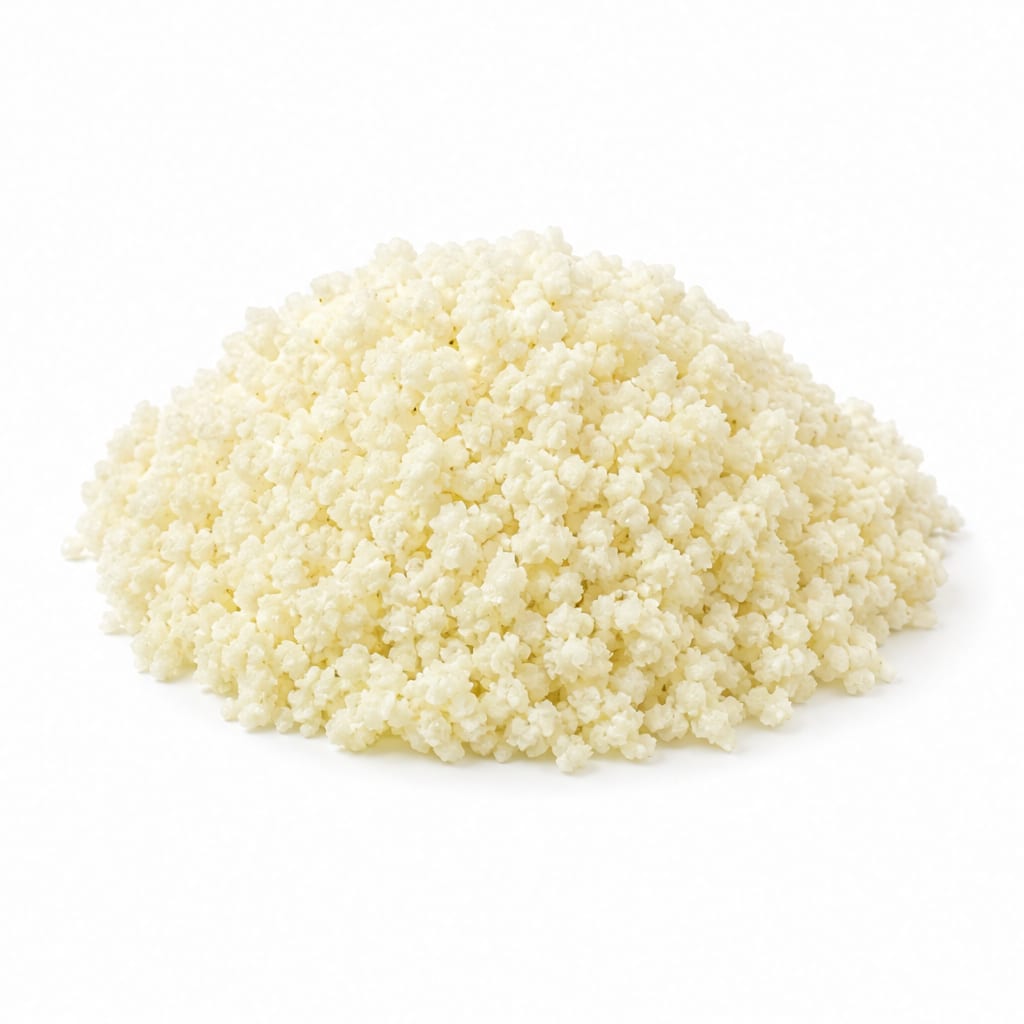
Cauliflower Rice
Brown Rice provides lasting energy and real fullness, while Cauliflower Rice slashes calories and carbs for weight loss but leaves you hungry sooner.
Brown Rice scores higher for naturalness and satiety, while Cauliflower Rice wins on calorie density and blood sugar control, making them nearly tied depending on your dietary goals.
Sustained energy and satiety from Brown Rice vs. minimal calories and carb avoidance from Cauliflower Rice.
At a glance
Executive summary
Overall
It depends
Healthier
It depends
More practical
Cauliflower Rice
Daily use
Brown Rice
Key comparison lenses
Low-carb and keto diet compatibility
Cauliflower Rice is primarily used as a direct low-carb substitute for Brown Rice, making carbohydrate content the most critical comparison point.
Weight loss and calorie reduction
Users comparing these two are often looking to reduce calorie density while maintaining meal volume.
Blood sugar management
The drastic difference in carbohydrates makes this comparison highly relevant for diabetics and those monitoring glycemic load.
Satiety and meal satisfaction
Swapping a dense grain for a water-heavy vegetable often impacts how full someone feels after eating.
Best choice for
Brown Rice
- Athletes needing sustained energy
- Growing teenagers needing dense calories
- People who get hungry easily between meals
- Whole-food purists
Cauliflower Rice
- Keto and strict low-carb dieters
- Diabetics managing blood sugar
- Volume eaters cutting calories
- Those wanting a light dinner before bed
Least suitable for
Brown Rice
- Strict low-carb dieters who cannot fit Brown Rice into their macros
- Sedentary individuals prone to carb crashes
- Those concerned about arsenic exposure
Cauliflower Rice
- Endurance athletes needing glycogen replenishment
- People struggling to keep weight on
- Those who find low-calorie meals trigger late-night snacking
Deep comparison
Dimension by dimension
Each lens scores both foods and breaks down who each option suits.
- Dimension 1 · Priority 95Cauliflower Rice
Blood Sugar & Carb Load
Brown Rice · 45Cauliflower Rice · 98Cauliflower Rice keeps blood sugar flat, while Brown Rice causes a moderate, steady rise.
Tradeoff
You avoid carb spikes with Cauliflower Rice, but miss out on the glycogen replenishment Brown Rice offers.
Why it matters
Stable blood sugar reduces cravings and supports metabolic health.
Real-world impact
Cauliflower Rice prevents the afternoon energy crash that can follow a carb-heavy lunch.
Brown Rice
- Post-workout recovery
- Endurance athletes needing carbs
Better for
- Sedentary evenings
- Strict keto diets
Worse for
Cauliflower Rice
- Diabetics managing blood sugar
- Keto dieters
- People prone to carb crashes
Better for
- Pre-workout fueling
- Long hikes where you need sustained energy
Worse for
- Dimension 2 · Priority 85Brown Rice
Satiety & Fullness
Brown Rice · 88Cauliflower Rice · 40Brown Rice is physically filling and digests slowly, whereas Cauliflower Rice digests quickly and may leave you hungry.
Tradeoff
Cauliflower Rice saves calories but might lead to snacking later if eaten alone.
Why it matters
Feeling full helps you naturally eat less throughout the day without tracking.
Real-world impact
A Brown Rice bowl keeps you full until dinner; a Cauliflower Rice bowl might have you reaching for a snack by 4 PM.
Brown Rice
- Long workdays without breaks
- Large active individuals needing volume
Better for
- Small appetites
- Those wanting a light meal
Worse for
Cauliflower Rice
- Light dinners before bed
- People who prefer grazing
Better for
- People who struggle with late-night cravings
- Those trying to reduce snacking
Worse for
- Dimension 3 · Priority 90Cauliflower Rice
Calorie Density & Weight Loss
Brown Rice · 40Cauliflower Rice · 95Cauliflower Rice has about 25 calories per cup compared to Brown Rice's 215 calories.
Tradeoff
You can eat a mountain of Cauliflower Rice for few calories, but you must add protein and fat to make it a complete meal.
Why it matters
Low calorie density allows you to eat larger portions without gaining weight.
Real-world impact
Swapping Brown Rice for Cauliflower Rice a few times a week can easily save you 500+ calories without shrinking your plate.
Brown Rice
- Bulking phases
- Growing teenagers
Better for
- Aggressive fat loss phases
Worse for
Cauliflower Rice
- Calorie deficit diets
- Volume eaters
Better for
- People struggling to keep weight on
Worse for
- Dimension 4 · Priority 70Brown Rice
Naturalness & Processing
Brown Rice · 92Cauliflower Rice · 55Brown Rice is a single-ingredient whole grain. Cauliflower Rice is often pre-packaged and pre-chopped.
Tradeoff
Brown Rice is less processed but takes 40 minutes to cook. Pre-packaged Cauliflower Rice is convenient but carries a higher risk of spoilage and microplastics from packaging.
Why it matters
Minimizing processing and packaging exposure supports long-term health and reduces contaminant risks.
Real-world impact
Making Cauliflower Rice from scratch fixes the processing issue but takes away the convenience factor that makes it appealing.
Brown Rice
- Whole-food purists
- Meal preppers who cook in batches
Better for
- Last-minute meal prep
Worse for
Cauliflower Rice
- Busy weeknight cooks
- People who hate doing dishes
Better for
- Those avoiding plastic packaging
- People sensitive to food spoilage
Worse for
Timeline
Health impact over time
Short-term
Hours to days
Brown Rice
- Provides steady, slow-burning energy
- Feels heavy and satisfying in the stomach
Cauliflower Rice
- Leaves you feeling light
- No post-meal food coma or carb crash
Long-term
Months to years
Brown Rice
- Whole grain fiber supports heart health and regular digestion
- Consistent arsenic exposure if consumed daily without variety
Cauliflower Rice
- Easier long-term weight maintenance due to low calorie intake
- Possible nutrient gaps if used to replace all whole grains without substituting fiber and minerals
Risk profile
Safety & processing
Brown Rice is a pure whole grain. Store-bought Cauliflower Rice is simply chopped vegetable but undergoes industrial washing and plastic packaging, slightly increasing processing and contamination concerns compared to a raw head of cauliflower.
Brown Rice
Inorganic Arsenic
mediumBrown Rice tends to accumulate more inorganic arsenic than white rice because arsenic concentrates in the bran. Rinsing and cooking in excess water reduces this.
Cauliflower Rice
Bacterial Contamination (Listeria/E. coli)
mediumPre-cut vegetables have more surface area exposed to pathogens and spoil faster than whole vegetables. Consume shortly after opening and cook thoroughly.
Who wins for whom
Audience fit
Same foods, different winners depending on your goal.
children
Brown RiceGrowing kids need the dense calories and carbohydrates in Brown Rice for proper development and sustained energy.
daily consumption
Brown RiceBrown Rice provides more consistent satiety and essential minerals, making it a more sustainable daily staple, provided arsenic exposure is managed through variety.
diabetes
Cauliflower RiceCauliflower Rice has virtually no carbs, preventing blood sugar spikes and reducing insulin demand.
elderly
Brown RiceOlder adults often struggle to get enough calories and nutrients; Brown Rice offers easily digestible energy and essential minerals.
muscle gain
Brown RiceBrown Rice provides the complex carbohydrates necessary to fuel intense training and replenish muscle glycogen.
weight loss
Cauliflower RiceCauliflower Rice allows for massive portion sizes with minimal calories, making it far easier to sustain a calorie deficit.
Your move
Decision guide
Choose Brown Rice
- You are highly active or an athlete
- You need meals that keep you full for hours
- You are cooking for children or teens
- You want a single-ingredient whole food
Choose Cauliflower Rice
- You are on a keto or strict low-carb diet
- You are trying to lose weight by cutting calories
- You have diabetes or insulin resistance
- You want a light dinner that won't disrupt sleep
Either works if
- You want to mix them half-and-half for balanced carbs and volume
- You are meal-prepping bowls for the week
Avoid both if
- You have severe IBS and struggle with high-fiber foods
- You are on a strict low-fiber diet for a medical procedure
Final recommendation
For the best of both worlds, mix half Brown Rice with half Cauliflower Rice. You get the satisfying chew and energy of the whole grain, plus the volume and low-calorie benefits of the veggie—without the extreme carb spike or the quick return of hunger.
Practical
Consumer tips
- 1
Rinse Brown Rice thoroughly and cook it in excess water (like pasta) to reduce arsenic levels by up to 50%.
- 2
Make your own Cauliflower Rice by pulsing florets in a food processor to avoid the plastic packaging and spoilage risks of store-bought versions.
- 3
Sauté Cauliflower Rice in a little olive oil and garlic instead of steaming it to avoid a soggy, watery texture.
- 4
Cook a large batch of Brown Rice on Sunday and freeze portions in silicone bags for instant, healthy carbs on busy weeknights.