
Nutrition comparison
Barley vs Brown Rice: Which Whole Grain Is Healthier?
Barley beats brown rice on fiber, blood sugar control, and cholesterol — but brown rice wins for gluten-free diets. Full comparison with nutrition tradeoffs and practical advice.
Overall winner · Barley
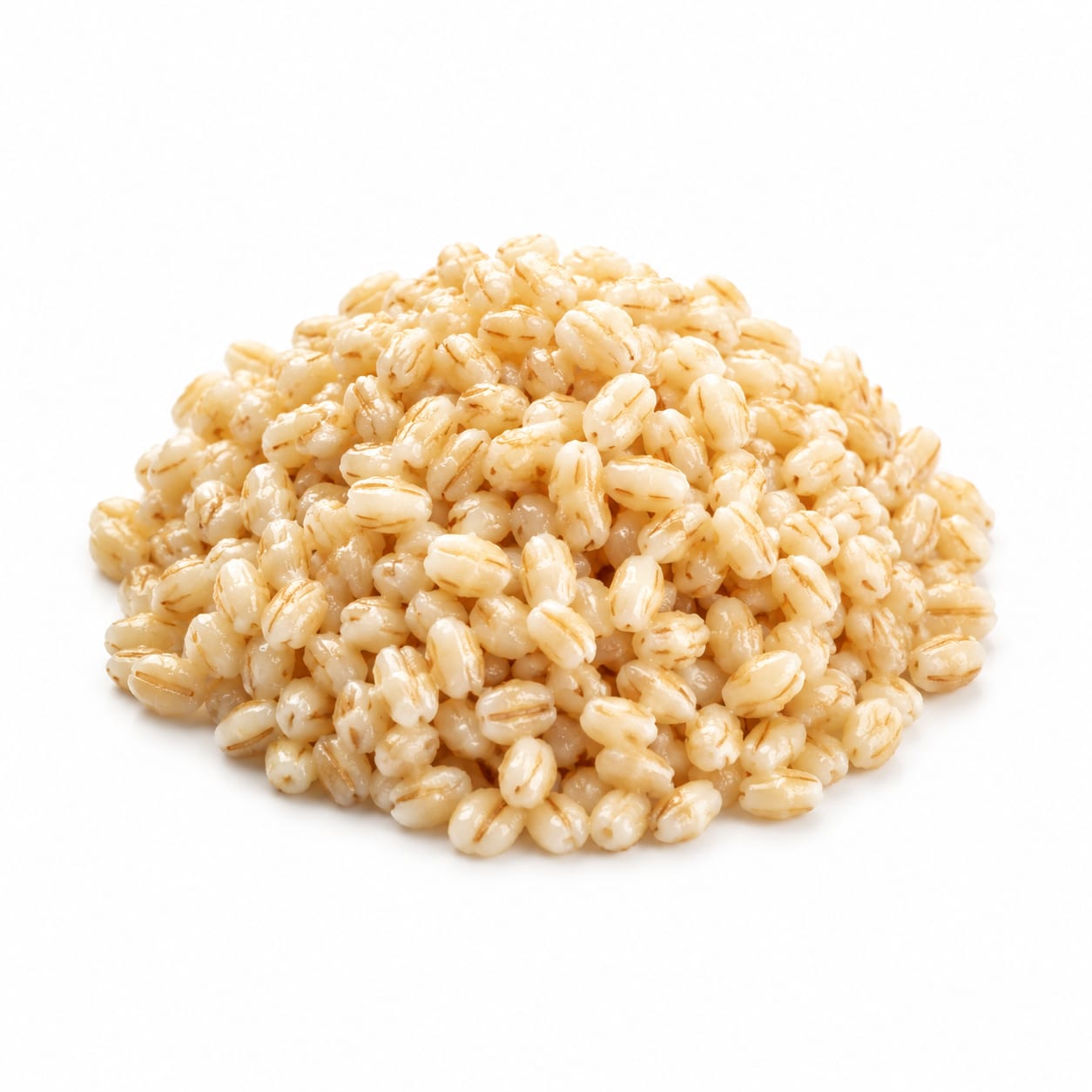
Barley
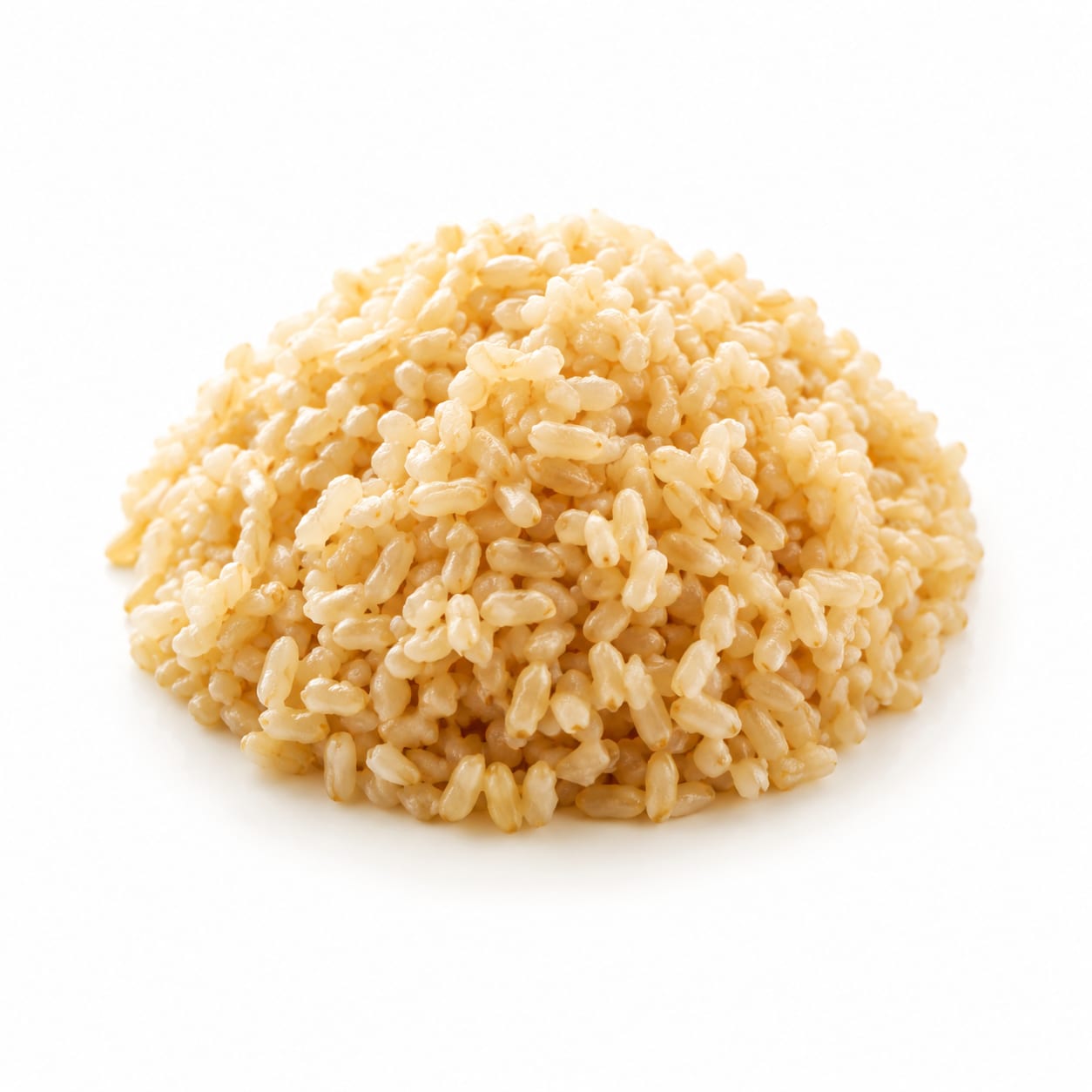
Brown Rice
Barley outperforms brown rice on fiber, blood sugar control, heart health, and arsenic safety — but brown rice wins for gluten-free needs and everyday familiarity.
Barley scores notably higher due to its beta-glucan fiber, lower glycemic impact, cholesterol-lowering ability, and lower arsenic risk. Brown rice remains solid but nutritionally less impressive. The gap narrows significantly for gluten-sensitive individuals.
Barley delivers superior nutrition and metabolic benefits but contains gluten and feels less intuitive in most kitchens. Brown rice is safer for celiacs and easier to adopt, but nutritionally weaker.
At a glance
Executive summary
Overall
Barley
Healthier
Barley
More practical
Brown Rice
Daily use
It depends
Key comparison lenses
blood sugar management
Barley's beta-glucan content dramatically lowers glycemic response compared to brown rice, making this the most consequential difference for daily health
heart health and cholesterol
Barley is one of the richest grain sources of beta-glucan, clinically proven to reduce LDL cholesterol — brown rice cannot match this
gluten sensitivity and celiac safety
Barley contains gluten, making brown rice the only safe option for a significant portion of the population
arsenic exposure
Brown rice accumulates notably more inorganic arsenic than barley, a real concern for frequent consumers
everyday meal versatility
Brown rice is more culturally familiar and easier to pair with diverse dishes, affecting long-term adherence
Best choice for
Barley
- People managing type 2 diabetes or prediabetes
- Anyone trying to lower cholesterol naturally
- Those seeking better satiety and fewer cravings between meals
- People concerned about arsenic in rice-heavy diets
Brown Rice
- Anyone with celiac disease or gluten sensitivity
- Households wanting a familiar grain that pairs with anything
- People new to whole grains who need an easy starting point
- Athletes needing quick carb replenishment post-workout
Least suitable for
Barley
- Anyone with celiac disease or non-celiac gluten sensitivity
- People unfamiliar with cooking grains beyond rice and pasta
- Those wanting a neutral-tasting base for delicate sauces
Brown Rice
- People eating rice multiple times daily who should diversify arsenic exposure
- Those needing strong blood sugar control from their carb source
- Anyone looking to maximize fiber intake without supplements
Deep comparison
Dimension by dimension
Each lens scores both foods and breaks down who each option suits.
- Dimension 1 · Priority 95Barley
fiber and satiety
Barley · 92Brown Rice · 48Barley delivers roughly 3-4 times more fiber than brown rice, with much of it being beta-glucan — a soluble fiber that forms a gel in your gut and keeps you full for hours.
Tradeoff
That same fiber density makes barley heavier and more filling, which is great for appetite control but may feel too heavy before intense exercise.
Why it matters
Higher fiber means steadier energy, fewer cravings, and better digestive health. Most people fall far short of daily fiber targets, and barley closes that gap dramatically faster.
Real-world impact
A barley bowl at lunch keeps you satisfied until dinner. Brown rice at lunch often leaves you hunting for a snack by 3pm.
Barley
- Weight management through natural appetite suppression
- Digestive regularity and gut health
- Sustained energy without afternoon crashes
Better for
- Those with sensitive digestion unaccustomed to high fiber
Worse for
Brown Rice
- Pre-workout meals where lighter digestion is preferred
- People transitioning from white rice who need a gentler fiber increase
Better for
- Anyone relying on a single grain to meet fiber needs
Worse for
- Dimension 2 · Priority 93Barley
blood sugar stability
Barley · 88Brown Rice · 55Barley's beta-glucan slows glucose absorption significantly, giving it a glycemic index roughly half that of brown rice.
Tradeoff
Barley's slower carb release is ideal for most people but less helpful when you need rapid refueling after intense exercise.
Why it matters
Blood sugar spikes drive fatigue, cravings, and long-term metabolic damage. This is where barley's advantage is most clinically meaningful.
Real-world impact
After a barley-based meal, your blood sugar rises gently and stays stable. After brown rice, you may notice a quicker rise and subtle energy dip within 90 minutes.
Barley
- Prediabetes and type 2 diabetes management
- PCOS and insulin resistance
- Anyone wanting to avoid energy roller coasters
Better for
- Situations requiring fast carbohydrate availability
Worse for
Brown Rice
- Post-endurance workout recovery when glycogen replenishment is urgent
- Underweight individuals needing easier calorie intake
Better for
- Sedentary individuals with poor glucose tolerance
Worse for
- Dimension 3 · Priority 90Barley
heart health
Barley · 90Brown Rice · 55Barley's beta-glucan is clinically validated to reduce LDL cholesterol by 5-10% with regular intake. Brown rice offers general whole-grain benefits but no comparable cholesterol-lowering effect.
Tradeoff
You need consistent barley intake (roughly 3g beta-glucan daily) to see cholesterol benefits — occasional use won't move the needle.
Why it matters
Heart disease remains the leading cause of death globally. A grain that actively lowers cholesterol is a rare dietary tool.
Real-world impact
Eating barley 4-5 times per week can meaningfully improve cholesterol panels over several months, often enough to delay or reduce medication needs.
Barley
- Elevated LDL cholesterol
- Family history of heart disease
- Metabolic syndrome
Better for
- Those unwilling to eat it consistently enough for cholesterol benefits
Worse for
Brown Rice
- General whole-grain inclusion when cholesterol is already healthy
Better for
- People specifically targeting cholesterol reduction through diet
Worse for
- Dimension 4 · Priority 88Brown Rice
gluten and allergen safety
Barley · 15Brown Rice · 95Barley contains gluten and is completely off-limits for celiacs. Brown rice is naturally gluten-free and one of the safest grains for sensitive individuals.
Tradeoff
This is non-negotiable: if you have celiac disease or gluten sensitivity, barley is simply not an option regardless of its other benefits.
Why it matters
Roughly 1% of the population has celiac disease and many more have non-celiac gluten sensitivity. For them, this single factor overrides all other nutritional considerations.
Real-world impact
A person with celiac disease who eats barley faces intestinal damage, nutrient malabsorption, and days of discomfort. Brown rice causes zero issues.
Barley
- No advantage in this dimension
Better for
- Anyone who must avoid gluten for medical reasons
Worse for
Brown Rice
- Celiac disease
- Non-celiac gluten sensitivity
- Wheat-free and gluten-free diets
- Households with mixed allergen needs
Better for
- No disadvantage in this dimension
Worse for
- Dimension 5 · Priority 82Barley
arsenic and contamination risk
Barley · 80Brown Rice · 45Rice accumulates significantly more inorganic arsenic than virtually any other grain, including barley. This is especially concerning for frequent consumers and children.
Tradeoff
Arsenic risk in brown rice is manageable through moderation and rinsing, but it remains a real long-term concern that barley largely avoids.
Why it matters
Chronic low-level arsenic exposure is linked to cancer, cardiovascular disease, and developmental issues. This is an invisible risk that accumulates over years.
Real-world impact
If rice is your daily grain, you are accumulating more arsenic than someone rotating in barley, quinoa, or oats. Diversifying grains is a simple risk-reduction strategy.
Barley
- Families wanting to reduce cumulative arsenic exposure
- Parents feeding young children regularly
- People who currently eat rice daily and need alternatives
Better for
- No significant disadvantage in this dimension
Worse for
Brown Rice
- No advantage in this dimension
Better for
- Daily rice consumers accumulating arsenic over years
- Children and pregnant women more vulnerable to arsenic effects
Worse for
- Dimension 6 · Priority 72Brown Rice
cooking convenience and versatility
Barley · 50Brown Rice · 78Brown rice is universally understood, pairs with nearly any cuisine, and most people already know how to cook it. Barley is less familiar and its chewy texture surprises some people.
Tradeoff
Barley takes slightly longer to cook and its texture is less neutral, but it absorbs flavors beautifully in soups and grain bowls once you learn to use it.
Why it matters
The healthiest grain only helps if you actually eat it. Familiarity and ease of use drive long-term consistency more than nutritional perfection.
Real-world impact
Brown rice slides easily into stir-fries, curries, and meal prep. Barley requires more intention — it shines in soups, stews, and Mediterranean bowls but feels out of place in Asian dishes.
Barley
- Hearty soups and stews where texture is an asset
- Mediterranean and Middle Eastern grain bowls
- Risotto-style dishes where creaminess is welcome
Better for
- People intimidated by cooking unfamiliar grains
- Dishes where a neutral, fluffy grain is expected
Worse for
Brown Rice
- Stir-fries and Asian-inspired meals
- Meal prep where universal pairing matters
- Households where everyone expects rice as the default grain
Better for
- Culinary contexts where more flavor and texture depth would elevate the dish
Worse for
Timeline
Health impact over time
Short-term
Hours to days
Barley
- Noticeably longer fullness after meals due to high soluble fiber
- More gradual energy release without sugar spikes and crashes
- Possible mild bloating or gas if your gut is unaccustomed to high fiber intake
Brown Rice
- Moderate satiety that may not last as long between meals
- Slightly faster energy availability compared to barley
- Easier digestion for those with sensitive stomachs or low-fiber diets
Long-term
Months to years
Barley
- Clinically meaningful LDL cholesterol reduction with regular intake
- Better long-term blood sugar control and reduced diabetes risk
- Improved gut microbiome diversity from consistent high-fiber intake
- Lower cumulative arsenic exposure compared to a rice-heavy diet
Brown Rice
- General whole-grain benefits over refined grains
- Moderate fiber contribution to digestive health
- Ongoing low-level arsenic accumulation if consumed very frequently
- Safe long-term option for those requiring gluten-free diets
Risk profile
Safety & processing
Both barley and brown rice are whole, minimally processed grains with no artificial additives. Hulled barley is the least processed form; pearled barley has some bran removed. Brown rice retains its bran and germ. Neither raises ultra-processing concerns.
Barley
Gluten contamination
highBarley contains gluten and is unsafe for anyone with celiac disease. Even trace cross-contamination in shared facilities can trigger reactions in highly sensitive individuals.
Mycotoxin exposure
lowLike all stored grains, barley can develop mycotoxins if improperly stored, but this is rare in commercially available products from reputable sources.
Brown Rice
Inorganic arsenic accumulation
mediumRice absorbs arsenic from soil and water more efficiently than other grains. Brown rice retains more arsenic in its bran layer. Regular daily consumption over years raises cumulative exposure, particularly concerning for children and pregnant women.
Cross-contamination with gluten
lowBrown rice is naturally gluten-free but may be processed in facilities that handle wheat, creating cross-contamination risk for highly sensitive celiacs.
Who wins for whom
Audience fit
Same foods, different winners depending on your goal.
children
It dependsBarley wins on nutrition and lower arsenic risk, but brown rice is safer for gluten-sensitive children and more likely to be accepted by picky eaters due to familiar texture.
daily consumption
It dependsBarley is nutritionally superior for daily use, but only if you tolerate gluten. For gluten-sensitive individuals, brown rice is the safer daily staple.
diabetes
BarleyBarley's beta-glucan dramatically slows glucose absorption, producing significantly lower and more stable blood sugar responses than brown rice.
elderly
BarleyOlder adults benefit most from barley's cholesterol-lowering fiber and blood sugar stability, provided they have no gluten sensitivity.
muscle gain
Brown RiceBrown rice provides faster-digesting carbs that are more useful around workouts, and its lighter texture is easier to eat in larger quantities when calorie surplus is the goal.
weight loss
BarleyBarley's exceptional fiber content keeps you fuller for longer, naturally reducing overall calorie intake without conscious restriction.
Your move
Decision guide
Choose Barley
- You want the most metabolically protective grain for your daily diet
- Blood sugar control or cholesterol reduction is a health priority
- You eat rice frequently and want to diversify away from arsenic exposure
- You enjoy hearty, chewy textures and cook soups or grain bowls often
Choose Brown Rice
- You have celiac disease, gluten sensitivity, or cook for someone who does
- You want a familiar grain that works with any cuisine without thinking
- You need faster-digesting carbs around workouts
- You are introducing whole grains to a household resistant to change
Either works if
- You are simply trying to eat more whole grains and both sound appealing
- You want to rotate grains for nutritional diversity and arsenic risk reduction
- Neither grain is a daily staple for you, so differences matter less
Avoid both if
- You have severe grain allergies or sensitivities to both
- You are on a very low-carb or ketogenic diet
- You struggle with portion control and find any grain triggers overeating
Final recommendation
If gluten is not a concern, barley is the stronger nutritional choice by a meaningful margin — especially for blood sugar, cholesterol, and satiety. If you need gluten-free, brown rice is a perfectly solid whole grain. The ideal strategy for most people is rotating both: barley for its metabolic benefits, brown rice for its versatility and allergen safety.
Practical
Consumer tips
- 1
Choose hulled barley over pearled barley when possible — it retains more bran and fiber, though it takes longer to cook
- 2
Soak barley overnight to reduce cooking time and improve digestibility
- 3
Rinse brown rice thoroughly and cook with extra water (6:1 ratio), draining excess, to reduce arsenic by up to 50%
- 4
Rotate your grains weekly: barley, brown rice, quinoa, and oats each offer different nutritional profiles
- 5
If transitioning from white rice, start with brown rice before jumping to barley — the texture shift is gentler
- 6
Barley makes an excellent risotto substitute and absorbs broth flavors even better than arborio rice
- 7
Freeze cooked barley and brown rice in portions for quick meal prep — both reheat well