
Nutrition comparison
Brown Rice vs Farro: Which Whole Grain Is Healthier?
Compare brown rice and farro nutrition, fiber, protein, and safety. Find out which grain is better for weight loss, blood sugar, and daily meals.
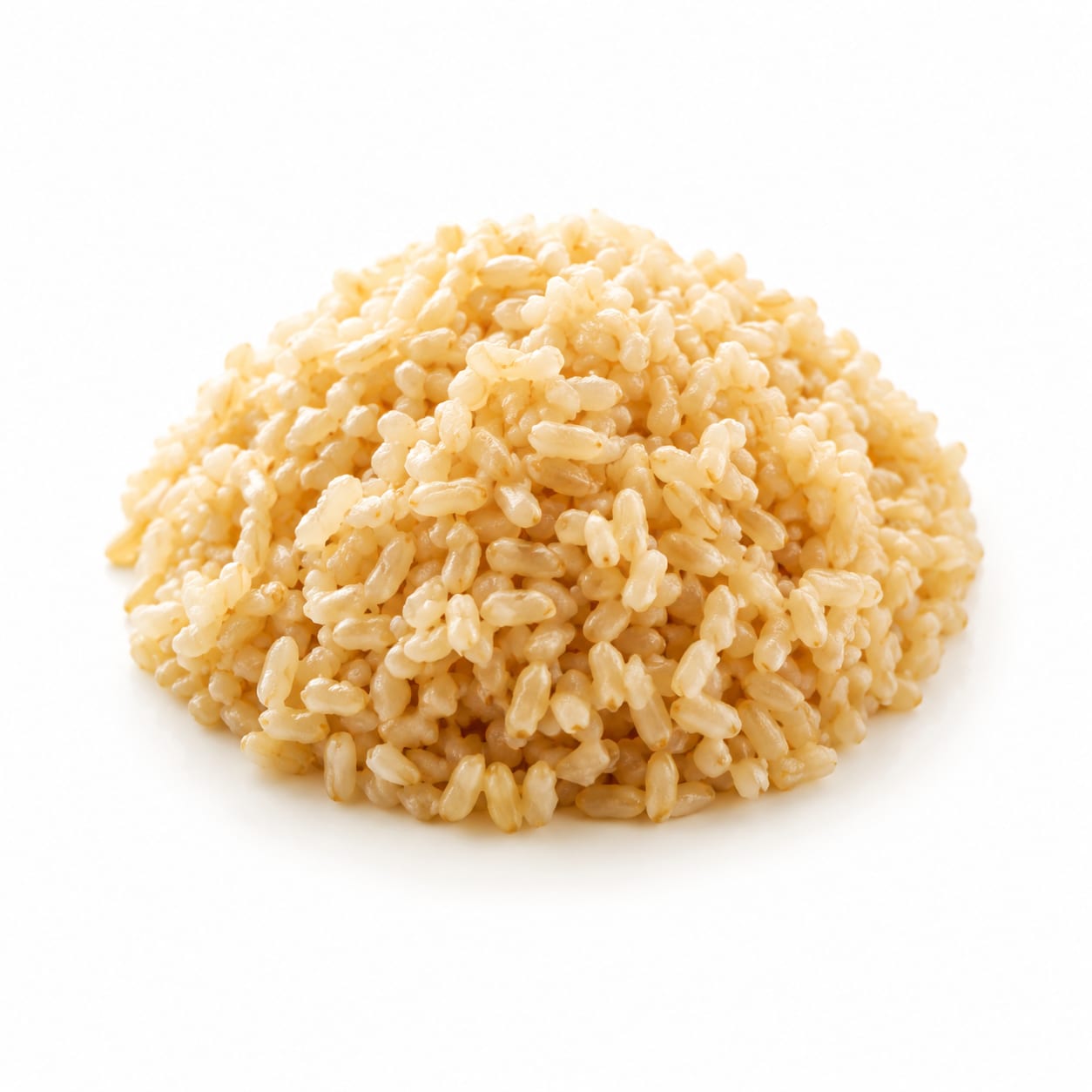
Brown Rice
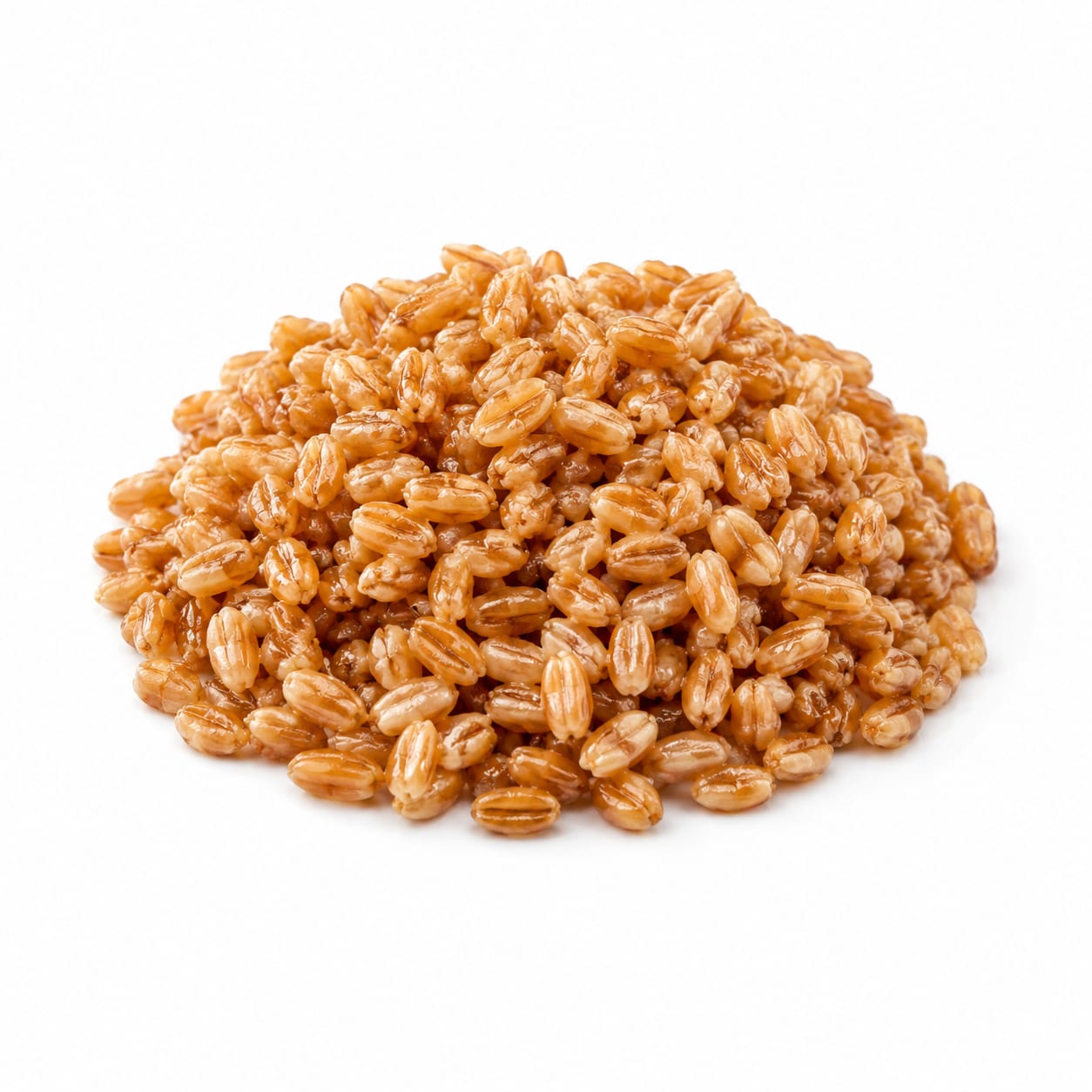
Farro
Farro packs more protein, fiber, and minerals per bite, but brown rice is gluten-free, cheaper, and easier to find. Your best pick depends on whether gluten is a concern.
Farro scores higher due to its stronger protein, fiber, and mineral profile, plus better satiety. Brown rice stays competitive because it is gluten-free, affordable, and widely accessible. The gap reflects nutritional advantage versus practical accessibility.
Farro delivers superior nutrition and satiety, but brown rice wins for gluten sensitivity, budget, and availability.
At a glance
Executive summary
Overall
It depends
Healthier
Farro
More practical
Brown Rice
Daily use
It depends
Key comparison lenses
whole grain nutritional superiority
Both are whole grains, so users want to know which delivers more nutrition per serving
gluten-free vs gluten-containing grain choice
Farro contains gluten while brown rice does not, a critical decision factor for many
blood sugar and energy stability
Both are carb-heavy staples, so glycemic impact matters for daily energy
satiety and meal satisfaction
Users choosing between staple grains want to know which keeps them fuller longer
arsenic and contamination safety
Brown rice arsenic concerns are well-documented and influence grain switching decisions
Best choice for
Brown Rice
- People with celiac disease or gluten sensitivity
- Budget-conscious households
- Those who need wide availability at any grocery store
- Meal preppers wanting a neutral-flavored base
Farro
- Athletes and active people needing more protein
- Anyone wanting steadier blood sugar from grains
- Home cooks seeking richer flavor and chewier texture
- People prioritizing nutrient density per calorie
Least suitable for
Brown Rice
- People avoiding arsenic exposure
- Those wanting maximum protein from their grain
- Anyone bored with bland grains and seeking flavor
Farro
- Anyone with celiac disease or gluten intolerance
- People on a tight grocery budget
- Shoppers at stores with limited grain selections
Deep comparison
Dimension by dimension
Each lens scores both foods and breaks down who each option suits.
- Dimension 1 · Priority 93Farro
Nutritional Density
Brown Rice · 62Farro · 86Farro delivers noticeably more protein, fiber, iron, and zinc per serving than brown rice.
Tradeoff
You get more nutrients with farro, but you also consume gluten and pay more per serving.
Why it matters
Higher nutrient density means your grain side dish actively contributes to your daily needs rather than just filling you up.
Real-world impact
A farro bowl leaves you more satisfied and nourished than the same-sized brown rice bowl, making you less likely to snack later.
Brown Rice
- Those who need a simple, low-allergen carb source
Better for
- Nutrient density per calorie is modest compared to farro
Worse for
Farro
- Anyone wanting their grain to pull more nutritional weight
- Vegetarians relying on grains for iron and protein
Better for
- Gluten content eliminates it for a significant portion of the population
Worse for
- Dimension 2 · Priority 88Farro
Blood Sugar Stability
Brown Rice · 65Farro · 78Farro has a lower glycemic index and more fiber, leading to steadier blood sugar after meals.
Tradeoff
Farro provides smoother energy, but brown rice is still a reasonable choice if paired with protein and fat.
Why it matters
Steadier blood sugar means fewer afternoon crashes and less craving-driven snacking.
Real-world impact
A farro lunch keeps your energy more even through the afternoon, while brown rice may leave you reaching for a snack sooner.
Brown Rice
- Those who already pair grains with protein and healthy fats
Better for
- Higher glycemic load can spike blood sugar faster than farro
Worse for
Farro
- People managing prediabetes or insulin resistance
- Anyone tired of post-meal energy dips
Better for
- Still a carbohydrate-rich food that requires portion awareness
Worse for
- Dimension 3 · Priority 84Farro
Satiety and Fullness
Brown Rice · 64Farro · 82Farro's higher protein and fiber combination keeps you full longer than brown rice.
Tradeoff
Farro is more filling, which is great for weight management but may feel too heavy before workouts.
Why it matters
Staying full longer reduces between-meal snacking and helps with portion control naturally.
Real-world impact
After a farro-based dinner, you are less likely to raid the pantry at 9 PM compared to a brown rice dinner.
Brown Rice
- Light eaters who want a less heavy grain base
- Pre-workout meals where you want energy without feeling weighed down
Better for
- Less protein means hunger returns sooner
Worse for
Farro
- Anyone trying to eat less by staying full longer
- Big eaters who need a grain that actually satisfies
Better for
- Heavier feel may not suit light meals or hot weather
Worse for
- Dimension 4 · Priority 90Brown Rice
Gluten and Allergen Safety
Brown Rice · 95Farro · 30Brown rice is naturally gluten-free, while farro contains wheat gluten and is unsuitable for anyone with celiac or gluten sensitivity.
Tradeoff
Brown rice is the safe choice for gluten-sensitive people, but farro's nutrition advantage is inaccessible to them.
Why it matters
For roughly 6-7% of the population, gluten causes real health problems ranging from digestive distress to autoimmune reactions.
Real-world impact
If you have gluten sensitivity, farro is off the table entirely, making brown rice the clear winner regardless of nutrition.
Brown Rice
- Anyone with celiac disease, gluten intolerance, or wheat allergy
- Households cooking for mixed dietary needs including gluten-free
Better for
- No downside here; brown rice is naturally gluten-free
Worse for
Farro
- No one benefits from gluten specifically; this is a clear disadvantage
Better for
- Contains gluten, eliminating it for anyone with celiac or sensitivity
Worse for
- Dimension 5 · Priority 82It depends
Contamination and Safety
Brown Rice · 58Farro · 72Brown rice can accumulate concerning levels of arsenic, while farro has no major contamination concerns but does contain gluten.
Tradeoff
Brown rice's arsenic issue is a long-term risk, while farro's gluten is an immediate problem for sensitive people.
Why it matters
Regular consumption of arsenic-contaminated rice over years may increase cancer and cardiovascular risk.
Real-world impact
If brown rice is your daily grain, arsenic exposure adds up. Rotating grains like farro reduces this risk significantly.
Brown Rice
- Short-term use or occasional meals pose minimal arsenic risk
Better for
- Arsenic accumulation is a real concern with frequent consumption
Worse for
Farro
- Anyone eating grains daily who wants to avoid arsenic accumulation
- People diversifying grain intake to reduce long-term exposure
Better for
- Gluten is an immediate safety issue for sensitive individuals
Worse for
- Dimension 6 · Priority 75Brown Rice
Practicality and Cost
Brown Rice · 88Farro · 55Brown rice is cheaper, available everywhere, and familiar to most cooks. Farro costs more and requires specialty stores.
Tradeoff
Brown rice wins on convenience and budget, but you sacrifice the nutritional edge and flavor complexity of farro.
Why it matters
The best grain nutritionally does not matter if you cannot find it or afford it regularly.
Real-world impact
You can grab brown rice at any grocery store for under $2 per pound. Farro often costs $4-6 per pound and may require a trip to a specialty shop.
Brown Rice
- Budget-conscious families
- Rural shoppers with limited store options
- Beginner cooks wanting foolproof preparation
Better for
- Less culinary excitement and flavor complexity
Worse for
Farro
- Home cooks who enjoy experimenting with ingredients
- Anyone near well-stocked grocery or bulk stores
Better for
- Higher cost and harder to find make daily use impractical for many
Worse for
Timeline
Health impact over time
Short-term
Hours to days
Brown Rice
- Provides steady but moderate energy; may cause mild blood sugar rise if eaten alone
- Easy to digest for most people since it is gluten-free
- Light enough to eat before exercise without feeling heavy
Farro
- More sustained energy with less of a blood sugar spike
- Can cause bloating or discomfort for those with mild gluten sensitivity
- Heavier and more filling, which may feel uncomfortable in large portions
Long-term
Months to years
Brown Rice
- Regular arsenic exposure from daily consumption is a legitimate concern
- Adequate fiber and minerals support decent long-term health but not exceptional
- Gluten-free nature makes it sustainable for those with celiac or sensitivity
Farro
- Superior fiber and protein intake supports heart health and weight management over time
- Rotating away from rice reduces arsenic exposure risk
- Gluten consumption is fine for most people but problematic for the minority with sensitivity
Risk profile
Safety & processing
Both brown rice and farro are whole, minimally processed grains with no artificial additives. Neither is ultra-processed. The main difference is that farro is sometimes sold semi-pearled, which removes some bran and reduces fiber content, so checking labels for whole farro matters.
Brown Rice
Arsenic contamination
mediumBrown rice accumulates inorganic arsenic from soil and water more than most grains. Regular daily consumption increases long-term exposure. Rinsing thoroughly and cooking with excess water reduces levels by up to 50%.
Spoilage of cooked rice
mediumCooked brown rice left at room temperature can harbor Bacillus cereus, a foodborne pathogen. Refrigerate promptly and do not leave out for extended periods.
Farro
Gluten exposure
highFarro is a wheat species containing gluten. For anyone with celiac disease, even trace amounts trigger intestinal damage. For those with non-celiac gluten sensitivity, symptoms vary but can include bloating, fatigue, and brain fog.
Cross-contamination in processing
lowFarro is often processed alongside other wheat products. While not a concern for most people, those with severe wheat allergies should verify processing standards.
Who wins for whom
Audience fit
Same foods, different winners depending on your goal.
children
Brown RiceBrown rice is gluten-free, widely tolerated, and less likely to cause digestive issues in kids with undiagnosed sensitivities.
daily consumption
It dependsFarro is nutritionally superior for daily use, but arsenic concerns make rotating grains wise. Brown rice daily is fine if you vary your grain intake weekly.
diabetes
FarroFarro's lower glycemic index and higher fiber create a gentler blood sugar response, which is valuable for diabetes management.
elderly
It dependsFarro offers more nutrients that aging bodies need, but brown rice is easier to chew and digest for those with dental or digestive concerns.
muscle gain
FarroFarro provides more protein per serving, supporting muscle repair alongside other protein sources in your diet.
weight loss
FarroFarro's higher protein and fiber keep you full longer, making it easier to eat less overall without feeling deprived.
Your move
Decision guide
Choose Brown Rice
- You have celiac disease, gluten intolerance, or wheat allergy
- Budget is a primary concern and you need an affordable staple grain
- You want a neutral base that pairs with anything without dominating flavor
- You are meal-prepping for a household with mixed dietary needs including gluten-free
Choose Farro
- You tolerate gluten and want the most nutritious whole grain option
- Blood sugar management is a priority for you
- You want a grain that actually keeps you full for hours
- You enjoy cooking and appreciate complex, nutty flavors and chewy textures
Either works if
- You rotate grains throughout the week and want variety
- Both fit your budget and you are deciding based on the specific meal
- You are generally healthy and just want a whole grain side dish
Avoid both if
- You are on a strict low-carb or ketogenic diet
- You need to limit phosphorus or potassium due to kidney disease
Final recommendation
If gluten is not an issue, farro is the nutritionally stronger choice with better satiety, blood sugar control, and mineral content. If you need gluten-free or want an affordable everyday grain, brown rice is reliable and versatile. The smartest approach is rotating both: farro when you want maximum nutrition and satisfaction, brown rice when you need gluten-free or budget-friendly meals. This rotation also minimizes arsenic exposure from eating too much rice.
Practical
Consumer tips
- 1
Rinse brown rice thoroughly before cooking to reduce arsenic levels by up to 30%
- 2
Cook brown rice in excess water (like pasta) and drain to cut arsenic by up to 50%
- 3
Look for whole farro, not semi-pearled, to get the full fiber benefit
- 4
Buy farro in bulk bins at health food stores to save money
- 5
Soak farro overnight to reduce cooking time and improve digestibility
- 6
Alternate between brown rice, farro, quinoa, and other grains weekly to diversify nutrients and minimize contamination risks
- 7
If arsenic is a serious concern, choose brown rice from California, India, or Pakistan, which typically tests lower than rice from the southern US