
Nutrition comparison
Brown Rice vs Lentils: Nutrition, Protein, and Health Comparison
Comparing Brown Rice and Lentils? Discover which is better for protein, blood sugar, weight loss, and digestion to make the best choice for your diet.
Overall winner · Lentils
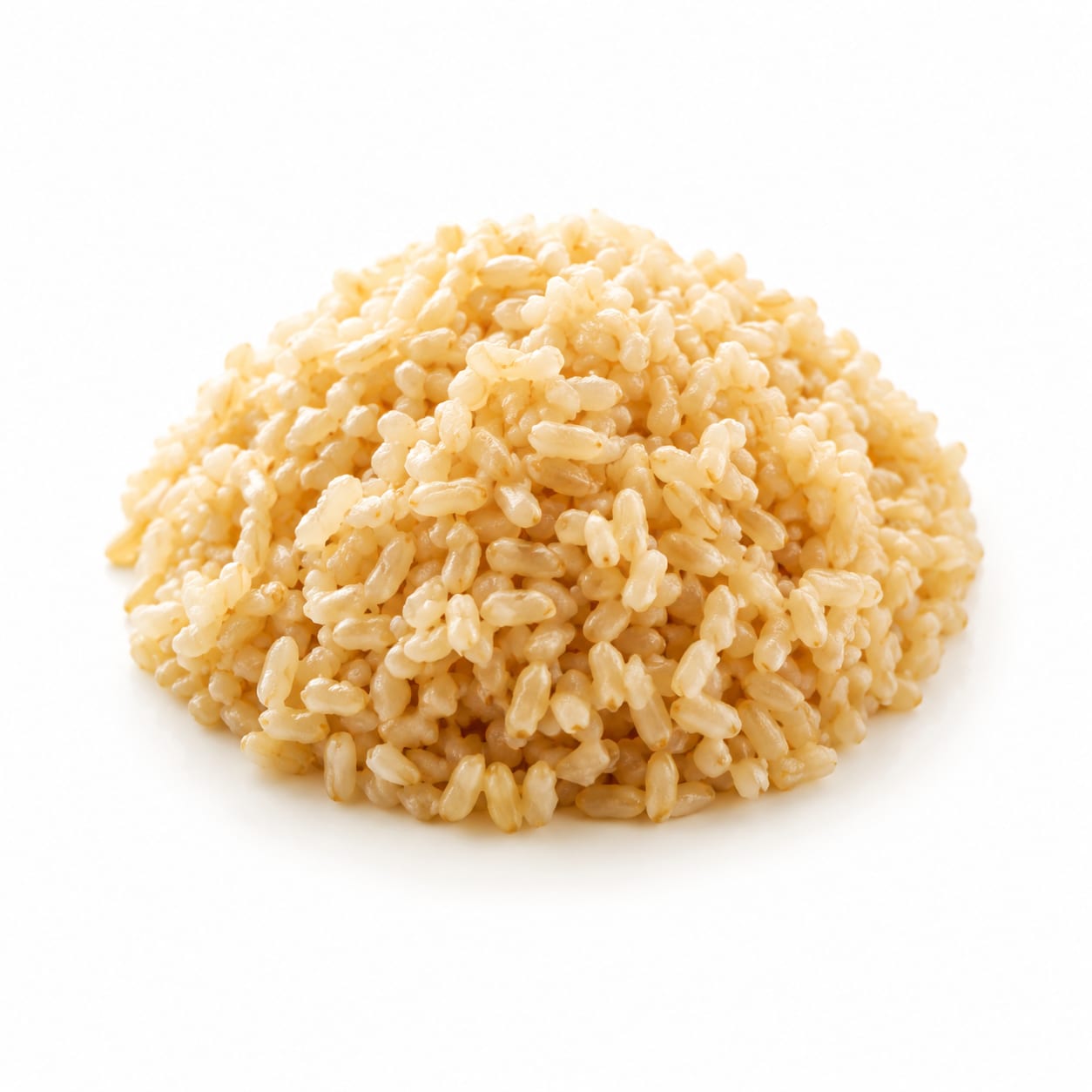
Brown Rice
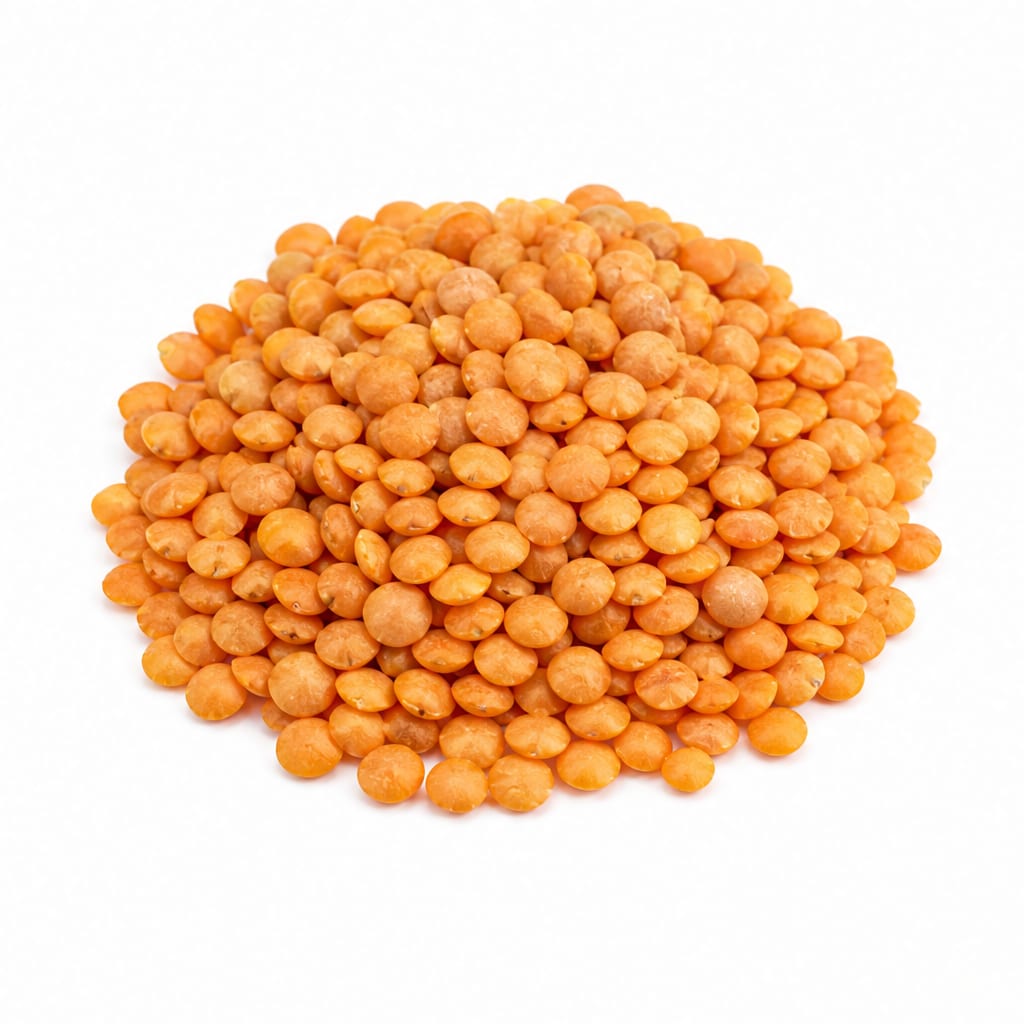
Lentils
Lentils deliver far more protein, fiber, and nutrients per calorie, making them the nutritional powerhouse, while Brown Rice offers gentler energy and easier digestion.
Lentils score significantly higher due to their superior protein, fiber, and micronutrient profile, though Brown Rice earns points for digestive tolerance and quick energy availability.
Nutritional density and satiety versus digestive comfort and quick energy.
At a glance
Executive summary
Overall
Lentils
Healthier
Lentils
More practical
Brown Rice
Daily use
Lentils
Key comparison lenses
Protein and Satiety Comparison
Lentils are a high-protein legume while Brown Rice is primarily a carbohydrate source, making this the most critical differentiator for meal planning.
Blood Sugar Management
The difference in fiber and carbohydrate complexity between these two staples significantly impacts glycemic response and energy stability.
Digestive Tolerance
Lentils can cause bloating for some due to fermentable fibers, whereas Brown Rice is often recommended for sensitive stomachs.
Micronutrient Density
Users often replace grains with legumes to increase iron, folate, and mineral intake, especially on plant-based diets.
Best choice for
Brown Rice
- Sensitive stomachs
- Pre-workout quick energy
- Low-fiber digestive protocols
Lentils
- Plant-based protein seekers
- Blood sugar management
- Weight loss and satiety
Least suitable for
Brown Rice
- High-protein diets
- Low-carb lifestyles
Lentils
- Low-FODMAP diets
- Those prone to severe bloating
Deep comparison
Dimension by dimension
Each lens scores both foods and breaks down who each option suits.
- Dimension 1 · Priority 95Lentils
Protein & Satiety
Brown Rice · 40Lentils · 95Lentils provide roughly three times the protein and four times the fiber of Brown Rice, making them significantly more filling.
Tradeoff
You get much more staying power with Lentils, but the heaviness can feel uncomfortable if you prefer light meals.
Why it matters
Higher protein and fiber prevent overeating and reduce cravings between meals.
Real-world impact
A lentil-based lunch keeps you full until dinner, while a brown rice lunch might leave you reaching for a snack by 3 PM.
Brown Rice
- Easily digestible carbs
- Lighter stomach feel
Better for
- Sustained energy without crashes
- High-protein needs
Worse for
Lentils
- Staying full for hours
- Plant-based muscle recovery
Better for
- Light pre-workout meals
- Sensitive digestion
Worse for
- Dimension 2 · Priority 90Lentils
Blood Sugar Stability
Brown Rice · 55Lentils · 90Lentils have a much lower glycemic index and higher fiber content, resulting in slower, steadier blood sugar rises compared to Brown Rice.
Tradeoff
Lentils provide stable energy but require more digestive effort, while Brown Rice offers faster energy that fades sooner.
Why it matters
Stable blood sugar prevents the afternoon energy crash and reduces diabetes risk.
Real-world impact
Eating Lentils avoids the sleepy feeling that can hit after a carb-heavy Brown Rice bowl.
Brown Rice
- Quickly replenishing energy after a workout
Better for
- Sustained energy without spikes
- Diabetes management
Worse for
Lentils
- Avoiding afternoon crashes
- Managing insulin resistance
Better for
- Quick carb loading before intense exercise
Worse for
- Dimension 3 · Priority 85Brown Rice
Digestive Tolerance
Brown Rice · 90Lentils · 55Brown Rice is gentle on the digestive tract and well-tolerated by most people, whereas Lentils contain fermentable fibers that can cause gas and bloating.
Tradeoff
Brown Rice is comforting and easy on the stomach, but lacks the gut-feeding prebiotic fiber density of Lentils.
Why it matters
Digestive discomfort can ruin your day, regardless of how healthy a food is on paper.
Real-world impact
Brown Rice is a safe choice for an upset stomach, while Lentils might cause bloating if you aren't used to eating them regularly.
Brown Rice
- Sensitive stomachs
- Low-FODMAP diets
- Easing back into eating after illness
Better for
- Feeding beneficial gut bacteria long-term
Worse for
Lentils
- Building a robust gut microbiome
- Improving long-term bowel regularity
Better for
- People with IBS
- Those unaccustomed to high-fiber diets
Worse for
- Dimension 4 · Priority 80Lentils
Micronutrient Density
Brown Rice · 50Lentils · 92Lentils are rich in folate, iron, magnesium, and potassium, vastly outperforming Brown Rice in vitamin and mineral content.
Tradeoff
Lentils pack a heavy nutritional punch, but their iron is non-heme and phytic acid can slightly reduce mineral absorption.
Why it matters
Getting more nutrients per calorie reduces the need for supplementation and supports overall vitality.
Real-world impact
Regularly choosing Lentils makes it much easier to hit your daily iron and folate targets, especially on a plant-based diet.
Brown Rice
- Providing manganese and selenium without anti-nutrients
Better for
- Meeting high iron and folate needs
Worse for
Lentils
- Preventing anemia
- Prenatal nutrition
- Plant-based diets
Better for
- Those needing rapid iron repletion from animal sources
Worse for
Timeline
Health impact over time
Short-term
Hours to days
Brown Rice
- Provides quick, easily accessible energy
- Comforting and gentle on the stomach
Lentils
- Highly satiating, reducing the urge to snack
- May cause temporary gas or bloating if not accustomed to the fiber
Long-term
Months to years
Brown Rice
- Supports steady energy for active lifestyles
- Lower fiber intake might not optimally protect against chronic disease
Lentils
- Significantly lowers risk of type 2 diabetes and heart disease
- Supports healthy weight maintenance through high satiety
Risk profile
Safety & processing
Both Brown Rice and Lentils are whole, minimally processed foods with no artificial additives, making them excellent foundational staples.
Brown Rice
Inorganic arsenic accumulation
mediumBrown Rice tends to accumulate inorganic arsenic from soil and water more than other grains, posing long-term health risks if consumed excessively.
Lentils
Phytic acid and anti-nutrients
lowPhytic acid in Lentils can bind to minerals like iron and zinc, slightly reducing their absorption, though this is rarely a major issue in balanced diets.
Pesticide residue
lowLentils may carry pesticide residues, though they are generally low compared to other crops.
Who wins for whom
Audience fit
Same foods, different winners depending on your goal.
children
Brown RiceBrown Rice is easier for young digestive systems to process and less likely to cause uncomfortable gas or bloating.
daily consumption
LentilsThe superior nutritional profile and disease-protective qualities of Lentils make them a better daily staple for most healthy adults.
diabetes
LentilsThe high fiber and low glycemic index of Lentils prevent dangerous blood sugar spikes better than Brown Rice.
elderly
Brown RiceOlder adults often have more sensitive digestion, making the gentle nature of Brown Rice a safer everyday choice.
muscle gain
LentilsLentils offer substantially more protein, which is essential for muscle repair and growth, especially on a plant-based diet.
weight loss
LentilsLentils provide far more protein and fiber per calorie, keeping you full longer and naturally reducing overall food intake.
Your move
Decision guide
Choose Brown Rice
- You have a sensitive stomach or IBS
- You need easily digestible carbs before or after a workout
- You are cooking for children or someone with a low-fiber tolerance
Choose Lentils
- You want to increase plant-based protein intake
- You are trying to manage your weight or blood sugar
- You need long-lasting energy without mid-afternoon crashes
Either works if
- You want a wholesome, minimally processed carb base for a bowl
- You are meal-prepping healthy lunches for the week
Avoid both if
- You are on a strict ketogenic diet
- You have severe cross-reactive allergies to either food
Final recommendation
For most people, Lentils are the superior choice due to their unmatched protein, fiber, and micronutrient content. However, Brown Rice remains a valuable option for those with sensitive digestion or higher immediate carb needs. Rotating both in your diet gives you the best of both worlds.
Practical
Consumer tips
- 1
Rinse Brown Rice thoroughly and cook it in extra water to reduce arsenic levels.
- 2
Soak Lentils for a few hours or overnight to reduce gas-causing compounds and improve digestibility.
- 3
Pair Lentils with vitamin C-rich foods like tomatoes or bell peppers to boost iron absorption.
- 4
Combine Brown Rice and Lentils in a single dish for a complete protein with balanced digestion.