
Nutrition comparison
Brown Rice vs White Rice: Which Is Healthier?
Compare Brown Rice vs White Rice on blood sugar, nutrients, digestion, and arsenic. Find out which rice is better for your health goals.
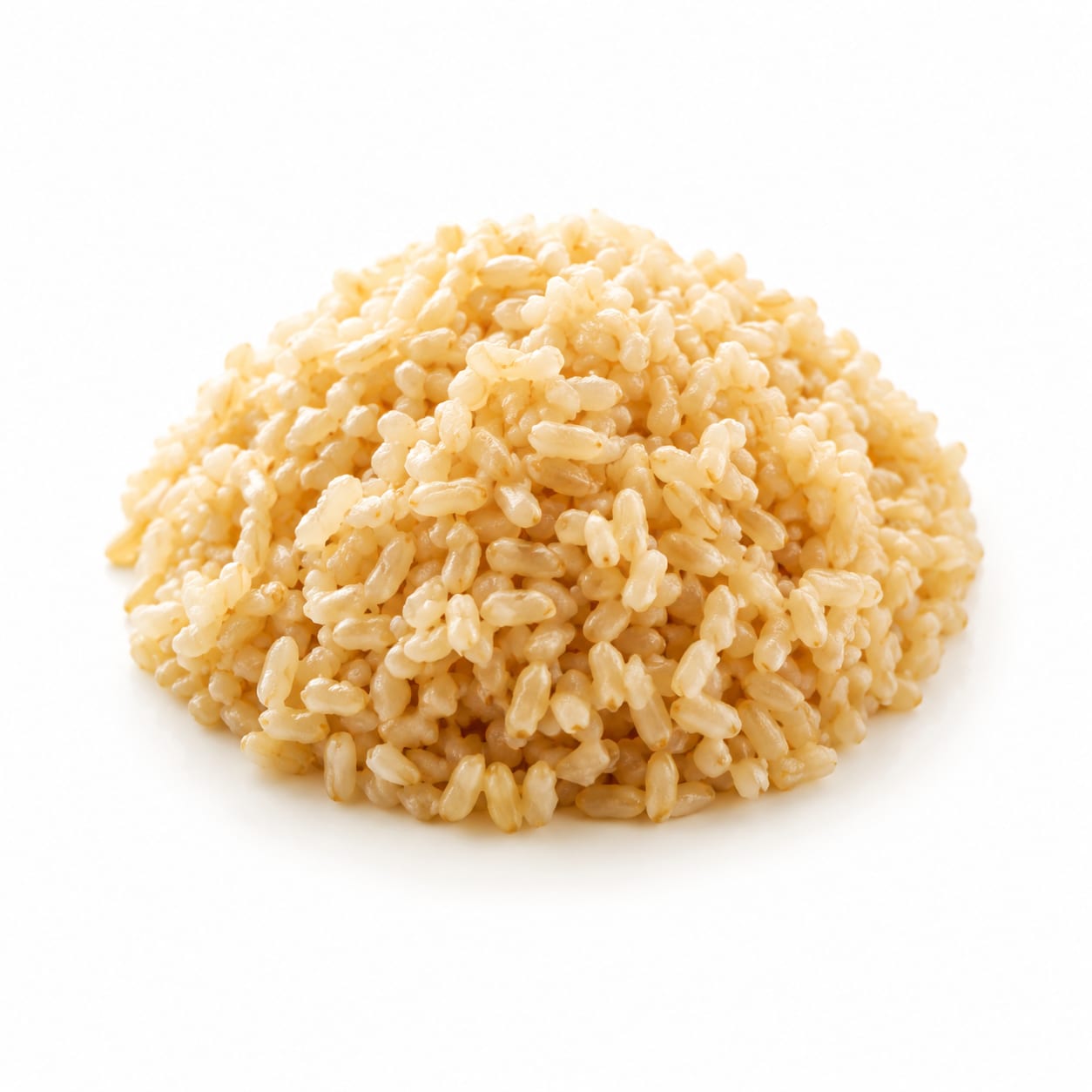
Brown Rice
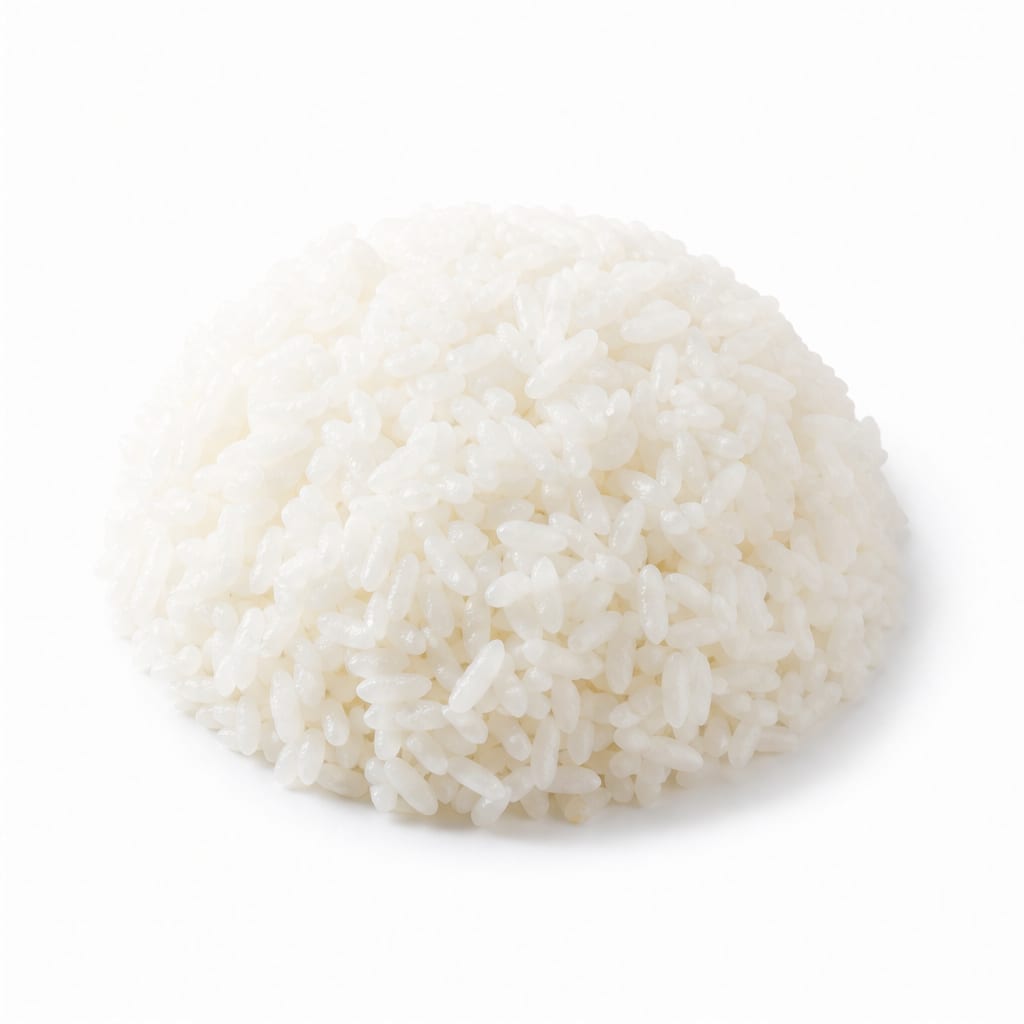
White Rice
Brown Rice wins for nutrients and blood sugar stability, but White Rice is easier to digest, cooks faster, and has lower arsenic.
Brown Rice scores higher for nutritional value and blood sugar control, but White Rice's digestive ease, lower arsenic, and convenience keep it highly competitive depending on your context.
More fiber and steady energy versus quicker cooking, gentler digestion, and lower heavy metal exposure.
At a glance
Executive summary
Overall
It depends
Healthier
Brown Rice
More practical
White Rice
Daily use
It depends
Key comparison lenses
Blood sugar control and diabetes risk
The difference in fiber drastically changes how each rice affects blood sugar, making this the primary health concern for most people.
Nutrient density and whole grain benefits
Brown Rice retains its bran and germ, offering significantly more vitamins and minerals than White Rice.
Arsenic and heavy metal exposure
The outer bran layer of Brown Rice harbors more inorganic arsenic, creating a hidden tradeoff for whole grain seekers.
Digestive tolerance and comfort
White Rice is a staple for upset stomachs and sensitive digestion, while Brown Rice can be harder to break down.
Meal prep convenience and cooking time
White Rice cooks in a fraction of the time, making it a more practical choice for busy households.
Best choice for
Brown Rice
- Managing blood sugar and insulin resistance
- Increasing daily fiber intake
- Staying full and satisfied between meals
White Rice
- Quick post-workout carbohydrate refueling
- Soothing an upset or sensitive stomach
- Fast weeknight dinner prep
Least suitable for
Brown Rice
- People with severe IBS or digestive inflammation
- Those needing quick cooking grains on busy nights
White Rice
- People managing type 2 diabetes
- Those relying on grains for daily fiber intake
Deep comparison
Dimension by dimension
Each lens scores both foods and breaks down who each option suits.
- Dimension 1 · Priority 95Brown Rice
Blood Sugar Stability
Brown Rice · 85White Rice · 40Brown Rice provides steadier energy due to its fiber content, while White Rice digests rapidly and can cause blood sugar spikes.
Tradeoff
You trade quick-digesting energy for stable, long-lasting fuel without the crash.
Why it matters
Avoiding blood sugar spikes helps prevent afternoon energy crashes and reduces long-term diabetes risk.
Real-world impact
You feel full and energized until your next meal rather than reaching for a snack an hour after eating.
Brown Rice
- People managing diabetes
- Those seeking steady energy
Better for
- Immediate post-workout glycogen refill
Worse for
White Rice
- Athletes needing fast carbs
- Endurance runners mid-race
Better for
- Prediabetics
- People prone to energy crashes
Worse for
- Dimension 2 · Priority 90Brown Rice
Nutrient Density
Brown Rice · 90White Rice · 45Brown Rice retains its bran and germ, offering more magnesium, B vitamins, and antioxidants. White Rice is mostly starchy endosperm.
Tradeoff
More vitamins and minerals come with a chewier texture and longer cook time.
Why it matters
Micronutrients support energy production, bone health, and immune function.
Real-world impact
A bowl of Brown Rice contributes meaningfully to your daily magnesium needs, while White Rice offers mostly empty calories.
Brown Rice
- Nutrient-boosting meals
- Whole food diets
Better for
White Rice
- Easily digestible calorie loading
Better for
- Nutrient-deficient diets
Worse for
- Dimension 3 · Priority 85White Rice
Arsenic and Safety
Brown Rice · 40White Rice · 65Brown Rice tends to accumulate more arsenic in its outer bran layer, which is stripped away to make White Rice.
Tradeoff
The most nutritious part of the rice grain also holds the most environmental contaminants.
Why it matters
Long-term arsenic exposure is linked to certain cancers and heart disease.
Real-world impact
Eating Brown Rice every single day might increase your heavy metal load compared to rotating with White Rice or other grains.
Brown Rice
- Daily heavy consumers
- Children
Worse for
White Rice
- Reducing heavy metal intake
- Frequent rice eaters
Better for
- Dimension 4 · Priority 80White Rice
Digestive Comfort
Brown Rice · 55White Rice · 90White Rice is gentle on the stomach and easy to digest, whereas the fiber in Brown Rice can irritate sensitive digestive systems.
Tradeoff
You sacrifice some nutrients for a comforting, easy-to-process meal.
Why it matters
If you have IBS or an upset stomach, high-fiber foods can cause bloating and discomfort.
Real-world impact
White Rice feels soothing during stomach bugs or after intense exercise, while Brown Rice might feel heavy or cause gas.
Brown Rice
- Relieving constipation
Better for
- IBS flare-ups
- Recovery from stomach illness
Worse for
White Rice
- Upset stomachs
- Post-surgery soft diets
Better for
- Needing digestive regularity
Worse for
- Dimension 5 · Priority 75White Rice
Convenience and Practicality
Brown Rice · 40White Rice · 95White Rice cooks in about 15 minutes, while Brown Rice can take 45 minutes or more.
Tradeoff
Waiting longer for a chewier, more nutritious grain versus having dinner on the table fast.
Why it matters
When you are hungry after a long day, convenience often wins over nutrition.
Real-world impact
White Rice is a reliable weeknight staple, whereas Brown Rice requires meal prep planning or a rice cooker.
Brown Rice
- Weekend meal prepping
Better for
- Last-minute weeknight meals
Worse for
White Rice
- Busy weeknights
- Quick meal prep
Better for
Timeline
Health impact over time
Short-term
Hours to days
Brown Rice
- Sustained energy for hours without a crash
- Feeling physically full and satisfied
- Possible bloating if your body is unused to high fiber
White Rice
- Quick energy boost that fades fast
- Light feeling in the stomach
- Hunger returning within an hour or two
Long-term
Months to years
Brown Rice
- Lower risk of developing type 2 diabetes
- Better heart health markers from whole grains
- Potential higher arsenic load if eaten daily in large amounts
White Rice
- Higher risk of metabolic issues if eaten in excess without fiber
- Easier weight maintenance if portions are strictly controlled
- Lower heavy metal exposure compared to whole grain rice
Risk profile
Safety & processing
Brown Rice is a whole grain with only the inedible hull removed. White Rice has the bran and germ stripped away, making it a refined carbohydrate despite lacking artificial additives.
Brown Rice
Inorganic arsenic accumulation
mediumThe bran layer holds onto inorganic arsenic from soil and water much more than the inner grain, posing a risk if consumed daily in large quantities.
White Rice
Inorganic arsenic accumulation
lowRemoving the bran significantly reduces arsenic levels, though some remains in the endosperm.
Blood sugar spike
mediumRapid digestion can strain insulin response if eaten in large portions without protein or fat.
Who wins for whom
Audience fit
Same foods, different winners depending on your goal.
children
White RiceLower arsenic levels and easier digestibility make it safer and more practical for kids.
daily consumption
It dependsBrown Rice is better nutritionally, but daily consumption raises arsenic concerns; rotating with White Rice or other grains is safest.
diabetes
Brown RiceThe lower glycemic index helps keep blood sugar stable and reduces insulin demand.
elderly
White RiceGentle on the digestive system and easier to chew for those with dental concerns.
muscle gain
White RiceThe fast-digesting carbs shuttle glucose into muscles quickly after a workout.
weight loss
Brown RiceThe extra fiber keeps you fuller for longer, making it easier to eat fewer calories overall.
Your move
Decision guide
Choose Brown Rice
- You want steadier energy and more fiber in your diet
- You are managing blood sugar issues or insulin resistance
- You are meal prepping and do not mind the longer cook time
Choose White Rice
- You need quick-digesting carbs right after a heavy workout
- You have a sensitive stomach, IBS, or are recovering from illness
- You are short on time and need a fast, comforting side dish
Either works if
- You are eating a balanced meal with plenty of protein, fat, and vegetables
- You rotate your grains to avoid overexposure to arsenic
Avoid both if
- You are on a strict ketogenic or very low-carb diet
Final recommendation
For everyday health, Brown Rice is the nutritional winner, but its arsenic load means you should not eat it exclusively. Mix it up by eating Brown Rice a few times a week for the fiber and nutrients, and White Rice when you need quick energy, digestive comfort, or a fast meal.
Practical
Consumer tips
- 1
Rinse both types of rice thoroughly before cooking to reduce surface starch and some arsenic.
- 2
Cook Brown Rice in extra water and drain it like pasta to significantly lower its arsenic content.
- 3
Pair White Rice with a source of fat, fiber, or protein to slow down sugar absorption and prevent crashes.
- 4
Try mixing half Brown Rice and half White Rice if you are transitioning to whole grains or want a balance of texture and speed.